
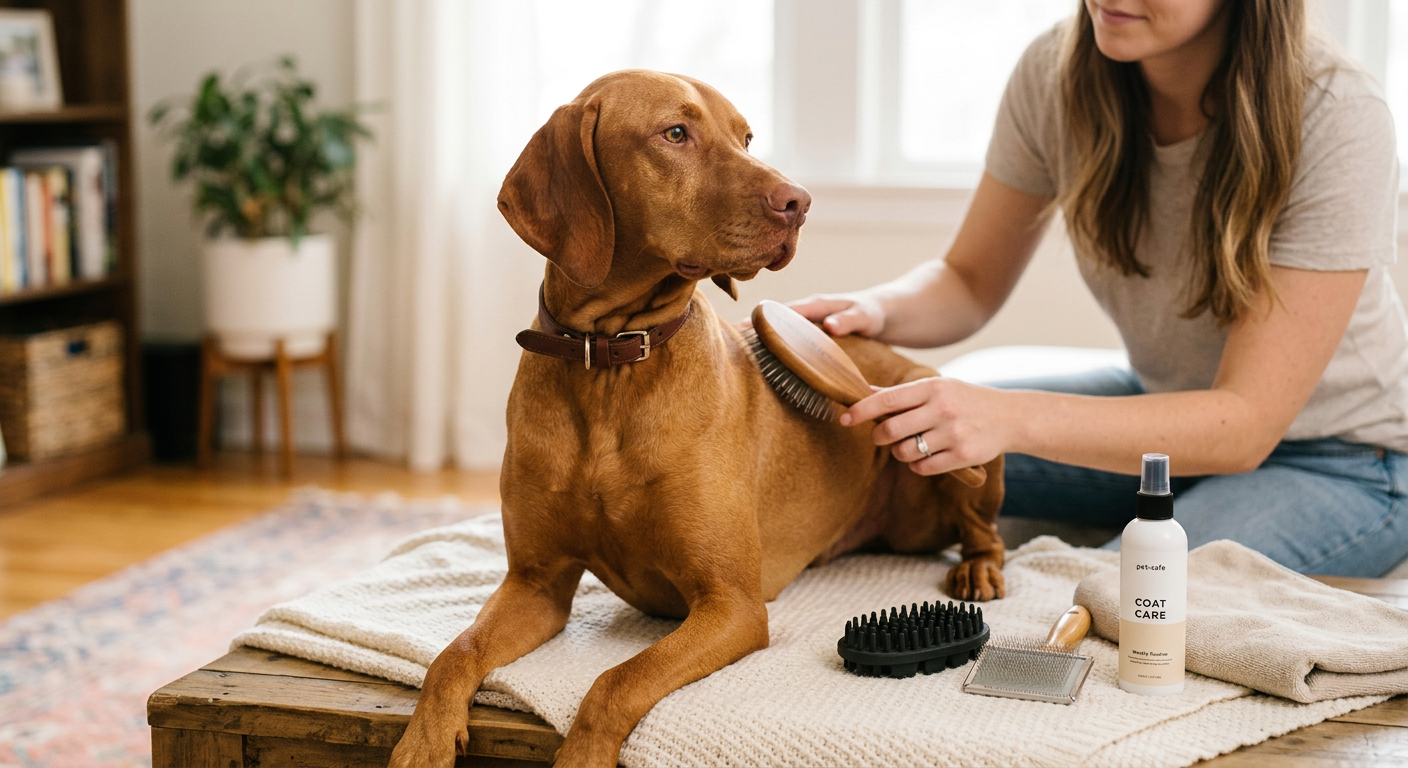
guide • Coat Care
Short-Coat Maintenance Routine: A Fast Weekly Grooming Plan That Actually Cuts Shedding
A practical short coat grooming routine built for busy owners—minimal tools, fast weekly steps, and smart upgrades that reduce shedding and cleanup costs.
By Lucy Anderson • February 28, 2026 • 7 min read
Table of contents
- Define value beyond sticker price
- The real costs a good routine reduces
- What “good results” should look like
- Decision criteria: choose tools by coat behavior, not species labels
- Minimum viable setup for reliable results
- The minimum kit (most homes)
- Your fast weekly routine (10 minutes, once a week)
- When to add a de-shedding tool (and how to avoid overdoing it)
- For short-coated dogs with real undercoat volume
- Upgrade paths that actually improve outcomes
- Upgrade 1: A better brush head for sensitive pets
- Upgrade 2: Controlled de-shedding for heavy cycles
- Upgrade 3: Batch your routine with “high friction” life moments
- Workflow cost over 90 days
- A realistic 90-day plan (busy household)
- Example: the “black clothes” household
- Example: multi-pet home (2 cats, 1 short-haired dog)
- High-value options by use case
- Use case: “My cat sheds constantly, and hair floats everywhere”
- Use case: “My dog is short-haired but blows coat like crazy”
- Use case: “My pet hates grooming, and we can’t get through 5 minutes”
- Use case: “I want the cheapest routine that still works”
- Waste patterns to avoid
- Buying tools that solve the wrong problem
- Over-brushing (yes, it’s real)
- Letting hair pile up on the tool mid-session
- Treating grooming like punishment or restraint practice
- Performance audit checklist
- Coat and skin indicators
- Home indicators
- Pet behavior indicators
- If results are not improving
- Final buying decision tree
- Step 1: What’s your main pain point?
- Step 2: How much time can you realistically commit?
- Step 3: What’s the budget-value move?
Short-coated pets can look “low maintenance” until your couch, car seats, and black clothes say otherwise. The goal of a reliable short coat grooming routine isn’t perfection—it’s controlling loose hair, distributing skin oils, spotting problems early, and doing it without turning grooming into a full-time job.
This guide is built in a Budget-Value style: fewer products, predictable results, and a realistic look at total cost of ownership (tools, time, cleanup, and when to upgrade).
Define value beyond sticker price
Value in grooming isn’t the brush price—it’s what it prevents.
The real costs a good routine reduces
- House cleanup time: The difference between “I vacuum weekly” and “I vacuum every other day” is often just 10 minutes of brushing.
- Laundry wear and tear: Pet hair embedded in fabric pushes you toward lint rollers, extra wash cycles, and clothing replacements.
- Skin flare-ups caught early: Short coats make it easier to miss dry patches, fleas, or irritation because you assume everything is visible. A weekly hands-on check is often what catches issues early.
- Vet and groomer visits: Short coats rarely need haircuts, but impacted shedding, dandruff, or sensitive skin can still drive appointments.
What “good results” should look like
A short coat grooming routine is working when:
- •Brushing time stays under 10–15 minutes.
- •You see less hair release during petting by week 2.
- •Coat feels smoother (less “dusty” or greasy) and looks more reflective.
- •Your pet tolerates the process without escalating stress.
Decision criteria: choose tools by coat behavior, not species labels
Short coats vary a lot. Think in three buckets:
- •True single short coat (sleek, close to skin): Many cats, Boxers, Dobermans. Shedding is fine and constant; skin can be sensitive.
- •Short but dense (plush, “velvety,” high volume shed): Labs, Pugs, many mixed breeds; some cats. You need controlled de-shedding.
- •Short double coat (short topcoat + undercoat): Corgis, some shepherd mixes, many “short-haired” dogs that still blow coat seasonally.
If you pick the wrong tool, you pay twice: once for the tool, then again in wasted time and stress.
Minimum viable setup for reliable results
You can build an effective starter kit with one primary brush and one optional shedding tool, plus a few low-cost supports.
The minimum kit (most homes)
- •A gentle slicker or flexible brush for weekly all-over passes and quick touch-ups.
- •A de-shedding tool only if you’re seeing clumps, seasonal “coat blow,” or heavy hair in the home.
- •A microfiber towel (or soft cloth) for a final wipe to lift remaining loose hair and dander.
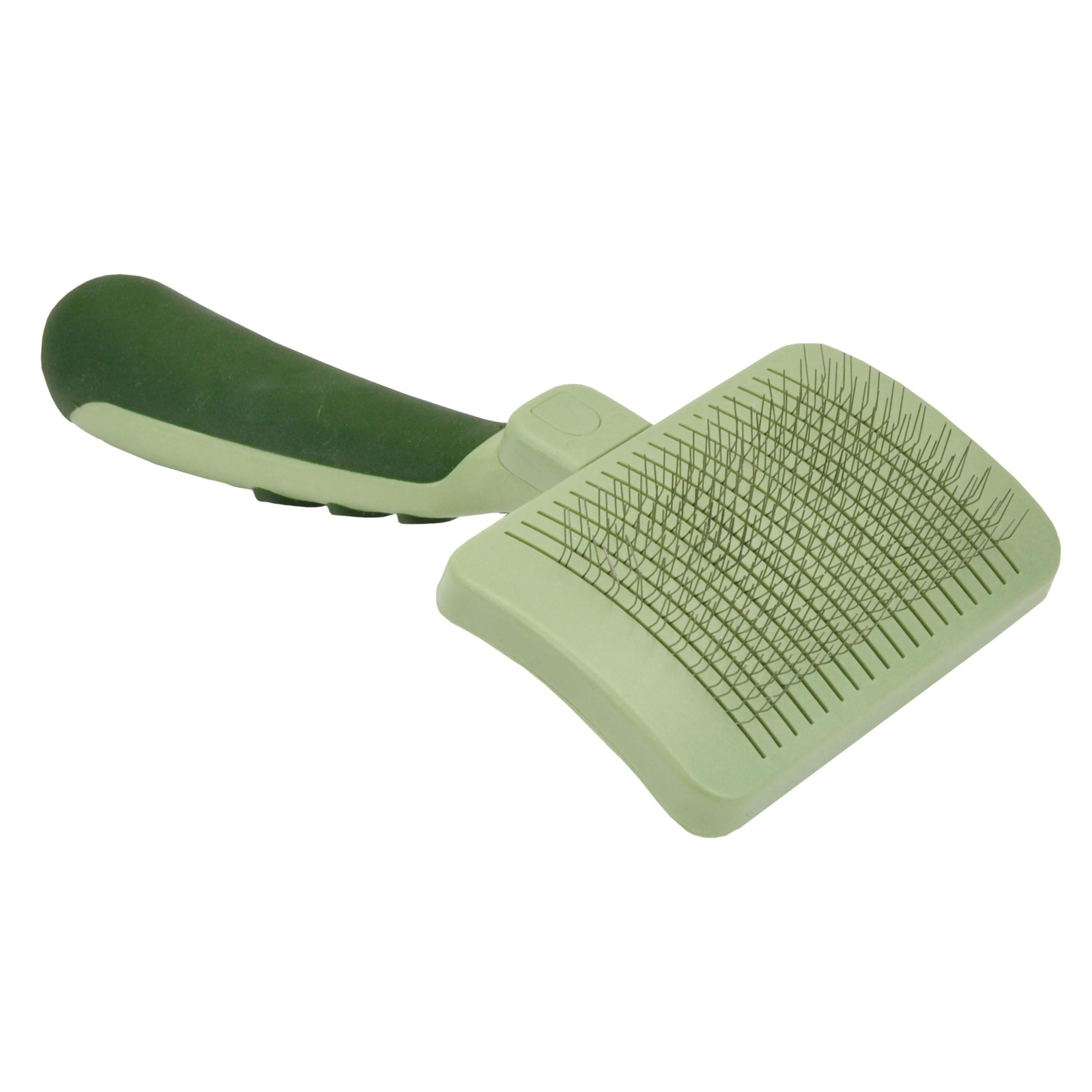
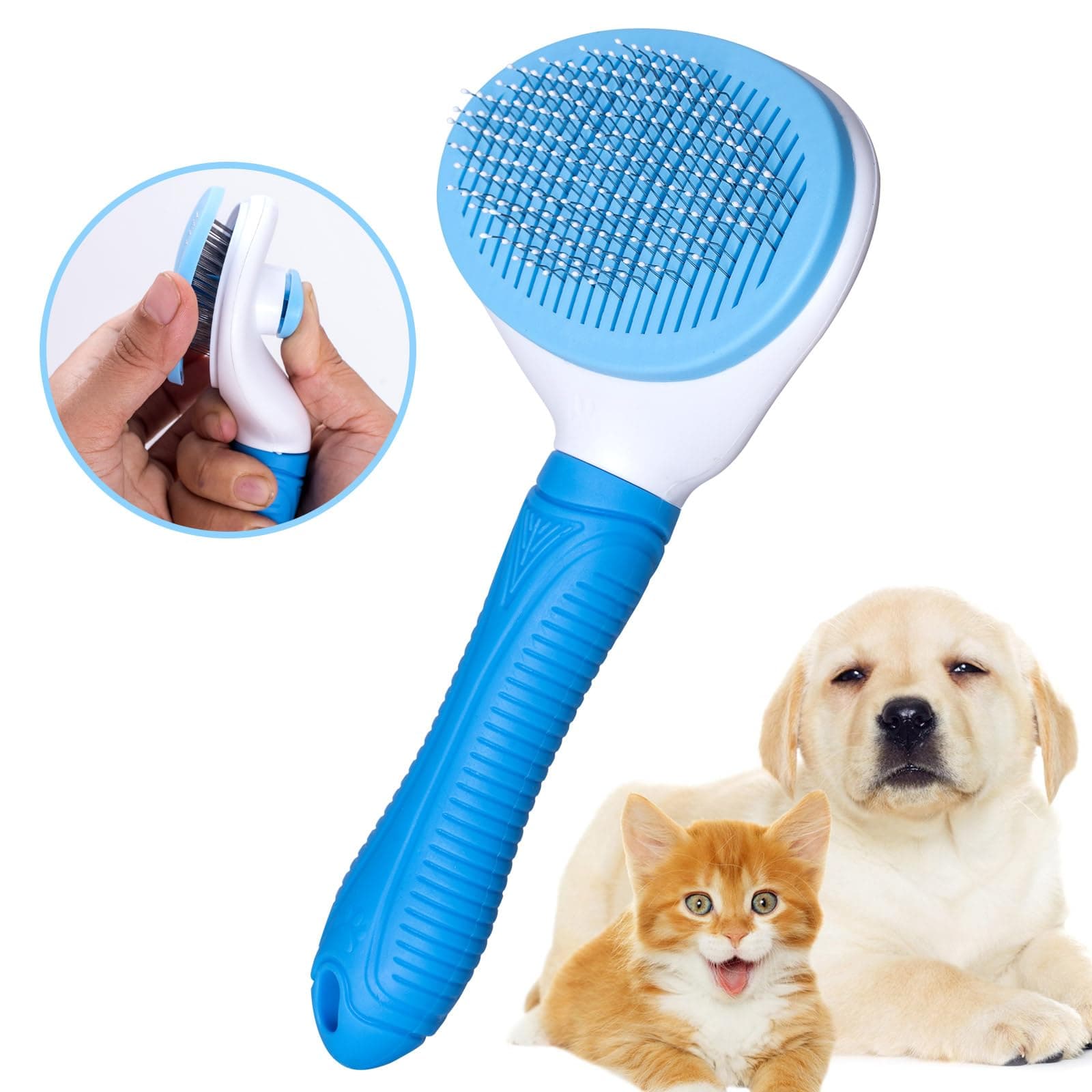
For cats or small-pet handling where you want easy cleanup, the Coastal Pet Safari - Cat Self-Cleaning Slicker Brush - Cat Grooming Supplies is a practical baseline. The self-cleaning feature matters more than it sounds: it makes it easier to keep brushing when you’re busy because you’re not stopping to peel hair off the bristles.
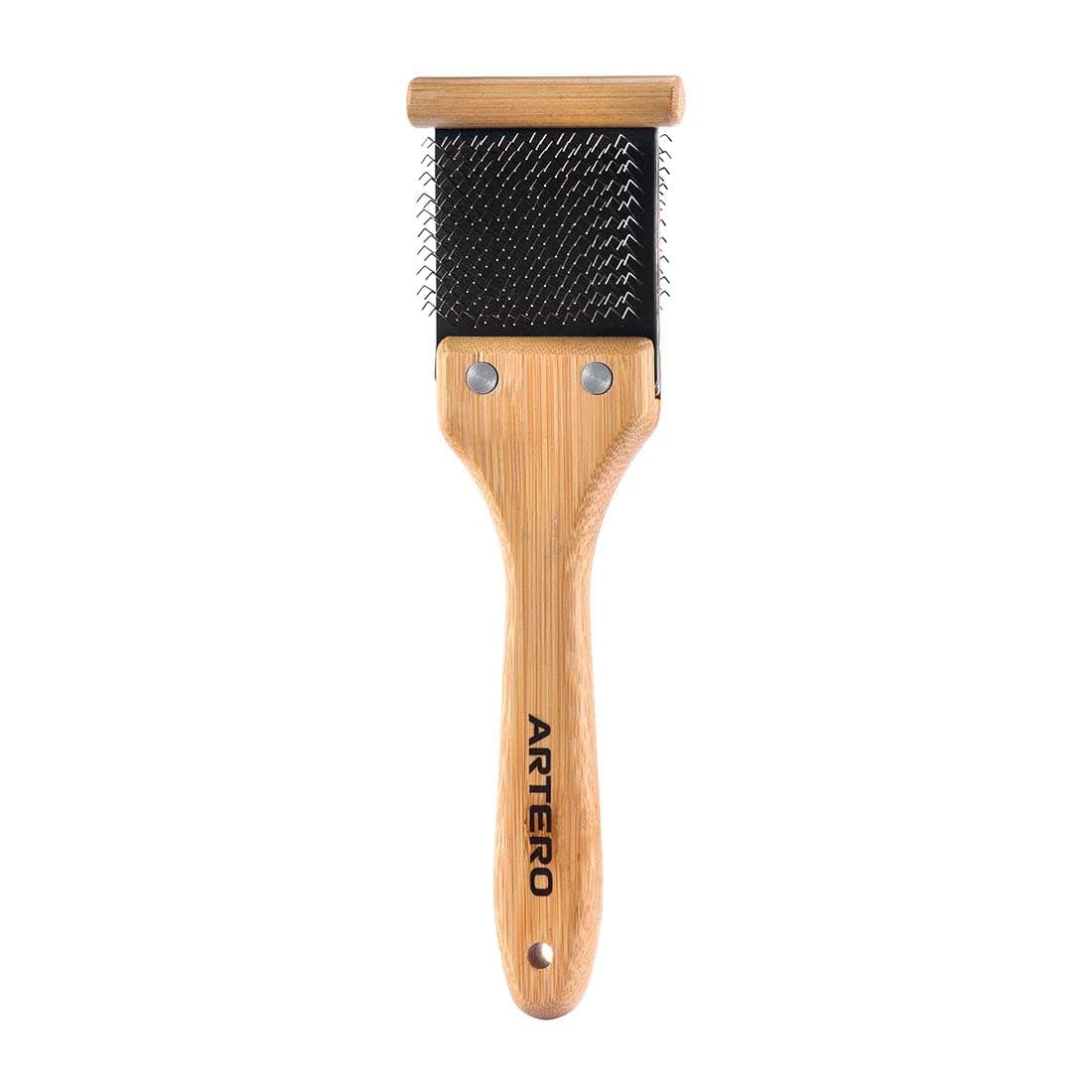
If you want one brush that can flex with body curves (shoulders, hips) and reduce “scratchy” pressure, consider the Artero Double Flexible Brush (2 in 1) (S - Nature Collection). Flexible heads can be especially helpful for pets that tolerate grooming poorly—less poking, fewer sudden yanks.
Your fast weekly routine (10 minutes, once a week)
This is the core short coat grooming routine that fits most schedules.
- Minute 1: Hands-on scan (no tools yet)
- •Run your hands from neck to tail, then down sides and legs.
- •Feel for scabs, flakes, tenderness, or “pepper” specks (possible flea dirt).
- •If your pet flinches at one spot, note it and use lighter pressure there.
- Minutes 2–7: Brush in “zones”
- •Do 30–60 seconds each: neck/shoulders, back, sides, chest, hips, tail base.
- •Use short strokes with the coat direction first.
- •Finish each zone with 5–10 strokes against the grain only if your pet’s skin tolerates it (great for lifting loose undercoat on dense short coats).
- Minutes 8–9: Target the hot-shed areas
- •Dogs: tail base, rump, behind shoulders.
- •Cats: back near tail base, sides.
- •This is where you get the biggest payoff per minute.
- Minute 10: Wipe-down
- •Use a microfiber towel to grab what’s left and reduce dander drift.
When to add a de-shedding tool (and how to avoid overdoing it)
A de-shedding tool isn’t mandatory for every short coat. It becomes cost-effective when:
- •You’re vacuuming more than once a week because of hair.
- •You see “tufts” or your brush fills instantly.
- •Seasonal shedding is intense (spring/fall).
For medium/large short-haired cats that shed heavily, the FURminator deShedding Tool For Medium/Large Cats, Short Hair, Removes Loose Hair From Shedding is designed specifically for that job.
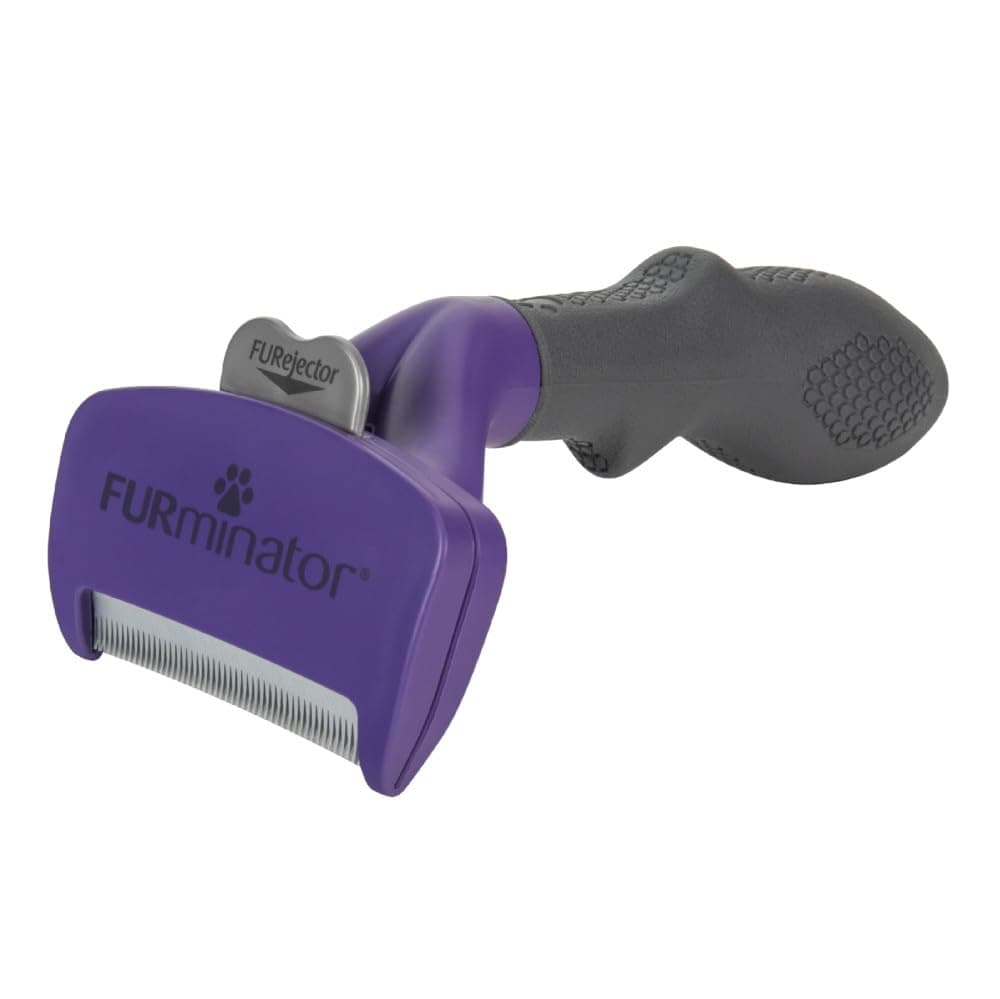
Use it like a “booster,” not your daily driver:
- •Once every 1–2 weeks during peak shed.
- •Light pressure only. If you’re dragging hard, you’re risking irritation.
- •Stop at pink skin, increased scratching, or visible thinning. That’s your signal you’ve done enough.
For short-coated dogs with real undercoat volume
Many owners underestimate how much undercoat a “short-haired” dog can carry. If you’re dealing with heavy shed in a larger dog and need a multipurpose option, the MalsiPree Dog Brush for Shedding - Large, Blue, 2-in-1 - Deshedding Dog Grooming Brush & Undercoat Rake with Dematting Comb for medium to Large Double Coated can cover more ground without buying separate tools.
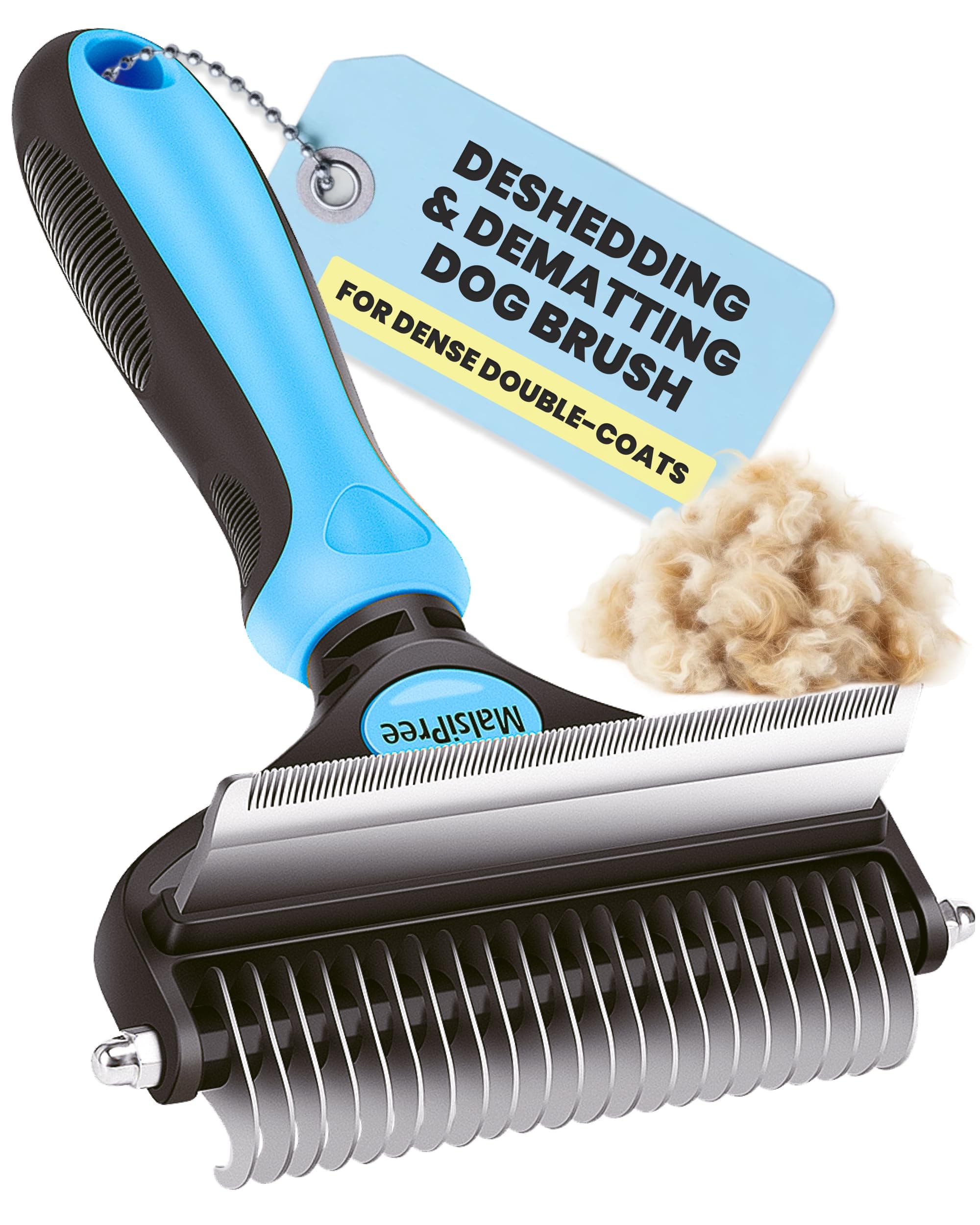
Tradeoff: combo tools can be less “idiot-proof.” Use the gentler side first and reserve more aggressive features for true undercoat buildup, not everyday brushing.
Upgrade paths that actually improve outcomes
Upgrades only matter if they reduce time, reduce cleanup, or increase comfort (so you can do the routine consistently).
Upgrade 1: A better brush head for sensitive pets
If your pet hates grooming, your best “upgrade” is comfort.
- •Flexible brush heads (like the Artero Double Flexible Brush (2 in 1) (S - Nature Collection)) can reduce sudden pin-pricks when you hit bony areas.
- •A self-cleaning slicker (like the Coastal Pet Safari - Cat Self-Cleaning Slicker Brush - Cat Grooming Supplies) reduces mid-session stops, which often trigger pets to “reset” and walk away.
Upgrade 2: Controlled de-shedding for heavy cycles
If your short coat is dense or seasonally extreme, a dedicated de-shed tool is where you’ll notice the biggest home impact.
- •Cats: use the FURminator deShedding Tool For Medium/Large Cats, Short Hair, Removes Loose Hair From Shedding as a scheduled boost.
- •Dogs: a 2-in-1 option like MalsiPree Dog Brush for Shedding - Large, Blue, 2-in-1 - Deshedding Dog Grooming Brush & Undercoat Rake with Dematting Comb for medium to Large Double Coated can be cost-effective if you need both shedding control and occasional undercoat work.
Tradeoff: overuse can lead to irritation or patchiness, which then costs you time managing scratching and skin sensitivity.
Upgrade 3: Batch your routine with “high friction” life moments
This upgrade is free and often beats new products:
- •Brush before car rides (less hair in seats).
- •Brush before guests arrive.
- •Brush after your pet’s sunny-window nap (loose hair lifts easily).
Consistency is the secret ingredient in a short coat grooming routine, and life-based triggers are easier to remember than “every Sunday at 4.”
Workflow cost over 90 days
Think of grooming as a 90-day system. That’s long enough to see shedding cycles, skin changes, and whether a tool pays for itself.
A realistic 90-day plan (busy household)
- •Weekly session: 10 minutes x 12 weeks = 120 minutes total
- •Peak shed booster: 10 minutes every other week (optional) = +60 minutes
- •Total: 2–3 hours over 90 days
Now compare that with cleanup time.
Example: the “black clothes” household
If you’re lint-rolling daily (3 minutes/day):
- •3 minutes x 90 = 270 minutes (4.5 hours)
If a 10-minute weekly short coat grooming routine cuts lint-rolling to every other day:
- •45 days x 3 minutes = 135 minutes
That’s a savings of ~2.25 hours in 90 days—often more than the grooming time itself.
Example: multi-pet home (2 cats, 1 short-haired dog)
Batch grooming:
- •5 minutes per pet, one after another
- •Same brush for quick passes, then de-shed tool only for the heavy shedder
The time savings comes from setup/cleanup once, not three separate sessions.
High-value options by use case
Below are practical matches between common problems and tools/routine tweaks.
Use case: “My cat sheds constantly, and hair floats everywhere”
Scenario tip: put the brushing station where your cat already relaxes (cat tree platform, sofa corner). If you move the location each time, many cats treat grooming as a “capture event.”
Use case: “My dog is short-haired but blows coat like crazy”
- •Primary: a gentle brush pass weekly
- •Booster: MalsiPree Dog Brush for Shedding - Large, Blue, 2-in-1 - Deshedding Dog Grooming Brush & Undercoat Rake with Dematting Comb for medium to Large Double Coated
Scenario tip: do a 2-minute “rump and tail base” micro-session twice a week during peak shedding instead of one long session. Many dogs tolerate short bursts better, and you’ll capture more hair before it spreads.
Use case: “My pet hates grooming, and we can’t get through 5 minutes”
Scenario tip: switch your goal from “full body” to “two zones.” Example: shoulders + back today, sides + hips tomorrow. A short coat grooming routine still works when it’s distributed across the week.
Use case: “I want the cheapest routine that still works”
- •One brush you will actually use (self-cleaning helps)
- •One microfiber towel
- •Upgrade to a de-shed tool only after 2–3 weeks if shedding remains high
Cost-control tip: don’t buy shampoo, wipes, and multiple brushes at once. Short coats rarely need frequent baths; overbathing can increase dryness and flaking, which looks like “more shedding.”
Waste patterns to avoid
These are the most common ways owners spend money and still don’t get results.
Buying tools that solve the wrong problem
- •A de-shedding tool won’t fix greasy coat from diet issues or dandruff from dry skin.
- •A slicker brush won’t magically pull undercoat from a heavy shedder without a booster step.
Fix: identify whether you’re fighting loose topcoat hair, undercoat buildup, skin flakes, or behavioral resistance.
Over-brushing (yes, it’s real)
If you keep brushing until “nothing comes out,” you can irritate the skin and trigger more scratching.
Stop when:
- •Hair capture drops sharply (diminishing returns)
- •Skin looks pink
- •Pet starts licking/scratching the area later that day
Letting hair pile up on the tool mid-session
A clogged brush drags and pulls. That turns grooming into a negative experience.
Fix: choose easy-clean tools (one reason the [Coastal Pet Safari
- •Cat Self-Cleaning Slicker Brush
- •Cat Grooming Supplies](/product/coastal-pet-safari-cat-self-cleaning-slicker-brush-cat-grooming-supplies-b000yiwuxi) is a practical value pick), and clear hair every 30–60 seconds.
Treating grooming like punishment or restraint practice
If grooming only happens when your pet is “in trouble” (after messes, before baths), they’ll resist.
Fix: pair brushing with a consistent positive anchor: a window perch, a favorite mat, or post-meal relaxation.
Performance audit checklist
Use this monthly to verify your short coat grooming routine is producing measurable results.
Coat and skin indicators
- •Coat feels smoother after brushing (less “static” and roughness)
- •No new bald patches, redness, or scabs after sessions
- •Flakes are decreasing, not increasing
- •Odor is stable (sudden changes can signal skin issues)
Home indicators
- •Vacuum canister/bag fills slower than last month
- •Less hair on bedding and throw blankets
- •Lint rolling frequency is down
Pet behavior indicators
- •Pet approaches or stays nearby when tools come out
- •Stress signals decrease (tail flicking in cats, lip licking in dogs)
- •You can complete at least 2–3 body zones without breaks
If results are not improving
- •Switch technique before buying new tools: lighter pressure, shorter sessions, zone-based approach.
- •Add a de-shed booster only if undercoat is the issue (dense short coats, seasonal blow).
- •If there’s persistent redness, intense itching, or sores, pause grooming and consult your veterinarian.
Final buying decision tree
Use this as a practical “what should I buy next” path.
Step 1: What’s your main pain point?
1) Light daily shedding, mostly on clothes/furniture
- •Start with a reliable brush you’ll use weekly.
- •For cats, a simple, easy-clean option like the Coastal Pet Safari - Cat Self-Cleaning Slicker Brush - Cat Grooming Supplies fits the value goal.
2) Heavy shedding with clumps/seasonal coat blow
- •Add a dedicated de-shed step.
- •For short-haired medium/large cats, the FURminator deShedding Tool For Medium/Large Cats, Short Hair, Removes Loose Hair From Shedding is purpose-built.
- •For larger dogs where undercoat is clearly involved, consider MalsiPree Dog Brush for Shedding - Large, Blue, 2-in-1 - Deshedding Dog Grooming Brush & Undercoat Rake with Dematting Comb for medium to Large Double Coated.
3) Pet resists grooming (can’t finish sessions)
- •Upgrade comfort and control first.
- •A flexible design like the Artero Double Flexible Brush (2 in 1) (S - Nature Collection) can help reduce the “scratchy” feel that triggers avoidance.
Step 2: How much time can you realistically commit?
- •5 minutes/week: do only the high-shed zones (tail base, hips, shoulders) + towel wipe.
- •10 minutes/week: full routine in zones.
- •10 minutes twice/week during peak shed: add a booster de-shed session every other week.
Step 3: What’s the budget-value move?
- •Buy one tool that matches your problem.
- •Run the routine for 2–3 weeks.
- •Only then decide if you need the booster tool.
That’s how you keep total cost of ownership down while still getting the payoff: less hair in the home, fewer skin surprises, and a routine you’ll actually keep doing.
Coat Care Cluster
More in this topic
guide
Best Dog Brush by Coat Type: Pick the Right Tool Fast
guide
Deshedding Double Coated Dogs: The Ultimate Guide
guide
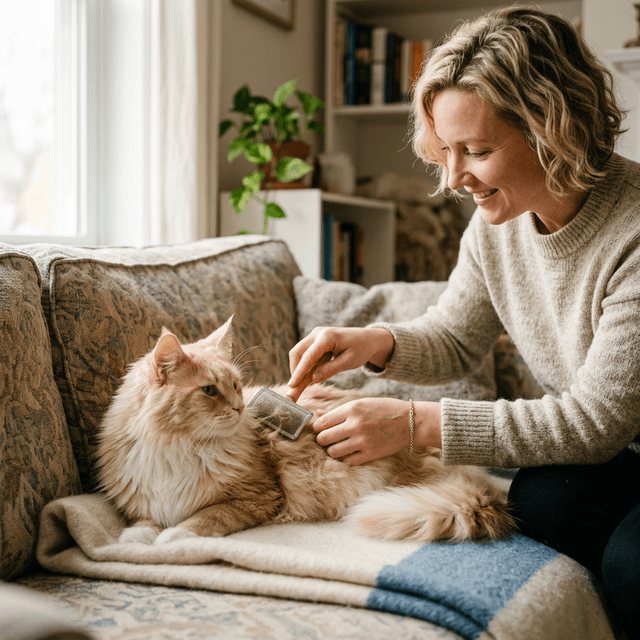
5 Cat Grooming Tips: Signs Your Cat Needs Better Coat Care
guide
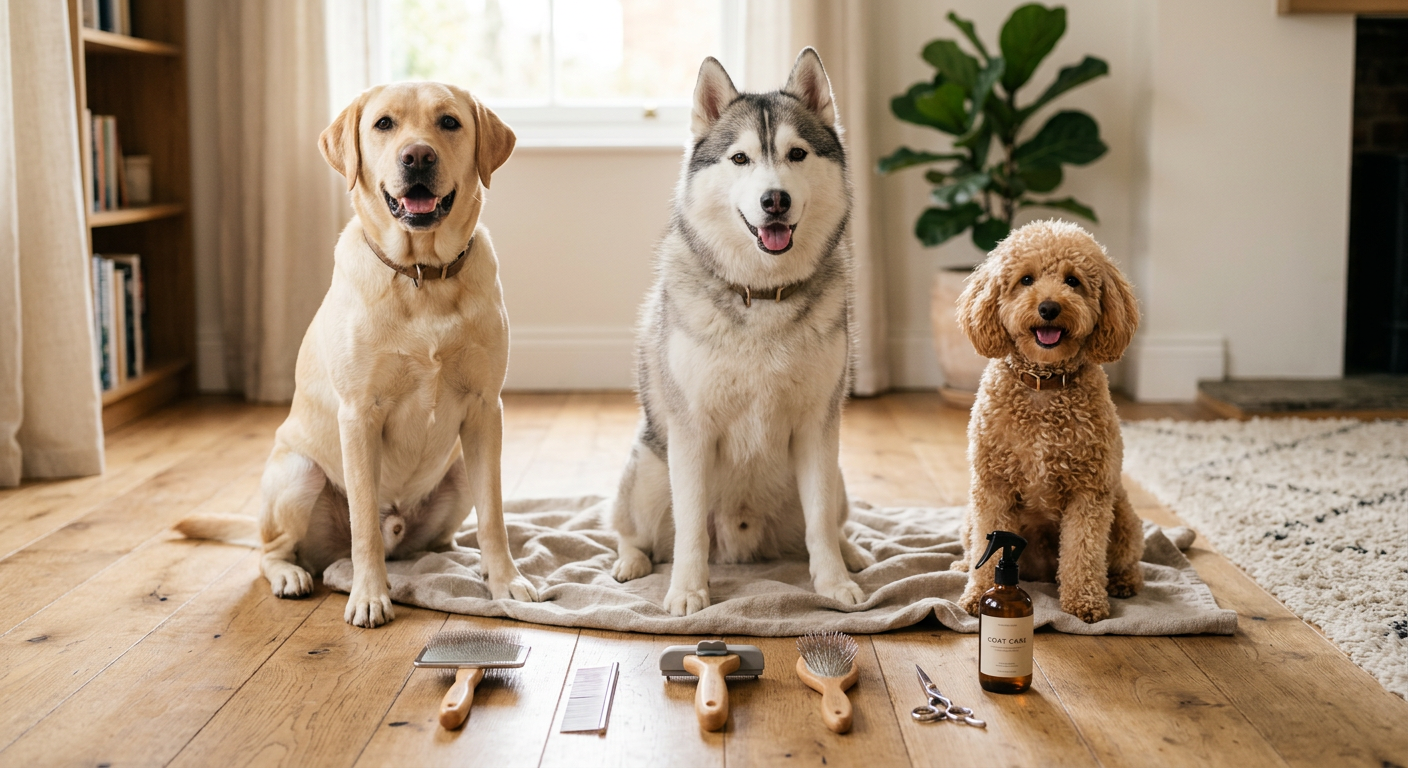
Best Grooming Routine by Coat Type: Short, Double, and Curly Coats (Behavior-First Guide)
guide
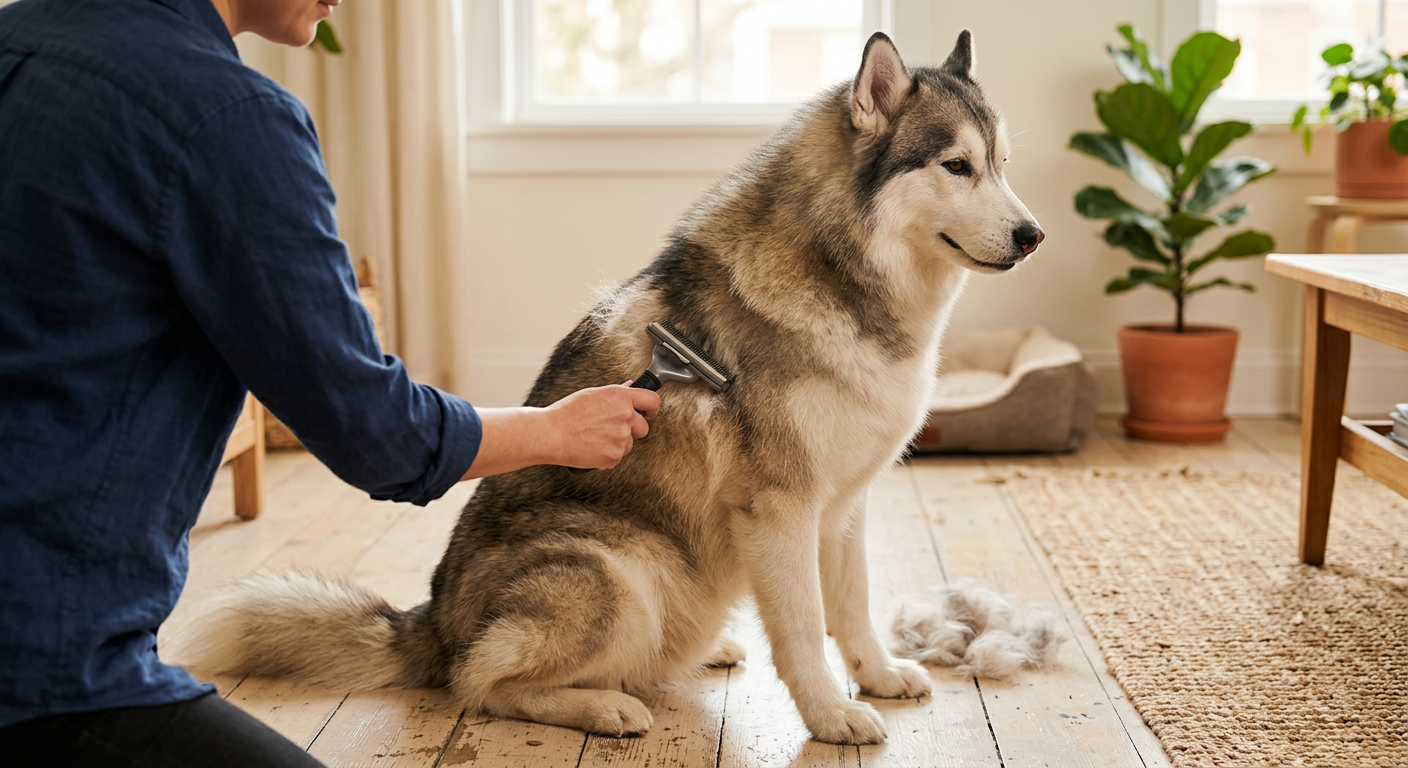
De-Shedding Routine for Double-Coat Breeds: A Weekly System That Works
guide
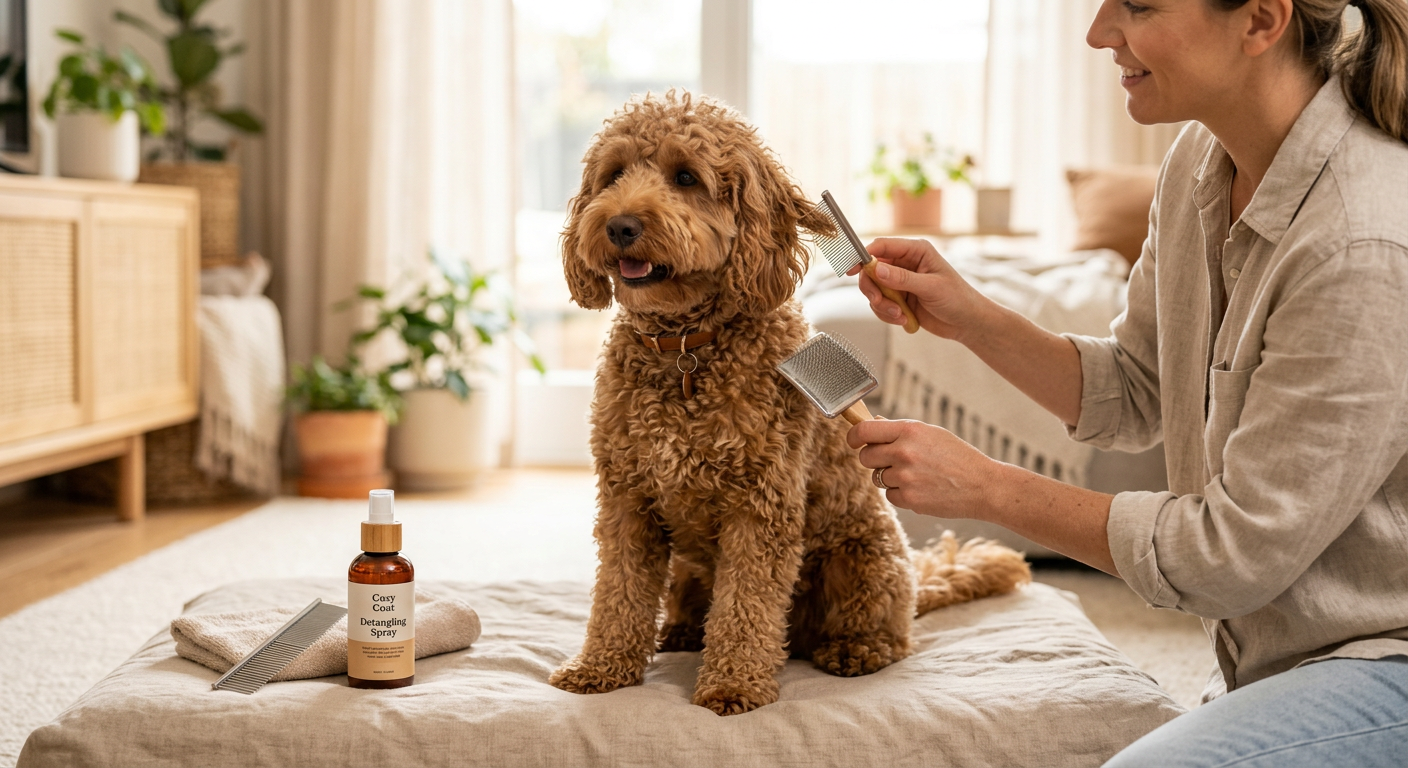
Curly Coat Detangling Routine: Prevent Mats Without Over-Brushing
Frequently asked questions
How often should I follow a short coat grooming routine?
For most short-coated cats and dogs, one focused 10-minute session per week is enough to control loose hair and keep the coat healthy. During seasonal shedding (spring/fall) or for dense short coats, add a 10-minute booster session every other week using a de-shedding tool, and keep the regular weekly brush session for oil distribution and skin checks.
Do short-haired pets really need de-shedding tools, or is brushing enough?
Brushing alone is enough for sleek single coats with light, steady shedding. A de-shedding tool becomes worth it when you see undercoat buildup (tufts, heavy seasonal blow) or your home cleanup load is high. Used correctly and not too often, a de-shed tool can reduce the amount of loose hair that ends up on furniture and clothing, but overuse can irritate skin—treat it as a scheduled booster, not a daily step.
My pet hates brushing—what’s the most practical way to start?
Start with shorter sessions and fewer body zones rather than forcing a full-body groom. Aim for two zones per session (for example, shoulders and back), then stop while your pet is still calm. Use lighter pressure than you think you need, clear hair from the brush frequently to prevent tugging, and pick a more comfortable brush design (flexible heads often feel less “pokey”). Consistency matters more than duration; a routine that’s easy to repeat will outperform a long session you only manage once a month.
