
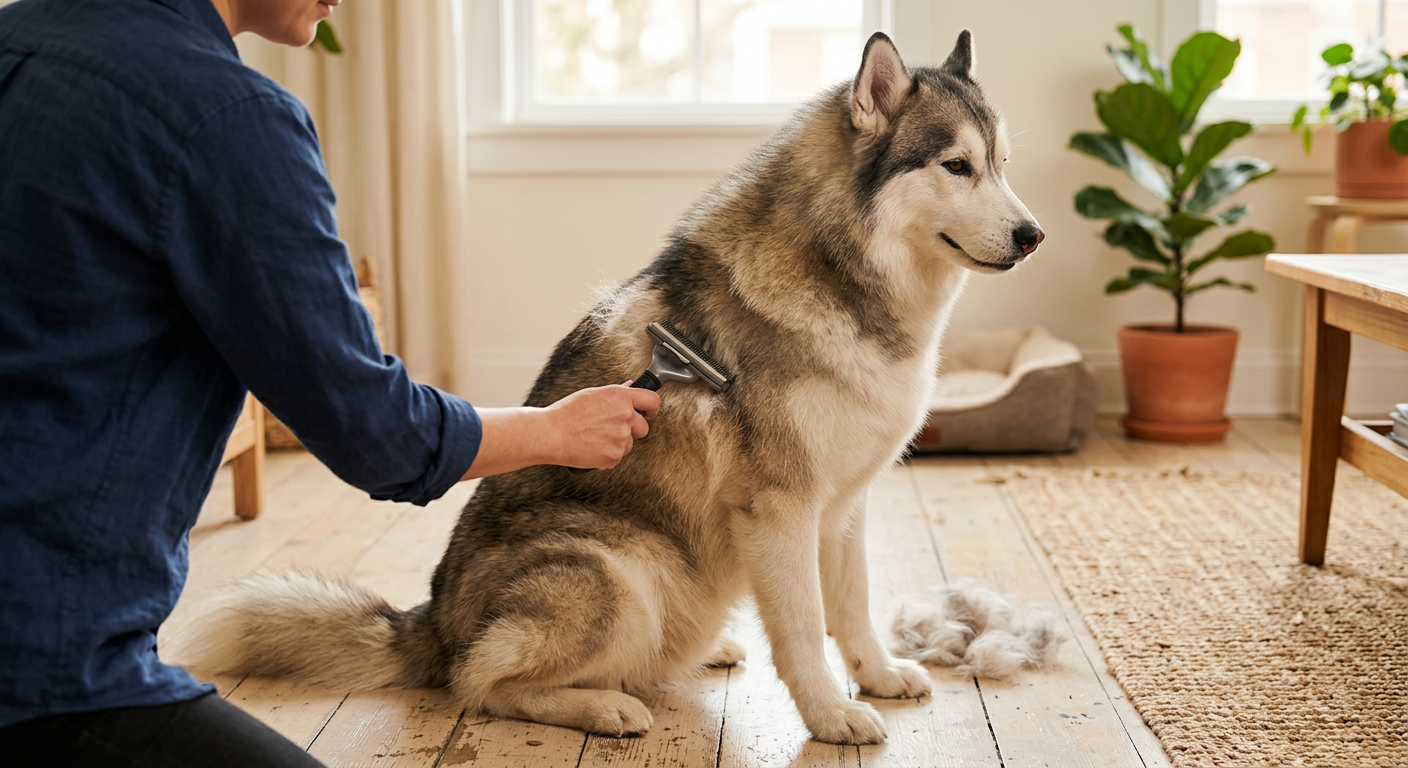
guide • Coat Care
De-Shedding Routine for Double-Coat Breeds: A Weekly System That Works
A scenario-based double coat deshedding routine for apartments, family homes, and multi-pet households—tools, timing, and realistic adaptations that reduce shedding without harming the coat.
By Lucy Anderson • March 1, 2026 • 7 min read
Table of contents
- Scenario map: apartment, family home, multi-pet
- Scenario A: Apartment (limited space, shared ventilation)
- Scenario B: Family home (kids, schedules, multiple mess zones)
- Scenario C: Multi-pet home (shedding overlap and tool sharing)
- Constraints and risk profile per scenario
- Apartment: the main constraint is containment
- Family home: the main constraint is consistency
- Multi-pet: the main constraint is workload and cross-contamination
- Tailored workflow by scenario
- Apartment workflow: 3 micro-sessions + 1 deeper session
- Family home workflow: 2-zone rotation + kid-proof structure
- Multi-pet workflow: assembly line with species-specific endings
- Product picks matched to workload
- When you need fast undercoat removal (dog, medium-large double coats)
- When you need a daily driver that’s gentle (dogs or cats that hate grooming)
- When you have a double-coated cat and need controlled de-shedding
- When you want a simple slicker that’s easy to clean (cats, and small areas on dogs)
- Time-saving tactics under pressure
- The “two-minute save” when you’re behind
- Brush in the order that prevents re-work
- Pair grooming with something your pet already expects
- What breaks in real life and how to adapt
- Problem: Your pet suddenly hates the brush
- Problem: You created a fur cloud in the living room
- Problem: You found mats behind the ears or in the pants
- Problem: You’re brushing but shedding doesn’t improve
- Weekly review framework
- Score the week in three metrics (takes 60 seconds)
- Then choose one adjustment (only one)
- Seasonal rule: plan for coat blow weeks
- Final execution checklist
Shedding from a double coat can feel endless: tufts on the sofa, tumbleweeds in corners, and that "I just groomed you yesterday" disbelief. The good news is that most shedding chaos comes from inconsistent timing and the wrong tool sequence—not from your pet shedding “too much.”
This guide gives you a double coat deshedding routine built as a weekly system (not a one-off marathon) with scenario-led workflows for: apartment living, busy family homes, and multi-pet households. You’ll get decision criteria, tradeoffs, and realistic “what if life happens” adjustments.
A quick note on goals: with double coats, you’re managing loose undercoat and preventing compaction/mats, while protecting the guard hairs and skin. The best routine is the one you can repeat every week.
Scenario map: apartment, family home, multi-pet
Scenario A: Apartment (limited space, shared ventilation)
You’re likely dealing with:
- •Hair showing up fast on hard floors and furniture
- •Neighbors/roommates sensitive to dander or vacuum noise
- •Limited bathing space (and limited places for fur to “go”)
Example: A Siberian Husky in a 700 sq ft apartment will “paint” baseboards in 48 hours during a coat blow if you miss even one week.
Scenario B: Family home (kids, schedules, multiple mess zones)
You’re likely dealing with:
- •Interrupted grooming sessions (doorbell, homework, sports)
- •More soft surfaces (rugs, blankets) that trap undercoat
- •Higher stakes for tangles: wet dogs, backyard debris, sticky kids
Example: A Golden Retriever who swims on weekends will mat behind the ears and at the collar faster than you expect—especially if you only do quick top-layer brushing.
Scenario C: Multi-pet home (shedding overlap and tool sharing)
You’re likely dealing with:
- •Overlapping shedding cycles (cat + dog, or multiple double-coated dogs)
- •“Fur drift” between rooms and bedding
- •Tool hygiene: brushes can spread dandruff, yeast, or fleas if not cleaned
Example: A Maine Coon plus a double-coated rescue dog means you’re not just removing hair—you’re preventing it from becoming a household “material.”
Constraints and risk profile per scenario
Apartment: the main constraint is containment
Risks if you push too hard:
- •Over-brushing in one long session can cause skin irritation (especially on the belly, armpits, and behind ears)
- •Loud vacuums at night lead to skipped cleanup, which makes next week feel worse
Decision criteria:
- •Choose tools that remove undercoat efficiently in short bursts
- •Prioritize “grooming + capture” (towel, grooming mat, or balcony-safe containment)
Family home: the main constraint is consistency
Risks if you push too hard:
- •Half-finished sessions create “surface grooming”: coat looks neat, but undercoat stays packed
- •Kids may grab tools and brush too aggressively (slickers can scratch if used like a rake)
Decision criteria:
- •Build a repeatable 10–15 minute structure
- •Use a tool sequence that’s forgiving if you get interrupted
Multi-pet: the main constraint is workload and cross-contamination
Risks if you push too hard:
- •Sharing dirty tools can spread skin issues
- •You’ll burn out if every grooming session becomes a full production
Decision criteria:
- •Standardize a routine that works on most coats, then add small “add-ons” per pet
- •Have a simple cleaning step for tools (hair removal + quick wipe)
Tailored workflow by scenario
The core weekly system is the same: (1) loosen → (2) lift → (3) smooth → (4) check. What changes is timing, containment, and how you split the work.
Apartment workflow: 3 micro-sessions + 1 deeper session
Goal: Keep fur from “escaping” into the entire space.
Daily (3–5 minutes, 3x per week):
- Pick one zone (back/hips OR chest/ruff OR pants/tail).
- Use a gentle brush to lift loose hair without making a cloud.
- Finish with two slow passes along the spine to check for snagging.
Weekly (15–25 minutes, once):
- Loosen: Light mist of water on your hands (not soaking the coat) and pat along the shedding areas to reduce static and airborne fur.
- Lift undercoat: Work in sections from back to sides to chest. Use short strokes and stop when the tool stops pulling hair easily.
- Smooth: Switch to a softer brush to align guard hairs and catch leftovers.
- Check: Run your fingers against the lay of the coat. If you feel “lumps” or resistance, you still have compacted undercoat.
Apartment adaptation: do the weekly session near a washable area and keep a small trash bag open for fur “drops.” If you can’t contain fur well, shorten strokes and brush closer to the coat (less flicking = less floating hair).
Family home workflow: 2-zone rotation + kid-proof structure
Goal: Never start from zero, even on busy weeks.
Twice weekly (10–12 minutes):
- •Session 1: shoulders/ruff + behind ears + front legs
- •Session 2: hips/pants + tail base + back legs
Weekly deeper session (20–30 minutes):
- Zone mapping (2 minutes): Identify friction points: collar line, harness points, armpits, behind ears, tail base.
- Undercoat lift (10–15 minutes): Focus on high-shed areas first. If your dog is thick-coated (Husky, Malamute), prioritize hips and “pants.” If your dog is coat-dense (GSD), prioritize ruff and shoulders.
- Detangle check (5 minutes): If you meet resistance, don’t “fight” it. Separate hair with fingers, then brush from the ends toward the skin.
- Finish pass (3–5 minutes): Quick smoothing to lay the coat flat so it doesn’t trap debris.
Family adaptation: set a timer. When it rings, stop on a “clean break” (finish a section), then note what’s next (e.g., “left hip + tail base”). This prevents the routine from collapsing because you didn’t finish.
Multi-pet workflow: assembly line with species-specific endings
Goal: Standardize steps, reduce setup time, and avoid tool sharing problems.
Weekly rhythm:
- •Day 1: Pet A (heavy shedder)
- •Day 3: Pet B (medium shedder)
- •Day 5: Quick touch-up for both
Session structure (per pet, 12–20 minutes):
- Same start for everyone: 2 minutes of gentle brushing to identify tangles and reduce surprise snagging.
- Undercoat work: 6–12 minutes in sections.
- Species-specific finish:
- •Dogs: smoothing + paw/leg feather check
- •Cats: shorter finish with a gentle slicker; stop before overstimulation
Multi-pet adaptation: keep one brush that’s “dog only” and one that’s “cat only,” even if they look similar. It’s not just hygiene—it keeps routine friction low.
Product picks matched to workload
Below are practical tool matches based on workload and coat behavior. These aren’t “magic” items; they’re chosen because they fit the weekly system and reduce common mistakes.
When you need fast undercoat removal (dog, medium-large double coats)
If your main problem is volume—the coat blow weeks where you can fill a bag—choose a 2-in-1 tool that handles both undercoat and light dematting.
- •The MalsiPree Dog Brush for Shedding - Large, Blue, 2-in-1 - Deshedding Dog Grooming Brush & Undercoat Rake with Dematting Comb for medium to Large Double Coated is a good workload tool for thick double coats because you can switch modes without swapping tools mid-session.
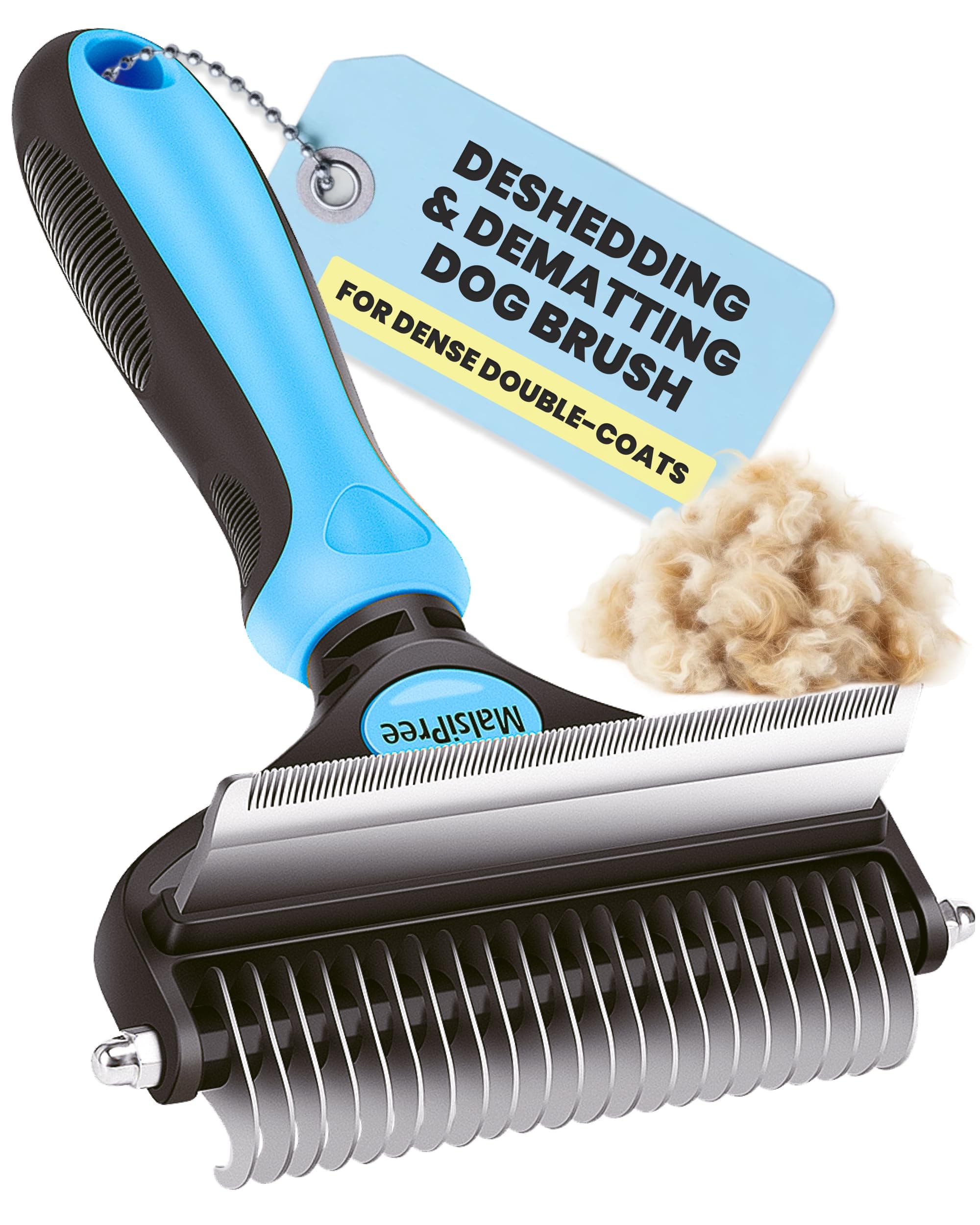
Tradeoff: undercoat rakes remove hair efficiently, but they can over-thin if you keep going after the “easy hair” is gone. In your double coat deshedding routine, the stop signal is simple: when the tool stops collecting hair easily, move on.
When you need a daily driver that’s gentle (dogs or cats that hate grooming)
For pets who tolerate grooming only in short bursts, a flexible brush helps you do “enough” without turning every session into a fight.
- •The Artero Double Flexible Brush (2 in 1) (S - Nature Collection) works well as a daily/maintenance option. It’s useful for lifting light shed and smoothing, especially on sensitive areas.
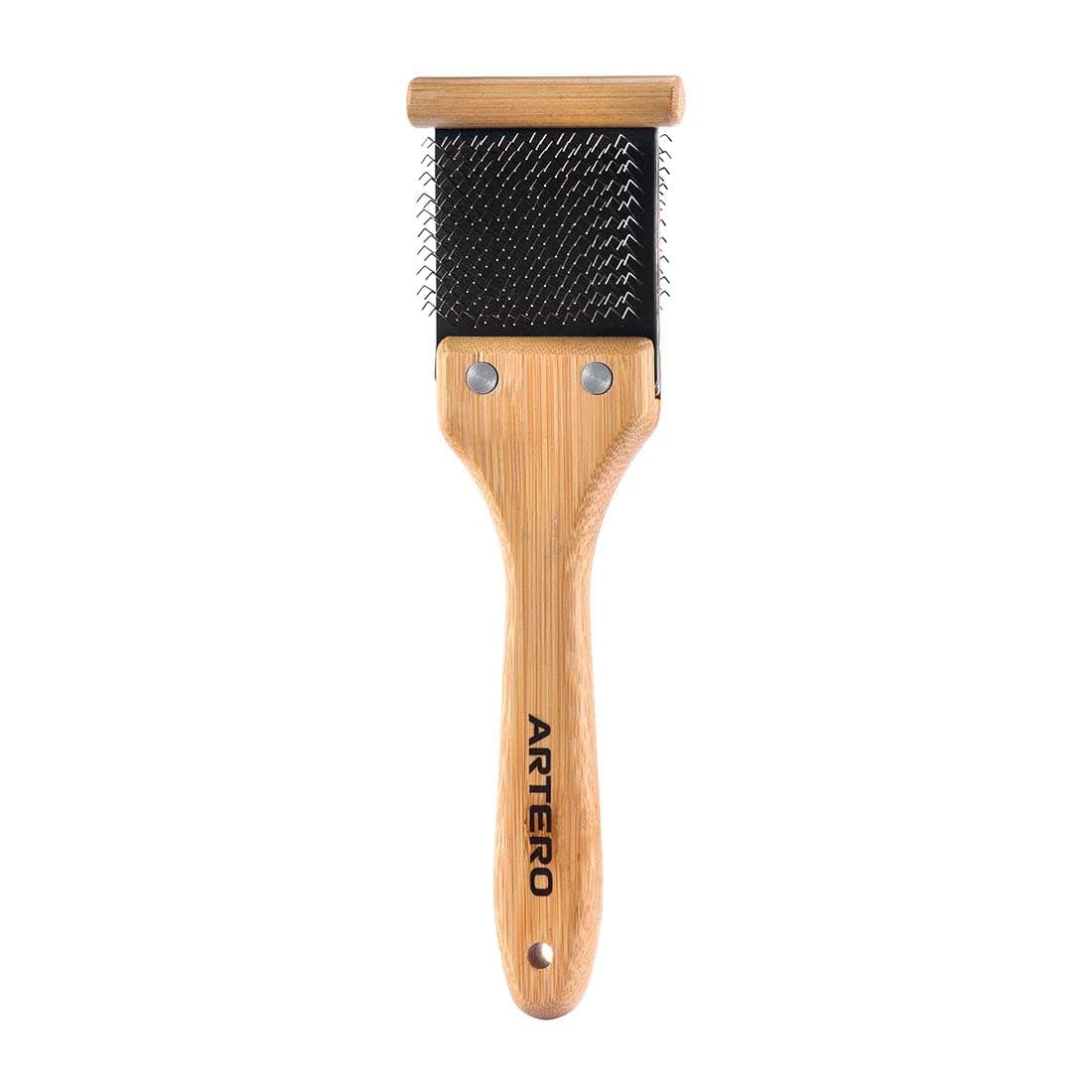
Tradeoff: it may not pull as much undercoat during peak shedding as a rake-style tool, so pair it with a stronger undercoat tool on your weekly deeper session.
When you have a double-coated cat and need controlled de-shedding
Cat coats can pack undercoat tightly, but cats also have lower tolerance for long sessions. You want a tool that removes loose hair efficiently without endless passes.
- •For short-haired cats (including dense-coated breeds), the FURminator deShedding Tool For Medium/Large Cats, Short Hair, Removes Loose Hair From Shedding can reduce shedding fast when used with a light hand and limited strokes.
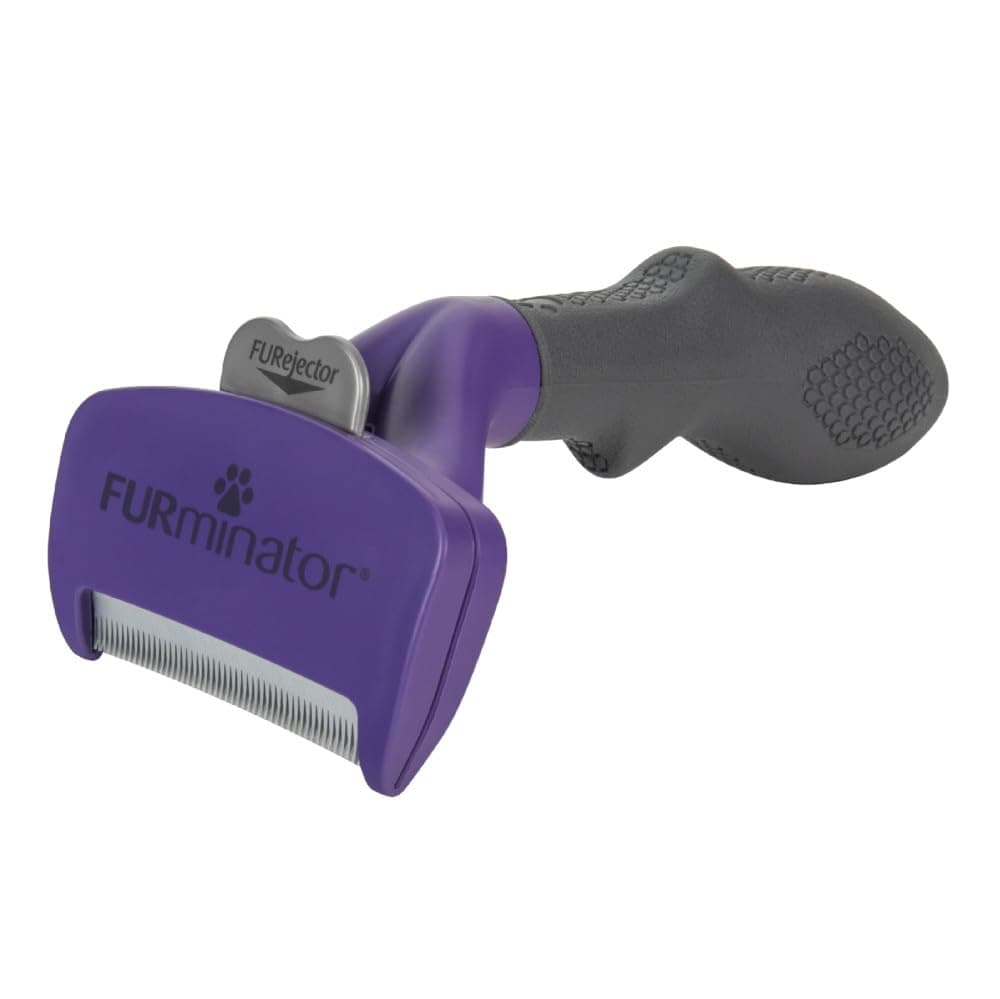
Tradeoff: use sparingly (think minutes, not half an hour). Overuse can irritate skin and over-thin the coat.
When you want a simple slicker that’s easy to clean (cats, and small areas on dogs)
Slickers are great for finishing and for areas that tangle (ruff, behind ears), but they can be annoying to clean—unless you pick one designed for it.
- •The Coastal Pet Safari - Cat Self-Cleaning Slicker Brush - Cat Grooming Supplies fits well into a weekly system because it’s quick to reset between pets or between coat sections.
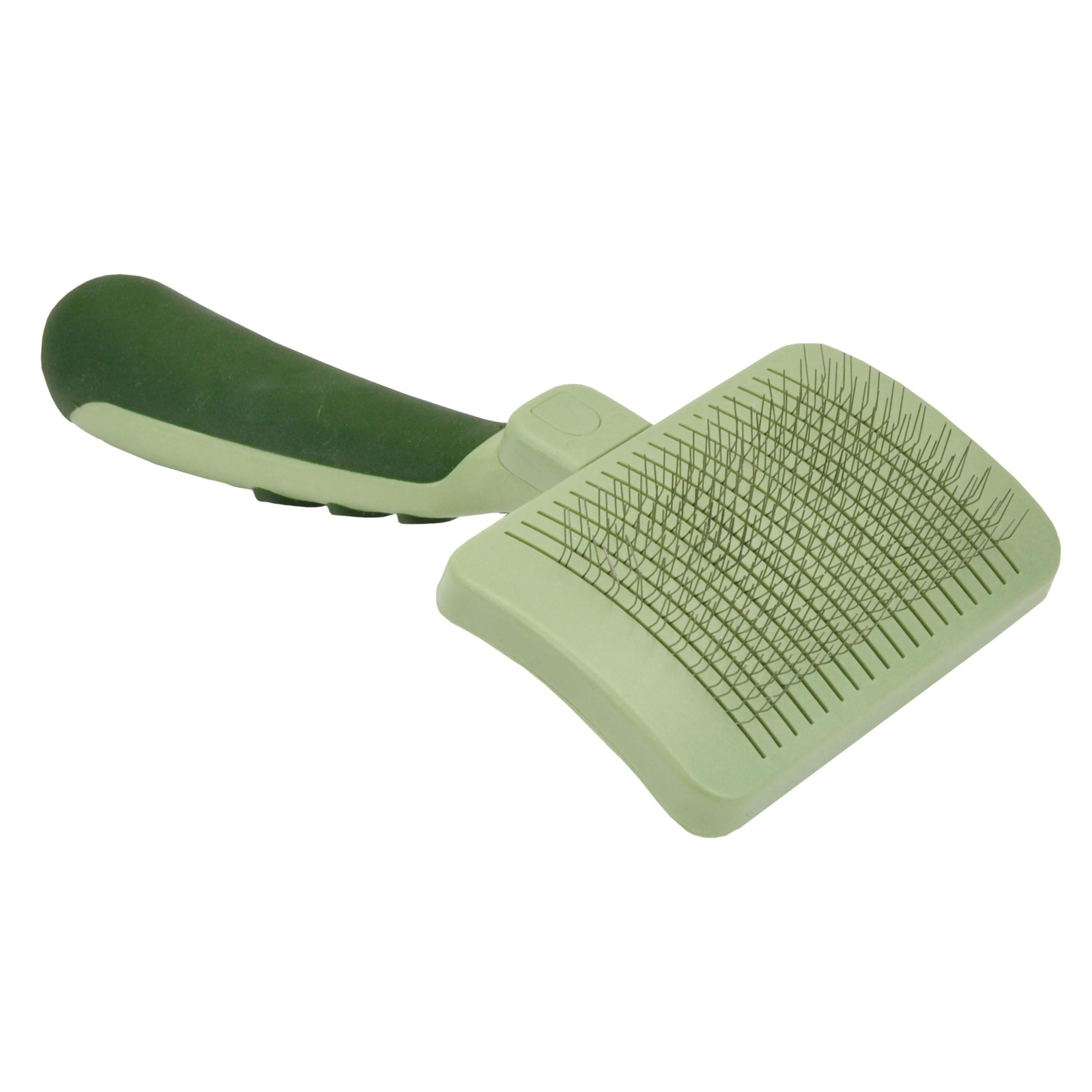
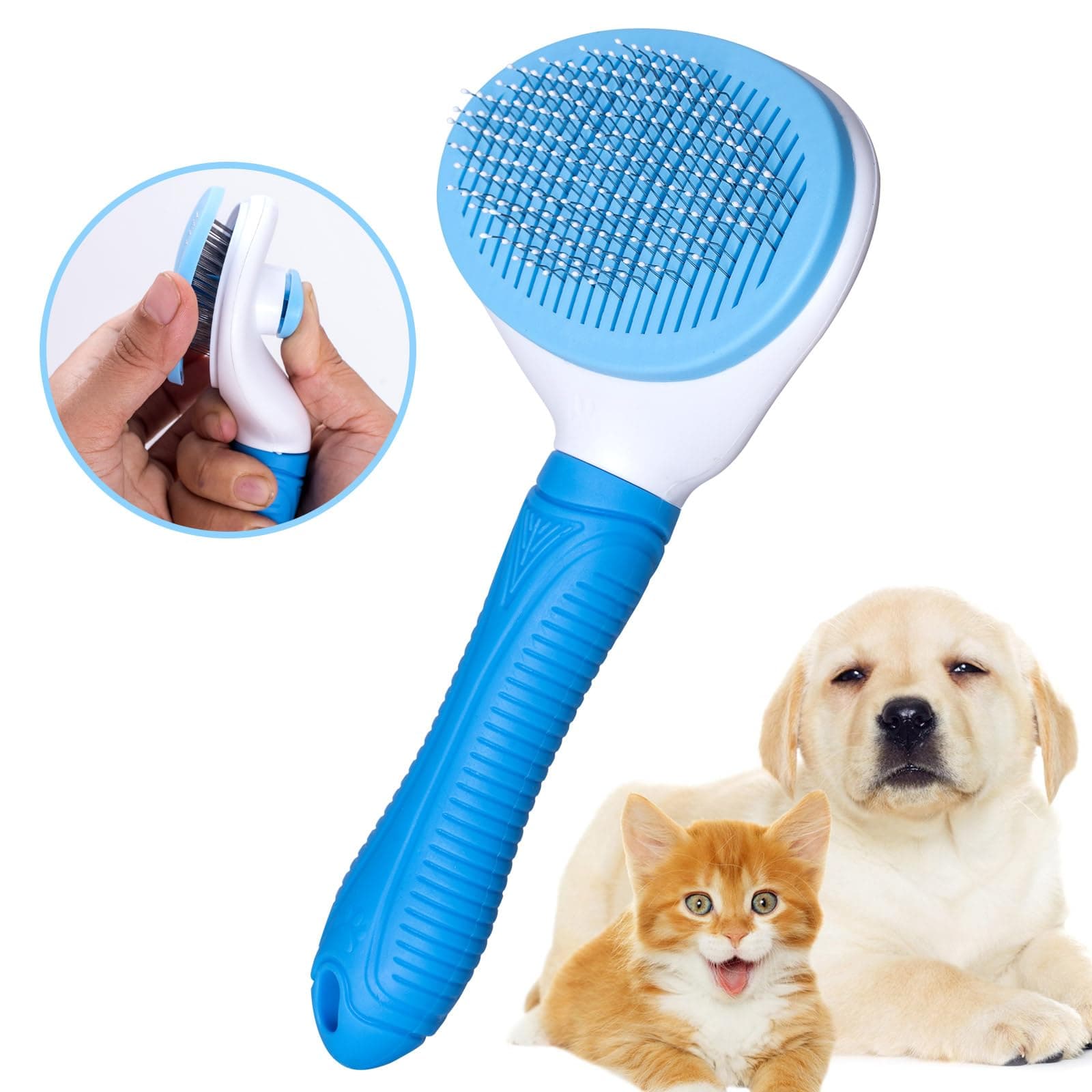
Tradeoff: slickers can scratch if you press hard or brush the same spot repeatedly. Use light pressure and keep the brush moving.
Time-saving tactics under pressure
The “two-minute save” when you’re behind
If you only have two minutes, don’t do random brushing. Do this:
- 45 seconds: tail base and hips (highest shed impact)
- 45 seconds: ruff/shoulders (high visibility on furniture)
- 30 seconds: quick smoothing along back to catch loose top hairs
This keeps your double coat deshedding routine from falling apart between full sessions.
Brush in the order that prevents re-work
If you brush the back last, you often re-contaminate it with hair you loosened from the sides. For most double coats, this order reduces rework:
- •hips/pants → sides → ruff/chest → back/spine finish
Pair grooming with something your pet already expects
- •After the last potty walk
- •While your cat waits for dinner (but stop before they get impatient)
- •After a play session when the nervous energy is lower
Consistency beats intensity. A “good enough” 12 minutes weekly is more effective than a heroic 90-minute session once a month.
What breaks in real life and how to adapt
Problem: Your pet suddenly hates the brush
Likely cause: You hit a sensitive area or snagged compacted undercoat.
Adaptation:
- •Switch to a gentler tool for 1–2 minutes (flexible brush or slicker with very light pressure)
- •Move to a “safe zone” (back/hips) to rebuild tolerance
- •Next session, start with the previously sensitive area but only do 20–30 seconds, then stop on a calm note
Problem: You created a fur cloud in the living room
Likely cause: Fast strokes + dry coat + brushing near airflow.
Adaptation:
- •Slow down strokes and keep the brush closer to the coat
- •Lightly dampen your hands and pat the coat first to reduce static
- •Groom in a bathroom or on a washable sheet you can shake outside
Problem: You found mats behind the ears or in the pants
Likely cause: Undercoat packed + friction from collars/harnesses + missed section rotation.
Adaptation:
- •Don’t rake through mats. Separate with fingers, then brush from ends toward skin.
- •Shorten your weekly plan but add a 3-minute “friction check” midweek for those hot spots.
Problem: You’re brushing but shedding doesn’t improve
Likely cause: You’re only smoothing guard hairs (surface grooming) and not lifting undercoat.
Adaptation:
- •Add a dedicated undercoat step once weekly with a higher-efficiency tool
- •Work in part lines (small sections) instead of brushing across the top layer
- •Stop when hair stops coming out easily; then move to the next section rather than repeating the same area
Weekly review framework
A weekly system stays effective when you review outcomes like a routine, not a judgment.
Score the week in three metrics (takes 60 seconds)
- Fur on floors (0–3): 0 = normal, 3 = drifting tumbleweeds
- Tangles/mats (0–3): 0 = none, 3 = multiple snag zones
- Pet tolerance (0–3): 0 = relaxed, 3 = avoidance or agitation
Then choose one adjustment (only one)
- •If fur score is high: increase undercoat time by 5 minutes on weekly session, not daily frequency.
- •If mats score is high: add a midweek friction check on ears/pants/collar line.
- •If tolerance score is high: shorten sessions, switch to gentler finishing tools, and do more frequent micro-sessions.
Seasonal rule: plan for coat blow weeks
Most double-coated breeds have predictable heavy shed seasons (often spring/fall). During those weeks:
- •Keep the same structure, but add one extra undercoat-focused session (10–15 minutes)
- •Don’t compensate by pressing harder—add time, not force
Final execution checklist
- •Pick your scenario workflow (apartment, family home, or multi-pet) and schedule your weekly deeper session.
- •Use the correct sequence: loosen/pat → lift undercoat by sections → smooth → finger-check.
- •Stop signals matter: if the tool stops pulling hair easily, move to the next area.
- •Prioritize friction zones every week: behind ears, collar/harness line, armpits, tail base, pants.
- •Match tools to workload: use a higher-efficiency undercoat tool for weekly removal and a gentler brush for maintenance.
- •Keep sessions short enough to repeat; consistency is the real “secret” of a double coat deshedding routine.
Coat Care Cluster
More in this topic
guide
Best Dog Brush by Coat Type: Pick the Right Tool Fast
guide
Deshedding Double Coated Dogs: The Ultimate Guide
guide
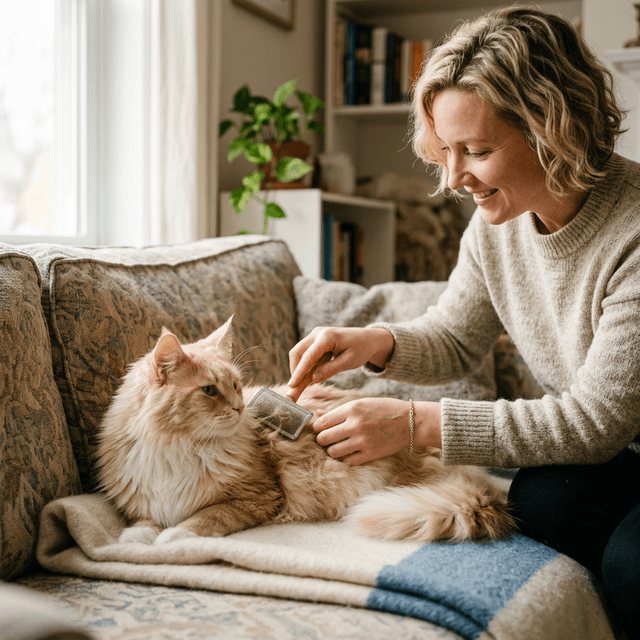
5 Cat Grooming Tips: Signs Your Cat Needs Better Coat Care
guide
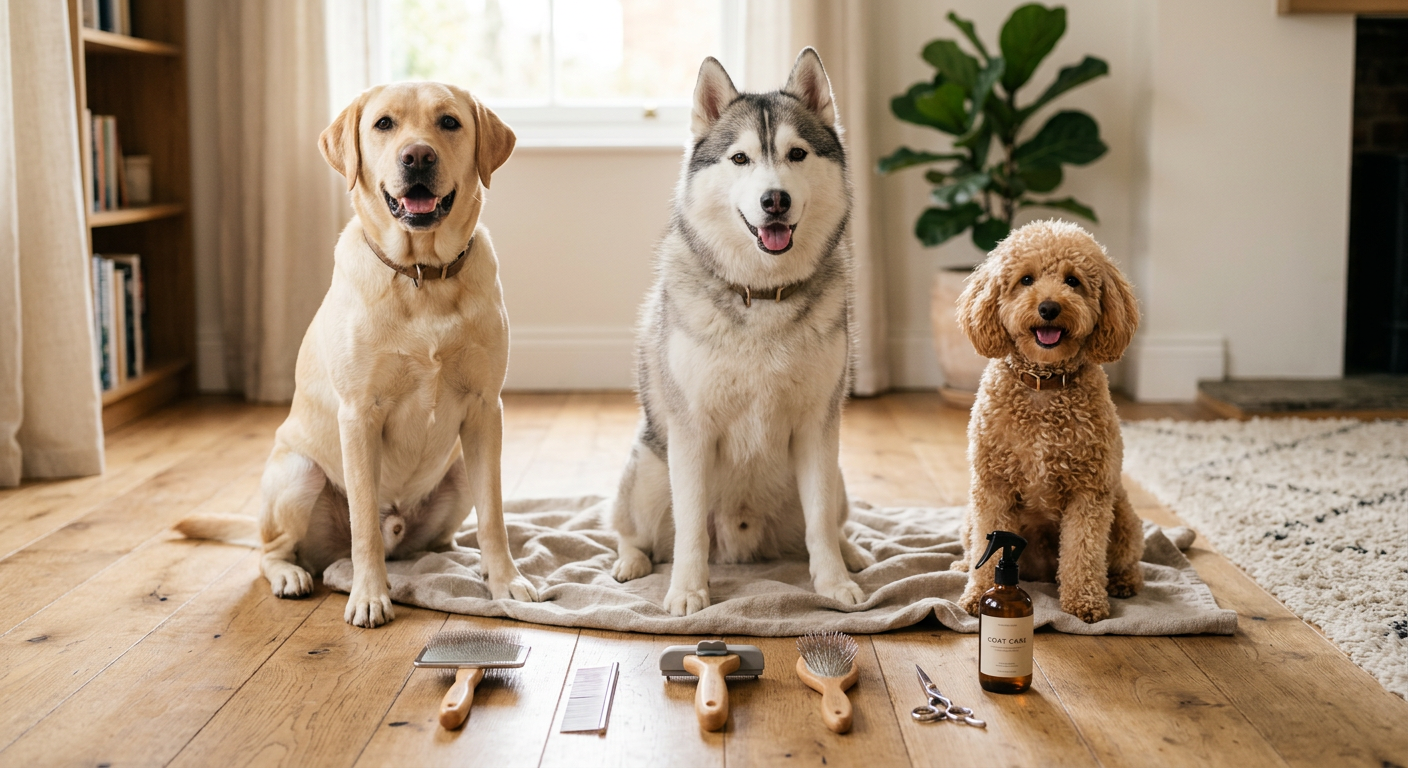
Best Grooming Routine by Coat Type: Short, Double, and Curly Coats (Behavior-First Guide)
guide
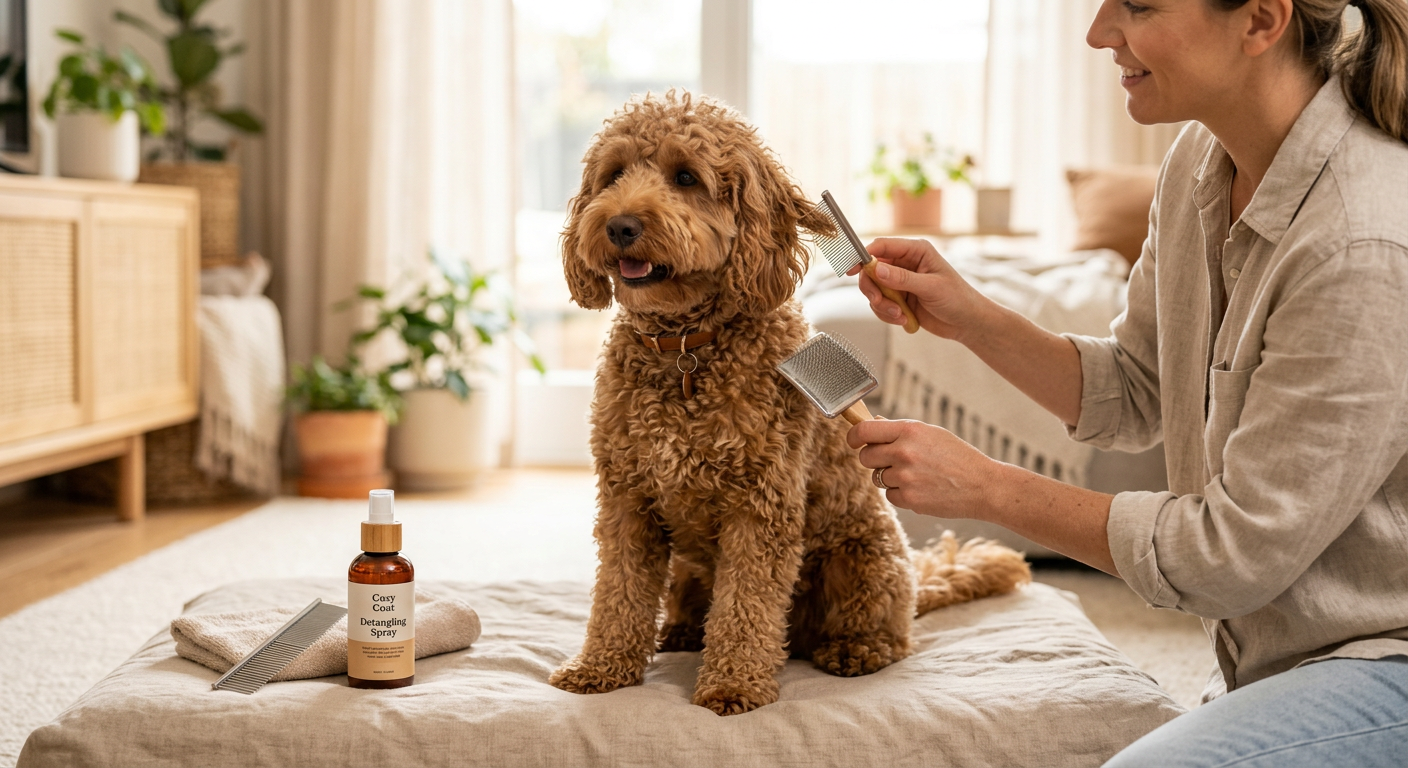
Curly Coat Detangling Routine: Prevent Mats Without Over-Brushing
guide
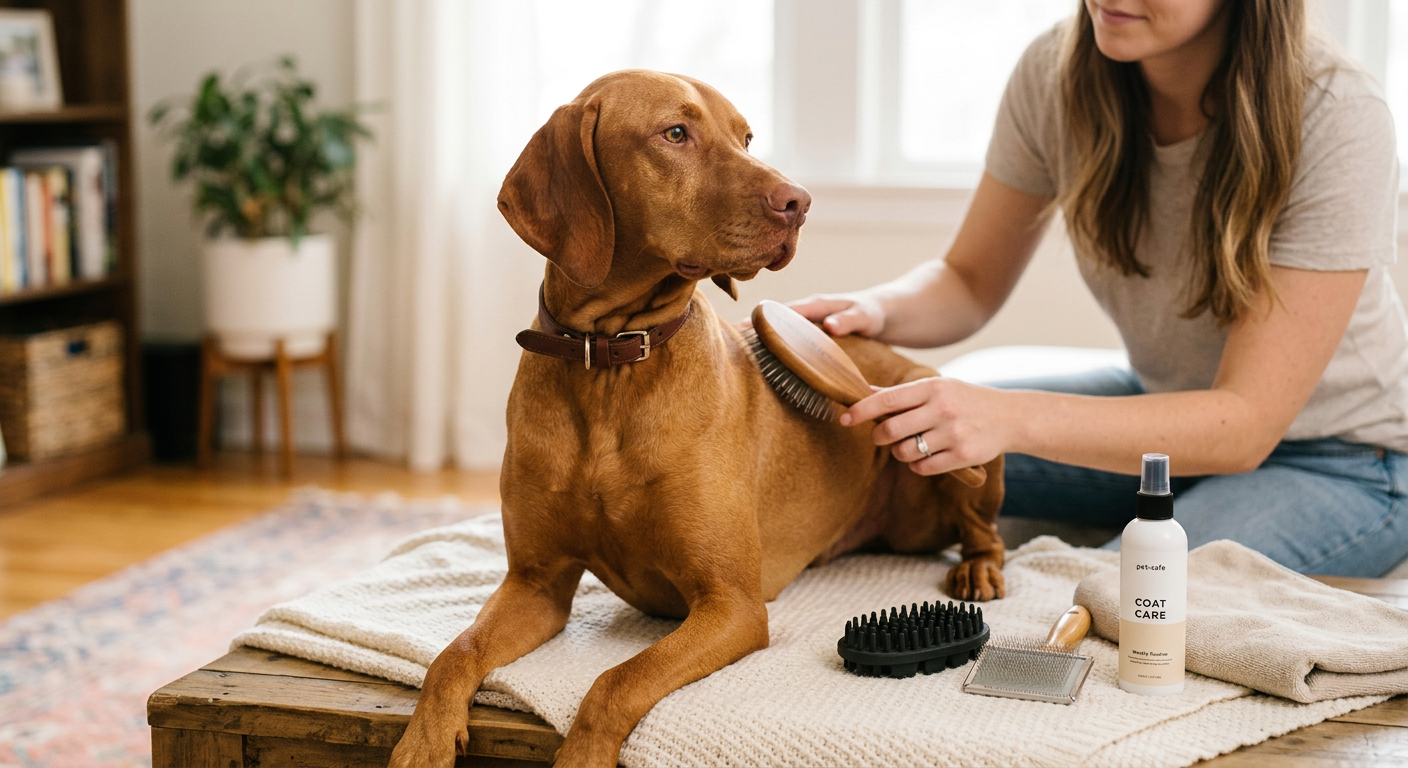
Short-Coat Maintenance Routine: A Fast Weekly Grooming Plan That Actually Cuts Shedding
Frequently asked questions
How often should I do a double coat deshedding routine?
For most double-coated dogs and dense-coated cats, plan one deeper session weekly (15–30 minutes) plus 2–3 micro-sessions (3–5 minutes) for maintenance. During seasonal coat blows, add one extra undercoat-focused session instead of brushing harder.
Can de-shedding damage a double coat?
Yes, if you overuse high-efficiency tools, press too hard, or keep brushing after the coat stops releasing loose hair easily. The safe approach is section work with light pressure, stopping when hair collection tapers off, then finishing with a smoothing brush to protect guard hairs.
What if my pet hates grooming or gets overstimulated?
Shorten sessions and switch to gentler tools for maintenance, using the deeper undercoat tool briefly once a week. Start in a “safe zone” (back/hips), avoid sensitive areas until the end, and stop while your pet is still calm. For cats, keep sessions to a few minutes and end before irritation builds.
