
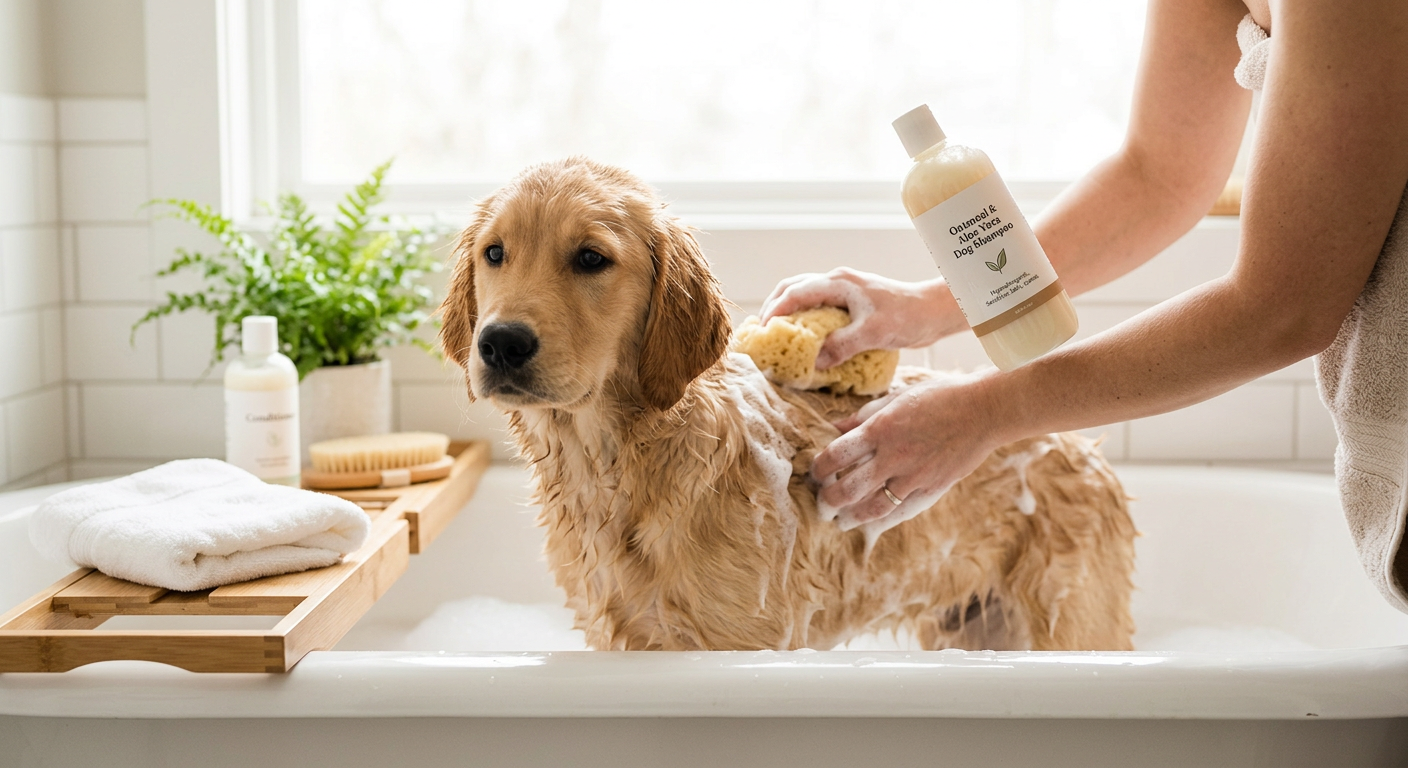
guide • Bath Time
Sensitive Skin Bath Routine for Dogs: Lower Irritation, Better Recovery
A behavior-first sensitive skin dog bath routine that reduces itching, improves tolerance, and helps skin recover—without turning bath time into a wrestling match.
By Lucy Anderson • March 2, 2026 • 7 min read
Table of contents
- Pet behavior signals that shape the routine
- The three stress levels to watch for
- What these signals mean for a sensitive skin dog bath
- Low-stress setup before any tool is used
- Control the environment: traction, temperature, sound
- Pre-stage the “no-wait” zone
- Pick the water delivery method your dog will accept
- Handling protocol for better compliance
- Consent-based handling (without letting your dog run the show)
- Where to touch (and where not to)
- The “less friction” rule for sensitive skin
- Tactical workflow by session phase
- Phase 1: Pre-bath decompression (2–5 minutes)
- Phase 2: Coat prep (varies by coat type)
- Phase 3: Wetting (the “predictability” step)
- Phase 4: Cleanse (dilution + contact time)
- Phase 5: Rinse (the most important step for itch control)
- Phase 6: Drying (blot, don’t rub)
- Product choices by temperament and tolerance
- If your dog is itchy and your goal is soothing (and your dog tolerates bathing)
- If your dog startles easily (noise- or spray-sensitive)
- If your dog hates being touched (tactile-sensitive)
- If your dog has a thick coat and you keep finding “hidden soap” later
- Ingredient and use-pattern cautions (practical, not preachy)
- Error recovery after a bad session
- If skin looks worse within 2–24 hours
- If behavior is worse (dog refuses the bathroom/tub)
- What to do if you must clean but your dog is over threshold
- Progress tracking template
- Practical long-term maintenance plan
- Base schedule (adjust to your dog’s triggers)
- Rotate routines by “tolerance budget”
- Keep the bath from becoming a monthly trauma
- When to re-evaluate products vs. re-evaluate technique
Bathing a dog with skin issues is a balancing act: you want to remove allergens, yeast, and grime, but the wrong water pressure, product, or handling can flare redness and itching for days. This guide is a behavior-first, comfort-forward approach to a sensitive skin dog bath—designed to build tolerance, protect the skin barrier, and help your dog recover faster between washes.
A quick safety note: if you see open sores, a strong odor, oozing, intense pain, or rapidly spreading redness, call your vet before bathing. Skin infections often need medication, and bathing alone can’t fix them.
Pet behavior signals that shape the routine
Your dog’s skin may be sensitive, but so is their nervous system. The best “routine” is the one your dog can tolerate without escalating stress—because stress increases struggling, friction, hot water exposure, and over-scrubbing (all common flare triggers).
The three stress levels to watch for
Use these signals to choose how long the bath should be, which tools you can use, and whether you should split the session.
Green (proceed normally with a gentle pace):
- •Soft body, neutral tail, normal blinking
- •Sniffing the tub, taking treats, can stand still for 3–5 seconds
- •Mild head turns away from water but quickly reorients
Yellow (modify immediately):
- •Lip licking, whale eye, tucked tail, paw lifting
- •Refusing treats, leaning away, repeated shake-offs before fully wet
- •Freezing when you reach certain areas (paws, belly, armpits)
Red (stop, reset, or split the session):
- •Growling, snapping, frantic scrambling, attempting to jump out
- •Panting with wide eyes, vocalizing, rigid body
- •Sudden “panic bolting” when water turns on
What these signals mean for a sensitive skin dog bath
- •Yellow means shorten and simplify. Less time wet, less friction, fewer steps. You’ll get better skin outcomes from a 4-minute calm rinse + light cleanse than a 20-minute battle that ends with inflamed skin.
- •Red means you need a new strategy. Often that’s breaking the bath into two sessions: Day 1 = rinse + towel dry, Day 2 = shampoo contact time.
- •Freeze at specific body zones usually indicates either pain (matting pulling at skin, infected paws) or anticipation of discomfort (high-pressure spray, cold water). Treat those areas like “advanced level.”
Concrete example: If your dog tolerates wetting the back but panics when you approach the belly, you can shampoo the back and sides in-session, then use a rinse cup for the belly later (or skip belly shampoo and do a gentle water rinse only).
Low-stress setup before any tool is used
Setup isn’t about buying gear—it’s about reducing triggers that cause thrashing, which leads to rubbing, hot spots, and more irritation.
Control the environment: traction, temperature, sound
- •Traction: Put a rubber mat or folded towel down. Slipping spikes panic and turns nails into scratchy “skin sanders.”
- •Warmth: Aim for lukewarm water and a warm room. Chilled dogs shake hard, which can sting inflamed skin and tangle coat.
- •Sound: Some dogs hate the “spray hiss.” If your dog startles, start water flow before they enter the bathing area so the noise isn’t sudden.
Pre-stage the “no-wait” zone
Sensitive skin + stress = you need speed without rushing.
- •Pre-open shampoo/conditioner caps and set them within reach.
- •Have 2 towels ready: one for blotting water off fast, one for final drying.
- •Put treats in a squeeze tube or small bowl at nose-height.
Pick the water delivery method your dog will accept
Different dogs interpret water differently. Many “sensitive skin” failures are actually “too much pressure + too much chaos.”
- •If your dog tolerates a steady, controllable spray (especially for thick coats), a shower attachment can help you rinse thoroughly without repeated scrubbing. Consider the SR SUN RISE Dog Shower Attachment for Thick Haired Dogs because multiple spray modes let you reduce intensity for sensitive areas.
- •If your dog fears spray noise or direct jets, a rinse cup often feels less threatening. A flexible option like the Dog Bath Rinse Cup lets you pour water in a predictable way.
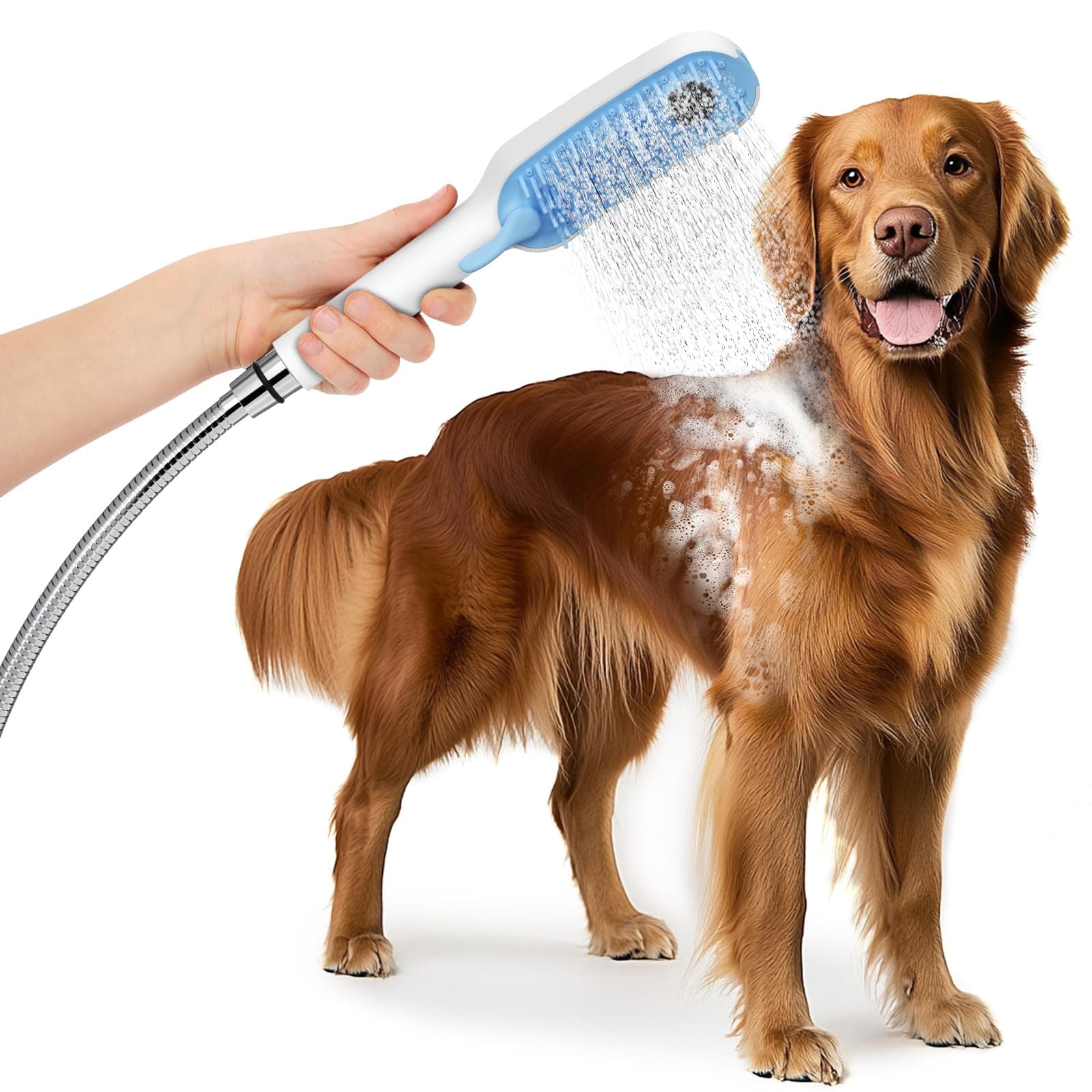
SR SUN RISE Dog Shower Attachment for Thick Haired Dogs, 4 Spray Mode Pet Bath Sprayer with Stainless Steel Diverter Valve & 6.5 Foot Hose, Indoor & Outdoor Dog Washing Grooming Supplies, Blue/White
SR SUN RISE
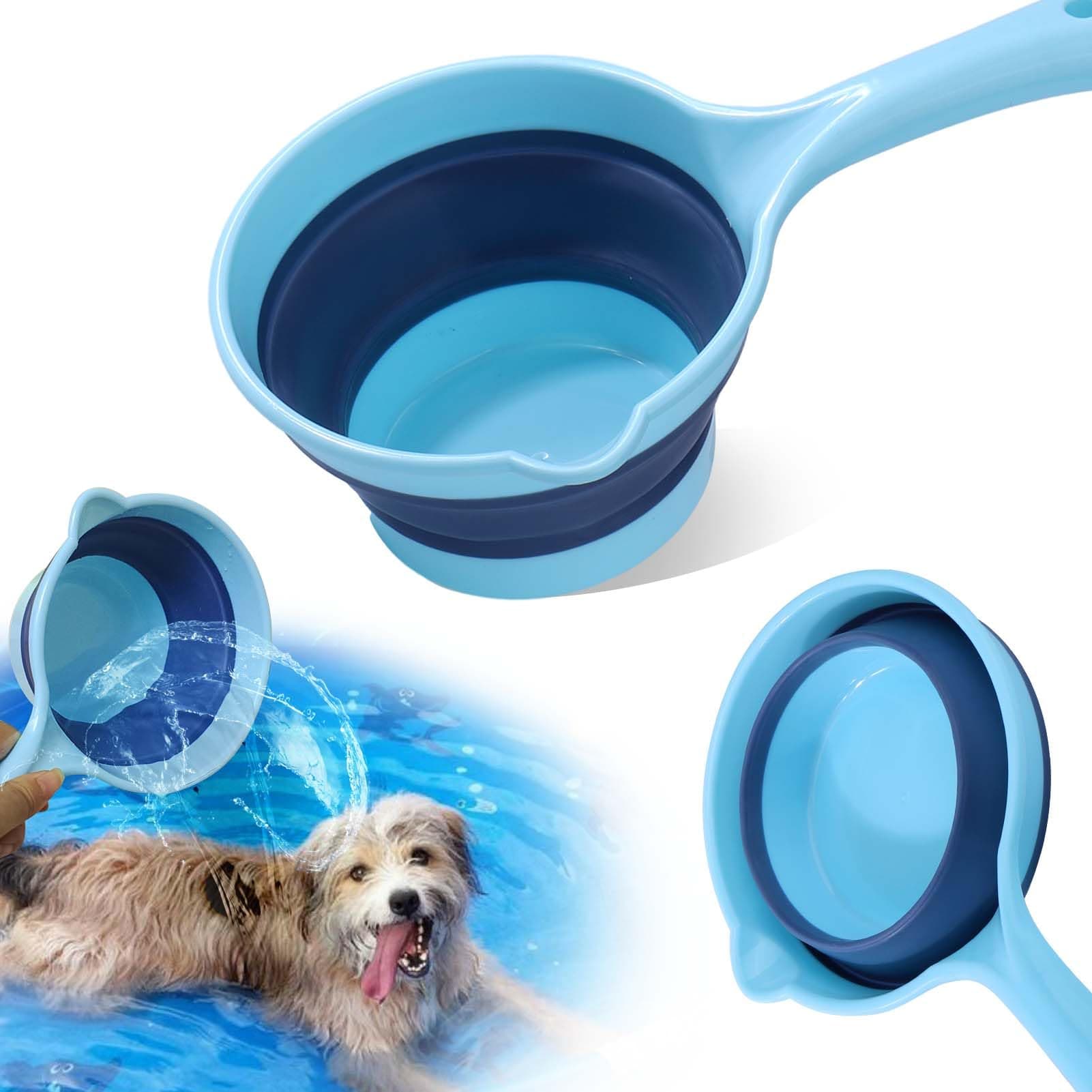
Dog Bath Rinse Cup,Portable Foldable Dog Bath Tubs Accessories,Dog Shower Bathtub Dog Pool Supplies,Dog Washing Tools,Dog Shower Attachment
Vodolo Vodolo
Tradeoff: a cup is quieter and gentler, but can take longer to fully rinse thick or double coats. For sensitive skin, thorough rinsing matters because leftover product can itch.
Handling protocol for better compliance
Handling is where most irritation happens: friction from restraining, repeated repositioning, and “scrub reflex” when owners worry the dog isn’t getting clean.
Consent-based handling (without letting your dog run the show)
You’re looking for micro-consents: small signs your dog can tolerate the next step.
- •Ask for a simple behavior (chin rest on tub edge, paws on mat, or “stand”).
- •Mark and reward (treat) for 1–2 seconds of stillness.
- •Then do a tiny piece of the bath: wet one leg, pause, reward.
If you don’t get the behavior within 5–10 seconds, scale down. For example: reward for just stepping into the tub without water.
Where to touch (and where not to)
- •Safer touch zones: shoulder blades, upper back, sides.
- •High-sensitivity zones: armpits, groin, paws, ears, base of tail, belly.
When you must work in sensitive zones, use support holds instead of gripping skin. For example, support a leg at the elbow rather than holding the paw tightly.
The “less friction” rule for sensitive skin
For a sensitive skin dog bath, assume the skin barrier is already compromised.
- •Use fingertips to part coat, not nails.
- •Massage shampoo in with flat fingers in the direction of coat growth.
- •Avoid circular scrubbing over red patches.
Concrete example: If your dog has pink armpits, don’t “deep scrub” there. Wet, apply diluted shampoo, gentle pass-through with fingers, then rinse thoroughly.
Tactical workflow by session phase
This is the sequencing that typically creates the lowest irritation with the highest likelihood your dog tolerates it.
Phase 1: Pre-bath decompression (2–5 minutes)
- •Take a short sniff walk or do a simple food puzzle.
- •If your dog is sound-sensitive, turn the bathroom fan on early so it’s not a sudden start.
Goal: lower arousal. High arousal makes water feel more threatening.
Phase 2: Coat prep (varies by coat type)
- •Short coat: quick brush or rubber curry to lift debris.
- •Thick/double coat: brush out loose undercoat first, or water will trap it and make rinsing harder.
- •Matted coat: do not yank through mats—this can inflame skin and create micro-tears. If mats sit on irritated skin, talk to a groomer or vet about safe clipping.
Phase 3: Wetting (the “predictability” step)
Start where your dog is most tolerant.
- •Many dogs accept water on the shoulders before legs or belly.
- •Keep water lukewarm.
If using a sprayer, start on a low-intensity mode. A multi-mode option like the SR SUN RISE Dog Shower Attachment can help you stay gentle on irritated areas.
Technique tip: keep the sprayer close to the coat (not blasting from far away). Close distance often feels less stingy and reduces splash noise.
Phase 4: Cleanse (dilution + contact time)
For sensitive skin, dilution is your friend unless a medicated product says otherwise.
- •Mix shampoo with water in a cup/bottle so it spreads without heavy rubbing.
- •Apply in sections: back/sides first, then chest, then legs, with belly last (or skip belly shampoo if it’s a trigger).
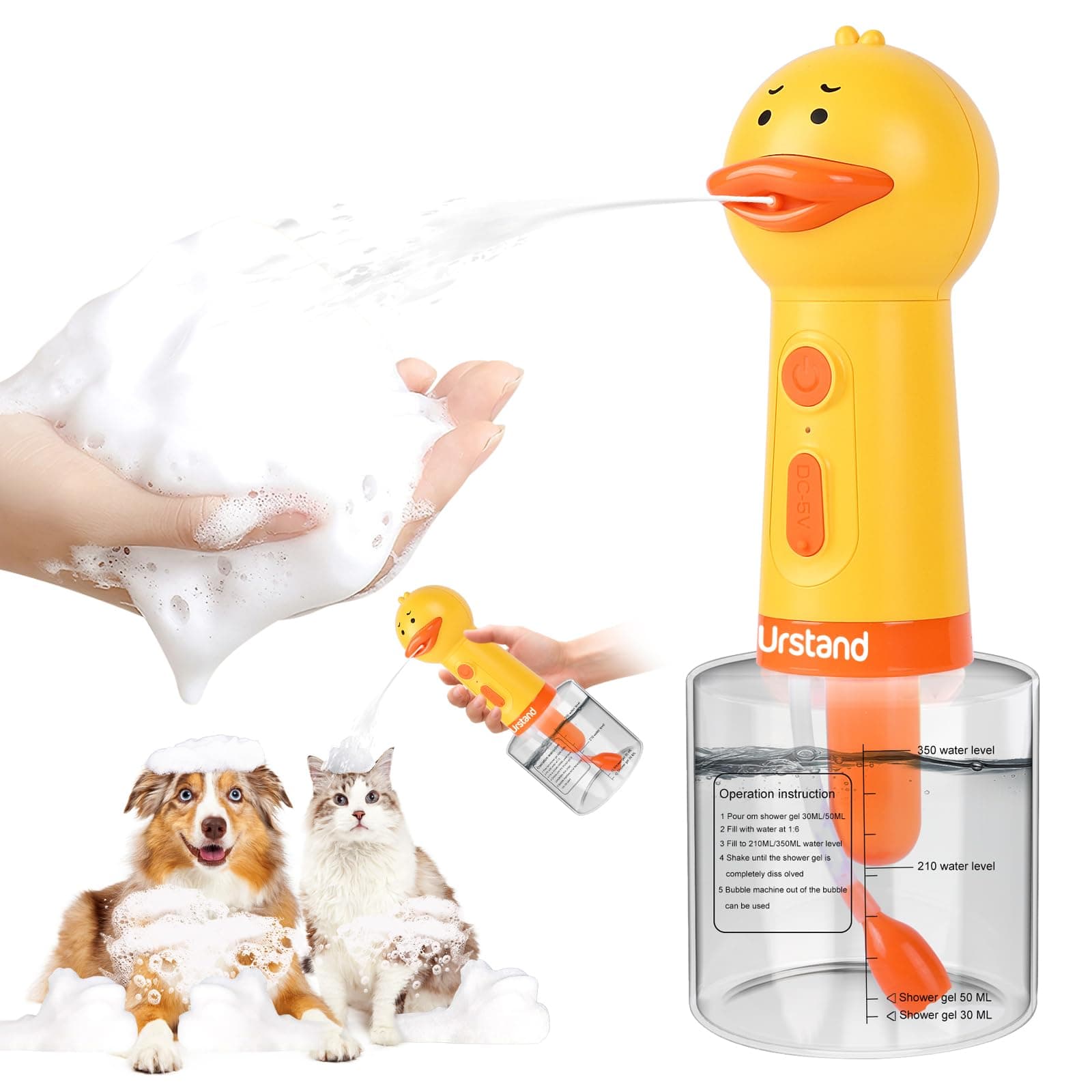
If your dog fights the “apply” step, foaming can reduce rubbing and make product distribution faster. A tool like the Dog Foaming Soap Dispenser can help some dogs because foam lands softly and you use less manual friction. Tradeoff: some dogs dislike the motor sound; introduce it away from bath time first.
Contact time: Many soothing shampoos work better with a short sit (often 3–10 minutes depending on the product). If your dog can’t tolerate waiting, you have options:
- •Do a “two-pass” micro-session: quick wash/rinse today, then a longer contact-time wash in 48–72 hours.
- •Put your dog on a lick mat or smear a little wet food on the wall to keep them still.
Example schedule for a dog who won’t hold still:
- •Day 1: 60-second wet + 60-second diluted shampoo + rinse.
- •Day 3: repeat, add 2 minutes contact time.
- •Day 7: attempt full recommended contact time.
Phase 5: Rinse (the most important step for itch control)
Leftover shampoo is a common cause of post-bath itching.
- •Rinse until water runs clear, then rinse one more time.
- •Pay special attention to armpits, paws, groin, and behind ears.
If your dog hates spray on the belly, use a cup pour for that area. The Dog Bath Rinse Cup is useful for a calm, quiet rinse.
Phase 6: Drying (blot, don’t rub)
- •Press towels to the coat to pull water out.
- •Avoid vigorous towel rubbing over irritated patches.
If your dog is yeast-prone, drying matters. Damp folds and paws can flare quickly.
- •For dogs who tolerate it, use a dryer on low/no-heat at a distance.
- •For dryer-sensitive dogs, towel + time in a warm room is safer than forcing airflow.
Product choices by temperament and tolerance
Your “best” shampoo is the one you can use consistently without stress. Below are behavior-based product decisions for a sensitive skin dog bath.
If your dog is itchy and your goal is soothing (and your dog tolerates bathing)
Look for gentle, skin-supportive formulas (often oatmeal/aloe). One option to consider is the Lillian Ruff PRO Formula Deodorizing Oatmeal Dog Shampoo & Conditioner Set, which combines shampoo + conditioner for dogs who need moisture support.
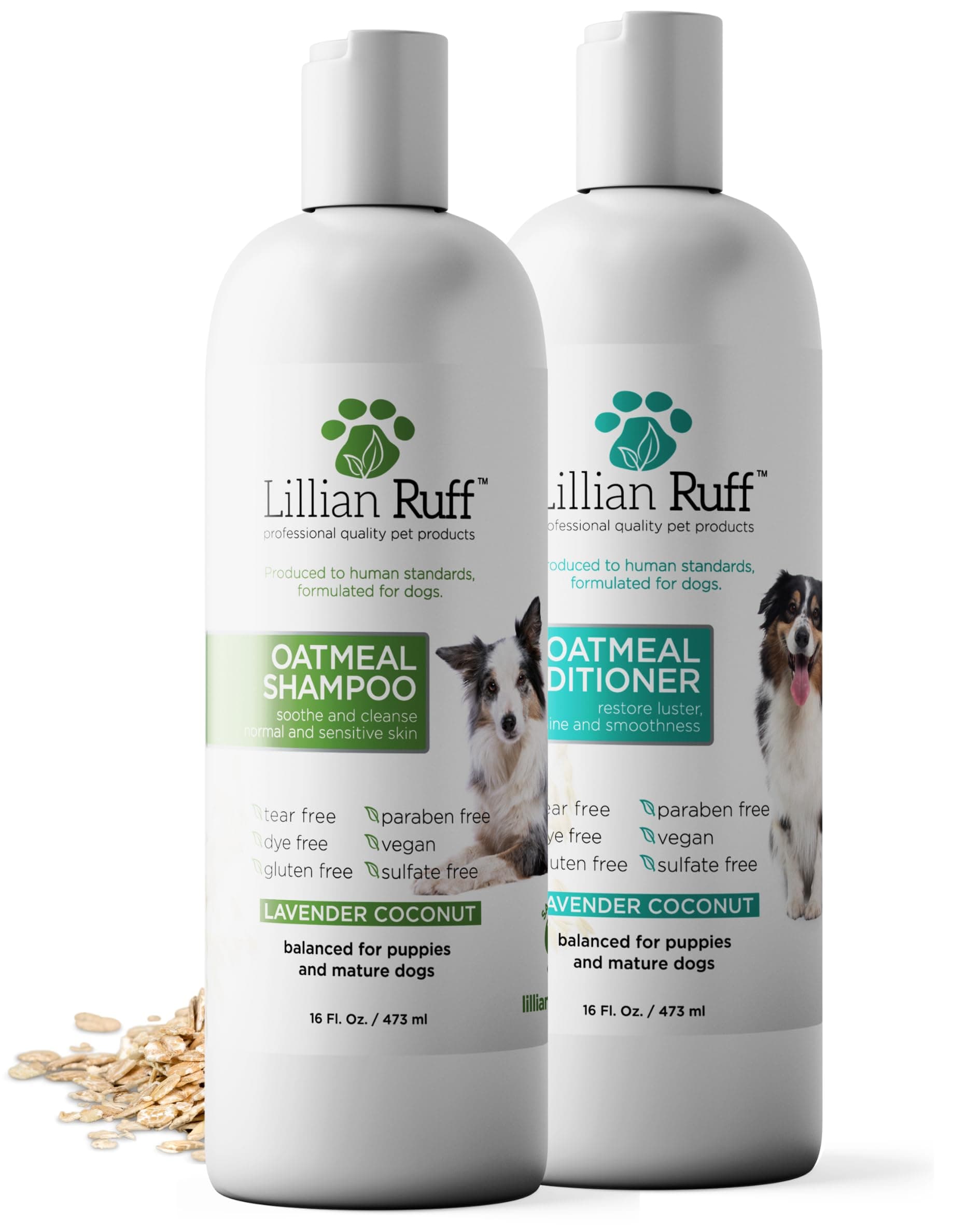
Lillian Ruff PRO Formula Deodorizing Oatmeal Dog Shampoo & Conditioner Set - Calm Itching & Allergies, Ultra-Nourishing Dry Skin Relief - Oatmeal, Aloe, Coconut Oil, Lavender & Provitamin B5, USA Made
Lillian Ruff Lillian Ruff
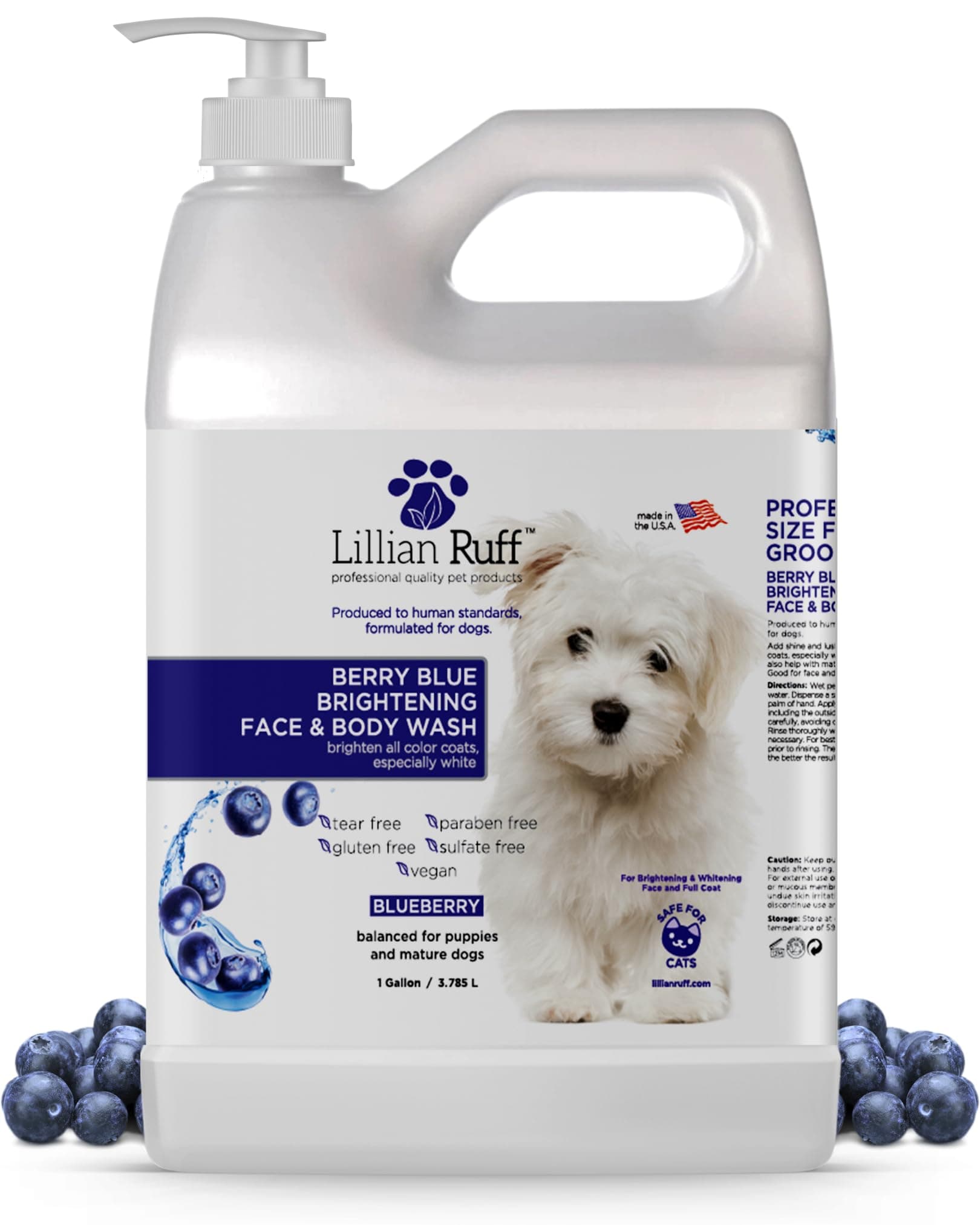
Lillian Ruff PRO Formula Berry Blue Brightening Pet Shampoo - Ultra-Hydrating Professional Whitening Dog Shampoo, Vivid Show-Quality Coat Enhancer, Tear Stain & Odor Eliminator, Vitamin B5, 128oz+Pump
Lillian Ruff Lillian Ruff
Tradeoffs to consider:
- •Pros: conditioning can reduce dryness and post-bath tightness.
- •Cons: more steps can increase session length; if your dog struggles, a single gentle shampoo well-rinsed may be better than adding conditioner you can’t rinse thoroughly.
If your dog startles easily (noise- or spray-sensitive)
- •Prefer a rinse cup over a sprayer, at least for the first few sessions.
- •If you use a sprayer, choose one with adjustable modes and keep pressure low, like the SR SUN RISE Dog Shower Attachment.
If your dog hates being touched (tactile-sensitive)
- •Reduce hand contact by using foam to spread product quickly. The Dog Foaming Soap Dispenser can be helpful if your dog accepts the device.
- •Choose the shortest routine that still achieves your goal: targeted rinse of paws/belly after outdoor allergens instead of full-body shampoo.
If your dog has a thick coat and you keep finding “hidden soap” later
- •Prioritize rinse tools that reach the undercoat. This is where a controlled sprayer can outperform a cup.
- •Split the coat with your fingers while rinsing so water reaches the skin without aggressive scrubbing.
Ingredient and use-pattern cautions (practical, not preachy)
- •Fragrance-heavy products can irritate some dogs; if you notice increased scratching after switching, revert and reassess.
- •Too-frequent shampooing can dry skin, but too-infrequent rinsing can leave allergens behind. Many sensitive dogs do best with more frequent water rinses and less frequent full shampoo.
Error recovery after a bad session
A “bad bath” can create two problems: inflamed skin and bath aversion. Recover both strategically.
If skin looks worse within 2–24 hours
- •Rinse with lukewarm water only to remove any residual product (no scrubbing).
- •Blot dry thoroughly.
- •Prevent licking/chewing hot spots (cone if needed).
- •Call your vet if you see hives, facial swelling, pustules, or a strong odor.
Decision clue: If scratching spikes right after bathing, suspect residue, fragrance sensitivity, or water too hot. If scratching spikes 2–3 days later, suspect yeast/bacteria flare or environmental allergens.
If behavior is worse (dog refuses the bathroom/tub)
Rebuild with “micro-baths” that do not involve full bathing.
- •Day 1–2: feed treats in the bathroom, then leave.
- •Day 3–4: step into dry tub, treat, step out.
- •Day 5+: add a brief paw rinse only, then towel + jackpot treats.
Key rule: do not lure your dog into the tub and then surprise them with water. That single trick can set training back weeks.
What to do if you must clean but your dog is over threshold
Use targeted hygiene:
- •Wipe paws and belly with a damp cloth after outdoor time.
- •Rinse only the itchy zones (paws, belly, under tail).
- •Consider a two-person setup: one handles treats and calm positioning, one does the fastest possible rinse.
Progress tracking template
Tracking makes this feel less like guesswork and helps you identify what actually reduces irritation.
Copy/paste this template into your notes:
Sensitive Skin Dog Bath Log
- •Date/time:
- •What triggered the bath (mud, pollen day, flare, odor):
- •Stress level at start (Green/Yellow/Red):
- •Tools used (cup/sprayer/foamer/towels):
- •Water temp (cool/lukewarm/warm):
- •Product used + dilution ratio:
- •Contact time achieved (minutes):
- •Rinse quality (1-5):
- •Drying method:
- •Skin before (redness 0-10, itch 0-10):
- •Skin 2 hours after (redness/itch):
- •Skin 24 hours after (redness/itch):
- •Behavior notes (what step caused tension):
- •Next session change (one thing only):
How to use it: change only one variable per session (tool OR product OR sequence). That’s how you learn what helps your dog.
Practical long-term maintenance plan
The best sensitive skin dog bath routine is repeatable. Here’s a realistic plan most households can sustain.
Base schedule (adjust to your dog’s triggers)
- •After high-allergen outings (pollen, tall grass): rinse paws, belly, and chest; towel dry.
- •Every 2–4 weeks: full sensitive skin dog bath with gentle shampoo, thorough rinse, careful dry.
- •During active flares (with vet guidance): you may need more frequent bathing with a specific product. The goal is controlled, calm repetition—not longer baths.
Rotate routines by “tolerance budget”
Some days your dog has less patience. Plan two versions:
Low-tolerance day (3–6 minutes):
- •Cup wetting of key zones
- •Diluted shampoo on dirtiest areas only
- •Extra rinse
- •Towel blot + done
High-tolerance day (10–15 minutes):
- •Full-body wet
- •Shampoo with contact time supported by treats
- •Condition if needed and tolerated
- •Meticulous rinse + thorough drying
Keep the bath from becoming a monthly trauma
- •Practice “fake bath” drills 1–2x/week: step into tub, treat, step out.
- •Introduce tools outside bath time: let your dog sniff the rinse cup; run the sprayer briefly while feeding treats.
- •Maintain nails and brushing. Less tangling = less pulling = less skin irritation.
When to re-evaluate products vs. re-evaluate technique
- •If your dog’s skin worsens right after bathing, suspect technique first: water temperature, rinsing, friction.
- •If technique is consistent and you still see redness/itching after multiple sessions, then consider a product switch (or vet visit for infection/allergy workup).
A calm, well-rinsed, behavior-informed routine usually beats a “stronger” product used in a stressful, rushed bath. Your dog’s skin recovers best when bath time stops being a fight.
Bath Time Cluster
More in this topic
guide
How Often to Bathe a Dog? Vet-Approved Schedule by Coat Type
guide
Oatmeal Dog Shampoo Benefits: Soothe Itchy Skin Safely
guide
How to bathe a cat: tips for a stress-free experience
guide
How Often Should You Bathe a Dog or Cat? Practical Schedule by Coat Type (Behavior-First Guide)
guide
Puppy First Bath Checklist: Safe Home Setup and Sequence (Behavior-First Guide)
guide
Double-Coat Bath and Drying Routine: Prevent Undercoat Issues Without Stress
Frequently asked questions
How often should I do a sensitive skin dog bath?
Most sensitive-skin dogs do well with full shampoo baths every 2–4 weeks, plus more frequent water-only rinses of paws/belly after high-allergen walks. If your vet prescribed a medicated protocol, follow that schedule—contact time and frequency matter more than using extra product.
Why is my dog itchier after a bath?
The most common causes are leftover shampoo/conditioner residue, water that was too hot, or too much scrubbing friction on already-inflamed skin. Do a lukewarm water-only rinse, blot dry (don’t rub), and track whether itching peaks within hours (often residue/irritation) versus days later (often yeast/bacteria or environmental triggers). Contact your vet if you see hives, swelling, pustules, or a strong odor.
My dog panics in the tub—what’s the gentlest way to rinse?
Use predictability and low pressure: start with a rinse cup pour on the shoulders and back, then work down the body in short bursts with treats between steps. Many dogs tolerate a cup better than a sprayer at first; once calmer, a multi-mode sprayer on a low setting can make rinsing faster (which often improves tolerance overall).
