
guide • Bath Time
Oatmeal Dog Shampoo Benefits: Soothe Itchy Skin Safely
Learn the top oatmeal dog shampoo benefits for itchy, sensitive dogs and how to pick a gentle formula that cleans without stripping natural oils.
By PetCareLab Editorial • March 5, 2026 • 13 min read
Table of contents
- Why Oatmeal Shampoo Is a Go-To for Itchy, Sensitive Dogs
- The Real Science: What Oatmeal Does for Dog Skin (and What It Doesn’t)
- Key oatmeal dog shampoo benefits (practical version)
- What oatmeal shampoo usually won’t fix on its own
- Which Dogs Benefit Most (Breed Examples + Real-World Scenarios)
- Dogs with sensitive skin or frequent bathing needs
- Dogs prone to dryness, dander, or winter itch
- Dogs with mild seasonal allergies (supportive care)
- How to Choose the Right Oatmeal Shampoo (Ingredient Checklist That Actually Matters)
- 1) Look for “colloidal oatmeal” (not just “oat extract”)
- 2) Prioritize gentle cleansers (surfactants)
- 3) Favor skin-supporting add-ons
- 4) Watch out for common irritants (especially on inflamed skin)
- 5) Choose the right “type” of oatmeal shampoo for your dog’s problem
- 6) Check the pH and species labeling
- Step-by-Step: How to Use Oatmeal Shampoo for Maximum Benefit (and Minimum Itch)
- Before the bath: set up for success
- The best bathing routine (vet-tech style)
- How often should you bathe with oatmeal shampoo?
- Product Recommendations (By Use Case) + Quick Comparisons
- Best overall for sensitive skin (everyday use)
- Best for “I need itch relief now” (short-term)
- Best for puppies or frequent bath households
- Best for allergy-prone dogs (supportive routine)
- When to choose a medicated shampoo instead (or alternate)
- Oatmeal Shampoo vs. Other Popular Options (What’s Better for What?)
- Oatmeal vs. chlorhexidine (medicated antibacterial)
- Oatmeal vs. antifungal shampoos (miconazole/ketoconazole)
- Oatmeal vs. hypoallergenic/fragrance-free shampoos
- Oatmeal vs. deodorizing/“skunk” shampoos
- Common Mistakes That Make Itching Worse (Even With a Good Shampoo)
- Expert Tips for Better Results (Beyond the Bottle)
- Add a leave-on step when appropriate
- Use targeted wiping between baths
- Manage the coat type correctly
- If your dog has chronic skin issues, track patterns
- When to Call the Vet (Red Flags Oatmeal Shampoo Shouldn’t “Cover Up”)
- Quick Buying Checklist (Print This in Your Brain)
Why Oatmeal Shampoo Is a Go-To for Itchy, Sensitive Dogs
If you’ve ever watched your dog scoot their belly across the carpet, lick their paws nonstop, or scratch until their skin looks pink, you already understand the mission: calm the skin without stripping it. That’s where oatmeal dog shampoo benefits really shine—especially for dogs with mild irritation, seasonal itch, or naturally dry skin.
Oatmeal-based shampoos are popular because they can:
- •Soothe itch and inflammation (comfort during flare-ups)
- •Support the skin barrier (less dryness after baths)
- •Add slip to the coat (easier brushing, fewer tangles)
- •Work well for frequent bathing (when formulated gently)
A quick “vet-tech friend” reality check: oatmeal shampoo is often a supportive tool, not a cure. If your dog has infections, parasites, severe allergies, or open sores, shampoo choice matters—but so does diagnosis and treatment timing. You’ll get the best results when oatmeal is part of a full skin-care plan (good rinsing, right bath frequency, parasite prevention, and sometimes meds or prescription shampoos).
The Real Science: What Oatmeal Does for Dog Skin (and What It Doesn’t)
“Oatmeal” in pet shampoos usually refers to colloidal oatmeal—finely ground oats dispersed in liquid so they coat the skin evenly. The useful components include:
- •Beta-glucans: help with moisture retention and barrier support
- •Avenanthramides: naturally soothing compounds linked to reduced irritation
- •Lipids and proteins: contribute to softening and conditioning effects
Key oatmeal dog shampoo benefits (practical version)
Here’s what you can realistically expect when you pick a well-formulated oatmeal shampoo and use it correctly:
- •Less post-bath tightness and flaking compared with harsh degreasing shampoos
- •Reduced itch from dryness (especially in winter or low-humidity homes)
- •Comfort during mild allergy seasons (think: spring grass pollen paw-licking)
- •Better coat manageability for long-haired or double-coated breeds
What oatmeal shampoo usually won’t fix on its own
Oatmeal shampoos are not designed to fully treat these common underlying issues:
- •Fleas or mites (you need effective parasite prevention/treatment)
- •Yeast or bacterial infections (often require medicated products)
- •Hot spots (acute moist dermatitis) (needs veterinary guidance; bathing can worsen if done wrong)
- •Food allergy skin disease (shampoo may soothe, but diet trial is the cornerstone)
If the skin smells “corn chip-y,” looks greasy, or has dark thickened areas—oatmeal alone is often too gentle for what’s going on.
Which Dogs Benefit Most (Breed Examples + Real-World Scenarios)
Different coats and skin types “behave” differently in the tub. Here are real scenarios where oatmeal shampoos are often a smart first choice.
Dogs with sensitive skin or frequent bathing needs
- •Labrador Retrievers who swim weekly: chlorine + frequent rinsing can dry skin
- •French Bulldogs with mild skin sensitivity: you want gentle cleansing without extra fragrance
- •Toy breeds (Yorkies, Maltese) that get salon baths often: repeated stripping shampoos can cause flaking
Dogs prone to dryness, dander, or winter itch
- •Siberian Huskies in heated homes: dry air can trigger dandruff and itch
- •Greyhounds/Whippets: thin coats, less natural insulation; skin can dry out fast
- •Senior dogs: skin barrier tends to be less resilient
Dogs with mild seasonal allergies (supportive care)
- •Golden Retrievers with springtime paw licking and belly redness: oatmeal baths can reduce surface irritants
- •Pit Bull–type dogs: short coats make redness visible; gentle anti-itch bathing can bring relief
Important nuance: If your dog’s itch is intense (wakes them up, causes bleeding, or persists beyond a week or two), oatmeal may still help comfort—but you should also loop in your vet to rule out infection, parasites, or allergic dermatitis that needs stronger therapy.
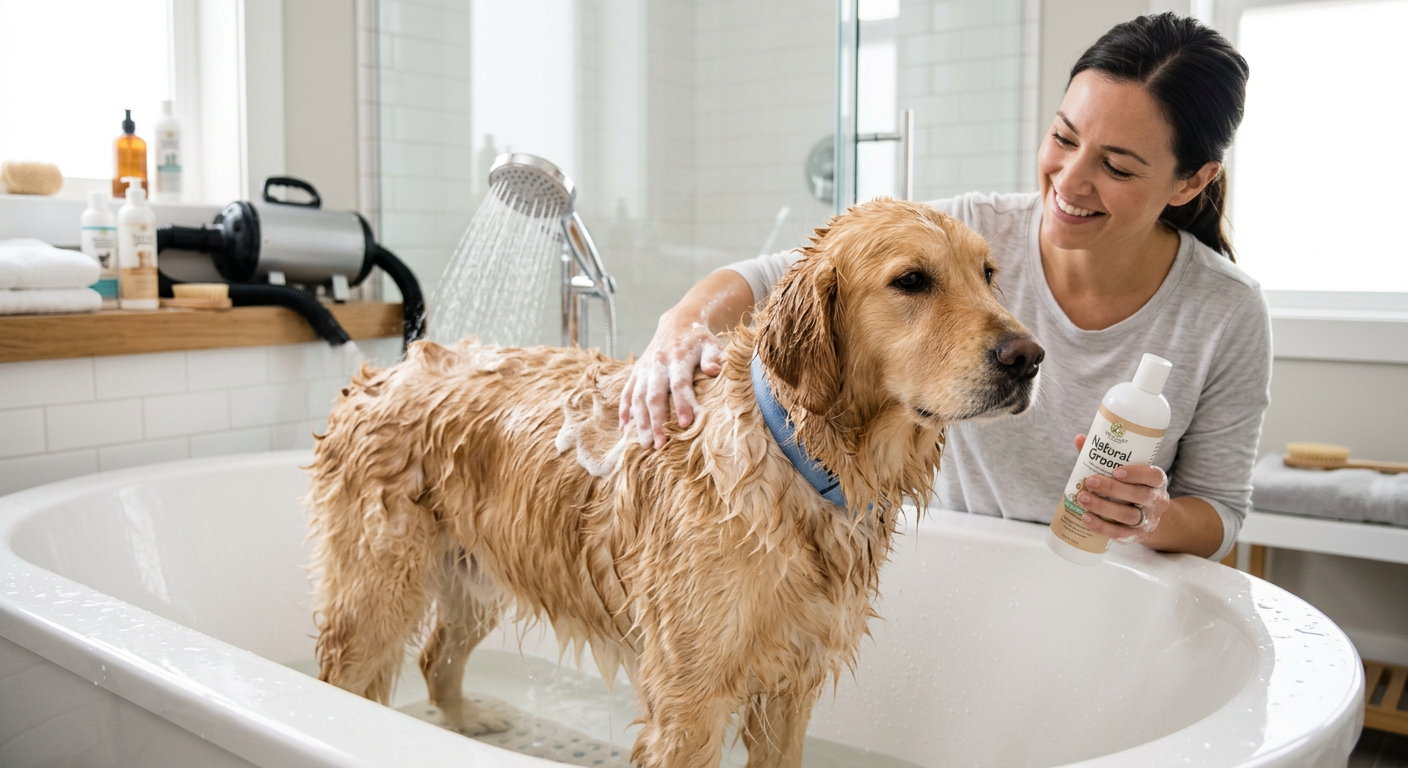
[IMAGE_PLACEHOLDER_1]
How to Choose the Right Oatmeal Shampoo (Ingredient Checklist That Actually Matters)
The label can be confusing because “oatmeal” is often used as a marketing highlight, even when the rest of the formula is too harsh for sensitive skin. Here’s how to choose like a pro.
1) Look for “colloidal oatmeal” (not just “oat extract”)
- •Colloidal oatmeal is typically more effective for coating and soothing.
- •Oat extract can still help, but results may be milder.
2) Prioritize gentle cleansers (surfactants)
You want effective cleaning without aggressive stripping. Pet-safe gentle cleansers often include:
- •Coco-glucoside
- •Decyl glucoside
- •Disodium laureth sulfosuccinate
- •Sodium cocoyl isethionate
Be cautious with formulas where the first cleanser is a very harsh degreaser—those can leave sensitive dogs itchier after the bath.
3) Favor skin-supporting add-ons
These ingredients pair well with oatmeal for comfort:
- •Aloe vera (soothing, but avoid if your dog licks excessively and reacts)
- •Glycerin (humectant for hydration)
- •Ceramides (barrier support)
- •Panthenol (pro-vitamin B5) (conditioning)
- •Honey (can be soothing; quality varies)
- •Squalane (light, non-greasy conditioning—less common but excellent)
4) Watch out for common irritants (especially on inflamed skin)
Even “natural” ingredients can irritate. Consider avoiding if your dog is reactive:
- •Heavy fragrance/parfum (a big culprit)
- •Essential oils (tea tree, peppermint, citrus—can be irritating and sometimes unsafe)
- •Dyes/colorants
- •High-alcohol formulas (drying)
5) Choose the right “type” of oatmeal shampoo for your dog’s problem
Not all oatmeal shampoos are the same. Match the shampoo to the goal:
For simple dryness/maintenance
- •Oatmeal + gentle cleanser + conditioner ingredients
Best for: weekly/biweekly baths, mild flaking
For itch from allergies (supportive)
- •Oatmeal + pramoxine (topical anti-itch) or hydrocortisone (only if vet-approved and safe for your dog)
Best for: short-term itch relief; not a long-term fix for underlying allergies
For odor/grease
- •Oatmeal + deodorizing ingredients (milder)
Best for: “doggy smell,” but not infected skin
For infections
- •Usually not oatmeal-only. Look for veterinary medicated shampoos with ingredients like:
- •Chlorhexidine (bacterial)
- •Miconazole/ketoconazole (yeast/fungal)
These can be drying; sometimes they’re alternated with a gentle oatmeal shampoo on non-medicated days.
6) Check the pH and species labeling
Dogs have different skin pH than humans. Use a shampoo labeled for dogs (or dogs/cats when appropriate). Avoid human shampoos—even “baby shampoo”—unless your vet explicitly recommends it for a specific short-term reason.
Step-by-Step: How to Use Oatmeal Shampoo for Maximum Benefit (and Minimum Itch)
Most “oatmeal shampoo didn’t work” stories come down to technique. The two biggest issues are not enough contact time and poor rinsing.
Before the bath: set up for success
- •Brush out tangles and loose undercoat first (especially Goldens, doodles, and double-coated breeds).
- •Use lukewarm water (hot water increases itching).
- •Place a non-slip mat in the tub—stress scratching can spike if your dog feels unstable.
The best bathing routine (vet-tech style)
- Fully saturate the coat
It takes longer than you think, especially on thick coats (Huskies, Labs, German Shepherds). Water must reach the skin.
- Pre-dilute the shampoo when possible
Mix shampoo with water in a cup or squeeze bottle (follow label guidance). This spreads product evenly and reduces “hot spots” of concentrated cleanser.
- Apply and massage to the skin—not just the fur
Use your fingertips (not nails). Focus on:
- •armpits
- •groin/belly
- •paws
- •neck/chest
- •base of tail
- Let it sit (contact time: 5–10 minutes)
This is where oatmeal dog shampoo benefits really show up. Set a timer if you need to.
- Rinse longer than you think you should
Residue is a classic cause of post-bath itching. Rinse until water runs clear, then rinse another minute.
- Towel dry thoroughly
Don’t leave damp skin folded in wrinkles (Bulldogs, Pugs) or trapped under thick coat (retrievers)—moisture can contribute to yeast.
- Finish with a strategy
- •For dry skin: consider a dog-safe conditioner or moisturizing spray
- •For allergy seasons: wipe paws/belly between baths to reduce allergen buildup
[IMAGE_PLACEHOLDER_2]
How often should you bathe with oatmeal shampoo?
It depends on the problem:
- •Dry/itchy skin support: every 1–2 weeks is common
- •Allergy season management: weekly baths may help remove allergens (if your dog tolerates it)
- •After swimming: rinse water-only, shampoo as needed
If frequent bathing makes your dog flakier, your shampoo may be too cleansing—or you may need a conditioner, shorter bath time, cooler water, or less frequent full shampoos.
Pro-tip: For itchy dogs, use a “rinse test.” After drying, rub a damp white washcloth over the coat. If you see suds or feel slipperiness, you didn’t rinse enough.
Product Recommendations (By Use Case) + Quick Comparisons
Because availability varies by region and stores, think of these as trusted category picks. Always check the current ingredient list and directions—brands occasionally reformulate.
Best overall for sensitive skin (everyday use)
Look for: colloidal oatmeal + gentle cleansers + minimal fragrance Good fit for: French Bulldogs, Yorkies, mixed breeds with “mystery itch” that isn’t infected
What to expect:
- •Comfortable skin feel
- •Soft coat
- •Mild scent (or none)
Potential downside:
- •Not strong enough for oily odor or infection
Best for “I need itch relief now” (short-term)
Look for: oatmeal + pramoxine (commonly used topical anti-itch) Good fit for: dogs that scratch after grass exposure or have mild flare-ups without infection
What to expect:
- •Noticeable itch reduction for some dogs within hours
Potential downside:
- •Doesn’t address the underlying cause; avoid overusing without a plan
Best for puppies or frequent bath households
Look for: very mild, tearless formulas (still dog-specific) + oatmeal Good fit for: puppies, foster homes, dogs in muddy climates
What to expect:
- •Gentle cleansing; less dryness with frequent use
Potential downside:
- •May not deodorize strongly
Best for allergy-prone dogs (supportive routine)
Look for: oatmeal + barrier-support ingredients (ceramides, glycerin) Good fit for: Golden Retrievers, Bulldogs, pollen-sensitive dogs
What to expect:
- •Better skin comfort over repeated baths
- •Less flaky belly/chest
Potential downside:
- •Requires consistency and good drying technique
When to choose a medicated shampoo instead (or alternate)
If you see these, consider veterinary medicated options:
- •greasy coat with strong odor
- •recurrent ear infections + itchy skin (often yeast-associated)
- •pustules, crusts, “acne-like” bumps
- •dark, thickened skin (chronic inflammation)
- •circular hair loss patches
In many real-world skin plans, a vet will recommend:
- •Medicated shampoo 2–3x/week (contact time 10 minutes), alternating with
- •Oatmeal shampoo on off-days to reduce dryness and keep bathing comfortable
Pro-tip: If your dog has recurrent infections, ask your vet about doing a skin cytology. Treating “itch” without confirming yeast/bacteria can lead to a frustrating cycle.
Oatmeal Shampoo vs. Other Popular Options (What’s Better for What?)
Oatmeal is great—but it’s not the only tool. Here’s how it compares.
Oatmeal vs. chlorhexidine (medicated antibacterial)
- •Oatmeal: soothing, moisturizing, gentle for maintenance
- •Chlorhexidine: targets bacteria (pyoderma), often essential for infections
Best approach: treat infection first; use oatmeal for supportive care if drying occurs
Oatmeal vs. antifungal shampoos (miconazole/ketoconazole)
- •Oatmeal: helps comfort; won’t reliably treat yeast
- •Antifungal: addresses yeast overgrowth causing odor/grease/itch
Best approach: use antifungal as directed; consider oatmeal conditioner or alternating gentle baths if skin dries out
Oatmeal vs. hypoallergenic/fragrance-free shampoos
- •Hypoallergenic: often fewer potential irritants, sometimes no oatmeal
- •Oatmeal hypoallergenic: best of both worlds when formulated well
If your dog reacts to many products, start with fragrance-free, minimal-ingredient formulas.
Oatmeal vs. deodorizing/“skunk” shampoos
- •Oatmeal: mild deodorizing at best
- •Deodorizing: stronger surfactants, may strip oils and worsen dryness
If odor is the primary issue, use deodorizing sparingly and follow with a moisturizing routine.
[IMAGE_PLACEHOLDER_3]
Common Mistakes That Make Itching Worse (Even With a Good Shampoo)
These are the “silent saboteurs” I see most often:
- •Not rinsing thoroughly: leftover surfactant can cause itch and dandruff-like flakes
- •Using hot water: increases skin inflammation and dryness
- •Skipping contact time: oatmeal needs time on the skin to soothe
- •Bathing too often with a stripping shampoo: can damage the skin barrier
- •Using human products: wrong pH and often too harsh or fragranced
- •Over-fragranced shampoos: scent is a common irritant for sensitive dogs
- •Ignoring wet skin folds (Bulldogs, Shar-Peis): moisture can trigger yeast flare-ups
- •Bathing during an active hot spot without guidance: can spread moisture and worsen the lesion
Pro-tip: If your dog is itchy after every bath, do a “product swap test.” Change only one variable at a time (shampoo, water temp, rinse time, towel/air dry routine) so you can identify the culprit.
Expert Tips for Better Results (Beyond the Bottle)
Oatmeal shampoo works best when it’s paired with smart skin maintenance.
Add a leave-on step when appropriate
A dog-safe moisturizing spray or mousse can extend benefits between baths—especially for:
- •winter dryness
- •older dogs with flaky skin
- •frequent bathers (swimmers, daycare dogs)
Look for ingredients like glycerin, ceramides, panthenol. Avoid heavy fragrance.
Use targeted wiping between baths
For seasonal allergies, you don’t always need a full bath:
- •wipe paws, legs, and belly after walks (especially in grass)
- •use a damp cloth or pet wipes designed for sensitive skin
This reduces allergen load and can decrease how often you need shampoo.
Manage the coat type correctly
- •Double coats (Labs, Huskies): thorough wetting and rinsing are everything; trapped shampoo causes itch
- •Doodles/Poodles: brush before bathing to prevent matting; consider conditioner for slip
- •Short coats (Pit Bulls): avoid harsh degreasers; their skin shows irritation quickly
If your dog has chronic skin issues, track patterns
Keep a simple log:
- •bath date + shampoo used
- •itch score (1–10)
- •new foods/treats
- •weather/pollen changes
- •flea prevention dates
This helps your vet (and you) identify triggers and evaluate whether your oatmeal routine is truly helping.
When to Call the Vet (Red Flags Oatmeal Shampoo Shouldn’t “Cover Up”)
Oatmeal shampoo is supportive, but you don’t want to soothe symptoms while missing a bigger issue. Contact your vet if you notice:
- •intense itch (constant scratching/chewing, trouble sleeping)
- •hair loss, scabs, or bleeding
- •strong odor, greasy coat, or recurrent ear infections
- •pustules, crusting, or swelling
- •rapidly spreading redness
- •lethargy, fever, loss of appetite
- •itch that persists despite 2–3 properly done baths with a gentle shampoo
If your dog is on prescription flea/tick prevention and still itchy, don’t assume it’s “just allergies”—mites, infections, contact irritants, and diet-related itch can look similar.
Quick Buying Checklist (Print This in Your Brain)
When you’re standing in the aisle (or scrolling online), use this short checklist:
- •Choose colloidal oatmeal + gentle cleansers
- •Prefer fragrance-free or lightly scented if your dog is sensitive
- •Avoid heavy essential oils, dyes, and harsh degreasers for itchy dogs
- •Match the formula to the goal: moisture vs itch relief vs medicated treatment
- •Use correct technique: 5–10 minute contact time + extra rinsing
- •If signs suggest infection, consider vet-guided medicated shampoo instead of oatmeal-only
Used thoughtfully, oatmeal shampoo can be one of the simplest, safest ways to improve comfort for sensitive dogs—and it often becomes a key part of a long-term plan when allergies or dryness are ongoing. The biggest wins come from choosing a formula that’s genuinely gentle and then using it with the kind of rinse-and-contact-time discipline that makes the ingredients matter.
Bath Time Cluster
More in this topic
guide
How Often to Bathe a Dog? Vet-Approved Schedule by Coat Type
guide
How to bathe a cat: tips for a stress-free experience
guide
How Often Should You Bathe a Dog or Cat? Practical Schedule by Coat Type (Behavior-First Guide)
guide
Puppy First Bath Checklist: Safe Home Setup and Sequence (Behavior-First Guide)
guide
Sensitive Skin Bath Routine for Dogs: Lower Irritation, Better Recovery
guide
Double-Coat Bath and Drying Routine: Prevent Undercoat Issues Without Stress
Frequently asked questions
What are the main oatmeal dog shampoo benefits for itchy dogs?
Oatmeal shampoos help calm mild itch and irritation while supporting the skin barrier, making them a go-to for dry or sensitive dogs. They can also moisturize and reduce that “tight, flaky” feel after baths when the formula is gentle and pH-balanced for pets.
Is colloidal oatmeal better than regular oatmeal in dog shampoo?
Colloidal oatmeal is finely milled and disperses evenly in water, so it coats the skin more uniformly and tends to soothe more consistently. Regular oatmeal can still be helpful, but colloidal oatmeal is usually preferred for sensitive, itchy skin.
How do I choose the right oatmeal shampoo for a sensitive dog?
Look for a dog-specific, fragrance-free or lightly scented formula with mild surfactants and added moisturizers like aloe or ceramides, and avoid harsh sulfates or heavy perfumes. If your dog has frequent flare-ups, recurrent infections, or broken skin, ask your vet for a medicated option or bathing schedule.
