

guide • Coat Care
Seasonal Shedding Calendar: A Spring and Fall Grooming Plan That Actually Works
Build a seasonal shedding calendar you can stick to—with spring/fall grooming workflows, tool tradeoffs, and real schedules for cats and dogs.
By Lucy Anderson • February 24, 2026 • 7 min read
Table of contents
- What actually matters in this comparison
- 1) Coat type (because the same tool can be perfect or a mistake)
- 2) Your real-world constraint: time, tolerance, or mess
- 3) The goal: reduce shedding *in the home* vs. improve coat health
- Baseline criteria and scoring method
- Criteria (with what “good” looks like)
- Tool categories we’ll compare (and why)
- Side-by-side workflow analysis
- Workflow A: “Daily light + weekly power” (best for consistency)
- Workflow B: “Every-other-day power sessions” (fastest visible results, higher risk)
- Workflow C: “Micro-sessions attached to routine” (lowest effort barrier)
- Cost, effort, and consistency tradeoffs
- The real tradeoff: efficiency vs. safety margin
- The overlooked tradeoff: tool cleaning time vs. usage
- Cost isn’t just purchase price
- Which option wins by user profile
- Profile 1: “My pet sheds heavily and I’m losing the house”
- Profile 2: “My pet hates grooming”
- Profile 3: “Long-haired coat, mat-prone”
- Profile 4: “I’m consistent only on weekends”
- Transition strategy if changing tools
- Step 1: Match the tool to the coat zone first
- Step 2: Use a “two-tool handshake” for 1–2 weeks
- Step 3: Change frequency before you change intensity
- Step 4: Put the calendar on a real cue
- Common decision mistakes
- Mistake 1: Using the wrong tool for the coat type
- Mistake 2: Chasing a zero-shed outcome
- Mistake 3: Overworking the same spot
- Mistake 4: Skipping the calendar during the first week of peak shed
- Mistake 5: Ignoring signals that shedding isn’t seasonal
- Final recommendation framework
- Step 1: Identify your “peak shed window”
- Step 2: Pick one primary workflow and one fallback
- Step 3: Choose tools using tradeoffs, not hype
- Step 4: Copy/paste-ready seasonal shedding calendar templates
- Spring calendar (typical heavy shed)
- Fall calendar (often moderate shed)
- Step 5: Define a “done” signal per session
Shedding isn’t random. Most healthy cats and dogs follow a predictable pattern tied to daylight and temperature changes—meaning you can plan for it. A seasonal shedding calendar is simply a repeatable schedule that tells you what to do (and how often) in spring and fall so hair stays on the brush, not on your couch.
This guide is comparison-led: different tools and routines win for different coats, households, and time budgets. You’ll get decision criteria, workflow options, and concrete schedules you can copy.
What actually matters in this comparison
When people say “my pet sheds a ton,” they usually mean one of three different problems. Your calendar should target the right one.
1) Coat type (because the same tool can be perfect or a mistake)
- •Double-coated dogs (Husky, GSD, Golden, Lab mixes with dense undercoat): Seasonal “coat blow” is real. Your calendar must include undercoat work, or you’ll brush the topcoat forever.
- •Short-haired cats and dogs (sleek, single-coat feel): Loose hair sits near the surface; over-aggressive tools can irritate skin.
- •Long-haired or plush coats (Maine Coon, Ragdoll, long-coated mixes): Mat risk climbs during shedding seasons because loose hair tangles into the coat.
2) Your real-world constraint: time, tolerance, or mess
A plan that looks great on paper but requires 40-minute sessions is how grooming becomes a “weekend battle.” What matters:
- •Session length your pet will tolerate (often 5–12 minutes is the sweet spot)
- •How much hair you can handle in your home (allergy household vs. “whatever”)
- •How consistent you can be (daily 5 minutes beats weekly 45 minutes)
3) The goal: reduce shedding in the home vs. improve coat health
A shedding calendar can be built to:
- •Reduce tumbleweeds (most owners)
- •Prevent mats (long hair/double coats)
- •Support skin/coat quality (dry skin, dandruff flakes)
Tradeoff language matters here: a tool that removes the most hair per minute often carries a higher risk of overuse, irritation, or coat damage if used incorrectly.
Baseline criteria and scoring method
Use this scoring method to choose tools and set your seasonal shedding calendar. Rate each category 1–5 for your pet.
Criteria (with what “good” looks like)
- Hair removal efficiency (1–5): How much loose hair comes out in 5 minutes.
- Skin safety margin (1–5): How hard it is to cause irritation if you’re not perfect.
- Mat prevention (1–5): Ability to detangle/keep coat separated (critical for long hair).
- Pet tolerance (1–5): Likelihood your pet will accept it (noise, pulling, pressure).
- Owner consistency (1–5): Ease to grab-and-go, clean, and repeat.
- Versatility across seasons (1–5): Works in peak shed and maintenance mode.
Tool categories we’ll compare (and why)
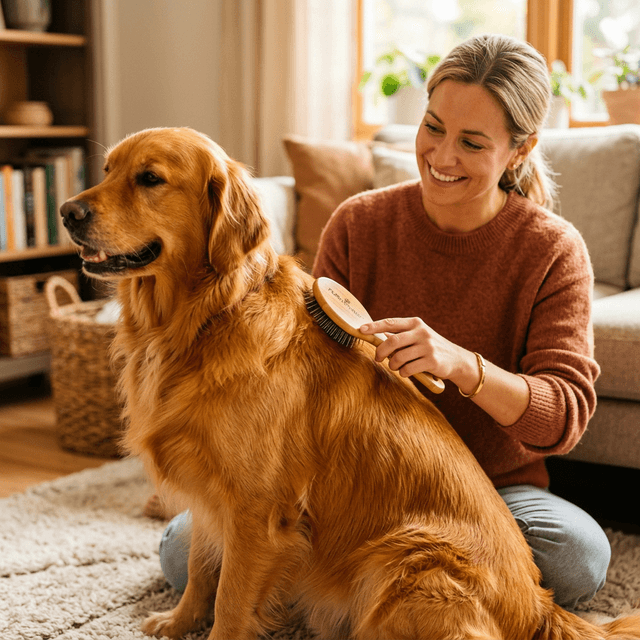
- •Slicker brush: Great daily driver for many coats; moderate efficiency; good for surface hair and mild tangles.
- •Deshedding blade/tool: High efficiency for certain coats; lower safety margin if overused.
- •Undercoat rake + dematting comb (2-in-1): Best for double coats and dense undercoat; can be too much for single coats.
- •Flexible pin brush / dual brush: Gentle, good for finishing and sensitive pets; often needs a “power tool” partner during peak shedding.
Examples from PetCareLab’s product pages you can integrate into a plan:
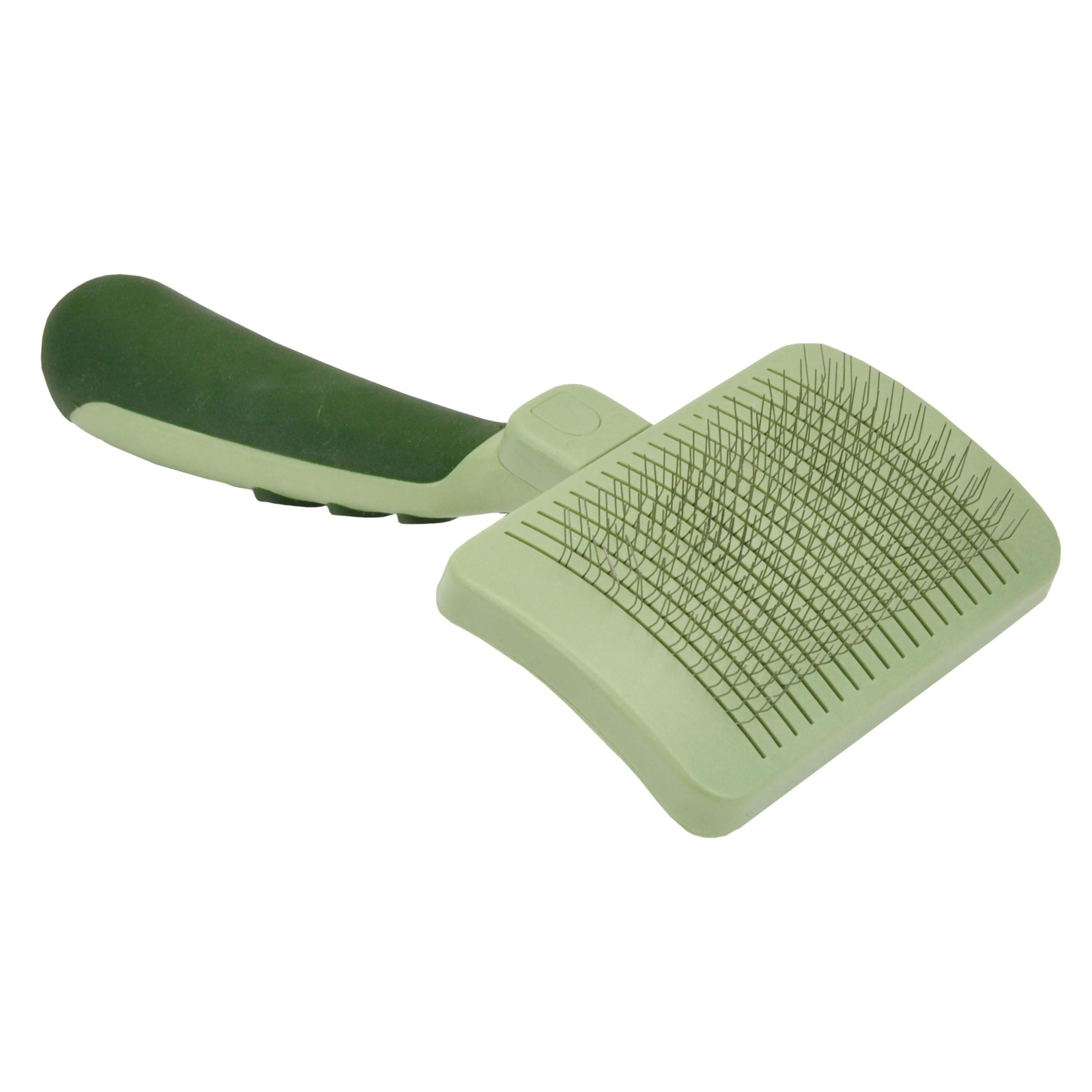
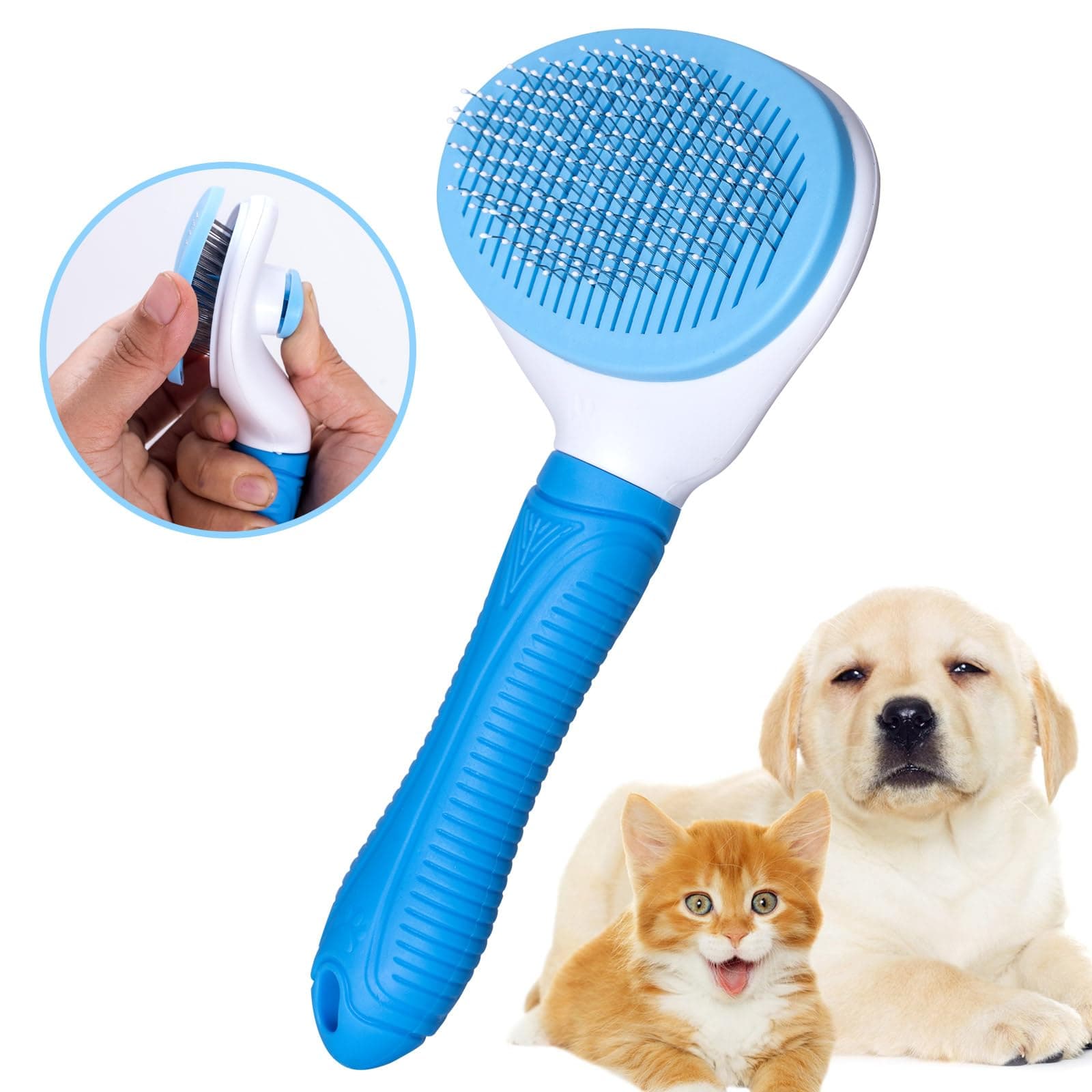
- •Cat slicker: Coastal Pet Safari - Cat Self-Cleaning Slicker Brush - Cat Grooming Supplies
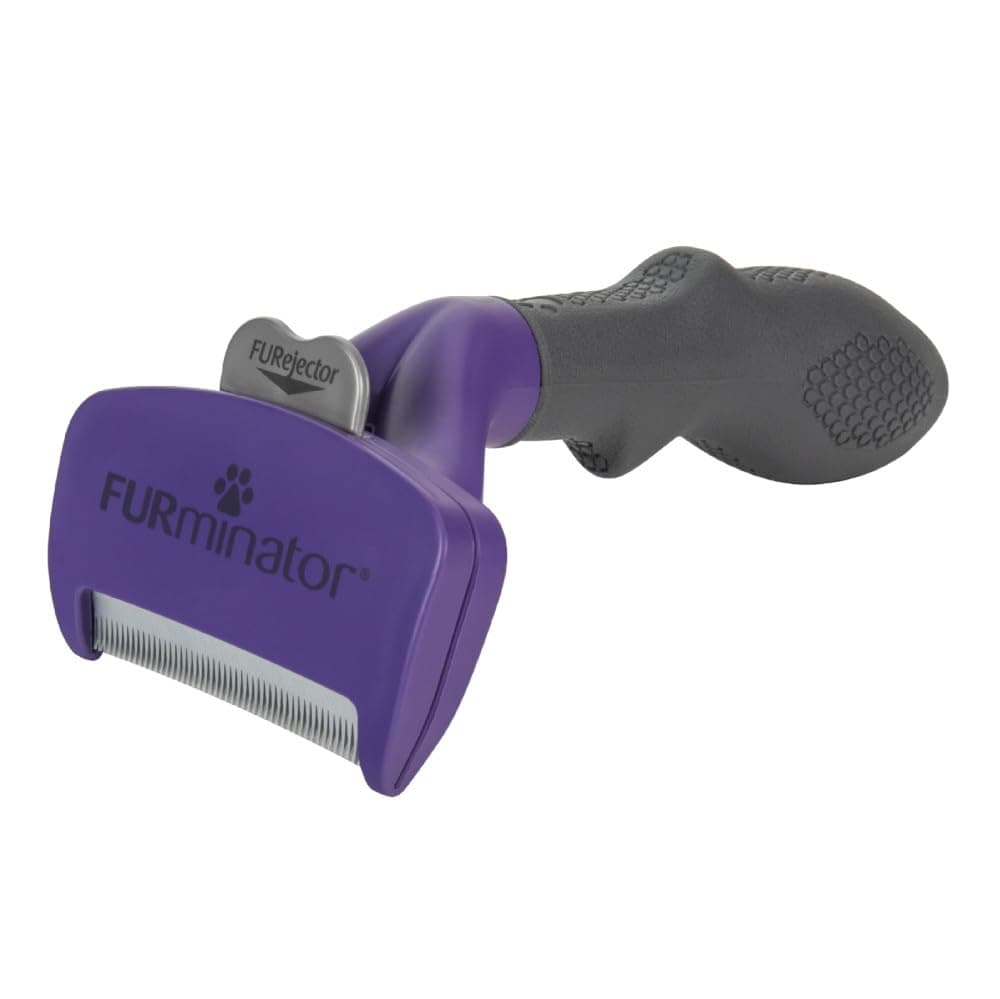
- •Cat deshedding tool: FURminator deShedding Tool For Medium/Large Cats, Short Hair, Removes Loose Hair From Shedding
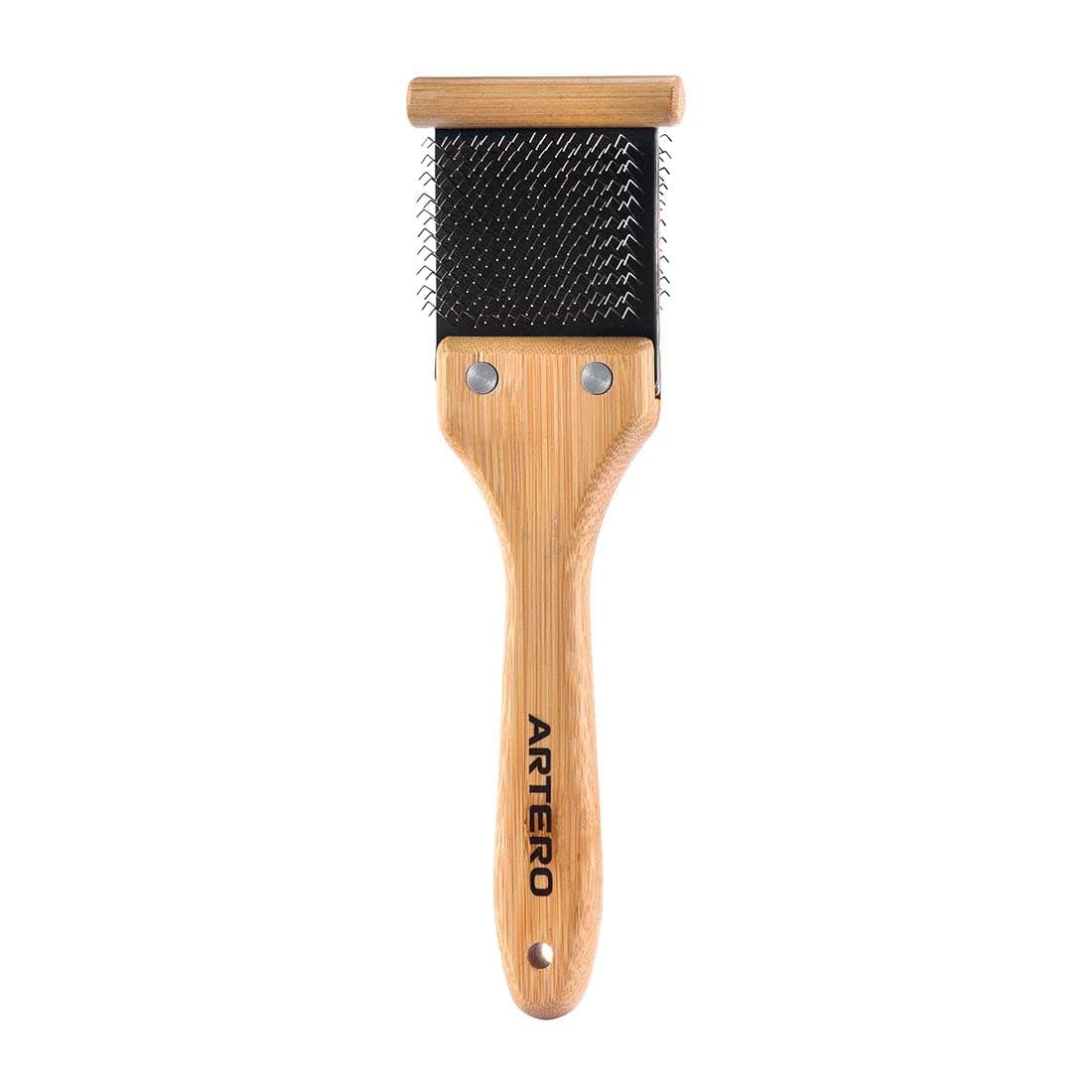
- •Flexible 2-in-1 brush: Artero Double Flexible Brush (2 in 1) (S - Nature Collection)
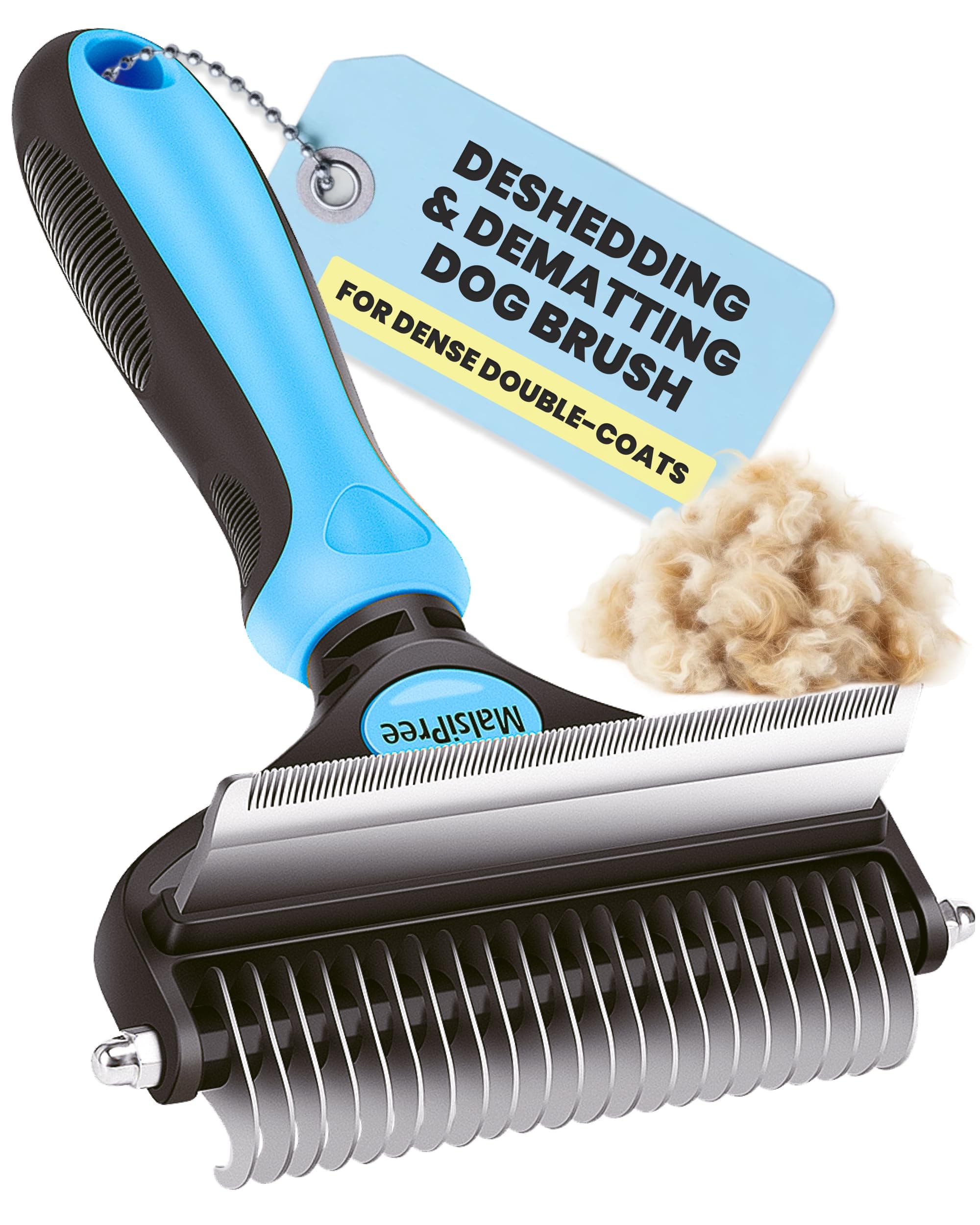
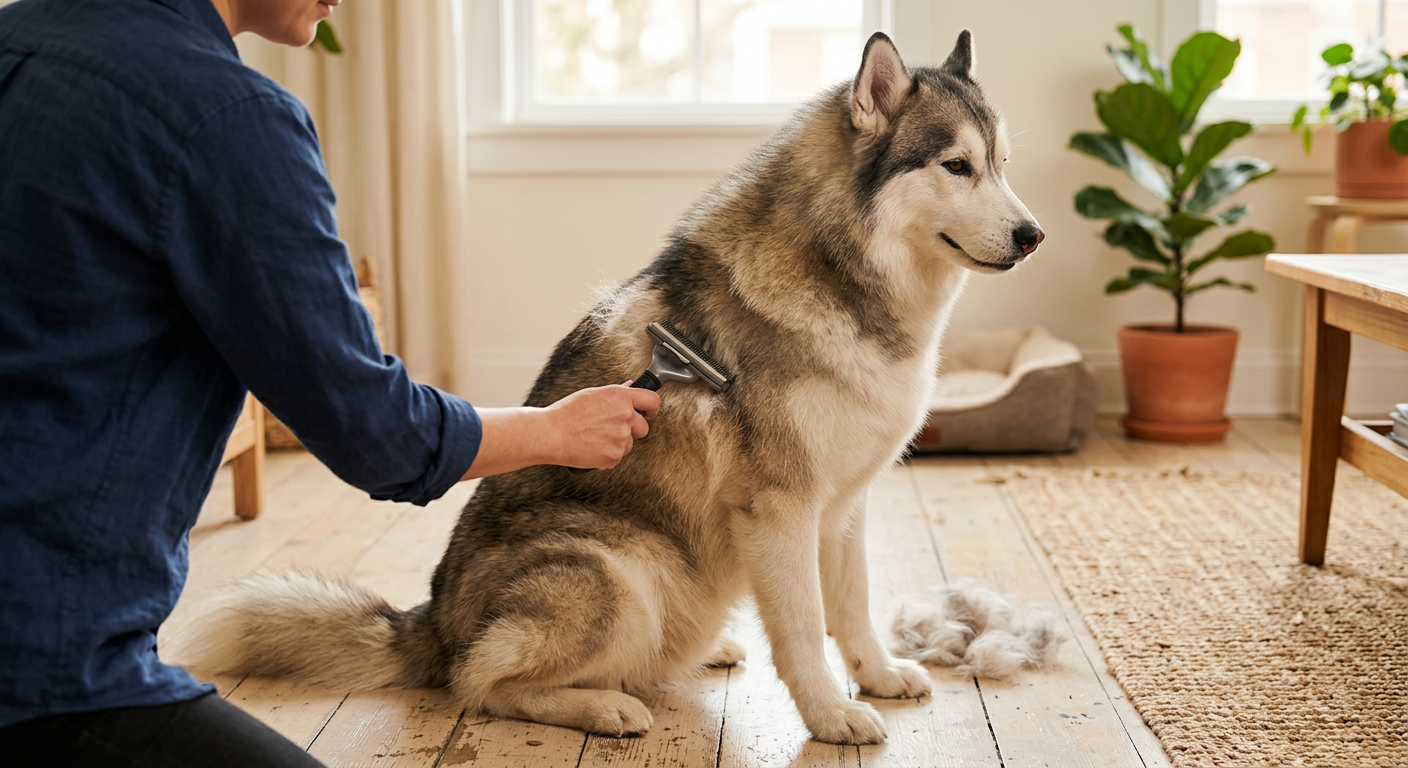
- •Dog undercoat rake + dematting comb: MalsiPree Dog Brush for Shedding - Large, Blue, 2-in-1 - Deshedding Dog Grooming Brush & Undercoat Rake with Dematting Comb for medium to Large Double Coated
Side-by-side workflow analysis
Below are three workflows you can plug into a seasonal shedding calendar. The “winner” depends on coat type and what you can stick to.
Workflow A: “Daily light + weekly power” (best for consistency)
What you do
- •Most days (5–8 minutes): gentle brush to lift surface hair and keep coat separated.
- •Once weekly (10–15 minutes): targeted deshedding/undercoat work.
Why it works
- •Tradeoff: lower hair-per-session than marathon brushing, but much higher consistency.
- •Prevents mats because loose hair doesn’t sit and tangle for a full week.
Best match
- •Busy owners, multi-pet homes, pets who dislike long sessions.
Tool pairing examples
- •Cats (short hair): gentle daily with Artero Double Flexible Brush (2 in 1) (S - Nature Collection), then short weekly deshed with FURminator deShedding Tool For Medium/Large Cats, Short Hair, Removes Loose Hair From Shedding (with strict time limits; see “mistakes” section).
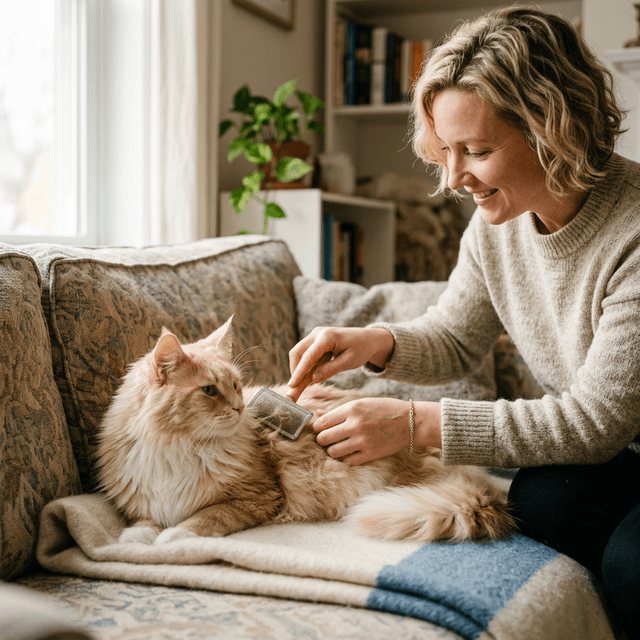
- •Cats (medium/long): daily slicker passes with Coastal Pet Safari - Cat Self-Cleaning Slicker Brush - Cat Grooming Supplies, weekly deeper line-by-line brushing.
- •Double-coated dogs: daily quick brush + weekly undercoat rake session using MalsiPree Dog Brush for Shedding - Large, Blue, 2-in-1 - Deshedding Dog Grooming Brush & Undercoat Rake with Dematting Comb for medium to Large Double Coated.
Workflow B: “Every-other-day power sessions” (fastest visible results, higher risk)
What you do
- •3–4x/week (10–12 minutes): use a high-efficiency tool to pull loose undercoat/shed hair.
Why it works
- •Tradeoff: very fast reduction in hair in the home during peak shedding.
- •Higher chance of skin irritation or over-stripping if you press too hard or go too long.
Best match
- •Allergy households, heavy shedders during coat blow, owners who won’t do daily sessions but will do “real sessions.”
Where it can go wrong
- •Short-haired pets can get “brush burn” from aggressive tools.
- •Long-haired pets can end up with hidden mats because power tools remove hair but don’t always separate tangles.
Workflow C: “Micro-sessions attached to routine” (lowest effort barrier)
What you do
- •1–3 minutes after a daily habit (walk, dinner, litter scoop): a few passes on high-shed zones.
Why it works
- •Tradeoff: not as satisfying per session, but it’s the easiest to maintain.
Best match
- •Nervous pets, kittens/puppies in training, owners who struggle with consistency.
Example micro-session map
- •Cats: 10 strokes each on back, sides, and “pantaloons” (rear thighs) with a gentle brush.
- •Dogs: 30 seconds each on neck ruff, chest, butt, and tail base (common coat-blow zones).
Cost, effort, and consistency tradeoffs
A seasonal shedding calendar fails when the plan is too intense for your schedule or too harsh for your pet.
The real tradeoff: efficiency vs. safety margin
- •High-efficiency tools (deshedding blades/rakes) can remove impressive amounts of hair quickly.
- •The cost is a smaller safety margin: too much pressure, too many passes, or too-frequent use can cause skin irritation or a patchy-looking coat in some pets.
The overlooked tradeoff: tool cleaning time vs. usage
If a brush is annoying to clean, you will use it less.
- •Self-cleaning slickers can increase follow-through because the “reset” is fast. Example: Coastal Pet Safari - Cat Self-Cleaning Slicker Brush - Cat Grooming Supplies.
- •Undercoat tools can pack with fur quickly; plan on pauses every couple of minutes during coat blow.
Cost isn’t just purchase price
Consider:
- •Time cost: 10 minutes/day for 6 weeks is a big commitment.
- •Groomer cost avoided: A better home schedule may reduce professional deshed appointments.
- •Replacement cost: aggressive tools used incorrectly can bend teeth or wear faster.
Which option wins by user profile
Use these profiles to pick a winning approach (and build your seasonal shedding calendar around it).
Profile 1: “My pet sheds heavily and I’m losing the house”
Winner: Workflow B during peak weeks, then switch to A.
- •Double-coated dogs: prioritize undercoat removal with MalsiPree Dog Brush for Shedding - Large, Blue, 2-in-1 - Deshedding Dog Grooming Brush & Undercoat Rake with Dematting Comb for medium to Large Double Coated 3x/week for 2–4 weeks.
- •Short-haired cats: controlled deshed windows with FURminator deShedding Tool For Medium/Large Cats, Short Hair, Removes Loose Hair From Shedding (think “brief and precise,” not “until the brush stops filling”).
Profile 2: “My pet hates grooming”
Winner: Workflow C, then graduate to A.
- •Start with a gentle, flexible brush like Artero Double Flexible Brush (2 in 1) (S - Nature Collection).
- •Keep sessions under 2 minutes for the first week.
- •Goal is trust and predictability; efficiency comes later.
Profile 3: “Long-haired coat, mat-prone”
Winner: Workflow A (daily light matters more than weekly power).
- •Use a slicker like Coastal Pet Safari - Cat Self-Cleaning Slicker Brush - Cat Grooming Supplies for frequent light sessions.
- •Tradeoff: you may still need occasional dematting help, but daily separation prevents the “felted” stage.
Profile 4: “I’m consistent only on weekends”
Winner: A modified A (2 short weekday micro-sessions + weekend deep session).
- •Weekdays: 3 minutes Tues/Thurs.
- •Weekend: 15–20 minutes with breaks.
- •Tradeoff: not ideal for mat-prone coats, but far better than monthly panic grooming.
Transition strategy if changing tools
Switching tools mid-season can backfire if your pet associates the new tool with discomfort. Transition like you would with a harness: gradually and predictably.
Step 1: Match the tool to the coat zone first
Don’t start with the most sensitive areas.
- •Begin on shoulders/back where skin is less sensitive.
- •Save belly, armpits, and inner thighs for later sessions.
Step 2: Use a “two-tool handshake” for 1–2 weeks
Example transitions:
- •Moving from a gentle brush to a deshed tool: do 2 minutes gentle brushing first, then 2–4 minutes deshedding.
- •Moving from slicker-only to undercoat rake: slicker to open the coat, rake to pull undercoat, then finish with a gentle brush.
Step 3: Change frequency before you change intensity
If you’re entering spring shed:
- •Increase session frequency (more days) while keeping pressure light.
- •After tolerance improves, then add targeted undercoat passes.
Step 4: Put the calendar on a real cue
Best cues:
- •After the evening walk
- •Before dinner
- •Right after you scoop litter
Calendars fail when they live only in your head.
Common decision mistakes
These are the patterns that create “I brush and brush and it never ends.”
Mistake 1: Using the wrong tool for the coat type
- •Undercoat rakes on single-coated pets can be uncomfortable and unnecessary.
- •A gentle flexible brush on a thick double coat may feel like it “does nothing” during peak blow.
Mistake 2: Chasing a zero-shed outcome
There will always be some hair. The goal is predictable, manageable shedding, not perfection.
- •A healthy plan reduces hair on furniture and prevents mats.
- •If you try to remove every last hair in one session, you risk irritation and burnout.
Mistake 3: Overworking the same spot
Doing 50 passes on one shoulder blade is how skin gets red.
- •Use a “map”: back → side → flank → repeat.
- •Stop when you see pink skin, flaking, or your pet starts twitching/turning to look.
Mistake 4: Skipping the calendar during the first week of peak shed
That first week is when loose hair starts tangling and packing.
- •In spring and fall, front-load your calendar for 10–14 days.
Mistake 5: Ignoring signals that shedding isn’t seasonal
If you see bald patches, scabs, intense itching, or sudden coat change outside spring/fall, talk to your vet. A seasonal shedding calendar helps normal shedding; it won’t fix underlying skin disease, parasites, or nutrition issues.
Final recommendation framework
Use this framework to build your seasonal shedding calendar for spring and fall. It’s designed to be practical, not perfect.
Step 1: Identify your “peak shed window”
Most pets have two major ramps:
- •Spring: shedding the winter coat (often heaviest)
- •Fall: adjusting for colder months (can still be heavy, but sometimes shorter)
Your local climate matters. Indoor pets can shed more evenly due to constant temperature and artificial light—meaning your “peak” may be less dramatic but longer.
Step 2: Pick one primary workflow and one fallback
- •Primary = what you intend to do.
- •Fallback = what you do on chaotic weeks.
Example:
- •Primary: Workflow A (daily 5–8 minutes + weekly deeper session)
- •Fallback: Workflow C (1–3 minutes tied to dinner)
Step 3: Choose tools using tradeoffs, not hype
- •If your biggest pain is hair on furniture: you want higher efficiency, but you must cap session length.
- •If your biggest pain is tangles/mats: you want consistency and coat-separating ability.
Practical pairings that cover most households:
- •Cats (short hair): Artero Double Flexible Brush (2 in 1) (S - Nature Collection) most days + brief, controlled use of FURminator deShedding Tool For Medium/Large Cats, Short Hair, Removes Loose Hair From Shedding during peak weeks.
- •Cats (medium/long hair): Coastal Pet Safari - Cat Self-Cleaning Slicker Brush - Cat Grooming Supplies as the daily anchor + longer weekly line brushing.
- •Dogs (double coat): MalsiPree Dog Brush for Shedding - Large, Blue, 2-in-1 - Deshedding Dog Grooming Brush & Undercoat Rake with Dematting Comb for medium to Large Double Coated for weekly undercoat work + a gentle brush for daily maintenance.
Step 4: Copy/paste-ready seasonal shedding calendar templates
Adjust up or down based on your pet’s tolerance.
Spring calendar (typical heavy shed)
- •Weeks 1–2 (ramp-up): 5–8 minutes daily or 10–12 minutes 3–4x/week
- •Weeks 3–4 (peak control): 5 minutes 4–6x/week + one 15-minute session
- •Weeks 5–6 (maintenance): 5 minutes 2–3x/week
Fall calendar (often moderate shed)
- •Weeks 1–2: 5 minutes 3–5x/week
- •Weeks 3–4: 5 minutes 2–3x/week
- •Ongoing: 5 minutes 1–2x/week
Step 5: Define a “done” signal per session
Stop the session when:
- •The brush fills less quickly and
- •Your pet is still relaxed (you’re ending on a win)
That’s the secret to consistency—which is what makes a seasonal shedding calendar effective year after year.
Coat Care Cluster
More in this topic
guide
Best Dog Brush by Coat Type: Pick the Right Tool Fast

guide
Deshedding Double Coated Dogs: The Ultimate Guide
guide
5 Cat Grooming Tips: Signs Your Cat Needs Better Coat Care

guide
Best Grooming Routine by Coat Type: Short, Double, and Curly Coats (Behavior-First Guide)
guide
De-Shedding Routine for Double-Coat Breeds: A Weekly System That Works
guide
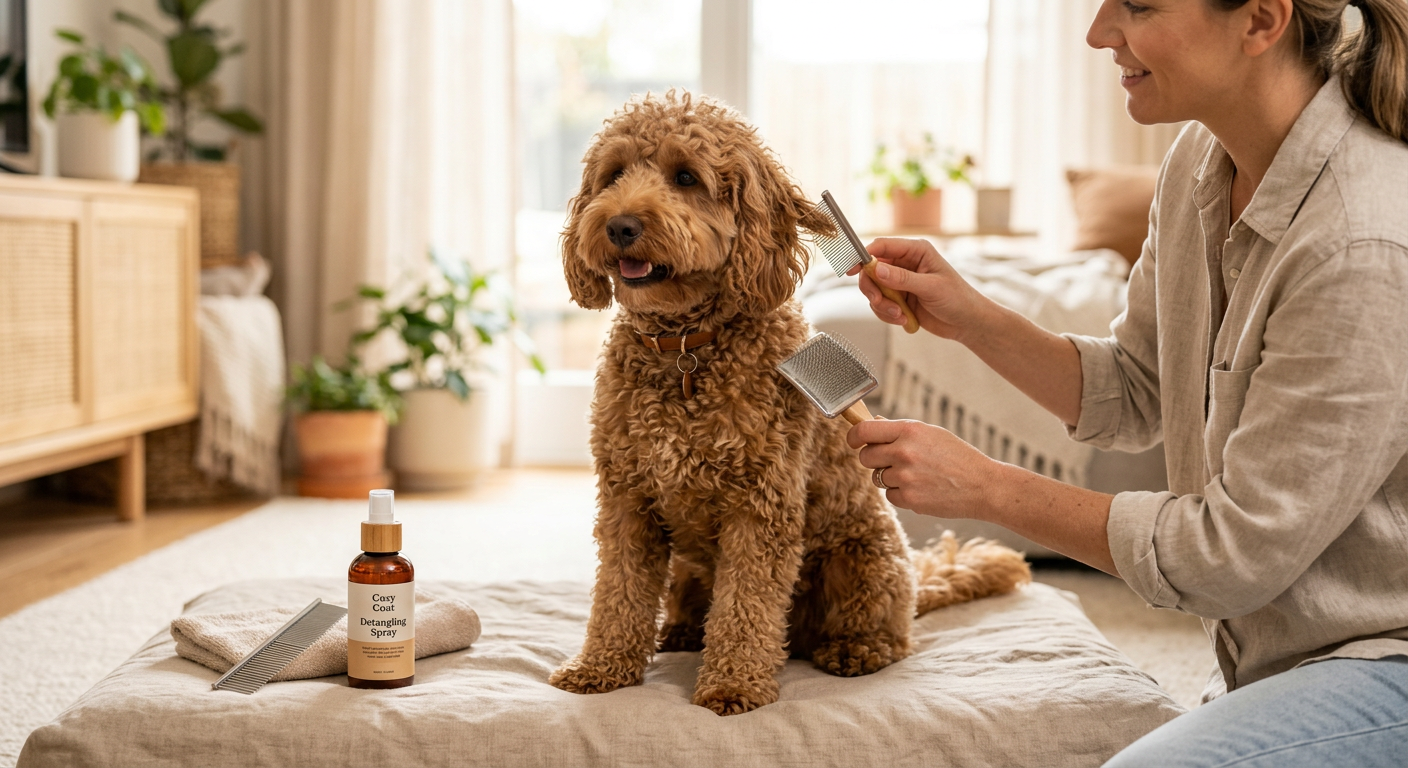
Curly Coat Detangling Routine: Prevent Mats Without Over-Brushing
Frequently asked questions
How do I know if my pet’s shedding is seasonal or a problem?
Seasonal shedding usually ramps up in spring and fall, looks like evenly distributed hair loss (not bald patches), and your pet otherwise seems comfortable. If you see bald spots, scabs, strong odor, sudden dandruff, intense itching, or shedding that spikes outside the usual seasons, schedule a vet check—those signs can point to parasites, allergies, infections, or other skin issues.
How often should I use a deshedding tool during spring shedding?
During peak spring shed, most pets do best with short, controlled sessions—think 5–10 minutes, 1–3 times per week—rather than long daily sessions. The goal is to remove loose hair without irritating skin. Use a gentle brush on the other days to keep the coat separated, and stop if you see redness, flaking, or your pet becomes uncomfortable.
What’s the simplest seasonal shedding calendar that still works?
Pick a 2-tier plan: (1) 5 minutes of gentle brushing 3–5 days per week during peak spring/fall, and (2) one deeper 10–15 minute session weekly focused on undercoat or mat-prone areas. Tie it to a daily cue (after a walk or before dinner) so it actually happens, and reduce frequency once shedding slows.
