
guide • Bath Time
Post-Bath Drying Checklist to Prevent Musty Coat Smell
Drying checklist that lowers odor rebound and protects skin after bath sessions.
By Lucy Anderson • February 25, 2026 • 7 min read
Table of contents
- Why post bath drying checklist matters in daily routines
- Quick answer first
- Setup checklist before you start
- Step-by-step execution framework
- Step 1: Start with comfort and compliance
- Step 2: Work in zones, not random order
- Step 3: Validate outcome immediately
- Step 4: Close with a calm finish
- Product shortlist to support this workflow
- Common mistakes that break progress
- Decision matrix for better outcomes
- 30-day implementation plan
- Week 1: Baseline and confidence
- Week 2: Improve transitions
- Week 3: Optimize one weak variable
- Week 4: Lock your repeatable standard
- Troubleshooting guide
- Final checklist before you buy or switch products
- Advanced optimization notes
- Documentation template
- Advanced optimization notes
- Documentation template
- Advanced optimization notes
- Documentation template
- Advanced optimization notes
- Documentation template
- Advanced optimization notes
- Documentation template
- Advanced optimization notes
- Documentation template
- Advanced optimization notes
- Documentation template
Why post bath drying checklist matters in daily routines
Post-Bath Drying Checklist to Prevent Musty Coat Smell is not just about buying another tool. In real homes, the result depends on workflow quality, timing, and matching the method to your pet's behavior. The goal is to make bath time predictable, low-stress, and repeatable even on busy days.
Quick answer first
If you want faster results, simplify your setup and keep one method stable for multiple sessions. Owners often lose progress because they constantly switch products. Keep your baseline stable, measure results, and only adjust one variable each cycle.
Setup checklist before you start
- Prepare all tools and rewards before handling your pet.
- Choose one low-distraction environment and reuse it.
- Set a short target session time (8-15 minutes).
- Decide clear stop rules before stress rises.
- Track outcome quality in one sentence after each session.
Step-by-step execution framework
Step 1: Start with comfort and compliance
Use a short warm-up and easy first action so your pet accepts handling. This lowers resistance and improves the entire session quality.
Step 2: Work in zones, not random order
Break the task into fixed zones and follow the same order each time. Repetition creates confidence and helps you spot weak points quickly.
Step 3: Validate outcome immediately
At the end of each zone, check comfort, visible result, and required effort. If one metric drops, slow down and adjust technique before changing tools.
Step 4: Close with a calm finish
End the session before fatigue peaks. A positive ending increases compliance in future sessions and reduces long-term handling friction.
Product shortlist to support this workflow
- •SR SUN RISE Dog Shower Attachment for Thick Haired Dogs, 4 Spray Mode Pet Bath Sprayer with Stainless Steel Diverter Valve & 6.5 Foot Hose, Indoor & Outdoor Dog Washing Grooming Supplies, Blue/White
- •Dog Foaming Soap Dispenser, Automatic Electric Dog Shampoo Foamer Sprayer, Rechargeable Ducky Foaming Dog Shampoo Sprayer for Dog and Cat Bathing, Bathroom, Kitchen, Pet Cleaning
- •Dog Bath Rinse Cup,Portable Foldable Dog Bath Tubs Accessories,Dog Shower Bathtub Dog Pool Supplies,Dog Washing Tools,Dog Shower Attachment
- •Lillian Ruff PRO Formula Deodorizing Oatmeal Dog Shampoo & Conditioner Set - Calm Itching & Allergies, Ultra-Nourishing Dry Skin Relief - Oatmeal, Aloe, Coconut Oil, Lavender & Provitamin B5, USA Made
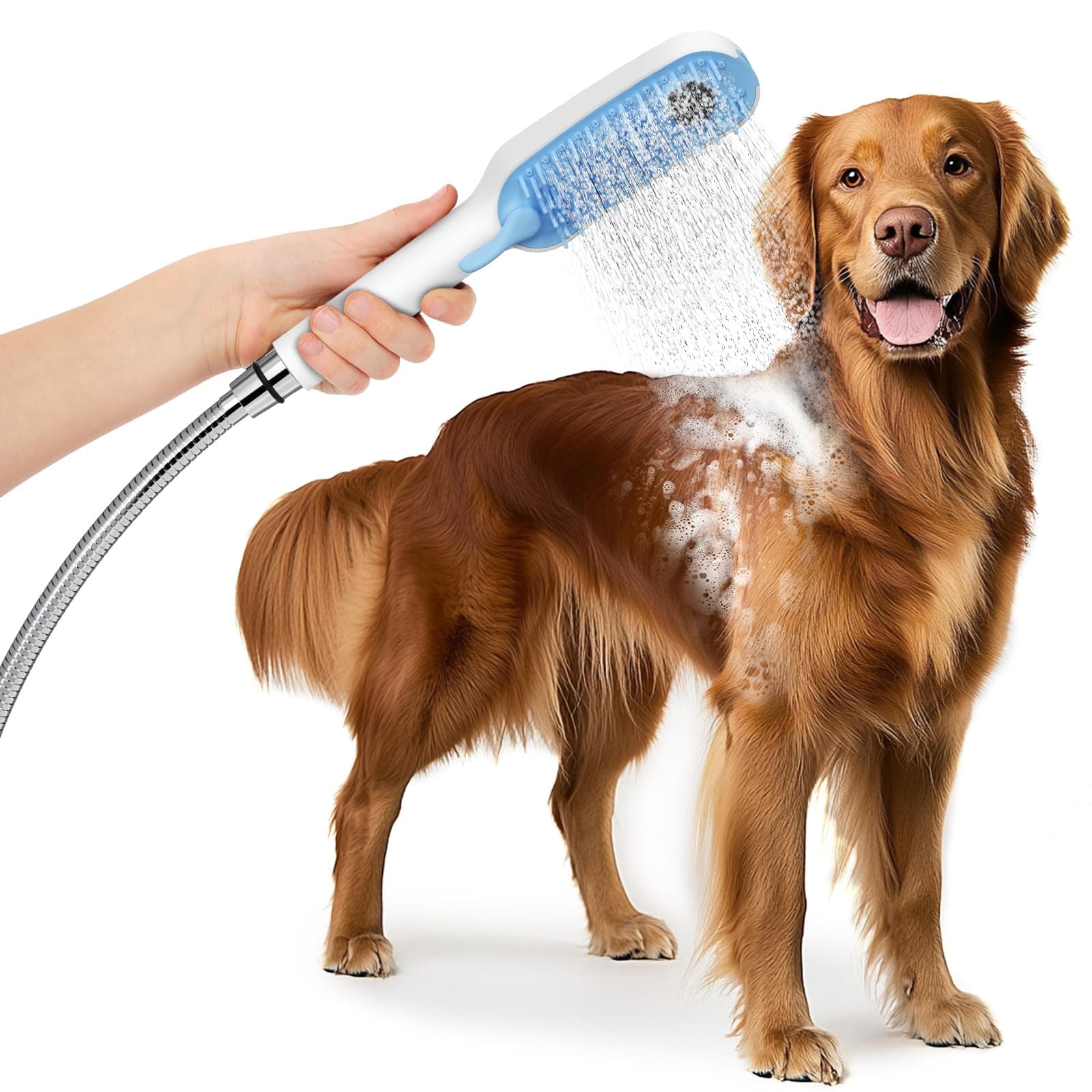
SR SUN RISE Dog Shower Attachment for Thick Haired Dogs, 4 Spray Mode Pet Bath Sprayer with Stainless Steel Diverter Valve & 6.5 Foot Hose, Indoor & Outdoor Dog Washing Grooming Supplies, Blue/White
SR SUN RISE
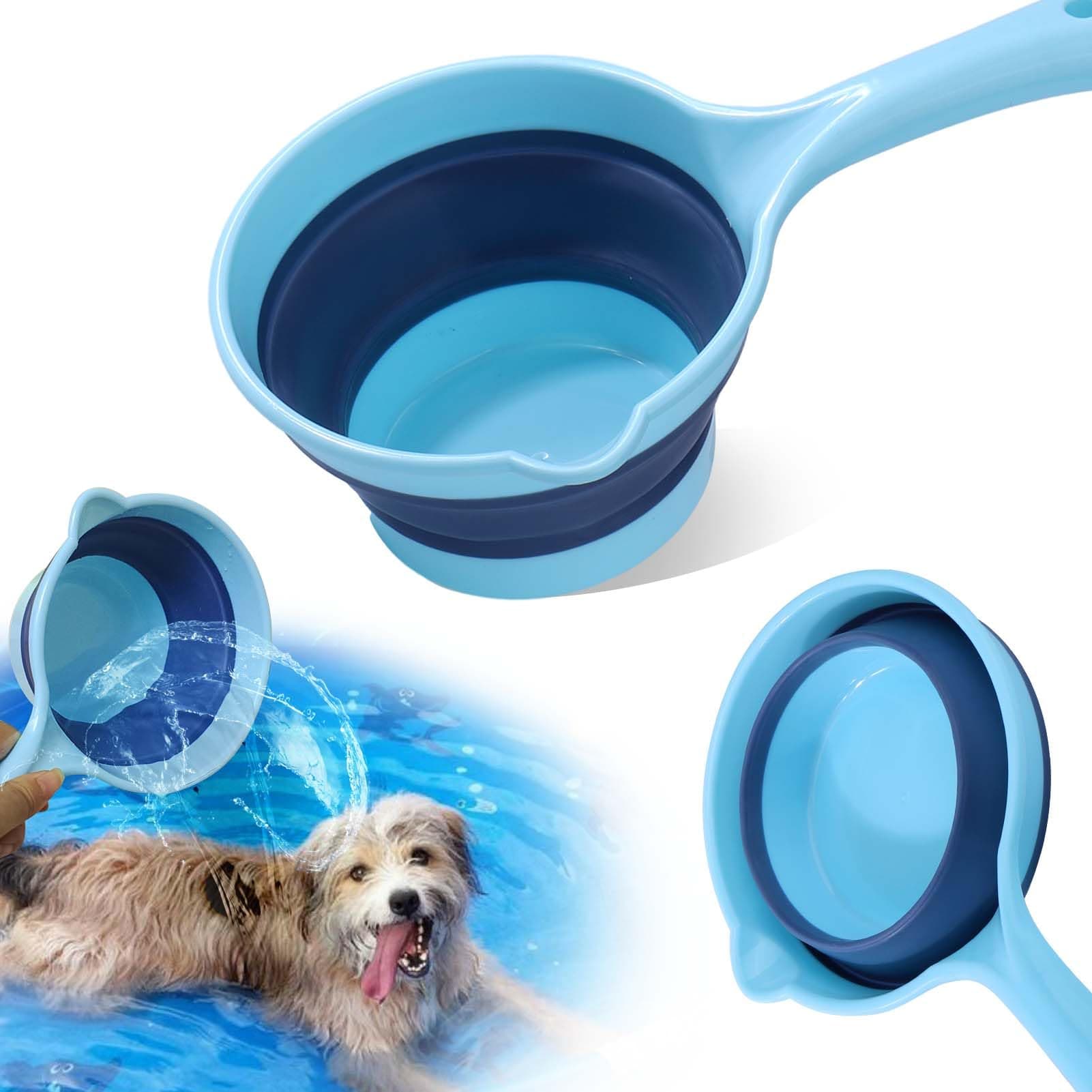
Dog Bath Rinse Cup,Portable Foldable Dog Bath Tubs Accessories,Dog Shower Bathtub Dog Pool Supplies,Dog Washing Tools,Dog Shower Attachment
Vodolo Vodolo
Use these products as execution aids, not as magic fixes. The same tool performs very differently depending on routine quality and technique consistency.
Common mistakes that break progress
- •Overloading one session instead of using consistent shorter cycles.
- •Switching tools before collecting enough baseline data.
- •Ignoring comfort signals and pushing until compliance drops.
- •Running routines without documenting what changed.
- •Chasing perfect outcomes instead of repeatable outcomes.
Decision matrix for better outcomes
When you compare methods for post bath drying checklist, score each option on five factors: comfort, speed, consistency, cleanup effort, and long-term cost. A method with slightly lower speed but much better consistency usually wins over time.
30-day implementation plan
Week 1: Baseline and confidence
Lock environment, sequence, and timing. Focus on stable execution.
Week 2: Improve transitions
Reduce wasted motion between steps. Keep comfort high and session time controlled.
Week 3: Optimize one weak variable
Choose only one variable to change: angle, pressure, tool pairing, or order.
Week 4: Lock your repeatable standard
Finalize your checklist and maintenance cadence for ongoing use.
Troubleshooting guide
If session time keeps rising, reduce scope and improve sequence discipline. If outcomes are inconsistent, verify your setup is identical each run. If your pet resists, shorten sessions and increase reward timing precision. If cost rises with little gain, simplify the tool stack and keep only high-value options.
Final checklist before you buy or switch products
- •I can run the routine in a realistic time window.
- •My pet shows stable or improving tolerance.
- •I can explain exactly what changed when outcomes changed.
- •I have a fallback low-stress version for difficult days.
- •I know when to escalate to a groomer or veterinarian.
A practical post bath drying checklist strategy is built on consistency, not novelty. Keep the process clear, keep the data simple, and improve one step at a time.
Advanced optimization notes
Review your log weekly and score comfort, outcome quality, and effort. If one score is weak for two consecutive cycles, adjust only one variable in the next cycle and re-measure.
Documentation template
- •Session date and duration
- •Environment used
- •Steps that performed best
- •One issue encountered
- •One action for next session
Advanced optimization notes
Review your log weekly and score comfort, outcome quality, and effort. If one score is weak for two consecutive cycles, adjust only one variable in the next cycle and re-measure.
Documentation template
- •Session date and duration
- •Environment used
- •Steps that performed best
- •One issue encountered
- •One action for next session
Advanced optimization notes
Review your log weekly and score comfort, outcome quality, and effort. If one score is weak for two consecutive cycles, adjust only one variable in the next cycle and re-measure.
Documentation template
- •Session date and duration
- •Environment used
- •Steps that performed best
- •One issue encountered
- •One action for next session
Advanced optimization notes
Review your log weekly and score comfort, outcome quality, and effort. If one score is weak for two consecutive cycles, adjust only one variable in the next cycle and re-measure.
Documentation template
- •Session date and duration
- •Environment used
- •Steps that performed best
- •One issue encountered
- •One action for next session
Advanced optimization notes
Review your log weekly and score comfort, outcome quality, and effort. If one score is weak for two consecutive cycles, adjust only one variable in the next cycle and re-measure.
Documentation template
- •Session date and duration
- •Environment used
- •Steps that performed best
- •One issue encountered
- •One action for next session
Advanced optimization notes
Review your log weekly and score comfort, outcome quality, and effort. If one score is weak for two consecutive cycles, adjust only one variable in the next cycle and re-measure.
Documentation template
- •Session date and duration
- •Environment used
- •Steps that performed best
- •One issue encountered
- •One action for next session
Advanced optimization notes
Review your log weekly and score comfort, outcome quality, and effort. If one score is weak for two consecutive cycles, adjust only one variable in the next cycle and re-measure.
Documentation template
- •Session date and duration
- •Environment used
- •Steps that performed best
- •One issue encountered
- •One action for next session
Bath Time Cluster
More in this topic
guide
How Often to Bathe a Dog? Vet-Approved Schedule by Coat Type
guide
Oatmeal Dog Shampoo Benefits: Soothe Itchy Skin Safely
guide
How to bathe a cat: tips for a stress-free experience
guide
How Often Should You Bathe a Dog or Cat? Practical Schedule by Coat Type (Behavior-First Guide)
guide
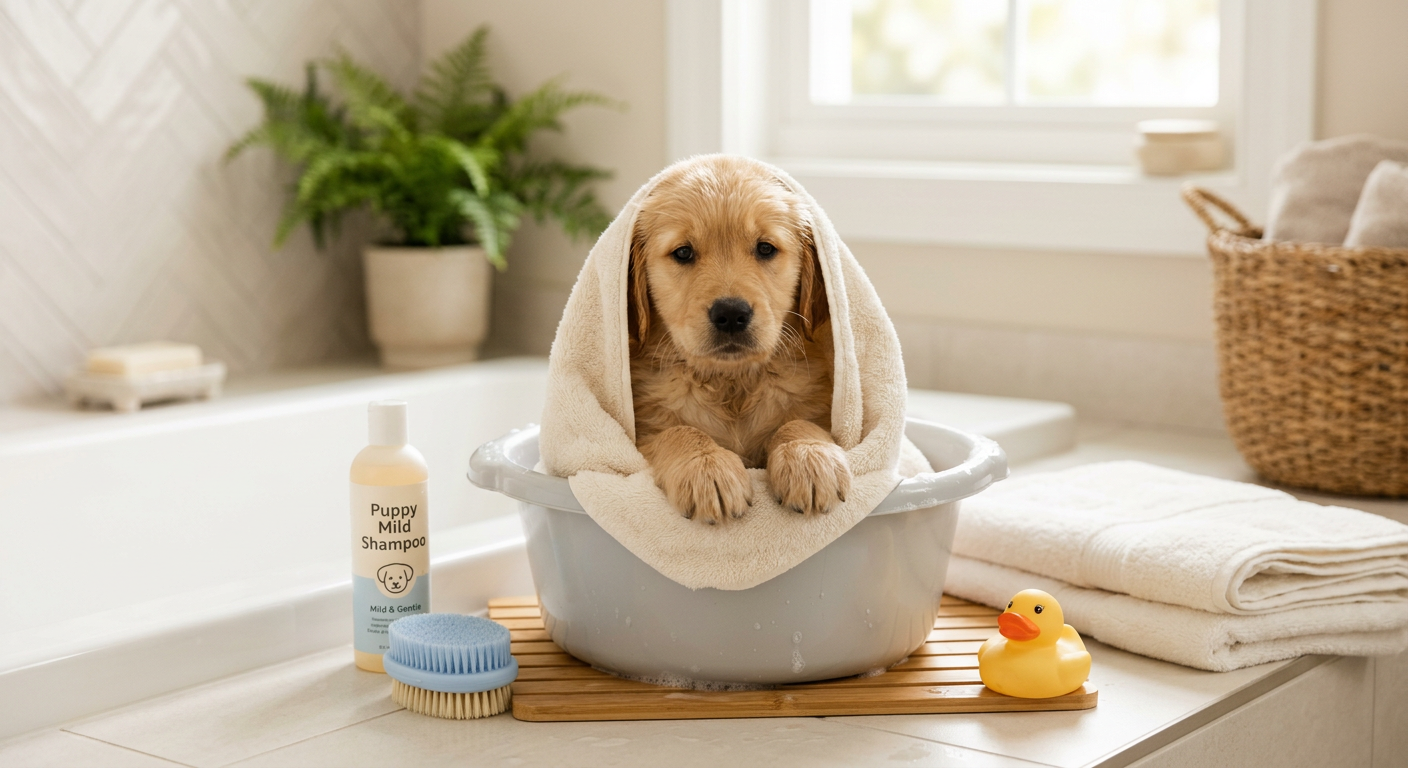
Puppy First Bath Checklist: Safe Home Setup and Sequence (Behavior-First Guide)
guide
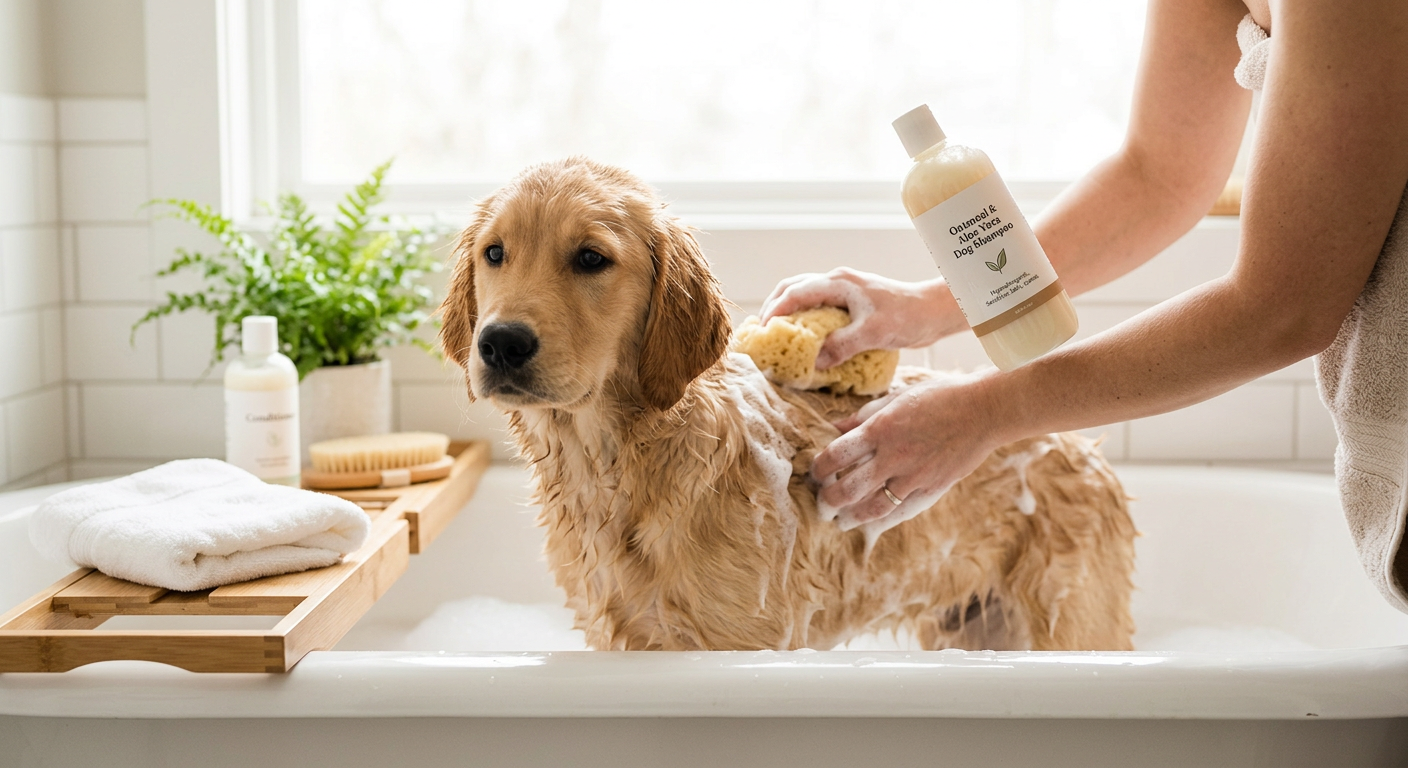
Sensitive Skin Bath Routine for Dogs: Lower Irritation, Better Recovery
Frequently asked questions
How long should I test a post bath drying checklist routine before changing tools?
Run the same process for at least 2 to 3 full cycles with consistent timing. Only change one variable at a time so outcomes stay measurable.
What is the most common mistake in bath time routines?
Most owners switch products too quickly after one weak session. Keep setup stable, improve technique first, then change tools if performance stays flat.
How do I keep this routine consistent every week?
Use a fixed checklist, short session windows, and an easy log of what worked. Consistency beats long occasional sessions.
