
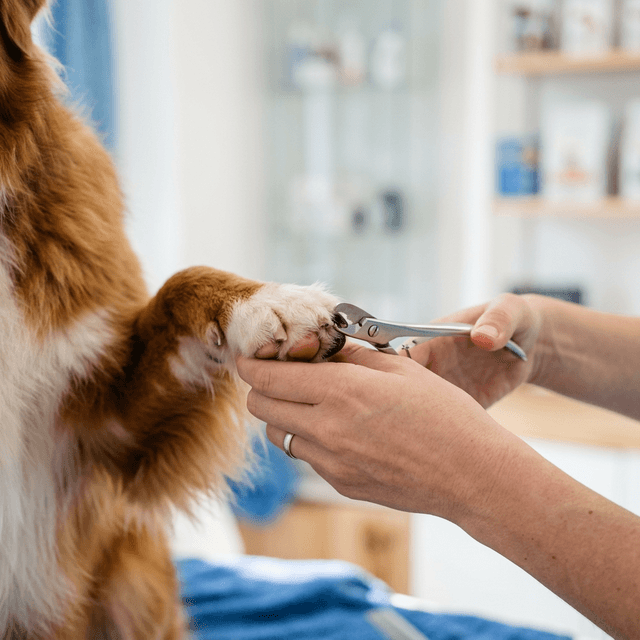
guide • Nail Care
Nail grinder vs clippers for dogs: which is best for your pet?
Wondering about nail grinder vs clippers for dogs? Compare comfort, precision, and safety so you can trim nails confidently at home.
By PetCareLab Editorial • March 5, 2026 • 15 min read
Table of contents
- Nail Grinder vs. Clippers: The Real Difference (And Why It Matters)
- Quick Anatomy: Nails, the Quick, and Why Overgrown Nails Cause Problems
- The quick (and why it’s the villain in bad nail trims)
- Why nail length isn’t just “cosmetic”
- Nail Clippers: Pros, Cons, and Who They’re Best For
- Pros of clippers
- Cons of clippers
- Best real-world matches for clippers
- Nail Grinders: Pros, Cons, and Who They’re Best For
- Pros of grinders
- Cons of grinders
- Best real-world matches for grinders
- Nail Grinder vs Clippers for Dogs: Side-by-Side Comparison That Actually Helps You Choose
- Control and safety
- Speed
- Nail finish (smoothness)
- Dog comfort (depends on the dog)
- Mess and cleanup
- Budget and upkeep
- Step-by-Step: How to Trim with Nail Clippers (Safely, Even If You’re Nervous)
- What you’ll need
- 1) Set up your dog for success
- 2) Handle the paw the way your dog can tolerate
- 3) Find the cutting point (clear nails vs black nails)
- 4) Use the right angle
- 5) Smooth the edges
- 6) If you hit the quick (don’t panic)
- Step-by-Step: How to Use a Nail Grinder Without Freaking Your Dog Out
- What you’ll need
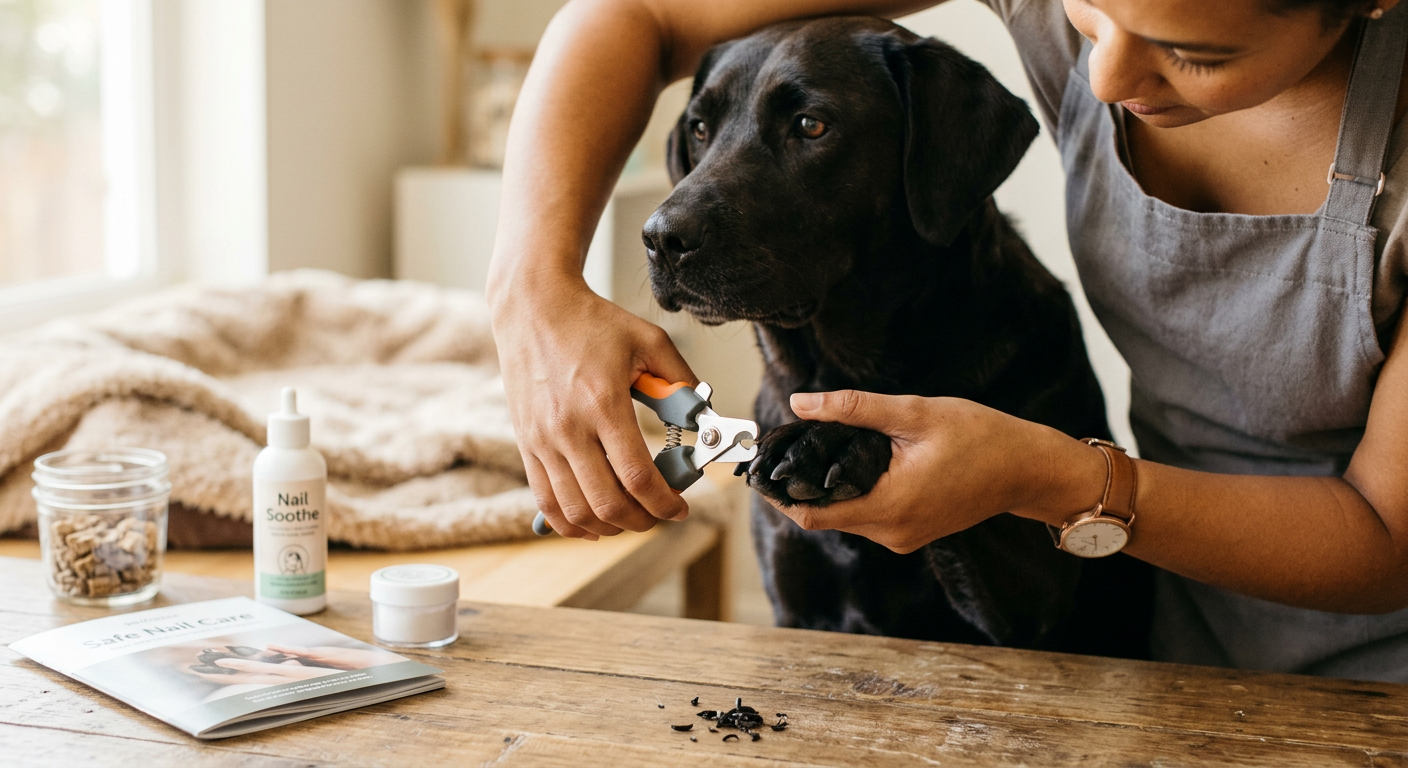
- 1) Desensitize to the tool first (this is where people rush)
- 2) Use short touches to avoid heat
- 3) Grind from the bottom and round the tip
- 4) Know when to stop (especially for black nails)
- 5) Take breaks and keep sessions short
- Breed and Lifestyle Scenarios: Which Tool Wins in the Real World?
- Tiny dogs with tiny feet (Chihuahua, Yorkie, Pomeranian)
- Thick nails and big bodies (Labrador, Boxer, GSD)
- Flat-faced breeds with black nails (Pug, French Bulldog, Boston Terrier)
- Dogs with anxiety or handling sensitivity (rescues, fear-period puppies)
- Seniors and arthritic dogs
- Puppies (especially during socialization)
- Product Recommendations: What to Buy (And What Features Matter)
- Best nail clippers: what to look for
- Best nail grinders: what to look for
- My favorite “pro result” setup
- Common Mistakes (And How to Fix Them Without Starting Over)
- 1) Waiting too long between trims
- 2) Doing a marathon session
- 3) Not rewarding enough (or rewarding at the wrong time)
- 4) Using the wrong tool size or dull blades
- 5) Poor restraint
- Expert Tips for Faster Progress and Shorter Quicks
- Quick-receding strategy (works best with grinders)
- Use the “tap test”
- Know the “click rule” (but don’t obsess over it)
- When to call a pro
- So… Which Is Better: Nail Grinder or Nail Clippers?
Nail Grinder vs. Clippers: The Real Difference (And Why It Matters)
When people ask me “nail grinder vs clippers for dogs—which is better?” my honest answer is: it depends on your dog, your skill level, and what you’re trying to achieve.
Both tools shorten nails, but they do it in very different ways:
- •Nail clippers remove length instantly by cutting through the nail.
- •Nail grinders remove length gradually by sanding the nail down.
That one difference changes everything—how much control you have, how your dog feels about it, how likely you are to hit the quick (the sensitive blood vessel inside the nail), and how smooth the final nail will be.
In this article, you’ll get a practical, vet-tech-style breakdown of grinders vs. clippers, including:
- •When each tool is the smarter choice
- •Breed-specific scenarios (tiny dogs, thick nails, anxious dogs)
- •Step-by-step instructions for both methods
- •Common mistakes that cause pain, fear, or broken nails
- •Product recommendations and what features actually matter
Quick Anatomy: Nails, the Quick, and Why Overgrown Nails Cause Problems
To trim safely, you need to understand what you’re dealing with.
The quick (and why it’s the villain in bad nail trims)
Inside each nail is the quick—a bundle of blood vessels and nerves. If you cut or sand into it, it bleeds and hurts. Dogs remember that.
- •Clear/white nails: you can often see the quick as a pink tube inside.
- •Black nails: you can’t see the quick easily, so technique matters more.
Why nail length isn’t just “cosmetic”
Long nails change how your dog stands and walks. Over time, that can contribute to joint stress—especially in older dogs or dogs prone to orthopedic issues.
Common issues from nails that are too long:
- •Splaying toes (poor traction and stability)
- •Stress on wrists/ankles (carpal and hock joints)
- •Cracked nails from catching on carpet or pavement
- •Fear of slippery floors (because nails reduce grip)
- •Painful “click-click” walking and altered gait
A good trim is one that:
- •Shortens the nail so it doesn’t constantly hit the floor
- •Leaves a smooth edge (less snagging)
- •Helps the quick gradually recede over time with regular maintenance
Nail Clippers: Pros, Cons, and Who They’re Best For
Clippers are the classic option because they’re fast, affordable, and effective—when used correctly.
Pros of clippers
- •Speed: great for dogs who tolerate handling but get impatient
- •No noise/vibration: helpful for sound-sensitive dogs
- •Cheap and portable: no charging, no replacement sanding bands
- •Effective for thick nails: especially with sharp, well-sized clippers
Cons of clippers
- •Higher “oops” risk: one wrong angle or too much nail removed can hit the quick
- •Can crush/splinter nails: if blades are dull or the clipper is the wrong type
- •Rough edges: many dogs need the “sharp corners” filed afterward
- •Scary for some dogs: the “snap” sensation and sudden pressure can spook them
Best real-world matches for clippers
Clippers tend to work best for:
- •Confident, cooperative dogs
- •Owners who can see the quick (clear nails) or have steady technique
- •Dogs who hate the sound/vibration of a grinder
- •People doing quick, frequent touch-ups
Breed examples:
- •Labrador Retriever: often tolerant, nails are thick but manageable with a sturdy clipper.
- •Beagle: usually fine with clipping; benefits from quick, routine maintenance.
- •Greyhound/Whippet: nails can be long and fast-growing; clipping is efficient if you’re careful (their feet can be sensitive).
Nail Grinders: Pros, Cons, and Who They’re Best For
A grinder removes nail gradually, which gives many pet parents a sense of safety—especially with black nails.
Pros of grinders
- •More control: you can take tiny amounts off, lowering the chance of hitting the quick
- •Smooth finish: rounded nails snag less on carpets and skin
- •Great for black nails: easier to “sneak up” on the right length
- •Helpful for anxious owners: less pressure to “get it right” in one cut
Cons of grinders
- •Noise + vibration: some dogs find this unsettling
- •Heat buildup: grinding too long in one spot can warm the nail (uncomfortable)
- •Takes longer: not ideal for dogs with short patience
- •Requires maintenance: replacing sanding bands/heads, charging, cleaning dust
Best real-world matches for grinders
Grinders often work best for:
- •Dogs with black nails (e.g., many Pugs, Rottweilers, Dobermans)
- •Dogs prone to splitting nails
- •Dogs who need a rounded “dremel finish” (households with kids or seniors who get scratched)
- •Owners building confidence with nail care
Breed examples:
- •French Bulldog: many have black nails; grinding can be safer and smoother.
- •Shih Tzu: small nails, often wiggly—grinding can be easier once desensitized.
- •German Shepherd: thick nails + active lifestyle; grind after a conservative clip for the best finish.
[IMAGE_PLACEHOLDER_1]
Nail Grinder vs Clippers for Dogs: Side-by-Side Comparison That Actually Helps You Choose
Here’s the comparison I use when helping clients decide.
Control and safety
- •Grinder: safer for cautious trimming because you remove nail gradually.
- •Clippers: safe in skilled hands, but mistakes are faster and bigger.
Speed
- •Clippers: fastest.
- •Grinder: slower, especially if you’re rounding edges.
Nail finish (smoothness)
- •Grinder: best for smooth, rounded nails.
- •Clippers: often leaves sharp corners unless you file or grind afterward.
Dog comfort (depends on the dog)
- •Clippers: no vibration, but there’s pressure and a “snap.”
- •Grinder: less pressure, but noise/vibration can be a deal-breaker.
Mess and cleanup
- •Clippers: little mess (a few nail pieces).
- •Grinder: nail dust; use a towel, work outside, or vacuum after.
Budget and upkeep
- •Clippers: low upfront cost, minimal upkeep (sharpen/replace eventually).
- •Grinder: higher cost, ongoing sanding band/head replacement.
If you’re stuck, a very practical rule:
- •Choose clippers if your dog tolerates quick handling and you want speed.
- •Choose a grinder if your dog has black nails, you’re nervous about the quick, or you want a smooth finish.
- •Choose both if you want the most efficient, professional result.
Step-by-Step: How to Trim with Nail Clippers (Safely, Even If You’re Nervous)
The biggest clipper mistakes I see are dull blades, bad angles, and taking too much at once. Here’s the safer method.
What you’ll need
- •Sharp scissor-style or guillotine-style clippers sized for your dog
- •Styptic powder or cornstarch (backup for bleeding)
- •High-value treats (tiny pieces)
- •Good lighting (phone flashlight helps)
- •Optional: nail file or grinder for smoothing
1) Set up your dog for success
Pick a calm time—after a walk or meal is ideal. Work on a non-slip surface.
Pro-tip: If your dog is wiggly, try trimming on the floor with your dog lying on their side, or use a licking mat with peanut butter/yogurt to keep them busy.
2) Handle the paw the way your dog can tolerate
Some dogs hate having their feet grabbed. Instead:
- •Touch shoulder → slide down leg → briefly touch paw → treat.
- •Repeat until the dog stays relaxed.
3) Find the cutting point (clear nails vs black nails)
Clear nails:
- •Aim to cut just before the pink quick.
- •Take small slices rather than one big clip.
Black nails:
- •Trim a tiny bit at a time.
- •Look at the cut surface of the nail after each snip:
- •Chalky/white center = you’re still in safe nail.
- •A small dark dot/oval in the center = you’re getting close to the quick.
- •If it looks moist or you see a larger dark center, stop.
4) Use the right angle
Clip from underneath and slightly angled, not straight across like you’re cutting a carrot. This reduces splintering and helps keep the nail shape natural.
5) Smooth the edges
If nails feel sharp after clipping:
- •Use a file or grinder to round the corners
- •Especially important for dogs who jump up or live with kids
6) If you hit the quick (don’t panic)
It happens—even to pros.
Do this:
- Apply styptic powder with firm pressure for 30–60 seconds.
- Keep your dog calm (treats and gentle voice).
- End the session on a positive note—don’t “push through” multiple nails if your dog is upset.
Common clipper mistakes to avoid:
- •Dull blades (crushes nails and hurts)
- •Cutting too far “to be done faster”
- •Trimming when your dog is already stressed
- •Skipping regular trims and then trying to take off too much
Step-by-Step: How to Use a Nail Grinder Without Freaking Your Dog Out
Grinding is often more about training than technique. Done well, it’s incredibly effective.
What you’ll need
- •A quality grinder with multiple speeds
- •Fresh sanding band/head (worn ones take longer and create more heat)
- •Treats
- •Optional: cotton ball for ear protection if your dog is sound-sensitive
- •Optional: a towel under the paw to catch dust
1) Desensitize to the tool first (this is where people rush)
Before you ever touch the nail:
- Show the grinder (off) → treat.
- Turn it on far away for 1 second → treat.
- Slowly bring it closer over a few sessions.
If your dog backs away, you moved too fast.
Pro-tip: Teach a “paw” or “hold” cue and reward stillness. Many dogs do better when they feel like they’re “participating” rather than being restrained.
2) Use short touches to avoid heat
Grind in quick taps, not one long press:
- •Touch nail for 1–2 seconds
- •Lift off
- •Repeat
If the nail feels warm to your finger, take a break.
3) Grind from the bottom and round the tip
A simple approach:
- •Shorten the length by grinding the tip
- •Then gently round the edges (think “soft dome,” not “sharp point”)
4) Know when to stop (especially for black nails)
You’re looking for subtle signs:
- •As you get close to the quick, the center of the nail can appear darker.
- •You may see a small “bullseye” pattern.
- •If your dog flinches consistently on one nail, stop and reassess (that nail might be closer to the quick).
5) Take breaks and keep sessions short
For many dogs, the best first goal is:
- •1–2 nails per session, daily or every other day
That builds tolerance faster than forcing all four paws at once.
[IMAGE_PLACEHOLDER_2]
Breed and Lifestyle Scenarios: Which Tool Wins in the Real World?
Here are common situations I see, with the most practical recommendation.
Tiny dogs with tiny feet (Chihuahua, Yorkie, Pomeranian)
Challenges:
- •Nails are small; dogs can be squirmy.
- •Owners are often terrified of hitting the quick.
Best approach:
- •Grinder if your dog tolerates it, because you can take off micro-layers.
- •Small scissor-style clippers if noise/vibration is a hard no.
Real-world tip:
- •Wrap your dog in a towel “burrito” with one paw out at a time to reduce wriggling.
Thick nails and big bodies (Labrador, Boxer, GSD)
Challenges:
- •Nails can be dense; dull clippers crush.
- •Active dogs can wear nails unevenly.
Best approach:
- •Clipper + grinder combo: clip conservatively, then smooth/shape with the grinder.
- •If you only pick one tool: a heavy-duty scissor-style clipper usually beats a weak grinder.
Flat-faced breeds with black nails (Pug, French Bulldog, Boston Terrier)
Challenges:
- •Black nails make quick visibility hard.
- •Many are wiggly and hate long sessions.
Best approach:
- •Grinder for safer incremental shortening.
- •Keep sessions short and use a licking mat.
Dogs with anxiety or handling sensitivity (rescues, fear-period puppies)
Challenges:
- •Nail trims can become a full-body “nope.”
- •One bad quicking can set progress back.
Best approach:
- •Start with conditioning and cooperative care.
- •Many anxious dogs do better with grinders once trained, but some prefer the silence of clippers.
Real-world scenario:
- •If your dog panics at the grinder sound, don’t force it. Use silent clippers, do one nail a day, and reward heavily.
Seniors and arthritic dogs
Challenges:
- •Holding paws can be painful.
- •They may have less patience and balance.
Best approach:
- •Fast, minimal handling often wins: clippers for quick trims.
- •Consider trimming while your dog is lying comfortably on a padded surface.
Puppies (especially during socialization)
Best approach:
- •Train both tools as “normal household stuff.”
- •Do tiny pretend sessions: touch paw, show tool, reward, end.
Goal:
- •Make nail care boring and predictable before you “need” to do it.
Product Recommendations: What to Buy (And What Features Matter)
There are lots of tools that work—what matters is matching the tool to your dog and your comfort level.
Best nail clippers: what to look for
- •Correct size for your dog (oversized clippers on small nails are risky)
- •Sharp stainless blades (clean cut, less splintering)
- •Comfortable grip (less hand fatigue = steadier trimming)
- •Optional safety guard (helpful for beginners, but not foolproof)
Good picks (by type and user):
- •Scissor-style clippers: great all-around, especially medium to large dogs.
- •Small scissor-style: ideal for toy breeds and cats.
- •Guillotine-style: can work well for small dogs, but blades must be replaced/sharp.
Best nail grinders: what to look for
- •Low vibration and a comfortable shape
- •Multiple speeds (lower is better for training; higher for thick nails)
- •Replaceable sanding bands/heads that are easy to find
- •Quiet motor (no grinder is silent, but some are less shrill)
- •A guard or cap (helps reduce fur catching—especially for fluffy feet)
Good picks (feature-based):
- •A two-speed grinder for most families
- •A higher-torque grinder for large dogs with thick nails
- •A compact grinder for small dogs, where control matters more than power
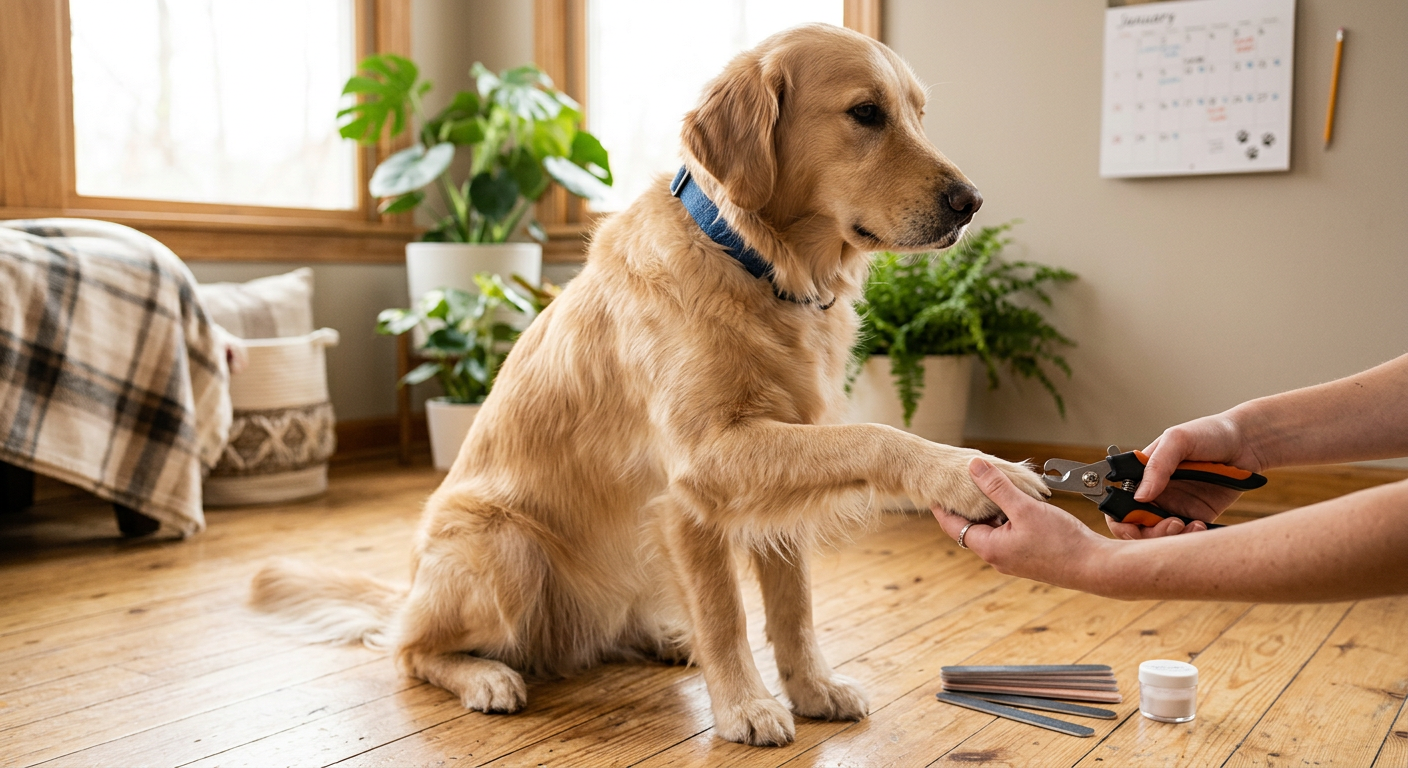
My favorite “pro result” setup
If your dog tolerates both:
- Clip the tip conservatively (fast length reduction)
- Grind to smooth and round (best finish, less snagging)
That combo is often the easiest path to short, neat nails without drama.
[IMAGE_PLACEHOLDER_3]
Common Mistakes (And How to Fix Them Without Starting Over)
These are the mistakes that lead to bleeding, fear, and “my dog won’t let me.”
1) Waiting too long between trims
If you only trim every 6–12 weeks, the quick stays long. Then you can’t shorten nails much without bleeding.
Fix:
- •Trim a little every 1–2 weeks.
- •For long quicks, do weekly trims or even grinder micro-sessions every few days.
2) Doing a marathon session
For anxious dogs, doing all four feet in one go can create lasting fear.
Fix:
- •Split into mini-sessions: front paws today, back paws tomorrow.
- •Or one paw per day.
3) Not rewarding enough (or rewarding at the wrong time)
If treats come after the struggle, your dog learns that resisting is part of the routine.
Fix:
- •Reward calm behavior: relaxed paw handling, stillness, looking at the tool.
- •Use small, high-value treats frequently.
4) Using the wrong tool size or dull blades
Dull clippers crush; low-power grinders overheat from long contact.
Fix:
- •Replace clipper blades or the whole clipper if it’s tearing nails.
- •Replace sanding bands/heads regularly; don’t “stretch” them too long.
5) Poor restraint
Holding a dog too tightly can escalate panic; holding too loosely can cause sudden jerks and accidents.
Fix:
- •Aim for supportive positioning, not force.
- •Try cooperative care: teach a chin rest, a “paw” target, or a station (mat).
Expert Tips for Faster Progress and Shorter Quicks
If your dog’s nails are overgrown, you’re playing the long game—literally reshaping where the quick ends.
Quick-receding strategy (works best with grinders)
- •Grind/trim a tiny amount every 3–7 days
- •Stop before the quick every time
- •Over weeks, the quick can recede, allowing shorter nails safely
Use the “tap test”
Especially with a grinder:
- •Tap the nail tip lightly and watch your dog’s reaction
- •If your dog is calm, do a 1-second grind
- •If your dog pulls away, pause and reward, then try again later
Know the “click rule” (but don’t obsess over it)
Many people aim for “no clicking on floors.” That’s a helpful guideline, but:
- •Some dogs’ nails may still click a bit due to anatomy or flooring.
- •Focus on healthy length and comfort, not perfection.
When to call a pro
Consider a groomer or vet visit if:
- •Nails are extremely overgrown or curling
- •Your dog has a history of biting during nail care
- •Your dog has painful paws, arthritis, or nail disease
- •You’ve had repeated quicking incidents and your dog now panics
A professional trim can “reset” things and give you a safer baseline to maintain at home.
So… Which Is Better: Nail Grinder or Nail Clippers?
For most households, the best answer to nail grinder vs clippers for dogs is:
- •Choose clippers if you want speed, your dog tolerates it, and you’re confident controlling how much you remove.
- •Choose a grinder if you want maximum control, smoother nails, and a safer approach for black nails or nervous owners.
- •Choose both if you want the easiest path to short, neat nails with the least snagging—clip first, grind to finish.
If you tell me your dog’s breed, nail color (black or clear), age, and biggest challenge (wriggling, fear, thick nails, etc.), I can recommend the best tool setup and a realistic training plan you can follow week by week.
Nail Care Cluster
More in this topic

guide
How to Trim Dog Nails: A Step-by-Step Guide for Beginners

guide
Dog Nail Trimming at Home: Safe Step-by-Step Routine (Clippers vs Grinders vs Scratch Boards)
guide
Dog Nail Bleeding How to Stop: Fast First Aid That Works
guide
How to Trim Dark Dog Nails Without Hitting the Quick (Behavior-First Guide)
guide
How Often Should You Trim Dog Nails? A Practical Schedule by Activity Level
guide
Dog Nail Grinder Training Plan for Nervous Dogs (Diagnostic-First Guide)
Frequently asked questions
Is a nail grinder safer than clippers for dogs?
A grinder can feel safer because it removes nail slowly, which helps you avoid cutting the quick. That said, it can still cause discomfort from heat or friction if you press too long, so use short bursts and check your dog's reaction.
Do nail grinders hurt dogs or make them anxious?
Grinding should not hurt when done correctly, but the vibration and noise can stress some dogs. Introduce it gradually with treats, keep sessions short, and stop if your dog shows fear or sensitivity so you can build positive associations.
When should I choose clippers instead of a grinder?
Clippers are great when you need a quick trim, your dog tolerates handling well, and you are confident identifying the quick. They can also be useful to take off length first, then follow with a grinder to smooth edges and fine-tune shape.
