
guide • Bath Time
How to Bathe Senior Dogs Safely at Home (Without Slips, Stress, or Sore Joints)
Learn how to bathe senior dog safely at home with scenario-based workflows, product picks, and real-life fixes for arthritis, anxiety, and thick coats.
By Lucy Anderson • February 25, 2026 • 7 min read
Table of contents
- Scenario map: apartment, family home, multi-pet
- Scenario A: Apartment (small bathroom, no walk-in shower, limited storage)
- Scenario B: Family home (more space, possibly a yard, multiple bathrooms)
- Scenario C: Multi-pet home (two+ pets, shared routines, higher mess)
- Constraints and risk profile per scenario
- The big four risks when you bathe senior dog safely
- How constraints show up by scenario
- Apartment constraints
- Family home constraints
- Multi-pet constraints
- Decision criteria: when to skip the full bath
- Tailored workflow by scenario
- Apartment workflow: “Low-lift, low-noise, short duration”
- Step 1: Build a non-slip path
- Step 2: Control water and sound
- Step 3: Senior-friendly positioning
- Step 4: Shampoo with minimal scrubbing
- Step 5: Fast rinse, warm wrap
- Family home workflow: “Comfort-first, split sessions”
- Step 1: Choose the least physically demanding location
- Step 2: Split tasks across days
- Step 3: Rinse like you mean it (especially thick coats)
- Step 4: Consider foam for dogs that hate handling
- Multi-pet workflow: “Traffic control + contamination control”
- Step 1: Isolate the bath zone
- Step 2: Standardize tools to avoid mix-ups
- Step 3: Use a rinse cup for precision
- Product picks matched to workload
- If rinsing is your bottleneck (thick coats, undercoat, long hair)
- If your dog hates scrubbing or you’re bathing solo
- If you do frequent mini-cleanups (incontinence, muddy paws, post-walk belly rinse)
- If skin is dry, itchy, or odor-prone (common in seniors)
- Time-saving tactics under pressure
- The “8-minute bath” structure (for stiff seniors)
- Pre-brush to cut rinse time in half
- Use “warm room, not hot water”
- Don’t fight the sit
- Build a towel runway
- What breaks in real life and how to adapt
- Problem: Your senior dog trembles the moment water starts
- Problem: They won’t step into the tub anymore
- Problem: They suddenly snap when you touch hips or paws
- Problem: You can’t get the shampoo out (itching after baths)
- Problem: Ear issues after bathing
- Problem: The bath takes too long because life interrupts
- Weekly review framework
- Track four signals (takes 60 seconds)
- Adjust frequency based on function, not calendar
- Create a “preferred protocol” for your dog
- Final execution checklist
Bathing an older dog isn’t just “the same bath, but slower.” Senior dogs often have arthritis, thinner skin, reduced balance, and less tolerance for noise or temperature swings. The goal is to bathe senior dog safely by reducing slipping, bending, cold stress, and panic triggers—while still getting them clean.
Below is a scenario-led guide that matches how real homes work (small bathrooms, busy households, multi-pet chaos) and gives you decision points and tradeoffs, not vague advice.
Scenario map: apartment, family home, multi-pet
Scenario A: Apartment (small bathroom, no walk-in shower, limited storage)
You’re likely working with a standard tub/shower combo, limited floor space, and neighbors below you (so splashing and wrestling are extra stressful). You may also be carrying your dog up stairs—meaning your senior dog’s energy and joints are already taxed before the bath begins.
Common “apartment senior dog” examples:
- •A 12-year-old Shih Tzu with stiff hips who refuses the tub edge.
- •A 10-year-old Lab mix with balance issues in a slick tub.
- •A senior dog who barks when the shower turns on (echo-y bathroom acoustics).
Scenario B: Family home (more space, possibly a yard, multiple bathrooms)
You may have a walk-in shower, a utility sink, or an outdoor spigot in warm months. This makes setup easier, but it can also encourage longer baths—which can be hard on senior joints and skin.
Common “family home” examples:
- •A 13-year-old Golden with a thick coat and hot spots who needs a thorough rinse.
- •A senior dog with incontinence who needs frequent “mini cleanups,” not full baths.
Scenario C: Multi-pet home (two+ pets, shared routines, higher mess)
Multi-pet households add time pressure and cross-contamination risk (fleas, yeast, ringworm concerns, or just sharing damp towels). Senior dogs also get overstimulated if other pets pace, scratch at the door, or trigger excitement.
Common “multi-pet” examples:
- •Two dogs: one senior who needs calm + one young dog who escalates chaos.
- •A senior dog and a cat: the cat’s stress makes the bathroom a battlefield.
Constraints and risk profile per scenario
The big four risks when you bathe senior dog safely
- Slips and falls: Older dogs compensate with awkward stances; one slip can cause a sprain or a scary aversion to bathing.
- Joint pain from positioning: Long standing, forced splaying of legs, or lifting awkwardly can flare arthritis.
- Temperature stress: Seniors chill faster. Cold bathrooms + wet coat = shivering, tension, and slower drying.
- Skin and ear sensitivity: Aging skin can be drier and more reactive; seniors are also prone to ear infections if water gets trapped.
How constraints show up by scenario
Apartment constraints
- •Small turning radius: If your dog can’t turn around in the tub, they’ll panic or sit.
- •Noise amplification: Shower spray is louder in tight bathrooms.
- •No hose control: Fixed shower heads make rinsing hard (and prolonged rinsing is tiring).
Family home constraints
- •More options, more decisions: Outdoor baths can be comfortable… or too cold/windy.
- •“Since we’re here, let’s do everything” trap: Nails + bath + blow dry in one session may be too much for a senior.
Multi-pet constraints
- •Time pressure: Rushing increases slipping, missed rinsing, and stress.
- •Environmental stressors: Other pets scratching at the door or yowling can spike anxiety.
- •Sanitation: Shared towels and brushes can spread skin issues.
Decision criteria: when to skip the full bath
Choose a partial clean instead of a full bath if:
- •Your dog is shivering before you start (cold room, anxious body tension).
- •They can’t stand comfortably for 5–7 minutes without sitting or trembling.
- •They recently had a flare-up (lameness, back pain) or seem unusually fatigued.
- •They have open sores, oozing hot spots, or severe ear issues—call your vet for bathing guidance.
Tradeoff: partial baths may not remove deep coat odor, but they protect comfort and prevent setbacks that make the next bath harder.
Tailored workflow by scenario
Apartment workflow: “Low-lift, low-noise, short duration”
Step 1: Build a non-slip path
- •Put a towel or bath mat outside the tub for entry/exit traction.
- •Inside the tub, use a non-slip surface (mat or folded towel). If your dog slides once, you’ve taught them the tub is unsafe.
Step 2: Control water and sound
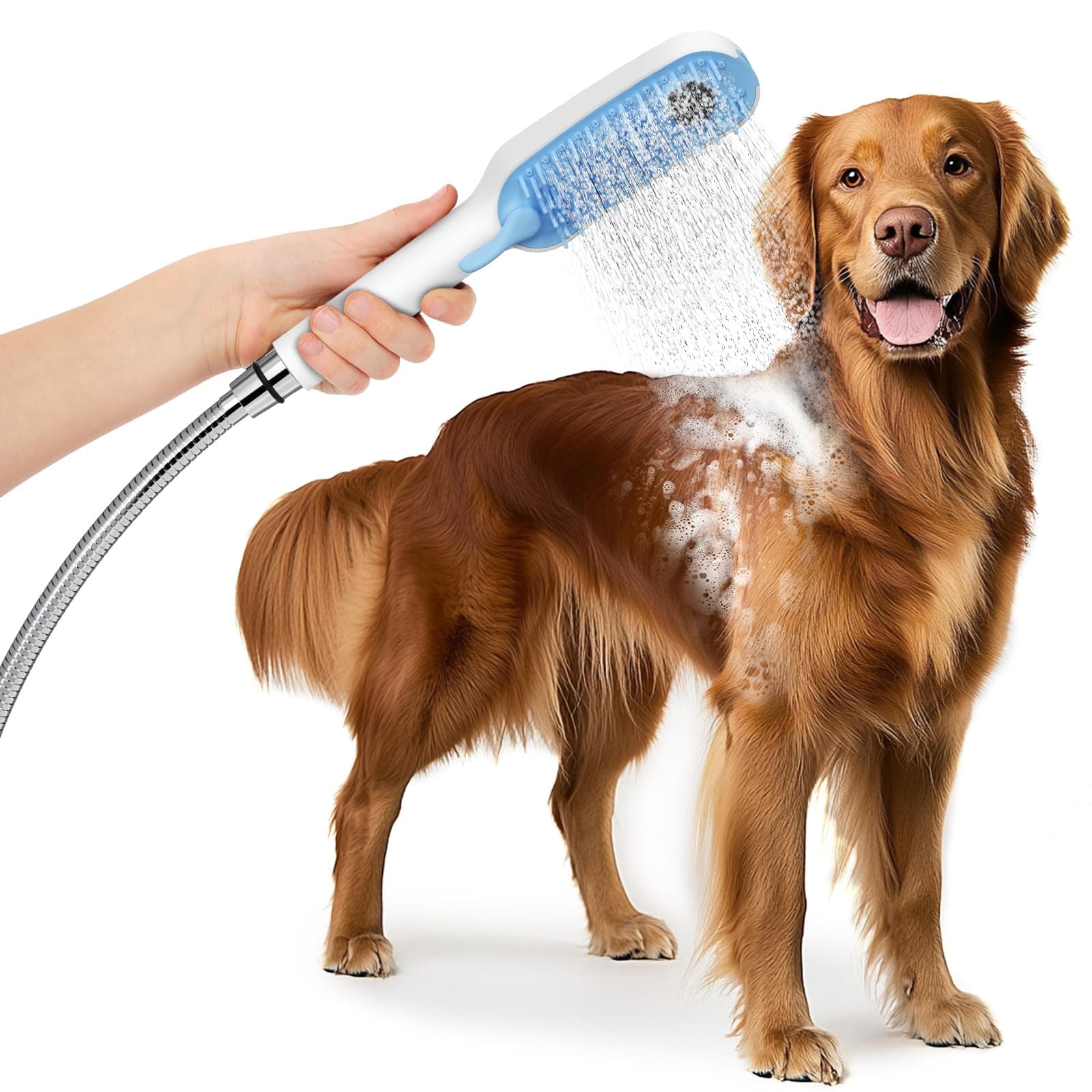
If your shower head is fixed, consider adding a hose-style sprayer so you can rinse efficiently without blasting your dog’s face. A handheld sprayer also lets you keep the water low and close to the body (less noise, less startle).
- •Product fit: SR SUN RISE Dog Shower Attachment for Thick Haired Dogs is useful when you need controlled rinse patterns and better reach without awkward angles.
Step 3: Senior-friendly positioning
- •If your dog hates stepping over the tub wall, don’t force it repeatedly. Use a ramp, a stable step, or bathe in a shower stall if available.
- •If they sit, let them sit. Many senior dogs feel safer seated; you can wash one side, then the other.
Step 4: Shampoo with minimal scrubbing
Senior skin can be thin and sensitive. Use gentle pressure and focus on “high soil” zones: paws, belly, rear, under collar.
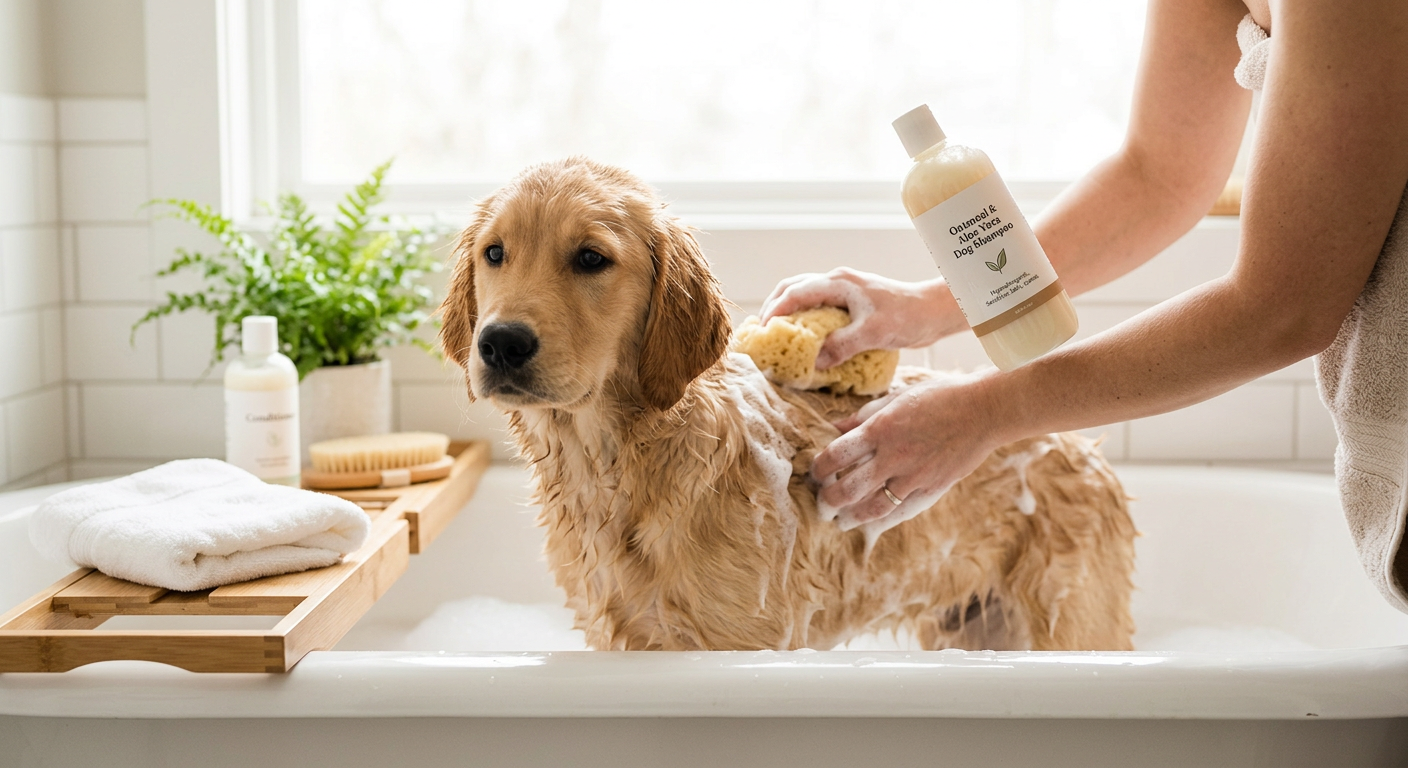
- •Product fit: Lillian Ruff PRO Formula Deodorizing Oatmeal Dog Shampoo & Conditioner Set is a solid choice when you’re managing dry skin, mild itch, or that “older dog” coat smell without harsh stripping.
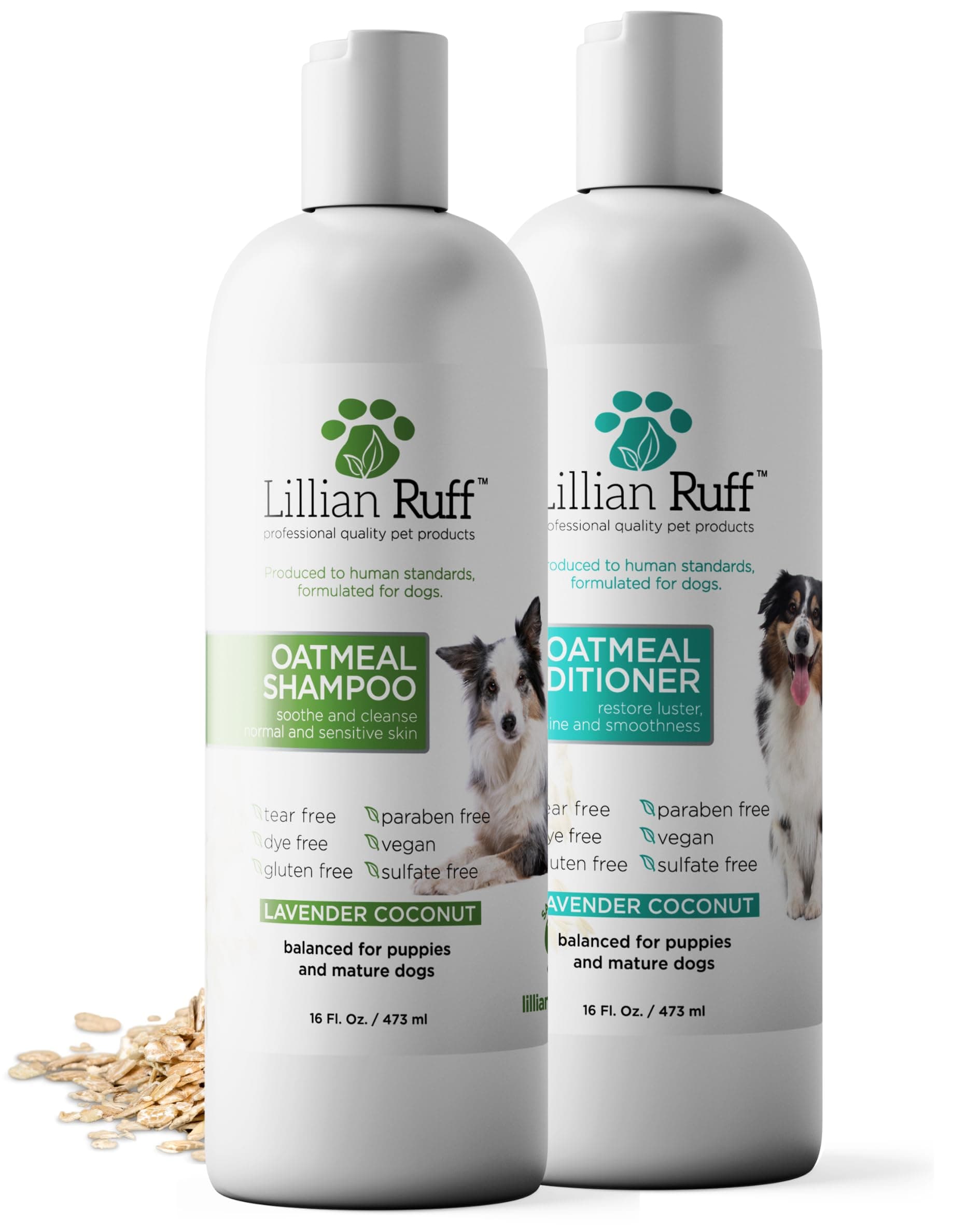
Lillian Ruff PRO Formula Deodorizing Oatmeal Dog Shampoo & Conditioner Set - Calm Itching & Allergies, Ultra-Nourishing Dry Skin Relief - Oatmeal, Aloe, Coconut Oil, Lavender & Provitamin B5, USA Made
Lillian Ruff Lillian Ruff
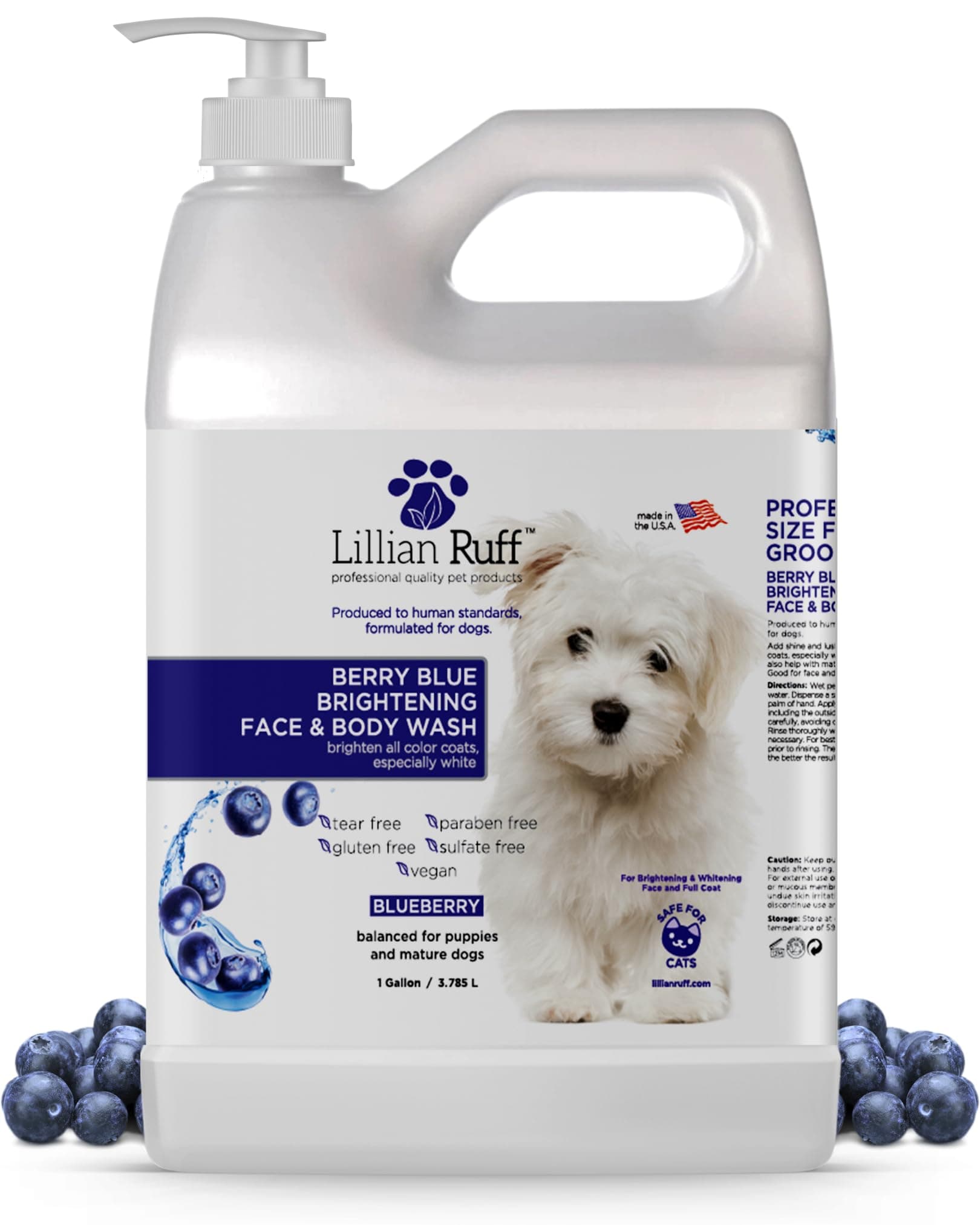
Lillian Ruff PRO Formula Berry Blue Brightening Pet Shampoo - Ultra-Hydrating Professional Whitening Dog Shampoo, Vivid Show-Quality Coat Enhancer, Tear Stain & Odor Eliminator, Vitamin B5, 128oz+Pump
Lillian Ruff Lillian Ruff
Step 5: Fast rinse, warm wrap
Rinse thoroughly (leftover product can worsen itch). Then immediately wrap in a towel and apply steady pressure (don’t rub aggressively if they’re sore).
Scenario example: Third-floor walk-up, 11-year-old Dachshund with back sensitivity
- •Keep bath to 6–8 minutes.
- •Do a full bath every 4–6 weeks, and weekly “paw + belly” rinse cup cleanups.
Family home workflow: “Comfort-first, split sessions”
Step 1: Choose the least physically demanding location
- •Walk-in shower is usually best: low step, easier to stay near your dog, less lifting.
- •Utility sink works only if your dog is small and you can lift safely without twisting.
Step 2: Split tasks across days
Instead of one marathon:
- •Day 1: brush + nail trim
- •Day 2: bath
- •Day 3: ear wipe (if needed) + light brush
Tradeoff: you’ll spend more calendar time, but your dog experiences less strain and you avoid “bath day dread.”
Step 3: Rinse like you mean it (especially thick coats)
Thick-coated seniors (Golden, Husky mixes, many double coats) trap shampoo at the roots. That residue can cause dandruff and itch.
- •Product fit: SR SUN RISE Dog Shower Attachment helps you rinse down to the undercoat without blasting one spot for too long.
Step 4: Consider foam for dogs that hate handling
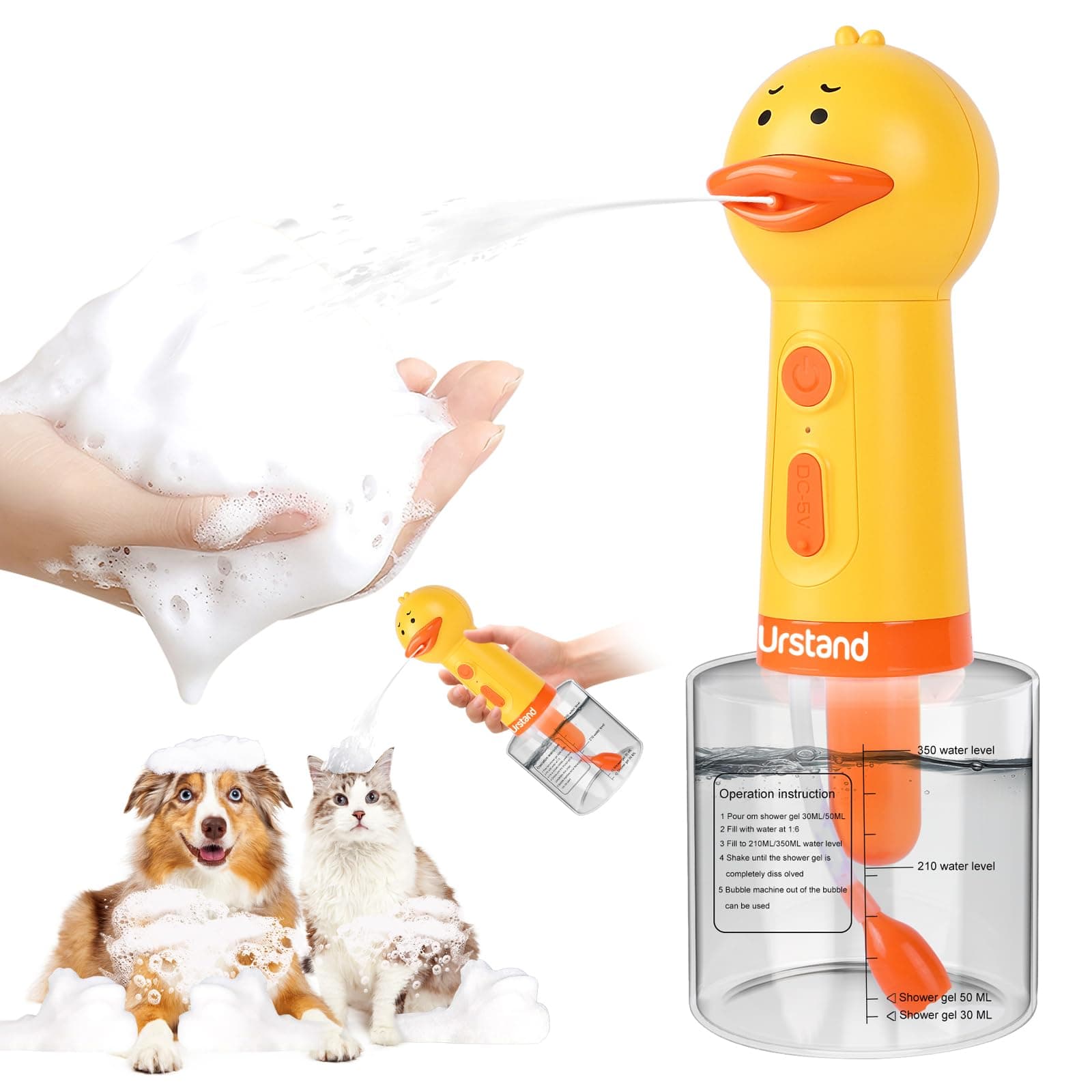
If your senior dog gets cranky when you scrub legs, a foaming sprayer can reduce “hands-on time” and speed up lathering.
- •Product fit: Dog Foaming Soap Dispenser, Automatic Electric Dog Shampoo Foamer Sprayer is handy for quick, even application—especially when you’re trying to keep baths short.
Scenario example: 13-year-old Golden with arthritis and seasonal allergies
- •Pre-warm the bathroom (space heater outside splash zone; safety first).
- •Use an oatmeal-based shampoo/conditioner.
- •Keep stance breaks: wash 60–90 seconds, then pause with a towel draped over the back.
Multi-pet workflow: “Traffic control + contamination control”
Step 1: Isolate the bath zone
- •Put other pets in a bedroom with a chew or treat puzzle.
- •Reduce door scratching/yowling; your senior dog will mirror the chaos.
Step 2: Standardize tools to avoid mix-ups
Have a dedicated towel and brush for the senior dog if anyone has skin issues.
Step 3: Use a rinse cup for precision
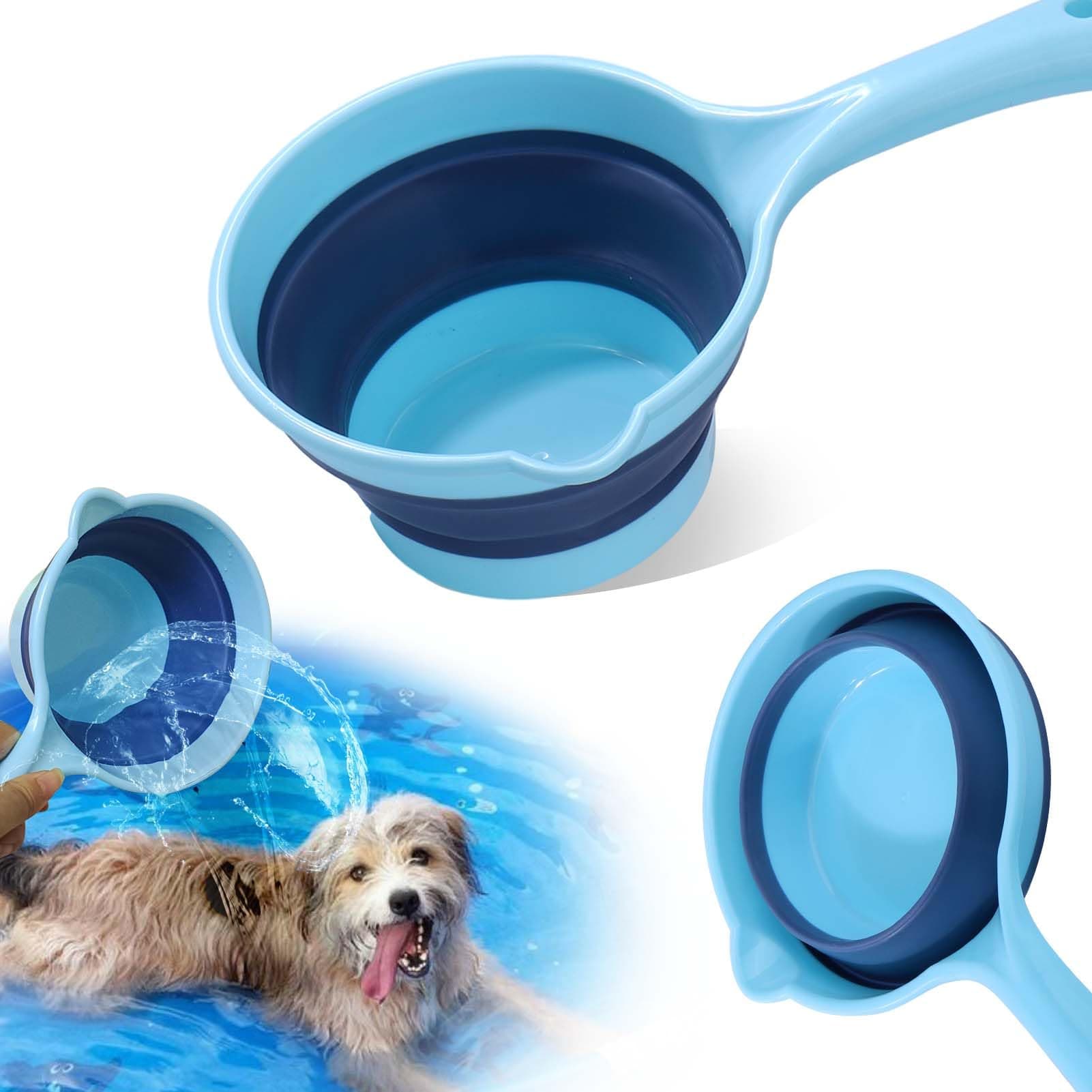
A rinse cup helps you avoid blasting ears/eyes and reduces splatter (important when you’re trying not to soak the whole bathroom).
- •Product fit: Dog Bath Rinse Cup is useful for gentle rinsing around the head/neck and for “targeted cleanups” between full baths.
Scenario example: Two-dog home, senior Beagle + young doodle
- •Bathe the senior first (calm, quiet window).
- •Bathe the younger dog later, separately. Don’t let the doodle “help” by hovering; that’s how slips happen.
Product picks matched to workload
If rinsing is your bottleneck (thick coats, undercoat, long hair)
- •Choose a sprayer that gives you control and reach.
- •Pick: SR SUN RISE Dog Shower Attachment for Thick Haired Dogs
Why it matches the workload: Thick coats need water delivered efficiently to the roots; a handheld sprayer shortens bath time, which reduces fatigue and joint strain.
If your dog hates scrubbing or you’re bathing solo
- •Choose tools that reduce handling time.
- •Pick: Dog Foaming Soap Dispenser (Automatic Electric Shampoo Foamer)
Why it matches the workload: Foam spreads quickly and can cut down the time you spend massaging product into the coat—helpful for seniors who get impatient when legs are handled.
If you do frequent mini-cleanups (incontinence, muddy paws, post-walk belly rinse)
- •Choose targeted rinsing without a full soak.
- •Pick: Dog Bath Rinse Cup
Why it matches the workload: You can clean specific areas without turning the bathroom into a flooded mess.
If skin is dry, itchy, or odor-prone (common in seniors)
- •Choose a gentle shampoo/conditioner combo and prioritize thorough rinsing.
- •Pick: Lillian Ruff PRO Formula Deodorizing Oatmeal Dog Shampoo & Conditioner Set
Why it matches the workload: Oatmeal + conditioning ingredients can support older skin that doesn’t bounce back from harsh detergents.
Time-saving tactics under pressure
The “8-minute bath” structure (for stiff seniors)
- •Minute 0–2: wet down body (skip head)
- •Minute 2–4: shampoo high-soil zones (paws, belly, rear, under collar)
- •Minute 4–7: rinse until water runs clear (take your time here)
- •Minute 7–8: towel wrap + gentle squeeze dry
Tradeoff: you may not get a “show dog” finish, but you dramatically reduce fatigue and risk.
Pre-brush to cut rinse time in half
Mats and loose undercoat trap shampoo. Brushing first means less product, faster rinsing, and fewer tangles when drying.
Use “warm room, not hot water”
Hot water can irritate skin and make seniors pant. Aim for comfortably warm water and keep the room warm instead.
Don’t fight the sit
If your dog sits, wash the top/neck/back first (the areas that get oily). Then gently shift weight to wash legs/belly. Standing battles waste time and raise injury risk.
Build a towel runway
Place towels where your dog will step after the bath. Seniors often slip during the exit, not during washing.
What breaks in real life and how to adapt
Problem: Your senior dog trembles the moment water starts
Adaptations:
- •Start with a rinse cup and a quiet trickle; escalate to sprayer once they settle.
- •Keep spray pointed at shoulders/back first, not legs or belly (those feel more vulnerable).
- •Shorten the session and switch to “two mini-baths per week” for a short period.
Problem: They won’t step into the tub anymore
Adaptations:
- •Stop lifting if it twists your back or stresses your dog. Use a ramp/step or switch locations.
- •Consider bathing in a walk-in shower, or do a ground-level rinse with a handheld sprayer.
- •If you must use a tub, practice “tub = treats” with no water for a few days.
Problem: They suddenly snap when you touch hips or paws
Adaptations:
- •Assume pain until proven otherwise. Don’t “train through it.”
- •Use a foaming shampoo tool to reduce handling time.
- •Rinse paws with a cup and avoid prolonged paw manipulation.
- •If this is new behavior, schedule a vet check; arthritis, nail pain, and spinal issues can flare.
Problem: You can’t get the shampoo out (itching after baths)
Adaptations:
- •Use less shampoo than you think; seniors often need gentler concentration.
- •Rinse longer than lathering time.
- •A handheld sprayer (like the SR SUN RISE attachment) helps you reach dense coat areas that hide residue.
Problem: Ear issues after bathing
Adaptations:
- •Avoid directing water at the ears.
- •Use a damp cloth for the head instead of full rinse.
- •If your dog is prone to ear infections, ask your vet about a safe drying routine.
Problem: The bath takes too long because life interrupts
Adaptations:
- •If you get interrupted mid-bath, prioritize: rinse thoroughly, towel dry, and stop.
- •You can always do deodorizing and brushing later. Leaving shampoo in the coat is the bigger risk.
Weekly review framework
A senior-friendly bath routine improves when you review what happened like a simple log, not a guilt trip.
Track four signals (takes 60 seconds)
- •Mobility after bath: Any limping, stiffness, or hesitation to jump on the couch later?
- •Skin response: Increased scratching in the next 24 hours? Dandruff? Redness?
- •Stress score: Did your dog avoid the bathroom afterward? Shake excessively? Refuse treats?
- •Drying success: Did they stay damp at the skin (especially thick coats), or did you achieve a fully dry undercoat?
Adjust frequency based on function, not calendar
- •If your dog has incontinence or frequent messes: aim for mini-cleanups (rear/paws) and fewer full baths.
- •If skin is dry/itchy: lengthen time between full baths and rely more on brushing + targeted rinses.
- •If your dog has a thick coat and odor: keep full baths, but shorten sessions and improve rinse efficiency.
Create a “preferred protocol” for your dog
By week 2–3, you should know:
- •Best location (tub vs walk-in shower)
- •Best tool (rinse cup vs sprayer)
- •Best product type (oatmeal/conditioning vs deodorizing)
- •Best duration (often 6–10 minutes for seniors)
Final execution checklist
- •Room is warm; water is comfortably warm (not hot)
- •Non-slip surface is in place inside and outside the bath area
- •Plan is short: full bath or targeted rinse (you’re not improvising mid-bath)
- •Gentle product choice is ready; use less shampoo and rinse longer
- •Head and ears are protected (cloth wipe for face; no direct spray into ears)
- •Exit strategy is set: towel runway, towel wrap, and a calm drying spot
- •Post-bath check: watch for stiffness, shivering, or itching in the next 24 hours and adjust next time
Bath Time Cluster
More in this topic
guide
How Often to Bathe a Dog? Vet-Approved Schedule by Coat Type
guide
Oatmeal Dog Shampoo Benefits: Soothe Itchy Skin Safely
guide
How to bathe a cat: tips for a stress-free experience
guide
How Often Should You Bathe a Dog or Cat? Practical Schedule by Coat Type (Behavior-First Guide)
guide
Puppy First Bath Checklist: Safe Home Setup and Sequence (Behavior-First Guide)
guide
Sensitive Skin Bath Routine for Dogs: Lower Irritation, Better Recovery
Frequently asked questions
How often should I bathe a senior dog?
Most senior dogs do well with a full bath every 4–8 weeks, but the right schedule depends on skin, coat type, and health. Dogs with dry or itchy skin often need fewer full baths and more brushing plus targeted rinses (paws, belly, rear). Dogs with incontinence may need frequent mini-cleanups and occasional full baths. If your dog becomes stiff or stressed after bathing, shorten sessions and extend time between full baths.
What’s the safest way to bathe a senior dog with arthritis?
Prioritize traction and a short session. Use a non-slip mat inside the tub/shower and towels outside for exit. Keep the bath to about 6–10 minutes, allow sitting breaks, and avoid forcing wide stances. A handheld sprayer can reduce awkward repositioning and speed up rinsing. Split grooming tasks across days (brush one day, bathe the next) to reduce joint strain.
How do I bathe my senior dog if they panic in the tub?
Start by lowering noise and intensity: use a rinse cup and a gentle trickle rather than a loud spray, and begin rinsing on the shoulders/back instead of the legs or belly. Keep your first goal small—clean and rinse, not perfect. Practice calm “tub time” with treats when there’s no water, and consider switching locations (walk-in shower or ground-level rinse). If panic is new or severe, pain or sensory decline may be contributing—check with your vet.
