
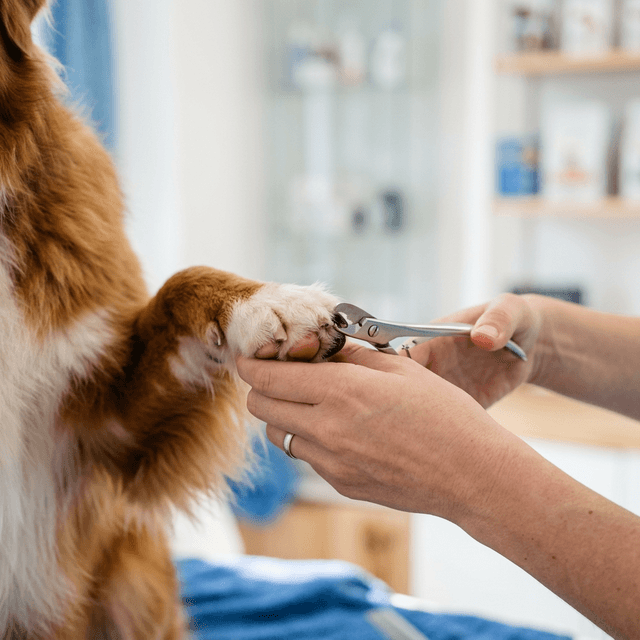
guide • Nail Care
Cat Nail Trimming at Home: A Calm 10-Minute Workflow (Clippers vs Grinders vs Scratch Pads)
A practical, calm 10-minute system for cat nail trimming at home, with clear tradeoffs between clippers, grinders, and scratch pads so you can pick what actually works.
By Lucy Anderson • February 26, 2026 • 7 min read
Table of contents
- What actually matters in this comparison
- The real goal: repeatable, low-drama trims
- The five factors that change the right tool
- Baseline criteria and scoring method
- Criteria (score 1-5)
- Recommended weights (choose your profile)
- Tools we are comparing
- Side-by-side workflow analysis
- The calm 10-minute workflow (the universal script)
- Option A: Clippers (fastest single-nail trim, highest "one-squeeze" pressure)
- Option B: Electric grinder (gradual shaping, but adds time + sensory input)
- Option C: Scratch pad / grinder board (lowest handling, but incomplete coverage)
- Option D: Hybrid workflow (most consistent for many homes)
- Cost, effort, and consistency tradeoffs
- Cost (upfront and ongoing)
- Effort (per session)
- Consistency (the long game)
- Which option wins by user profile
- Profile 1: “My cat is sweet, but hates paw touch”
- Profile 2: “My cat tolerates handling; I just want this fast”
- Profile 3: “I am terrified of cutting the quick”
- Profile 4: “My cat has dark nails and fights me”
- Profile 5: “My cat snags blankets and scratches us during play”
- Transition strategy if changing tools
- If moving from clippers to a grinder
- If moving from direct trimming to a scratch board
- If moving from a scratch board to clippers
- Common decision mistakes
- Mistake 1: Trying to finish all nails in one sitting
- Mistake 2: Choosing the tool you wish your cat liked
- Mistake 3: Cutting too much because nails look long
- Mistake 4: Ignoring the “single problem claw”
- Mistake 5: Making the session unpredictable
- Final recommendation framework
- Step 1: Pick the method your cat will allow weekly
- Step 2: Add a secondary tool for the gaps
- Step 3: Define “success” for your household
- Step 4: Choose a simple tool pairing (most homes)
Cat nail trimming at home is rarely a "skill" problem. Most of the time it is a workflow problem: the wrong tool for your cat, the wrong order of steps, or trying to finish all four paws in one sitting when your cat is already done.
This guide is comparison-led on purpose. Clippers, electric grinders, and scratch-pad boards can all work, but they shine in different situations. You will get a calm 10-minute workflow plus decision criteria so you can choose the lowest-stress option for your cat and the most consistent option for you.
What actually matters in this comparison
The real goal: repeatable, low-drama trims
The best cat nail trimming at home routine is the one you can repeat every 2 to 4 weeks without your cat learning to fear the process. That means your top success metric is not "perfectly short nails"; it is "cat stays calm enough that we can do a little today and a little next time."
The five factors that change the right tool
Here is what genuinely changes the best approach, with tradeoffs spelled out:
1) Quick visibility (clear vs dark nails)
- •Clippers can be very precise if you can see the quick, but dark nails raise the risk of accidentally cutting too close.
- •Grinders reduce the chance of a sudden "too much" cut, but they can still heat the nail if you hold too long.
- •Scratch boards avoid the quick most of the time, but you cannot easily shape side claws or dewclaws with a board alone.
2) Noise and vibration tolerance
- •Clippers are silent, which is a major advantage for cats that spook easily.
- •Electric grinders can be quiet, but they still create vibration and a faint whirr. Some cats tolerate it; others hate it.
- •Scratch boards are silent and let the cat stay in control, but you need buy-in (training) to get consistent results.
3) Owner hand-skill and confidence
- •Clippers demand confidence for that single squeeze. If you hesitate, you can crush or splinter the nail.
- •Grinders demand patience and timing. If you rush, you can overheat the nail or stress the cat with longer handling.
- •Scratch boards demand training consistency more than hand-skill.
4) Cat handling tolerance (being held, paws touched)
- •Clippers and grinders both require paw handling.
- •Scratch boards can work with minimal paw handling, but they are not a complete solution for every cat.
5) Consistency over time (the hidden winner)
- •The “best” tool is often the one that makes you actually do trims on schedule.
- •A tool that is slightly less precise but dramatically easier to repeat usually wins for long-term nail health.
Baseline criteria and scoring method
To keep this comparison practical, use a simple 1 to 5 score for each category (5 = best for that category). Then you can weight categories based on your cat.
Criteria (score 1-5)
- Stress load (cat): How likely is this to stay calm over repeated sessions?
- Risk of quicking: How easy is it to avoid cutting too close?
- Speed per nail: How quickly can you finish one nail once positioned?
- Handling demand: How much paw/hold cooperation is required?
- Finish quality: Smoothness and snag reduction (important if your cat gets caught on blankets).
- Learning curve (human): How hard is it for you to get competent?
- Maintenance: Blade sharpening, replacement parts, cleanup.
Recommended weights (choose your profile)
- •Skittish cat weight set: Stress load x3, Handling demand x2, Noise tolerance (embedded in stress) x2.
- •Dark nails weight set: Risk of quicking x3, Finish quality x2.
- •Time-crunched owner weight set: Speed per nail x3, Learning curve x2.
Tools we are comparing
- •Cat nail clippers (high control, silent). Example: NecoIchi - Purrcision Feline Nail Clippers.
- •Electric nail grinder (gradual filing, can be quieter than old models). Examples: Electric Dog Nail Grinder: Upgraded 5-Speed Quiet Dog Nail Trimmer and Dog Nail Grinder Electric Powerful 3 Speeds with Lights.
- •Scratch pad / grinder board (cat-led scratching to file tips). Example: Dog Nail File, Grinder Board Scratch Pad with Replaceable Sandpaper.
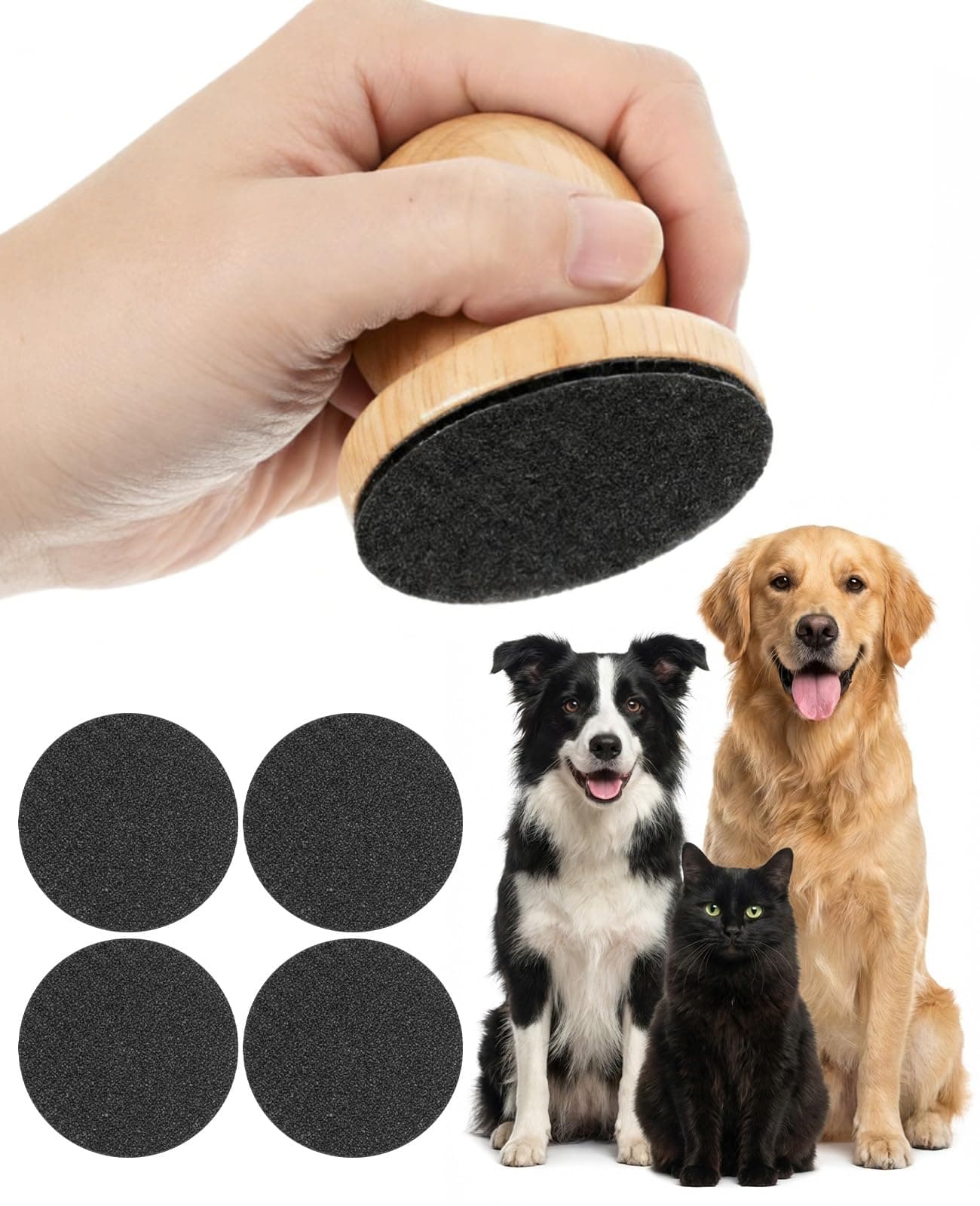
Dog Nail File, Grinder Board Scratch Pad with 4-Pack Replaceable Sandpaper Discs, Gentle Pet Nail Care Tool for Dogs and Cats
Brand: PASDUCHAS
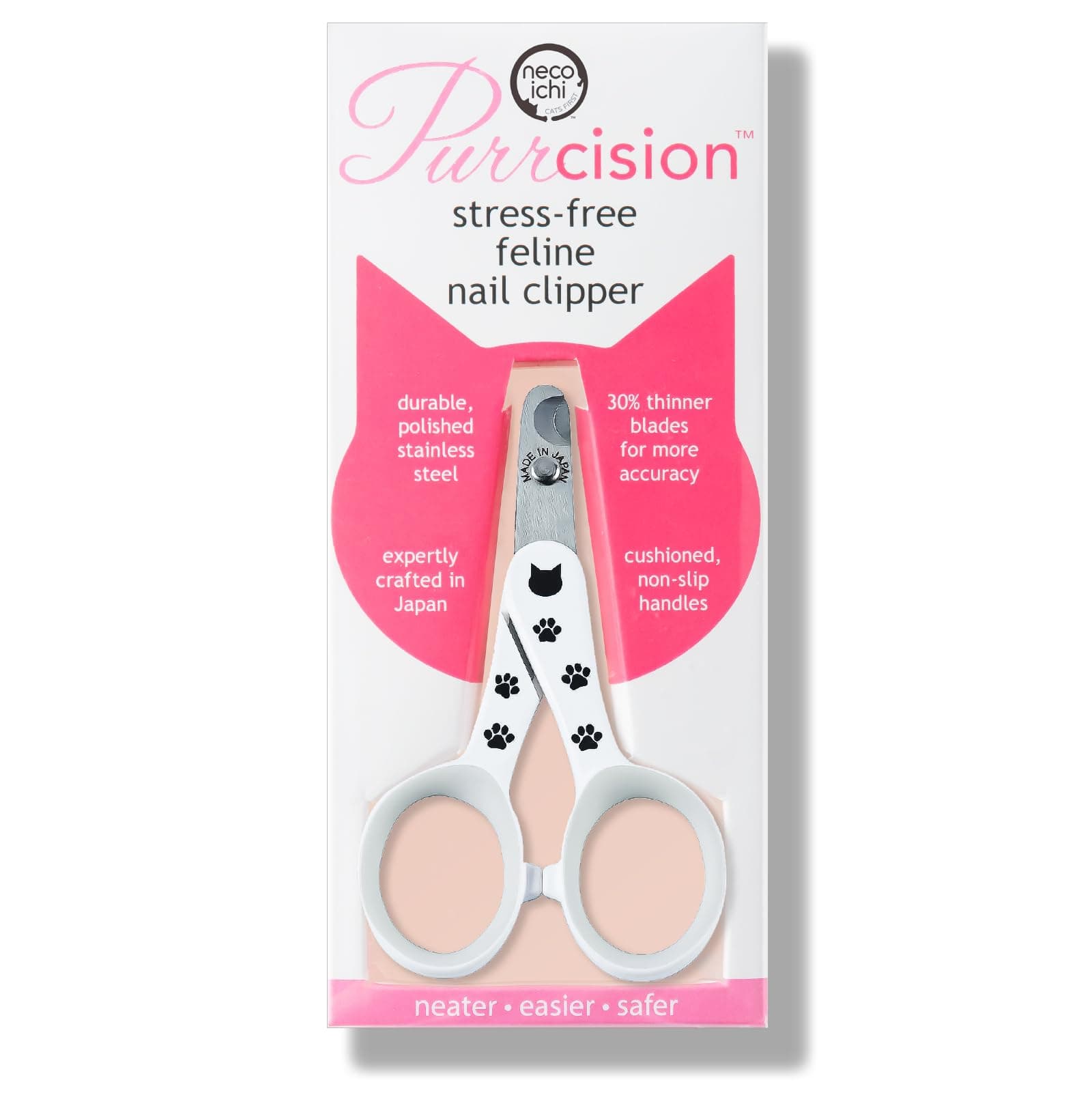
NecoIchi - Purrcision Feline Nail Clippers | Ultra-Sharp Cat Nail Clipper for Safe & Precise Trimming | Stainless Steel Blades, Cat Nail Trimmer, Ideal for Indoor Cats (White)
NecoIchi
Side-by-side workflow analysis
Below is a calm 10-minute workflow for cat nail trimming at home, then how it changes depending on your tool. The point is to keep the “script” the same so your cat predicts what happens.
The calm 10-minute workflow (the universal script)
Minute 0-2: Set the tone (no surprise grabs)
- •Choose a familiar spot (couch corner, bed, cat tree platform).
- •Do 3 to 5 “neutral touches”: pet shoulder, touch elbow, touch paw for half a second, reward.
- •If your cat pulls away, do not chase the paw. Touch a safer area and reward. You are buying calm, not forcing compliance.
Minute 2-3: One successful nail, then pause
- •Your goal is to complete exactly one nail cleanly.
- •After that single nail: release, treat, breathe. This pause prevents the session from feeling like a trap.
Minute 3-8: Micro-batches (2-3 nails at a time)
- •Do a small batch, then release.
- •Switch paws only if your cat stays relaxed. If not, end early and resume later.
Minute 8-10: End on a win
- •Finish with a predictable cue (a phrase, a treat, a toy toss).
- •Put tools away immediately. Cats notice the “tool comes out = bad things” pattern.
The best cat nail trimming at home routines end slightly early, before your cat escalates.
Option A: Clippers (fastest single-nail trim, highest "one-squeeze" pressure)
Best for: cats that tolerate paw handling, owners who want speed, households that need silent tools.
How the workflow changes
- •Minute 0-2 stays the same.
- •Minute 2-3: choose a front paw and trim only the sharp tip.
- •Minute 3-8: trim 2 nails, release, repeat.
Technique details that reduce risk
- •Aim to remove only the clear hook. You are rounding the tip, not shortening dramatically.
- •Use the “side approach”: instead of coming straight down, approach the nail from the side so you can see what you are cutting.
- •If your cat has dark nails, do multiple tiny snips rather than one big cut.
Tool note A sharp, well-aligned clipper reduces nail crushing and splintering. If you want a dedicated cat tool, NecoIchi - Purrcision Feline Nail Clippers is the style many owners prefer for clean cuts and control.
Tradeoff language
- •Clippers win on speed and silence.
- •Clippers lose when you are anxious: hesitation increases the chance of a rough cut, and a single mistake can set back your cat’s trust.
Option B: Electric grinder (gradual shaping, but adds time + sensory input)
Best for: owners nervous about clipping, cats that accept handling but snag blankets, households that want smoother tips.
How the workflow changes
- •Minute 0-2 includes a new step: let your cat see and sniff the off tool; reward.
- •Before you touch the nail, run the grinder for 1 second at a distance; reward. This “sound rehearsal” matters for noise-sensitive cats.
- •Minute 3-8: do 1 to 2 nails per batch, because each nail takes longer than clipping.
How to avoid heat and stress
- •Use “tap-tap” contact: 1 to 2 seconds on, then off.
- •Do not press hard. Let the abrasive do the work.
- •Stop if the nail feels warm or your cat starts pulling repeatedly.
Tool notes
- •A multi-speed, quieter model can make acclimation easier. Two examples often used for at-home grooming routines are the Electric Dog Nail Grinder: Upgraded 5-Speed Quiet Dog Nail Trimmer and the Dog Nail Grinder Electric Powerful 3 Speeds with Lights. For cats, start on the lowest speed and treat the light as optional (some cats dislike bright LEDs).
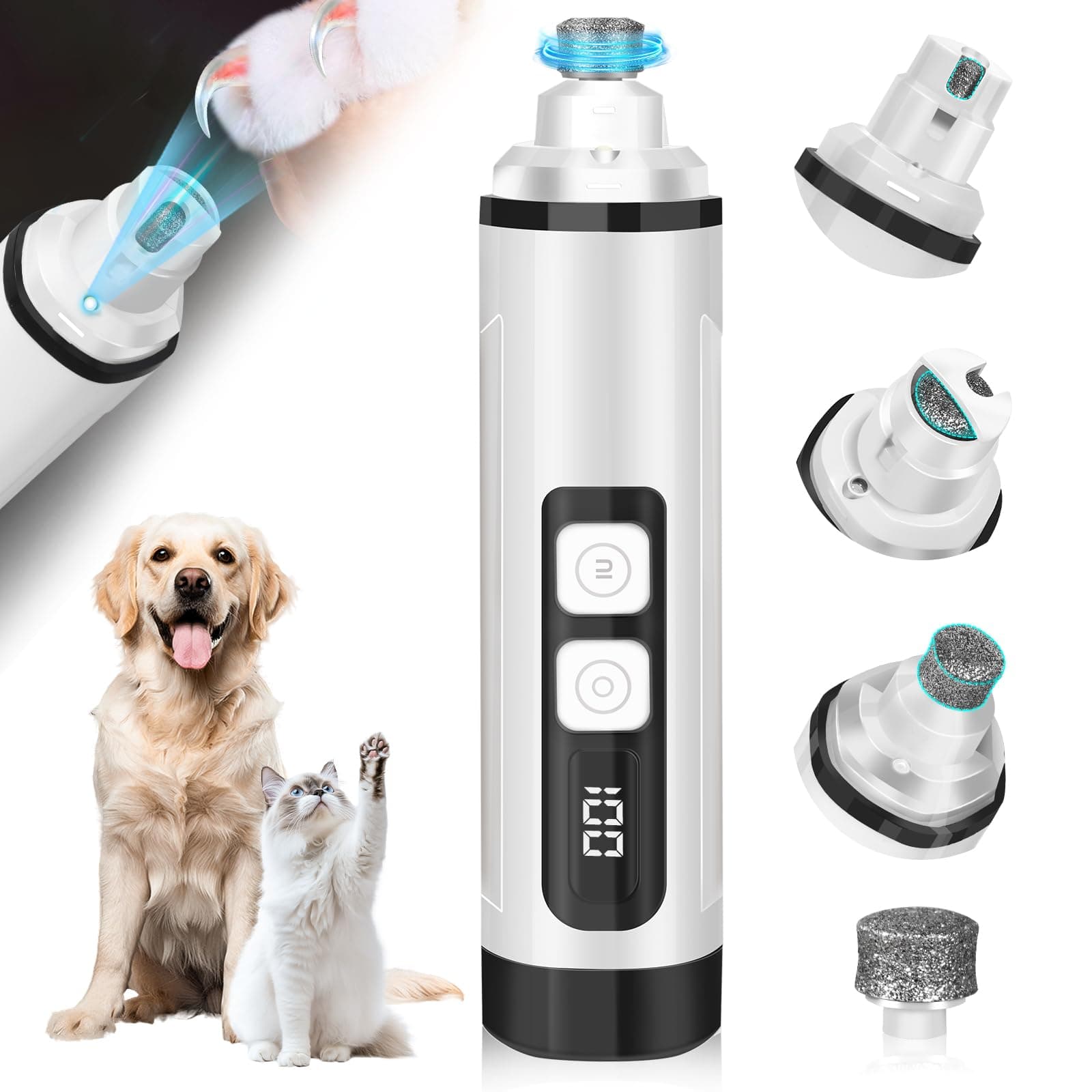
Dog Nail Grinder Electric Powerful 3 Speeds Dog Nail Clippers with Lights Quiet Cat Nail Clipper Painless Care Trimmers Tools for Small Medium Large Dogs and Cats (Black)
Brand: Javtoku
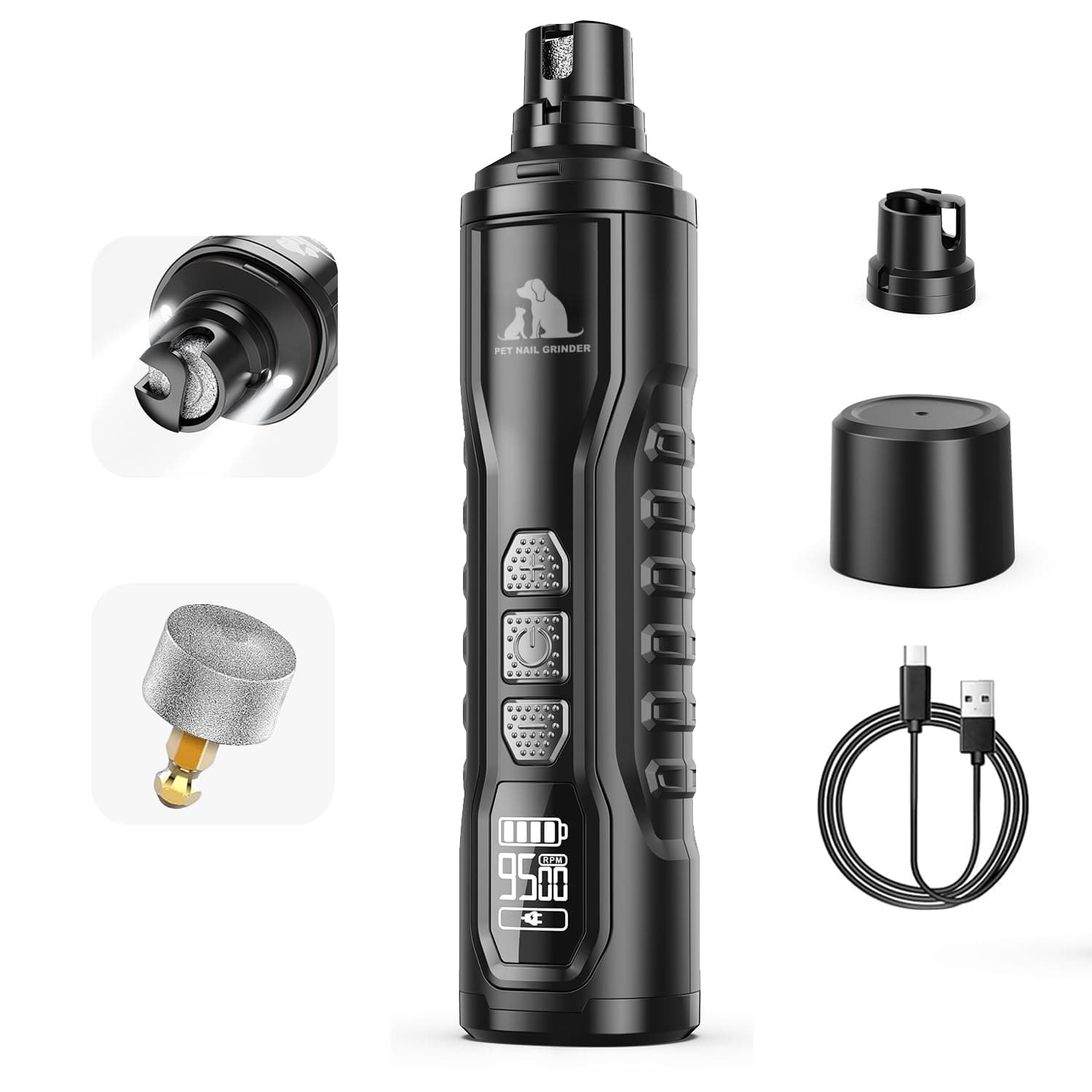
Electric Dog Nail Grinder: Upgraded 5-Speed Quiet Dog Nail Trimmer-Safe Painless Nail File for Claw Trimming & Grooming Care At Home for Dogs & Cats(Light Black)
Brand: Juveximzy
Tradeoff language
- •Grinders win on gradual control and smoother edges.
- •Grinders lose on session length and sensory load (noise/vibration), which can be the dealbreaker for skittish cats.
Option C: Scratch pad / grinder board (lowest handling, but incomplete coverage)
Best for: cats that hate paw handling, owners who struggle to trim directly, maintenance between trims.
How the workflow changes
- •Your “10-minute session” becomes a short training game.
- •Minute 0-2: place the board and reward curiosity.
- •Minute 2-8: lure scratching in short bursts (5-10 seconds), then treat.
- •Minute 8-10: stop before your cat gets bored; boredom reduces buy-in next time.
What it can and cannot do
- •It can blunt front claws and reduce needle-sharp tips.
- •It often cannot address side claws evenly, and it does not reliably shorten rear nails.
- •It does not help with a single overgrown claw that needs targeted trimming.
Tool note A board with replaceable grit lets you tune the abrasion and refresh when worn. The Dog Nail File, Grinder Board Scratch Pad with 4-Pack Replaceable Sandpaper Discs fits this use case well when you want a low-handling option.
Tradeoff language
- •Scratch boards win on consent and low stress.
- •Scratch boards lose on precision and full-paw coverage, so they are best as a supplement or for specific cats, not a universal replacement.
Option D: Hybrid workflow (most consistent for many homes)
If your cat tolerates some handling but not a full trim, hybrid usually wins:
- •Use a scratch board 3 to 5 times per week for front claws.
- •Use clippers (or a grinder) every 2 to 4 weeks for the few nails the board does not manage (often back paws and the “problem claw”).
This reduces the number of direct trims you need, which reduces conflict, which improves long-term consistency.
Cost, effort, and consistency tradeoffs
Cost (upfront and ongoing)
- •Clippers: usually the lowest upfront cost and near-zero ongoing cost. The hidden cost is replacing dull clippers if cuts start to crush instead of slice.
- •Electric grinders: higher upfront cost, plus replacement grinding bands/heads over time.
- •Scratch boards: moderate upfront cost, ongoing sandpaper/disc replacement if you want consistent abrasion.
Effort (per session)
- •Lowest effort: clippers, if your cat cooperates.
- •Moderate effort: scratch board, because you are training behavior instead of restraining.
- •Highest effort: grinders, because each nail takes longer and you must manage heat, sound, and your cat’s patience.
Consistency (the long game)
- •If you dread the session, you will skip it. Skipping leads to longer nails, which makes the next session harder.
- •A slightly imperfect but repeatable routine beats a perfect once-in-a-while trim.
Concrete example:
- •If your cat panics at restraint, a board plus occasional targeted clipping can reduce nail sharpness 80% of the time with 20% of the conflict.
- •If your cat is chill, clippers give you the best “done in 3 minutes” outcome.
Which option wins by user profile
Profile 1: “My cat is sweet, but hates paw touch”
Winner: Scratch board + micro-batch clipper touch-ups
- •Start with a board to build comfort around nail care.
- •Use clippers for one nail at a time on calm days.
- •Product fit: Dog Nail File, Grinder Board Scratch Pad for daily maintenance, plus a precise clipper like NecoIchi - Purrcision for targeted trims.
Tradeoff: slower progress at first, but much less drama.
Profile 2: “My cat tolerates handling; I just want this fast”
Winner: Clippers
- •Use the calm 10-minute script, but you may finish in 3 to 6 minutes.
- •Keep batches small anyway; speed should not become wrestling.
Tradeoff: requires a confident, clean snip technique.
Profile 3: “I am terrified of cutting the quick”
Winner: Grinder or conservative clip + file
- •Grinders let you remove tiny amounts gradually.
- •If your cat is noise-sensitive, do conservative clipper tips only and stop early.
- •Product fit: a quieter, adjustable model like Juveximzy 5-Speed Grinder can help you go slower.
Tradeoff: longer sessions and potential noise stress.
Profile 4: “My cat has dark nails and fights me”
Winner: Scratch board + very small clipper trims
- •Dark nails raise the stakes for big cuts.
- •Your goal is blunt tips, not short nails.
Tradeoff: you may need more frequent mini-sessions.
Profile 5: “My cat snags blankets and scratches us during play”
Winner: Grinder finish or board maintenance
- •Smooth edges matter more than length.
- •A grinder can round sharp corners; a board can maintain bluntness.
- •Product fit: Dog Nail Grinder Electric Powerful 3 Speeds with Lights for smoothing, or a board for maintenance.
Tradeoff: grinder adds sensory load; board adds training time.
Transition strategy if changing tools
Switching tools is where most cats get spooked. Transition like you are introducing a new vacuum: slow, predictable, rewarded.
If moving from clippers to a grinder
- Days 1-3: grinder off, placed on the floor for sniffing; treat.
- Days 4-7: grinder on for 1 second across the room; treat.
- Week 2: grinder on near your cat, no paw handling; treat.
- Week 3: touch shoulder, touch paw, then grinder sound; treat.
- First filing day: do exactly one nail with 1-second taps, end immediately.
The tradeoff is time. You invest 2 to 3 weeks to avoid creating a fear association that can last years.
If moving from direct trimming to a scratch board
- •Put the board where your cat already scratches (not where you wish they scratched).
- •Sprinkle a pinch of catnip or use a treat lure to trigger a few scratches.
- •Reward scratching on the board, not just being near it.
If moving from a scratch board to clippers
- •Start by touching a paw for 1 second, reward, and stop.
- •Then add “press to extend claw” (gentle toe press) without cutting.
- •Only after that is boring should you snip one tip.
Common decision mistakes
Mistake 1: Trying to finish all nails in one sitting
For many cats, “all four paws” turns into restraint, then panic, then future resistance. A better target for cat nail trimming at home is:
- •1 to 3 nails per session for a week, then gradually more.
Mistake 2: Choosing the tool you wish your cat liked
Owners often buy a grinder because it feels safer, then the cat hates the sound and nothing happens for months. The safer tool is the one your cat will tolerate consistently.
Mistake 3: Cutting too much because nails look long
Long nails are not always the enemy; needle-sharp tips are. If you only remove the hook, you often solve snagging and scratch injuries without pushing near the quick.
Mistake 4: Ignoring the “single problem claw”
Many cats have one claw that overgrows or catches. Fixing just that claw can reduce daily issues dramatically. Use your calm workflow to target one nail and stop.
Mistake 5: Making the session unpredictable
If sometimes you trim and sometimes you grab-and-hold until your cat struggles, your cat learns to resist earlier next time. Keep the script consistent: touch, reward, one nail, release.
Final recommendation framework
Use this decision tree to pick your primary method, then a backup.
Step 1: Pick the method your cat will allow weekly
- •If your cat will not let you touch paws: start with a scratch board.
- •If your cat tolerates paw touch: start with clippers for speed and silence.
- •If your cat tolerates paw touch but you fear cutting too short: consider a grinder, but only if your cat can accept the sound.
Step 2: Add a secondary tool for the gaps
- •Scratch board users usually need clippers for rear nails or uneven claws.
- •Clipper users sometimes benefit from a grinder or board to smooth snaggy edges.
Step 3: Define “success” for your household
Pick one measurable outcome for the next 30 days:
- •“No more snagging on blankets.”
- •“We complete 6 nails per week without hissing.”
- •“We touch paws calmly every day for 10 seconds.”
Step 4: Choose a simple tool pairing (most homes)
- •Most balanced: NecoIchi - Purrcision Feline Nail Clippers + a scratch board like Grinder Board Scratch Pad.
- •Most smoothing-focused: clippers for quick tip trims + a quiet grinder like Upgraded 5-Speed Quiet Grinder for rounding.
- •Most low-handling: scratch board as primary + occasional one-nail clipper sessions.
If you want the calmest version of cat nail trimming at home, optimize for predictability: same spot, same order, same end cue, and small wins more often. That is what keeps your cat relaxed and your routine consistent.
Nail Care Cluster
More in this topic

guide
How to Trim Dog Nails: A Step-by-Step Guide for Beginners
guide
Nail grinder vs clippers for dogs: which is best for your pet?

guide
Dog Nail Trimming at Home: Safe Step-by-Step Routine (Clippers vs Grinders vs Scratch Boards)
guide
Dog Nail Bleeding How to Stop: Fast First Aid That Works
guide
How to Trim Dark Dog Nails Without Hitting the Quick (Behavior-First Guide)
guide
How Often Should You Trim Dog Nails? A Practical Schedule by Activity Level
Frequently asked questions
How often should I do cat nail trimming at home?
Most indoor cats do well with trims every 2 to 4 weeks, but the better guide is behavior and nail function: if nails snag on fabric, click on hard floors, or feel needle-sharp during play, shorten or blunt the tips sooner. If your cat hates sessions, do smaller batches (1 to 3 nails) more often rather than one long session.
Is a grinder safer than clippers for cats?
A grinder can feel safer because it removes nail gradually, which lowers the chance of taking off too much in one moment. The tradeoff is that grinders add noise and vibration and usually require longer handling per nail, which can increase stress for some cats. Clippers are silent and fast, but they require a confident, clean snip and conservative tip trims to reduce the risk of quicking.
Can a scratch board replace trimming my cat's nails?
A scratch board can significantly blunt front claws and reduce snagging, especially if your cat uses it regularly, but it is not a complete replacement for many cats. Boards often do not maintain rear nails evenly, and they cannot reliably address a single overgrown claw or shape uneven side edges. Many owners get the best results using a scratch board for maintenance plus occasional targeted clipping for the nails the board misses.
