
guide • Bath Time
Bath Routine for Dogs That Hate Water: Progress in 4 Weeks (Real-World Plan)
If your dog hates bath water, this 4-week routine builds tolerance without wrestling matches. Pick the right workflow for your home and track progress weekly.
By Lucy Anderson • February 21, 2026 • 7 min read
Table of contents
- Scenario map: apartment, family home, multi-pet
- Scenario A: Apartment (small bathroom, noise-sensitive dog, limited drying space)
- Scenario B: Family home (yard access, more helpers, more mess-tolerance)
- Scenario C: Multi-pet home (one dog hates water, others increase chaos)
- Constraints and risk profile per scenario
- What “dog hates bath water” usually means (so you target the right lever)
- Apartment constraints + risk
- Family home constraints + risk
- Multi-pet constraints + risk
- Tailored workflow by scenario
- Week 1 (all scenarios): Consent + bathroom neutrality
- Apartment adaptation
- Family home adaptation
- Multi-pet adaptation
- Week 2 (all scenarios): Introduce water as a controlled, low-pressure event
- Apartment workflow (bathtub/shower)
- Family home workflow (outdoor or laundry sink)
- Multi-pet workflow
- Week 3 (all scenarios): Partial bath + easy rinse strategy
- Apartment: tub entry without lifting
- Family home: rinse without the panic spike
- Multi-pet: prevent escape rehearsals
- Week 4 (all scenarios): Full bath routine + drying that doesn’t undo progress
- If shampooing is your bottleneck
- If coat management is the bottleneck (thick coat, tangles, post-bath dryness)
- Product picks matched to workload
- If your dog panics at spray noise/pressure
- If your dog tolerates pouring but hates spraying
- If you’re losing time during shampooing (and your dog’s patience runs out)
- If coat feels rough after bathing or brushing causes drama
- Time-saving tactics under pressure
- The “minimum viable clean” decision tree
- Cut bath duration without skipping learning
- Two-person assembly line (family home advantage)
- What breaks in real life and how to adapt
- Problem: Your dog slips once and now refuses the tub
- Problem: Your dog tolerates wetting but explodes at rinsing
- Problem: Your dog fights the moment shampoo comes out
- Problem: Barking/chaos from other pets derails everything
- Problem: You’re stuck at Week 2 and not progressing
- Weekly review framework
- Track three metrics (write them down)
- Decide your next week using thresholds
- A realistic timeline note
- Final execution checklist
If your dog hates bath water, the goal isn’t to “win” bath time. The goal is to build predictable, low-stress reps that teach: water is controllable, I can opt in, and nothing scary happens.
This guide is scenario-led because bath success depends on where you live, who helps, and what your dog is reacting to (noise, slippery surfaces, spray pressure, restraint, or the feeling of wet fur). You’ll follow a 4-week ramp that starts with “no bath at all” and ends with a complete wash—or a realistic alternative if your dog is still stuck.
Below, you’ll find three scenario maps (apartment, family home, multi-pet), risk profiles, tailored workflows, product picks matched to workload, time-savers, and a weekly review framework to keep momentum.
Scenario map: apartment, family home, multi-pet
Scenario A: Apartment (small bathroom, noise-sensitive dog, limited drying space)
You’re likely working with:
- •Tight turning radius in a tub/shower stall
- •Echo-y water sound that spikes anxiety
- •Neighbors (barking) and time pressure
- •Slippery surfaces (big trigger for “I’m going to fall”)
Common pattern: your dog is okay entering the bathroom but panics when the faucet turns on—or won’t step into the tub.
Scenario B: Family home (yard access, more helpers, more mess-tolerance)
You can use:
- •Outdoor hose or laundry sink
- •A second person for treat delivery
- •Space for towel stations and drying
Common pattern: your dog tolerates some steps but escalates during rinsing, or bolts mid-bath and shakes water everywhere.
Scenario C: Multi-pet home (one dog hates water, others increase chaos)
You’re managing:
- •A “chorus effect” (other pets react to whining/barking)
- •Resource guarding around treats
- •A stressed dog who rehearses escape when the door opens
Common pattern: the bath becomes a household event, and your water-averse dog escalates because the environment is unpredictable.
Constraints and risk profile per scenario
What “dog hates bath water” usually means (so you target the right lever)
Most bath resistance comes from one (or more) of these:
- Sound sensitivity: faucet roar, shower hiss, sprayer vibration.
- Surface insecurity: slippery tub floor; dog braces, slips once, and now expects it.
- Pressure aversion: strong spray feels like punishment.
- Loss of control: being lifted, restrained, or cornered.
- Temperature mismatch: water too hot/cold; sudden temperature change.
- Handling sensitivity: paws, ears, tail, or hips being manipulated.
Your plan changes depending on which lever is strongest.
Apartment constraints + risk
- •Highest risk: noise + confined space + slippery tub = fast panic loop.
- •Tradeoff: fewer “full bath” attempts, more micro-sessions.
- •Safety watch-outs: scrambling in a tub can cause nail tears, back strain, and fear conditioning.
Family home constraints + risk
- •Highest risk: “we can do it faster outside” leads to accidental flooding (too much water, too fast).
- •Tradeoff: easier setup, but more temptation to push past threshold.
- •Safety watch-outs: outdoor bathing in cold weather; hose water temperature swings.
Multi-pet constraints + risk
- •Highest risk: triggers stack (noise + social pressure + doors opening).
- •Tradeoff: you must control the environment before training can work.
- •Safety watch-outs: scuffles over treats; barrier frustration; escape rehearsals.
Tailored workflow by scenario
This is a 4-week progression. Think of each “week” as 4–6 sessions. Sessions can be 3 minutes. You’re aiming for calm reps, not endurance.
Key rule: If your dog won’t take treats, you’re too close to the trigger. Back up one step.
Week 1 (all scenarios): Consent + bathroom neutrality
Goal: your dog chooses to approach the bath area with loose body language.
Do:
- •Feed high-value treats in the bathroom with no water on.
- •Let your dog leave anytime.
- •Practice a simple station: “front paws on the mat” or “sit on towel.”
Avoid:
- •Lifting into the tub.
- •Turning on water unexpectedly.
Success marker: dog walks in, eats, and can do a simple cue.
Apartment adaptation
Scenario: your dog freezes at the tub edge.
- •Put a towel or mat on the bathroom floor 2–3 feet from the tub.
- •Reward for looking at the tub, then stepping closer.
- •Later in the week, reward for placing front paws on the tub edge (no climbing in yet).
Family home adaptation
Scenario: your dog is fine indoors but hates the tub.
- •Train in the laundry room or near an empty kiddie pool first.
- •If the tub is the issue, remove it from the equation temporarily: the learning goal is “wet handling is safe,” not “tub is mandatory.”
Multi-pet adaptation
Scenario: other pets crowd the bathroom.
- •Run sessions behind a closed door.
- •Put other pets on chew items elsewhere to prevent interruption.
Week 2 (all scenarios): Introduce water as a controlled, low-pressure event
Goal: water becomes a background detail, not the main event.
Do:
- •Start with water sound at a distance: turn faucet on for 1–2 seconds, toss treat, turn off.
- •Progress to a trickle of lukewarm water.
- •Pair “water on” with treat stream; “water off” ends treats.
Avoid:
- •Spraying your dog directly yet.
Success marker: dog stays in the room, eats, and recovers quickly after water turns on.
Apartment workflow (bathtub/shower)
- •Put your dog on a non-slip mat outside the tub.
- •Turn on the shower to the lowest pressure, aimed at the wall or drain.
- •If your dog startles, reduce sound by using the tub spout instead of shower head.
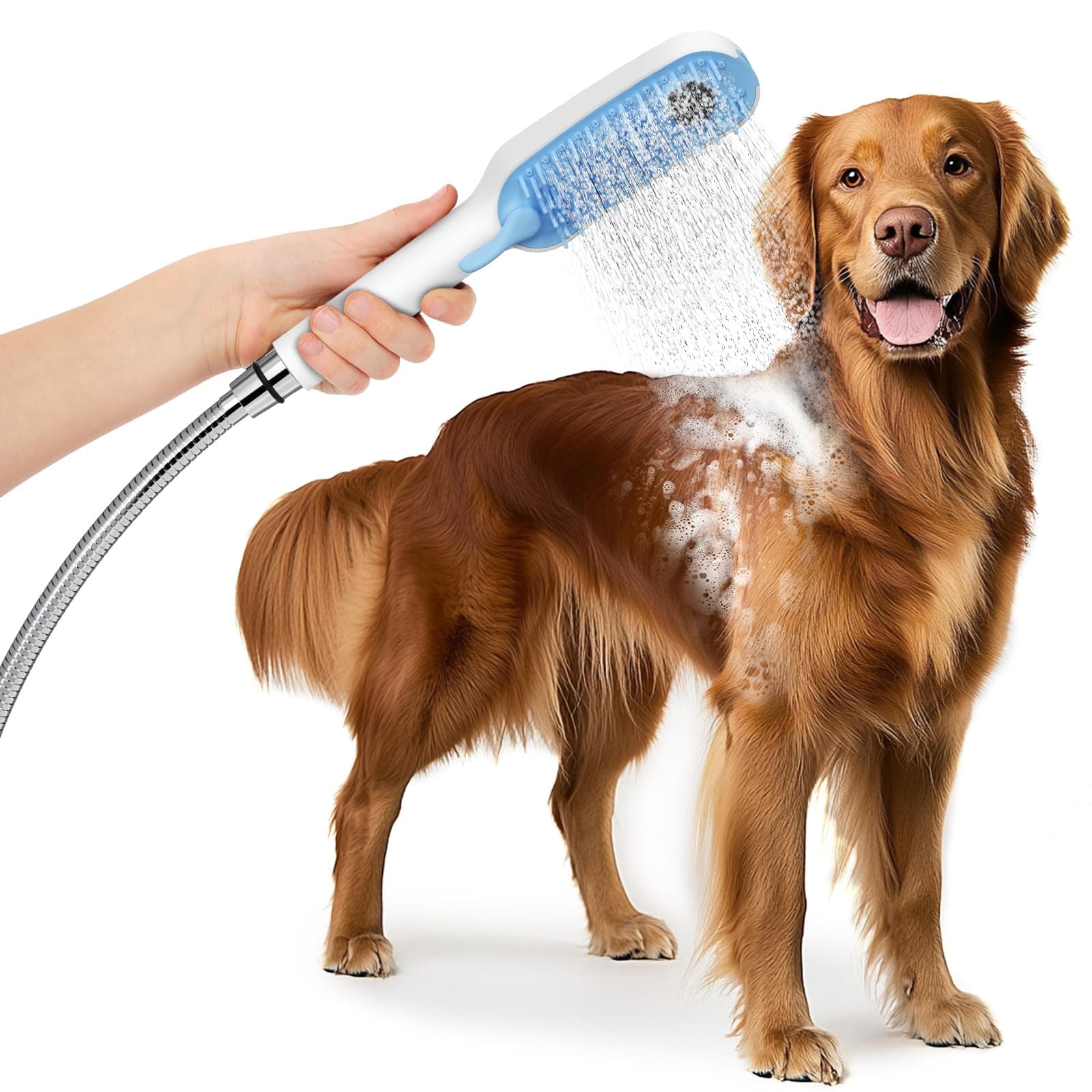
If you need more control of spray and distance, a shower diverter setup with a gentle sprayer helps. The SR SUN RISE Dog Shower Attachment gives multiple spray modes so you can start with a softer setting.
Family home workflow (outdoor or laundry sink)
- •Use lukewarm water (test on your wrist).
- •Start by wetting a washcloth and wiping shoulders, chest, and back—areas many dogs tolerate better than legs/paws.
Multi-pet workflow
- •Run water sessions when the home is quiet (after walks, not at peak excitement).
- •Keep treats in a closed pouch; don’t let other pets “join the party.”
Week 3 (all scenarios): Partial bath + easy rinse strategy
Goal: your dog tolerates getting wet and being rinsed without escalating.
Do:
- •Break the bath into zones: neck/shoulders, back, chest, then legs last.
- •Keep sessions short: a “half-bath” is still progress.
Avoid:
- •Starting with paws, face, or tail if those are sensitive.
Success marker: dog stays under threshold through wet + soap + rinse on at least two body zones.
Apartment: tub entry without lifting
Scenario: your dog refuses to step in.
- •Put the non-slip mat inside the tub.
- •Use a treat trail: one treat outside, one on the tub edge, one just inside.
- •If your dog won’t fully enter, do a “side bath”: front paws in, back paws out, wipe/wet reachable areas.
Family home: rinse without the panic spike
Rinsing is where many dogs flip from tolerating to thrashing.
- •Replace “big rinse” with “many micro-rinses.”
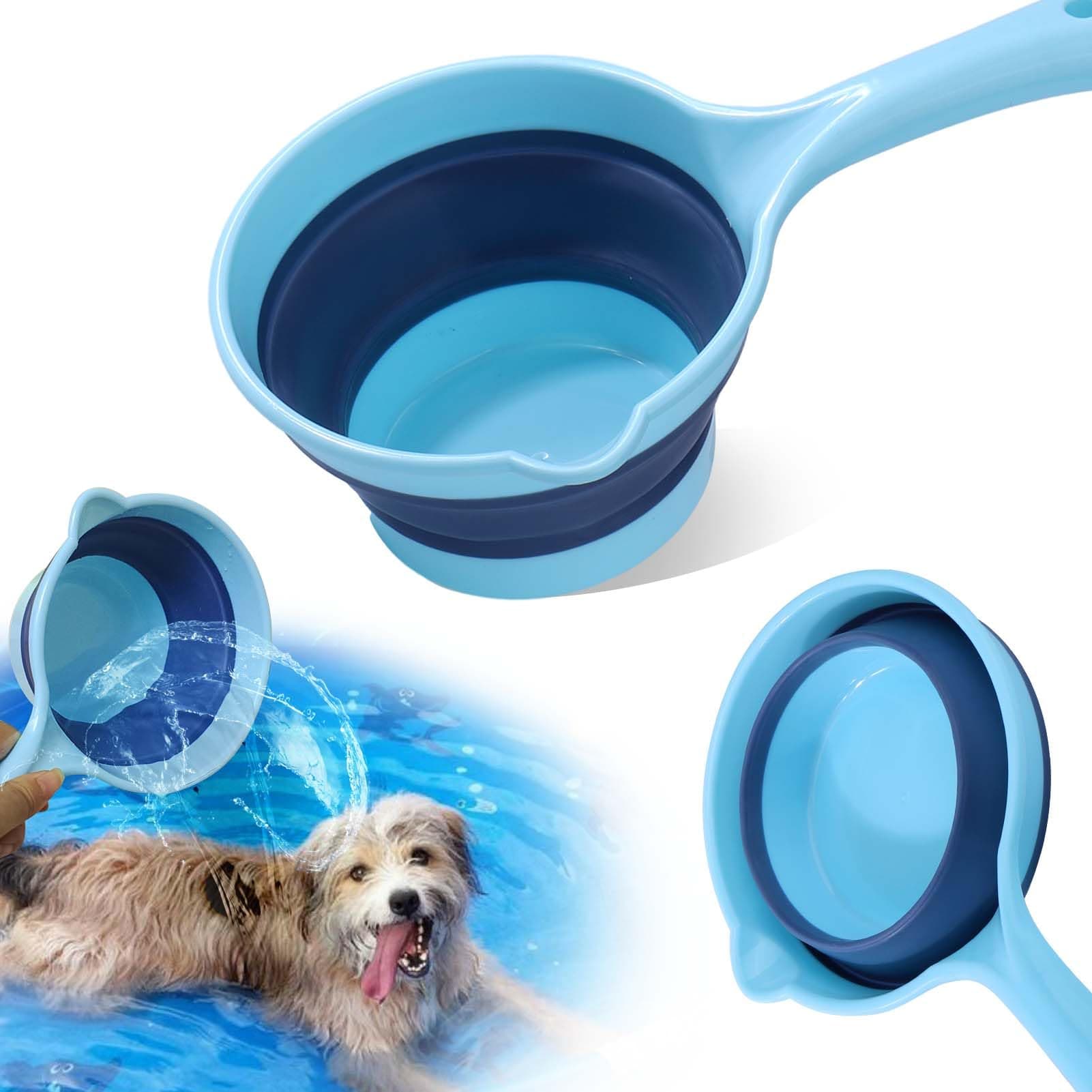
- •A controlled pour reduces noise and pressure. A Dog Bath Rinse Cup is useful when your dog hates spray but can handle water flow.
Multi-pet: prevent escape rehearsals
- •Treat the bath area like a training room: door closed, towel barrier at threshold.
- •Do not open the door until your dog is calm; otherwise, bolting becomes the learned ending.
Week 4 (all scenarios): Full bath routine + drying that doesn’t undo progress
Goal: a complete bath with minimal restraint and a predictable finish.
Do:
- •Follow the same order every time.
- •Keep water lukewarm.
- •End with a calm, high-value payoff (chew, sniff walk, or dinner).
Avoid:
- •Rough towel rubbing if your dog hates tactile pressure.
Success marker: dog finishes the bath without panic, even if they’re not “happy about it.” Neutral is a win.
If shampooing is your bottleneck
Many dogs hate the sensation of shampoo being massaged in (or owners take too long).
- •Speed matters: less time wet often equals less stress.
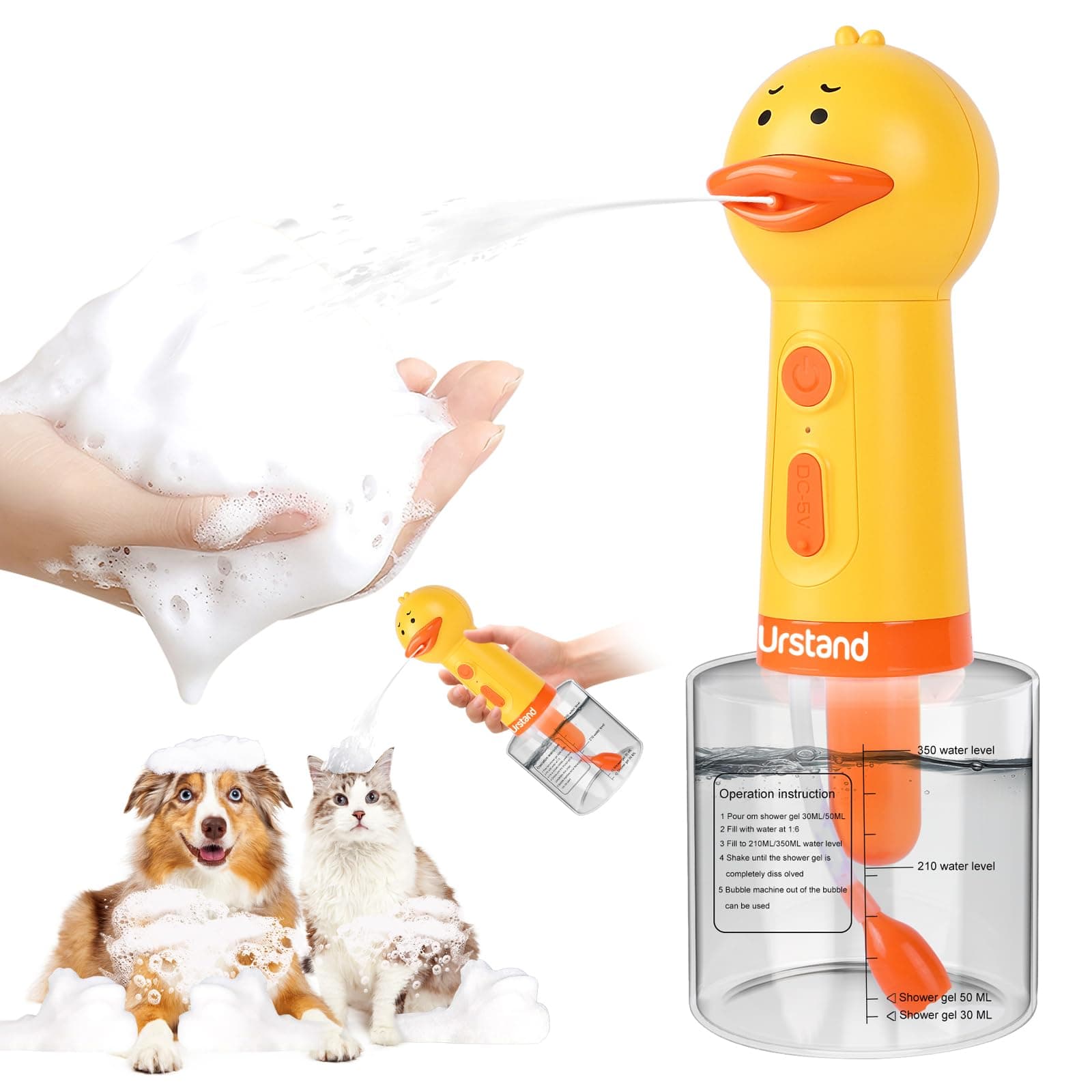
- •A foaming device can help distribute shampoo quickly with less rubbing. The Dog Foaming Soap Dispenser can reduce the “hands everywhere” time for dogs that dislike prolonged scrubbing.
If coat management is the bottleneck (thick coat, tangles, post-bath dryness)
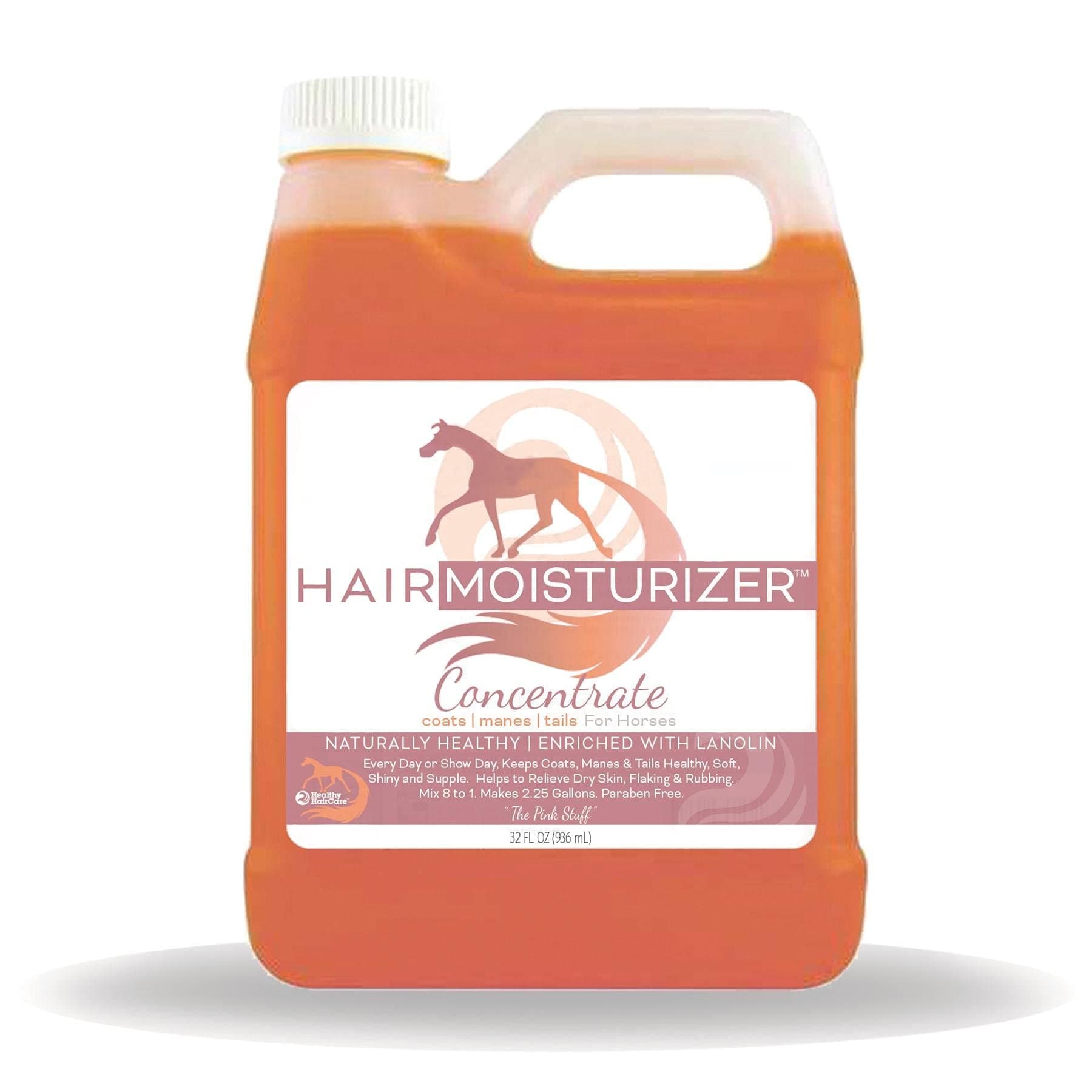
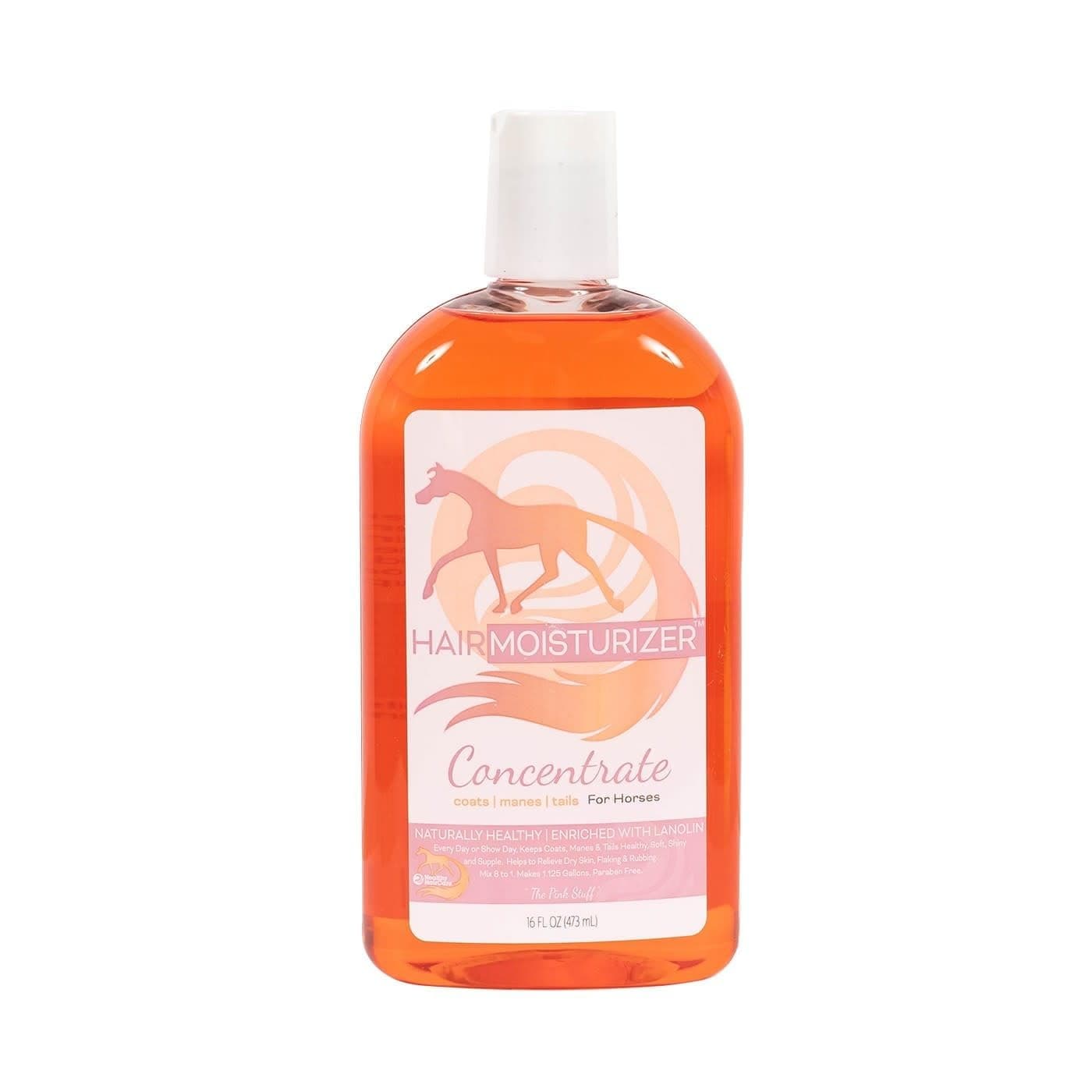
Some owners use coat conditioners to keep hair manageable and reduce post-bath friction during drying and brushing. If you’re dealing with a high-maintenance coat and want a concentrate option, Healthy Hair Care Products 32 fl oz Concentrate Hair Moisturizer is a heavy-duty concentrate (note it’s marketed for horses; always patch-test and avoid eyes/nose, and ask your vet/groomer if your dog has sensitive skin).
Product picks matched to workload
Choose based on what causes the struggle: rinse control, shampoo speed, or coat drying.
If your dog panics at spray noise/pressure
- •Best fit: a sprayer with adjustable modes and a steady, gentle stream.
- •Consider: SR SUN RISE Dog Shower Attachment so you can start on a low-impact setting, then increase only if your dog stays relaxed.
Decision criteria:
- •You need multiple spray modes.
- •You want a hose long enough to avoid awkward angles.
Tradeoff:
- •Sprayers can still be scary if introduced too fast. Pair with Week 2 sound sessions.
If your dog tolerates pouring but hates spraying
- •Best fit: a controlled pour tool.
- •Consider: Dog Bath Rinse Cup.
Decision criteria:
- •You want quiet rinsing.
- •You want to keep water out of eyes/ears.
Tradeoff:
- •Slower than a sprayer on thick coats; compensate by doing multiple short pours rather than one long rinse.
If you’re losing time during shampooing (and your dog’s patience runs out)
- •Best fit: quicker application with foam.
- •Consider: Dog Foaming Soap Dispenser.
Decision criteria:
- •Your dog is okay with water but not okay with extended scrubbing.
- •You need to speed up the “soap phase.”
Tradeoff:
- •Any tool that makes sound can be a trigger; introduce it dry first like Week 1.
If coat feels rough after bathing or brushing causes drama
- •Consider (with caution and professional input): Healthy Hair Care Products 32 fl oz Concentrate Hair Moisturizer as a concentrate option some owners look at for manageability.
Decision criteria:
- •You’re dealing with heavy coat maintenance and post-bath tangles.
Tradeoff:
- •Not dog-specific labeling; patch-test and consult a vet/groomer for sensitive skin or allergies.
Time-saving tactics under pressure
These are for the weeks when your dog rolled in something questionable and you can’t do a perfect training session.
The “minimum viable clean” decision tree
- •If dirt is localized (mud belly, poop paw): do a targeted rinse/wipe only.
- •If odor is general but mild: do a water-only rinse + towel dry, shampoo next session.
- •If coat contamination is real (skunk, chemicals, heavy feces): prioritize safety and consider a professional groomer or vet guidance.
Cut bath duration without skipping learning
- •Run a 60-second “water on = treats” warmup before touching the dog.
- •Use zones: wash shoulders/back first, then stop if stress climbs.
- •Dry in layers: squeeze water out with towel (press, don’t rub), then air-dry in a warm room.
Two-person assembly line (family home advantage)
- •Person 1: treats and calm cues.
- •Person 2: water + soap.
Rule: Person 1 controls pace. If treats stop, bathing stops.
What breaks in real life and how to adapt
Problem: Your dog slips once and now refuses the tub
Adaptation:
- •Reset to Week 1 with a non-slip surface and “front paws only” reps.
- •Do 5–10 short sessions before attempting full entry again.
Problem: Your dog tolerates wetting but explodes at rinsing
Likely cause: pressure/noise + water hitting sensitive areas. Adaptation:
- •Switch to pouring with a Dog Bath Rinse Cup for 2–3 sessions.
- •Rinse in micro-steps: pour, treat, pause; pour, treat, pause.
Problem: Your dog fights the moment shampoo comes out
Likely cause: extended handling time. Adaptation:
- •Try a faster application method like a foam approach (introduced gradually) with the Dog Foaming Soap Dispenser.
- •Or do water-only plus a wipe-down and reintroduce shampoo later.
Problem: Barking/chaos from other pets derails everything
Adaptation:
- •Separate pets physically.
- •Schedule bath sessions when the home is quiet.
- •Keep the routine identical; unpredictability is gasoline on fear.
Problem: You’re stuck at Week 2 and not progressing
This usually means you’re working too close to the trigger. Adaptation:
- •Increase distance from water sound.
- •Reduce pressure (or switch from shower head to tub spout).
- •Shrink sessions to 60–120 seconds and end early.
Weekly review framework
Use this every week so you don’t guess.
Track three metrics (write them down)
- Entry score (0–5): 0 = won’t enter bathroom; 5 = enters happily.
- Water tolerance (0–5): 0 = panics at sound; 5 = calm during wetting.
- Rinse recovery (0–5): 0 = thrashes/tries to escape; 5 = recovers within 10 seconds.
Decide your next week using thresholds
- •If any score is 0–2: repeat the same week’s plan with easier reps.
- •If scores are 3–4: move forward but keep warmups.
- •If all scores are 5 twice in a row: you can reduce treat frequency (don’t remove it entirely yet).
A realistic timeline note
Some dogs truly need longer than 4 weeks, especially rescues with a history of forced bathing, seniors with pain, or sound-sensitive breeds. Progress is still progress when your dog chooses to stay in the room and eat.
Final execution checklist
- •Pick your scenario workflow (apartment, family home, or multi-pet) and commit to 4–6 short sessions per week.
- •Identify your dog’s main trigger: noise, slip, pressure, restraint, temperature, or handling.
- •Start Week 1 with bathroom treats and opt-out freedom; no lifting into the tub.
- •Week 2: pair brief water sounds with treats; keep pressure low and distance comfortable.
- •Week 3: do partial baths by body zone; use micro-rinses (consider a controlled tool like a Dog Bath Rinse Cup).
- •Week 4: full bath with a predictable order; keep it short and end with a high-value payoff.
- •If rinse pressure is the trigger, use adjustable spray control like the SR SUN RISE Dog Shower Attachment and introduce it gradually.
- •If shampoo time is the trigger, reduce handling time with faster application methods (a foam tool like the Dog Foaming Soap Dispenser can help when introduced slowly).
- •Review weekly using the three scores and repeat weeks when your dog is still under 3 in any area.
If you want, tell us your dog’s size/breed, coat type, and which step triggers the meltdown (water sound, stepping in, wetting, shampoo, or rinsing). You’ll get a tighter scenario plan that matches your exact “dog hates bath water” pattern.
Bath Time Cluster
More in this topic
guide
How Often to Bathe a Dog? Vet-Approved Schedule by Coat Type
guide
Oatmeal Dog Shampoo Benefits: Soothe Itchy Skin Safely
guide
How to bathe a cat: tips for a stress-free experience
guide
How Often Should You Bathe a Dog or Cat? Practical Schedule by Coat Type (Behavior-First Guide)
guide
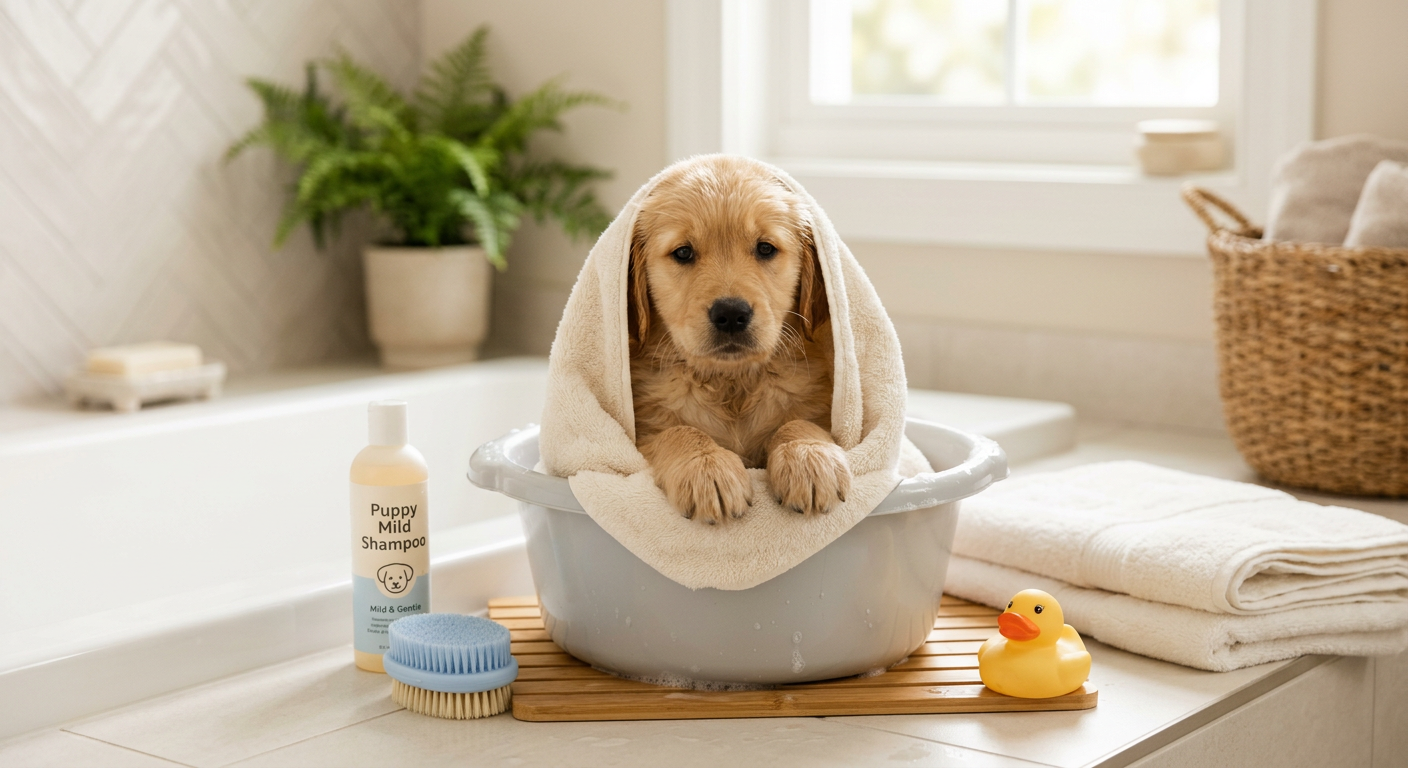
Puppy First Bath Checklist: Safe Home Setup and Sequence (Behavior-First Guide)
guide
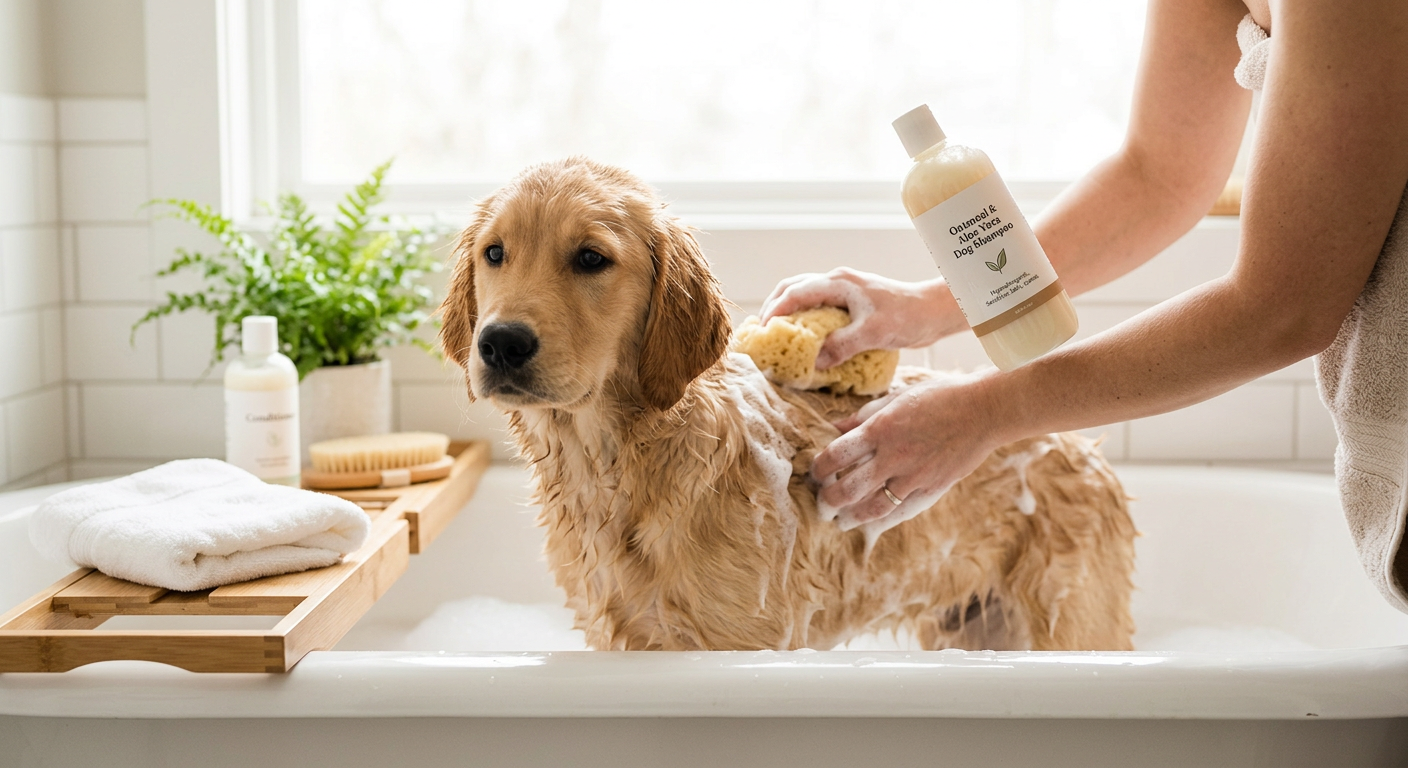
Sensitive Skin Bath Routine for Dogs: Lower Irritation, Better Recovery
Frequently asked questions
What if my dog hates bath water and won’t even enter the bathroom?
Start before the bathroom. Feed high-value treats near the bathroom doorway, then just inside the door, then on a towel a few feet from the tub. Don’t turn on water during these early sessions. If your dog won’t take treats, you’re too close—back up to a distance where they can eat calmly. Your first win is a relaxed approach and a voluntary step into the room, not a completed bath.
Why does my dog do okay until rinsing, then panic?
Rinsing often combines the biggest triggers: louder sound, higher pressure, water moving across the skin, and loss of control. Swap the sprayer for a quieter, slower rinse method for a few sessions (for example, a rinse cup), and rinse in micro-steps: pour, treat, pause. Also check temperature and avoid blasting sensitive zones like paws and tail early in the rinse.
How long should a bath session be when my dog hates bath water?
For training sessions, aim for 1–5 minutes. Stop while your dog is still successful, not when they’re depleted. For actual cleaning, use a “zones” approach and accept partial baths while you build tolerance. Short, calm reps create faster progress than occasional long battles that teach your dog bath time is unpredictable and unavoidable.
