
guide • Paw Care
Dog Paw Balm Guide: When and How to Use It Safely
Learn what dog paw balm does, when to use it, and how to apply it for healthier paw pads. Get tips for hot pavement, winter salt, and dry cracks.
By PetCareLab Editorial • March 5, 2026 • 14 min read
Table of contents
- What Dog Paw Balm Is (and What It Isn’t)
- When Paw Balm Helps Most (and When It’s Not Enough)
- Best-use scenarios
- When to skip balm and call your vet (or use a different solution)
- What Causes Dry or Damaged Paw Pads (So You Can Prevent It)
- Environmental stressors
- Lifestyle factors
- Medical contributors
- Choosing the Right Paw Balm: Ingredients, Safety, and What to Avoid
- What to look for in a good balm
- Ingredients and claims to be cautious about
- Dog Paw Balm Guide: Exactly When and How to Apply It (Step-by-Step)
- The best times to apply paw balm
- Step-by-step application (the vet-tech practical method)
- How often should you apply it?
- Real-World Scenarios (With Breed Examples) and What to Do
- Scenario 1: “My Husky’s paws look fine, but winter salt makes her lick constantly”
- Scenario 2: “My Frenchie slips on hardwood and his pads feel dry”
- Scenario 3: “My Border Collie runs hard and gets little pad cracks after long days”
- Scenario 4: “My senior German Shepherd’s paws are rough, and he’s licking one foot”
- Product Recommendations and Comparisons (What to Choose for Your Dog)
- Quick comparison: balm vs wax vs booties
- Recommended picks (reputable, widely used options)
- Common Mistakes to Avoid (These Cause Most “Paw Balm Didn’t Work” Stories)
- Expert Tips: Make Paw Balm Work Better (and Keep Paws Healthier Long-Term)
- Patch-test for sensitive dogs
- Pair balm with a paw-care routine (this is where results happen)
- Use booties strategically (even if you hate them)
- Know when cracking is “normal” vs concerning
- FAQs: Quick Answers You’ll Actually Use
- Can I use paw balm every day?
- Should I apply paw balm before or after a walk?
- My dog licks the balm off—does it still work?
- Is paw balm safe for puppies?
- Can paw balm help with yeast or allergies?
- A Simple Paw Balm Routine You Can Start Tonight
What Dog Paw Balm Is (and What It Isn’t)
A paw balm is a semi-solid waxy moisturizer designed to protect and condition the thick skin on your dog’s paw pads. Think of it like a weatherproofing layer plus a skin conditioner: it helps reduce moisture loss, shields against mild irritants, and supports healing of minor dryness and superficial cracking.
What it isn’t:
- •A cure-all for deep wounds, infections, or allergic skin disease
- •A replacement for booties on extreme terrain (hot asphalt, icy salt slush, sharp rock)
- •A “numbing” pain reliever (if a balm claims to numb, be cautious—many numbing agents are not appropriate for dogs)
Most quality balms use a blend of:
- •Occlusives (beeswax, plant waxes) to create a protective barrier
- •Emollients (shea butter, coconut oil, mango butter) to soften rough pads
- •Humectant-adjacent support (oils that reduce transepidermal water loss; true humectants are less common in paw balms)
- •Optional soothing botanicals like calendula or chamomile (helpful for mild irritation, not magic)
If you’re reading this as a dog paw balm guide because your dog is licking, slipping, or leaving little “sandpaper marks” on the floor, you’re in the right place—but we’ll also cover when balm is the wrong tool and what to do instead.
When Paw Balm Helps Most (and When It’s Not Enough)
Paw balm shines in predictable, real-world scenarios where paws are stressed but not severely injured.
Best-use scenarios
1) Dry, rough, or mildly cracked pads
- •Common in winter (dry indoor heat) and summer (hot, arid climates).
- •You’ll notice your dog’s pads feel like coarse rubber, and the outer layer may look flaky.
Breed examples:
- •Labrador Retrievers and Golden Retrievers: often active year-round; pads take a beating on hikes.
- •Greyhounds: thin skin and low body fat can make them prone to dryness and fissures.
2) Seasonal salt and de-icer exposure
- •Sidewalk salt can be irritating and drying; some de-icers can cause redness and chemical burns.
- •Balm can reduce contact irritation, but rinsing after walks matters more.
Breed examples:
- •French Bulldogs and other low-slung breeds: more belly-to-ground exposure means more contact with slush and chemicals.
- •Corgis: short legs = more time in salty meltwater.
3) Hot pavement and abrasive surfaces (as a support, not a shield)
- •Balm can reduce abrasion on warm (not hot) surfaces.
- •For truly hot asphalt, balm is not enough—choose booties or avoid peak heat.
4) Indoor traction help for mild slipping
- •Very dry pads can reduce grip on hardwood.
- •A light balm layer can restore some tackiness. (Too much can do the opposite—more on that later.)
Breed examples:
- •Senior Dachshunds and older small breeds: slipping is common on smooth floors.
- •Large seniors (e.g., older German Shepherds): traction loss can aggravate arthritis.
[IMAGE_PLACEHOLDER_1]
When to skip balm and call your vet (or use a different solution)
Paw balm is the wrong tool if you see:
- •Deep cracks that bleed, gape, or won’t close
- •Swelling, heat, or significant redness (possible infection or foreign body)
- •Pus, foul odor, or persistent oozing
- •Limping that lasts more than a day, or sudden severe pain
- •Interdigital cysts (red bumps between toes), repeated licking, or frequent paw chewing (often allergy-driven)
- •Burns (hot pavement) or chemical burns (de-icers): these need prompt first aid and guidance
If you’re unsure, a good rule: balm is for maintenance and mild superficial damage. Anything that looks like a “real injury” deserves a vet check.
What Causes Dry or Damaged Paw Pads (So You Can Prevent It)
Most paw issues come from a handful of repeat offenders. If you tackle the cause, you’ll need less balm—and your dog will be more comfortable.
Environmental stressors
- •Winter: cold + dry air + indoor heating = dehydrated skin; plus salt/de-icers
- •Summer: hot pavement, sand, and low humidity can dry and burn pads
- •Rough terrain: gravel, volcanic rock, crusty snow, and long hikes create friction injuries
Lifestyle factors
- •Sudden mileage increases: the “weekend warrior” effect (5 miles on Saturday after a sedentary week)
- •Constant licking: saliva breaks down skin barrier; licking can become self-reinforcing
- •Frequent bathing/harsh shampoos: can strip oils from skin (including paws)
Medical contributors
- •Allergies (environmental or food): itchy paws, redness between toes, recurrent infections
- •Yeast or bacterial infections: odor, brown staining, greasy or inflamed skin
- •Endocrine issues (less common): some dogs with hormonal disease have skin barrier problems
- •Autoimmune or keratinization disorders (rare): severe crusting or abnormal pad texture
Prevention basics that actually work:
- •Rinse paws after salty walks and dry well (including between toes).
- •Build activity gradually so pads “toughen” safely.
- •Keep nails and paw hair trimmed (reduces slipping and trapped debris).
- •Use balm proactively during high-risk seasons, not only after damage occurs.
Choosing the Right Paw Balm: Ingredients, Safety, and What to Avoid
Not all paw balms are created equal, and the “best” one depends on your dog’s habits (especially licking) and your environment.
What to look for in a good balm
- •Simple, recognizable ingredients: beeswax + shea butter + plant oils is a classic, effective base
- •Lick-safe formulation: because many dogs will sample anything you put on their feet
- •Moderate firmness: too soft melts instantly; too hard is difficult to apply and uneven
- •No strong fragrance: fragrance can irritate sensitive skin and encourages licking in some dogs
Common helpful ingredients (and why they’re used):
- •Beeswax / plant waxes: barrier against salt, mild abrasion, and moisture loss
- •Shea butter / mango butter: softens and conditions rough pads
- •Coconut oil / olive oil / jojoba oil: emollient support (note: can be greasy if overapplied)
- •Calendula or chamomile: soothing for mild irritation
Ingredients and claims to be cautious about
- •Essential oils: some are risky for pets or can irritate (tea tree oil is the big red flag). Even “natural” can be too strong.
- •Menthol/camphor: can irritate and may be unsafe if ingested.
- •Strong exfoliating acids (common in human foot products): not appropriate for dog pads.
- •Topical numbing agents: risk of ingestion and can mask pain from a real injury.
- •Zinc oxide (in some diaper creams): can be toxic if licked in significant amounts.
If your dog is a relentless licker, prioritize:
- •A balm with minimal ingredients and no essential oils
- •A plan for distraction or a cone for 10–15 minutes after application
Dog Paw Balm Guide: Exactly When and How to Apply It (Step-by-Step)
This is the part most people get wrong: it’s not just “rub it on.” Application technique and timing determine whether balm helps or becomes a slippery mess that your dog licks off immediately.
The best times to apply paw balm
- •After a walk, once paws are clean and dry (especially in winter)
- •Before bed, when your dog will rest and you can prevent immediate licking
- •Before exposure (optional): a thin barrier layer before a salty/rough walk can help—follow with a rinse afterward
Step-by-step application (the vet-tech practical method)
1) Inspect first
- •Look for cuts, embedded grit, torn nails, raw skin between toes, or swelling.
- •If you see a real wound, balm may trap debris—address the injury first.
2) Clean the paws
- •Use lukewarm water and a soft cloth; mild pet-safe wipe if needed.
- •For winter salt: rinse thoroughly, especially between toes.
3) Dry completely
- •Pat dry, then check between toes—trapped moisture can encourage yeast.
4) Warm a tiny amount in your fingers
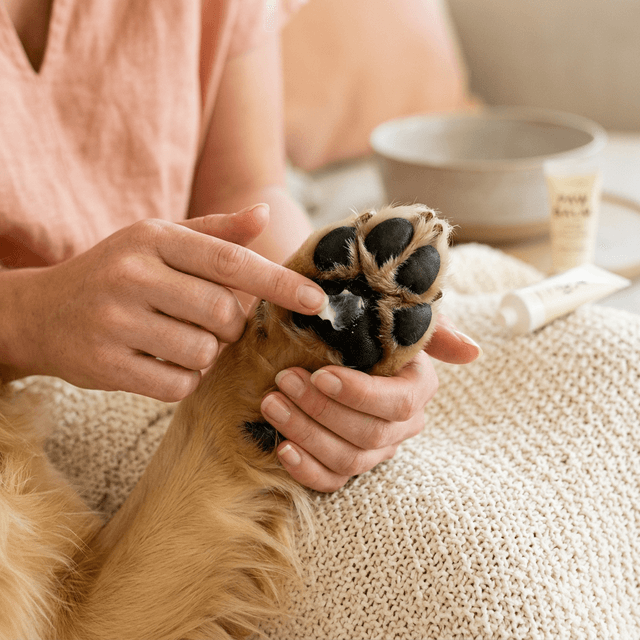
- •A pea-sized amount can cover multiple pads for small/medium dogs.
- •For large breeds (e.g., Bernese Mountain Dogs), you may need more—start small.
5) Apply a thin, even layer
- •Focus on pads and edges where cracks start.
- •Avoid packing balm up between toes unless the product specifically recommends it and your dog tolerates it.
6) Let it absorb
- •Keep your dog still for 5–10 minutes.
- •Use a lick mat, short training session (“place” or “settle”), or a chew.
7) Prevent immediate licking if needed
- •Some dogs need a cone briefly.
- •If you use socks/booties indoors, make sure paws are dry and you’re not trapping moisture for long periods.
Pro tip: If your dog keeps licking balm off, you’re either using too much, applying at the wrong time (right before a walk), or your dog’s paws are itchy from allergies/infection—not simple dryness.
How often should you apply it?
It depends on severity and season:
- •Maintenance: 2–4 times per week
- •Winter salt season / very dry climate: once daily (often best at bedtime)
- •Mild cracking: once daily for 7–10 days, then taper to maintenance
- •After long hikes: apply that evening and the next day, then reassess
If you see no improvement after 10–14 days, or if licking/redness increases, pivot: consider allergies, infection, or a different protective strategy (like booties and a rinse routine).
[IMAGE_PLACEHOLDER_2]
Real-World Scenarios (With Breed Examples) and What to Do
Scenario 1: “My Husky’s paws look fine, but winter salt makes her lick constantly”
What’s happening: Salt and de-icers can sting and dry. Huskies may seem tough, but chemical irritation still affects them.
What to do:
- •Before the walk: apply a very thin balm layer as a barrier (optional).
- •After the walk: rinse paws thoroughly, dry well, then apply balm at home.
- •If licking persists: check between toes for redness; consider a vet visit for possible irritation or yeast.
Common mistake: Skipping the rinse and relying on balm alone.
Scenario 2: “My Frenchie slips on hardwood and his pads feel dry”
What’s happening: Dry pads + smooth flooring = reduced traction. Also, short-nosed breeds often have skin sensitivities.
What to do:
- •Apply balm lightly at bedtime for a week; keep layers thin.
- •Trim paw hair and keep nails short (long nails change gait and worsen slipping).
- •Add runners or traction mats where your dog launches/jumps.
Common mistake: Overapplying balm—too greasy can increase slipping.
Scenario 3: “My Border Collie runs hard and gets little pad cracks after long days”
What’s happening: Repetitive friction + sudden workload increases.
What to do:
- •Build mileage gradually (pad conditioning is real).
- •Use balm after activity to support recovery.
- •For rough terrain days: consider booties as the primary protection; balm is supportive.
Common mistake: Using balm right before high-speed activity and assuming it prevents abrasion.
Scenario 4: “My senior German Shepherd’s paws are rough, and he’s licking one foot”
What’s happening: Could be dryness, but one-foot licking often signals pain (thorn, splinter, nail issue) or localized infection.
What to do:
- •Inspect carefully (including nails and between toes).
- •If you find nothing and licking persists >24–48 hours, schedule a vet check.
- •If it’s just generalized dryness: bedtime balm + traction management can help mobility.
Common mistake: Treating persistent licking as “just dry skin.”
Product Recommendations and Comparisons (What to Choose for Your Dog)
You asked for recommendations and comparisons, so here’s a practical way to choose without getting lost in marketing.
Quick comparison: balm vs wax vs booties
- •Paw balm (conditioning focus): best for dryness, mild cracking, routine maintenance; moderate barrier
- •Paw wax (barrier focus): stronger protective layer against salt/ice and rough ground; less “moisturizing” feel
- •Booties (physical protection): best for hot pavement, sharp terrain, long hikes, chemical slush; requires training and fit
Recommended picks (reputable, widely used options)
1) Musher’s Secret (paw wax-style balm)
- •Best for: winter protection, salt, snow, rough terrain
- •Why it works: forms a durable barrier; popular among working dogs
- •Watch-outs: can feel slick if overapplied indoors
2) Natural Dog Company Paw Soother (balm-style conditioner)
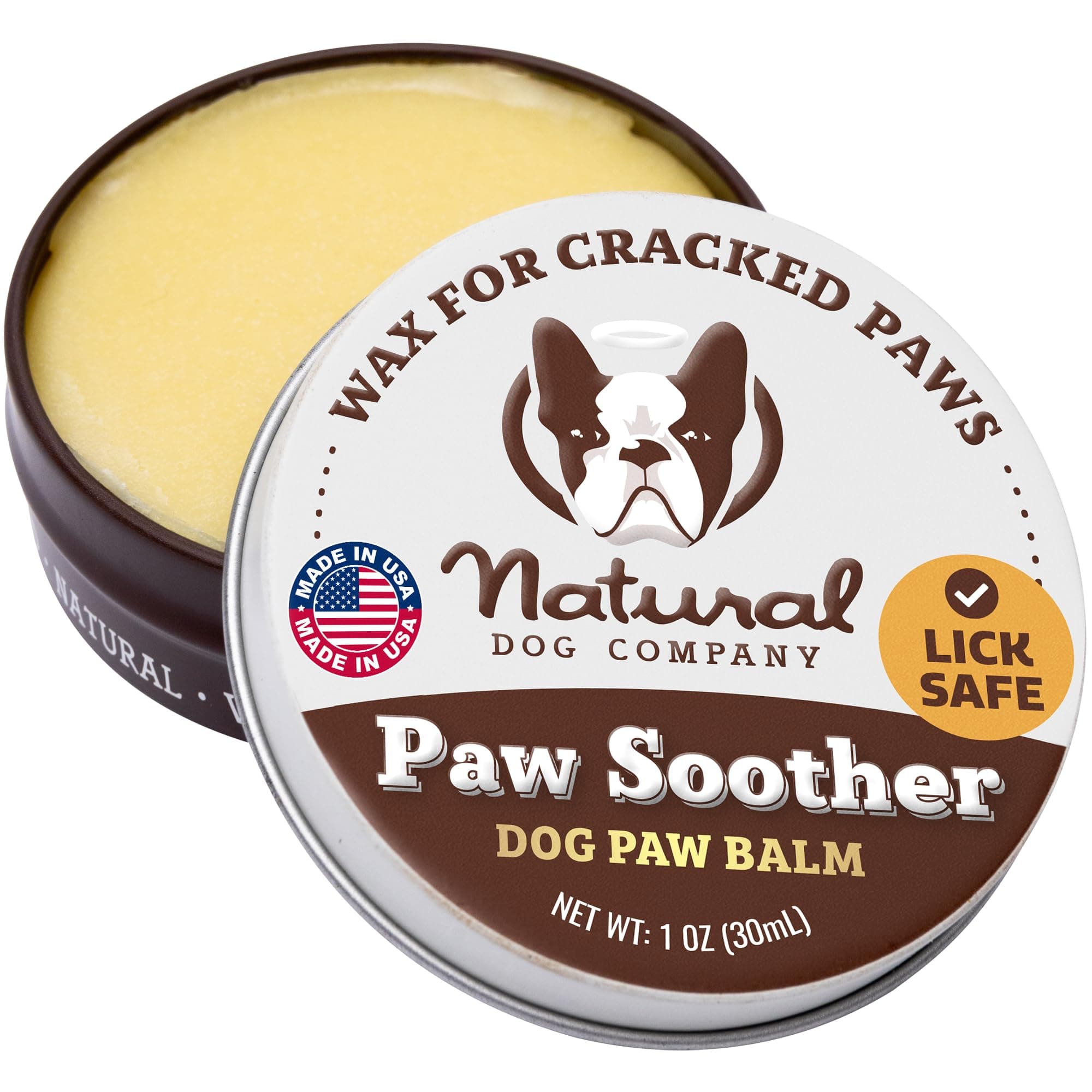
Natural Dog Company Paw Soother Balm & Wax - Dog Paw Balm & Moisturizer for Dry, Cracked Paw Pads, Helps Moisturize & Condition Winter-Worn Paws, Coconut Oil & Calendula, Daily Paw Care, 1 oz Tin
Natural
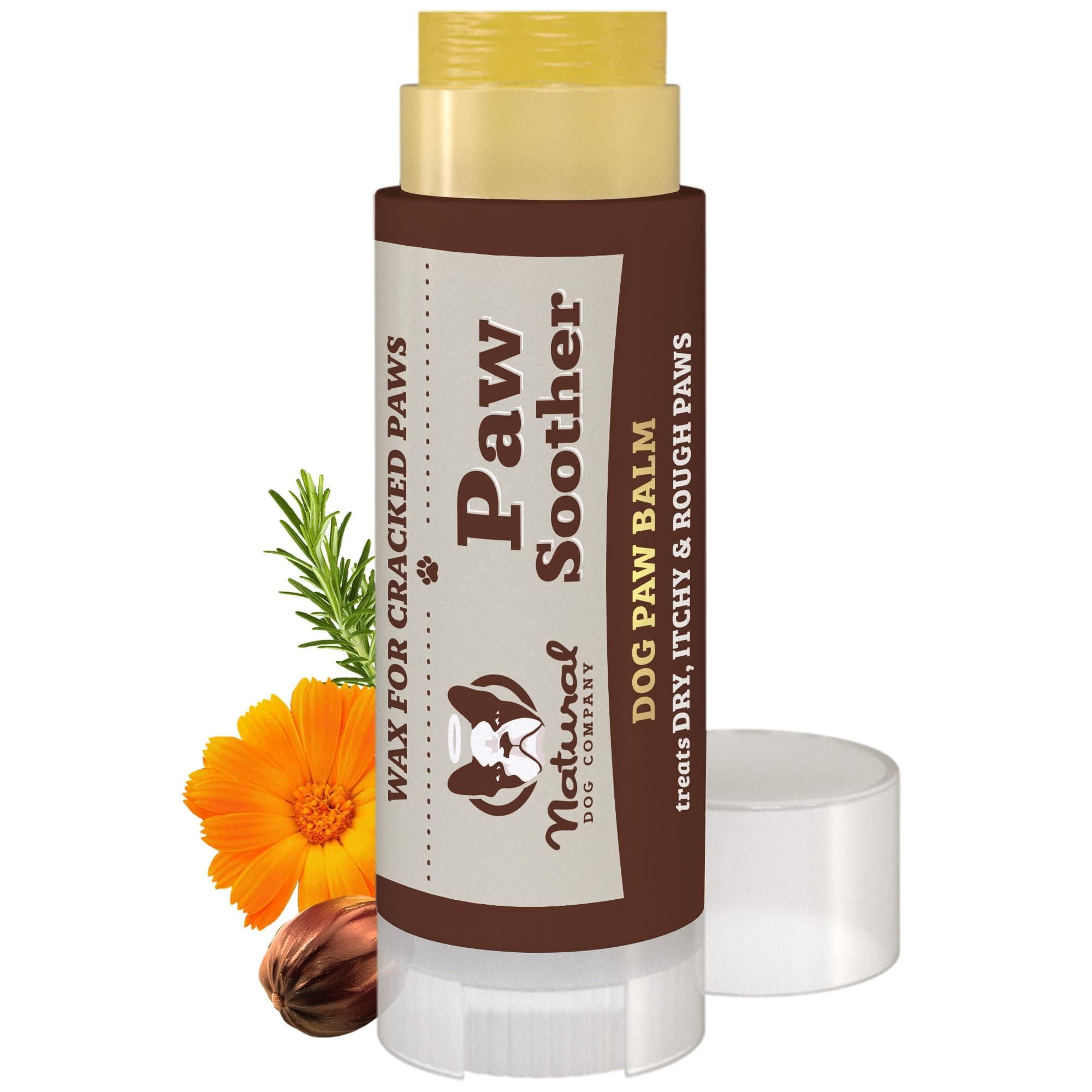
Natural Dog Company Paw Soother Balm & Wax - Dog Paw Balm & Moisturizer for Dry, Cracked Paw Pads, Helps Moisturize & Condition Winter-Worn Paws, Coconut Oil & Calendula, Daily Paw Care, 0.15 oz Stick
Natural
- •Best for: dry, rough pads; mild superficial cracking
- •Why it works: richer conditioning feel; good for bedtime application
- •Watch-outs: richer balms can encourage licking in food-motivated dogs
3) Burt’s Bees for Dogs Paw & Nose Lotion
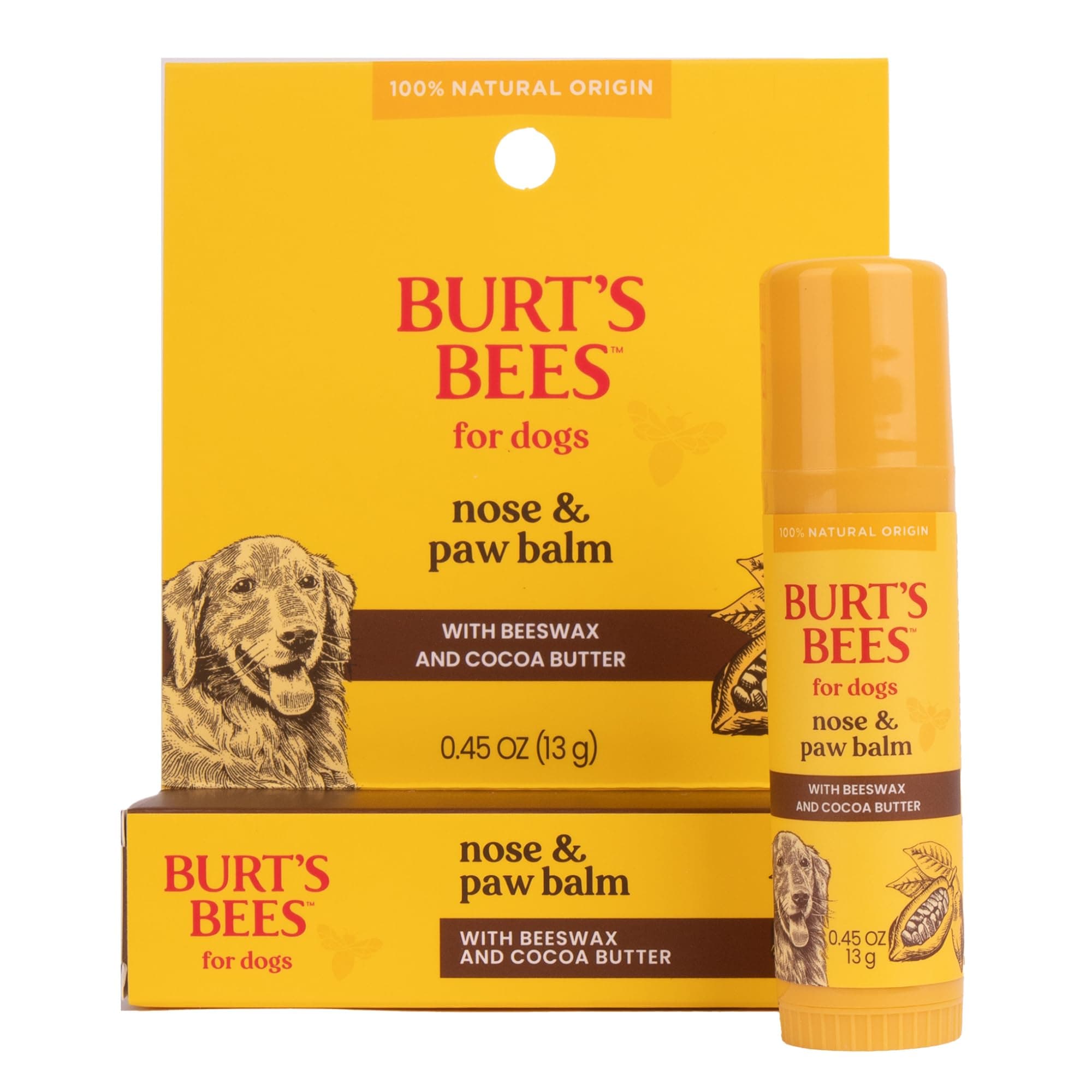
Burt's Bees for Pets Nose and Paw Balm with Beeswax and Cocoa Butter,100% Natural Origin Formulas, Dog Paw Pad Balm, Paw Moisturizer for Dogs, Dog Nose Balm
BURT'S BEES FOR PETS
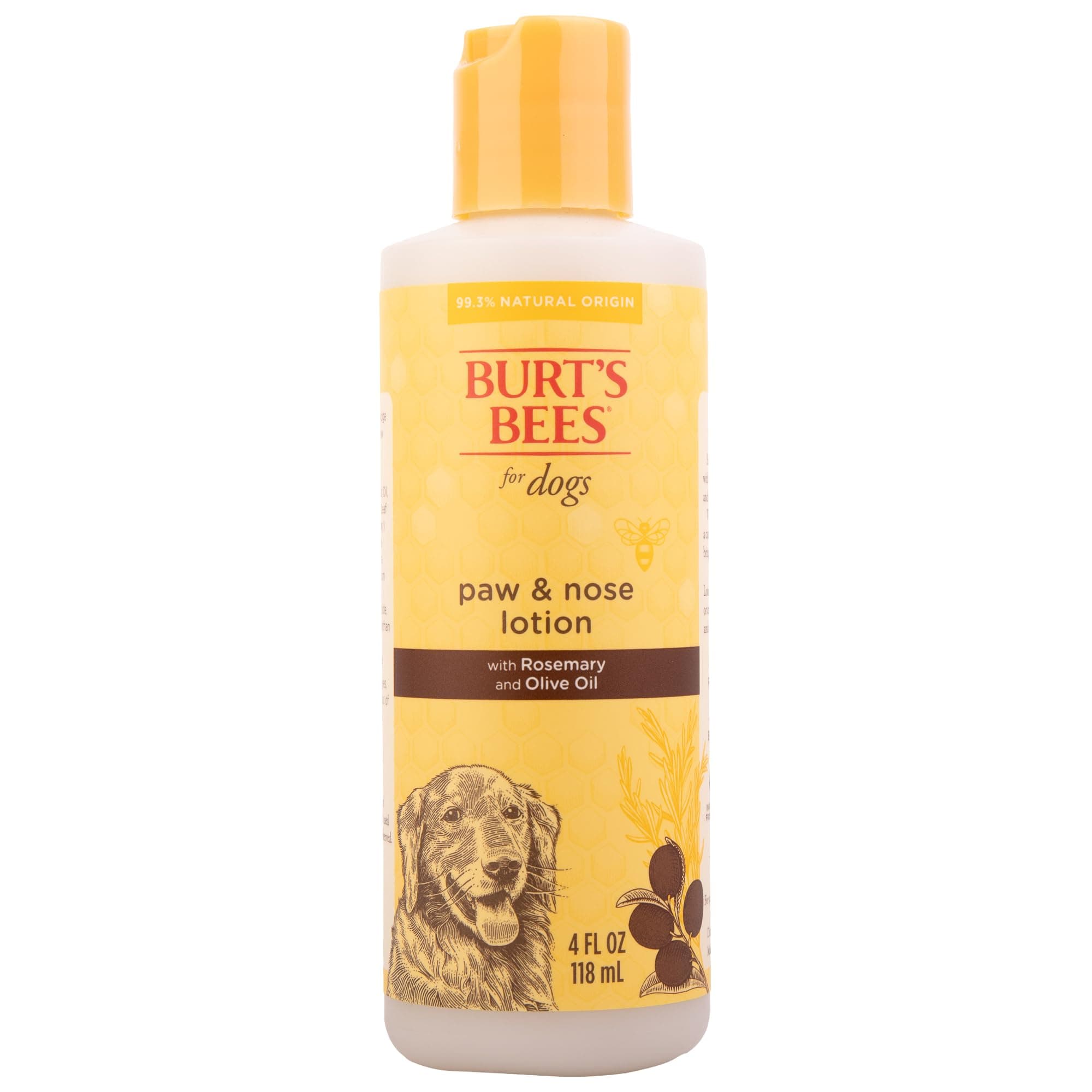
Burt's Bees for Pets Dog Lotion for Paw and Nose with Rosemary and Olive Oil - Soothing Dog Paw Balm Moisturizer for Cracked Pads & Dry Skin, Snout Soother for Dogs, Nose Butter for Dogs, 4 Fl Oz
BURT'S BEES FOR PETS
- •Best for: light conditioning and dogs who dislike heavy waxes
- •Why it works: more lotion-like; easy application
- •Watch-outs: lotions generally provide less barrier than wax-based products
4) DIY option (only if you need simple and lick-safe) A minimal DIY balm can be made with beeswax + shea butter + a pet-safe oil (like coconut or olive oil). But: DIY can melt, separate, or be too soft/hard if ratios are off, and it’s harder to ensure consistency and safety than buying a tested product.
How to choose based on your dog:
- •Heavy winter walker (e.g., Husky, Lab): Musher’s Secret-style barrier
- •Indoor dry pads + mild cracking (e.g., Greyhound, senior small breeds): a conditioning balm like Paw Soother
- •Sensitive skin, light use: a simpler, lightly scented (or unscented) option
If your dog has a history of skin reactions, pick the balm with the shortest ingredient list and patch-test first.
Common Mistakes to Avoid (These Cause Most “Paw Balm Didn’t Work” Stories)
- •Using balm on a dirty paw: you can trap salt, grit, or allergens against skin.
- •Applying too much: more is not better; it becomes slippery and gets licked off.
- •Skipping the “dry time”: no absorption time = no benefit.
- •Ignoring the between-toe area: moisture and redness there often indicate yeast or irritation that balm won’t fix.
- •Using human foot products: many contain ingredients that aren’t dog-safe (strong fragrances, acids, menthol).
- •Assuming paw licking is dryness: persistent licking is often allergy, pain, or infection.
- •Using balm instead of booties for extreme conditions: balm can help, but it can’t beat physics on hot asphalt or sharp ice.
Expert Tips: Make Paw Balm Work Better (and Keep Paws Healthier Long-Term)
Pro tip: The best paw-care routine is “rinse, dry, balm” in winter and “check, cool, balm” after summer walks—simple beats complicated.
Patch-test for sensitive dogs
- •Apply a tiny amount to one pad.
- •Watch for increased redness or licking over 24 hours.
- •If irritation worsens, stop and switch to a simpler formula.
Pair balm with a paw-care routine (this is where results happen)
- •Nail trims: long nails change weight distribution, increasing pad stress and cracks.
- •Paw hair trims (especially between pads): reduces ice balls in winter and improves traction indoors.
- •Gradual conditioning: increase walk/hike distance by about 10–20% weekly to toughen pads safely.
Use booties strategically (even if you hate them)
Booties are worth it when:
- •Pavement is hot enough that you can’t hold your hand on it for 7 seconds.
- •Snow is mixed with heavy salt/de-icer.
- •Trails are sharp/abrasive (scree, crusted snow, lava rock).
- •Your dog has existing cracks that you’re trying to heal.
Training tip: put booties on for short indoor sessions with treats, then brief outdoor walks, gradually increasing time.
Know when cracking is “normal” vs concerning
- •Mild surface dryness: balm + routine care usually fixes it.
- •Deep fissures, bleeding, limping, or recurrent cracking: get a vet exam. Some dogs need treatment for infection, allergy, or an underlying skin condition.
[IMAGE_PLACEHOLDER_3]
FAQs: Quick Answers You’ll Actually Use
Can I use paw balm every day?
Yes, if needed—especially in winter or very dry climates. Aim for a thin layer and reassess after 1–2 weeks. Once pads improve, reduce to maintenance (a few times per week).
Should I apply paw balm before or after a walk?
Usually after a walk (clean, dry paws). Before a walk can help as a barrier in winter, but don’t skip the rinse afterward.
My dog licks the balm off—does it still work?
If your dog licks immediately, it likely won’t have time to help. Apply a smaller amount, switch to bedtime application, and distract for 5–10 minutes. If licking is constant even without balm, investigate allergies, pain, or infection.
Is paw balm safe for puppies?
Generally, yes—if it’s lick-safe and simple. Puppies are more likely to lick, so avoid essential oils and strong fragrances, and use tiny amounts.
Can paw balm help with yeast or allergies?
Not really. Balm can soothe dryness, but yeast/allergies require diagnosis and targeted treatment (often medicated wipes, diet changes, or allergy management). Persistent redness, odor, or brown saliva staining is a clue.
A Simple Paw Balm Routine You Can Start Tonight
If you want a no-nonsense plan from this dog paw balm guide, do this:
- Tonight: Inspect paws, rinse if needed, dry thoroughly, apply a thin balm layer, distract for 10 minutes.
- Next 7 days: Apply at bedtime daily if pads are rough or mildly cracked.
- After walks (winter/salt): Rinse + dry every time; balm afterward if paws look dry.
- Upgrade protection when needed: Use booties for hot pavement, heavy salt slush, or sharp terrain.
- Escalate if not improving: If cracks are deep, licking persists, or you see redness/swelling/odor, book a vet visit.
Used correctly, paw balm is one of those small, low-effort tools that can make a big comfort difference—especially for active dogs, winter walkers, and seniors who need every bit of traction and skin support they can get.
Paw Care Cluster
More in this topic
guide
Winter Dog Paw Care: Stop Ice, Salt, and Cracked Pads
guide
Cracked Dog Paw Pads Treatment: Causes, Fixes & Prevention
comparison
Best Paw Cleaners for Daily Use: Which Type Works for Real Routines?
guide
Mud Season Paw Cleaning Routine for Busy Entryways (Apartment to Multi-Pet Homes)
guide
Winter Paw Care for Dogs: Salt, Dry Cracks, and Daily Protection
guide
Hot Pavement Paw Protection Checklist for Summer Walks (Real-World Guide)
Frequently asked questions
When should I use dog paw balm on my dog?
Use paw balm when your dog’s pads look dry, rough, or mildly cracked, and before walks in conditions that can irritate paws (hot pavement, cold weather, snow, or de-icing salt). It’s best for prevention and minor dryness, not for deep wounds or infections.
How do I apply paw balm so it actually works?
Start with clean, dry paws, then warm a small amount between your fingers and massage a thin layer into the pads. Apply before exposure for protection or after walks for conditioning, and distract your dog for a few minutes so it can absorb instead of being licked off.
Is paw balm a substitute for dog booties?
Not always—paw balm helps reduce moisture loss and offers a light protective barrier, but it won’t fully block extreme heat, sharp ice, or abrasive terrain. For harsh conditions, use booties and add balm as a supportive conditioner before or after wear.
