
guide • Paw Care
Hot Pavement Paw Protection Checklist for Summer Walks (Real-World Guide)
Hot pavement can burn pads fast. Use this scenario-led checklist to plan safer routes, pick the right paw products, and adapt when summer walks get messy.
By Lucy Anderson • February 19, 2026 • 7 min read
Table of contents
- Scenario map: apartment, family home, multi-pet
- Scenario A: Apartment routine (elevators, sidewalks, hot curbs)
- Scenario B: Family home routine (driveway, neighborhood loops, kids)
- Scenario C: Multi-pet household (two dogs, dog + cat, or rotating fosters)
- Constraints and risk profile per scenario
- The 3 biggest risk drivers (in plain terms)
- Dog-specific risk multipliers
- Field test: when it’s “too hot” (and what to do)
- Tailored workflow by scenario
- Apartment workflow (fast, unavoidable pavement)
- Before you leave (60–120 seconds)
- During the walk (the “edge management” method)
- After the walk (30–90 seconds)
- Family home workflow (longer walks, shared responsibility)
- Before you leave (make it family-proof)
- During the walk (avoid the “parking lot trap”)
- After the walk (prevent cumulative damage)
- Multi-pet workflow (speed + fairness + hygiene)
- Before you leave (reduce friction between pets)
- During the walk (keep moving, reduce stopping)
- After the walk (assembly line)
- Product picks matched to workload
- 1) Paw balms: best for dryness, mild friction, and repeat exposure
- 2) No-rinse paw cleaners: best for city grime and allergy flare-ups
- 3) Route choices: the “product you don’t have to buy”
- Time-saving tactics under pressure
- The 90-second hot-day protocol
- Put protection where you’ll actually use it
- Use “micro-walks” instead of one long walk
- What breaks in real life and how to adapt
- Break: Your dog refuses booties (or freezes mid-sidewalk)
- Break: The only path home is sun-baked asphalt
- Break: Paw cleaning turns into a wrestling match
- Break: Pads look dry, so you apply more balm—then your dog licks nonstop
- Break: You miss early walk time and the day gets away from you
- Weekly review framework
- Every 7 days, review these four metrics
- What to change based on what you see
- Final execution checklist
- Pre-walk (30–60 seconds)
- During the walk
- Post-walk (1–3 minutes)
- Escalate if you see these signs
# Hot Pavement Paw Protection Checklist for Summer Walks
Summer sidewalks, parking lots, and asphalt trails can turn into pad-burn territory long before you feel “that hot.” If you’ve ever watched your dog suddenly speed-walk, pull toward the grass, or start doing the classic “hot-foot” dance, you’ve already seen the warning signs of hot pavement dog paws risk.
This guide is built for real schedules and real dogs: quick potty breaks, kids in tow, stubborn pullers, anxious rescues, multi-dog households, and the days when the only available route is… a sun-baked sidewalk.
Below is a scenario-led checklist you can actually run, with decision criteria and tradeoffs—so you protect paws without turning every walk into a complicated production.
Scenario map: apartment, family home, multi-pet
Think of your daily walk as a “route + time + dog behavior” problem. Start by matching yourself to the closest scenario.
Scenario A: Apartment routine (elevators, sidewalks, hot curbs)
- •Your dog must cross pavement just to reach a potty spot.
- •You have limited shade options and predictable choke points: lobby exits, crosswalks, parking lot edges.
- •The risk is concentrated into short, unavoidable stretches.
Concrete example: You’re on the 6th floor. The fastest potty run is 3 minutes out and back, but it includes a sunny sidewalk and a crosswalk with dark asphalt.
Scenario B: Family home routine (driveway, neighborhood loops, kids)
- •You have more route flexibility (backyard, quieter streets), but walks can run longer.
- •Kids or multiple family members walk the dog, so consistency matters.
- •Your dog may transition between grass and pavement frequently.
Concrete example: Morning school drop-off means a 20-minute loop that includes a sun-facing sidewalk and a playground parking lot.
Scenario C: Multi-pet household (two dogs, dog + cat, or rotating fosters)
- •Your “unit of time” is not one dog. It’s two or three walks, or one walk with conflicting needs.
- •One dog may tolerate booties; the other acts like you put cinder blocks on their feet.
- •Cross-contamination is real: hot pavement + city grime + pollen = irritated pads.
Concrete example: Dog #1 is a steady senior with dry pads; Dog #2 is a young puller who drags you across asphalt to sniff every curb.
Constraints and risk profile per scenario
Before products, you need a quick risk read. Use these constraints to predict when hot pavement dog paws becomes a “must intervene” day.
The 3 biggest risk drivers (in plain terms)
- Surface type and color: dark asphalt and rubberized surfaces heat up aggressively; light concrete is usually less extreme but can still burn.
- Route bottlenecks: unavoidable pavement stretches (crosswalks, parking lots, building exits) create “no escape” moments.
- Dog behavior: pullers, scent-locked dogs, and anxious dogs stay on hot ground longer because they won’t choose the cooler option.
Dog-specific risk multipliers
- •Puppies: pads may be less conditioned; they also zigzag unpredictably.
- •Seniors: slower pace = longer exposure; arthritis may reduce willingness to lift paws quickly.
- •Dogs with dry/cracked pads: micro-cracks are where heat and grit irritate fastest.
- •Brachycephalic breeds: heat stress is the bigger emergency; shortened walks are non-negotiable.
Field test: when it’s “too hot” (and what to do)
- •If you can’t keep the back of your hand on the pavement for about 7 seconds comfortably, treat it as a high-risk surface.
- •If your dog starts “tip-toeing,” pulling to shade, or stopping abruptly, assume the surface is already painful.
Decision tradeoff: If it’s borderline, shorten exposure rather than betting on toughness. “My dog usually handles it” is how minor irritation becomes a week of sore pads.
Tailored workflow by scenario
This is the repeatable workflow: what to do before you step out, during the walk, and right after—customized to your scenario.
Apartment workflow (fast, unavoidable pavement)
Before you leave (60–120 seconds)
- •Choose the coolest micro-route: shade lines along buildings, tree strips, grass medians, even the shadow of parked cars.
- •Set a “pavement budget”: decide in advance which segments are okay (e.g., 30 seconds total asphalt).
- •If pads are dry or you’ve had recent irritation, apply a thin protective layer of paw balm.
Practical pick: A wax-based balm is often a good fit for short, frequent trips because it’s fast to apply. Consider Lick-Safe Dog Paw & Nose Balm | 2.1 oz All Natural Wax with Coconut Oil & Shea Butter | Winter Snow, Road Salt & Hot Pavement Protector | Moisturizer for Dry, Rough Pads & Snouts if you want a lick-safe option that can help reduce friction and dryness.
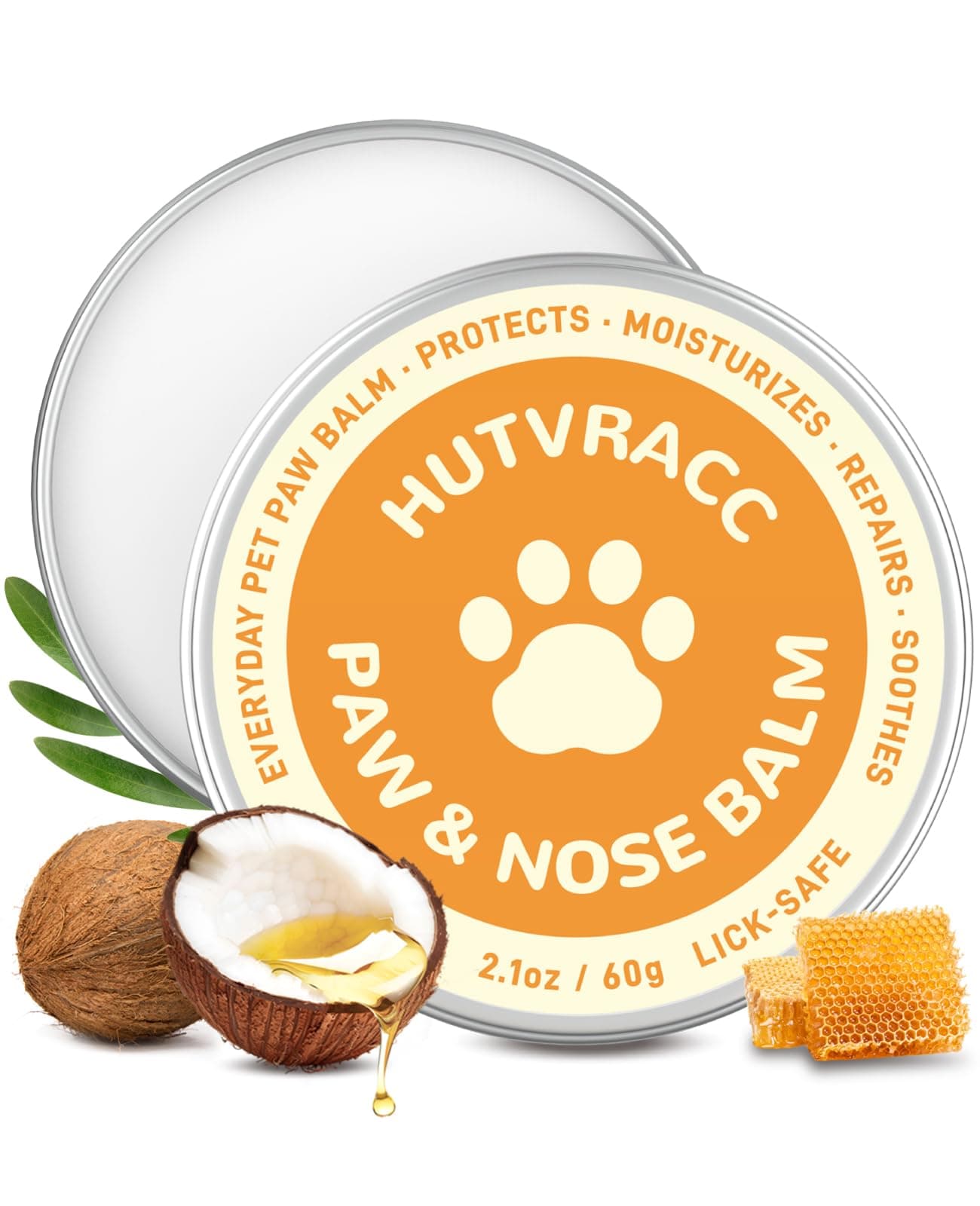
Lick-Safe Dog Paw & Nose Balm | 2.1 oz All Natural Wax with Coconut Oil & Shea Butter | Winter Snow, Road Salt & Hot Pavement Protector | Moisturizer for Dry, Rough Pads & Snouts
Brand: HUTVRACC
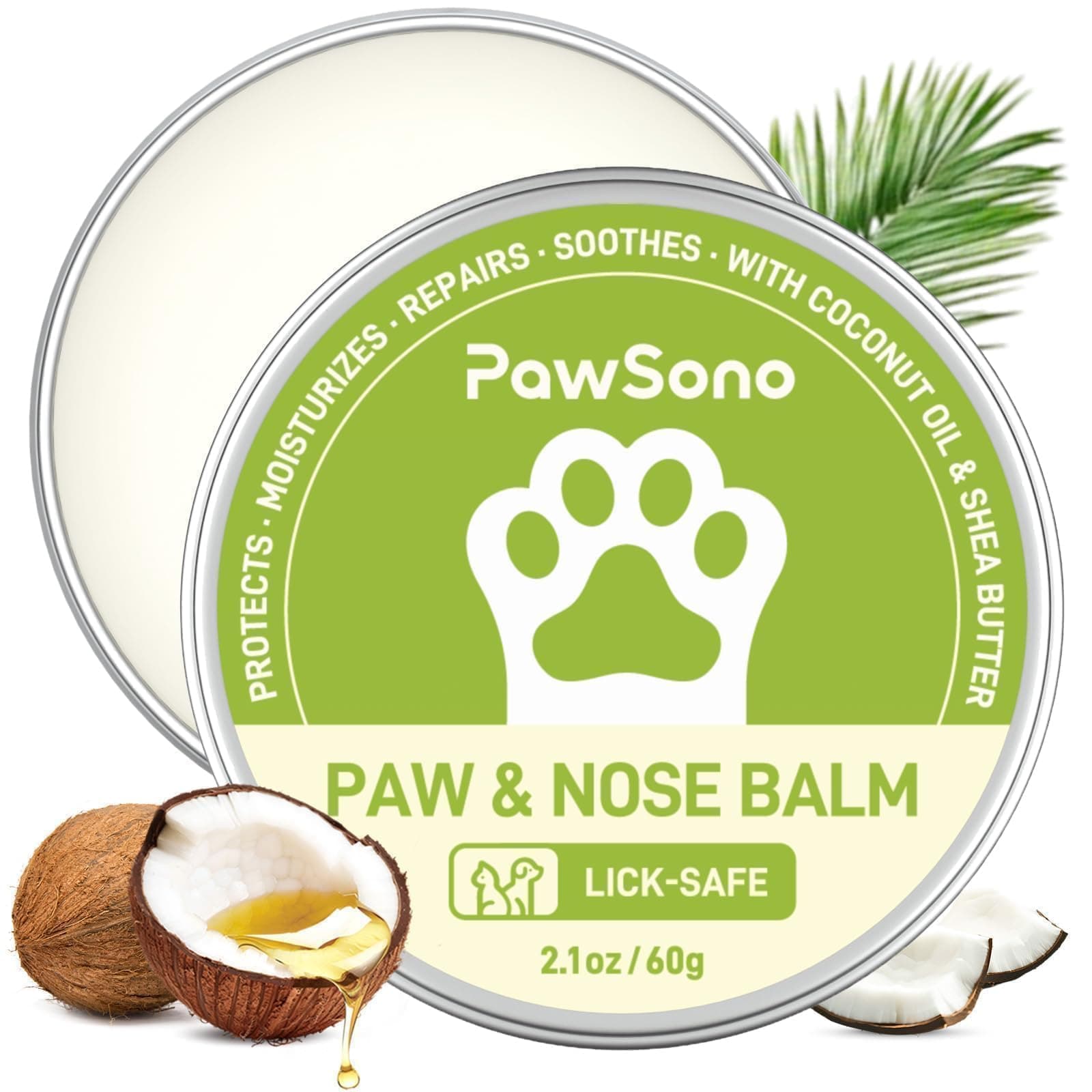
Lick-Safe Dog Paw & Nose Balm with Coconut Oil | Winter Road Salt & Cold Pavement Protector | All-Natural Moisturizer & Soother for Dry, Cracked Pads & Snout, Nose Butter for Bulldogs (60 g /2.1 oz)
Lick-Safe
During the walk (the “edge management” method)
- •Walk the edges: keep your dog on grass borders and shaded seams.
- •Use “curb hops”: pause on shaded patches for a 5–10 second reset.
- •If your dog insists on the hot middle lane, switch to “food magnet walking” for 20–30 feet to keep them close to the cooler edge.
After the walk (30–90 seconds)
- •Quick paw check: look for redness between pads, warm tenderness, or a new limp.
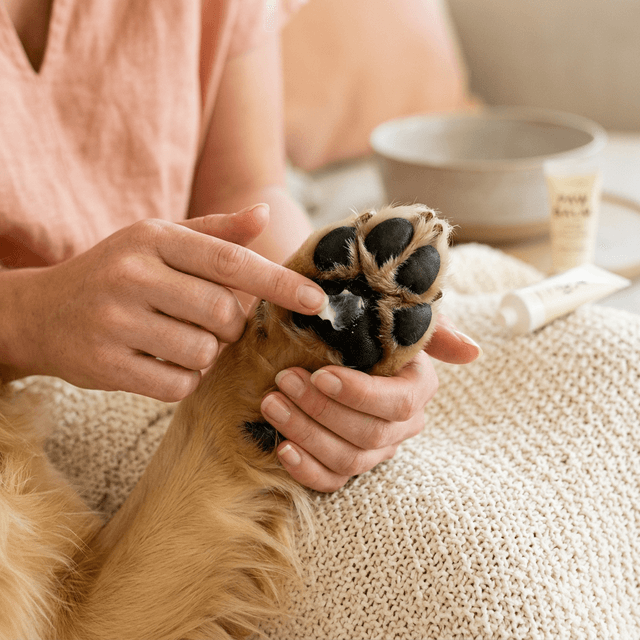
- •If city grime is heavy, clean with a no-rinse foaming cleaner rather than scrubbing at the sink.
Helpful tools: Paw Cleaner for Dogs & Cats | Gentle Dog Paw Washer | No Rinse Foaming | Unscented | Pet Foot Cleaner with Built-in Silicone Brush for Muddy Paws | Puppy & Kitten Paw Wash | 5 fl oz is a good “keep by the door” option for quick turnarounds.
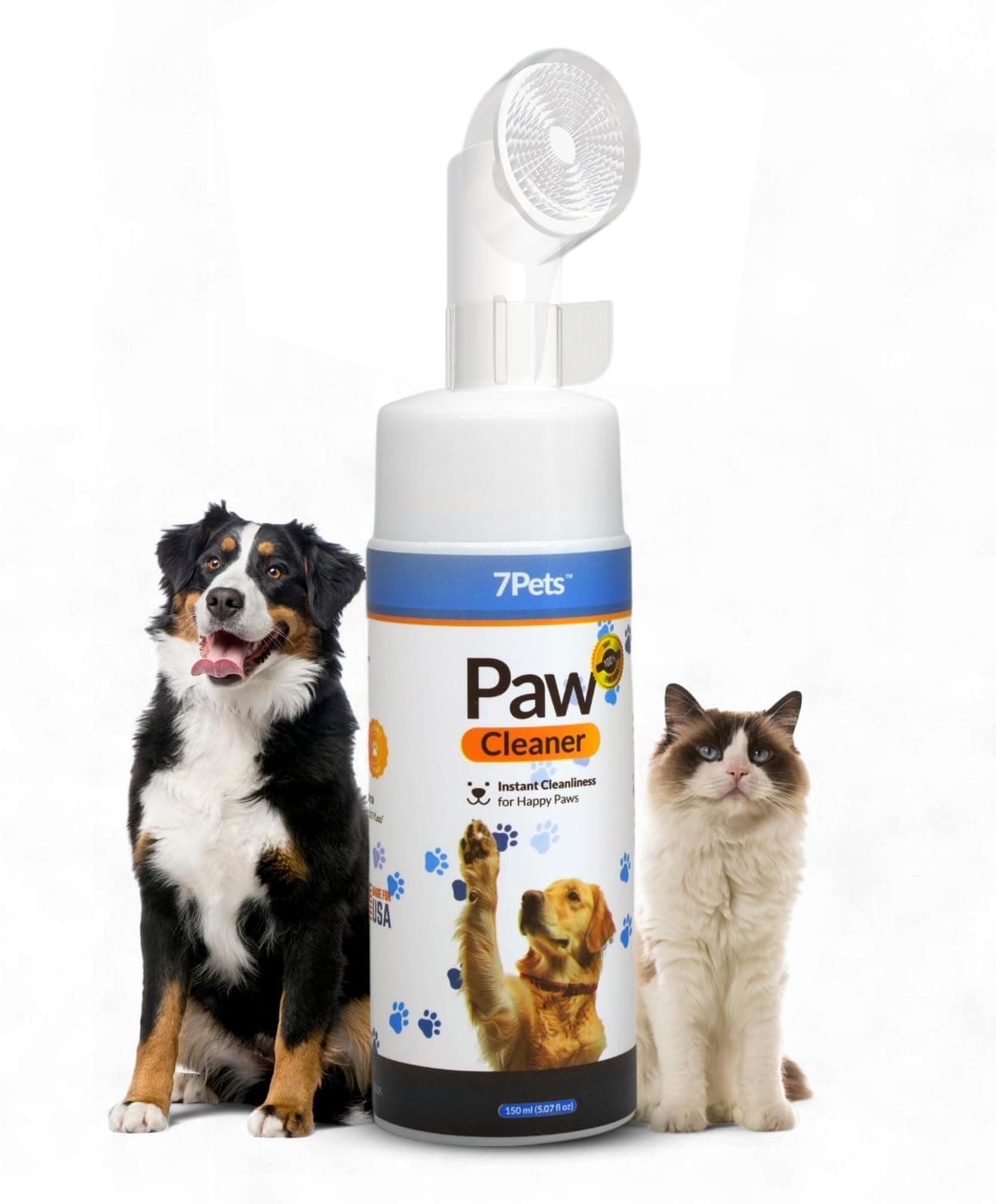
Paw Cleaner for Dogs & Cats | Gentle Dog Paw Washer | No Rinse Foaming | Unscented | Pet Foot Cleaner with Built-in Silicone Brush for Muddy Paws | Puppy & Kitten Paw Wash | 5 fl oz
Brand: 7PETS
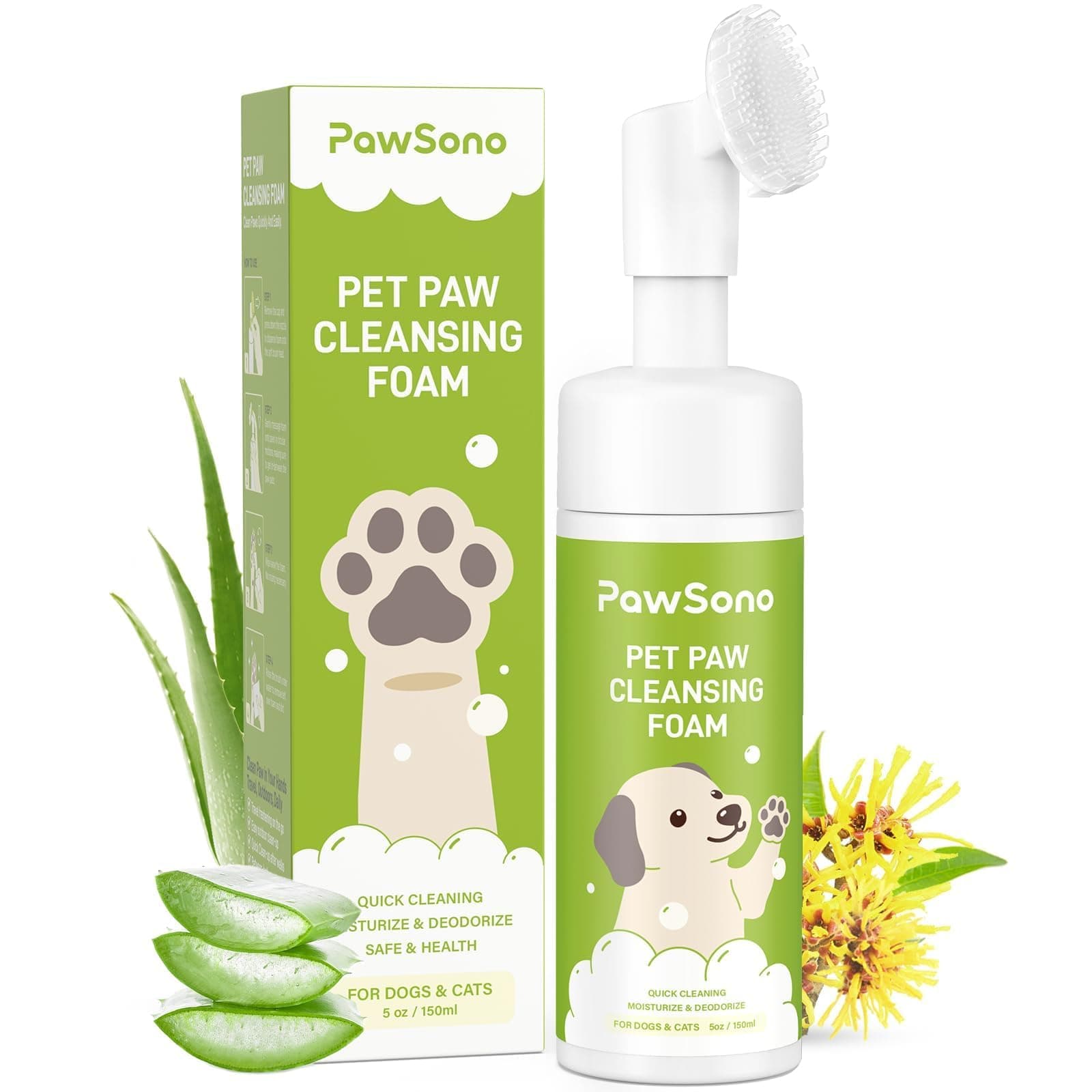
Paw Cleaner for Dogs & Cats, No-Rinse Foaming Pet Foot Washer with Built-in Scrubber Brush for Dirty, Muddy Paws – Suitable for Small, Medium & Large Dogs, Puppies, Kittens (5 fl oz)
PawSono
Family home workflow (longer walks, shared responsibility)
Before you leave (make it family-proof)
- •Create two default routes: “Cool Route” (shade-heavy, grass-forward) and “Hot Day Route” (short, mostly yard/park).
- •Put a paw kit by the leash: wipes or foaming cleaner + balm + a small towel.
Decision criteria: If kids are walking the dog, favor simpler steps (short route + paw rinse) over complicated gear that won’t get used consistently.
During the walk (avoid the “parking lot trap”)
- •Skip dark parking lots and blacktop playground loops at peak sun.
- •Use the “shade leapfrog”: move from shade patch to shade patch like stepping stones.
- •If your dog needs exercise, shift intensity to grass games (sniffing, training, slow fetch) instead of distance on pavement.
After the walk (prevent cumulative damage)
- •Clean paws if you walked near asphalt oils, lawn chemicals, or salty sidewalks (some regions still have residues).
- •Rehydrate pads if you’re seeing dryness or fine cracking.
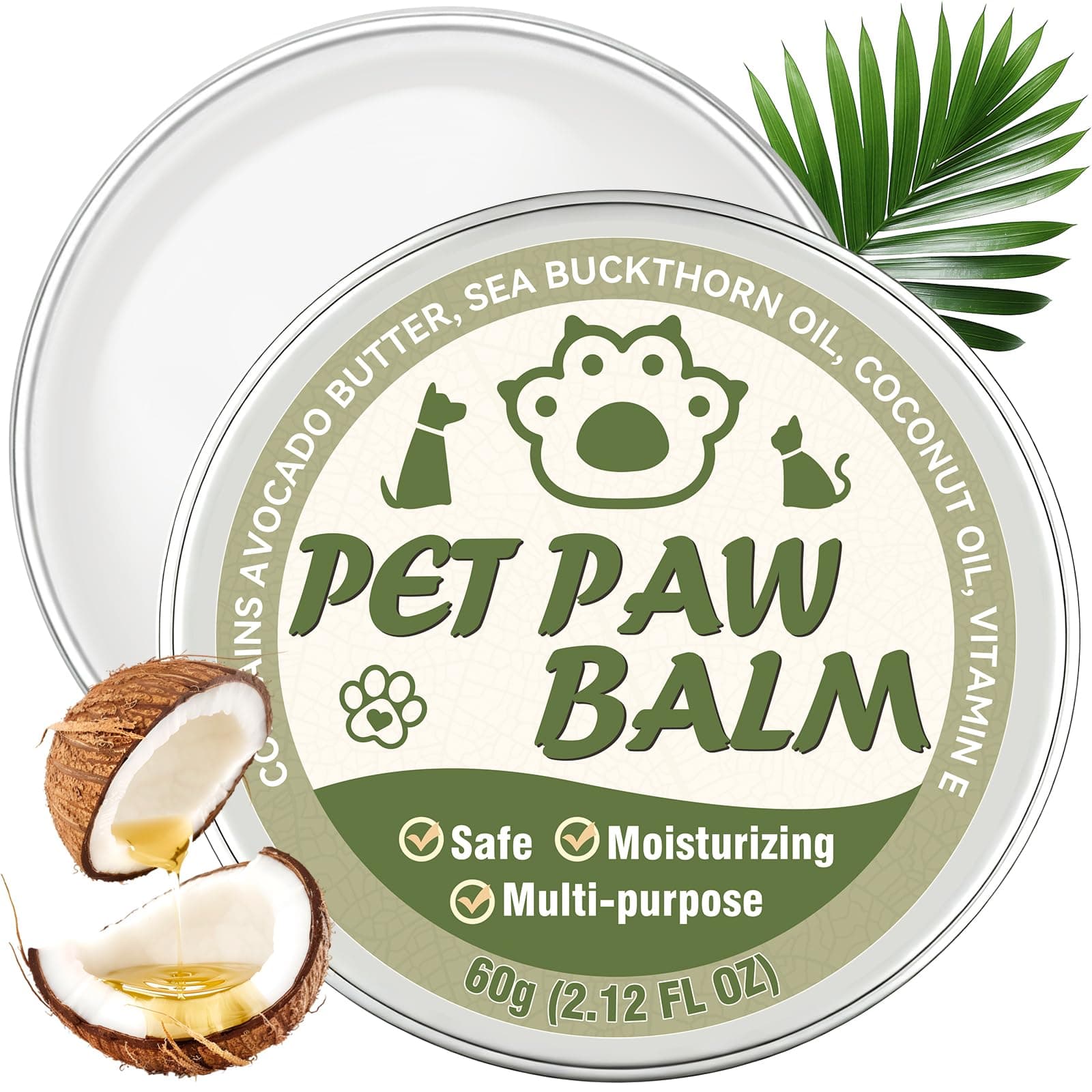
If you want a straightforward moisturizer, Dog Paw Balm, Paw Moisturizer for Dogs and Cats, Contains Coconut Oil, Nourishing and Moisturizing, Suitable for Dry, Cracked Paws and Noses, 60g can be a simple “nightly routine” product when pads look rough.
Multi-pet workflow (speed + fairness + hygiene)
Before you leave (reduce friction between pets)
- •Separate needs: give the pavement-sensitive dog the earlier/cooler slot; the tougher dog can handle the later short trip if necessary.
- •Decide if you’re doing one combined walk or two mini-walks. Combined walks save time but increase chaos and time spent standing on hot ground.
Tradeoff: If one dog is reactive or a puller, combined walks often increase paw exposure because you stop more.
During the walk (keep moving, reduce stopping)
- •Use “sniff stations” only on grass. If you need to pause, step onto shade or grass first.
- •For pullers: shorten leash and walk a zigzag pattern that keeps them on cooler edges.
After the walk (assembly line)
- •Line up a towel and foaming paw cleaner; clean one dog at a time.
- •If one dog has allergies or sensitive skin, choose unscented; if you need stronger odor control for one dog, use a separate product and wash hands between.
Option A (unscented, simple): Paw Cleaner for Dogs & Cats | Gentle Dog Paw Washer | No Rinse Foaming | Unscented | Pet Foot Cleaner with Built-in Silicone Brush for Muddy Paws | Puppy & Kitten Paw Wash | 5 fl oz
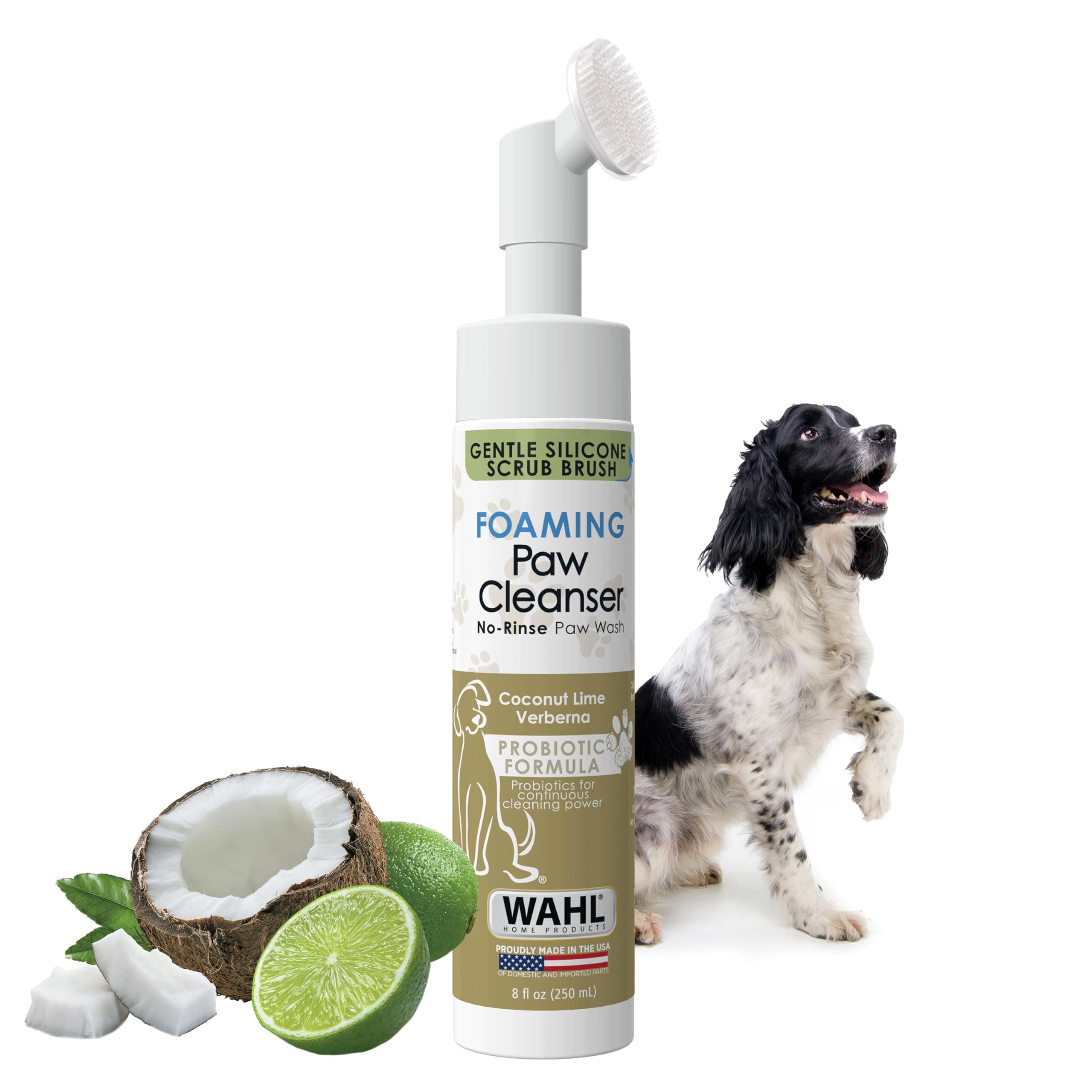
Option B (scented, scrubber style): Wahl USA Gentle Foaming Dog Paw Cleaner, No-Rinse Probiotic Formula with Soft Silicone Paw Scrubber Brush, Coconut Lime Verbena Scent, 8 fl oz – Model 3028477
Product picks matched to workload
Paw protection is not one product. It’s a system: reduce exposure + protect skin barrier + clean off irritants.
1) Paw balms: best for dryness, mild friction, and repeat exposure
Best for:
- •Dogs who hate booties
- •Short pavement crossings (apartment life)
- •Dry or rough pads that get irritated faster
Tradeoffs:
- •Balm is not armor. It helps with moisture and barrier support, but it won’t make scorching asphalt safe.
- •Some dogs lick balms off; lick-safe formulas matter.
Two natural fits:
- •Lick-Safe Dog Paw & Nose Balm | 2.1 oz All Natural Wax with Coconut Oil & Shea Butter | Winter Snow, Road Salt & Hot Pavement Protector | Moisturizer for Dry, Rough Pads & Snouts for a waxy barrier-style balm.
- •Dog Paw Balm, Paw Moisturizer for Dogs and Cats, Contains Coconut Oil, Nourishing and Moisturizing, Suitable for Dry, Cracked Paws and Noses, 60g for basic moisturizing support.
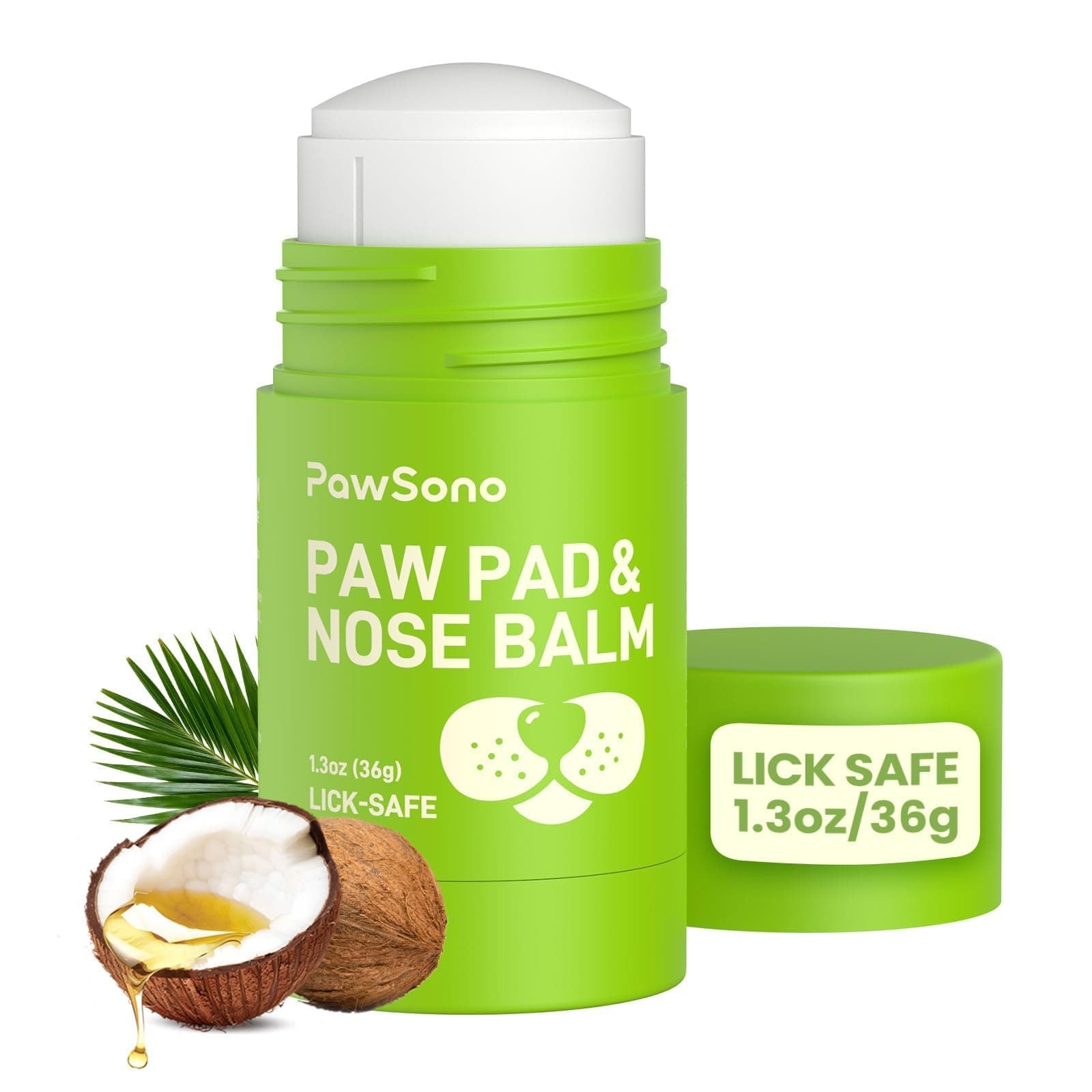
Lick-Safe Dog Paw & Nose Balm with Coconut Oil | Winter Snow, Road Salt & Cold Pavement Protector | All-Natural Moisturizer & Soother for Dry, Cracked Pads & Snout | Horse Hoof, Joint Care
Lick-Safe
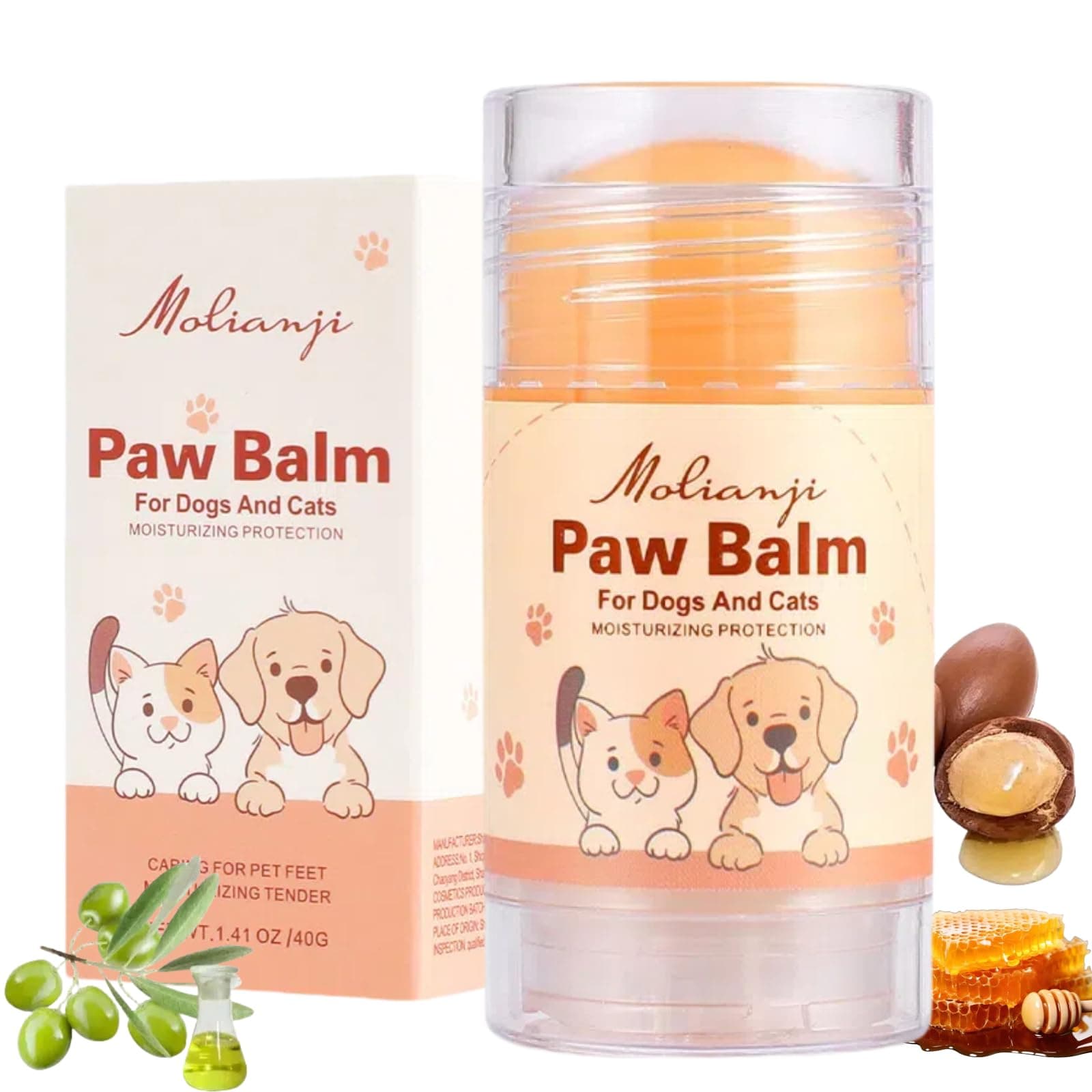
Dog Paw&Nose Balm Lick Safe1.4oz(40g),All-Natural Ingredients Pets Paw Wax,Healing Moisturizer with Coconut Oil&Honey,for Dry Cracked Dog & Cat Paws,Nose & Elbows, Horse Hoof, Joint Care
Brand: Steigullage
How to apply without a wrestling match:
- •Use “two-swipe rule”: one swipe per front paw, then back paws if tolerated.
- •Do it while your dog is already still—after meals, during leash clipping, or while they’re looking out the window.
2) No-rinse paw cleaners: best for city grime and allergy flare-ups
Best for:
- •Dogs walking through oily pavement, trashy curbs, construction dust
- •Multi-pet homes (faster cleanup)
- •Dogs prone to licking paws after walks
Tradeoffs:
- •Over-cleaning can dry pads. Balance cleaning with moisturizing if you notice roughness.
Product matches:
- •If you want unscented and simple, try Paw Cleaner for Dogs & Cats | Gentle Dog Paw Washer | No Rinse Foaming | Unscented | Pet Foot Cleaner with Built-in Silicone Brush for Muddy Paws | Puppy & Kitten Paw Wash | 5 fl oz.
- •If you prefer a scented foaming cleaner with a scrubber feel, consider Wahl USA Gentle Foaming Dog Paw Cleaner, No-Rinse Probiotic Formula with Soft Silicone Paw Scrubber Brush, Coconut Lime Verbena Scent, 8 fl oz – Model 3028477.
3) Route choices: the “product you don’t have to buy”
Not glamorous, but the highest ROI.
- •Choose grass-heavy blocks even if it adds 2 minutes.
- •Walk earlier or later.
- •Replace a noon walk with indoor enrichment (scatter feeding, short training bursts).
Time-saving tactics under pressure
When you’re late, the goal is “safe enough, fast enough.” Here are tactics that reduce risk without adding a 10-step routine.
The 90-second hot-day protocol
- Step outside and immediately aim for shade/grass.
- Keep the walk short and purposeful: potty + 2 minutes of sniffing on grass.
- Back inside, foam-clean paws if the route was gritty.
Put protection where you’ll actually use it
- •Keep balm and paw cleaner next to the leash, not in the bathroom cabinet.
- •Store a small towel by the door to prevent frantic wiping with your shirt.
Use “micro-walks” instead of one long walk
If it’s hot enough that pavement is questionable, do:
- •3–5 minute potty walk
- •5 minutes indoors (water + cool floor)
- •optional second 3–5 minute sniff walk on grass later
This reduces continuous exposure and lowers overall heat load.
What breaks in real life and how to adapt
Even good plans fail. Here’s what typically breaks—and the fix that keeps you consistent.
Break: Your dog refuses booties (or freezes mid-sidewalk)
Adaptation:
- •Stop fighting that battle during peak heat. Use route + timing + balm + shorter walks.
- •Practice booties indoors for 30 seconds at a time on cool days with treats, not during an urgent potty run.
Break: The only path home is sun-baked asphalt
Adaptation:
- •Move to the very edge (often slightly cooler).
- •Cross to shade even if it means an extra crossing.
- •If your dog is hot-footing, carry small dogs; for larger dogs, pause on shade/grass and reroute.
Break: Paw cleaning turns into a wrestling match
Adaptation:
- •Switch to a no-rinse foam and do one paw per minute throughout the evening.
- •Pair with a lick mat or a frozen treat so “paw care time” predicts something good.
Break: Pads look dry, so you apply more balm—then your dog licks nonstop
Adaptation:
- •Use a thinner layer and distract for 2–3 minutes (training cues, dinner, sniff game).
- •Apply right before a calm activity rather than right before bed if licking ramps up at night.
Break: You miss early walk time and the day gets away from you
Adaptation:
- •Swap distance for enrichment. Ten minutes of nose work indoors can take the edge off better than a stressful hot walk.
- •Schedule a late-evening decompression walk when surfaces cool.
Weekly review framework
Paw protection improves when you treat it like a weekly check-in, not a daily guilt spiral.
Every 7 days, review these four metrics
- Exposure: How many walks included long pavement stretches?
- Behavior: Did your dog avoid pavement, limp, or lick paws more than usual?
- Pad condition: Any roughness, cracks, redness between toes?
- Compliance: Did you actually use the tools you bought?
What to change based on what you see
- •If exposure is high: redesign routes or shift walk times.
- •If licking increases after city walks: clean paws more consistently (foam cleaner by the door).
- •If pads are dry/rough: add balm 3–4 nights/week rather than “random big applications.”
- •If you’re not using products: simplify. One balm + one cleaner beats five half-used items.
Final execution checklist
Run this checklist before and after summer walks to reduce hot pavement dog paws risk without overthinking.
Pre-walk (30–60 seconds)
- •Choose a shade-first route; avoid dark asphalt stretches when possible.
- •Set a pavement budget (how much unavoidable pavement you will tolerate).
- •If pads are dry or you expect friction, apply a thin layer of paw balm.
During the walk
- •Keep your dog on grass borders and shaded seams.
- •Use shade pauses if you need to stop for traffic or distractions.
- •Watch for early signs: quick stepping, pulling to grass, sudden stopping.
Post-walk (1–3 minutes)
- •Check paws: redness, tenderness, new limping, excessive licking.
- •Clean off grime/allergens with a no-rinse foaming paw cleaner when needed.
- •Moisturize at night if pads look rough or feel dry.
Escalate if you see these signs
- •Persistent limping, blisters, peeling pads, or a dog that won’t put weight on a paw.
- •Significant redness between toes that worsens over hours.
When in doubt, skip pavement, shorten the next few walks, and contact your vet—pad injuries can worsen quickly when a dog keeps walking on them.
Paw Care Cluster
More in this topic
guide
Winter Dog Paw Care: Stop Ice, Salt, and Cracked Pads
guide
Cracked Dog Paw Pads Treatment: Causes, Fixes & Prevention
guide
Dog Paw Balm Guide: When and How to Use It Safely
comparison
Best Paw Cleaners for Daily Use: Which Type Works for Real Routines?
guide
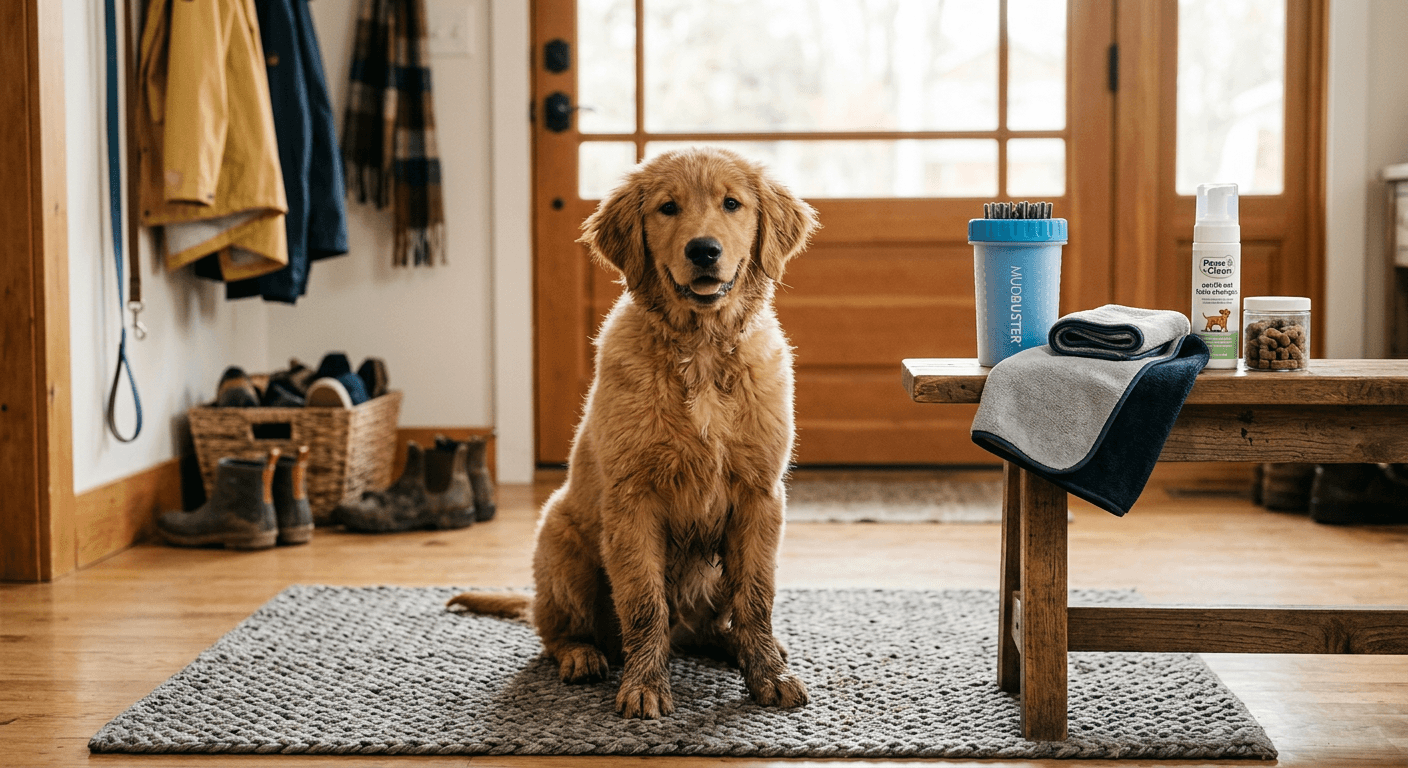
Mud Season Paw Cleaning Routine for Busy Entryways (Apartment to Multi-Pet Homes)
guide
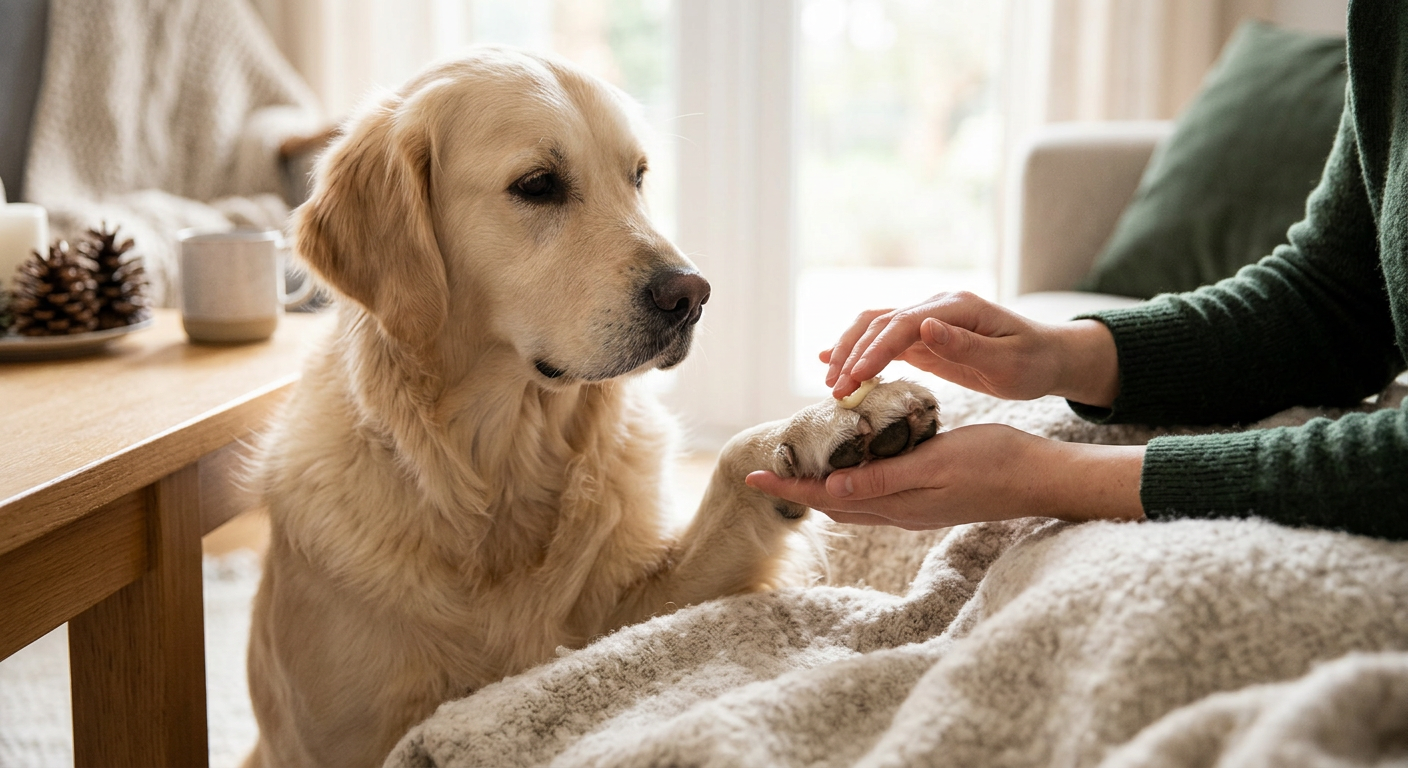
Winter Paw Care for Dogs: Salt, Dry Cracks, and Daily Protection
Frequently asked questions
How do I know if pavement is too hot for my dog’s paws?
Use a simple surface check: place the back of your hand on the pavement. If you can’t keep it there comfortably for about 7 seconds, treat it as high-risk. Also watch your dog—quick stepping, pulling to grass, stopping abruptly, or licking paws after the walk are common signs the ground is too hot.
Do paw balms actually protect against hot pavement?
Paw balms can help support the skin barrier, reduce dryness, and lessen irritation from friction and grit—especially for short, unavoidable pavement crossings. They are not a guarantee against burns on very hot asphalt. The most reliable protection is reducing exposure: walk during cooler hours, choose shade/grass routes, and shorten walks when surfaces are hot.
What should I do right after a hot walk if my dog starts licking their paws?
Bring your dog inside, offer water, and check each paw for redness, tenderness, or debris between toes. If the paws are dirty, rinse or use a no-rinse foaming paw cleaner to remove irritants without harsh scrubbing. If you see blistering, peeling, or persistent limping, stop walks on pavement and contact your veterinarian—pad injuries can worsen quickly.
