
comparison • Paw Care
Best Paw Cleaners for Daily Use: Which Type Works for Real Routines?
Daily paw cleaning only works when the system fits your home. Compare paw cleaner types, build a repeatable routine, and stop mud, salt, and allergens at the door.
By Lucy Anderson • February 27, 2026 • 7 min read
Table of contents
- Outcome target and routine constraints
- Pick the outcome target (one primary)
- Name the constraint that breaks routines
- Environment design for consistency
- Build a paw-cleaning “landing zone”
- Keep two “tiers” of supplies
- Add a “reset” rule
- Sequence architecture: what happens first and why
- The core sequence (the default)
- Choose the right cleaner “mechanics”
- Type A: No-rinse foaming cleaner (best for speed)
- Type B: Paw wipes (best for portability)
- Type C: Paw washer cup + water (best for heavy grime)
- Type D: Towel-only (best as a baseline, not a full solution)
- When to add a balm or wax (and when not to)
- Execution cadence for busy schedules
- Use a three-level cadence
- Level 1: 30–60 seconds (most returns)
- Level 2: 2–3 minutes (dirty returns)
- Level 3: 5–8 minutes (incident or seasonal extremes)
- Schedule by “touchpoints,” not time of day
- Make the dog part of the system
- Product-fit matrix by household scenario
- Where the Wahl foam fits
- Where balms/waxes fit (and why they’re not optional in some climates)
- Mistakes that create regression
- Doing “deep clean” every time
- Leaving paws damp
- Using one towel for everything
- Ignoring the fur around the paws
- Applying balm on dirty paws
- Not matching the tool to the contaminant
- 30-day implementation plan
- Days 1–3: Install the station
- Days 4–7: Teach the position
- Week 2: Lock in Level 1
- Week 3: Add Level 2 for “dirty returns”
- Week 4: Stress-test and simplify
- FAQ and next-step decisions
- Is a no-rinse foam actually enough for daily paw cleaning?
- How often should I apply paw balm or wax?
- What if my dog hates having paws handled?
- Next-step decisions: which type should you buy?
Daily paw care isn’t about finding a magical product—it’s about building a repeatable system that fits your entryway, your dog’s tolerance, and your schedule. The best paw cleaner for you is the one you can execute 2–4 times a day without negotiating with a wet, wiggly dog.
This comparison breaks paw cleaners down by “real routine” performance: setup friction, speed, mess control, and how well each type handles common contaminants (mud, pollen, road salt, snow melt chemicals, hot pavement residue).
Outcome target and routine constraints
Define what “success” means in your house. Pick one primary target and one constraint—otherwise you’ll buy a product that’s great in theory and unused in practice.
Pick the outcome target (one primary)
- •Keep floors clean: stop dirt, grit, and wet paw prints from spreading into rugs, couches, and beds.
- •Reduce itch cycles: remove pollen/allergens before licking and scratching ramps up.
- •Prevent winter damage: remove road salt/deicers fast and keep pads from cracking.
- •Prevent summer irritation: reduce exposure to hot pavement dust, fine grit, and drying surfaces.
Name the constraint that breaks routines
Most “failed routines” fail for predictable reasons:
- •Time: you realistically have 30–90 seconds per return.
- •Dog tolerance: your dog won’t tolerate lifting each paw for long.
- •Space: small entryway, no mudroom, limited storage.
- •Mess control: you can’t have a dripping station on hardwood.
- •Frequency: multiple potty breaks, daycare pickups, or city walks.
If your constraint is time + frequency, prioritize no-rinse foam + towel over anything that requires a bath-like cleanup.
Environment design for consistency
A routine that “lives in a drawer” dies. The best systems are visible, staged, and easy to reset.
Build a paw-cleaning “landing zone”
Choose one location near the most common entry:
- •Apartment: inside the front door, not in the bathroom.
- •House: garage entry or back door where the dog usually comes in.
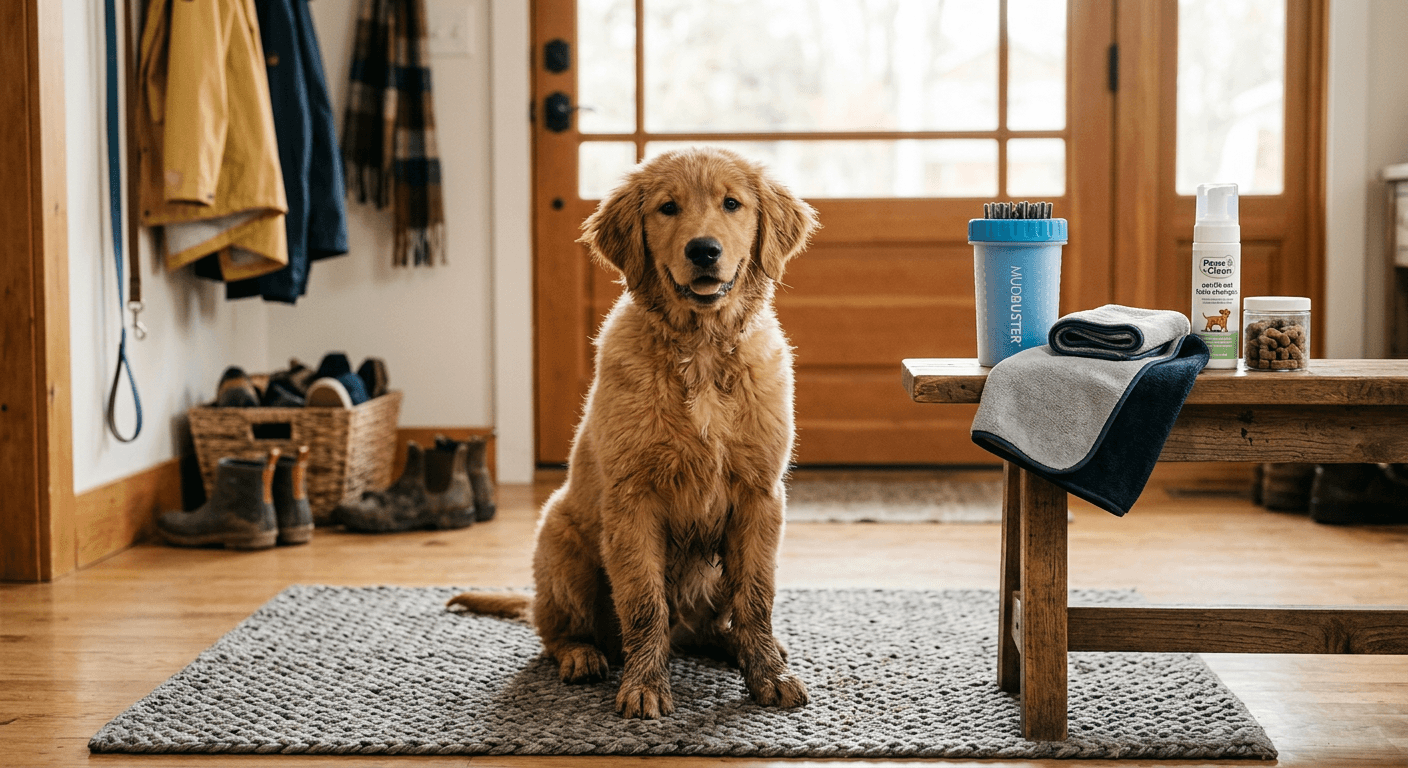
Stage it like a mini workstation:
- •Absorbent mat (large enough for a full turn-around)
- •Microfiber towel (dedicated to paws)
- •Primary cleaner (foam, wipes, or cup)
- •Waste/linen plan (small bin or hook for used towels)
The goal is a one-reach workflow: you should be able to start cleaning without walking away.
Keep two “tiers” of supplies
- •Tier 1 (daily): quick clean tools for 80% of returns.
- •Tier 2 (incident): heavy-duty backup for mud, salt slush, or diarrhea-step situations.
Example:
- •Tier 1: foaming paw cleaner + towel
- •Tier 2: rinse cup or sink rinse + towel + balm
Add a “reset” rule
Your station should reset in under 60 seconds.
- •Hang towel to dry immediately.
- •Refill or cap foam.
- •Put wipes back in the same spot.
If reset is annoying, you’ll skip it, and the whole system falls apart the next day.
Sequence architecture: what happens first and why
Order matters because paws aren’t just “dirty”—they’re wet, oily, and textured. The wrong order spreads grit and irritants deeper into paw grooves.
The core sequence (the default)
- Contain: dog stands on the mat; you block the “zoomie path.”
- Debris removal: knock off chunks first (leaf bits, gravel) before any liquid.
- Cleaner + agitation: use foam/wipe/cup to loosen fine grit and residues.
- Drying: towel dry until pads are not damp.
- Barrier (optional): apply balm/wax only when needed (winter/summer extremes or cracked pads).
Why this sequence works:
- •Debris first prevents turning grit into sandpaper.
- •Drying prevents slipping, fungal overgrowth, and “wet dog” smell on fabrics.
- •Barrier last stops cracking and reduces the next exposure—but only works if the paw is clean and dry.
Choose the right cleaner “mechanics”
Different paw cleaner types solve different problems:
Type A: No-rinse foaming cleaner (best for speed)
- •Best for: city walks, frequent potty breaks, light-to-moderate dirt, pollen, everyday funk.
- •Weakness: thick mud and heavy slush still need a rinse step.
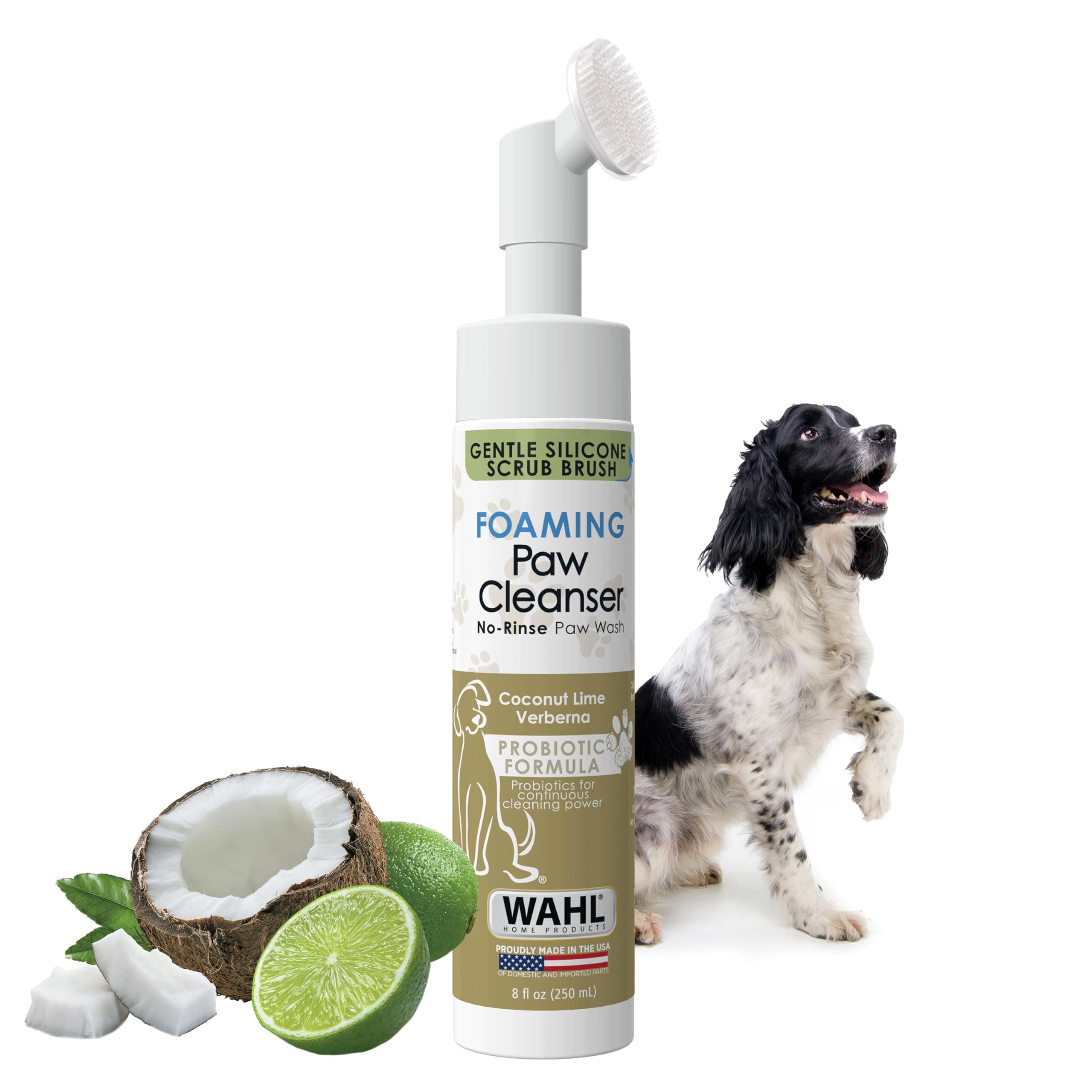
A strong daily option is Wahl USA Gentle Foaming Dog Paw Cleaner, No-Rinse Probiotic Formula with Soft Silicone Paw Scrubber Brush. The built-in silicone scrubber helps you get between pads quickly without a separate brush.
Type B: Paw wipes (best for portability)
- •Best for: travel, car rides, quick touch-ups, “one paw stepped in something” moments.
- •Weakness: costs add up; you may need multiple wipes for big dogs or mud.
Use wipes like a “first pass,” then towel dry. If you stop at wipes only, damp residue often transfers to carpets.
Type C: Paw washer cup + water (best for heavy grime)
- •Best for: mud, sandy trails, slush, construction dust.
- •Weakness: can be messy; dogs may dislike the dunking motion; requires cup cleaning.
This type shines as Tier 2. It’s not always the best paw cleaner for daily use if your dog is sensitive or your entryway can’t handle drips.
Type D: Towel-only (best as a baseline, not a full solution)
- •Best for: dry days, minimal dirt, quick prints control.
- •Weakness: doesn’t remove residues like salt, pollen, or sticky city grime.
Towel-only is fine as a “minimum viable routine,” but it won’t reduce itch cycles if allergens are your target.
When to add a balm or wax (and when not to)
Barrier products are not “cleaners,” but they’re critical for daily routines in harsh weather.
- •Use after cleaning and drying when pads are rough, dry, or exposed to salt/hot pavement.
- •Skip if paws are damp, actively irritated with unknown cause, or your dog will immediately run outside and pick up grit.
Good options to keep in the station:
- •Musher’s Secret Dog Paw Wax 454g (16oz) for an “invisible barrier” feel and frequent winter use.
- •Lick-Safe Dog Paw & Nose Balm | 2.1 oz All Natural Wax with Coconut Oil & Shea Butter for targeted moisturizing in cold, windy, or salty conditions.
- •Dog Paw Balm, Paw Moisturizer for Dogs and Cats, 60g for smaller households that want a compact jar for paws and noses.
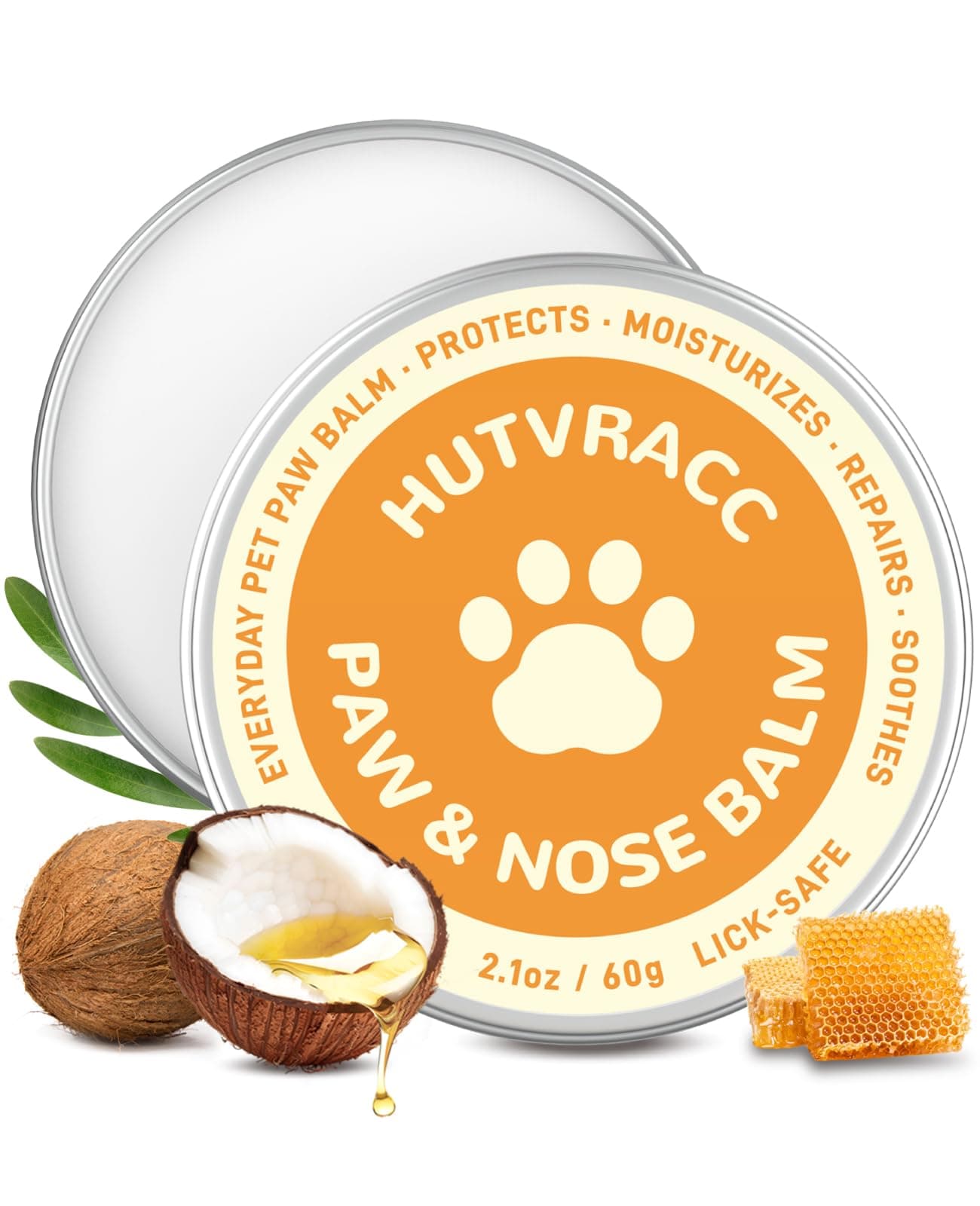
Lick-Safe Dog Paw & Nose Balm | 2.1 oz All Natural Wax with Coconut Oil & Shea Butter | Winter Snow, Road Salt & Hot Pavement Protector | Moisturizer for Dry, Rough Pads & Snouts
Brand: HUTVRACC
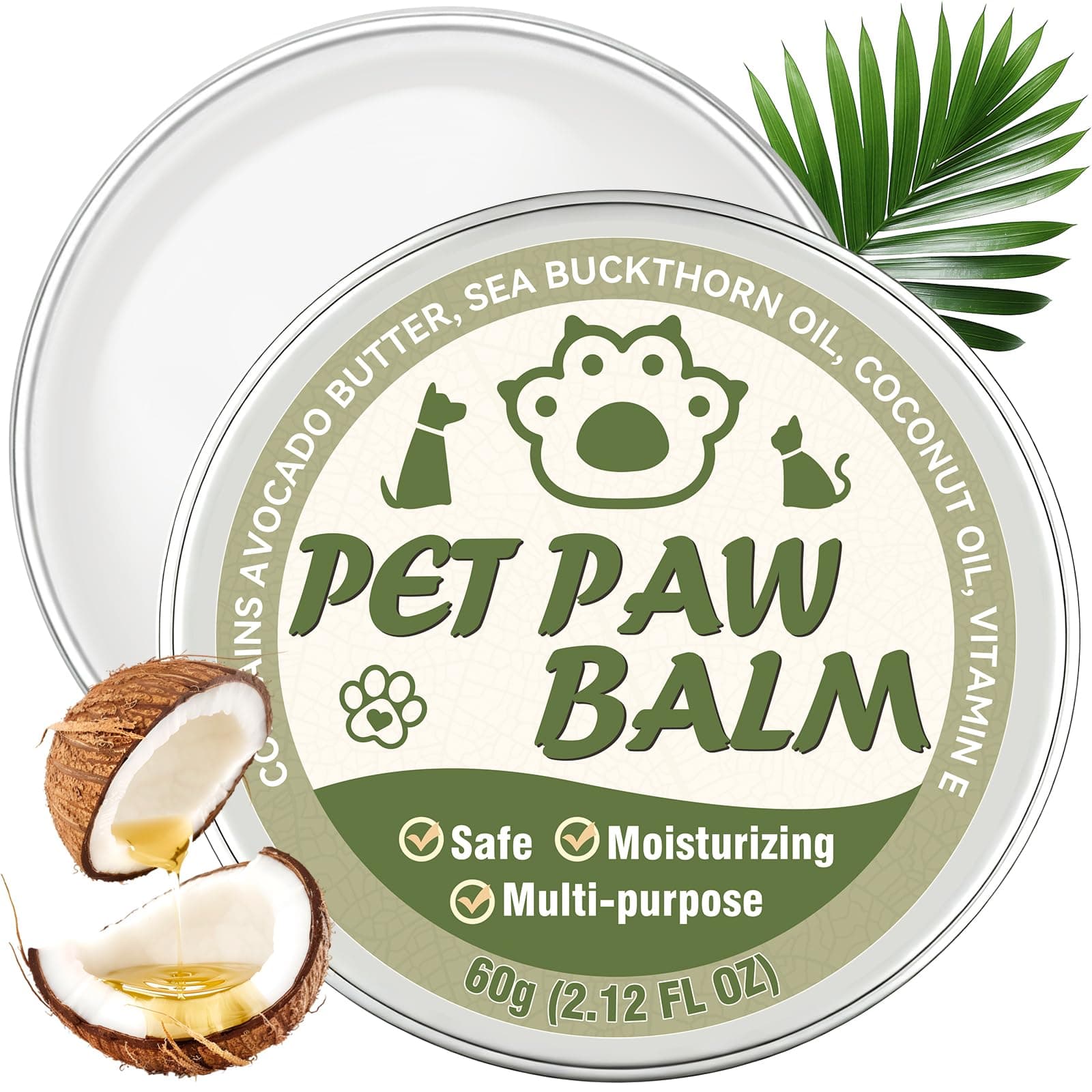
Dog Paw Balm, Paw Moisturizer for Dogs and Cats, Contains Coconut Oil, Nourishing and Moisturizing, Suitable for Dry, Cracked Paws and Noses, 60g
Brand: Nozerix
Execution cadence for busy schedules
The mistake most owners make is trying to do a “perfect clean” every time. Daily success comes from choosing a cadence that matches the mess.
Use a three-level cadence
Level 1: 30–60 seconds (most returns)
Trigger: dry sidewalk, short potty break, mild dirt.
- •Foam or wipe each paw quickly.
- •Towel dry.
Level 2: 2–3 minutes (dirty returns)
Trigger: wet grass, park visit, visible grime.
- •Debris knock-off.
- •Foam + scrub (or paw cup rinse).
- •Towel dry thoroughly.
Level 3: 5–8 minutes (incident or seasonal extremes)
Trigger: road salt slush, mud caked between toes, stepped in unknown sticky substance.
- •Rinse with lukewarm water (cup or sink).
- •Mild cleanser if needed.
- •Full dry, including between toes.
- •Apply wax/balm if pads feel rough or you’re entering harsh conditions again.
Schedule by “touchpoints,” not time of day
Instead of promising “every night,” attach the routine to moments that already happen:
- •Leash comes off = paws get cleaned.
- •Treat happens only after paws are cleaned (behavioral glue).
- •Dog goes to favorite bed only after towel dry.
Make the dog part of the system
Train a repeatable position:
- •Small dog: stand on mat, one paw at a time.
- •Medium/large dog: “front paws up” on a low step or stable ottoman for easier access.
Use a consistent cue: “Paws.” One cue, one station, one sequence.
Product-fit matrix by household scenario
Below is a decision matrix based on what usually breaks routines. If you want the best paw cleaner for daily use, choose the type that minimizes friction in your scenario.
| Household scenario | Your main contaminant | Best paw cleaner type | Why it works in real life | Add-on that prevents backsliding |
|---|---|---|---|---|
| Apartment, multiple potty breaks | Sidewalk film + pollen | No-rinse foam + scrubber | Fast, low mess, no sink needed | Dedicated towel + treat rule |
| Suburban yard, wet grass | Moisture + light mud | Foam + towel (Level 1/2) | Handles everyday dampness without a full rinse | Extra towel rotation (2–3 towels) |
| Hiking, sandy trails | Fine grit + burrs | Paw cup rinse (Tier 2) + towel | Removes grit that wipes smear around | Toe-check habit (between pads) |
| Winter city walks | Road salt + deicers | Rinse or foam immediately + dry + wax | Salt is irritating; speed matters | Musher’s Secret as barrier on harsh days |
| Dog with seasonal allergies | Pollen + grass | Foam + thorough wipe of paw fur | Reduces licking triggers before they start | Keep station at the main entry, not the bathroom |
| Multi-dog household | High frequency + chaos | Foam station + towel per dog | You need speed and “no sharing wet towels” | Color-code towels or hooks |
| Dog hates paw handling | Resistance, pulling away | Foam on towel (not on paw) + brief touches | Less invasive than dunking/scrubbing | Train one paw/day tolerance sessions |
Where the Wahl foam fits
If your routine fails due to time, a product like Wahl USA Gentle Foaming Dog Paw Cleaner is designed for “quick cycles”: dispense, scrub lightly, towel dry. It’s particularly practical for apartment living and allergy season when you’re cleaning often.
Where balms/waxes fit (and why they’re not optional in some climates)
If you’re dealing with cracking, rough pads, or repeated salt/hot pavement exposure, your system needs a barrier step.
- •For a robust, all-weather option, keep Musher’s Secret Dog Paw Wax near the station.
- •For targeted moisturizing, add Lick-Safe Dog Paw & Nose Balm or the compact Dog Paw Balm 60g.
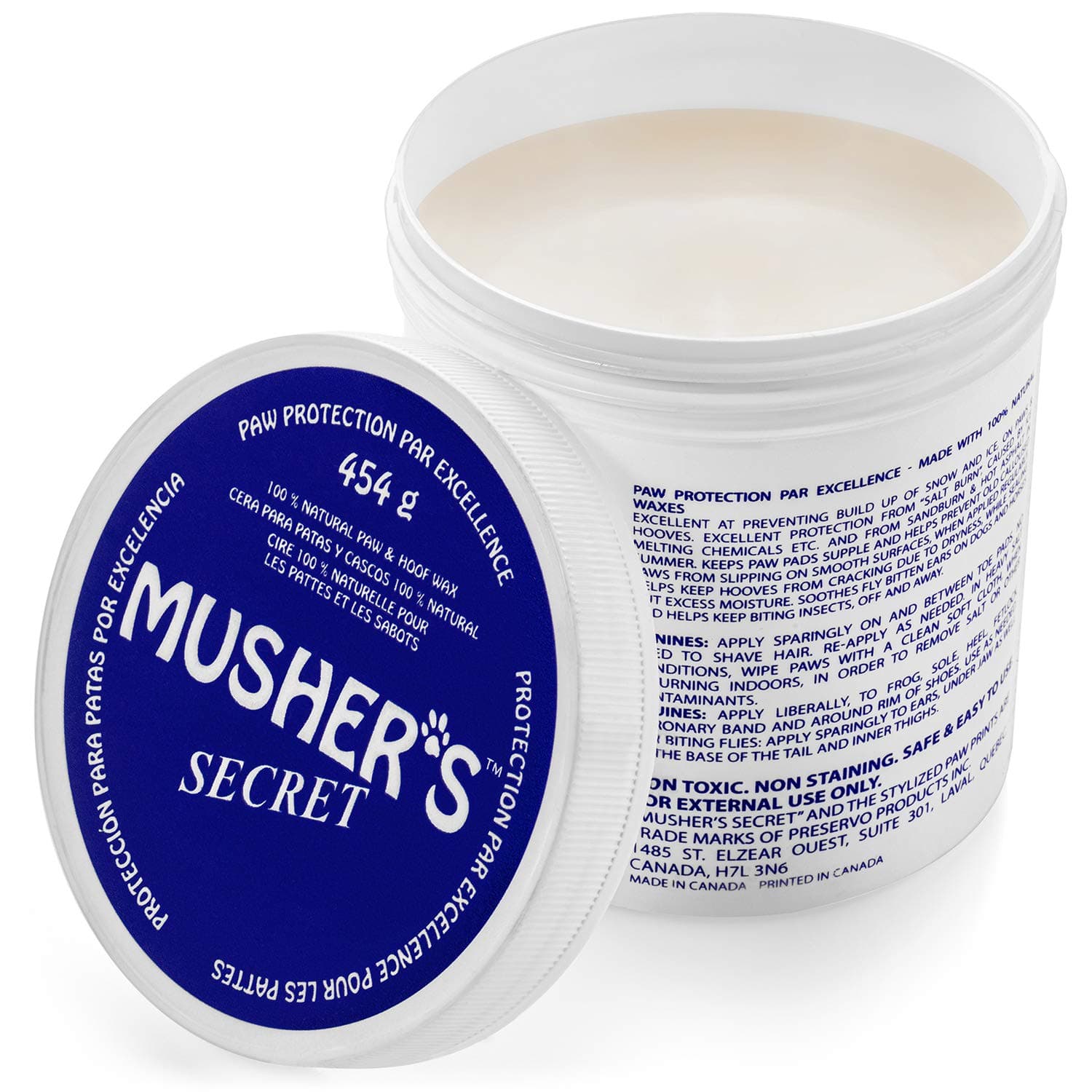
Musher’s Secret Dog Paw Wax 454g (16oz) – All-Natural Dog Balm w/ Vitamin E – Helps Protect & Moisturizes Cracked Paws – Invisible Barrier for Hot Pavement, Ice & Salt – Lick-Safe & Non-Toxic
Musher's Secret Musher's Secret
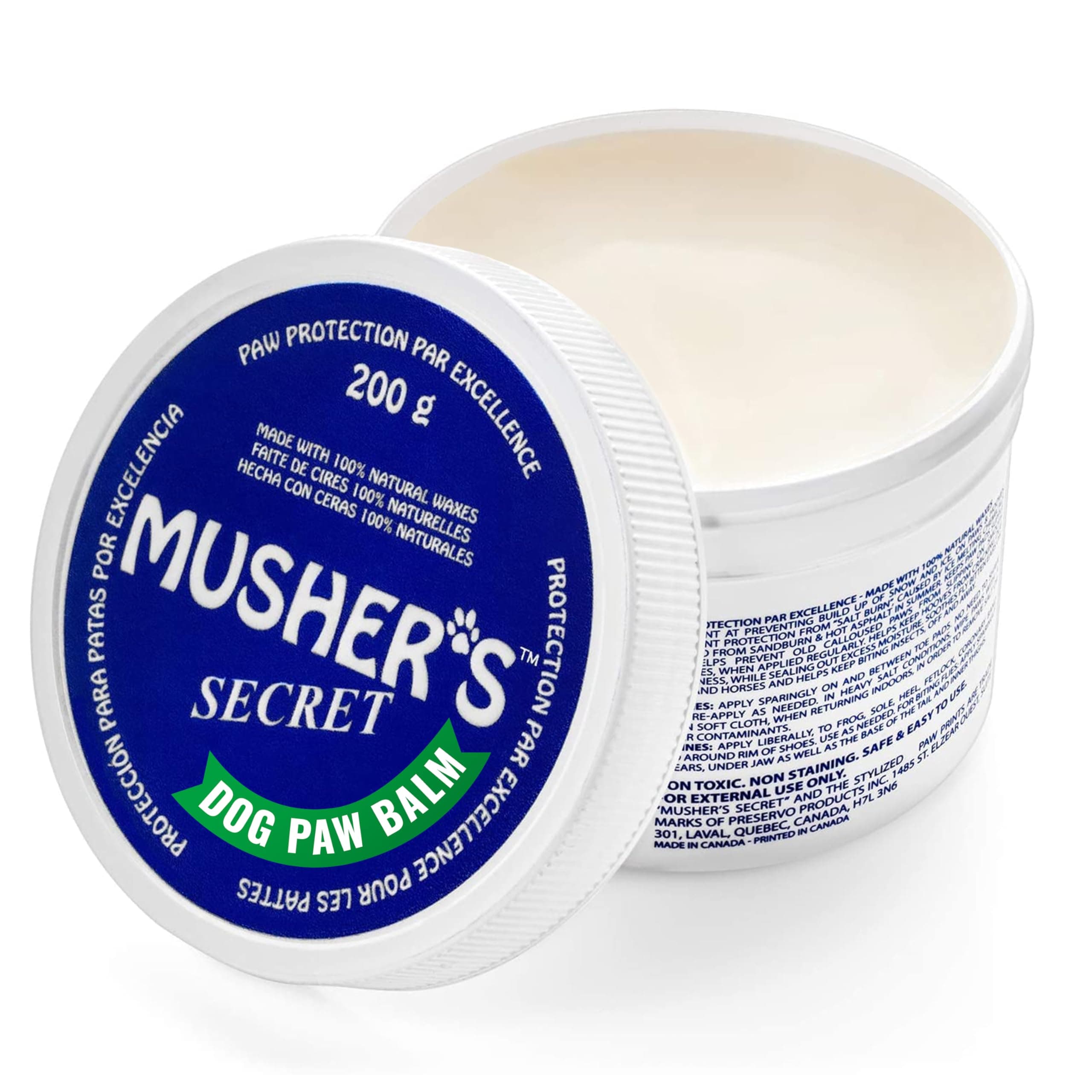
Musher’s Secret Dog Paw Wax 200g – Natural Paw Balm for Dogs with Vitamin E – Helps Protect Paws from Hot Pavement, Ice & Salt – Moisturizes Cracked Pads – Lick-Safe, Non-Toxic Dog Paw Protector
Musher's Secret Musher's Secret
The routine-engineering mindset: cleaning removes the irritant; the barrier reduces tomorrow’s damage.
Mistakes that create regression
These are the failure modes that make owners say “paw cleaning doesn’t work,” when the real issue is system design.
Doing “deep clean” every time
If every return requires a full paw rinse, you’ll skip it on busy days. Build a Level 1 option that’s genuinely fast.
Leaving paws damp
Damp paws track more grime, create odor, and can irritate skin between toes. Drying is not optional; it’s the finish line.
Using one towel for everything
One towel that touches muddy paws and then the dog’s belly spreads grit. Keep a dedicated paw towel; rotate and wash it.
Ignoring the fur around the paws
For fluffy breeds, the “problem” is often the hair around pads holding pollen and mud. Quick wipe of the fur fringe prevents a lot of tracking.
Applying balm on dirty paws
Balm can trap grit against the pad surface. Clean, dry, then apply a thin layer.
Not matching the tool to the contaminant
- •Wipes smear salt film if you don’t use enough pressure and follow with drying.
- •Foam struggles with caked mud unless you knock debris off first.
- •Paw cups work great, but if your dog hates them, you’ll avoid the whole routine.
30-day implementation plan
The goal is consistency, not perfection. Use this plan to engineer the routine into your household.
Days 1–3: Install the station
- •Choose the entry point.
- •Put down the mat and hang the towel.
- •Place your daily cleaner front-and-center.
- •Decide the “reward rule” (treat happens after paws are done).
If you’re starting from scratch, a no-rinse foam option like Wahl USA Gentle Foaming Dog Paw Cleaner keeps early success rates high because it’s fast.
Days 4–7: Teach the position
- •Practice once daily when your dog is calm (not right after an exciting walk).
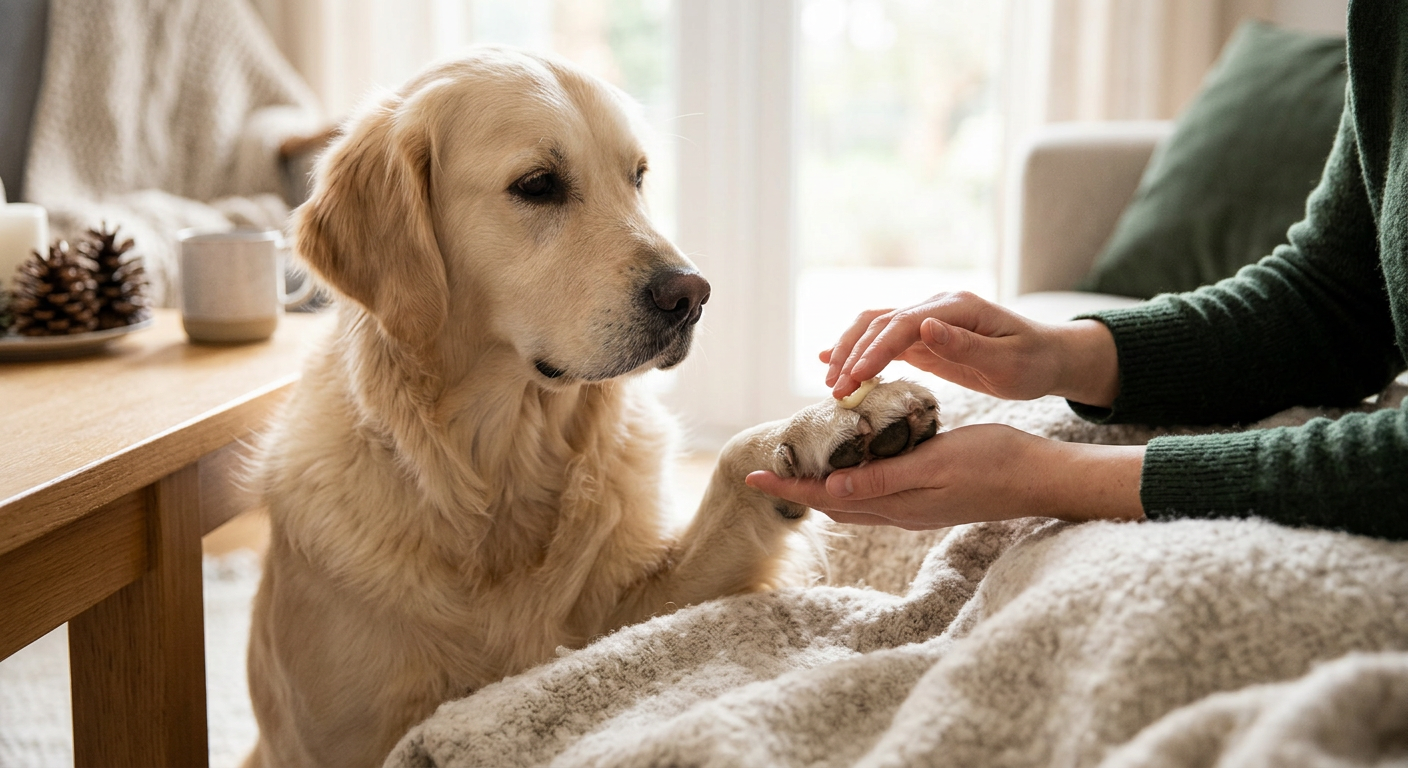
- •Ask for the station position, touch one paw briefly, reward.
- •Gradually build to all four paws.
Keep sessions short. You’re training cooperation, not endurance.
Week 2: Lock in Level 1
- •Execute Level 1 after the two most predictable returns (morning and evening).
- •Don’t worry about midday perfection yet.
- •Measure success by: fewer prints + less licking.
Week 3: Add Level 2 for “dirty returns”
- •Decide a trigger: “If paws are visibly wet or gritty, we do Level 2.”
- •Add a second towel to the rotation.
- •If you see roughness or seasonal exposure, introduce a barrier step 2–3x/week.
Winter example: clean + dry, then apply a thin layer of Musher’s Secret before the next walk on salty sidewalks.
Week 4: Stress-test and simplify
- •Identify which step gets skipped.
- •Remove friction:
- •If towels are always missing, add hooks.
- •If foam is in a cabinet, move it out.
- •If your dog bolts, add a baby gate or tether point near the mat.
By day 30, your routine should feel like taking off shoes—automatic, not aspirational.
FAQ and next-step decisions
Is a no-rinse foam actually enough for daily paw cleaning?
For everyday city grime, light dirt, and pollen, yes—if you pair it with thorough towel drying. Foam loosens residue; the towel removes it. For caked mud or heavy winter slush, plan a rinse-based Tier 2.
How often should I apply paw balm or wax?
Use it when your environment demands it, not on a rigid schedule. In winter salt conditions or hot, drying pavement seasons, 3–7 times per week is common. Apply a thin layer on clean, dry paws. If you need a go-to barrier, Musher’s Secret Dog Paw Wax is built for frequent use; for extra moisturizing, consider Lick-Safe Dog Paw & Nose Balm or the compact Dog Paw Balm 60g.
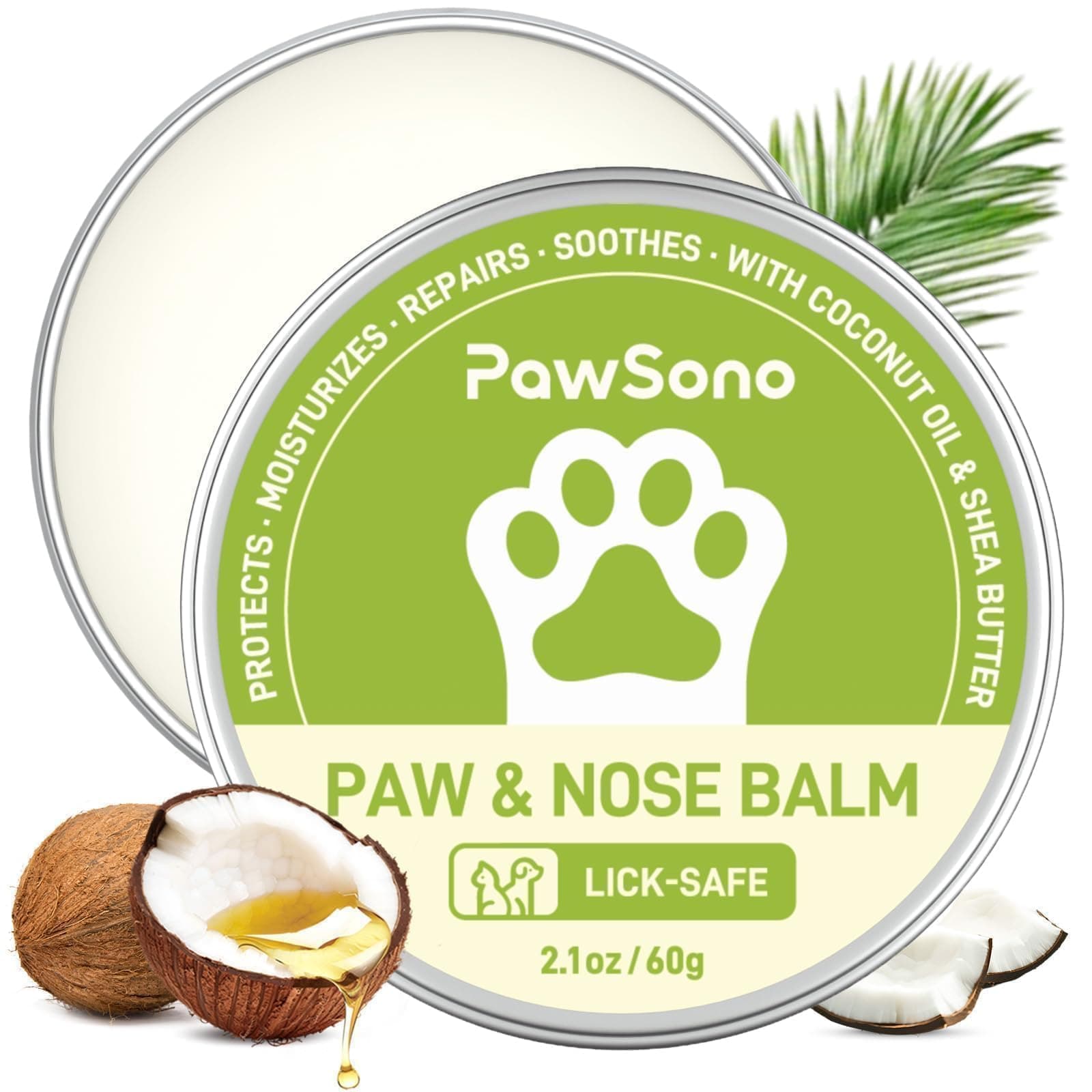
Lick-Safe Dog Paw & Nose Balm with Coconut Oil | Winter Road Salt & Cold Pavement Protector | All-Natural Moisturizer & Soother for Dry, Cracked Pads & Snout, Nose Butter for Bulldogs (60 g /2.1 oz)
Lick-Safe
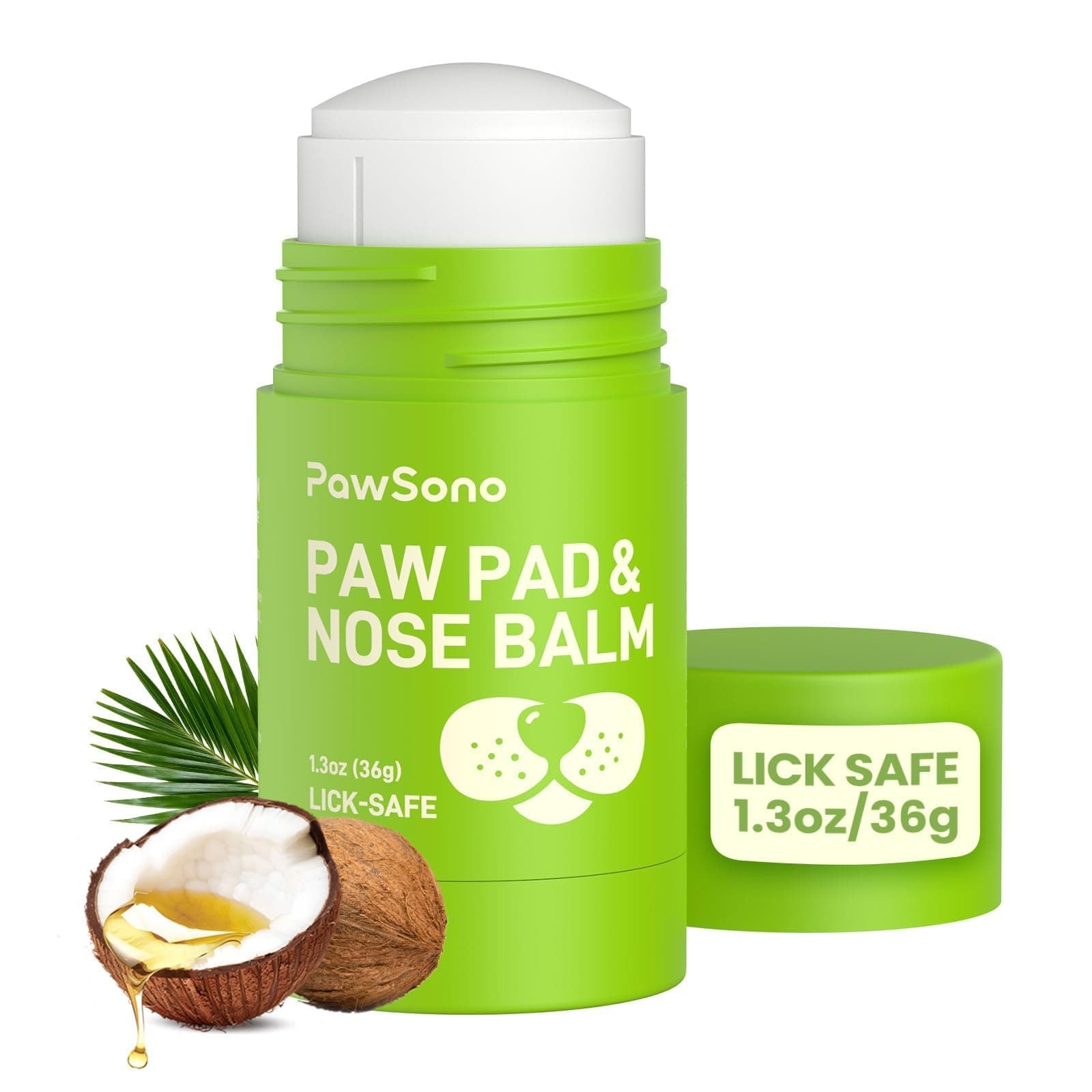
Lick-Safe Dog Paw & Nose Balm with Coconut Oil | Winter Snow, Road Salt & Cold Pavement Protector | All-Natural Moisturizer & Soother for Dry, Cracked Pads & Snout | Horse Hoof, Joint Care
Lick-Safe
What if my dog hates having paws handled?
Engineer around tolerance first. Start with foam on a towel (less intrusive), clean only the front paws for a few days, and reward heavily. Add a consistent cue (“Paws”) and a stable station. Once cooperation improves, you can transition to light scrubbing or a paw cup for dirtier days.
Next-step decisions: which type should you buy?
If you want one choice that works for most households, choose a fast daily system (foam + towel) and a backup plan for mud/salt. If your main issue is allergies or frequent city walks, prioritize speed and repetition—because the best paw cleaner is the one you’ll actually use every single day.
Paw Care Cluster
More in this topic
guide
Winter Dog Paw Care: Stop Ice, Salt, and Cracked Pads
guide
Cracked Dog Paw Pads Treatment: Causes, Fixes & Prevention
guide
Dog Paw Balm Guide: When and How to Use It Safely
guide
Mud Season Paw Cleaning Routine for Busy Entryways (Apartment to Multi-Pet Homes)
guide
Winter Paw Care for Dogs: Salt, Dry Cracks, and Daily Protection
guide
Hot Pavement Paw Protection Checklist for Summer Walks (Real-World Guide)
Frequently asked questions
What is the best paw cleaner for daily use?
For most real-world routines, a no-rinse foaming paw cleaner paired with a dedicated towel is the most reliable daily setup: fast, low mess, and repeatable several times a day. It’s especially practical for apartment dogs, city walks, and allergy season. Keep a rinse-based backup (paw cup or sink rinse) for mud and heavy slush days.
Do I need to rinse my dog’s paws after using a paw cleaner?
Usually not if the product is designed as a no-rinse formula and you towel-dry thoroughly. The key is removal: the cleaner loosens residue, and the towel lifts it off. You should rinse when paws are caked with mud, exposed to heavy road salt/deicers, or when residue is visibly sticky and a towel-only finish won’t fully remove it.
When should I use paw balm or wax in the routine?
Use balm or wax after cleaning and drying when pads are rough, cracked, or regularly exposed to salt, ice, or hot pavement. Apply a thin layer—too much attracts grit. Skip balm on dirty or damp paws because it can trap debris against the pad surface and worsen irritation.
