
guide • Paw Care
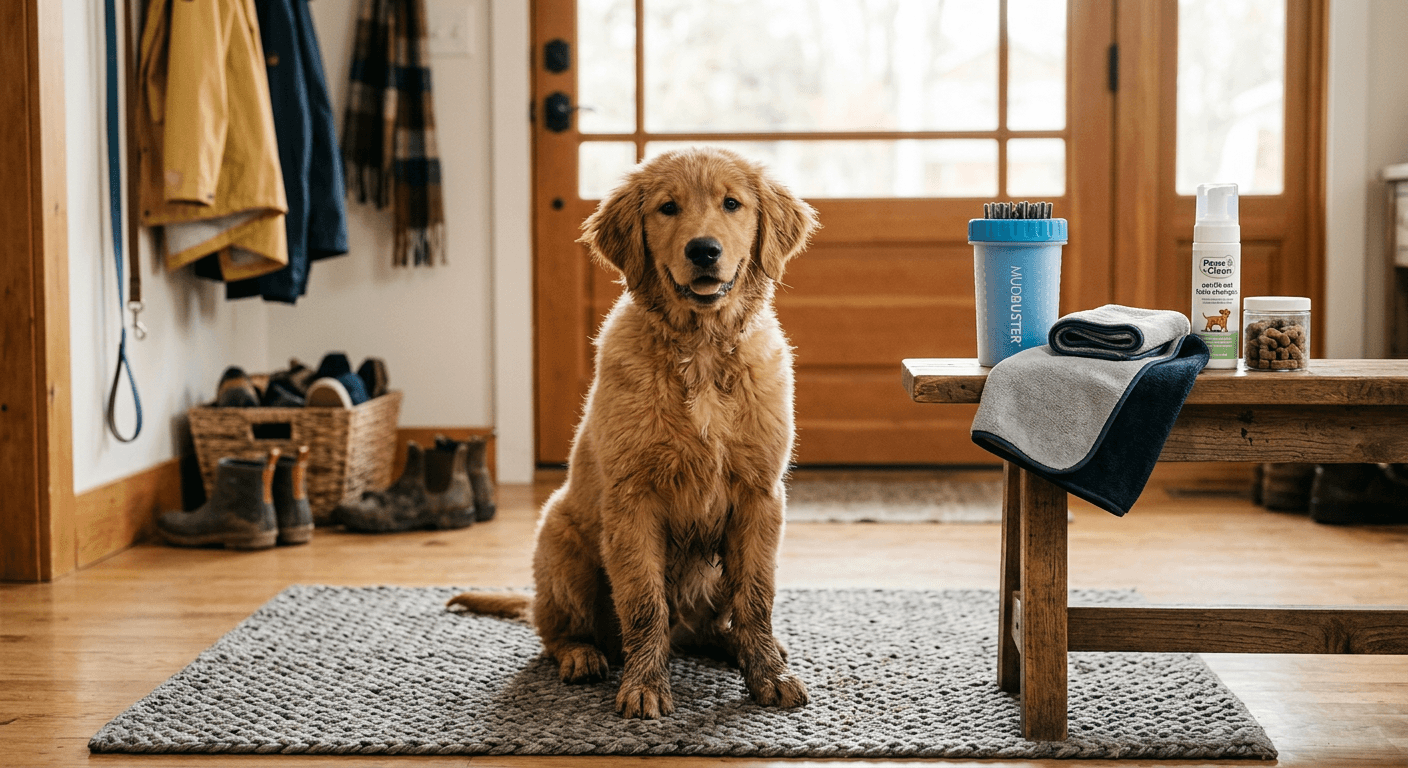
Mud Season Paw Cleaning Routine for Busy Entryways (Apartment to Multi-Pet Homes)
A muddy paw cleaning routine that actually works in real entryways—fast options for apartments, family homes, and multi-pet chaos.
By Lucy Anderson • February 23, 2026 • 7 min read
Table of contents
- Scenario map: apartment, family home, multi-pet
- Scenario A: Apartment entryway (tight hallway, shared building)
- Scenario B: Family home entryway (kids, backpacks, shoes)
- Scenario C: Multi-pet home (two+ dogs, dog + cat, rotating walks)
- Constraints and risk profile per scenario
- Apartment constraints: speed + clean storage
- Family home constraints: multiple users + inconsistent follow-through
- Multi-pet constraints: volume + varied paw sensitivity
- The “mud chemistry” you’re really managing
- Tailored workflow by scenario
- Apartment workflow: 60–90 seconds, leash stays on
- Family home workflow: “landing zone” routine everyone can follow
- Multi-pet workflow: high-throughput “assembly line”
- Product picks matched to workload
- If your main issue is “light mud, frequent trips”
- If your main issue is “pads get dry or cracked from cleaning”
- If your main issue is “thick mud clumps”
- Time-saving tactics under pressure
- Use the leash as a tool, not just a tether
- Default to “press-dry,” not scrubbing
- Clean to the minimum standard for the moment
- Put the tools where failure happens
- Rotate towels intelligently
- What breaks in real life and how to adapt
- Break: the dog fights paw handling
- Break: paw pads get red, dry, or cracked
- Break: mud still ends up inside (even after wiping)
- Break: the entryway stays wet and slippery
- Weekly review framework
- Step 1: Audit the mess (1 minute)
- Step 2: Audit the dog (2 minutes)
- Step 3: Audit the tools (2 minutes)
- Final execution checklist
Mud season turns your entryway into a bottleneck: wet coats, bags, kids, deliveries—and four muddy paws aiming for the rug. The goal isn’t perfection. It’s a muddy paw cleaning routine you can repeat without rearranging your whole life.
Below is a scenario-led guide you can adapt to your space, your dog’s coat type, and your household pace—so you stop playing “wipe roulette” and start getting consistently clean paws in under two minutes.
Scenario map: apartment, family home, multi-pet
Mud problems look similar (brown prints everywhere), but the best routine depends on traffic flow and tolerance for mess.
Scenario A: Apartment entryway (tight hallway, shared building)
- •Typical reality: You’re juggling keys and elevator timing; there’s nowhere to “stage” a dog.
- •Main pain point: Your dog shakes before you can wipe, and muddy paws hit the common hallway or your small rug.
- •The win condition: A one-spot, one-hand routine you can do before the leash comes off.
Scenario B: Family home entryway (kids, backpacks, shoes)
- •Typical reality: Multiple people come in at once; doors open and close; a dog sneaks past you.
- •Main pain point: Mud + clutter = zero floor space to kneel and wipe.
- •The win condition: A repeatable “landing zone” that keeps paws contained even when you’re distracted.
Scenario C: Multi-pet home (two+ dogs, dog + cat, rotating walks)
- •Typical reality: One dog is fine, another is a mud magnet; someone always needs to go out.
- •Main pain point: Bottlenecks and cross-contamination (muddy paws spread to crates, couches, and water bowls).
- •The win condition: A high-throughput routine with minimal setup and easy reset.
Constraints and risk profile per scenario
Your routine should match both your constraints (time, space) and your risk profile (health and safety).
Apartment constraints: speed + clean storage
- •Space limits mean bulky wash stations won’t live near the door.
- •Water access might be far from the entryway, so “no-rinse” options matter.
- •Risk: slick floors in hallways; a slippery dog can strain a wrist, toe, or knee.
Family home constraints: multiple users + inconsistent follow-through
- •The routine needs to work for the least-motivated person in the house.
- •Risk: kids slipping on wet tiles, muddy paws tracked into carpeted rooms, and persistent dampness around baseboards.
Multi-pet constraints: volume + varied paw sensitivity
- •Different coats/pads react differently to frequent wiping.
- •Risk: irritation from over-cleaning, yeast flare-ups in paw folds, and licking from dryness.
The “mud chemistry” you’re really managing
Mud season isn’t just dirt—it’s a mix of water, organic material, grit, and often road residue. That combo:
- •Sticks between toes and nail beds
- •Abrades pads (tiny cracks)
- •Triggers licking (which can worsen irritation)
A good muddy paw cleaning routine removes grit first, then moisture, then prevents cracking.
Tailored workflow by scenario
Each workflow below is designed to fit the moment you’re actually in—hands full, dog impatient, life happening.
Apartment workflow: 60–90 seconds, leash stays on
Best for: tight spaces, quick potty trips, elevator timing.
1) Stop at the threshold (before the leash comes off). Use your body to block forward motion. If your dog is a “launch into the apartment” type, step on the leash so they can stand but not bolt.
2) Dry knock-off (10 seconds). Use a dedicated entry mat or towel to do a quick “paw stomp” by guiding your dog in small steps. This removes loose grit before you smear it.
3) Foam + scrub for the worst paws (30–45 seconds). For typical apartment mud, a no-rinse foam is faster than a full wash. Two solid options:
- •Unscented and simple: Paw Cleaner for Dogs & Cats | Gentle Dog Paw Washer | No Rinse Foaming | Unscented | 5 fl oz
- •If you prefer a scented formula with a silicone scrubber: Wahl USA Gentle Foaming Dog Paw Cleaner, No-Rinse Probiotic Formula, 8 fl oz
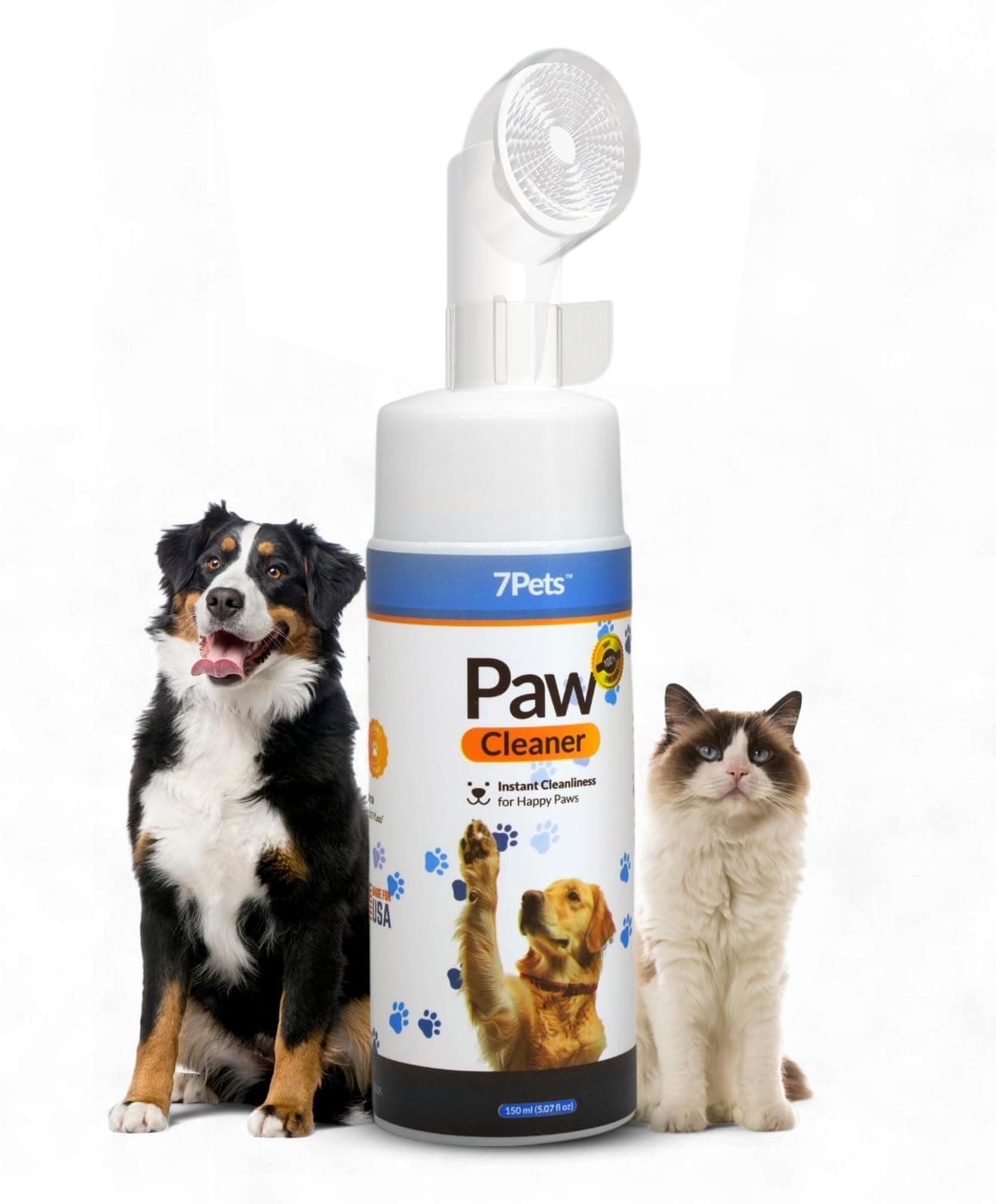
Paw Cleaner for Dogs & Cats | Gentle Dog Paw Washer | No Rinse Foaming | Unscented | Pet Foot Cleaner with Built-in Silicone Brush for Muddy Paws | Puppy & Kitten Paw Wash | 5 fl oz
Brand: 7PETS
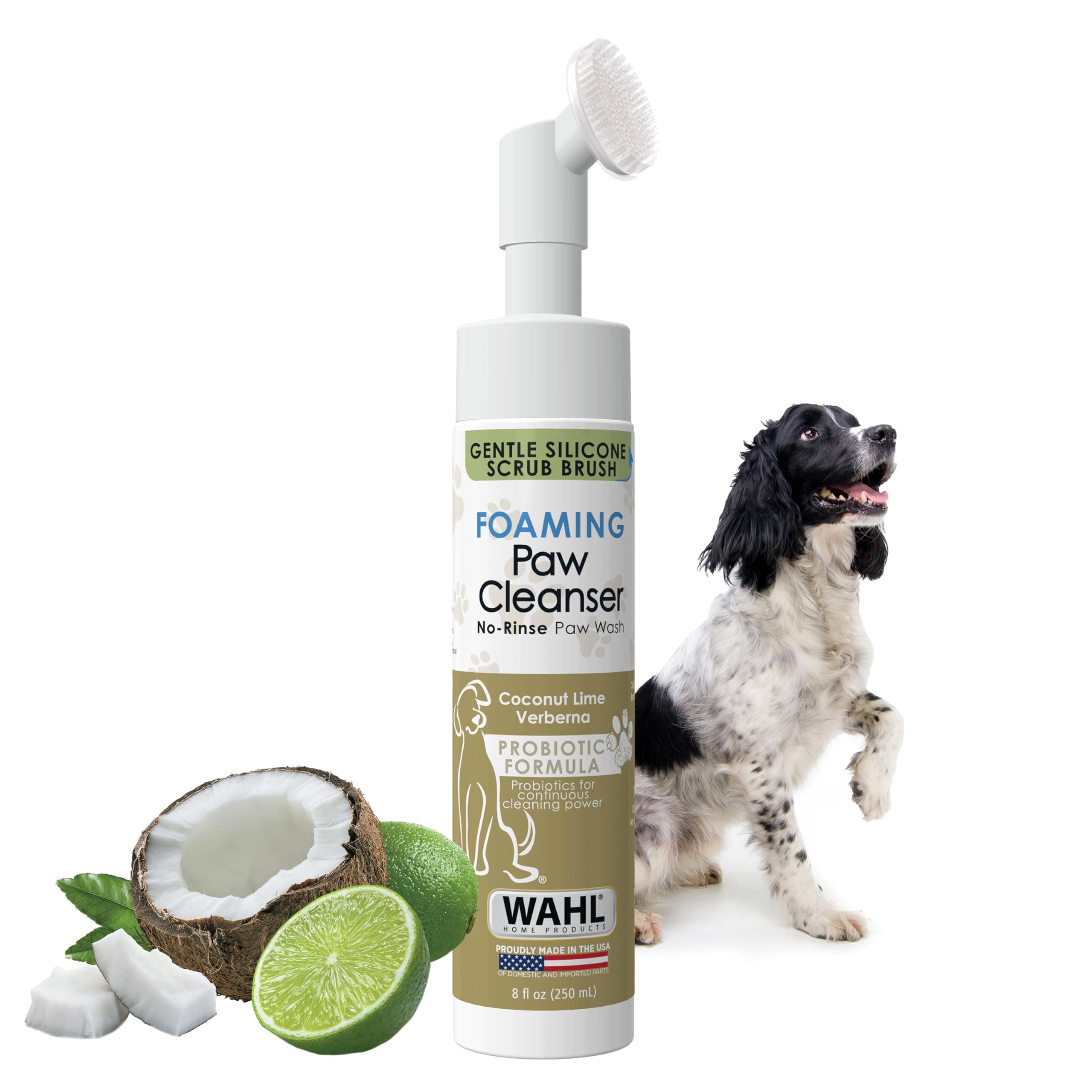
Wahl USA Gentle Foaming Dog Paw Cleaner, No-Rinse Probiotic Formula with Soft Silicone Paw Scrubber Brush, Coconut Lime Verbena Scent, 8 fl oz – Model 3028477
Wahl
Practical technique: foam one paw, scrub the pad and between toes with the silicone brush/fingers, then wipe clean. Repeat only on the muddiest paws instead of all four every time.
4) Press-dry (15 seconds). Press the paw into a towel—don’t rub aggressively (rubbing can drive grit deeper and irritate skin).
5) Release to a “clean zone.” Open the door to the main area only after paws are dry enough not to print.
Apartment adaptation: If your dog hates paw handling, start by cleaning only the two front paws (they track most mud) and add rear paws gradually.
Family home workflow: “landing zone” routine everyone can follow
Best for: multiple people, busy afternoons, school pickup chaos.
1) Create a single obvious landing zone. Aim for: one absorbent mat + one hook for a towel + one bin for wipes/foam. The key is visibility. If it’s not visible, people skip it.
2) Assign roles when the house is busy. Example scenario: two kids walk in while it’s raining.
- •Person 1: shoes and backpacks
- •Person 2: dog paws
If you’re solo, leash stays on until paws are done—this prevents the “mud streak sprint.”
3) Two-tier clean: knock-off then detail.
- •Tier 1 (always): stomp/walk on mat + towel press-dry.
- •Tier 2 (as needed): foam cleaner on paws that show clumps between toes or dark smears.
4) If mud is thick, rinse only the paws—not the whole dog. Use a shallow tub or a quick paw dip in the mudroom sink. The trap families fall into is turning paw cleaning into bath time. Keep it surgical.
5) Moisturize proactively for frequent wipers. If you’re cleaning paws multiple times per day, pads can dry and crack. A thin layer of balm at night reduces licking and tenderness.
- •For a waxy barrier style balm: Lick-Safe Dog Paw & Nose Balm | 2.1 oz All Natural Wax with Coconut Oil & Shea Butter
- •Another moisturizer option (good for dry, rough pads): Dog Paw Balm, Paw Moisturizer for Dogs and Cats, 60g
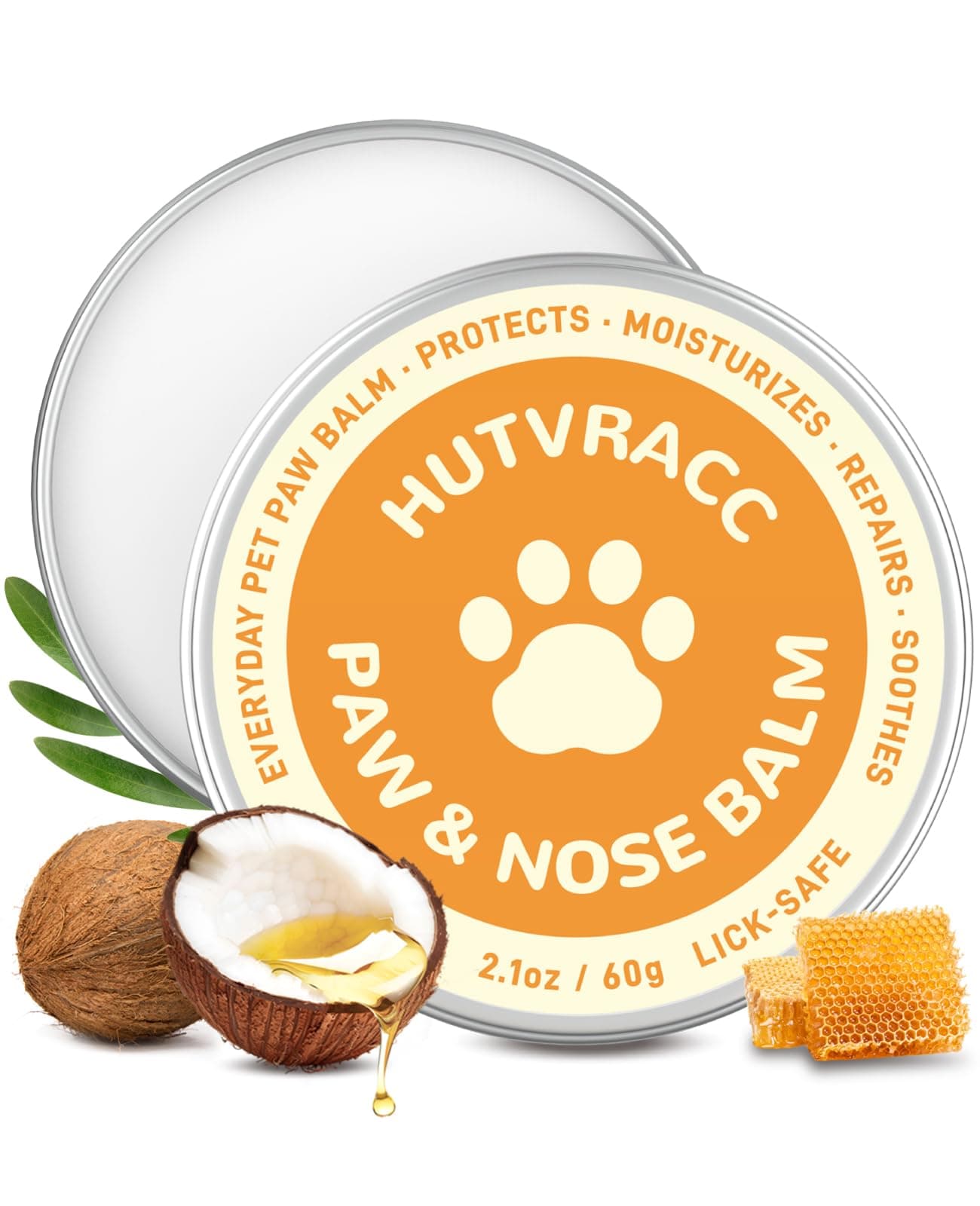
Lick-Safe Dog Paw & Nose Balm | 2.1 oz All Natural Wax with Coconut Oil & Shea Butter | Winter Snow, Road Salt & Hot Pavement Protector | Moisturizer for Dry, Rough Pads & Snouts
Brand: HUTVRACC
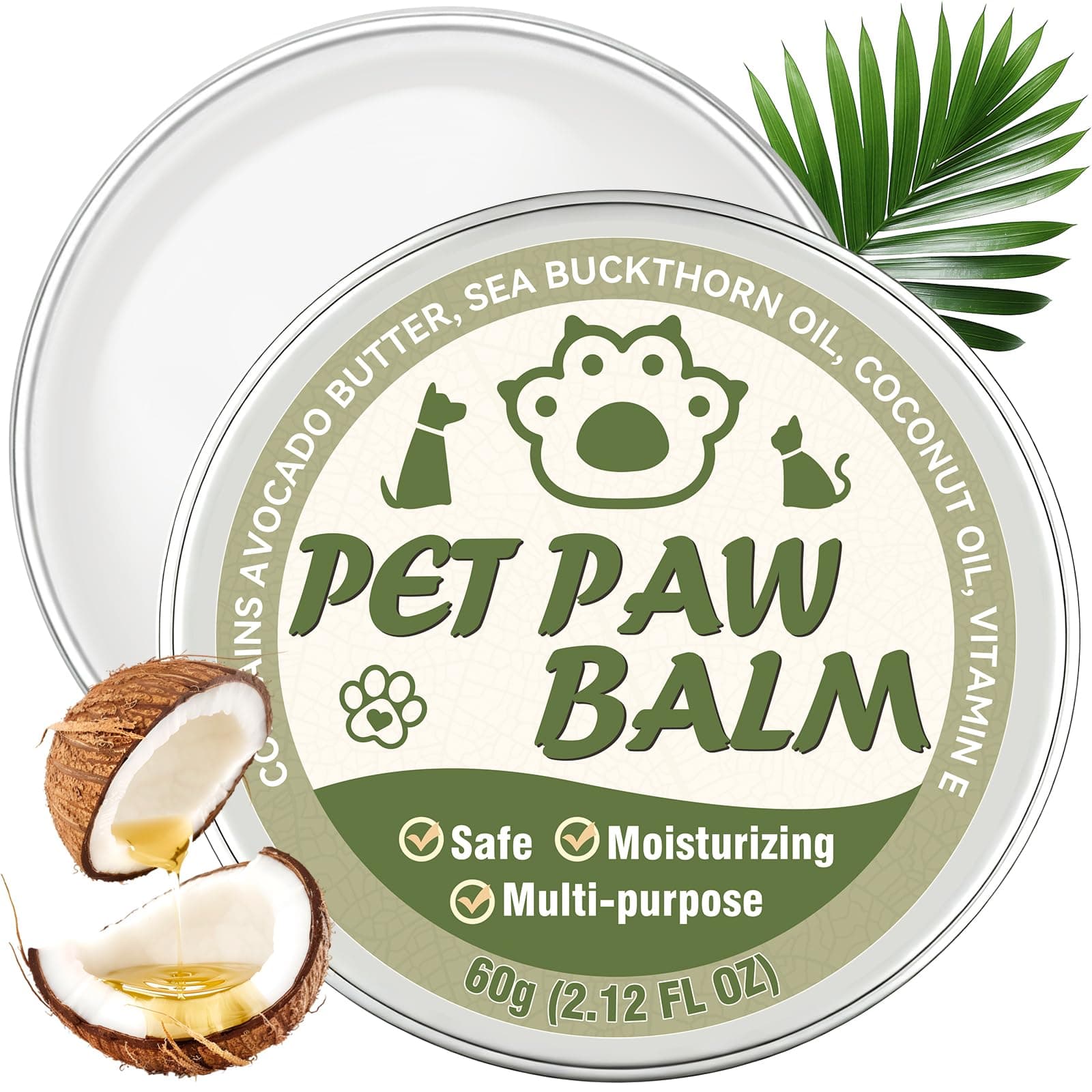
Dog Paw Balm, Paw Moisturizer for Dogs and Cats, Contains Coconut Oil, Nourishing and Moisturizing, Suitable for Dry, Cracked Paws and Noses, 60g
Brand: Nozerix
Family home adaptation: Put the towel on a hook at kid height. If they can grab it without asking, the routine survives.
Multi-pet workflow: high-throughput “assembly line”
Best for: two+ dogs, frequent in/out trips, different coat types.
1) Queue control: one pet in, one pet out. Use a baby gate, closed interior door, or crate to prevent “mud relay races.”
2) Standardize the order. Example: front left, front right, back left, back right—same every time. It reduces missed paws when you’re tired.
3) Split tools by function (not by pet).
- •One towel for gross mud (gets dirty fast)
- •One towel for final dry (stays cleaner)
- •One foam bottle near the door
4) Prioritize the high-risk paws. Dogs with feathering between toes, seniors with mobility issues, and allergy-prone dogs get the more thorough clean first.
5) End with a quick floor check. Multi-pet homes fail when the floor stays damp; dampness encourages repeated tracking and can increase slipping.
Multi-pet adaptation: If one dog is cooperative and one isn’t, clean the cooperative dog fully, then do a “minimum viable wipe” on the resistant dog and circle back later. Keeping the routine moving is the priority.
Product picks matched to workload
This is not about buying everything—it’s about matching products to the mess level and your bandwidth.
If your main issue is “light mud, frequent trips”
A no-rinse foam speeds up repetition because you don’t need to carry a dripping dog to the sink.
- •Unscented and straightforward: Paw Cleaner for Dogs & Cats | No Rinse Foaming | Unscented | 5 fl oz
- •Scented option with probiotic formula and built-in scrubber: Wahl USA Gentle Foaming Dog Paw Cleaner | 8 fl oz
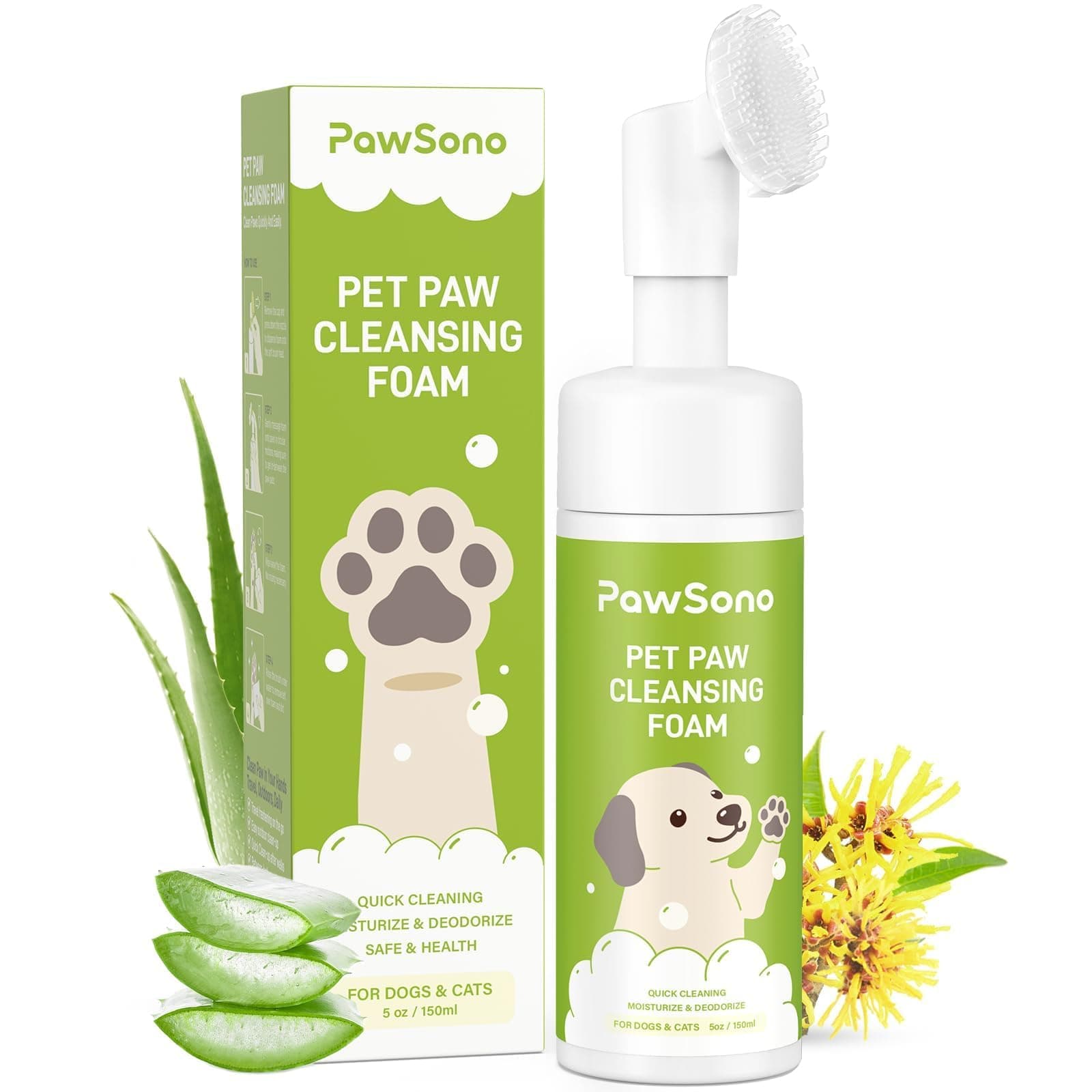
Decision criteria:
- •Choose unscented if your dog has sensitive skin or you dislike fragrance.
- •Choose a built-in scrubber if mud packs between toes or your dog has textured pads that hold grit.
If your main issue is “pads get dry or cracked from cleaning”
Add a balm to your routine—but treat it like a nightly maintenance step, not something you apply every trip.
- •Barrier + moisture, useful across seasons: Lick-Safe Dog Paw & Nose Balm | 2.1 oz
- •A simpler moisturizing option for dry pads/noses: Dog Paw Balm, Paw Moisturizer for Dogs and Cats, 60g
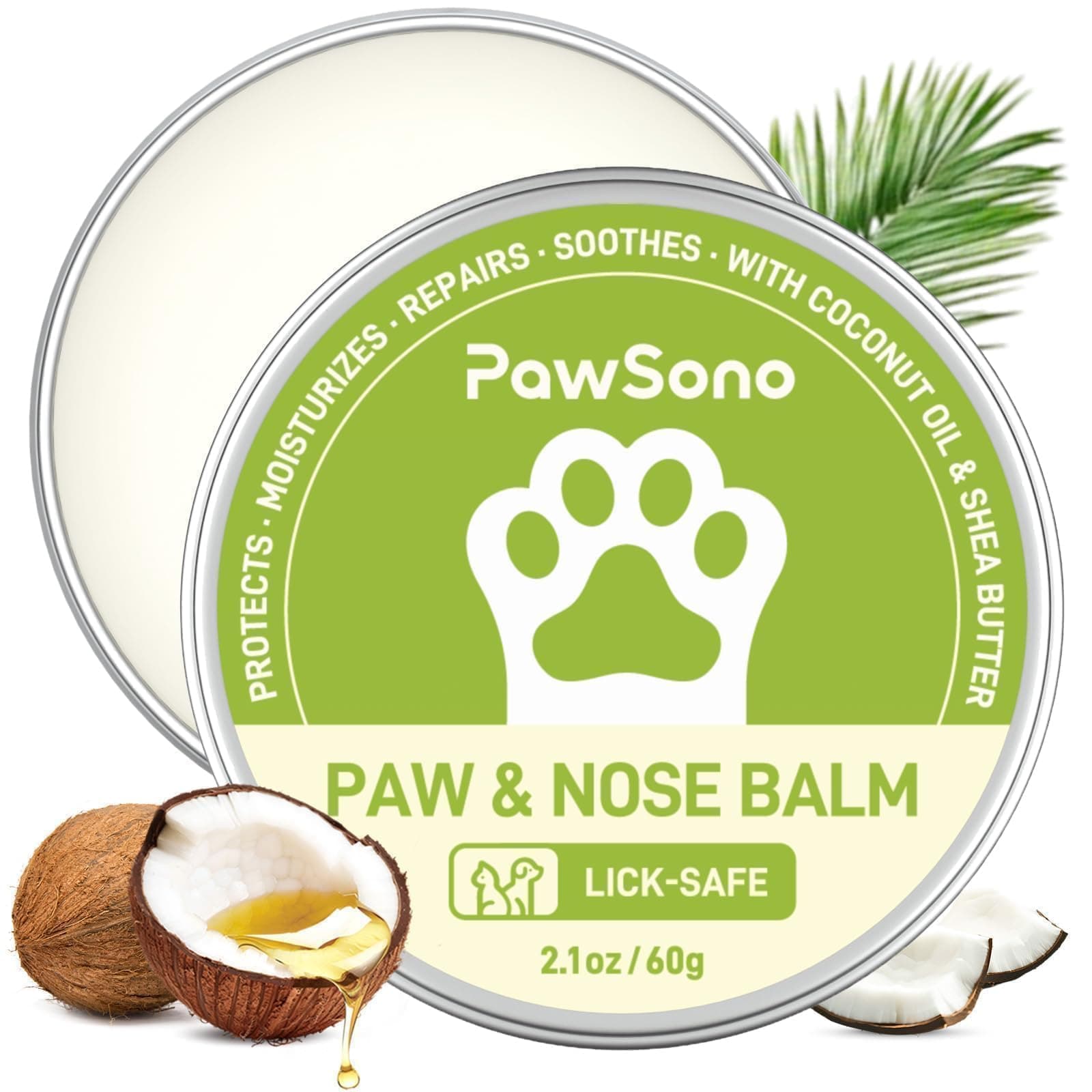
Lick-Safe Dog Paw & Nose Balm with Coconut Oil | Winter Road Salt & Cold Pavement Protector | All-Natural Moisturizer & Soother for Dry, Cracked Pads & Snout, Nose Butter for Bulldogs (60 g /2.1 oz)
Lick-Safe
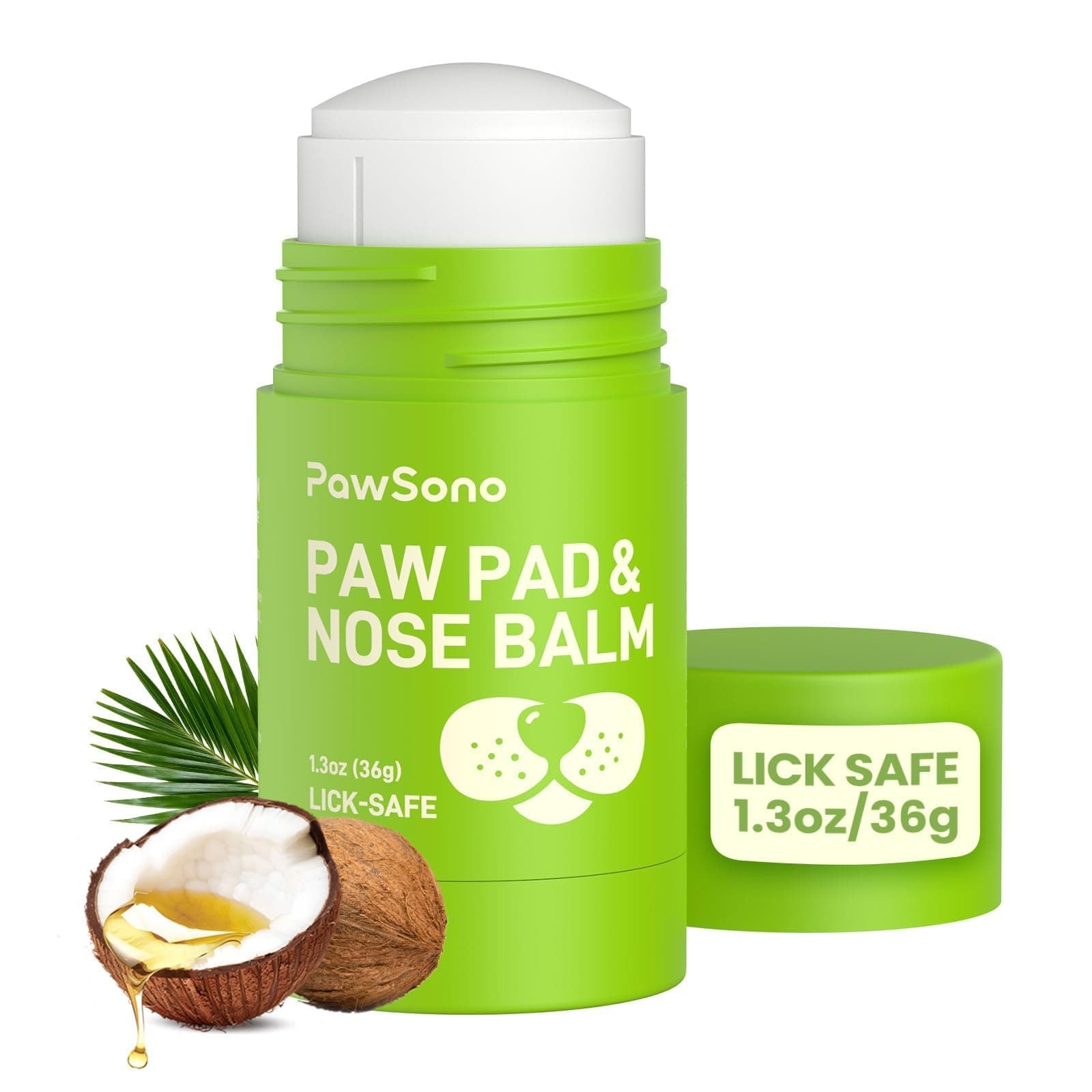
Lick-Safe Dog Paw & Nose Balm with Coconut Oil | Winter Snow, Road Salt & Cold Pavement Protector | All-Natural Moisturizer & Soother for Dry, Cracked Pads & Snout | Horse Hoof, Joint Care
Lick-Safe
Decision criteria:
- •If your dog licks a lot, apply a very thin layer and distract with a chew for 5–10 minutes.
- •If paws feel rough like sandpaper, balm at night plus gentler wiping during the day usually fixes it within a week.
If your main issue is “thick mud clumps”
Foam alone can struggle when mud is chunky. In that case:
- •Use a towel to knock off clumps first.
- •Then use foam to lift the remaining smear and grit.
- •Reserve true water rinses for the worst days.
Time-saving tactics under pressure
These are the tactics that keep your muddy paw cleaning routine alive when you’re late, tired, or handling kids.
Use the leash as a tool, not just a tether
- •Step on the leash so your dog can stand comfortably but can’t jump forward.
- •Keep the leash on until paws are done—this prevents the “one clean paw, three dirty paws on the couch” problem.
Default to “press-dry,” not scrubbing
Rubbing feels faster, but it often spreads mud and increases irritation. Pressing lifts moisture and grit more cleanly.
Clean to the minimum standard for the moment
Real example: You’re carrying groceries in one hand.
- •Minimum standard: front paws + quick towel press on rear paws.
- •Upgrade later: full foam scrub once groceries are down.
Put the tools where failure happens
If the mess happens at the door, your cleaner shouldn’t live in a bathroom cabinet. Keep the foam and towel within arm’s reach of the entry.
Rotate towels intelligently
Have two “mud towels” and one “final dry towel.” If you only have one towel, it becomes saturated and smears mud around.
What breaks in real life and how to adapt
Mud season routines fail in predictable ways. Fix the failure point instead of blaming yourself (or your dog).
Break: the dog fights paw handling
Adaptations:
- •Start with a 3-second touch + treat per paw for a few days.
- •Clean only the dirtiest paws first (usually front paws).
- •Use a silicone brush/foamer to reduce “pinchy” finger handling; many dogs tolerate it better. Options: Paw Cleaner for Dogs & Cats | No Rinse Foaming | Unscented or Wahl USA Gentle Foaming Dog Paw Cleaner | 8 fl oz
Break: paw pads get red, dry, or cracked
Adaptations:
- •Reduce cleaning intensity: knock off grit, then press-dry.
- •Avoid overuse of fragranced products if irritation appears.
- •Add balm at night (thin layer): Lick-Safe Dog Paw & Nose Balm | 2.1 oz or Dog Paw Balm, 60g
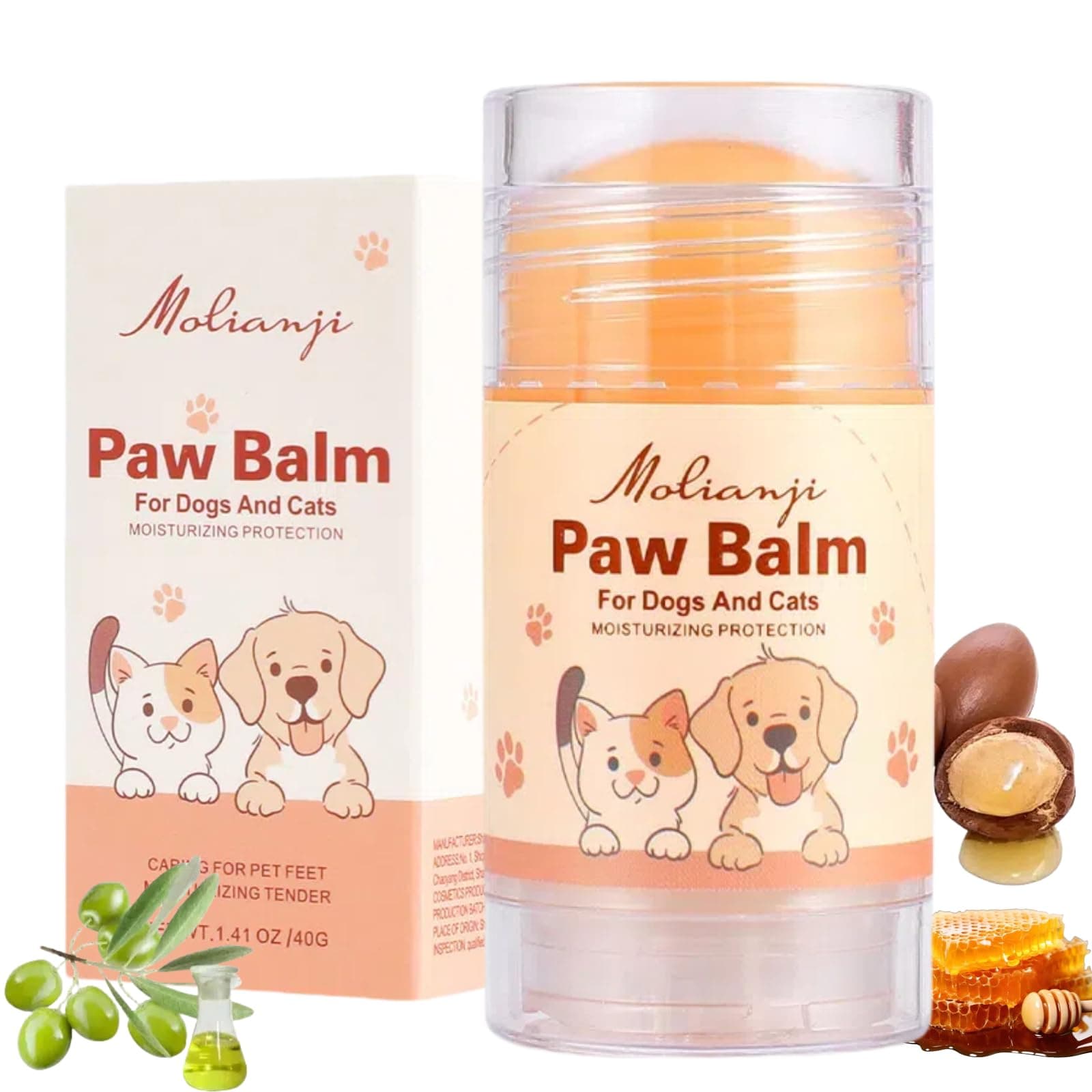
Dog Paw&Nose Balm Lick Safe1.4oz(40g),All-Natural Ingredients Pets Paw Wax,Healing Moisturizer with Coconut Oil&Honey,for Dry Cracked Dog & Cat Paws,Nose & Elbows, Horse Hoof, Joint Care
Brand: Steigullage
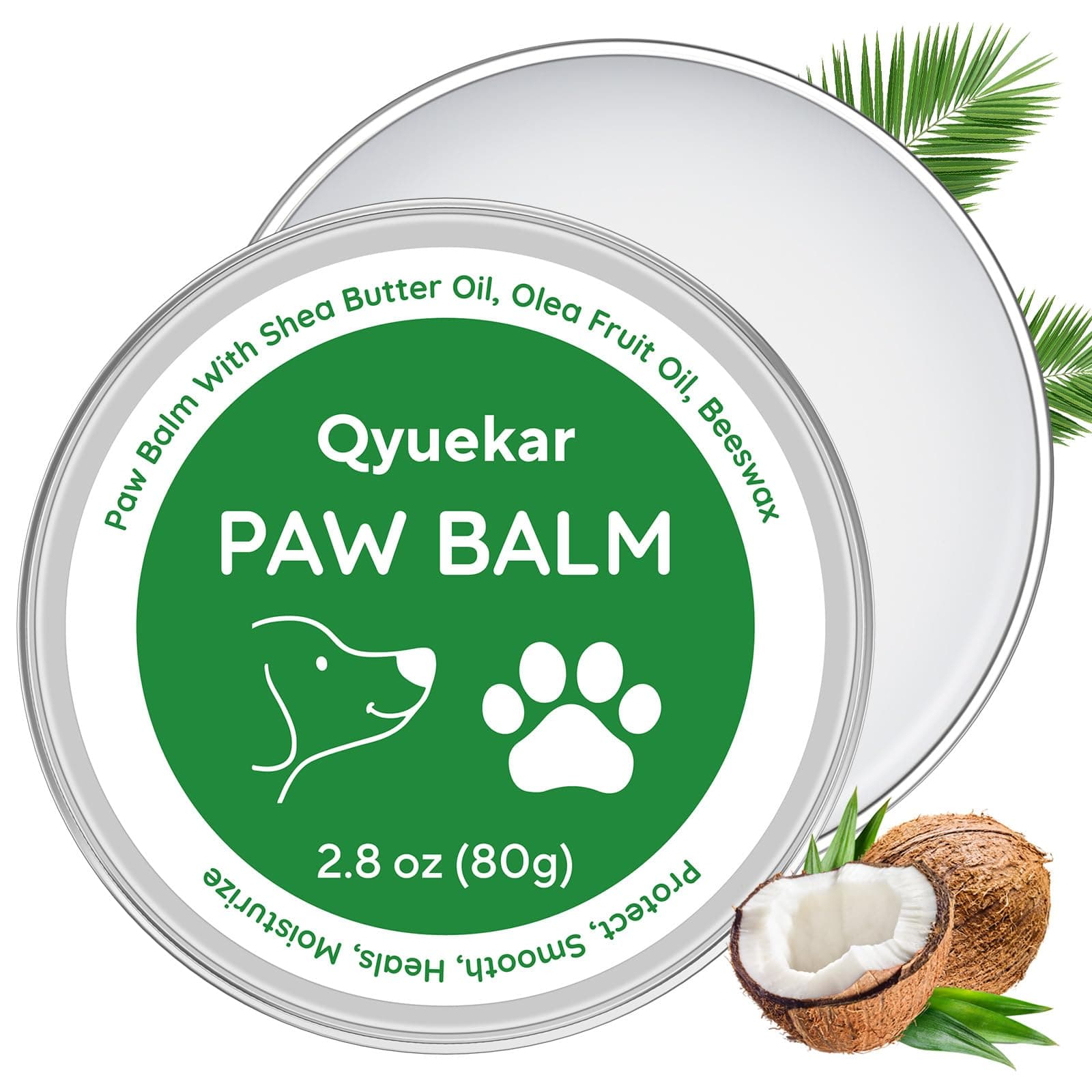
Lick-Safe Dog Paw & Nose Balm, Dog Paw Wax Protector with Coconut Oil, Moisturizer Soother Dry Cracked Snout & Pads, All-Natural Nose Butter & Cream for Horse Hoof, Cat Petts Care, 2.8oz/80g
QYuekar
If redness persists, swelling occurs, or your dog is limping, pause the routine and check for grit, cuts, or interdigital irritation; consider calling your vet.
Break: mud still ends up inside (even after wiping)
This often means you’re missing one of three places:
- •Between toes
- •Around nail beds
- •Feathering/fur around the paw
Adaptations:
- •Add a quick toe-spread check on the worst days.
- •For fluffy feet, keep paw fur trimmed to reduce “mud velcro.” A small trim can cut your cleaning time in half.
Break: the entryway stays wet and slippery
Adaptations:
- •Switch from one thick mat to a layered approach: one scraper/door mat outside + one absorbent mat inside.
- •Keep a “floor-dry” towel for the first 3 feet inside the door.
Weekly review framework
Mud season changes week to week. Spend five minutes once a week so your routine doesn’t slowly degrade.
Step 1: Audit the mess (1 minute)
Ask:
- •Where are the paw prints showing up most?
- •Is it mainly water (wet prints) or grit (scratchy dirt)?
Step 2: Audit the dog (2 minutes)
Check:
- •Pads: roughness, cracks, tenderness
- •Between toes: redness, gunk, odor
- •Nails: mud packed at the base
If pads feel dry, schedule balm 3 nights per week as maintenance (not every single outing). Use a thin layer of Lick-Safe Dog Paw & Nose Balm | 2.1 oz or Dog Paw Balm, 60g.
Step 3: Audit the tools (2 minutes)
- •Are towels getting swapped before they’re saturated?
- •Is the foam bottle within reach of the door?
- •Do you need a second towel hook or a small bin so supplies don’t wander?
Your routine is only as strong as the moment when you’re tired and rushing.
Final execution checklist
Use this as your “do it in real life” sequence for a reliable muddy paw cleaning routine:
- Leash stays on until paws are done.
- 10-second knock-off on mat/towel to remove grit.
- Foam + quick scrub on the muddiest paws: Paw Cleaner for Dogs & Cats | No Rinse Foaming | Unscented or Wahl USA Gentle Foaming Dog Paw Cleaner | 8 fl oz
- Press-dry each paw (avoid aggressive rubbing).
- Release to the “clean zone” only after paws are mostly dry.
- Night maintenance if pads are drying out: [Lick-Safe Dog Paw & Nose Balm | 2.1 oz](/product/hutvracc-lick-safe-dog-paw-nose-balm-2-1-oz-all-natural-wax-with-coconut-oil-she-b0fxlxs
- or Dog Paw Balm, 60g
If you build your routine around your scenario—tight apartment timing, family traffic, or multi-pet volume—you’ll stop losing the mud battle at the door. You’ll also be kinder to your dog’s paws, because you’ll clean smarter instead of scrubbing harder.
Paw Care Cluster
More in this topic
guide
Winter Dog Paw Care: Stop Ice, Salt, and Cracked Pads
guide
Cracked Dog Paw Pads Treatment: Causes, Fixes & Prevention
guide
Dog Paw Balm Guide: When and How to Use It Safely
comparison
Best Paw Cleaners for Daily Use: Which Type Works for Real Routines?
guide
Winter Paw Care for Dogs: Salt, Dry Cracks, and Daily Protection
guide
Hot Pavement Paw Protection Checklist for Summer Walks (Real-World Guide)
Frequently asked questions
How often should I do a muddy paw cleaning routine during mud season?
Do a light clean after every muddy outing (knock off grit + press-dry), and save deeper cleaning (foam scrub between toes or quick rinse) for when you see smears, clumps, or packed mud near nail beds. If you’re going out 4–6 times a day, a no-rinse foam routine helps you stay consistent without over-washing.
Is no-rinse paw foam actually enough for muddy paws?
For light-to-moderate mud, yes—if you remove clumps first and then wipe thoroughly. Foam works best as a lift-and-wipe step, not a magic eraser. On thick, sticky mud days, knock off clumps with a towel and consider a quick paw-only rinse, then return to foam for the final clean. If you want an unscented option, try the [Paw Cleaner for Dogs & Cats | No Rinse Foaming | Unscented](/product/paw-cleaner-for-dogs-cats-gentle-dog-paw-washer-no-rinse-foaming-unscented-pet-f-b0fbxc7p9h); if you prefer a scrubber + scent, the [Wahl USA Gentle Foaming Dog Paw Cleaner](/product/wahl-usa-gentle-foaming-dog-paw-cleaner-no-rinse-probiotic-formula-with-soft-sil-b0fhy9vkrn) can speed up the process.
What if my dog’s paw pads get dry or cracked from frequent wiping?
Shift to gentler technique (press-dry instead of rubbing), reduce unnecessary product use, and add a thin layer of paw balm at night rather than after every trip. For a lick-safe, waxy barrier style balm, consider [Lick-Safe Dog Paw & Nose Balm | 2.1 oz](/product/hutvracc-lick-safe-dog-paw-nose-balm-2-1-oz-all-natural-wax-with-coconut-oil-she-b0fxlxs626). Another moisturizing option is [Dog Paw Balm, 60g](/product/dog-paw-balm-paw-moisturizer-for-dogs-and-cats-contains-coconut-oil-nourishing-a-b0fmf8djxd). If you see persistent redness, swelling, or limping, check for cuts or lodged grit and contact your vet.
