
guide • Hair Removal (Home)
How to Remove Pet Hair from Couch and Car Seats Without Damaging Fabric (A Comparison-Led Guide)
Learn how to remove pet hair from couch cushions and car seats using the right tool for your fabric. Includes step-by-step workflows, tradeoffs, and owner-specific picks.
By Lucy Anderson • March 5, 2026 • 7 min read
Table of contents
- What actually matters in this comparison
- 1) Fabric risk (snagging, pilling, discoloration)
- 2) Hair type + embed level
- 3) Surface geometry: seams, piping, perforations
- 4) Speed vs. consistency
- 5) Cleanup and portability
- Baseline criteria and scoring method
- Side-by-side workflow analysis
- Workflow A: Reusable roller for upholstery (best “daily driver” for most couches)
- Workflow B: Sticky lint rollers (best for precision and last-pass polishing)
- Workflow C: Electrostatic glove/mitt (best for irregular shapes and “hair herding”)
- Workflow D: Scraper/rake tools (best for embedded hair, highest fabric-risk category)
- Cost, effort, and consistency tradeoffs
- If you want the lowest ongoing cost
- If you want the lowest effort per session
- If you need the most consistent results across surfaces
- If you’re trying to avoid fabric damage at all costs
- Which option wins by user profile
- 1) You have a microfiber couch + a shedding dog (daily hair, mostly on top)
- 2) You have textured upholstery (linen-look, tweed) + cat fur that statics
- 3) Your car seats are fabric and the hair is embedded (short dog hair “needles”)
- 4) You need the fastest “before guests” reset
- 5) You share the couch with multiple pets and want a repeatable system
- Transition strategy if changing tools
- Step 1: Identify your riskiest surface first
- Step 2: Use the “two-minute test”
- Step 3: Start with maintenance frequency, not maximum power
- Step 4: Build a simple pairing
- Common decision mistakes
- Mistake 1: Scraping delicate upholstery because it worked on carpet
- Mistake 2: Using sticky rollers on a hot car seat
- Mistake 3: Pressing harder instead of changing technique
- Mistake 4: Ignoring seams and cracks until the end
- Mistake 5: Expecting one tool to solve couch + car + clothes
- Final recommendation framework
- 1) Start with the safest high-coverage tool
- 2) Add a “detail tool” for seams and shapes
- 3) Keep sticky lint rollers for targeted situations
- 4) Use scraper/rake tools only as an occasional deep-reset (with testing)
- A practical “default system” most pet owners can follow
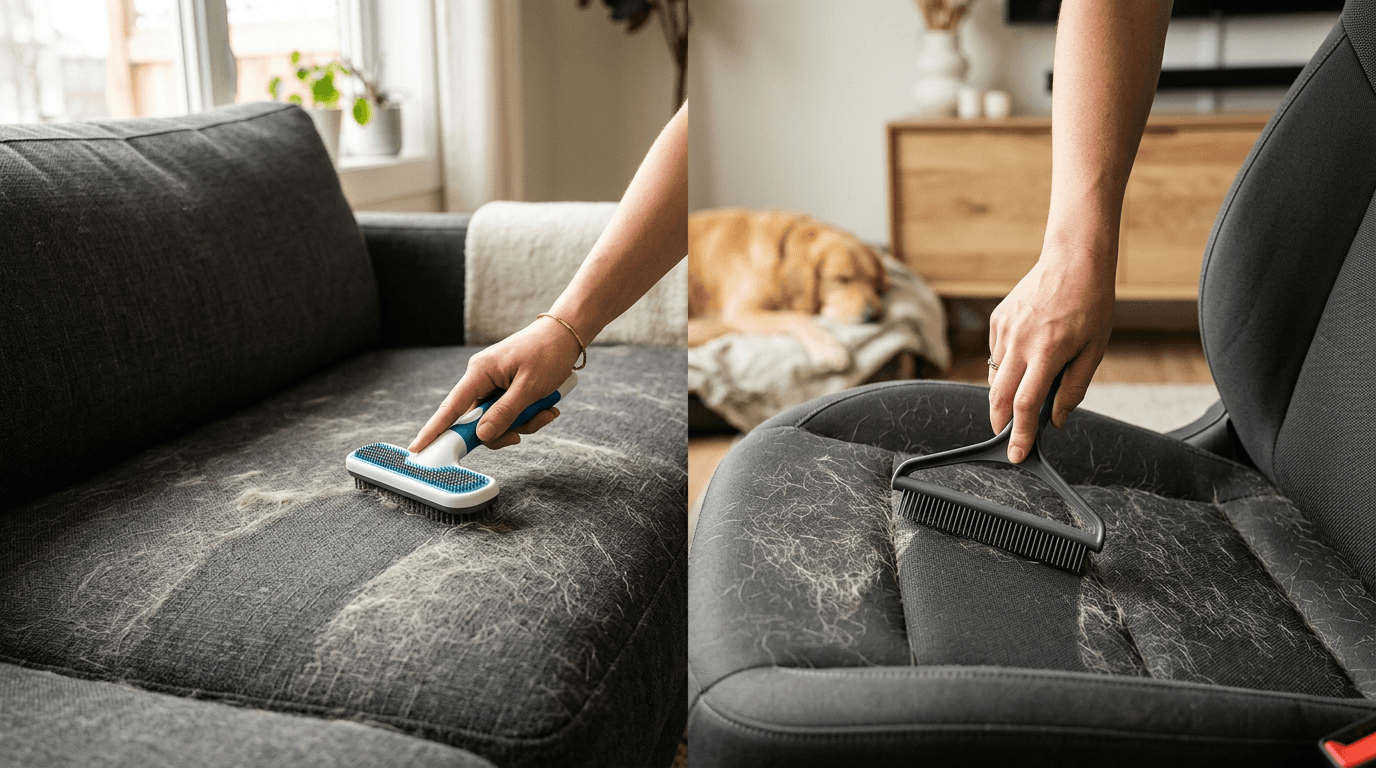
Pet hair has a way of “weaving” itself into upholstery: it clings to textured weaves, grabs onto static-y synthetics, and lodges in seams like it pays rent. The good news is you can remove pet hair from couch cushions and car seats without shredding fabric or leaving behind sticky residue—if you match the tool to the material and the mess.
This guide is comparison-led on purpose. Instead of pretending there’s one magic gadget, we’ll walk through the most common tool categories (reusable rollers, sticky lint rollers, electrostatic gloves/mitts, and scraper/rake tools) and show where each one wins, where it disappoints, and how to build a repeatable system.
What actually matters in this comparison
If you only focus on “what removes the most hair,” you’ll usually end up over-scraping or over-sticking your upholstery. For couches and car seats, what matters is the mix of:
1) Fabric risk (snagging, pilling, discoloration)
- •Snagging risk is highest on loose weaves, linen-look textiles, boucle, and some tweeds. Aggressive scraping can pull loops.
- •Pilling risk increases when you repeatedly abrade microfiber, velvet-like synthetics, or worn seat fabric.
- •Adhesive residue risk shows up on delicate upholstery, hot car interiors, or older leatherette where glue can soften.
The safest “high-power” approach often isn’t the safest overall.
2) Hair type + embed level
- •Short, stiff hairs (many Labs, Pugs, some hounds) behave like needles—great at embedding in car seat fabric and couch seams.
- •Long, fine fur (Golden Retrievers, many cats) tends to form tumbleweeds—easier to roll up, harder to get out of textured knits.
- •Undercoat fluff floats, statics, and gathers in corners.
3) Surface geometry: seams, piping, perforations
Car seats are full of traps: seat-track edges, stitching channels, perforated panels, and the crack between seat and console. Couches have piping, tufting, and removable covers. The best tool for a flat cushion top might be frustrating in seams.
4) Speed vs. consistency
- •Some tools are fast for weekly maintenance but struggle with “ground-in” hair.
- •Others are high-power for a neglected couch but too annoying to use daily.
A system you’ll actually use wins.
5) Cleanup and portability
A tool that collects hair but is miserable to clean becomes shelf decor. For cars, portability matters: you want something you can keep in the glove box without creating a sticky mess.
Baseline criteria and scoring method
To keep this comparison honest, here’s the scoring method used in the workflows below. Each method gets a 1–5 score (5 is best) in each category, then we interpret tradeoffs:
- •Hair lift on couch fabric (flat areas)
- •Hair extraction from seams/crevices
- •Fabric safety (low snag/pill/residue risk)
- •Speed (minutes to “looks clean”)
- •Consistency (works across multiple fabrics and hair types)
- •Convenience (cleanup, storage, portability)
Tools covered (with product examples):
- •Reusable roller: ChomChom Roller Pet Hair Remover – Original Size Reusable Lint Roller (White)
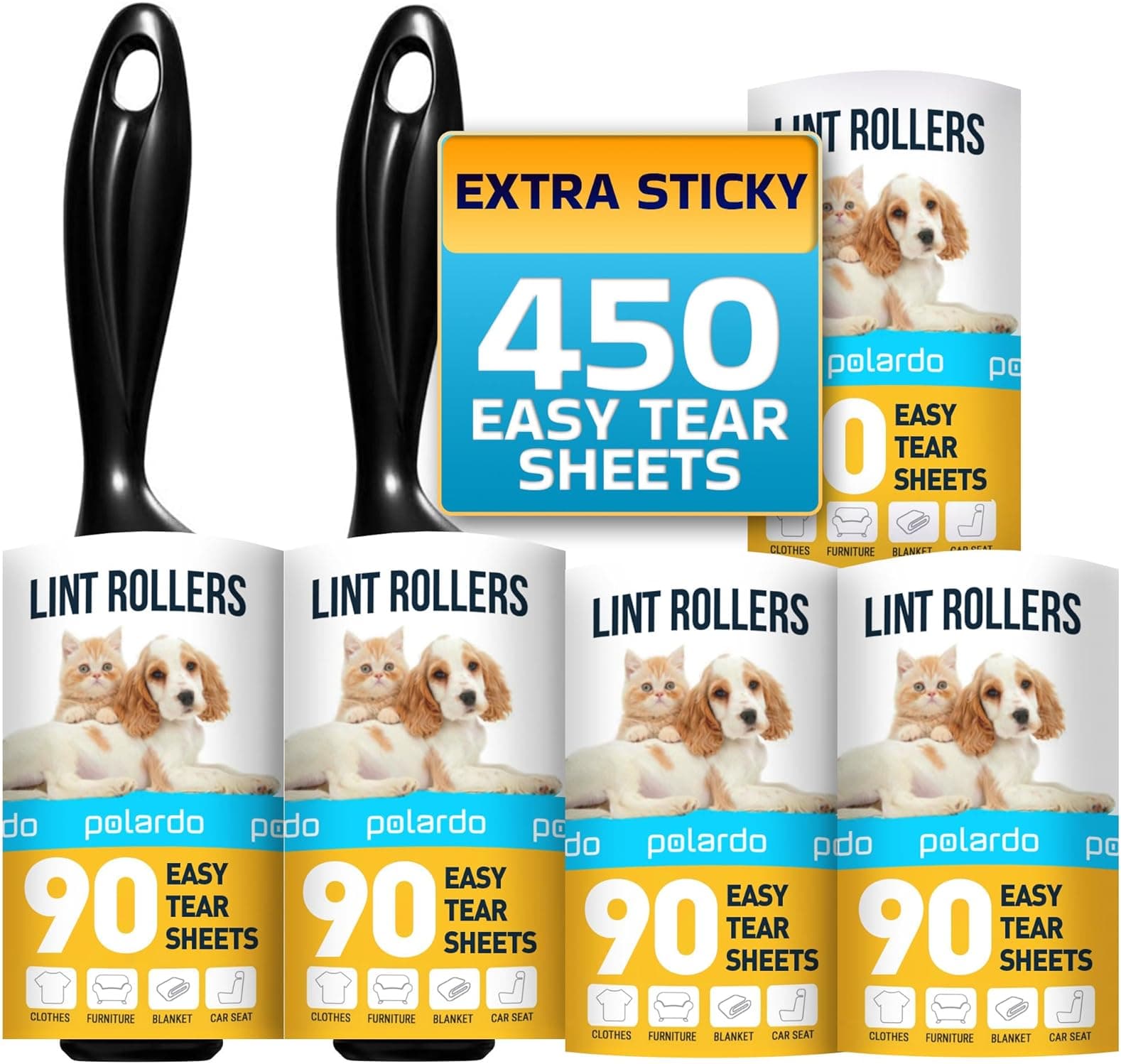
- •Sticky sheets: Lint Rollers for Pet Hair (5 Large Lint Rollers)
- •Electrostatic glove/mitt: Pet Hair Removal Glove (Yellow)
- •Scraper/rake tool set: Pet Hair Removal Tool (6 Pcs)
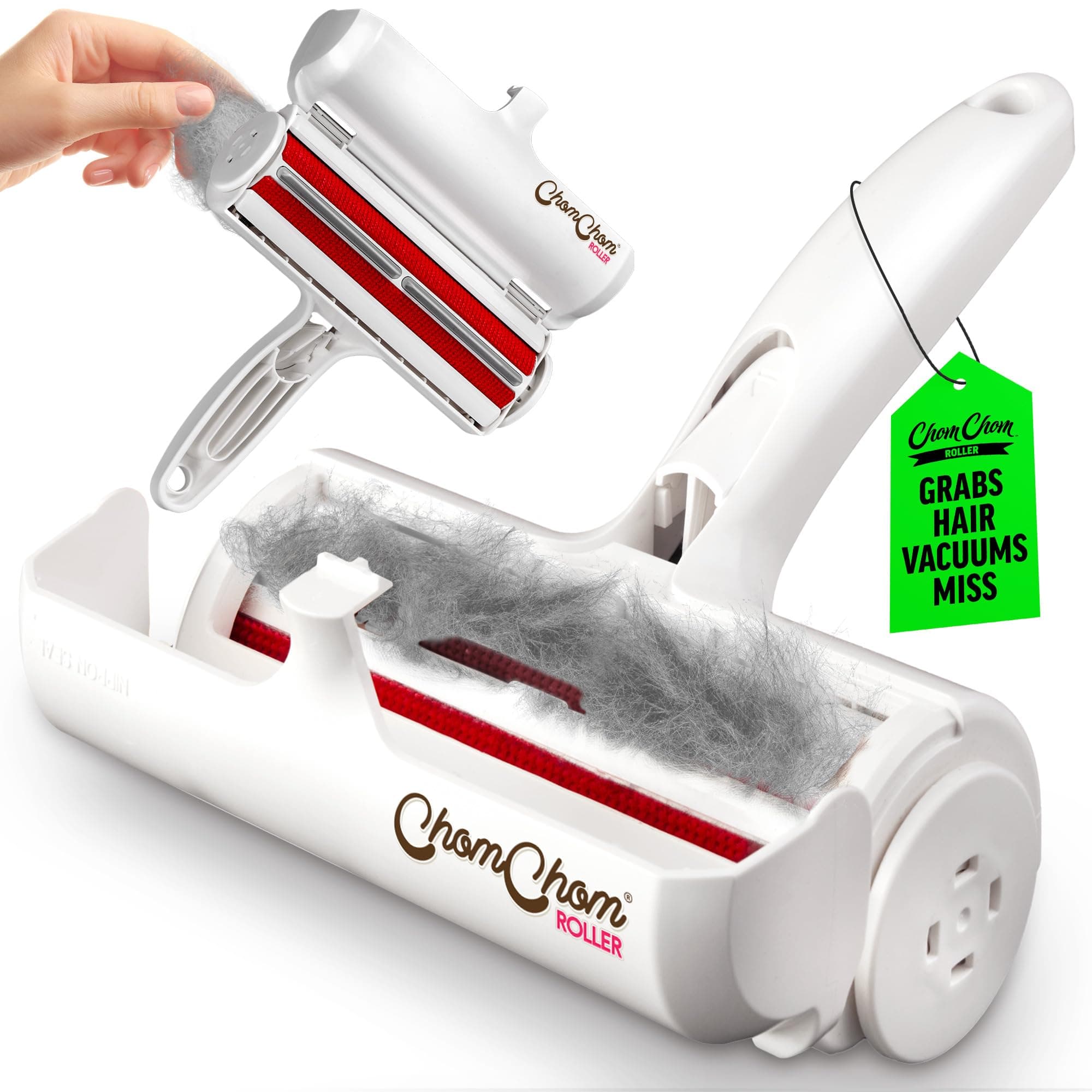
ChomChom Roller Pet Hair Remover – Original Size Reusable Lint Roller for Cat & Dog Hair on Furniture, Couch, Carpet, Car, Rugs & Bedding – Portable, Eco-Friendly (White)
ChomChom Roller
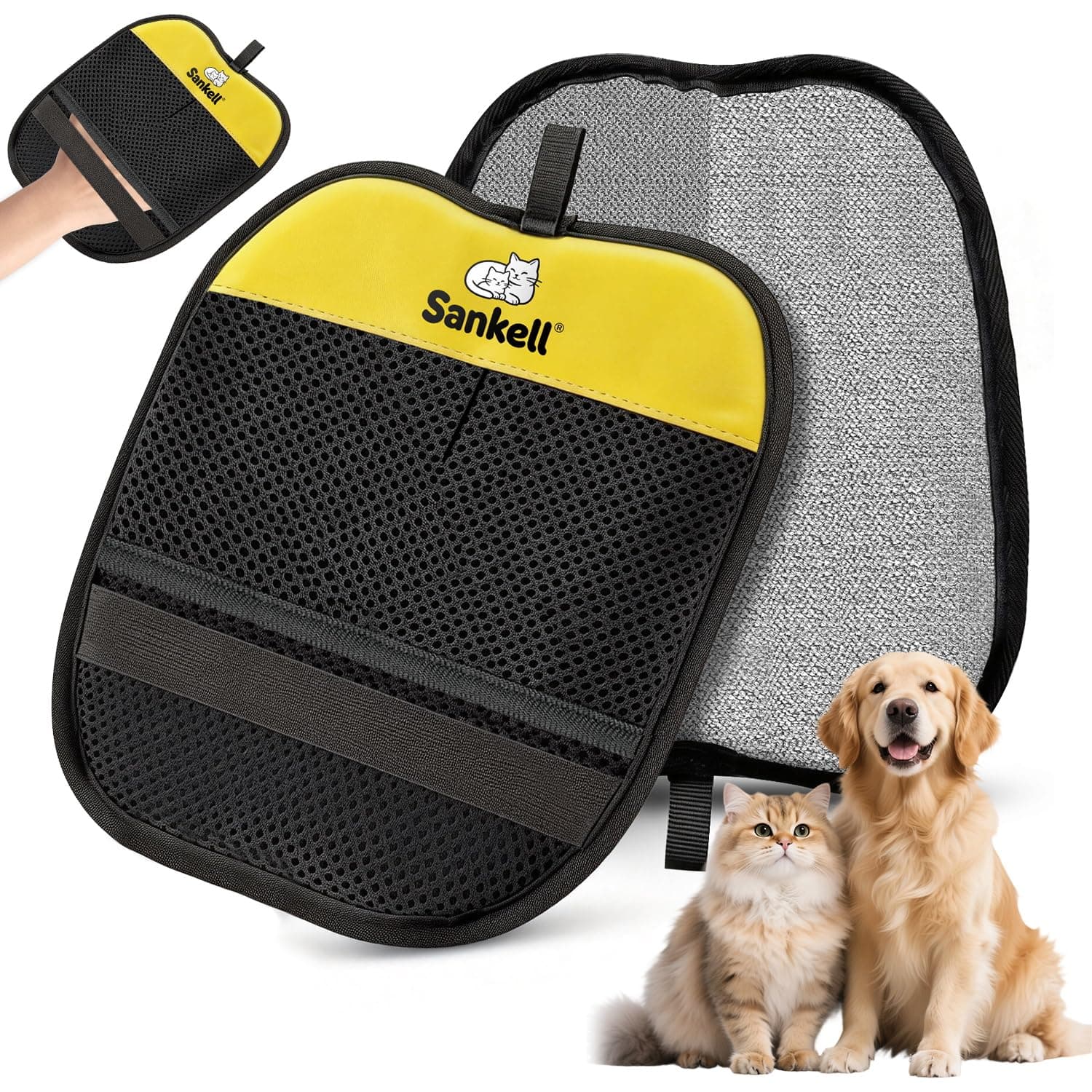
Pet Hair Removal Glove for Dogs & Cats, Newly Upgraded Reusable Electrostatic Pet Hair Remover Glove, Pet Hair Remover Mitt Tool for Couch, Furniture, Bed, Clothing, Carpet, Car Seat (Yellow)
Sankell
Side-by-side workflow analysis
Below are practical workflows (not just tool blurbs). Use these like recipes depending on what you’re cleaning.
Workflow A: Reusable roller for upholstery (best “daily driver” for most couches)
Example tool: ChomChom Roller
When it’s the right choice
- •You want to remove pet hair from couch surfaces quickly without adhesives.
- •You have microfiber, tightly woven upholstery, or performance fabric.
- •Hair is visible on top (not deeply embedded).
Step-by-step (couch) 1) Dry surface only. If the couch is damp from spot-cleaning, wait. Damp fibers grab hair and make rollers skid. 2) Roll in short strokes with light pressure. Think “collect,” not “scrub.” Excess pressure can increase pilling on worn microfiber. 3) Change direction once. One pass with the weave, one pass across it. Hair often aligns with fabric grain. 4) Finish seams with a corner technique. Tilt the roller so one edge traces the seam; this concentrates contact where hair hides.
Step-by-step (car seats) 1) Start on the seat back, then seat base—gravity helps hair fall downward. 2) Use edge passes along stitching and the seat/console crack. You may still need a crevice vacuum for the deepest channels.
Tradeoffs (what it won’t do well)
- •If you have short, needle-like hairs that are already embedded, you’ll get a “looks better” result, not a fully de-haired seat.
- •It’s less effective on very textured knits (some couch throws, boucle-like upholstery).
Scores (typical)
- •Flat areas: 5/5
- •Seams: 3/5
- •Fabric safety: 5/5
- •Speed: 5/5
- •Consistency: 4/5
- •Convenience: 4/5
Workflow B: Sticky lint rollers (best for precision and last-pass polishing)
Example tool: Lint Rollers for Pet Hair (5-pack)
When it’s the right choice
- •You need a quick “company is coming” polish.
- •You’re tackling throw pillows, armrests, and headrests where you want precision.
- •You need a car-friendly tool for a fast cleanup before a ride.
Step-by-step (couch) 1) Pat/press instead of rolling on delicate weaves. Press-lift is gentler than repeated rolling. 2) Use short, controlled rolls on microfiber or performance fabric. 3) Fold a sheet (sticky side out) to dab seams and piping.
Step-by-step (car seats) 1) Avoid hot surfaces. In summer, let the car cool first. Heat can soften adhesive and increase residue risk. 2) Use press-lift on textured panels where rolling skips over hair.
Tradeoffs
- •Ongoing cost (refills) and waste.
- •Potential residue on sensitive fabrics, especially in heat.
Scores (typical)
- •Flat areas: 4/5
- •Seams: 4/5
- •Fabric safety: 3/5 (higher risk in heat/delicates)
- •Speed: 4/5
- •Consistency: 4/5
- •Convenience: 5/5 for portability, 2/5 for ongoing refills
Workflow C: Electrostatic glove/mitt (best for irregular shapes and “hair herding”)
Example tool: Pet Hair Removal Glove (Yellow)
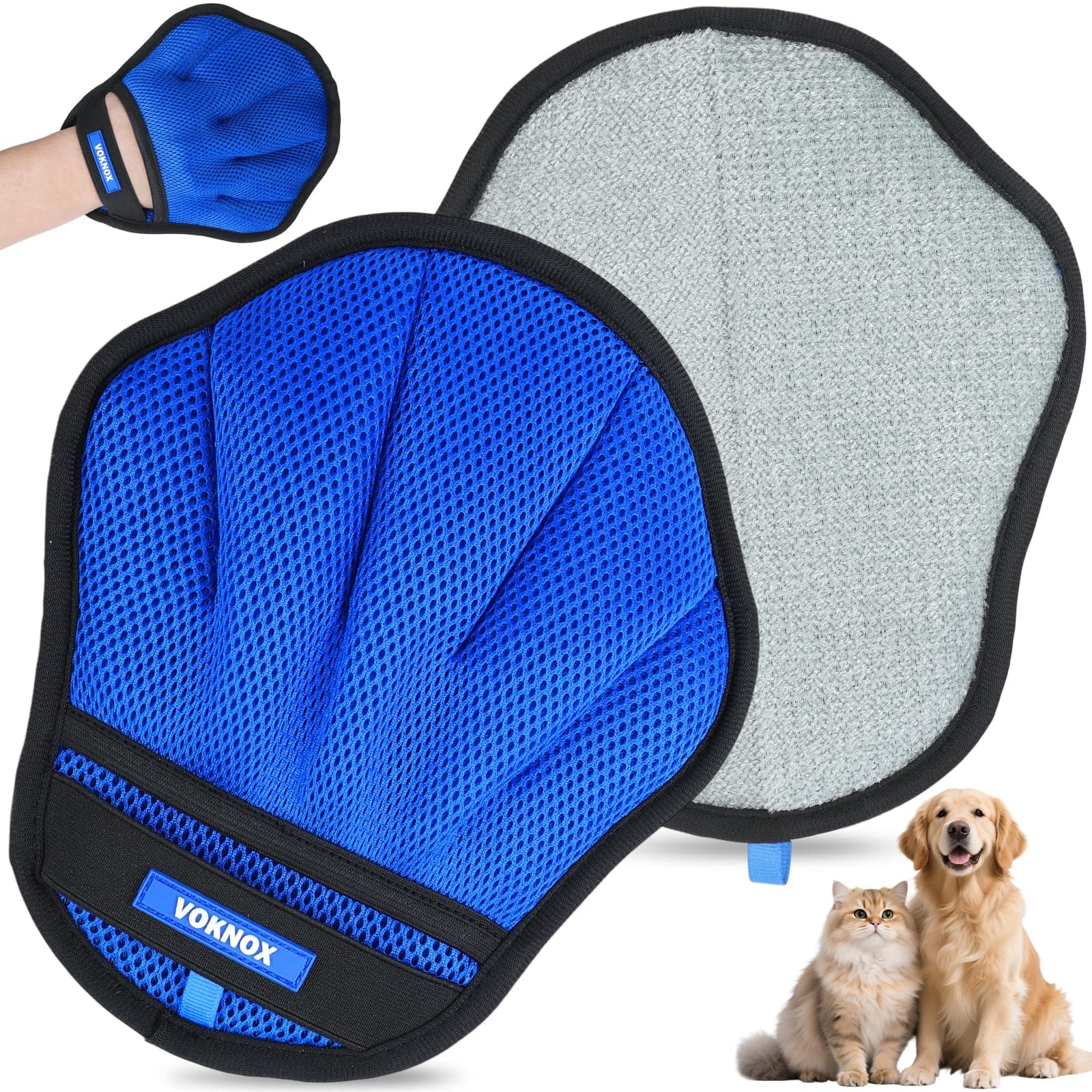
When it’s the right choice
- •You’re cleaning around button tufting, textured armrests, or tight car contours.
- •You want to gather hair into clumps before you pick it up.
- •You have pets that shed fine fur that statics easily.
Step-by-step (couch) 1) Dry glove + dry fabric. This is where electrostatic tools shine. 2) Use long sweeping strokes to “herd” hair into one line or pile. 3) Pinch-and-peel the hair clumps off the glove and discard. 4) Follow with a roller for the final 10–20% (especially on microfiber).
Step-by-step (car seats) 1) Sweep from top to bottom so hair gathers at the seat base. 2) Use fingertip pressure in seams and around seatbelt anchors. 3) Finish with a sticky lint sheet for stubborn stragglers if needed.
Tradeoffs
- •It’s not the fastest at making a large couch look clean by itself.
- •Performance varies with humidity (high humidity can reduce static cling).
Scores (typical)
- •Flat areas: 3/5
- •Seams: 4/5
- •Fabric safety: 5/5
- •Speed: 3/5
- •Consistency: 3/5 (humidity dependent)
- •Convenience: 4/5 (easy to store/clean)
Workflow D: Scraper/rake tools (best for embedded hair, highest fabric-risk category)
Example tool set: Pet Hair Removal Tool (6 Pcs)
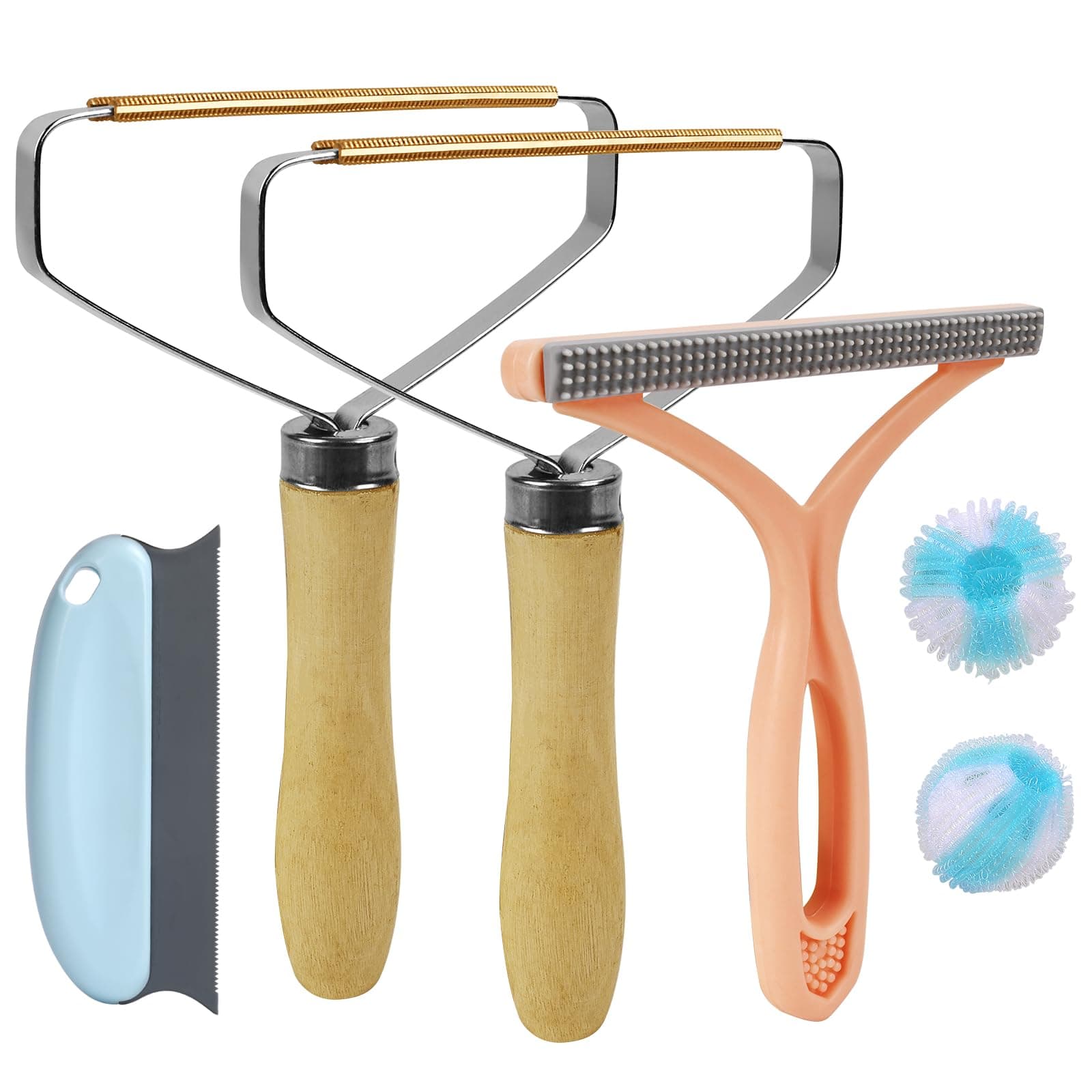
Pet Hair Removal Tool: 6 Pcs Dog Cat Hair Remover - Reusable Pet Hair Remover with Laundry Pet Hair Catcher - Portable Carpet Rake Scraper Fur Removal Tool for Rugs Car Mats Couch Furniture
Brand: Numhosai
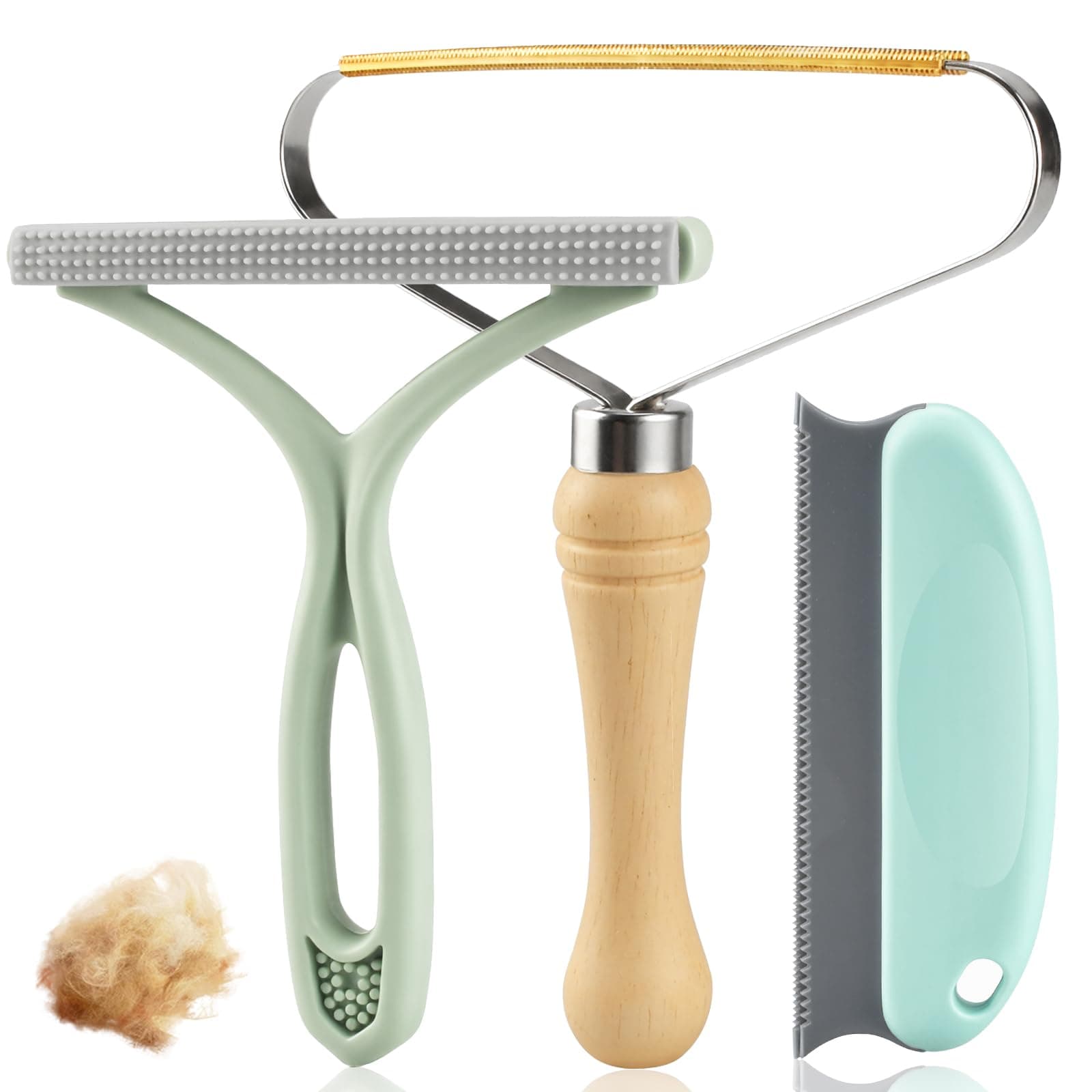
Pet Hair Removal Tool 3 Pack Dog Cat Hair Remover Carpet Scraper Rake Fur Removal Brush Lint Remover Shaver for Car Furniture Couch Green
Brand: AXEGY
When it’s the right choice
- •You’re dealing with embedded short hair in car seat fabric or a couch that hasn’t been de-haired in months.
- •Your upholstery is durable and tightly woven (or you’re working on removable covers you can replace).
Step-by-step (couch) 1) Test an inconspicuous spot first (back panel or underside). Do 10 gentle strokes. 2) Use minimal pressure and keep strokes short. Let the edge do the work. 3) Work one panel at a time and remove the hair pile before it re-distributes. 4) Stop if you see fuzzing or pilling and switch to a roller/glove.
Step-by-step (car seats) 1) Focus on the seat base where hair compresses. 2) Scrape in one direction to lift hair, then collect with a roller or vacuum. 3) Avoid delicate areas: loose weaves, decorative stitching, perforated faux leather, and soft headliner fabrics.
Tradeoffs
- •Highest chance of fabric wear if you get aggressive.
- •Best used as an occasional “deep reset,” not a daily method.
Scores (typical)
- •Flat areas: 5/5 (when hair is embedded)
- •Seams: 3/5
- •Fabric safety: 2/5 (depends heavily on fabric)
- •Speed: 4/5
- •Consistency: 3/5 (not safe everywhere)
- •Convenience: 3/5
Cost, effort, and consistency tradeoffs
Here’s the real-world tradeoff picture for removing pet hair from couch and car seats:
If you want the lowest ongoing cost
- •Reusable roller and electrostatic glove are usually the best long-term value.
- •Sticky lint rollers work, but you’ll feel the cost if you have multiple shedding pets or clean weekly.
If you want the lowest effort per session
- •For routine maintenance on a couch: the ChomChom Roller is hard to beat.
- •For quick car touch-ups: a sticky roller like the Lint Rollers 5-pack wins on speed—just watch the heat/residue issue.
If you need the most consistent results across surfaces
- •A two-tool combo is more consistent than any single tool:
- •Reusable roller + glove (safe + thorough)
- •Scraper tool + roller (deep reset + clean finish, but higher fabric risk)
If you’re trying to avoid fabric damage at all costs
- •Start with the lowest-risk options: glove/mitt and reusable roller.
- •Use scrapers/rakes only after you’ve tested a hidden spot and confirmed no snagging.
Which option wins by user profile
1) You have a microfiber couch + a shedding dog (daily hair, mostly on top)
- •Winner: ChomChom Roller
- •Why: Fast, consistent, low fabric risk.
- •Add-on: Pet Hair Removal Glove for seams and tufting.
2) You have textured upholstery (linen-look, tweed) + cat fur that statics
- •Winner: Pet Hair Removal Glove
- •Why: Lower snag risk than scraping; better control in texture.
- •Tradeoff: Slower; you may still want a lint roller for the final polish.
3) Your car seats are fabric and the hair is embedded (short dog hair “needles”)
- •Winner: Pet Hair Removal Tool (6 Pcs) used carefully
- •Why: This is the scenario where a scraper can actually outperform rolling.
- •Safety note: Test first; stop if you see pilling. Follow with a roller.
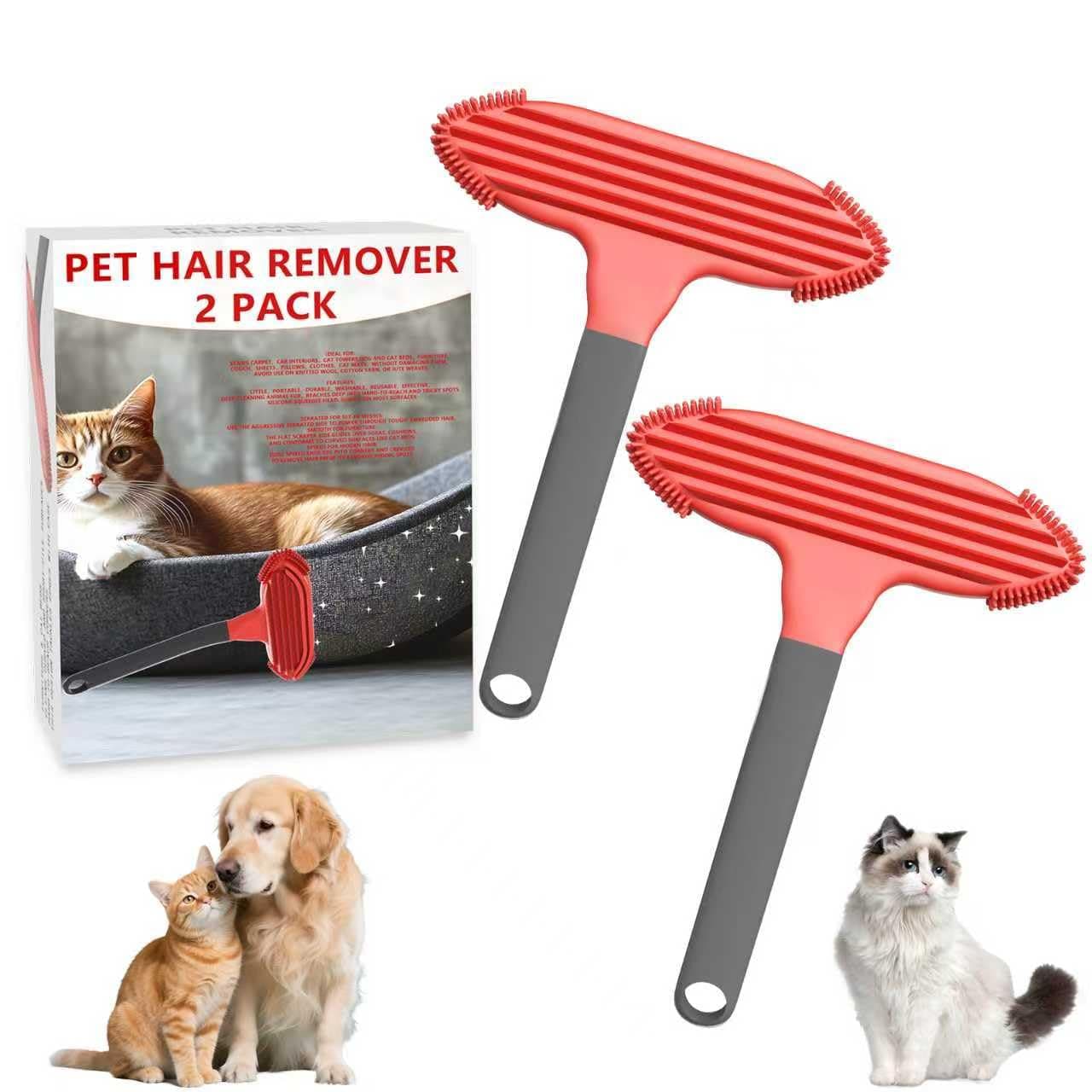
4) You need the fastest “before guests” reset
- •Winner: Lint Rollers 5-pack
- •Why: High convenience and fast visual payoff.
- •Tradeoff: Refills, waste, possible residue in heat.
5) You share the couch with multiple pets and want a repeatable system
- •Winner: Roller + glove combo
- •Why: You’ll be more consistent, and consistency beats occasional deep cleans.
Transition strategy if changing tools
Switching tools is when people accidentally damage fabric—usually because they overdo the new method to “prove it works.” Here’s how to transition safely.
Step 1: Identify your riskiest surface first
- •If you have a textured or delicate couch, test there first. Cars are often more durable, but seat fabrics vary.
Step 2: Use the “two-minute test”
On a hidden area:
- •Do 60 seconds of your new method.
- •Inspect for fuzzing, pulled loops, color change, or a roughened nap.
- •If anything looks worse, downgrade to a safer tool (glove/roller) and reserve aggressive tools for floor mats or heavy-duty fabrics.
Step 3: Start with maintenance frequency, not maximum power
- •If you’re moving from sticky rollers to a reusable roller, clean more often for the first two weeks. Less buildup means less force needed.
Step 4: Build a simple pairing
- •Couch: reusable roller + glove
- •Car: sticky lint roller for quick touch-ups + occasional careful scraper session (only if your fabric tolerates it)
Common decision mistakes
Mistake 1: Scraping delicate upholstery because it worked on carpet
Carpet rakes and upholstery scrapers can be cousins, but couches (especially boucle, linen-look, and loose weaves) can snag fast. If your couch has visible loops, treat scraping as “last resort.”
Mistake 2: Using sticky rollers on a hot car seat
Heat changes everything: adhesive softens, residue risk increases, and the roller may leave streaks that attract dirt. If the seat is warm to the touch, wait or use a glove first.
Mistake 3: Pressing harder instead of changing technique
If hair isn’t lifting:
- •Change direction.
- •Switch from rolling to press-lift (for sticky sheets).
- •Herd hair into piles with a glove, then pick up with a roller.
Harder pressure often means more pilling, not more hair removal.
Mistake 4: Ignoring seams and cracks until the end
Seams are where hair “hides” and re-spreads. Do a seam pass early, then finish flat panels.
Mistake 5: Expecting one tool to solve couch + car + clothes
Different surfaces require different friction and collection styles. A small kit beats a single “miracle” gadget.
Final recommendation framework
If your goal is to remove pet hair from couch reliably without damaging fabric, use this decision framework:
1) Start with the safest high-coverage tool
- •For most couches: ChomChom Roller
- •Why: Strong performance on flat areas with low fabric risk and no refills.
2) Add a “detail tool” for seams and shapes
- •For couch tufting, arm creases, and car contours: Pet Hair Removal Glove
- •Why: Better control and gentle on most fabrics.
3) Keep sticky lint rollers for targeted situations
- •For guests, outfits, headrests, and quick car cleanup: Lint Rollers 5-pack
- •Rule: Avoid hot seats; use press-lift on delicate weaves.
4) Use scraper/rake tools only as an occasional deep-reset (with testing)
- •For embedded hair in durable fabrics: Pet Hair Removal Tool (6 Pcs)
- •Rule: Test first, use minimal pressure, and stop at the first sign of fuzzing.
A practical “default system” most pet owners can follow
- Weekly couch maintenance: reusable roller
- Seams/tufts and car contours: glove
- Before leaving the house or picking up passengers: sticky lint roller
- Monthly (or as needed) deep reset on tolerant fabrics: scraper tool + roller finish
Done this way, you’ll spend less time fighting hair, and you’ll do it without slowly wearing out the fabric you’re trying to protect.
Hair Removal Cluster
More in this topic
guide
How to Remove Pet Hair from Furniture and Clothes Fast
guide
Best robot vacuum for pet hair: what to look for in 2026
guide
How to remove pet hair from car seats fast (no stress)
guide
Best Pet Hair Remover for Rugs and Carpet: What Actually Works (Real-World Guide)
guide
Pet Hair Removal Routine for Multi-Pet Homes: A Comparison-Led Guide That Actually Sticks
guide
Pet Hair Cleanup Routine for Small Apartments: A Fast Daily System That Actually Sticks
Frequently asked questions
What is the safest way to remove pet hair from a couch without damaging fabric?
Start with low-abrasion tools: a reusable roller for flat areas and an electrostatic glove/mitt for seams and tufting. Use light pressure and change direction rather than scrubbing harder. Reserve scraper/rake tools for durable fabrics only, and always test a hidden area first to check for snagging or pilling.
How do I remove short, embedded dog hair from car seats?
Short hairs often embed into seat fabric and resist rolling. A careful upholstery scraper/rake pass can lift embedded hair, but use minimal pressure and test first to avoid pilling. After lifting, collect the loosened hair with a reusable roller or a sticky lint sheet, then finish seams with a glove or press-lift technique.
Are sticky lint rollers bad for couches or car seats?
They’re not inherently bad, but they have two common drawbacks: ongoing refill cost/waste and the potential for adhesive residue—especially in hot cars where glue softens. On delicate upholstery, use press-lift instead of aggressive rolling, and avoid using sticky rollers on warm seats or sensitive weaves.
