
guide • Hair Removal (Home)
Best Pet Hair Remover for Rugs and Carpet: What Actually Works (Real-World Guide)
Tired of hair that “won’t vacuum up”? Here’s what actually works on rugs and carpet, with scenario-based workflows and product picks that match your workload.
By Lucy Anderson • March 5, 2026 • 7 min read
Table of contents
- Scenario map: apartment, family home, multi-pet
- Scenario A: Apartment (small space, visible fast)
- Scenario B: Family home (traffic + mixed mess)
- Scenario C: Multi-pet (two+ animals, nonstop shedding)
- Constraints and risk profile per scenario
- Rug/carpet type risks (don’t skip this)
- Time and effort constraints
- Allergy/dander considerations
- Tailored workflow by scenario
- Apartment workflow (5 minutes, low noise)
- Family home workflow (daily reset + weekly deep)
- Multi-pet workflow (high volume, fewer battles)
- Product picks matched to workload
- For fast, frequent cleanup (surface hair)
- For edges, stairs, clothes, and guest panic
- For embedded hair on rugs and carpet (the “why won’t it vacuum?” problem)
- For prevention (reduce what lands on carpet)
- Time-saving tactics under pressure
- The “sunlight test” targeting trick
- Work in one direction to make clumps
- Keep one tool per floor
- Micro-sessions beat weekend marathons
- What breaks in real life and how to adapt
- Problem: The hair is “stuck” like Velcro
- Problem: You snagged or fuzzed a rug
- Problem: You’re removing hair but it just relocates
- Problem: The carpet looks clean, but smells or triggers allergies
- Problem: You don’t have time, so it gets bad fast
- Weekly review framework
- Step 1: Identify your top 3 hair sources
- Step 2: Grade your carpet zones (A/B/C)
- Step 3: Adjust tool use based on grades
- Step 4: Prevention upgrade (small change, big payoff)
- Final execution checklist
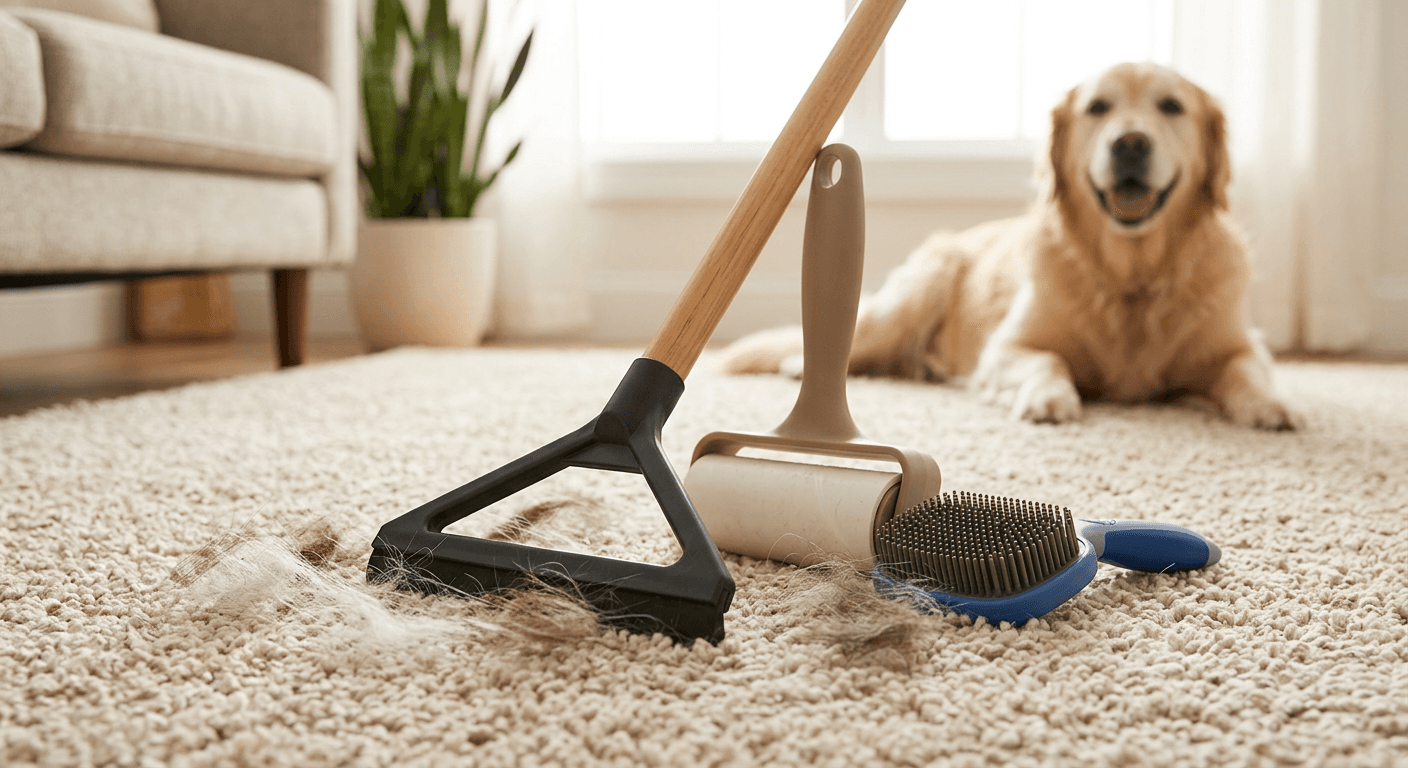
Pet hair on carpet is annoying for one reason: it doesn’t behave like normal dirt. It weaves into the pile, clings to static, and forms little felted “nests” in high-traffic zones. If you’ve ever vacuumed three times and still seen a gray halo of fur, you’re not crazy—you’re using the wrong tool at the wrong moment.
This guide focuses on the best pet hair remover for carpet situations you actually live in: apartments, family homes, and multi-pet chaos. You’ll get decision criteria, tradeoffs, and workflows that don’t require an all-day cleaning marathon.
Scenario map: apartment, family home, multi-pet
Most “best pet hair remover for carpet” lists fail because they treat every home the same. Start by naming your scenario—then choose tools and routines that match it.
Scenario A: Apartment (small space, visible fast)
- •Typical pain: one area rug, one hallway runner, and a couch that seems to shed on its own.
- •What hair looks like: light surface hair + static cling, especially on synthetic rugs.
- •What you need: fast daily wins and quiet tools you’ll actually use.
Concrete example: You’ve got a 5x7 rug by the sofa, and your cat loves to loaf there. The hair is “sprinkled,” but along the rug edge it’s embedded.
Scenario B: Family home (traffic + mixed mess)
- •Typical pain: kids, crumbs, and hair together; you’re cleaning in sprints.
- •What hair looks like: matted zones near doors, under dining chairs, and at the base of stairs.
- •What you need: tools that handle volume and don’t require perfect technique.
Concrete example: The living room carpet looks fine until sunlight hits it—then it’s a fur shimmer. Under the coffee table, hair is twisted into the pile.
Scenario C: Multi-pet (two+ animals, nonstop shedding)
- •Typical pain: hair returns within hours; rugs become “hair magnets.”
- •What hair looks like: dense tumbleweeds + embedded clumps; rugs trap hair at the backing.
- •What you need: a two-stage approach (loosen + collect) and realistic maintenance.
Concrete example: Two dogs blow coat seasonally and your entryway rug turns into a brush. Vacuuming alone leaves a layer behind.
Constraints and risk profile per scenario
Choosing a pet hair remover for carpet is mostly about constraints: noise, time, rug type, and how much “elbow grease” you can tolerate.
Rug/carpet type risks (don’t skip this)
- •High-pile shag: hair hides deep; aggressive scraping can fuzz fibers.
- •Low-pile/flatweave: hair sits closer to the surface; rolling tools work well.
- •Loop pile (Berber-style): scraping tools can snag loops if you dig in.
If you don’t know what you have: pinch the rug surface. Loops look like tiny “O” shapes; cut pile looks like soft grass.
Time and effort constraints
- •Apartment reality: you’ll use something for 60–120 seconds more often than a “perfect” tool that takes 10 minutes.
- •Family home reality: you need fast resets before guests, school, or bedtime.
- •Multi-pet reality: you need a weekly deep pull, plus daily containment.
Allergy/dander considerations
Hair is visible; dander isn’t. If allergies are part of your household, you want a workflow that reduces what gets kicked into the air:
- •Loosen hair first (so it clumps), then collect it—don’t just blast it around.
- •Avoid dry, frantic brushing on carpet if someone is sensitive; it can aerosolize dander.
Tailored workflow by scenario
The most reliable approach is a simple two-step: loosen embedded hair and capture it cleanly. Which tools you use depends on your scenario.
Apartment workflow (5 minutes, low noise)
1) Spot-remove the “hair hot zone” (usually rug edge or sofa-front area) with a reusable roller.
- •Use the ChomChom Roller Pet Hair Remover – Original Size Reusable Lint Roller for Cat & Dog Hair on Furniture, Couch, Carpet, Car, Rugs & Bedding – Portable, Eco-Friendly (White) for quick passes. It’s especially good when hair is mostly on the surface and you want a clean-looking rug fast.
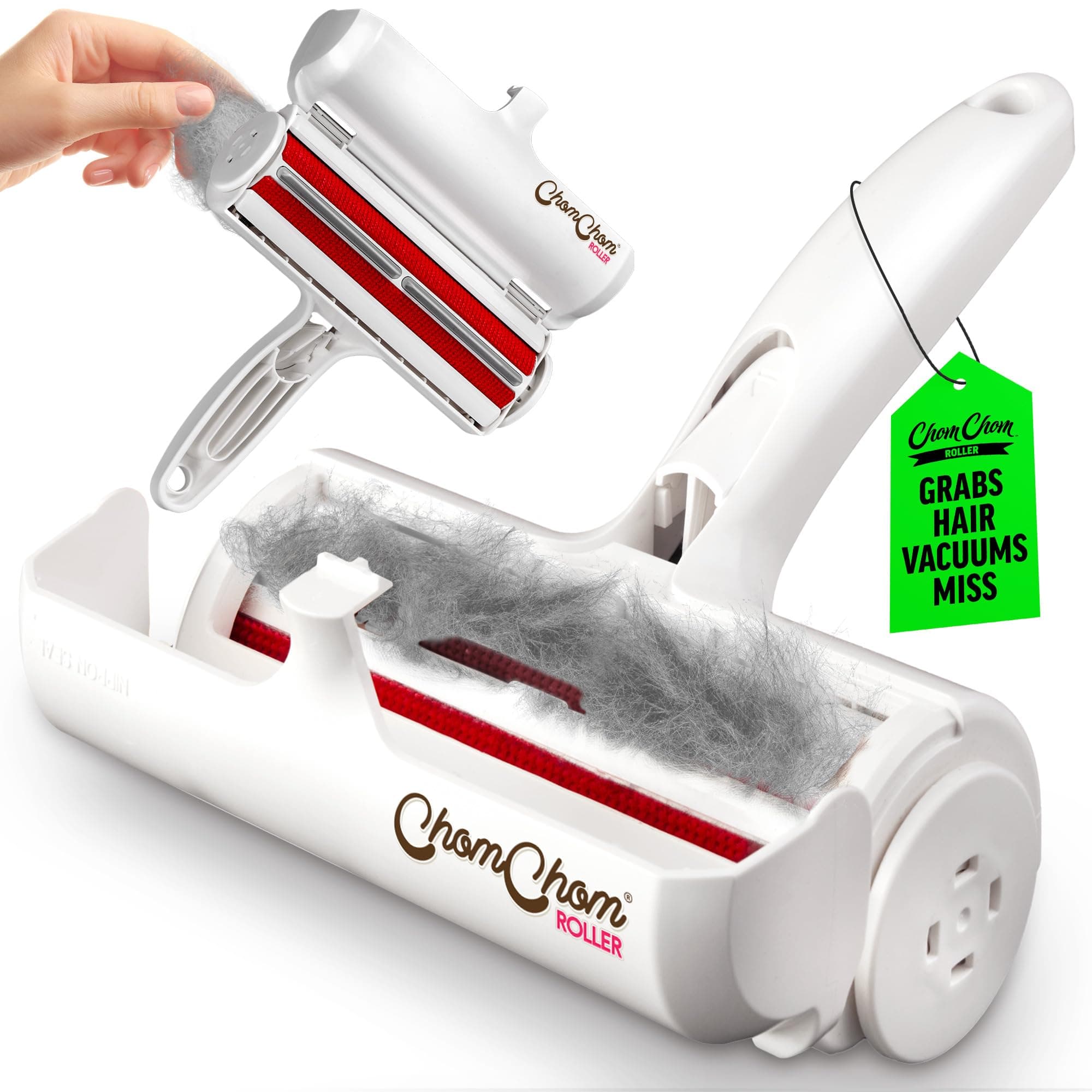
ChomChom Roller Pet Hair Remover – Original Size Reusable Lint Roller for Cat & Dog Hair on Furniture, Couch, Carpet, Car, Rugs & Bedding – Portable, Eco-Friendly (White)
ChomChom Roller
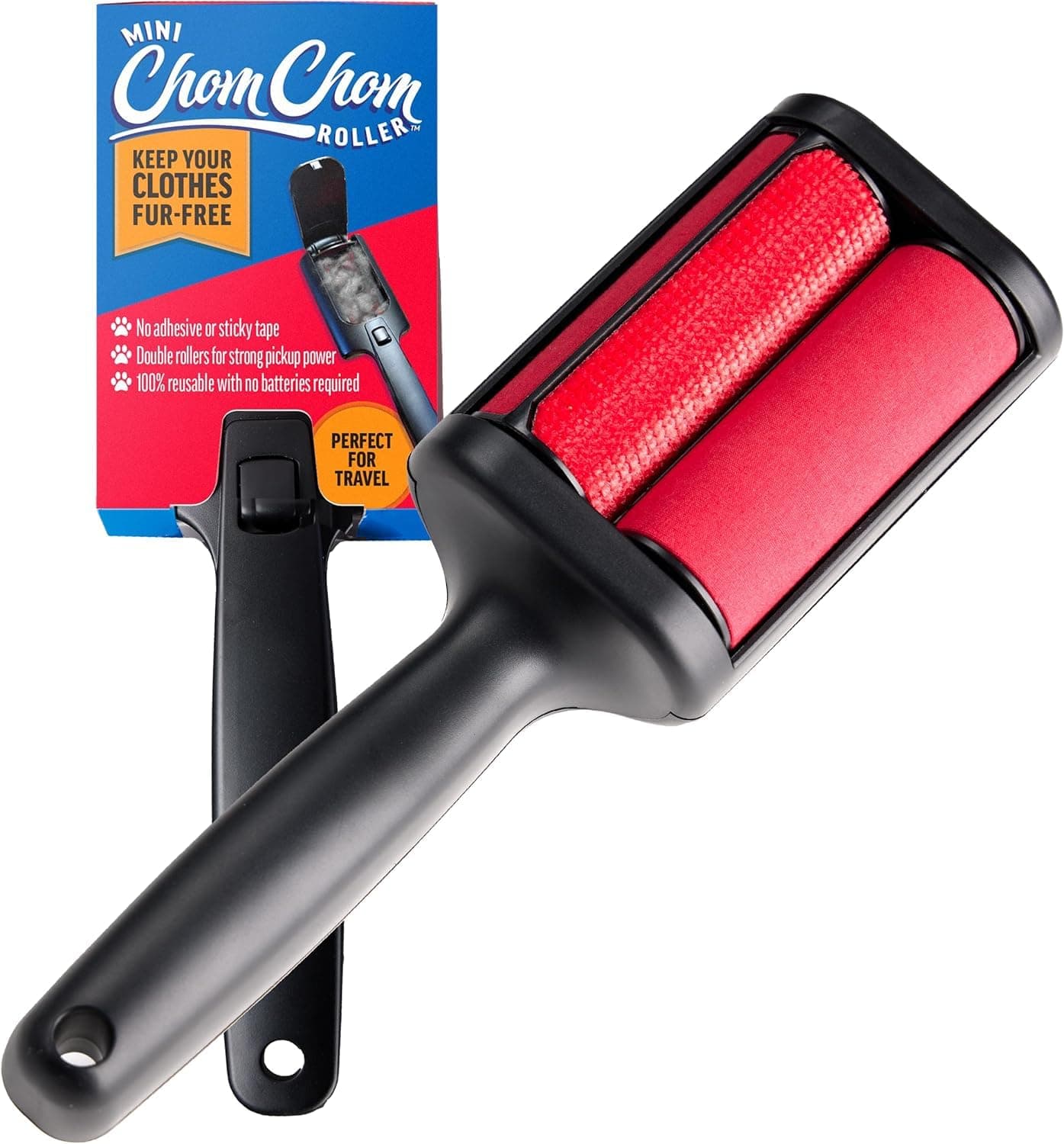
ChomChom Roller Pet Hair Remover – Reusable Lint Roller Pet Hair Removal Tool for Clothes, Couches, Cars and Travel - Cat Dog Hair Remover, Compact, No Sticky Refills Needed (Mini Roller)
ChomChom
2) Detail corners and baseboards where hair collects.
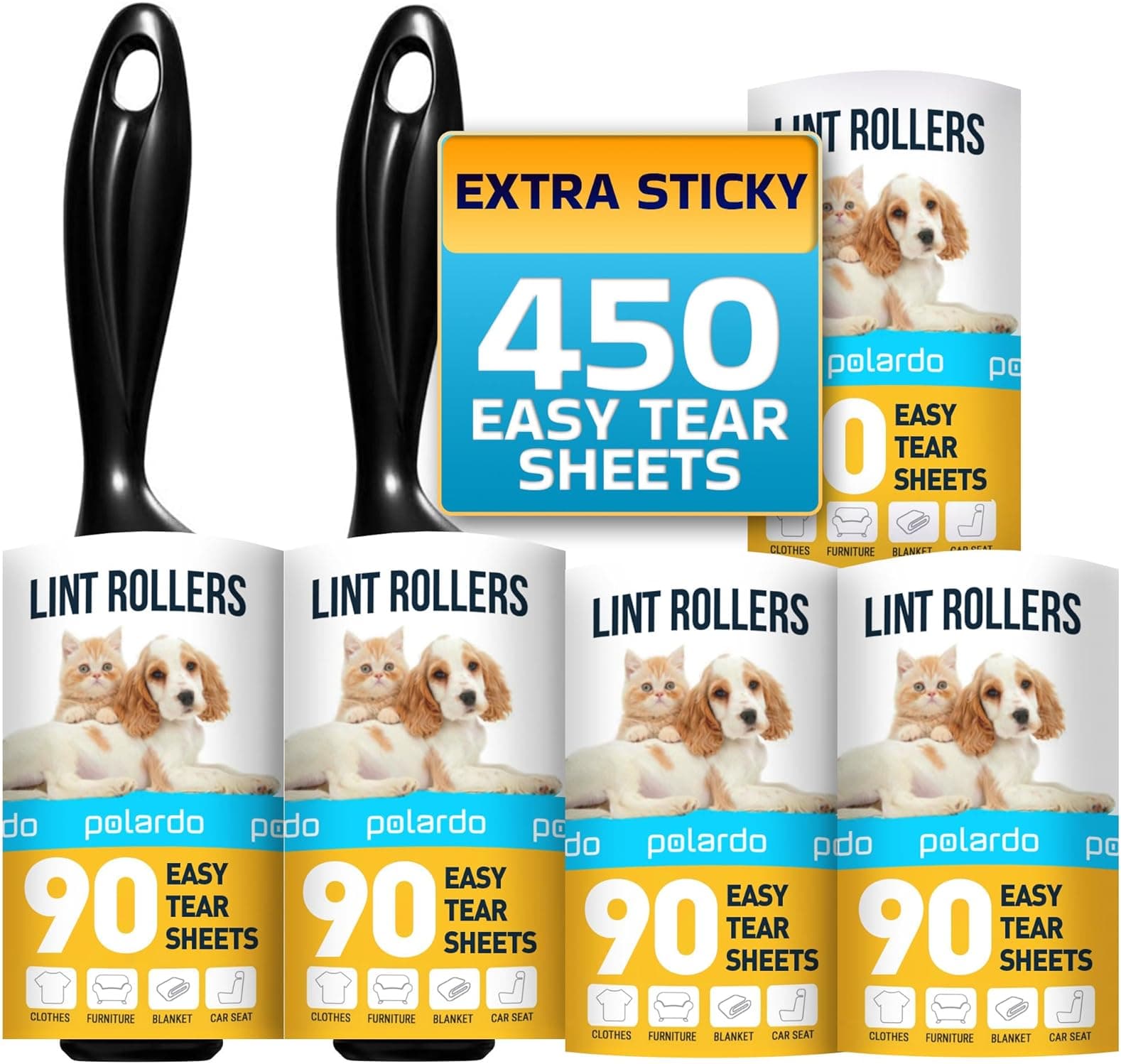
- •Use a sticky option like Lint Rollers for Pet Hair, Sticky, Remover for Couch, Clothes Furniture and Carpet. Dog Hair Remover Cat Hair, Animal Fur, Fuzz. 5 Large Lint Rollers for edges, stairs, and where rugs meet walls.
3) Weekly: deep pull embedded hair (2–6 minutes per rug).
- •Use a rake/scraper style tool like Pet Hair Removal Tool: 6 Pcs Dog Cat Hair Remover - Reusable Pet Hair Remover with Laundry Pet Hair Catcher - Portable Carpet Rake Scraper Fur Removal Tool for Rugs Car Mats Couch Furniture with light pressure and short strokes.
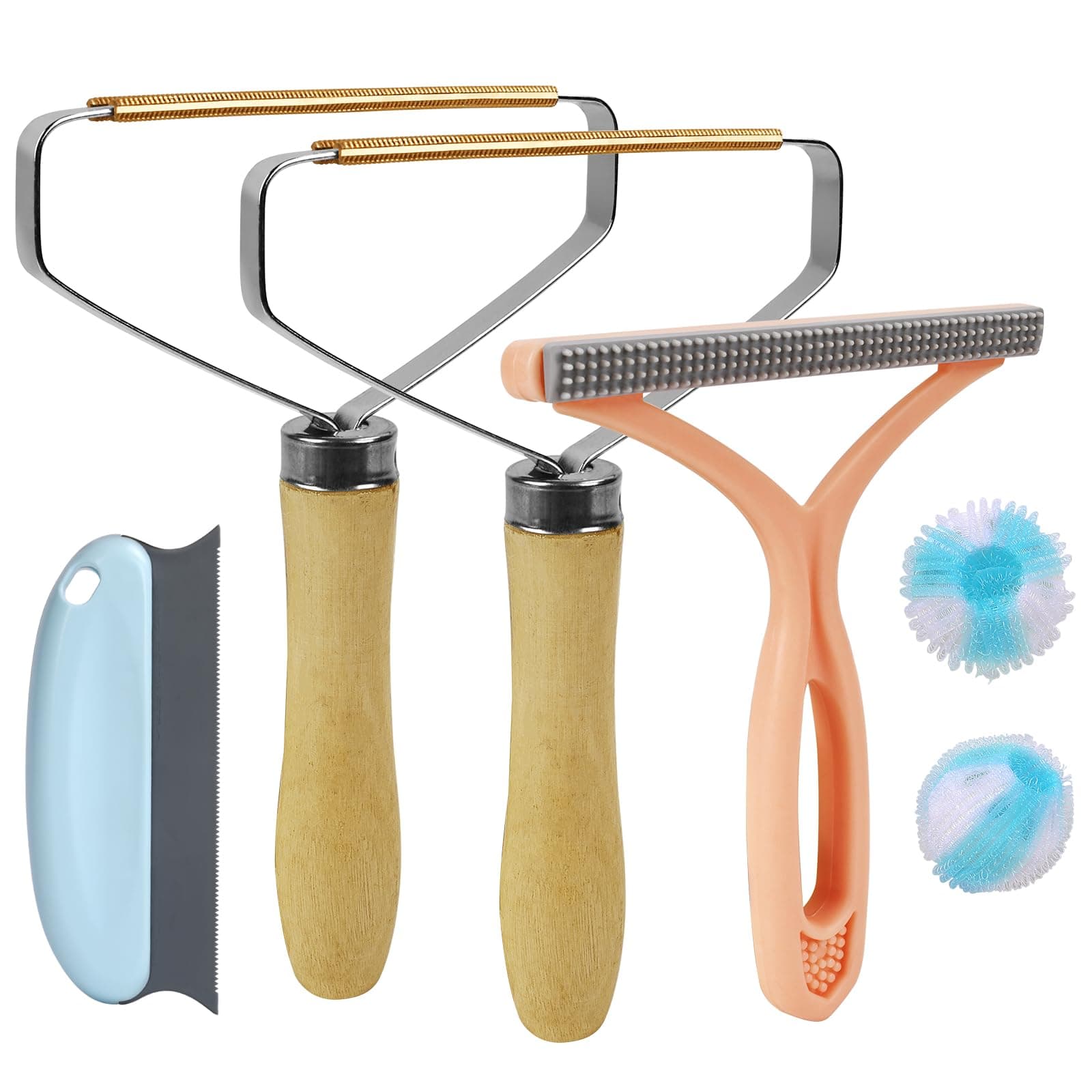
Pet Hair Removal Tool: 6 Pcs Dog Cat Hair Remover - Reusable Pet Hair Remover with Laundry Pet Hair Catcher - Portable Carpet Rake Scraper Fur Removal Tool for Rugs Car Mats Couch Furniture
Brand: Numhosai
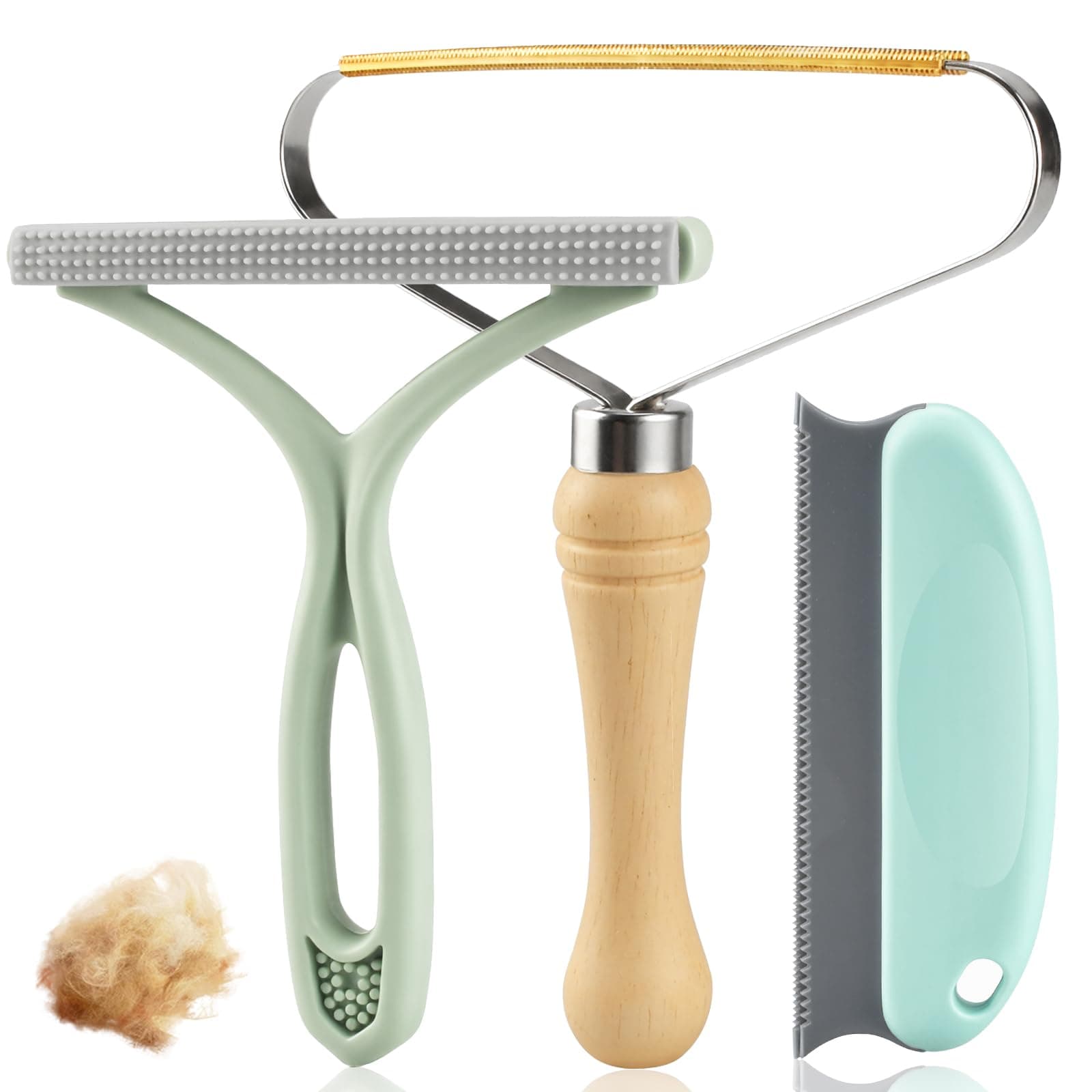
Pet Hair Removal Tool 3 Pack Dog Cat Hair Remover Carpet Scraper Rake Fur Removal Brush Lint Remover Shaver for Car Furniture Couch Green
Brand: AXEGY
Adaptation tip: If your rug is loop pile, use gentler strokes and test in a corner first to avoid snagging.
Family home workflow (daily reset + weekly deep)
1) Daily reset (3–7 minutes): “collect then vacuum.”
- •First pass: use the ChomChom Roller Pet Hair Remover – Original Size Reusable Lint Roller for Cat & Dog Hair on Furniture, Couch, Carpet, Car, Rugs & Bedding – Portable, Eco-Friendly (White) on the areas that look dirty in sunlight (traffic lanes, under the table).
- •Second pass: vacuum normally. You’ll notice the vacuum fills faster because the hair is no longer “stitched” into the pile.
ChomChom Roller Pet Hair Remover – Original Size Reusable Lint Roller for Cat & Dog Hair on Furniture, Couch, Carpet, Car, Rugs & Bedding – Portable, Eco-Friendly (White)
ChomChom
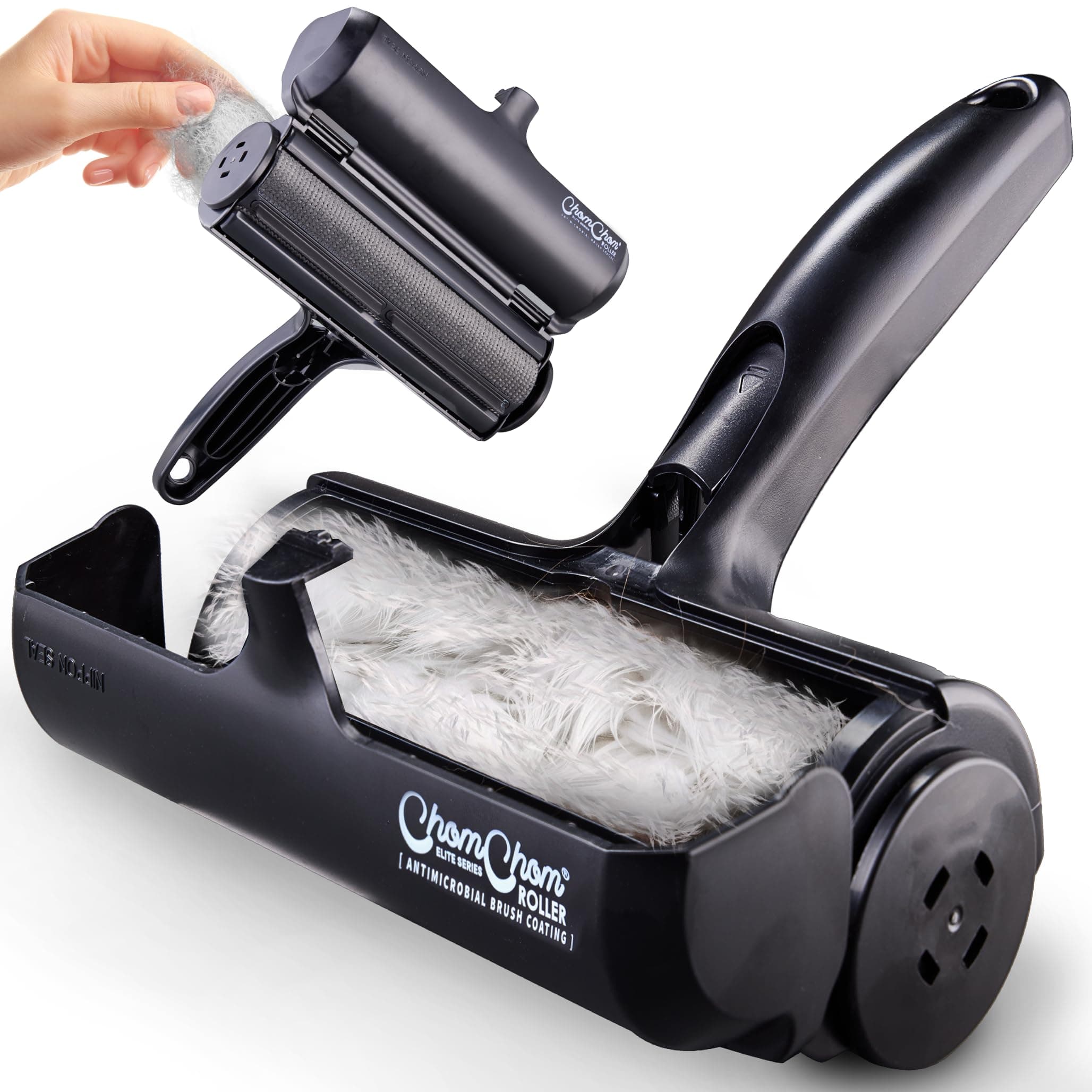
ChomChom Roller Pet Hair Remover – Original Size Reusable Lint Roller for Cat & Dog Hair on Furniture, Couch, Carpet, Car, Rugs & Bedding – Portable, Eco-Friendly (Black)
ChomChom
2) After-dinner sprint (60 seconds): stop hair migration.
- •Keep a sticky roller like Lint Rollers for Pet Hair, Sticky, Remover for Couch, Clothes Furniture and Carpet. Dog Hair Remover Cat Hair, Animal Fur, Fuzz. 5 Large Lint Rollers in a kitchen drawer and hit chair legs, baseboards, and the “crumb + hair line” near thresholds.
3) Weekly deep pull (10–20 minutes): target embedded zones.
- •Use the Pet Hair Removal Tool: 6 Pcs Dog Cat Hair Remover - Reusable Pet Hair Remover with Laundry Pet Hair Catcher - Portable Carpet Rake Scraper Fur Removal Tool for Rugs Car Mats Couch Furniture where hair mats: by doors, under sofas, stair landings.
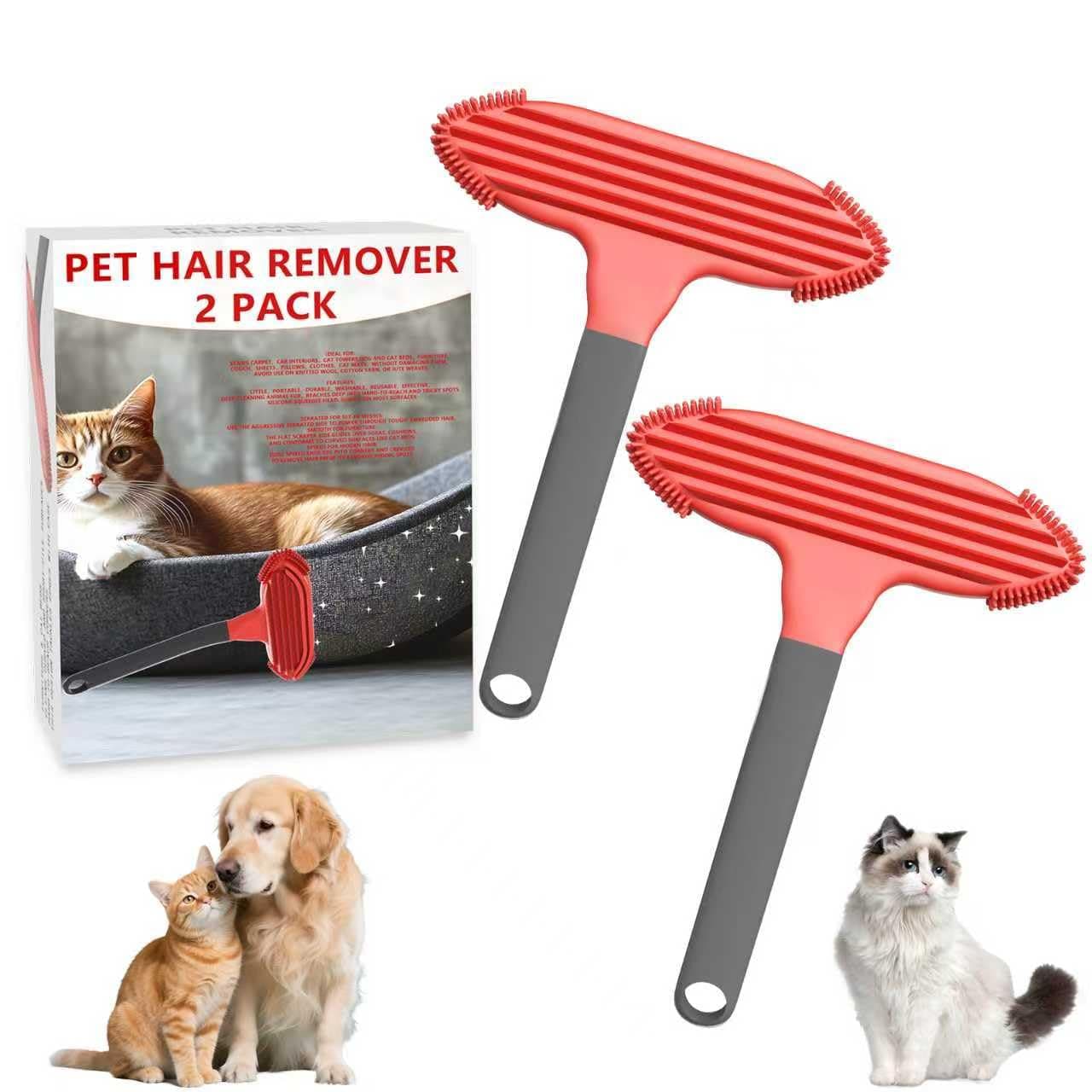
Concrete example: If the carpet near the front door looks “shadowed,” rake it lightly in one direction until hair forms a line, then pick up the clumps, then vacuum.
Multi-pet workflow (high volume, fewer battles)
1) Every other day: loosen embedded hair before it felts.
- •Use the Pet Hair Removal Tool: 6 Pcs Dog Cat Hair Remover - Reusable Pet Hair Remover with Laundry Pet Hair Catcher - Portable Carpet Rake Scraper Fur Removal Tool for Rugs Car Mats Couch Furniture in short sections (2x2 feet). Don’t try to do the whole room—do the “pet routes.”
2) Daily: quick surface pickup where it matters most.
- •Use the ChomChom Roller Pet Hair Remover – Original Size Reusable Lint Roller for Cat & Dog Hair on Furniture, Couch, Carpet, Car, Rugs & Bedding – Portable, Eco-Friendly (White) on the main rug and the couch-front strip. It’s fast and doesn’t require replacing sheets.
3) Grooming “buffer” (2 minutes, prevents carpet buildup).
- •Before your pets settle on rugs, do a quick pass with a grooming mitt like the Pet Hair Removal Glove for Dogs & Cats, Newly Upgraded Reusable Electrostatic Pet Hair Remover Glove, Pet Hair Remover Mitt Tool for Couch, Furniture, Bed, Clothing, Carpet, Car Seat (Yellow).
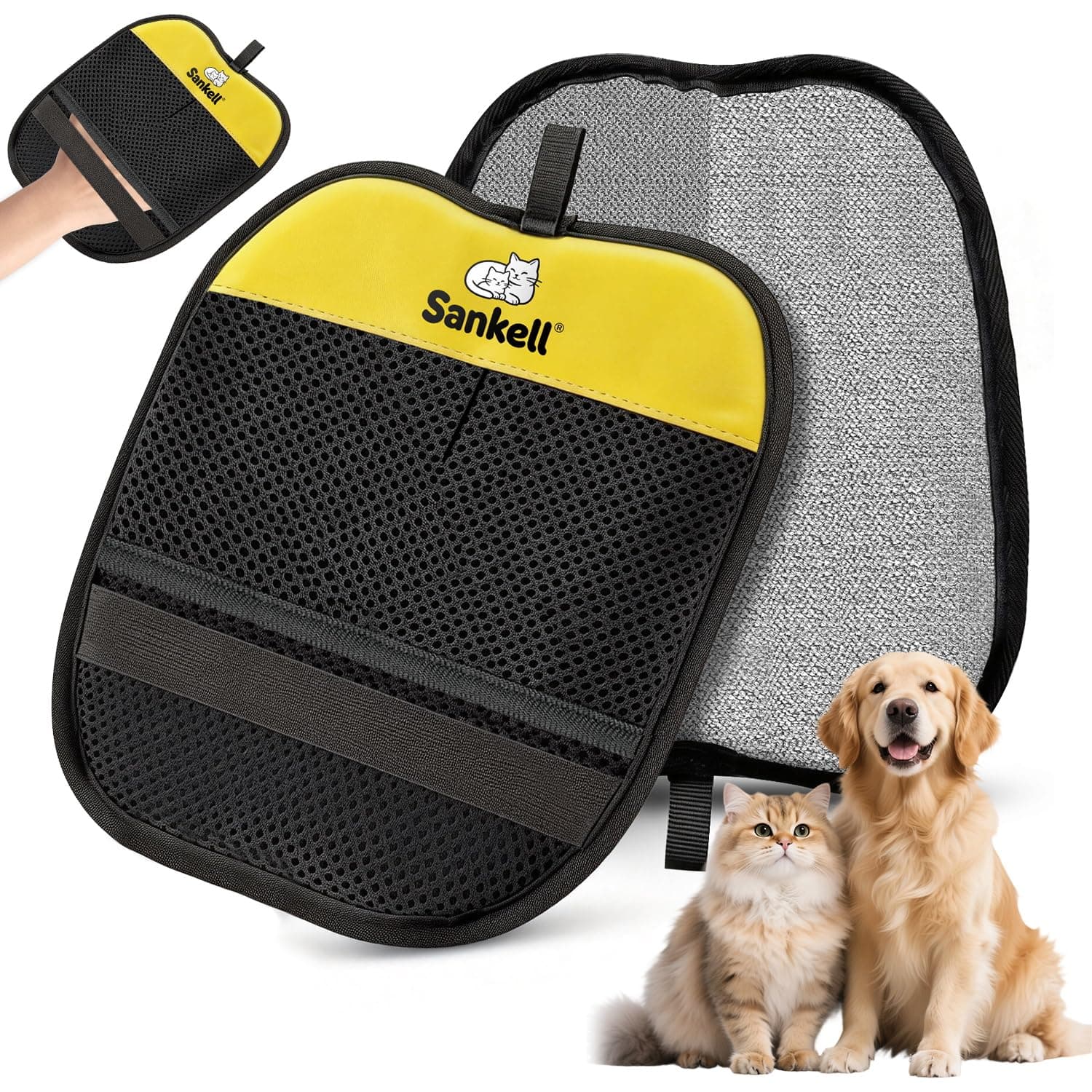
Pet Hair Removal Glove for Dogs & Cats, Newly Upgraded Reusable Electrostatic Pet Hair Remover Glove, Pet Hair Remover Mitt Tool for Couch, Furniture, Bed, Clothing, Carpet, Car Seat (Yellow)
Sankell
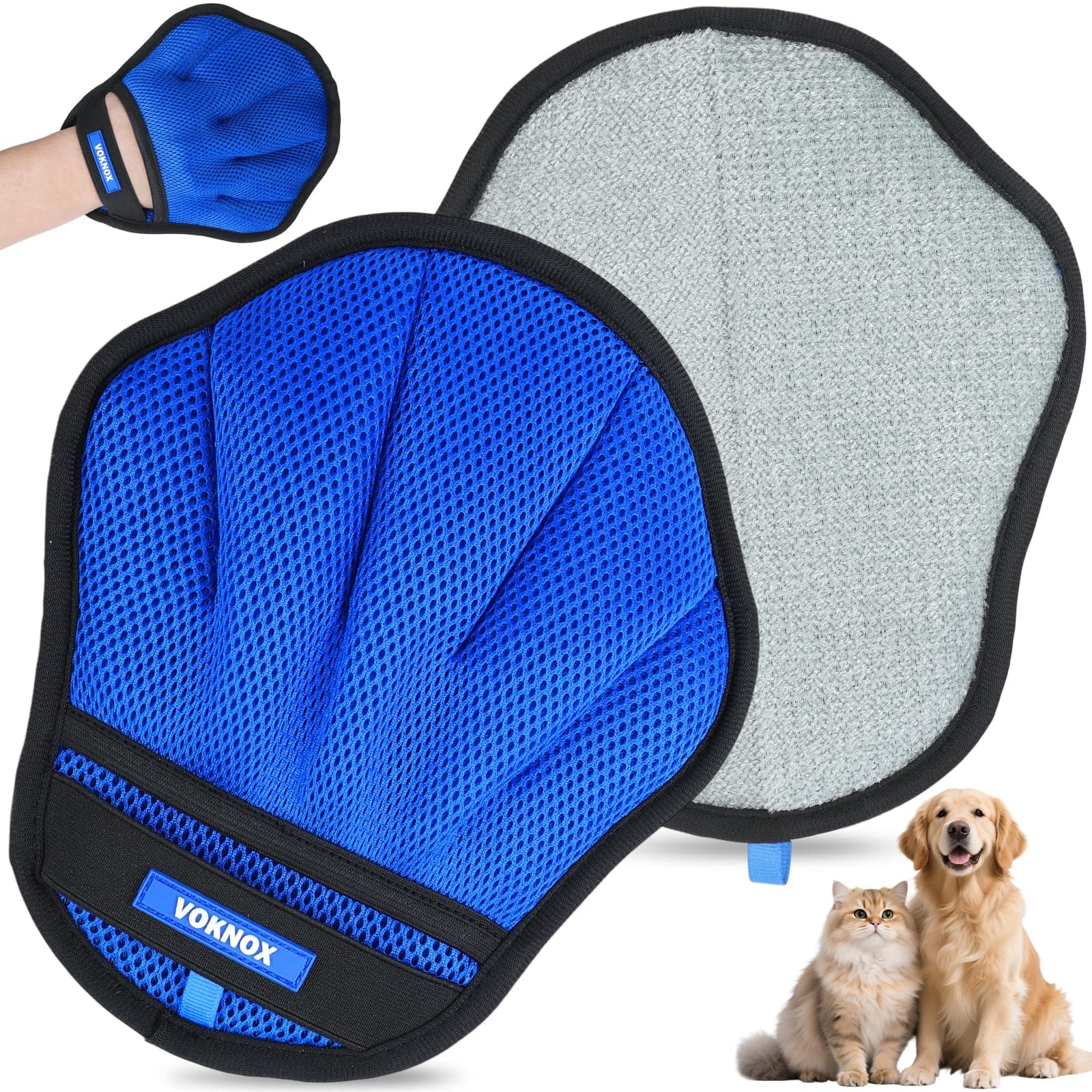
Pet Hair Removal Glove for Dogs & Cats, Electrostatic Five-Finger Hair Remover for Furniture, Couch, Carpet & Car Seat, Reusable Washable Pet Fur Cleaning Tool, Not for Grooming (1 PCS)
Brand: VOKNOX
Scenario-specific adaptation: If one dog is a “shed grenade” after outdoor play, keep the glove near the entry and do one quick grooming pass before they hit the rugs.
Product picks matched to workload
The best pet hair remover for carpet isn’t one tool—it’s the right pairing for your workload and carpet type.
For fast, frequent cleanup (surface hair)
Why it works: it grabs hair without needing refills, and it’s quick enough that you’ll use it. Tradeoff: it’s less effective when hair is deeply embedded in thick pile—use it as the “finish tool.”
For edges, stairs, clothes, and guest panic
Why it works: it’s precise and satisfying for detail work. Tradeoff: ongoing refills and it can be annoying on large carpeted areas.
For embedded hair on rugs and carpet (the “why won’t it vacuum?” problem)
Why it works: it mechanically pulls hair up from the pile so you can remove it. Tradeoff: use the right pressure. Too aggressive on delicate/loop rugs can cause snagging.
For prevention (reduce what lands on carpet)
Why it works: the cheapest hair to remove is the hair that never hits the rug. Tradeoff: it’s only helpful if it’s easy to grab and your pet tolerates it.
Time-saving tactics under pressure
When you’ve got guests coming, a kid spill, or you’re just done for the day, these shortcuts give the highest visual payoff.
The “sunlight test” targeting trick
Don’t clean the whole carpet—clean what the light reveals.
- •Stand where daylight hits the rug.
- •Identify the two worst zones.
- •Do 90 seconds per zone with the ChomChom, then 90 seconds with a rake tool if it’s embedded.
Work in one direction to make clumps
Hair lifts better when you’re consistent.
- •With a rake/scraper: short strokes in one direction until hair gathers.
- •Then one cross-direction pass to catch what remained.
Keep one tool per floor
If your pet hair remover for carpet lives in a closet, you’ll skip it.
- •Apartment: keep the ChomChom near the couch.
- •Family home: sticky roller in a drawer + rake tool near the vacuum.
- •Multi-pet: glove by the entry + rake tool in the laundry area.
Micro-sessions beat weekend marathons
Two minutes a day prevents the “felted hair” problem.
- •Set a timer for 120 seconds.
- •Hit the pet route: couch-front strip, hallway runner, entry rug.
What breaks in real life and how to adapt
Even good tools fail when real life shows up. Here are the common failures and the fixes.
Problem: The hair is “stuck” like Velcro
Likely cause: embedded hair + static on synthetic carpet. Adaptation:
- •Use the Pet Hair Removal Tool: 6 Pcs Dog Cat Hair Remover - Reusable Pet Hair Remover with Laundry Pet Hair Catcher - Portable Carpet Rake Scraper Fur Removal Tool for Rugs Car Mats Couch Furniture first to loosen.
- •Follow with the ChomChom Roller Pet Hair Remover – Original Size Reusable Lint Roller for Cat & Dog Hair on Furniture, Couch, Carpet, Car, Rugs & Bedding – Portable, Eco-Friendly (White) to collect.
Problem: You snagged or fuzzed a rug
Likely cause: loop pile or delicate fibers + too much pressure. Adaptation:
- •Switch to a gentler collection step (ChomChom or sticky roller) for that rug.
- •If you must rake, reduce pressure and use longer strokes; test in a hidden corner.
Problem: You’re removing hair but it just relocates
Likely cause: you’re loosening hair without capturing it. Adaptation:
- •Always “loosen then capture.”
- •For corners and edges, finish with a sticky roller like Lint Rollers for Pet Hair, Sticky, Remover for Couch, Clothes Furniture and Carpet. Dog Hair Remover Cat Hair, Animal Fur, Fuzz. 5 Large Lint Rollers.
Problem: The carpet looks clean, but smells or triggers allergies
Likely cause: dander and fine debris remain. Adaptation:
- •Do grooming prevention with the Pet Hair Removal Glove for Dogs & Cats, Newly Upgraded Reusable Electrostatic Pet Hair Remover Glove, Pet Hair Remover Mitt Tool for Couch, Furniture, Bed, Clothing, Carpet, Car Seat (Yellow) so less ends up in the pile.
- •Use your vacuum after you’ve lifted hair into clumps; it improves actual removal, not just appearance.
Problem: You don’t have time, so it gets bad fast
Likely cause: routine is too ambitious. Adaptation:
- •Drop to a “minimum viable routine”: 2 minutes/day on the pet route + one weekly deep pull on the worst 2 zones.
Weekly review framework
Instead of guessing whether your routine is working, do a simple weekly check that takes five minutes.
Step 1: Identify your top 3 hair sources
- •Pet beds near carpet
- •Favorite lounging spots (sunny windows, couch front)
- •Entry rug/runner (especially if pets roll there)
Step 2: Grade your carpet zones (A/B/C)
- •A: looks clean in sunlight
- •B: visible hair lines in traffic lanes
- •C: embedded clumps or “shadow” patches
Step 3: Adjust tool use based on grades
- •For B zones: ChomChom + normal vacuum.
- •For C zones: rake tool first, then ChomChom, then vacuum.
Step 4: Prevention upgrade (small change, big payoff)
Pick one:
- •Add a 60-second glove groom near the entry using the Pet Hair Removal Glove for Dogs & Cats, Newly Upgraded Reusable Electrostatic Pet Hair Remover Glove, Pet Hair Remover Mitt Tool for Couch, Furniture, Bed, Clothing, Carpet, Car Seat (Yellow).
- •Place a sticky roller where you change clothes so hair doesn’t travel back to carpet.
Final execution checklist
Use this when you want a rug or carpet to look genuinely clean (not just “vacuumed”).
- Pick the right sequence: embedded hair gets loosened first, surface hair gets collected first.
- Test your rug type in a hidden spot before using a rake/scraper tool aggressively.
- Do the pet route first (couch-front strip, hallway, entry) instead of the whole room.
- Use the Pet Hair Removal Tool: 6 Pcs Dog Cat Hair Remover - Reusable Pet Hair Remover with Laundry Pet Hair Catcher - Portable Carpet Rake Scraper Fur Removal Tool for Rugs Car Mats Couch Furniture for “won’t vacuum” zones; switch to the ChomChom Roller Pet Hair Remover – Original Size Reusable Lint Roller for Cat & Dog Hair on Furniture, Couch, Carpet, Car, Rugs & Bedding – Portable, Eco-Friendly (White) to finish.
- Keep a detail tool for edges and stairs: Lint Rollers for Pet Hair, Sticky, Remover for Couch, Clothes Furniture and Carpet. Dog Hair Remover Cat Hair, Animal Fur, Fuzz. 5 Large Lint Rollers.
- Reduce future buildup with a 60-second grooming buffer using the Pet Hair Removal Glove for Dogs & Cats, Newly Upgraded Reusable Electrostatic Pet Hair Remover Glove, Pet Hair Remover Mitt Tool for Couch, Furniture, Bed, Clothing, Carpet, Car Seat (Yellow).
If you take one thing from this: the most effective pet hair remover for carpet is the one you’ll use daily for quick wins, plus one tool that can do the weekly deep pull when hair gets embedded.
Hair Removal Cluster
More in this topic
guide
How to Remove Pet Hair from Furniture and Clothes Fast
guide
Best robot vacuum for pet hair: what to look for in 2026
guide
How to remove pet hair from car seats fast (no stress)
guide
How to Remove Pet Hair from Couch and Car Seats Without Damaging Fabric (A Comparison-Led Guide)
guide
Pet Hair Removal Routine for Multi-Pet Homes: A Comparison-Led Guide That Actually Sticks
guide
Pet Hair Cleanup Routine for Small Apartments: A Fast Daily System That Actually Sticks
Frequently asked questions
Why won’t my vacuum remove pet hair from carpet?
Pet hair often twists into carpet fibers and builds static, especially on synthetic rugs. A vacuum may glide over it, leaving a “shadow” layer behind. The fix is a two-step approach: loosen embedded hair first (a carpet rake/scraper style tool helps), then collect and vacuum once the hair is lifted into clumps.
What’s the best pet hair remover for carpet if I’m short on time?
For quick daily pickup, a reusable roller like the ChomChom-style tool is fast and easy to grab. Use it on the visible zones (traffic lanes and couch-front strip). If you have one area where hair is embedded, add a weekly deep pull with a rake/scraper tool just on that hotspot.
Can carpet hair remover tools damage rugs?
They can if you use too much pressure on delicate fibers or loop pile rugs, where snagging is possible. Always test in a hidden corner, use light pressure, and favor short, controlled strokes. For sensitive rugs, rely more on rollers (reusable or sticky) and gentle vacuuming rather than aggressive scraping.
