
guide • Oral Care
Best Time of Day for Pet Dental Care: Morning vs Evening (A Routine-Engineered Guide)
Morning or evening can both work for dental care. This guide helps you choose the best time for dog dental care and build a routine that actually sticks.
By Lucy Anderson • February 24, 2026 • 7 min read
Table of contents
- Outcome target and routine constraints
- Define the outcome in household terms
- Constraints you must design around
- Morning vs evening: what you’re really choosing
- Environment design for consistency
- Create a dedicated “dental station” (one location, one container)
- Use a trigger that already happens daily
- Design the reward so it supports teeth, not undermines it
- Sequence architecture: what happens first and why
- The 4-stage “no-drama” sequence
- Why this order works
- Morning vs evening sequencing tweaks
- The “minimum viable brush” for rough days
- Execution cadence for busy schedules
- Choose a primary time and a failover time
- Three cadence tiers (pick one as your default)
- Real-world scheduling examples
- Product-fit matrix by household scenario
- How to decide between two good options
- Mistakes that create regression
- 1) Pushing through pain signals
- 2) Making brushing a wrestling match
- 3) Brushing at the most chaotic moment of the day
- 4) Reward timing that teaches avoidance
- 5) Treats replacing brushing indefinitely
- 30-day implementation plan
- Days 1–7: Install the trigger and the station
- Days 8–14: Build duration and coverage
- Days 15–21: Engineer for distractions
- Days 22–30: Lock in the long-term cadence
- FAQ and next-step decisions
- Is morning or evening actually better for teeth?
- What if I can only do dental care 3–4 times a week?
- How do I choose the best time for dog dental care if my schedule changes daily?
- Next-step decisions (pick one)
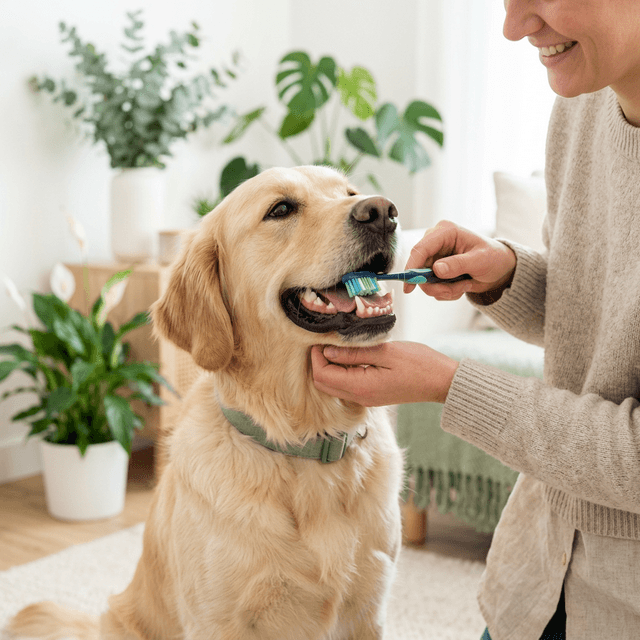
Pet dental care is less about finding a magical hour and more about designing a routine that survives real life: work shifts, kids, picky eaters, anxious pets, and missed days. Still, timing does matter because it affects consistency, how much plaque sits overnight, and whether you can execute the routine calmly.
This guide compares morning vs evening as a system-design decision, then gives you an executable routine you can run in your household.
Outcome target and routine constraints
Your target is not “perfect teeth.” Your target is a repeatable daily behavior that measurably reduces plaque and gum inflammation.
Define the outcome in household terms
Pick 2–3 outcomes you can observe:
- •Daily brushing completion (even if it’s 45 seconds on the outer surfaces).
- •Breath baseline improves (less “morning breath,” fewer odor spikes).
- •Gum line looks calmer (less redness; fewer “touchy” spots).
- •Vet feedback improves at the next exam/cleaning (less tartar accumulation).
Constraints you must design around
Most routines fail because they ignore constraints. Identify yours:
- •Pet constraints: anxiety, head-shy behavior, gag reflex, short muzzle, strong bite inhibition needs, sensitive stomach.
- •Owner constraints: early commute, night shifts, ADHD/forgetfulness, caregiving duties, travel, shared custody.
- •Environment constraints: limited sink access, roommates, noise sensitivity, multiple pets competing for attention.
Morning vs evening: what you’re really choosing
When people ask for the best time for dog dental care, what they usually need is the most reliable slot in their day.
- •Morning advantage: sets the day, fewer “forgot it” failures if evenings get chaotic; breath is addressed early.
- •Evening advantage: aligns with “last thing before bed,” reduces overnight plaque sitting undisturbed.
- •The real rule: the best time is the one you can execute calmly, daily, and without negotiation.
If you’re split, choose one “primary time” and one “failover time.” That alone prevents 30–50% of missed days.
Environment design for consistency
A dental routine becomes automatic when the environment makes the next step obvious and frictionless.
Create a dedicated “dental station” (one location, one container)
Pick a single storage spot near where your pet already has a predictable pause:
- •By the leash/harness (good for morning walks)
- •Near the food bin (good for post-dinner)
- •Near the couch (good for evening wind-down)
In one small bin, keep:
- •Pet toothbrush or finger brush
- •Pet-safe toothpaste (never human toothpaste)
- •A towel or wipe
- •High-value reward
- •Optional: dental chew for “brush-lite” days
The point is not organization aesthetics. It’s reducing the “I’ll do it later” gap created by searching for tools.
Use a trigger that already happens daily
You don’t need motivation; you need a trigger.
- •Morning trigger options: after you make coffee, after you feed breakfast, after the first potty break.
- •Evening trigger options: after dinner dishes, after the last potty break, after you set your phone on the charger.
If your schedule varies, anchor to the pet’s routine, not yours. Most dogs and cats have predictable “check-in moments” each day.
Design the reward so it supports teeth, not undermines it
For dogs who need extra compliance support, a dental chew can be a strategic reward. Use it deliberately:
- •If brushing happens: reward with affection + short play.
- •If brushing doesn’t happen: you can still run a “minimum viable dental action” (quick brush or dental chew).
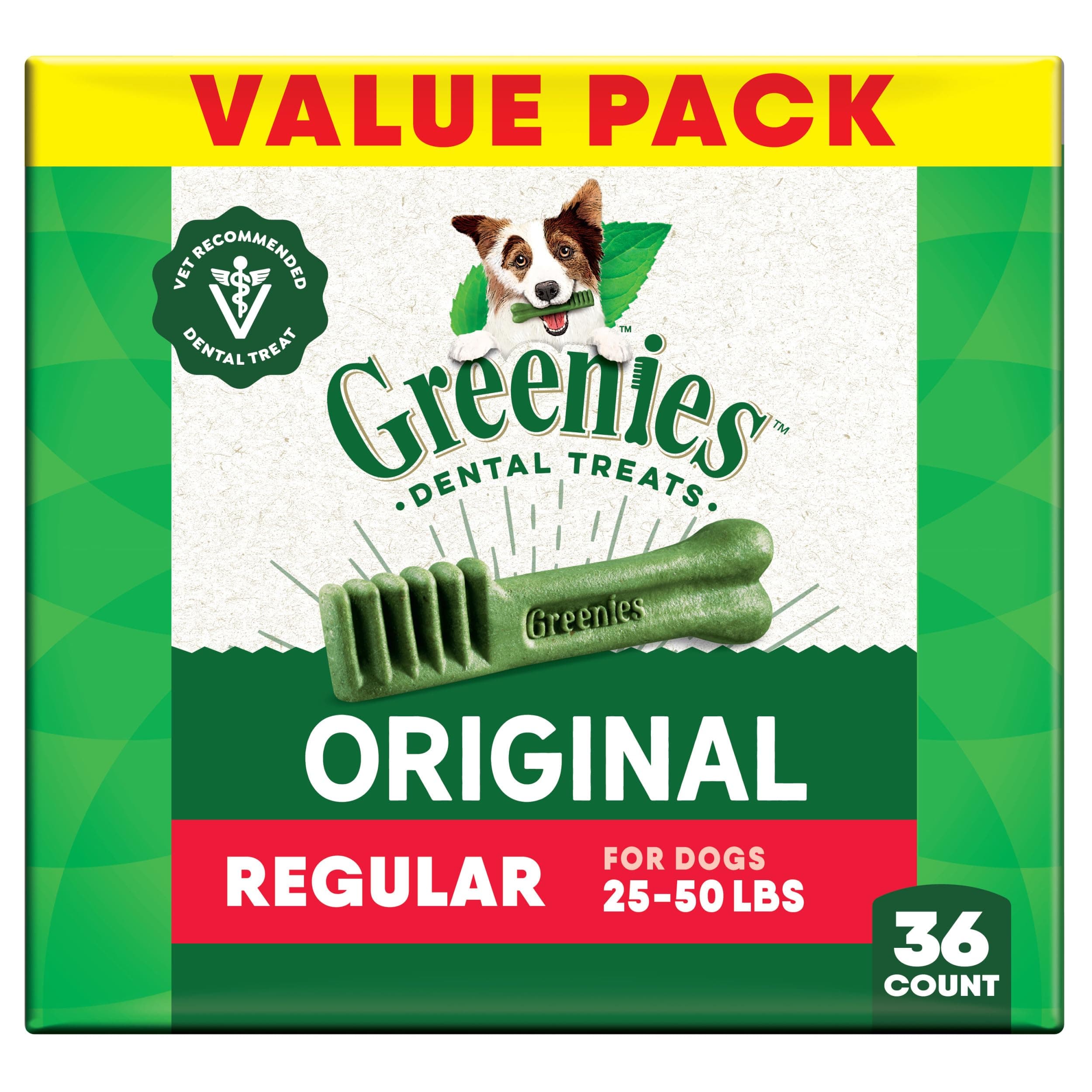
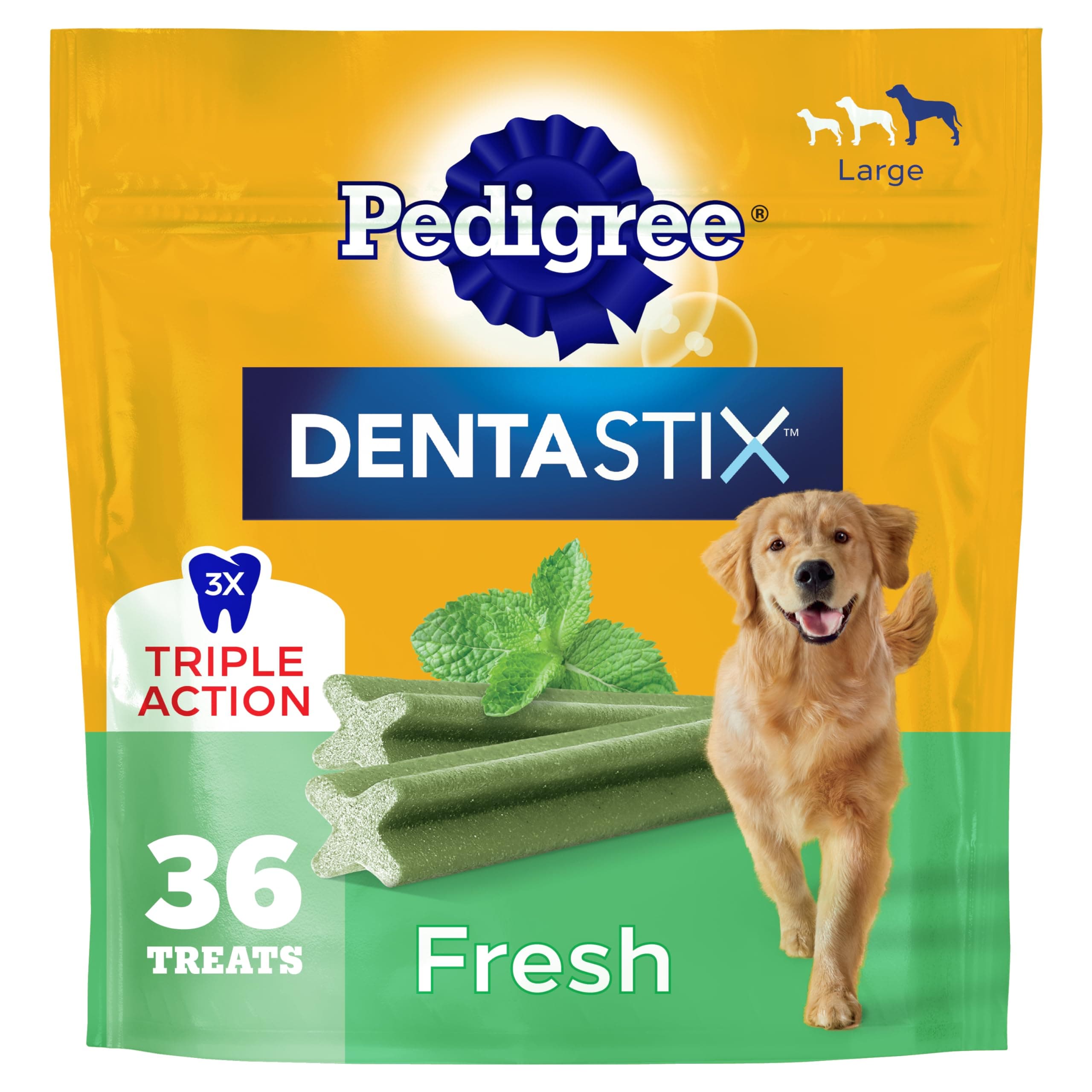
Two dog options owners commonly use:
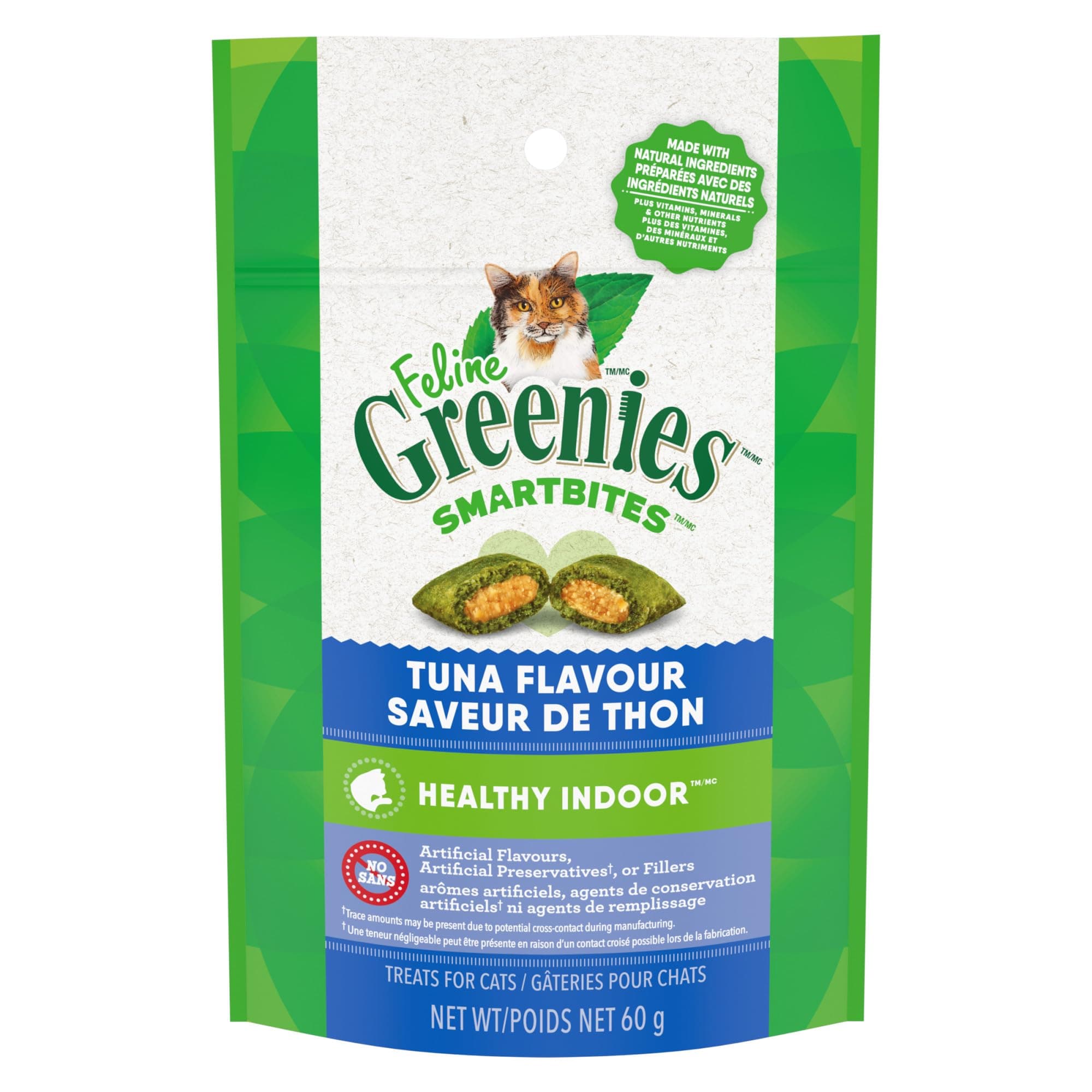
For cats, “teeth time” may be a treat-based micro-routine paired with handling practice:
(Use treats as part of the system, not the whole system. Brushing remains the highest-impact action.)
Sequence architecture: what happens first and why
A reliable dental routine is a sequence, not a single step. Sequence reduces resistance.
The 4-stage “no-drama” sequence
This is the backbone whether you choose morning or evening.
1) State shift (10–30 seconds): create calm and predictability.
- •Dog: ask for a sit or down; slow petting; one deep breath.
- •Cat: choose a quiet surface; brief chin scratches.
2) Micro-inspection (5–10 seconds): look, don’t search.
- •Check the gum line at the canines/molars area (outer surfaces).
- •If you see bleeding, swelling, or obvious pain behavior, stop and plan a vet check.
3) Mechanical action (45–120 seconds): brushing or “brush-lite.”
- •Focus on outer tooth surfaces where plaque accumulates fastest.
- •Aim for the gum line, not the tooth tips.
4) Closure + reward (10–30 seconds): end cleanly.
- •Give the reward after tools are put away so the routine doesn’t turn into “mouth wrestling then snack chaos.”
Why this order works
- •State shift first lowers the chance of avoidance biting, backing away, or turning the head into a game.
- •Inspection before brushing prevents you from pushing through pain (which trains fear).
- •Mechanical action before reward keeps the treat as a reinforcement, not a bribe.
Morning vs evening sequencing tweaks
- •Morning: do dental care after the first potty break (less urgency) and ideally before you leave the house (consistency). If your dog gets excited by breakfast, brush before feeding to avoid “food-aroused squirm.”
- •Evening: do it after dinner water sips settle and before the last major play burst. For many dogs, right after a long walk is ideal because they’re calmer.
The “minimum viable brush” for rough days
If you’re busy or your pet is struggling, don’t skip—downshift:
- •15 seconds total
- •Outer surfaces only
- •Two zones: upper canines + back molars area
This keeps the habit alive, which is the real asset you’re building.
Execution cadence for busy schedules
A system needs a cadence that handles reality: travel days, overtime, sick kids, and pets who have opinions.
Choose a primary time and a failover time
Example designs:
- •Primary: evening (after dishes). Failover: morning (after potty).
- •Primary: morning (coffee trigger). Failover: evening (phone charger trigger).
This prevents the “missed day snowball,” where one missed day becomes a week.
Three cadence tiers (pick one as your default)
- Standard (best): brush daily, 60–120 seconds.
- Busy-week cadence: brush 4–5 days/week + dental chew on 2–3 days.
- Stabilization cadence (for anxious pets): handling practice daily + brushing 2–3 days/week until tolerance improves.
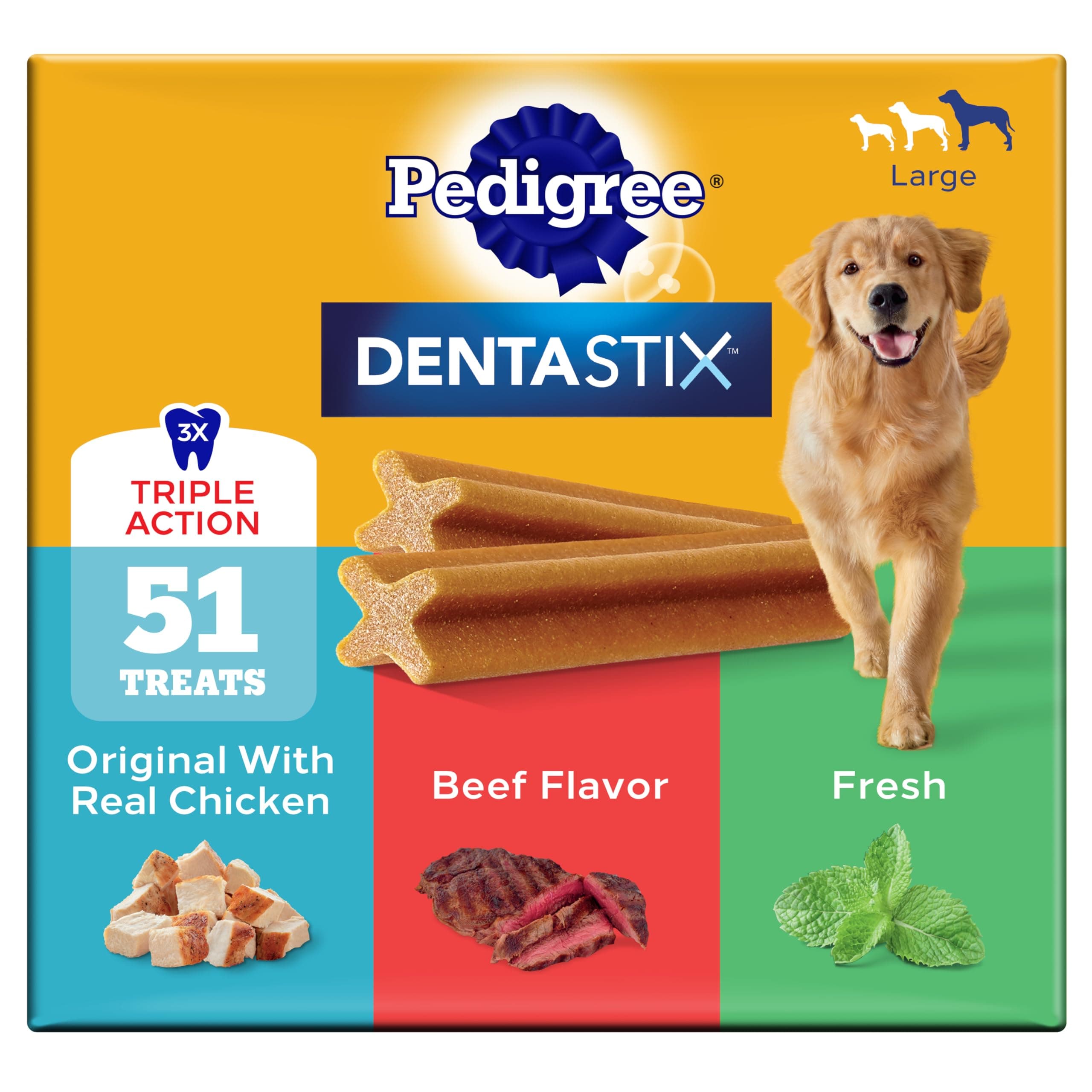
When you need a chew-based fallback for large dogs, rotate flavors to avoid boredom while keeping routine stable. A common option is a variety pack like:
Real-world scheduling examples
- •Two working adults, unpredictable evenings: make mornings the primary. Do dental care right after leash comes off from the first potty trip.
- •Remote worker, morning meetings, relaxed evenings: make evenings the primary. Attach dental care to “closing the kitchen.”
- •Kids bedtime chaos: do dog dental care before kids bedtime routine starts. Otherwise, you’ll trade tooth brushing for putting out fires.
- •Night shift household: anchor to the dog’s “wake window” rather than clock time; run dental care after the first calm walk when you get home.
Product-fit matrix by household scenario
Use this as a decision tool. The goal is not to buy everything; it’s to choose the smallest set of tools that makes your routine reliable.
| Household scenario | Best routine timing | What to prioritize | Product fit (natural mentions) |
|---|---|---|---|
| Dog is calm after walks, evenings are quiet | Evening primary | Brush after exercise when relaxed | Brush + occasional Greenies Veterinarian-Recommended Adult Natural Dental Dog Treats Regular Size, Dog Dental Chews, Original Flavor, 36 oz. Pack, 36 Count as reinforcement |
| Dog gets hyped for food, hard to hold still | Morning primary (pre-breakfast) | Avoid food arousal; short sessions | Brush before breakfast; use a small reward after |
| Large breed dog, strong chewer, owners miss days | Either + failover | Maintain habit with fallback | Use brushing as default; on miss-days use Pedigree Dentastix Dog Dental Treats, Large Breed Dog Treats, Fresh Flavor, 1.87 lb. Bag (36 Treats Total) |
| Multi-dog home (competition, jealousy) | Evening primary | Separate stations; predictable order | Brush dogs in the same order daily; reward with chews in crates/behind gates |
| Anxious/rescue dog, head-shy | Evening primary | Decompression first; micro-steps | Handling practice daily; “minimum viable brush” + calm reward |
| Cat household, low tolerance for handling | Evening primary (quiet home) | Micro-sessions; positive association | Short handling + treats like Greenies Feline Smartbites, Cat Treats Healthy Recipe, Indoor Cat Treats, Tuna Flavor, 2.1 oz. Pack to pay the behavior |
How to decide between two good options
If both morning and evening seem feasible, choose based on the dominant failure mode:
- •If you usually forget: pick the time tied to an automatic human habit (coffee/charger).
- •If your pet is usually wriggly: pick the time after exercise or naps.
- •If you struggle with consistency on weekends: pick the time least affected by weekend schedule shifts (often evening).
Mistakes that create regression
Regression usually looks like “my dog used to tolerate brushing, now it’s a fight.” These are the patterns behind that.
1) Pushing through pain signals
If your dog flinches, yelps, chatters, drools excessively, or suddenly refuses, don’t force it. Pain creates avoidance learning fast.
- •Run a gentler inspection.
- •Switch to the minimum viable brush for a few days.
- •Book a vet dental check if symptoms persist.
2) Making brushing a wrestling match
Holding the muzzle tight, pinning a dog down, or chasing them around the house trains opposition.
Fix: reduce criteria. One calm stroke on one tooth is a win if it keeps the routine alive.
3) Brushing at the most chaotic moment of the day
If you attempt dental care during the household’s highest-stress period (kids crying, rushing out the door, guests arriving), you’ll associate teeth time with tension.
Fix: move the routine 20 minutes earlier or later, or use a failover time.
4) Reward timing that teaches avoidance
If the reward appears while your brush is still in hand, some pets learn: “dodge the brush and you get the chew.”
Fix: put tools away first, then reward.
5) Treats replacing brushing indefinitely
Dental chews can help, but they’re not a full substitute for brushing.
Fix: decide your “floor”: e.g., brushing 4 days/week minimum. Treats fill gaps, not replace the core.
30-day implementation plan
This plan builds tolerance and consistency without requiring perfection on day one.
Days 1–7: Install the trigger and the station
Goal: routine happens at the same time, even if brushing is minimal.
- •Choose primary + failover time.
- •Set up the dental station.
- •Practice the sequence with no brushing pressure: state shift, lip lift for 1 second, reward.
- •Do 10–20 seconds of brushing only if the pet stays relaxed.
Success metric: you ran “teeth time” 5+ days this week.
Days 8–14: Build duration and coverage
Goal: reach 45–60 seconds total brushing.
- •Brush outer surfaces in two zones: (1) front teeth/canines, (2) back molars area.
- •Keep sessions short; stop before your pet escalates.
- •Add one “brush-lite” fallback day intentionally so you practice not quitting the habit when life gets busy.
Success metric: at least 4 days with 45+ seconds.
Days 15–21: Engineer for distractions
Goal: brushing works even when the day is messy.
- •Add the failover time on one day (simulate a missed primary slot).
- •Practice brushing in a second location (backup station idea: a small pouch near the leash).
- •For multi-pet homes, rehearse separation: one dog in a crate/gate while the other brushes.
Success metric: no missed days; at least 2 successful “backup plan” executions.
Days 22–30: Lock in the long-term cadence
Goal: finalize your sustainable weekly schedule.
- •Choose your long-term cadence tier (standard/busy-week/stabilization).
- •Decide how chews fit: e.g., “chew on Wednesdays and Saturdays only.”
- •Track one outcome: breath score (1–5) or gum redness notes weekly.
Success metric: you can predict, without effort, when dental care happens next.
FAQ and next-step decisions
Is morning or evening actually better for teeth?
Both can work. Evening has a logical advantage because it reduces how long plaque sits undisturbed overnight, but morning wins if it’s the only time you can do it consistently. For most households, consistency beats the theoretical benefit of timing.
What if I can only do dental care 3–4 times a week?
Do it. A “somewhat consistent” routine beats a perfect plan you abandon. Use a cadence like: brush Mon/Tue/Thu/Sun and use a dental chew on one midweek day as support. Then work toward 5–6 days/week.
How do I choose the best time for dog dental care if my schedule changes daily?
Anchor to the dog’s predictable event, not the clock: after the first potty break, after the longest walk, or after dinner dishes. Add a failover time so a missed window doesn’t become a missed day.
Next-step decisions (pick one)
- If you’re deciding between morning vs evening: choose the slot with the lowest chaos and install a failover.
- If brushing is a battle: run the 30-day plan starting at “lip lift + reward” and rebuild tolerance.
- If you want extra reinforcement for compliance: pair brushing with a dental chew used intentionally (not randomly) and track whether consistency improves.
Oral Care Cluster
More in this topic
guide
Dog Dental Care Importance: Why Brushing Matters
guide
Best Dental Chews for Dogs: Vet-Smart Buyer's Guide
guide
Cat Dental Disease Signs: 10 Clues Your Cat Needs a Vet
guide
Daily Pet Oral Care in 5 Minutes: A Practical Pet Oral Care Routine for Fresher Breath
guide
How to Brush Dog Teeth Without Stress: A Practical Home Workflow That Actually Sticks
guide
Dog Bad Breath Home Care Plan: What to Do Before It Gets Worse
Frequently asked questions
What is the best time for dog dental care—morning or evening?
Evening is often slightly better because it reduces the time plaque sits on teeth overnight, but morning is better if it’s the only time you can be consistent. Choose the time with the least household chaos and add a failover time so missed windows don’t become missed days.
Should I brush my dog’s teeth before or after meals?
Most dogs do best before meals if food excitement makes them wiggly, or after meals if your dog is calmer post-dinner. The practical goal is a calm, repeatable session. If you brush after eating, wait a few minutes for water sips and settling so the session isn’t rushed.
Can dental chews replace brushing?
Dental chews can support oral health and improve consistency as a fallback, but they don’t fully replace brushing, especially at the gum line where plaque builds. Treats work best as reinforcement (after brushing) or as a planned backup on occasional busy days while you maintain a brushing baseline.
