
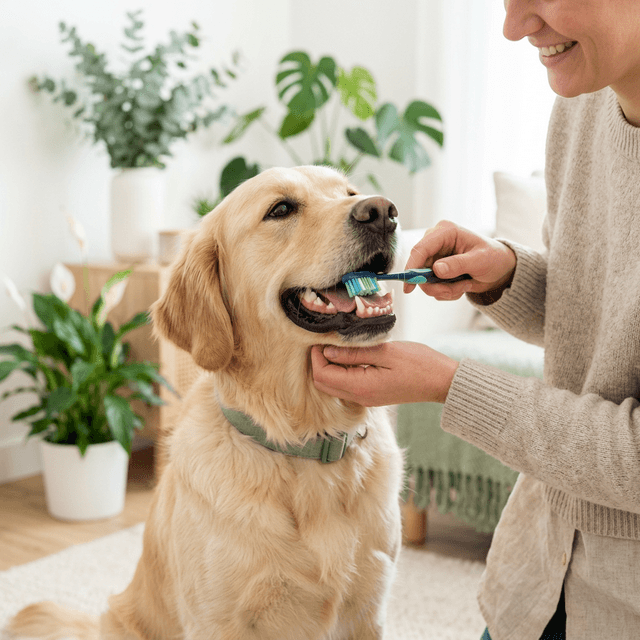
guide • Oral Care
Best Dental Chews for Dogs: Vet-Smart Buyer's Guide
Find the best dental chews for dogs with a clear guide to ingredients, textures, safety, and what actually helps reduce plaque and bad breath.
By PetCareLab Editorial • March 5, 2026 • 15 min read
Table of contents
- Why Dental Chews Matter (And What They Can—and Can’t—Do)
- What Makes the Best Dental Chews for Dogs (Key Buying Criteria)
- 1) Look for Proven Effectiveness (VOHC and Beyond)
- 2) Match the Chew to Your Dog’s Chewing Style
- 3) Check Calories and Ingredients (Especially for Small Dogs)
- 4) Size Matters—A Lot
- 5) Consider Digestibility and GI Tolerance
- Types of Dental Chews (And Which Dogs They Fit Best)
- Enzymatic Dental Chews
- Textured, “Brush-Like” Chews
- Rawhide Alternatives (and “Highly Digestible” Chews)
- Water Additives, Powders, and Dental Diets (Helpful Adjuncts)
- Product Recommendations: Best Dental Chews for Dogs (By Need)
- Best Overall (Evidence-Forward): VOHC-Accepted Daily Chews
- Best for Tiny Mouths and Small Breeds (Chihuahua, Yorkie, Maltese)
- Best for Gulpers (Labrador Retriever, Beagle, Fast-Eating Mixed Breeds)
- Best for Sensitive Stomachs
- Best for Dogs with Food Allergies (Itchy Skin + Ear Infections Crew)
- Best for Senior Dogs (Or Dogs with Worn Teeth)
- Comparing Popular Dental Chew Styles (How to Choose Without Guessing)
- Quick Comparison: “Soft & Flexible” vs “Firm & Long-Lasting”
- Quick Comparison: “Breath-Focused” vs “Plaque/Tartar-Focused”
- Quick Comparison: “Once Daily” vs “A Few Times Weekly”
- How to Use Dental Chews Correctly (Step-by-Step Routine)
- Step-by-Step: The “Two-Minute Dental Chew Protocol”
- How Often Should Dogs Get Dental Chews?
- Pairing Dental Chews With Brushing (The Best Combo)
- Breed and Life-Stage Examples: Picking the Right Chew for Real Dogs
- Brachycephalic Breeds (French Bulldog, Pug, Boston Terrier)
- Small Companion Breeds (Toy Poodle, Yorkie, Pomeranian)
- Working and Herding Breeds (Australian Shepherd, Border Collie)
- Giant Breeds (Great Dane, Mastiff)
- Common Mistakes to Avoid (What We See All the Time)
- Mistake #1: Choosing the Wrong Size
- Mistake #2: Assuming “Harder = Better”
- Mistake #3: Treat Overload (Calories Sneak Up)
- Mistake #4: Not Supervising New Chews
- Mistake #5: Ignoring Signs of Dental Pain
- Expert Tips: Getting Better Results (Without Turning Your Life Into a Dental Project)
- Use Chews as a “Reward Window” After Meals
- Do a Weekly “Lip Lift” Check
- Rotate Tools: Chew + Brush + Rinse (Simple Rotation)
- Keep Chews “Stationary” for Safer Chewing
- FAQ: Best Dental Chews for Dogs (Quick, Practical Answers)
- Are dental chews safe for puppies?
- Can dental chews replace brushing?
- What if my dog swallows chunks?
- Do grain-free dental chews matter?
- How long until I see results?
- Putting It All Together: How to Pick the Best Dental Chews for Dogs for Your Home
Why Dental Chews Matter (And What They Can—and Can’t—Do)
If you’ve ever caught that “fishy breath” when your dog yawns, you’ve already met the early warning signs of dental disease. Plaque starts forming within hours after eating. If it isn’t mechanically removed, it hardens into tartar (calculus), irritates the gums, and can progress to periodontal disease—one of the most common health issues in adult dogs.
Dental chews help most when they do two jobs:
- •Mechanical scraping: The chew’s texture and shape rub plaque off the tooth surface.
- •Time-on-tooth: A chew that lasts a few minutes gives more cleaning action than a treat that disappears in 10 seconds.
That said, dental chews are not magic. They can support oral health, but they don’t replace veterinary care.
Dental chews are great for:
- •Mild to moderate plaque control
- •Reducing breath odor
- •Reinforcing a daily oral care routine (especially for busy households)
Dental chews are not enough for:
- •Advanced tartar buildup (thick yellow/brown deposits)
- •Gum recession, bleeding gums, or loose teeth
- •Dogs with painful mouths who avoid chewing
If your dog has heavy tartar or inflamed gums, the most compassionate move is scheduling a vet dental exam. A chew won’t undo pain—think of chews as prevention and maintenance.
Pro-tip: If your dog’s breath suddenly worsens or you notice drooling, pawing at the mouth, or dropping food, skip the chews and call your vet. Those can be signs of a fractured tooth or oral infection.
What Makes the Best Dental Chews for Dogs (Key Buying Criteria)
The “best dental chews for dogs” aren’t the fanciest or most expensive—they’re the ones that match your dog’s chewing style, size, health profile, and safety needs. Here’s how to shop like a pro.
1) Look for Proven Effectiveness (VOHC and Beyond)
The gold standard shortcut is the VOHC seal (Veterinary Oral Health Council). VOHC-accepted products have evidence they reduce plaque and/or tartar when used as directed.
What VOHC acceptance tells you:
- •The chew is more than a breath mint
- •The manufacturer submitted data for review
- •The product met standards for reducing plaque/tartar
What VOHC doesn’t guarantee:
- •That it’s perfect for every dog
- •That it’s safe for aggressive chewers or dogs with dietary restrictions
- •That it will prevent all dental disease without brushing
2) Match the Chew to Your Dog’s Chewing Style
Dogs aren’t all “chewers.” Some are nibblers, some are gulpers, and some are tiny industrial shredders.
- •Gentle nibbler (e.g., Shih Tzu, Cavalier King Charles Spaniel): Softer or flexible dental chews work well and are less likely to frustrate them.
- •Gulper (e.g., young Labrador Retriever, Beagle): Choose larger size chews and shapes designed to slow chewing; avoid small sticks they can swallow.
- •Power chewer (e.g., Pit Bull-type dogs, German Shepherd, Cane Corso): Prioritize safety over “long-lasting.” Extremely hard chews can crack teeth.
Pro-tip: A simple safety rule many vet clinics use: if you can’t make a slight dent with your fingernail, it may be hard enough to risk a tooth fracture for some dogs.
3) Check Calories and Ingredients (Especially for Small Dogs)
Dental chews are still treats. For small breeds, calories add up fast.
Aim for:
- •Clear calorie info per chew
- •Limited-ingredient options if your dog has sensitivities
- •Formulas appropriate for your dog’s life stage
Be extra cautious with:
- •Dogs prone to pancreatitis (high-fat treats can trigger flare-ups)
- •Dogs with food allergies (beef, chicken, dairy, wheat, and some flavorings)
- •Dogs needing weight loss (choose lower-calorie chews or break into portions if designed for it)
4) Size Matters—A Lot
The right size helps the chew contact the back teeth and reduces choking risk.
General sizing logic:
- •If it’s small enough to swallow whole, it’s too small.
- •If it’s so big your dog can’t get a good grip, they’ll give up or try to gulp awkwardly.
When in doubt, size up—but only within the manufacturer’s recommended weight range.
5) Consider Digestibility and GI Tolerance
Some dogs do great with daily chews; others get soft stool.
If your dog has a sensitive stomach:
- •Start with half a chew for 3–5 days
- •Avoid introducing a new chew the same week you change food
- •Choose easily digestible options and watch for diarrhea or vomiting
Types of Dental Chews (And Which Dogs They Fit Best)
Not all dental chews work the same way. Knowing the category helps you pick smarter.
Enzymatic Dental Chews
These use enzymes or similar agents designed to support plaque control beyond mechanical scraping.
Best for:
- •Dogs who chew gently
- •Dogs with persistent doggy breath
- •Owners who want a daily maintenance chew
Watch-outs:
- •Still need enough chew time to be useful
- •Some dogs react to certain ingredients—introduce slowly
Textured, “Brush-Like” Chews
These have grooves, ridges, or nubs designed to contact teeth and massage gums.
Best for:
- •Most average chewers
- •Multi-dog households (easy routine)
- •Dogs who need more mechanical cleaning
Watch-outs:
- •Many are calorie-dense
- •Some dogs gulp; choose the right size and supervise
Rawhide Alternatives (and “Highly Digestible” Chews)
These aim to mimic the prolonged chewing of rawhide without the same level of risk (though any chew can be risky if swallowed in chunks).
Best for:
- •Dogs who like to gnaw
- •Dogs who need a longer-lasting chew than a soft dental treat
Watch-outs:
- •Chunking and swallowing can still happen
- •Always supervise and remove small pieces
Water Additives, Powders, and Dental Diets (Helpful Adjuncts)
Not “chews,” but worth mentioning because they often pair well with a chew routine.
Best for:
- •Dogs who won’t chew long enough to benefit
- •Dogs who can’t tolerate many treats
- •Owners building a complete oral care plan
Watch-outs:
- •These help, but brushing is still the most direct plaque control
Product Recommendations: Best Dental Chews for Dogs (By Need)
Below are practical, commonly recommended options and what they’re best at. Availability and formulas vary, so always check the label and choose the correct size.
[IMAGE_PLACEHOLDER_1]
Best Overall (Evidence-Forward): VOHC-Accepted Daily Chews
If you want the most straightforward path, start with VOHC-accepted dental chews. They’re a reliable baseline for many dogs.
Why they’re a strong “default” pick:
- •Clear usage guidelines
- •Demonstrated plaque/tartar reduction claims (per VOHC standards)
- •Widely available in multiple sizes
Good for: Most adult dogs without special dietary constraints Not ideal for: Dogs with frequent GI upset unless introduced gradually
Best for Tiny Mouths and Small Breeds (Chihuahua, Yorkie, Maltese)
Small dogs often have crowded teeth, which means plaque accumulates faster—especially around the premolars.
Look for chews that are:
- •Specifically sized for toy breeds
- •Lower-calorie per piece
- •Softer/less rigid to reduce fracture risk
Real-world scenario: Your 6-pound Chihuahua “Princess” finishes most treats in 15 seconds. A dental chew that’s too small becomes a swallow hazard; too hard risks a cracked tooth. A properly sized, flexible dental chew that takes 2–4 minutes is usually the sweet spot.
Best for Gulpers (Labrador Retriever, Beagle, Fast-Eating Mixed Breeds)
Gulpers need chews designed to slow down consumption.
What to look for:
- •Larger size within your dog’s weight range
- •Shapes with crossbars, ridges, or a wider base
- •Clear “feed one per day” guidance and calorie info
Safety move: If your dog tries to swallow big chunks, hold the last 1–2 inches (only if your dog has good bite inhibition) or swap to a different shape/brand that forces more chewing. If your dog is grabby, don’t hand-hold—choose a safer chew and supervise.
Best for Sensitive Stomachs
Some dogs get loose stools from rich treats or new ingredients.
What to prioritize:
- •Simple ingredient list
- •Lower fat
- •Gradual introduction plan
Step-by-step intro (GI-friendly):
- Give 1/4 to 1/2 chew after a normal meal (not on an empty stomach).
- Keep all other treats the same for 3 days.
- If stools stay normal, increase to the full daily amount.
- If stools soften, reduce portion or switch products.
Best for Dogs with Food Allergies (Itchy Skin + Ear Infections Crew)
For dogs with suspected food allergies, the “best dental chews for dogs” may be the ones that don’t trigger flare-ups.
Common triggers in chews:
- •Beef, chicken, dairy
- •Wheat/corn/soy
- •Artificial flavorings
Best practice: If your dog is on a prescription hydrolyzed or novel protein diet, ask your vet before adding dental chews—many will recommend specific compatible options.
Best for Senior Dogs (Or Dogs with Worn Teeth)
Older dogs may have:
- •More tartar
- •Gum recession
- •Pain that makes chewing unpleasant
What helps:
- •Softer dental chews that still have texture
- •Shorter chew sessions more frequently (if calorie budget allows)
- •Pairing with brushing or dental wipes if tolerated
When to avoid chews: If your senior dog has a history of tooth fractures, advanced periodontal disease, or oral masses, you’ll want a vet exam before adding any chew.
Comparing Popular Dental Chew Styles (How to Choose Without Guessing)
When you’re staring at a wall of packages, use this quick comparison framework.
[IMAGE_PLACEHOLDER_2]
Quick Comparison: “Soft & Flexible” vs “Firm & Long-Lasting”
Soft & flexible chews
- •Pros: Often safer for teeth; easier for small or senior dogs
- •Cons: May be eaten quickly; less scraping time if your dog gulps
Firm/long-lasting chews
- •Pros: More chew time (often), good for boredom
- •Cons: Higher risk of cracking teeth if very hard; chunk swallowing risk
Quick Comparison: “Breath-Focused” vs “Plaque/Tartar-Focused”
Some products lean heavily into minty breath. Fresh breath is nice—but the goal is reducing plaque biofilm.
Signs it’s more than a breath product:
- •VOHC acceptance
- •Clear claims about plaque/tartar reduction
- •Texture designed to contact teeth (ridges, grooves)
Quick Comparison: “Once Daily” vs “A Few Times Weekly”
Most dental chews are designed for daily use. If you’re only giving them once a week, don’t expect dramatic results.
If daily isn’t realistic:
- •Use chews 3–4x/week
- •Add tooth brushing 2–3x/week
- •Consider a dental diet or water additive as backup
Consistency beats perfection.
How to Use Dental Chews Correctly (Step-by-Step Routine)
Dental chews work best when they’re part of a repeatable routine—not an occasional impulse buy.
[IMAGE_PLACEHOLDER_3]
Step-by-Step: The “Two-Minute Dental Chew Protocol”
- Pick a consistent time (after breakfast or dinner works well).
- Offer water first so your dog isn’t overly thirsty and gulp-prone.
- Give the correctly sized chew based on your dog’s weight.
- Supervise for the first 5–10 minutes (especially with a new product).
- Watch the chewing pattern:
- •Good: steady gnawing, repositioning chew, using back teeth
- •Not good: frantic chomping, trying to swallow chunks
- Remove small leftover pieces that could be swallowed.
- Log any GI changes (soft stool, vomiting) and adjust portion or product.
How Often Should Dogs Get Dental Chews?
Most are designed for once daily use. But the best schedule is the one that’s safe and sustainable.
Common schedules that work in real homes:
- •Daily chew + brushing 1–3x/week (great baseline)
- •Chew 3–4x/week + brushing 2–3x/week (very solid)
- •Daily chew only (better than nothing, but watch for tartar buildup)
Pairing Dental Chews With Brushing (The Best Combo)
If you want the biggest improvement, combine chews with brushing.
Brushing basics (simple version):
- •Use a dog toothpaste (never human toothpaste)
- •Start with a finger brush or soft bristle brush
- •Focus on the outer surfaces of the upper back teeth (where tartar builds fastest)
- •Aim for 30–60 seconds per side
Pro-tip: If your dog hates brushing, start with “toothpaste lick + one swipe” for a week. You’re training acceptance, not aiming for perfection on day one.
Breed and Life-Stage Examples: Picking the Right Chew for Real Dogs
Shopping by breed isn’t perfect, but it helps you predict chewing style and dental risk.
Brachycephalic Breeds (French Bulldog, Pug, Boston Terrier)
These dogs often have crowded teeth and can be prone to periodontal disease.
Best approach:
- •A chew that encourages gnawing rather than quick gulping
- •Moderate firmness; avoid rock-hard chews
- •Extra emphasis on vet dental exams and brushing
Scenario: Your Frenchie “Moose” loves chewing but gets winded and takes breaks. Choose a chew he can work on in short sessions without getting frustrated, and keep sessions supervised.
Small Companion Breeds (Toy Poodle, Yorkie, Pomeranian)
Small breeds often need dental support earlier in life.
Best approach:
- •Daily chew + frequent tooth checks at home
- •Lower-calorie chews (weight gain is easy)
- •Consider adding brushing 2–3x/week
At-home check: Lift the lip weekly and look at the gumline of the upper back teeth. Early tartar looks like a thin yellow film; advanced tartar is thick, brown, and crusty.
Working and Herding Breeds (Australian Shepherd, Border Collie)
These dogs may have high energy and chew for enrichment.
Best approach:
- •Chews that provide both dental benefit and controlled chew time
- •Rotate chews to prevent boredom
- •Avoid ultra-hard options if your dog is a relentless chewer
Giant Breeds (Great Dane, Mastiff)
Big dogs can generate serious bite force.
Best approach:
- •Appropriately large chews (to prevent swallowing)
- •Avoid overly hard chews that risk fractures
- •Monitor for quick “snap and swallow” behavior
Common Mistakes to Avoid (What We See All the Time)
If you want the “best dental chews for dogs” to actually work, avoid these pitfalls.
Mistake #1: Choosing the Wrong Size
Too small = choking/swallowing risk and less tooth contact. Too large = dog gives up or tries to gulp awkwardly.
Fix: Follow weight-based sizing and supervise the first few uses.
Mistake #2: Assuming “Harder = Better”
Very hard chews can crack teeth—especially the carnassial teeth (upper back premolars), which are common fracture sites.
Fix: Choose chews designed to be chewed and softened, not indestructible bricks.
Mistake #3: Treat Overload (Calories Sneak Up)
One dental chew a day plus training treats plus table scraps can quietly cause weight gain.
Fix: Treat budget rule: keep treats (including chews) to 10% or less of daily calories, and reduce meal portions slightly if needed.
Mistake #4: Not Supervising New Chews
Every dog is different. A chew that’s safe for one dog might be a gulp hazard for another.
Fix: Supervise at least the first 3–5 sessions with a new product.
Mistake #5: Ignoring Signs of Dental Pain
If your dog avoids chewing, chews on one side, or drops kibble, don’t keep “trying chews” as a solution.
Fix: Get a vet oral exam. Pain needs treatment, not tougher treats.
Expert Tips: Getting Better Results (Without Turning Your Life Into a Dental Project)
These are the practical tricks that make dental chews more effective in real households.
Use Chews as a “Reward Window” After Meals
Offering the chew after a meal:
- •Reduces gulping (many dogs are less frantic)
- •Builds a predictable routine
- •Helps you remember daily use
Do a Weekly “Lip Lift” Check
Once a week, gently lift your dog’s lips and check:
- •Gum redness or bleeding
- •Tartar buildup at the gumline
- •Broken or discolored teeth (gray/purple can indicate a dead tooth)
- •Swelling or bumps
Catching issues early saves money and prevents pain.
Rotate Tools: Chew + Brush + Rinse (Simple Rotation)
If brushing daily is unrealistic, rotate methods:
- •Mon/Wed/Fri: dental chew
- •Tue/Thu: quick brush (30–60 seconds)
- •Weekend: longer brush session + inspection
Keep Chews “Stationary” for Safer Chewing
Give chews on a non-slip surface (rug or mat) so your dog can stabilize it and chew more effectively. A sliding chew is more likely to be chomped and chunked.
Pro-tip: If your dog tries to run away and hide with chews, offer it in a calm, designated “chew spot.” This reduces gulping and makes supervision easier.
FAQ: Best Dental Chews for Dogs (Quick, Practical Answers)
Are dental chews safe for puppies?
Many are not appropriate for young puppies, especially before adult teeth come in. Look for chews specifically labeled for puppies, and ask your vet if you’re unsure—puppy teeth are more delicate, and pups are notorious gulpers.
Can dental chews replace brushing?
They help, but brushing is still the most direct way to disrupt plaque daily. If you can only do one thing, brushing wins. If you’ll actually do chews daily but won’t brush, chews are a strong “doable” option.
What if my dog swallows chunks?
Stop using that chew. Try:
- •A larger size (within guidelines)
- •A different shape designed to slow chewing
- •A softer product that doesn’t break into sharp chunks
If your dog frequently gulps, talk to your vet—some dogs are simply not good candidates for certain chews.
Do grain-free dental chews matter?
Only if your dog needs grain-free for a specific reason (which is uncommon). More important than grain-free is whether the chew is effective, appropriately sized, and tolerated.
How long until I see results?
Fresh breath can improve fast (days). Visible tartar reduction takes longer and depends on baseline buildup. If tartar is already thick, chews may prevent worsening but won’t remove it like a professional cleaning.
Putting It All Together: How to Pick the Best Dental Chews for Dogs for Your Home
Use this quick checklist to choose confidently:
- •Choose a chew that fits your dog’s size, chewing style, and health needs
- •Prioritize VOHC-accepted options when possible
- •Avoid extremely hard chews if your dog is a power chewer or has a fracture history
- •Introduce slowly for sensitive stomachs
- •Supervise, remove small pieces, and track calories
- •Pair chews with brushing (even a few times a week) for the best results
If you tell me your dog’s breed, age, weight, chewing style (nibbler vs gulper vs power chewer), and any allergies, I can recommend the most suitable dental chew category and a practical weekly routine that fits your schedule.
Oral Care Cluster
More in this topic
guide
Dog Dental Care Importance: Why Brushing Matters
guide
Cat Dental Disease Signs: 10 Clues Your Cat Needs a Vet
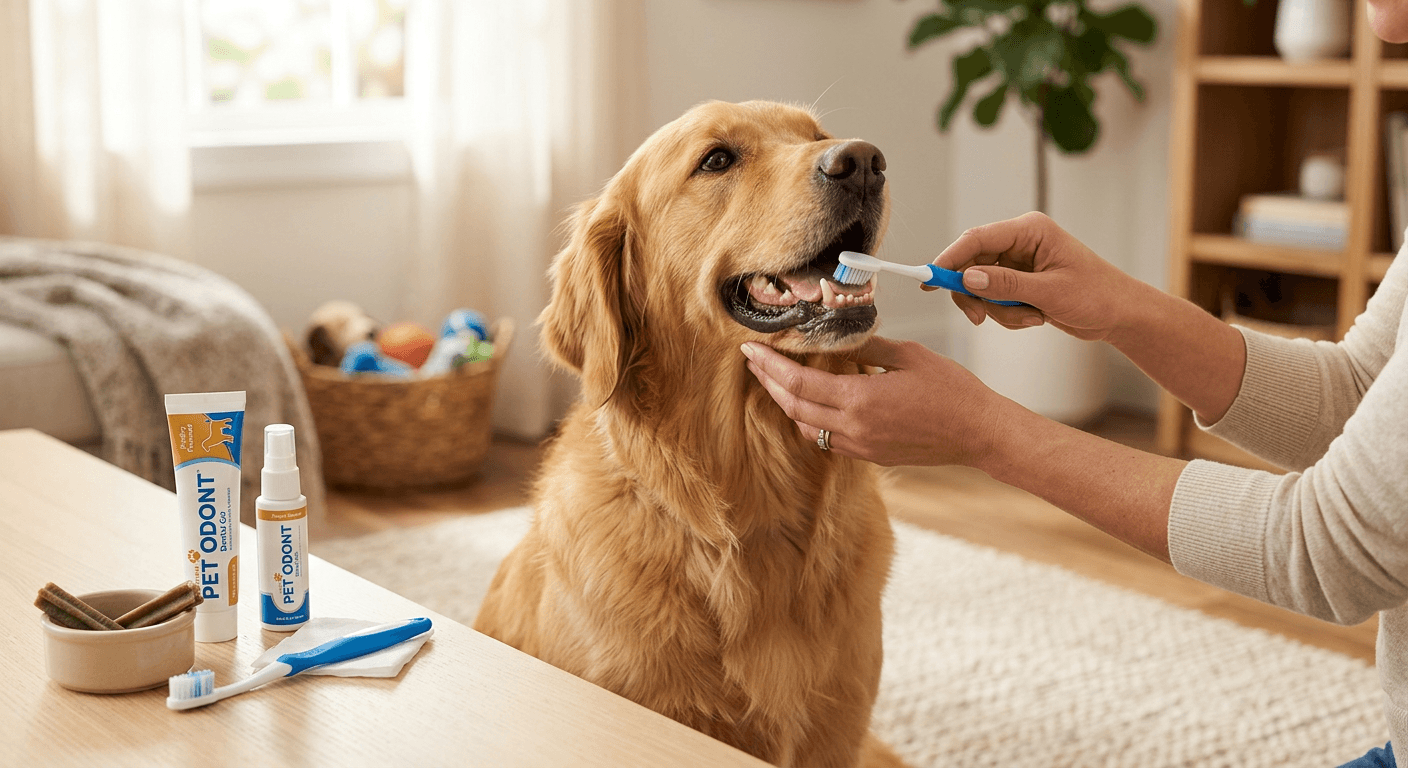
guide
Daily Pet Oral Care in 5 Minutes: A Practical Pet Oral Care Routine for Fresher Breath
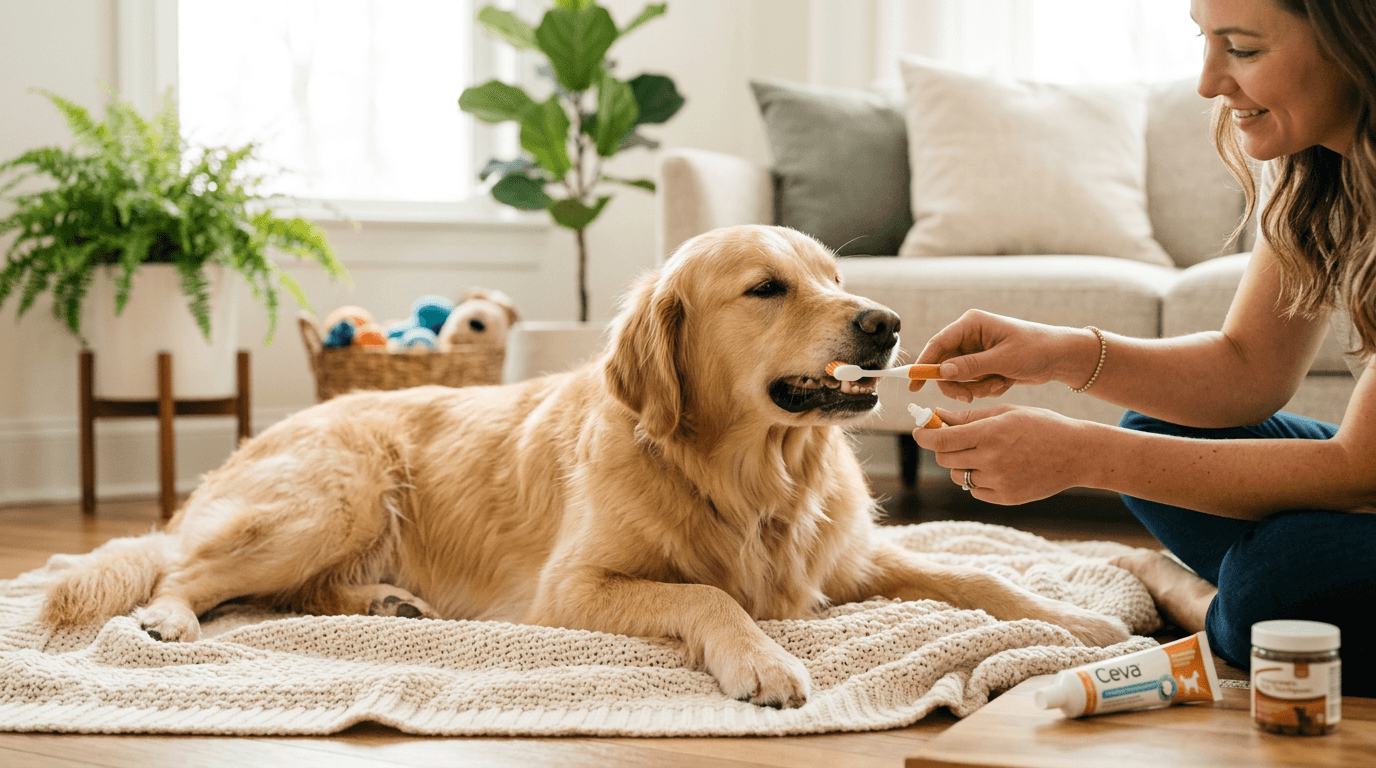
guide
How to Brush Dog Teeth Without Stress: A Practical Home Workflow That Actually Sticks
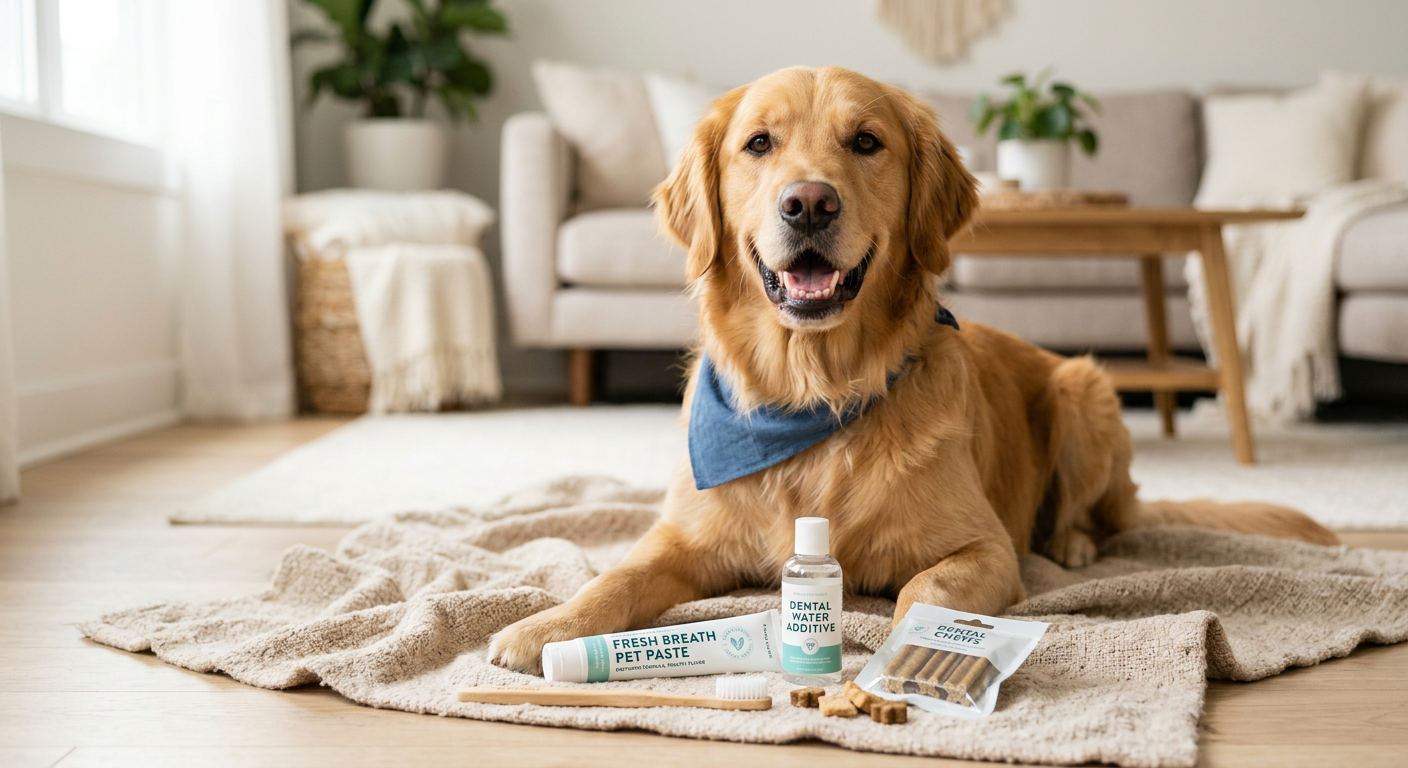
guide
Dog Bad Breath Home Care Plan: What to Do Before It Gets Worse
guide
Cat Teeth Brushing Routine for Beginners: A Behavior-First 14-Day Plan
Frequently asked questions
Do dental chews really clean a dog's teeth?
Dental chews can help reduce plaque by mechanically scraping the tooth surface as your dog chews, which may also improve breath. They work best as a supplement to brushing, not a replacement, because they usually can't reach every tooth and gumline area.
How do I choose the safest dental chew for my dog?
Match the chew size and firmness to your dog's weight and chewing style to lower choking and tooth-fracture risks. Look for clearly labeled ingredients, avoid extremely hard chews, and supervise chewing—especially for fast gulpers or aggressive chewers.
How often should dogs have dental chews?
Many products are designed for daily use, but the right frequency depends on your dog's calorie needs, sensitivity, and dental condition. Follow the package directions, count the chew toward daily treats, and ask your vet if your dog has dental disease or a history of GI issues.
