

guide • Paw Care
Dog Paw Salt Burn Treatment: Prevention and At-Home First Aid
Learn how to prevent dog paw salt burns on winter walks and what to do at home if your dog’s pads get irritated by salt or de-icers.
By PetCareLab Editorial • March 6, 2026 • 13 min read
Table of contents
- Dog Paw Salt Burns: What They Are and Why They Happen
- Dogs Most Likely to Get Salt Burns (Breed and Lifestyle Examples)
- How to Recognize a Dog Paw Salt Burn (And What It Looks Like)
- Common Signs (What Owners Notice First)
- What You Might See on the Paws
- Salt Burn vs Ice Ball vs Cut: Quick Differentiation
- Immediate At-Home First Aid: Dog Paw Salt Burn Treatment (Step-by-Step)
- Step 1: Rinse First (Don’t Just Wipe)
- Step 2: Inspect Like a Vet Tech Would
- Step 3: Soothe the Skin (Choose One Safe Method)
- Step 4: Apply a Dog-Safe Barrier Balm (Thin Layer)
- Step 5: Prevent Licking (This Is Where Home Care Often Fails)
- When It’s an Emergency vs When Home Care Is Enough
- Home Care Is Reasonable If You See:
- Call Your Vet Within 24–48 Hours If:
- Go In Urgently (Same Day) If:
- Prevention That Actually Works: Before, During, and After Walks
- Pre-Walk Prep (5 Minutes That Saves You a Week of Healing)
- During the Walk: Small Adjustments, Big Difference
- Post-Walk Routine (Non-Negotiable in Winter)
- Boots vs Balms vs Wipes: What’s Best (And for Which Dogs)
- Dog Boots: Best Protection, Biggest Learning Curve
- Paw Balm/Wax: Great for Most Daily Walks
- Wipes: Helpful, But Not a Standalone Solution
- Common Mistakes That Make Salt Burns Worse
- Mistake 1: Skipping the Rinse and Only Wiping
- Mistake 2: Using Hot Water
- Mistake 3: Applying Human Creams Without Checking Ingredients
- Mistake 4: Letting the Dog Lick “Just a Little”
- Mistake 5: Ignoring Between-Toe Skin
- Expert-Level Tips for Faster Healing (Safe, Practical)
- Keep Paws Dry Indoors
- Control Your Dog’s Environment
- Adjust Exercise Without Losing Your Dog’s Mind
- Know When a Secondary Infection Is Starting
- A Simple Winter Paw Care Kit (What to Keep by the Door)
- Doorway Kit Essentials
- Optional Upgrades
- FAQs: Quick, Practical Answers
- How long does it take for salt-burned paws to heal?
- Can I use Vaseline for dog paws?
- Are some de-icers “pet safe”?
- Why does my dog lick paws more at night?
- Bottom Line: The Most Effective Dog Paw Salt Burn Treatment Plan
Dog Paw Salt Burns: What They Are and Why They Happen
Winter walks can be magic—until your dog starts hopping, licking their feet nonstop, or suddenly refusing to move. That’s often a clue you’re dealing with irritated paw pads, and one common culprit is salt and de-icing chemicals on sidewalks and roads.
A “salt burn” is basically chemical irritation (and sometimes a true burn) caused by:
- •Rock salt (sodium chloride) drying the skin and creating micro-cracks
- •De-icer blends (often calcium chloride or magnesium chloride) that can be more irritating than plain salt
- •Sand/grit mixed with salt that acts like sandpaper in already-damaged pads
- •Cold + moisture + chemical exposure, which weakens the paw pad barrier fast
Paw pads are tough, but they’re not invincible. Once the outer layer dries or cracks, salt can sting and inflame deeper tissue—then licking makes it worse by adding moisture and bacteria.
Dogs Most Likely to Get Salt Burns (Breed and Lifestyle Examples)
Any dog can get them, but I see patterns based on coat type, paw structure, and “walk style”:
- •Small breeds close to the ground (e.g., Dachshunds, Chihuahuas, Yorkies): more contact with slush and chemical residue; cold exposure hits harder.
- •Short-coated dogs (e.g., Boxers, Pit Bulls, Greyhounds): often more sensitive to cold and chemical irritation overall.
- •Dogs with hairy feet (e.g., Golden Retrievers, Newfoundlands, Bernese Mountain Dogs): snow and salt can clump between toes, holding chemicals against the skin.
- •Working/athletic breeds (e.g., Border Collies, Huskies, German Shepherds): longer, faster walks = more exposure; they may “push through” pain until it’s significant.
- •Senior dogs or dogs with allergies: paw skin barrier may already be compromised, so irritation escalates quickly.
Real scenario: A Golden Retriever comes in from a walk with packed snowballs between toes. The owner wipes the top of the feet but misses between the pads. That trapped slush melts indoors, bathing the skin in salty water for 20 minutes. Cue: redness, licking, and a limp by evening.
How to Recognize a Dog Paw Salt Burn (And What It Looks Like)
You’ll usually see a combination of behavior changes and visible pad irritation.
Common Signs (What Owners Notice First)
- •Limping, “three-legged” walking, or sudden stopping
- •Licking/chewing paws intensely
- •Paw lifting or “tip-toe” walking on hard surfaces
- •Crying/whining when paws are touched
- •Refusing boots or acting frantic on the sidewalk
What You Might See on the Paws
- •Redness between toes or around pad edges
- •Dryness, cracking, flaking on pads
- •Raw spots or superficial abrasions
- •Swelling between toes
- •Tiny fissures (small splits) that sting when touched
- •White/gray residue on the fur/pads (salt/de-icer film)
Salt Burn vs Ice Ball vs Cut: Quick Differentiation
- •Ice balls: clumps between toes; dog may limp, but once removed and warmed, relief is quick.
- •Cuts/foreign objects: single paw is often worse; you may see a line, puncture, or bleeding.
- •Salt burns: often multiple paws, widespread redness, cracking, or stinging; licking continues even after you’re indoors.
If your dog is suddenly non-weight-bearing, bleeding a lot, or you see a deep crack that opens when they step, skip home care and call your vet.
Immediate At-Home First Aid: Dog Paw Salt Burn Treatment (Step-by-Step)
This is the practical, safe dog paw salt burn treatment routine you can do right away after winter walks. Think: remove chemical, soothe skin, protect from licking, and prevent infection.
Step 1: Rinse First (Don’t Just Wipe)
Wiping can smear chemicals. Rinsing actually dilutes and removes them.
- Use lukewarm water (not hot—hot can increase inflammation).
- Rinse each paw for 30–60 seconds.
- Pay attention to between toes and around nail beds.
- Pat dry thoroughly with a clean towel.
If your dog hates the tub, use:
- •A shallow pan or baking dish with water (one paw at a time)
- •A handheld showerhead
- •Unscented pet wipes after rinsing (wipes alone aren’t enough)
Pro-tip: Keep a squeeze bottle (like a clean condiment bottle) by the door. A targeted rinse between toes is faster and less stressful than a full bath.
Step 2: Inspect Like a Vet Tech Would
Good lighting and a calm setup matter.
- •Spread toes gently and check:
- •Pad edges for cracks
- •Webbing for redness or sores
- •Nails for splits (salt can irritate nail folds)
- •Note which paws are most affected—front paws often take more impact.
If you find a foreign object (glass, burr) that’s superficial and easily removed, you can carefully remove it. If it’s embedded or your dog reacts strongly, stop and call your vet.
Step 3: Soothe the Skin (Choose One Safe Method)
Pick one approach based on what you have.
Option A: Cool compress (fast, low risk)
- Wrap a cool, damp cloth around the paw for 2–5 minutes.
- Repeat 2–3 times if needed.
Option B: Paw soak (best for multiple paws)
- Fill a basin with lukewarm water.
- Soak paws for 2–3 minutes.
- Pat dry.
Option C: Saline rinse (great if cracks are present)
- •Use sterile saline or make a mild saline rinse (if you can’t get sterile):
- •1/2 teaspoon salt in 2 cups boiled then cooled water
(Yes, salt water—because correct saline is gentle and helps cleanse. This is different from concentrated road salt exposure.)
Step 4: Apply a Dog-Safe Barrier Balm (Thin Layer)
After the paws are clean and dry, apply a protective layer to reduce dryness and cracking.
Look for balms designed for paws, such as:
- •Musher’s Secret (classic wax-based barrier; great for pre-walk and post-walk)
- •Natural Dog Company Paw Soother (good for dry, irritated pads; check ingredients if your dog reacts to botanicals)
- •Burt’s Bees for Dogs Paw & Nose Lotion (light moisturizer; best for mild dryness)
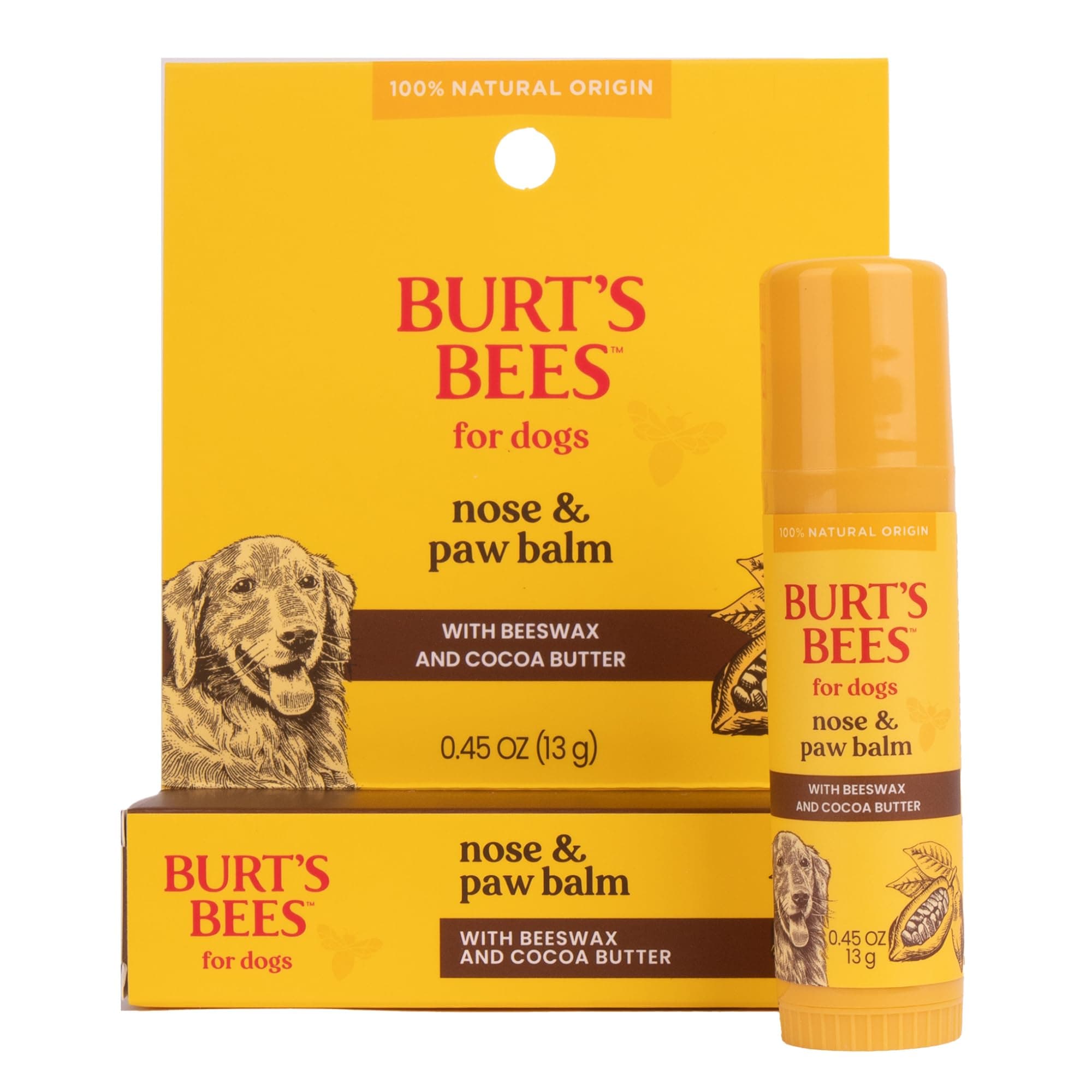
Burt's Bees for Pets Nose and Paw Balm with Beeswax and Cocoa Butter,100% Natural Origin Formulas, Dog Paw Pad Balm, Paw Moisturizer for Dogs, Dog Nose Balm
BURT'S BEES FOR PETS
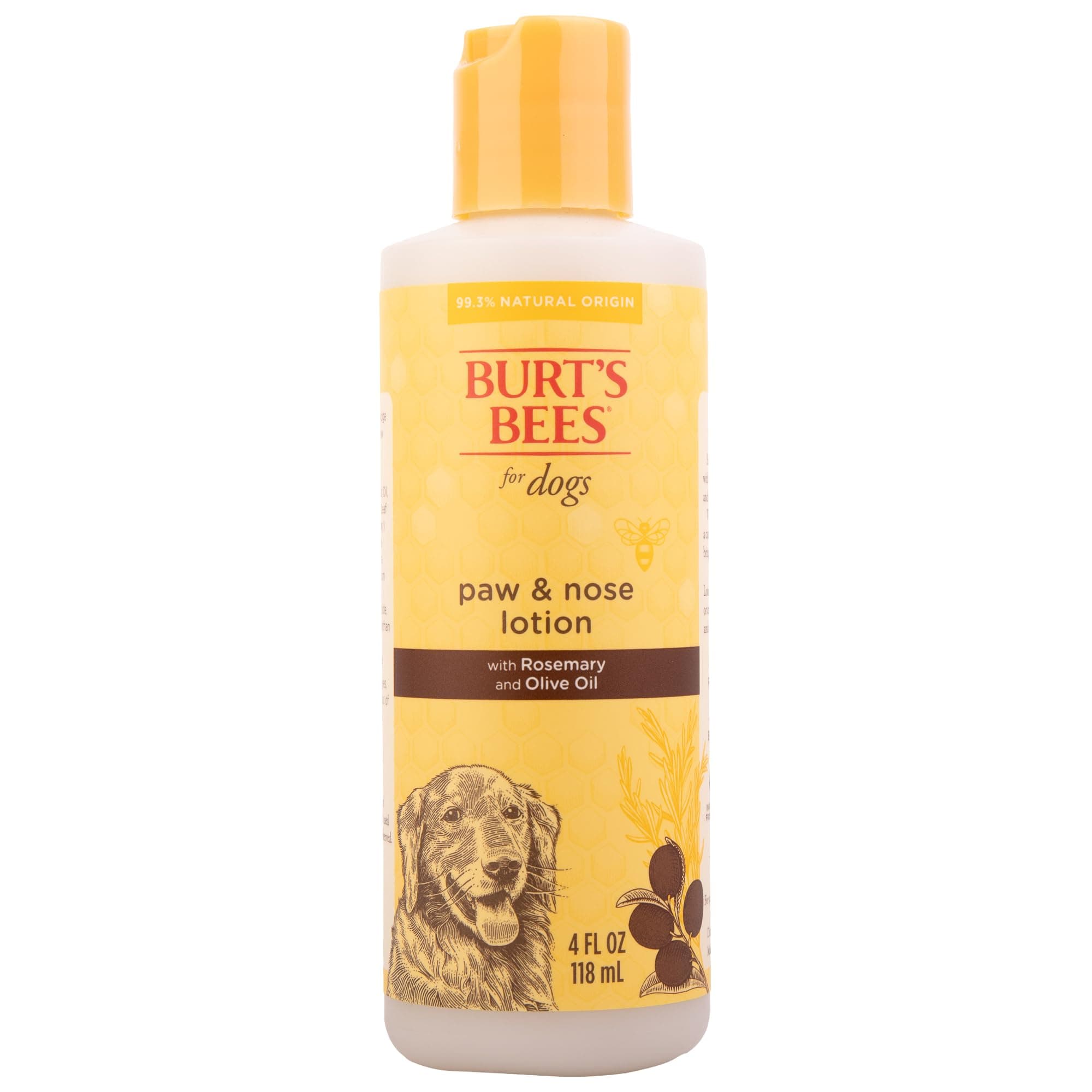
Burt's Bees for Pets Dog Lotion for Paw and Nose with Rosemary and Olive Oil - Soothing Dog Paw Balm Moisturizer for Cracked Pads & Dry Skin, Snout Soother for Dogs, Nose Butter for Dogs, 4 Fl Oz
BURT'S BEES FOR PETS
How to apply:
- Use a pea-sized amount per paw.
- Massage into pads and between toes lightly (avoid overloading the webbing).
- Let it absorb for 1–2 minutes.
Step 5: Prevent Licking (This Is Where Home Care Often Fails)
Licking feels soothing to dogs, but it:
- •re-wets and re-irritates skin
- •introduces bacteria
- •delays healing
- •can turn irritation into infected interdigital dermatitis
Use:
- •An e-collar (cone) for 30–60 minutes after balm application if needed
- •A soft recovery collar for comfort
- •Dog socks (only indoors, supervised; remove if damp)
Common real-life mistake: Owners apply balm and then let the dog lick for 10 minutes—undoing the whole treatment.
When It’s an Emergency vs When Home Care Is Enough
Salt burns range from mild irritation to painful, cracked pads that need medical help. Here’s how to decide.
Home Care Is Reasonable If You See:
- •Mild redness
- •Slight dryness/flaking
- •Occasional licking
- •Walking is mostly normal
- •No open wounds, pus, or major swelling
Call Your Vet Within 24–48 Hours If:
- •Limping lasts more than a day
- •Cracks are visible and painful
- •Redness spreads between toes
- •Your dog won’t let you touch the paw
- •There’s significant swelling
- •Your dog has allergies and is prone to paw infections
Go In Urgently (Same Day) If:
- •Bleeding won’t stop
- •A pad is partially torn or there’s a flap
- •There’s pus, strong odor, or heat (possible infection)
- •Your dog is non-weight-bearing
- •You suspect chemical burns from strong de-icers (especially if blisters appear)
- •Your dog may have ingested de-icer by licking (vomiting, drooling, lethargy)
If you know your area uses calcium chloride or magnesium chloride-based de-icers, be extra cautious—those can sting and irritate more aggressively than basic rock salt.
Prevention That Actually Works: Before, During, and After Walks
The best dog paw salt burn treatment is not needing one. Prevention is doable if you’re consistent.
Pre-Walk Prep (5 Minutes That Saves You a Week of Healing)
- Trim paw hair (especially between toes)
- •Helps prevent ice and chemical buildup
- •Breed example: A Shih Tzu or Poodle mix with fluffy feet benefits hugely from tidy “grinch feet” trims.
- Apply a barrier wax
- •Musher’s Secret is a go-to for many owners in heavy winter climates.
- •Apply a thin coat to pads and between toes.
- Choose the right walk surfaces
- •Prefer snow-covered paths or trails over heavily salted sidewalks.
- •Avoid shiny wet patches near road edges—often concentrated de-icer runoff.
Pro-tip: If you can smell chemicals strongly or see a gritty, damp film on pavement, treat it like “high exposure” and shorten the walk.
During the Walk: Small Adjustments, Big Difference
- •Keep walks shorter in extreme cold or heavy salt conditions.
- •Watch for early signs: paw lifting, sudden stopping.
- •Bring a small towel if your dog gets clumps between toes (especially Goldens, Spaniels, Newfies).
Post-Walk Routine (Non-Negotiable in Winter)
- •Rinse paws (or wipe after rinsing)
- •Dry thoroughly
- •Apply balm if needed
- •Prevent licking for 10–20 minutes
Consistency matters more than fancy products.
Boots vs Balms vs Wipes: What’s Best (And for Which Dogs)
Not every dog tolerates boots, and not every environment can be managed with balm alone. Here’s a practical comparison.
Dog Boots: Best Protection, Biggest Learning Curve
Pros
- •Excellent barrier against salt and ice
- •Helps dogs with chronic pad cracking
- •Great for dogs who do long winter hikes
Cons
- •Some dogs hate the sensation
- •Fit issues can cause rubbing
- •Can trap moisture if left on too long
Good boot options many owners like:
- •Ruffwear (durable; good for active dogs; measure carefully)
- •Canada Pooch boots (popular for winter traction; varies by model)
- •Pawz Rubber Dog Boots (balloon-style; good waterproofing; can tear; great as backup)
Breed scenario: A Border Collie doing long runs on salted paths often does best in boots—balm alone may not keep up with the mileage.
Paw Balm/Wax: Great for Most Daily Walks
Pros
- •Fast, inexpensive, easy
- •Improves pad condition over time
- •Helps prevent micro-cracks
Cons
- •Not a total barrier in heavy chemical areas
- •Some dogs lick it off
- •Can make floors slippery if over-applied
Wipes: Helpful, But Not a Standalone Solution
Pros
- •Convenient for quick cleanups
- •Good for fur around paws
Cons
- •Can smear chemicals instead of removing them
- •Less effective than rinsing
If you only choose one “easy” tool: choose rinsing, not wipes.
Common Mistakes That Make Salt Burns Worse
These are the patterns that turn mild irritation into a multi-day problem.
Mistake 1: Skipping the Rinse and Only Wiping
Wipes can move residue around, especially between toes. Rinse first whenever possible.
Mistake 2: Using Hot Water
Hot water can increase inflammation and discomfort. Stick to lukewarm.
Mistake 3: Applying Human Creams Without Checking Ingredients
Avoid products with:
- •Zinc oxide (common in diaper rash creams; toxic if licked)
- •Lidocaine/benzocaine (can be dangerous if ingested)
- •Strong essential oils (tea tree in particular can be toxic)
If you’re unsure, don’t use it.
Mistake 4: Letting the Dog Lick “Just a Little”
“Just a little” turns into constant licking when paws sting. Use a cone if needed.
Mistake 5: Ignoring Between-Toe Skin
Interdigital skin is where irritation and infection love to start. Always check and dry between toes.
Expert-Level Tips for Faster Healing (Safe, Practical)
If you’re already doing the basics, these tips help recovery move along.
Keep Paws Dry Indoors
Moisture slows healing and encourages yeast/bacteria.
- •Dry paws after going outside, even just for potty breaks.
- •Avoid letting your dog lie on damp mats.
Control Your Dog’s Environment
- •Use a humidifier if your home air is extremely dry (pads crack faster).
- •Keep floors clean—chemical residue can be tracked inside.
Adjust Exercise Without Losing Your Dog’s Mind
If outdoor exposure is making paws worse:
- •Switch to indoor enrichment: sniff games, training sessions, food puzzles.
- •Try short potty breaks + indoor play for 3–5 days while pads recover.
Breed scenario: A high-drive German Shepherd with irritated pads often needs structured indoor work (obedience drills, scent games) so they’re not bouncing off the walls while you limit winter walks.
Know When a Secondary Infection Is Starting
Watch for:
- •Corn-chip odor (often yeast)
- •Increased redness, moistness, or discharge
- •Persistent licking despite treatment
- •Small “pimples” between toes
At that point, home care may not be enough—your vet may recommend medicated wipes, topical antibiotics/antifungals, or addressing allergies.
A Simple Winter Paw Care Kit (What to Keep by the Door)
If you want to prevent problems and handle minor cases quickly, keep a small kit ready.
Doorway Kit Essentials
- •Clean towel
- •Small basin or squeeze bottle for rinsing
- •Paw balm/wax (Musher’s Secret or similar)
- •Pet-safe wipes (as backup)
- •E-collar or soft recovery collar
- •Flashlight/headlamp for inspections
Optional Upgrades
- •Dog boots + spare set
- •Paw trimmer (or schedule regular grooming)
- •Saline spray (sterile, pet-safe)
This setup makes consistent care realistic—because the best routine is the one you’ll actually do daily.
FAQs: Quick, Practical Answers
How long does it take for salt-burned paws to heal?
Mild irritation can improve in 24–72 hours with rinsing, drying, and balm. Cracked or abraded pads may take 7–14 days depending on severity and how well you prevent re-exposure and licking.
Can I use Vaseline for dog paws?
Plain petrolatum can act as a barrier, but it’s slippery and many dogs lick it. If you use it, apply a very thin layer and prevent licking. A purpose-made paw wax is usually a better option for winter conditions.
Are some de-icers “pet safe”?
Some products are marketed as pet-friendly, but “pet safe” doesn’t mean non-irritating. Any chemical can cause irritation, especially on cracked pads—or if ingested. Treat all de-icers as potentially irritating and rinse paws after walks.
Why does my dog lick paws more at night?
Inflammation can feel more intense at rest, and licking becomes a self-soothing habit. Nighttime licking is also common if paws weren’t fully cleaned/dried after the last outing.
Bottom Line: The Most Effective Dog Paw Salt Burn Treatment Plan
If you want a reliable plan that works for most dogs, keep it simple and consistent:
- Rinse paws after winter walks (don’t just wipe).
- Dry thoroughly, including between toes.
- Apply a thin layer of paw balm/wax.
- Prevent licking so the skin barrier can heal.
- Use boots or shorten/modify walks during heavy salt conditions.
- Call your vet if limping persists, cracks worsen, or infection signs appear.
If you tell me your dog’s breed, your typical winter conditions (light salt vs heavy de-icer), and whether boots are tolerated, I can recommend a tailored routine and specific product approach that fits your daily schedule.
Topic Cluster
More in this topic
guide
How to Heal Cracked Dog Paw Pads: Safe Home Steps
guide
Cracked Cat Paw Pads Treatment: Causes, Home Care & Vet Signs
guide
How to protect dog paws from hot pavement: prevent paw burns
guide
Dog Paw Burn Hot Pavement First Aid: Prevent & Treat Fast
guide
Dog Paw Pad Cut Treatment: Clean, Bandage, Protect
guide
Cracked Dog Paw Pads Home Treatment: Vet Red Flags to Know
Frequently asked questions
What are dog paw salt burns?
Dog paw salt burns are usually chemical irritation from road salt or de-icing products that dry and damage paw pads. They can cause redness, cracking, licking, limping, or refusing to walk.
What should I do at home for dog paw salt burn treatment?
Rinse paws with lukewarm water to remove salt and chemicals, then gently pat dry. Keep your dog from licking, and contact your vet if there’s swelling, bleeding cracks, severe pain, or symptoms don’t improve quickly.
How can I prevent salt burns on my dog’s paws in winter?
Use dog boots or apply a paw balm before walks, and wipe or rinse paws as soon as you get home. Stick to less-treated paths when possible and keep paw hair trimmed to reduce salt buildup.
