

guide • Paw Care
Dog Paw Pad Cracked Home Treatment: Care & Vet Signs
Learn what causes cracked dog paw pads, which home treatments help mild dryness, and when splits, bleeding, or limping mean it’s time to see a vet.
By PetCareLab Editorial • March 7, 2026 • 12 min read
Table of contents
- Dog Paw Pad Cracks: What’s Normal vs. What’s a Problem
- Why Paw Pads Crack (The Usual Culprits)
- Weather + Environment
- Allergies and Skin Disease
- Infection (Yeast or Bacteria)
- Nutritional and Medical Factors
- Mechanical Issues
- Quick Home Assessment: A 3-Minute Paw Pad Check
- Step 1: Clean and Look (Don’t Guess)
- Step 2: Smell and Touch
- Step 3: Watch Your Dog Walk
- Dog Paw Pad Cracked Home Treatment: Step-by-Step Plan (Mild to Moderate Cases)
- What You’ll Need
- Step 1: Clean Gently (Once Daily, or After Walks)
- Step 2: Soften and Seal With a Paw Balm (2–3x Daily)
- Product recommendations (pet-safe)
- Step 3: Protect the Crack (Bandage or Boot When Needed)
- Bandage method (short-term, supervised)
- Boot method (often safer for walks)
- Step 4: Limit Abrasive Activity for 3–7 Days
- Step 5: Stop the Lick Cycle
- When Home Care Is NOT Enough (And You Should See a Vet)
- Go to the Vet Within 24–48 Hours If:
- Same-Day / Urgent If:
- Special Cases: Burns, Chemical Irritation, and Deep Fissures
- Hot Pavement Burns
- Ice Melt / Salt Chemical Irritation
- Deep Fissures (The “Paper Cut” That Keeps Splitting)
- Breed and Lifestyle Examples (So You Can Relate It to Your Dog)
- Working and Sport Dogs
- City Dogs on Sidewalks
- Allergy-Prone Dogs
- Senior Dogs
- Common Mistakes That Make Cracks Worse
- Using the Wrong Products
- Over-Bandaging
- Not Fixing the Cause
- Ignoring Infection Signs
- Prevention That Actually Works (And Doesn’t Require Fancy Gear)
- Daily/Weekly Pad Maintenance
- Weather-Specific Strategies
- Conditioning for Active Dogs
- FAQ: Quick, Practical Answers
- How long do cracked paw pads take to heal?
- Should I let my dog walk on a cracked pad?
- Can I use Vaseline?
- Why does my dog keep licking the cracked pad?
- Are booties always necessary?
- A Simple “Do This Tonight” Plan (If the Crack Looks Mild)
- When You’re Not Sure: A Good Rule of Thumb
Dog Paw Pad Cracks: What’s Normal vs. What’s a Problem
Cracked paw pads happen to most dogs at some point. Pads are tough, but they’re still living tissue that can dry out, abrade, or split—especially with weather, terrain, allergies, or medical issues in the mix. The key is figuring out whether you’re dealing with mild dryness you can manage at home or a painful fissure that needs veterinary help.
A simple dry pad usually looks like:
- •Slight roughness or “sandpapery” texture
- •Mild flaking at the edges
- •No limping, no licking obsession, no bleeding
A true cracked pad (fissure) is more concerning and often looks like:
- •A visible split line (sometimes deep like a paper cut)
- •Tenderness when touched; dog pulls paw away
- •Licking/chewing, limping, or avoiding hard surfaces
- •Redness, swelling, discharge, or a bad smell
If you searched for dog paw pad cracked home treatment, you’re in the right place—but we’ll also be blunt about when home care is not enough.
Why Paw Pads Crack (The Usual Culprits)
Most cracked pads come down to one (or more) of these categories.
Weather + Environment
- •Winter: Salt, ice melt chemicals, cold air, and dry indoor heat.
- •Summer: Hot pavement, sand, and dehydrating heat.
- •Rough terrain: Hiking on sharp rock, running on abrasive concrete, or lots of fetch on gritty surfaces.
Real scenario: A Labrador who normally walks on grass starts doing daily 3-mile sidewalk walks. Two weeks later, the pads look frayed and begin splitting—classic abrasion + dryness.
Allergies and Skin Disease
Dogs with environmental allergies (atopy) may lick their feet constantly. That saliva plus inflammation breaks down the pad barrier and invites infection.
Breed examples prone to paw/skin issues:
- •French Bulldogs, English Bulldogs (skin folds + allergies)
- •West Highland White Terriers (atopy)
- •Golden Retrievers (allergies, yeast)
- •German Shepherds (can have immune-related skin issues)
Infection (Yeast or Bacteria)
If you notice a corn chip/Frito smell, brown staining, greasy skin between toes, or redness, think yeast. Cracks can become infected fast, especially if your dog won’t stop licking.
Nutritional and Medical Factors
Less common, but important if cracking is chronic or severe:
- •Hypothyroidism (dry skin, recurrent infections, weight gain, sluggishness)
- •Autoimmune conditions like pemphigus (crusting, erosions)
- •Zinc-responsive dermatosis (seen in Nordic breeds like Huskies; can cause crusting on pads and nose)
Mechanical Issues
- •Overgrown nails change how your dog loads weight onto pads, increasing wear and cracking.
- •Abnormal gait/arthritis can cause uneven pressure and repeated micro-trauma.
Quick Home Assessment: A 3-Minute Paw Pad Check
Before you treat, do a quick triage. This helps you choose the right home care—and know when to stop and call the vet.
Step 1: Clean and Look (Don’t Guess)
Rinse the paw with lukewarm water. Pat dry. Use a flashlight if needed. Check:
- •Where is the crack—center pad, edge, between toes?
- •Is it bleeding or oozing?
- •Any foreign body (tiny pebble, thorn)?
- •Any swelling or heat?
Step 2: Smell and Touch
- •Strong odor, sticky discharge, or pain on light pressure suggests infection.
- •If your dog yanks the paw away or growls, treat that as a red flag.
Step 3: Watch Your Dog Walk
A mild dry pad usually doesn’t change gait. Limping or toe-touching means pain—time to be more cautious.
Pro-tip: Take a clear photo of the pad today and again in 48 hours. Pads can look “about the same” in your head even when they’re worsening.
Dog Paw Pad Cracked Home Treatment: Step-by-Step Plan (Mild to Moderate Cases)
This is the core home-care routine vet techs love because it’s practical and protective. It assumes no deep bleeding fissure, no pus, no significant swelling, and your dog is mostly comfortable.
What You’ll Need
- •Mild soap (optional) or saline
- •Clean towel or paper towels
- •Pet-safe paw balm (options below)
- •Non-stick gauze pad + self-adherent wrap (VetWrap-style) or a dog boot
- •E-collar or lick deterrent (if your dog licks)
Step 1: Clean Gently (Once Daily, or After Walks)
- •Rinse with lukewarm water or saline.
- •If muddy/dirty, use a tiny amount of mild soap, then rinse thoroughly.
- •Pat completely dry—moisture trapped in folds fuels yeast.
Common mistake: Using harsh antiseptics repeatedly (like hydrogen peroxide) can delay healing by damaging tissue.
Step 2: Soften and Seal With a Paw Balm (2–3x Daily)
Apply a thin layer. You’re aiming for hydration + barrier protection, not greasy slip-n-slide.
Product recommendations (pet-safe)
- •Musher’s Secret (classic wax-based barrier; great for snow/salt and hiking)
- •Paw Soother (often calendula-based; nice for dry, irritated pads)
- •Burt’s Bees for Dogs Paw & Nose Lotion (good budget option; lighter feel)
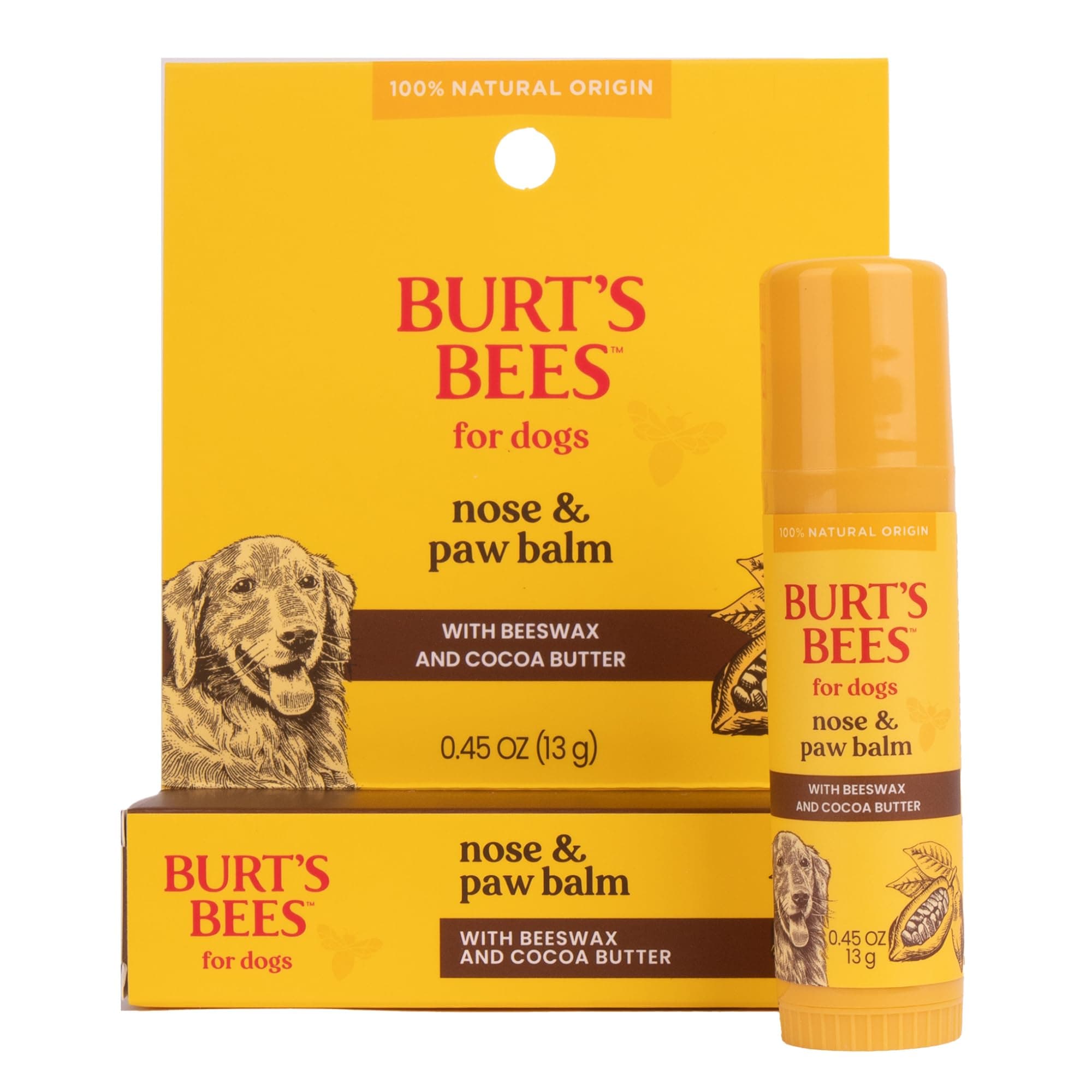
Burt's Bees for Pets Nose and Paw Balm with Beeswax and Cocoa Butter,100% Natural Origin Formulas, Dog Paw Pad Balm, Paw Moisturizer for Dogs, Dog Nose Balm
BURT'S BEES FOR PETS
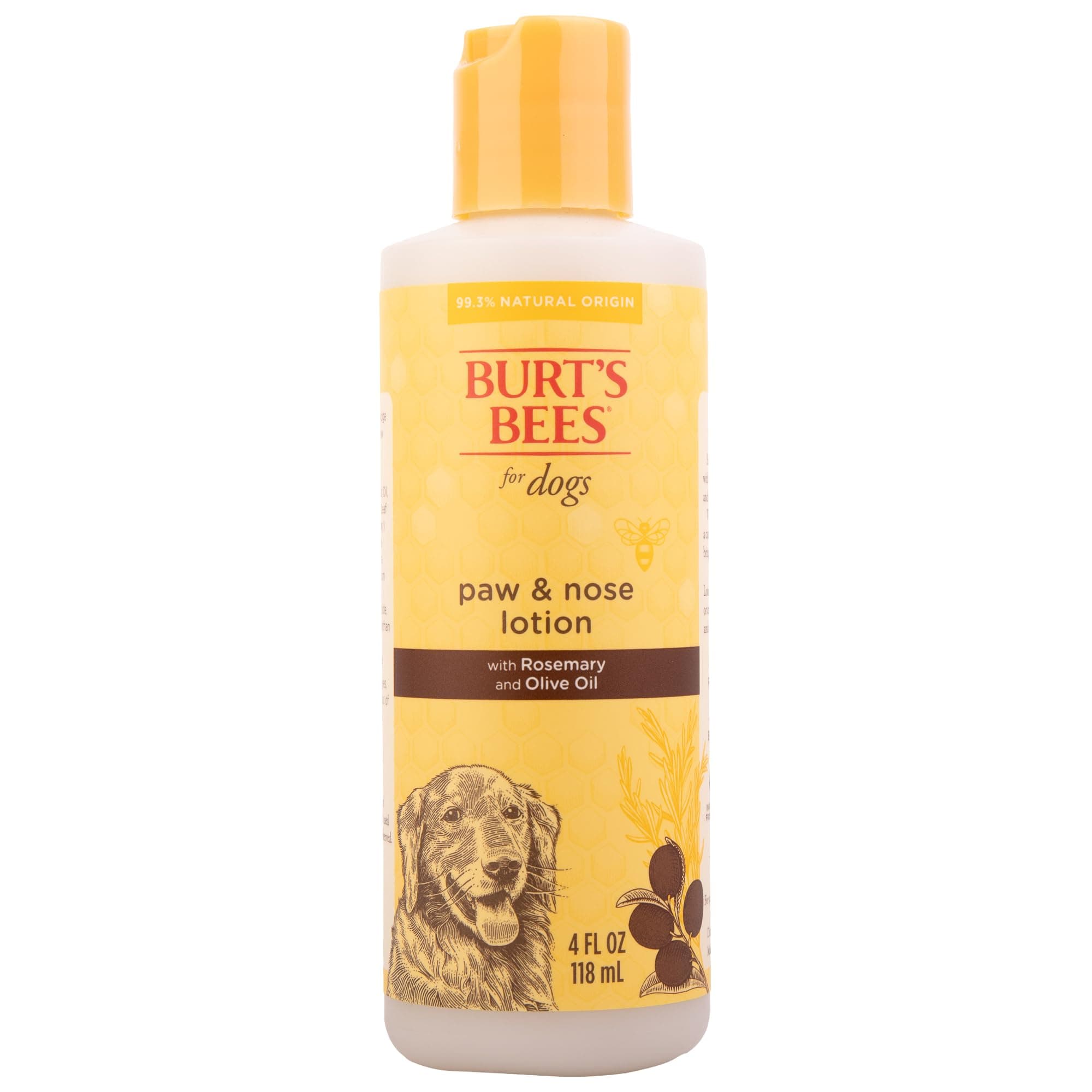
Burt's Bees for Pets Dog Lotion for Paw and Nose with Rosemary and Olive Oil - Soothing Dog Paw Balm Moisturizer for Cracked Pads & Dry Skin, Snout Soother for Dogs, Nose Butter for Dogs, 4 Fl Oz
BURT'S BEES FOR PETS
- •Wax-based balms (like Musher’s Secret) excel for outdoor protection and water resistance.
- •Lotion-style balms absorb faster and feel less slippery indoors but may need more frequent application.
Pro-tip: Apply balm right before your dog settles for a nap. It gives it time to absorb instead of being licked off immediately.
Step 3: Protect the Crack (Bandage or Boot When Needed)
If the crack is catching, widening, or your dog licks it—protect it.
Bandage method (short-term, supervised)
- Place a non-stick gauze pad over the crack.
- Wrap lightly with self-adherent wrap (not tight). You should easily slip a finger under it.
- Keep bandage clean and dry; change at least daily.
Important: Bandages can cause swelling if too tight and can trap moisture—use them sparingly and monitor toes for puffiness.
Boot method (often safer for walks)
A well-fitted boot reduces abrasion and keeps salt/dirt out. Great for:
- •City walkers in winter
- •Dogs that won’t stop licking outside
Tip: Use boots only during walks and remove afterward so pads can breathe.
Step 4: Limit Abrasive Activity for 3–7 Days
Healing requires reducing mechanical stress.
- •Choose grass, dirt, or softer trails.
- •Skip long runs and fetch on concrete.
- •Short, calm walks instead of endurance outings.
Real scenario: A Border Collie with a small fissure won’t heal because the dog keeps sprinting after a ball on asphalt. The fix is not “more balm”—it’s activity modification.
Step 5: Stop the Lick Cycle
Licking is the #1 reason mild cracks become infected. Options:
- •E-collar (most effective)
- •Inflatable collar (some dogs can still reach feet)
- •Supervised distraction + enrichment
If your dog is licking at night, assume you’re missing it—use a collar.
When Home Care Is NOT Enough (And You Should See a Vet)
Some paw pad cracks are beyond DIY. If you see any of the following, schedule a vet visit.
Go to the Vet Within 24–48 Hours If:
- •Limping persists or worsens
- •Crack is deep or repeatedly reopening
- •Swelling, redness spreading, warmth, or significant pain
- •Discharge, odor, or suspected infection
- •Your dog has allergies and recurrent paw problems
- •Multiple paws affected (suggests systemic issue)
Same-Day / Urgent If:
- •Heavy bleeding that won’t stop after 10 minutes of firm pressure
- •A flap of pad tissue is torn/partially detached
- •Your dog won’t bear weight
- •You suspect a burn (hot pavement) or chemical irritation (ice melt)
- •Fever, lethargy, or loss of appetite along with paw issues
What the vet may do:
- •Clip and clean the fissure properly
- •Check for foreign bodies
- •Prescribe topical or oral antibiotics/antifungals if infected
- •Provide pain relief (important—pain slows healing)
- •Address underlying allergy with a plan (not just a one-off fix)
Special Cases: Burns, Chemical Irritation, and Deep Fissures
These cases look like “cracks” but behave differently.
Hot Pavement Burns
Signs:
- •Blistering, bright red pads, sloughing skin
- •Sudden severe limping after a walk
Home first aid (then vet):
- •Rinse with cool (not ice-cold) water for several minutes
- •Prevent licking
- •Seek veterinary care—burns are painful and prone to infection
Ice Melt / Salt Chemical Irritation
Signs:
- •Red, irritated feet after walking on treated sidewalks
- •Excessive licking immediately after walks
- •Cracks forming from chemical drying + inflammation
Home care:
- •Rinse paws after every walk
- •Use booties on treated surfaces
- •Apply a barrier balm before walks
Deep Fissures (The “Paper Cut” That Keeps Splitting)
Deep cracks often need more than balm because the pad is a high-motion surface. If the split is deep, the vet may recommend:
- •A protective bandage protocol
- •Restricted activity
- •Prescription topical therapy
- •Addressing infection/inflammation if present
Breed and Lifestyle Examples (So You Can Relate It to Your Dog)
Different dogs crack pads for different reasons. Here are common patterns.
Working and Sport Dogs
- •German Shorthaired Pointers, Australian Shepherds, Malinois
High mileage, rough terrain, sudden turns = abrasion and splits.
Best prevention:
- •Gradual conditioning (pads toughen over time)
- •Booties for rocky hikes
- •Wax-based barrier before long outings
City Dogs on Sidewalks
- •Frenchies, Shih Tzus, Cavaliers
Constant pavement contact + winter salt + indoor dry heat = dry, cracked pads.
Best prevention:
- •Daily quick paw rinse in winter
- •Regular balm after walks
- •Nail trims every 2–4 weeks
Allergy-Prone Dogs
- •Golden Retrievers, Boxers, Westies
Cracks are often secondary to licking and inflammation.
Best prevention:
- •Vet-guided allergy plan
- •Keep paws dry, treat yeast early
- •Don’t rely on balm alone if the underlying itch continues
Senior Dogs
Older dogs may have thinner skin, arthritis (altered gait), and slower healing.
Best prevention:
- •Keep nails short
- •Softer walking routes
- •Vet check if cracks recur—pain and gait changes are often involved
Common Mistakes That Make Cracks Worse
These are the “I see this all the time” problems in paw care.
Using the Wrong Products
Avoid:
- •Human lotions with fragrances or irritants (dogs lick them)
- •Essential oils (some are toxic; also irritating)
- •Hydrogen peroxide or alcohol repeatedly (delays healing)
- •Heavy ointments without stopping licking (your dog just eats it)
Over-Bandaging
A bandage that’s too tight or left on too long can cause:
- •Toe swelling
- •Moisture buildup and infection
- •Skin sores from rubbing
If you’re not confident bandaging, boots for walks + balm + e-collar at home is often safer.
Not Fixing the Cause
If your dog cracks pads every winter, it’s not bad luck—it’s a pattern. Build a routine (see prevention section).
Ignoring Infection Signs
A cracked pad plus odor, discharge, and constant licking is not “just dry.” That’s often yeast/bacteria, and you’ll spin your wheels without treatment.
Prevention That Actually Works (And Doesn’t Require Fancy Gear)
Once your dog is healed, prevention is where you win long-term.
Daily/Weekly Pad Maintenance
- •Check paws a few times a week (more in extreme weather).
- •Keep fur between toes trimmed if your dog mats easily (ask a groomer if needed).
- •Keep nails short—long nails change foot posture and increase pad stress.
Weather-Specific Strategies
Winter:
- •Rinse paws after walks (especially between toes)
- •Apply wax-based balm before walks
- •Use booties on heavily salted sidewalks
Summer:
- •Walk early/late; avoid hot pavement
- •Bring water on longer walks
- •Consider booties for hot sand or long pavement routes
Conditioning for Active Dogs
Pads toughen like calluses—gradually.
- •Increase mileage slowly over 2–3 weeks before a hiking trip
- •Mix surfaces (grass + trail) to condition without over-abrasion
- •Use a barrier balm on high-mileage days
Pro-tip: If you’re planning a big hike, start “pad training” now. Doing nothing until the day of the trip is how you end up carrying your dog back.
FAQ: Quick, Practical Answers
How long do cracked paw pads take to heal?
Mild surface dryness can improve in 2–5 days with consistent balm and protection. Deeper fissures often take 1–3 weeks, especially if your dog is active or licking.
Should I let my dog walk on a cracked pad?
If it’s mild and your dog isn’t limping, short walks on soft surfaces are fine. If there’s pain, bleeding, or a deep split, limit activity and protect the paw—consider a vet visit.
Can I use Vaseline?
It’s not toxic in small amounts, but it’s messy, offers limited long-term skin repair, and many dogs lick it off. A pet-specific paw balm is usually a better choice for barrier + healing support.
Why does my dog keep licking the cracked pad?
Pain, itch (allergies/yeast), or simply habit. If licking is persistent, assume there’s inflammation or infection brewing and use an e-collar while you address the cause.
Are booties always necessary?
No. They’re most helpful for salt/chemicals, abrasive terrain, burns risk, and dogs that won’t stop licking outdoors. For mild indoor dryness, balm and routine maintenance may be enough.
A Simple “Do This Tonight” Plan (If the Crack Looks Mild)
If you want a clear starting point for dog paw pad cracked home treatment, do this:
- Rinse paw with lukewarm water; pat fully dry.
- Apply a thin layer of pet-safe paw balm.
- Prevent licking (ideally an E-collar for the evening).
- Tomorrow: avoid abrasive surfaces; reapply balm 2–3x during the day.
- Re-check in 48 hours with a photo comparison. If worse—or if limping/odor/discharge appears—book a vet.
When You’re Not Sure: A Good Rule of Thumb
Home care is best for mild dryness and shallow cracks when your dog is comfortable and the paw is clean. The moment you see limping, deep fissures, infection signs, burns, or repeated recurrence, it’s time for veterinary help—because the paw pad is a high-wear surface and small problems escalate fast.
If you tell me your dog’s breed, activity level, and what the crack looks like (dry/bleeding/odor/limp), I can help you choose the safest home plan and the “see a vet now vs. monitor” call.
Topic Cluster
More in this topic
guide
Cracked Dog Paws Home Treatment: Causes, Care & Vet Signs
guide
Dog Paw Salt Burn Treatment: Prevention and At-Home First Aid
guide
Cracked Dog Paw Pads Home Treatment: Care, Bandaging, Vet Signs
guide
Winter Dog Paw Care: Stop Ice, Salt, and Cracked Pads
guide
Cracked Dog Paw Pads Treatment: Causes, Fixes & Prevention
guide
Dog Paw Balm Guide: When and How to Use It Safely
Frequently asked questions
Can I treat a cracked dog paw pad at home?
Yes, mild dryness and shallow cracks can often be managed with gentle cleaning, limiting rough surfaces, and a pet-safe paw balm. If your dog is painful, licking nonstop, or the crack is deep or bleeding, skip DIY and contact your vet.
What are signs a cracked paw pad needs a vet?
See a vet if there is bleeding that won’t stop, swelling, heat, pus, a bad odor, or your dog is limping or yelping. Deep fissures, repeated cracking, or signs of allergy or infection also warrant an exam.
How can I prevent my dog’s paw pads from cracking again?
Use a paw protectant before harsh weather or rough terrain, rinse and dry paws after walks, and keep nails and fur between toes trimmed. Avoid hot pavement and de-icing salts, and address allergies or skin issues with your vet if cracks keep returning.
