

guide • Paw Care
Cracked Dog Paws Home Treatment: Causes, Care & Vet Signs
Learn what causes cracked paw pads, how to soothe and protect them at home, and when symptoms mean your dog needs a vet visit.
By PetCareLab Editorial • March 7, 2026 • 13 min read
Table of contents
- Cracked Dog Paws: Causes, Home Care, and When to Vet
- What “Cracked Paw Pads” Actually Are (and Why They Hurt)
- Superficial dryness vs. true fissures
- The Most Common Causes of Cracked Dog Paws
- Environmental and seasonal causes
- Chemical irritation (very common)
- Excessive licking from allergies or anxiety
- Nutritional factors and hydration
- Underlying medical issues (don’t miss these)
- Quick At-Home Assessment: How Bad Is It?
- Step 1: Look and feel
- Step 2: Check between toes and nails
- Step 3: Watch the walk
- Cracked Dog Paws Home Treatment: Step-by-Step (Safe and Effective)
- What you’ll need (basic kit)
- Step 1: Clean gently (no harsh soaps)
- Step 2: Inspect and remove debris safely
- Step 3: Apply a dog-safe moisturizer/balm correctly
- Step 4: Protect for the “healing window”
- Step 5: Stop licking (the make-or-break step)
- Step 6: Adjust activity temporarily
- Product Recommendations (and How to Choose the Right One)
- Paw balms: what works well
- Pet-safe standbys many owners like
- What about petroleum jelly (Vaseline)?
- Avoid these common “home remedies”
- Common Mistakes That Keep Cracks From Healing
- Breed Examples and Real-World Scenarios (So You Can Recognize Patterns)
- Working and sporty breeds: abrasion + overuse
- Brachycephalic and allergy-prone breeds: licking-driven cracks
- Small/toy breeds: indoor friction + sensitive skin
- Senior dogs: skin changes + slower healing
- When Cracked Paws Mean Infection (and What It Looks Like)
- Signs of bacterial infection
- Signs of yeast overgrowth
- When to See the Vet (Use This Checklist)
- Go to the vet promptly if you see:
- What the vet may do
- Prevention: How to Keep Paw Pads Healthy Long-Term
- Build “paw pad conditioning” like you would fitness
- Protect against pavement heat and ice melt
- Use paw balm strategically
- Improve traction at home
- Support skin health from the inside
- Quick Reference: A Simple 7-Day Home Treatment Plan
- FAQs About Cracked Dog Paws Home Treatment
- Can I use coconut oil on my dog’s paw pads?
- How long do cracked paw pads take to heal?
- Are booties always necessary?
- Why do my dog’s paws crack every winter?
- Bottom Line
Cracked Dog Paws: Causes, Home Care, and When to Vet
Cracked paw pads look minor until you realize what they really are: broken skin on a body part your dog uses constantly. Even small fissures can sting, bleed, trap bacteria, and make walking painful—especially on rough sidewalks, hot pavement, snow, or indoor flooring with lots of friction.
This guide focuses on cracked dog paws home treatment that’s genuinely practical: what causes cracks, how to treat safely at home, what products are worth buying (and which aren’t), and the exact red flags that mean it’s time for a vet visit.
What “Cracked Paw Pads” Actually Are (and Why They Hurt)
Paw pads are thick, specialized skin designed for traction and shock absorption. When they crack, you may see:
- •Dry, rough texture (like sandpaper)
- •Shallow lines or deep fissures
- •Flaking or peeling edges
- •Bleeding (even tiny pinpricks)
- •Limping or reluctance to walk
- •Licking/chewing at paws (often worse at night)
Superficial dryness vs. true fissures
Not every rough pad needs intensive treatment.
- •Mild dryness: pads feel slightly rough, dog is comfortable, no cracks/bleeding
- •Moderate cracking: visible splits, occasional licking, mild tenderness
- •Severe fissures: deep cracks, bleeding, swelling, limping, or infection signs
The more the crack moves as your dog walks, the more pain and delayed healing you’ll see. Deep cracks also become little “pockets” for dirt and microbes—especially between toes.
The Most Common Causes of Cracked Dog Paws
Cracked pads usually have more than one cause. Finding the “why” is how you stop repeats.
Environmental and seasonal causes
- •Winter: salt/ice melt chemicals, frozen ground, dry indoor heat
- •Summer: hot pavement, sand, abrasive trails
- •Year-round: rough terrain, concrete, frequent long walks without conditioning
Real scenario:
A young Labrador starts jogging with their owner. After two weeks, the dog’s pads look “scuffed” and then crack. This is often a conditioning issue—too much mileage too fast, plus pavement friction.
Chemical irritation (very common)
- •De-icers and salt
- •Lawn fertilizers/pesticides
- •Cleaning agents on floors (especially strong degreasers)
If your dog is suddenly licking paws after walks or after you mop, think irritation first.
Excessive licking from allergies or anxiety
Dogs with itchy feet lick constantly, which strips natural oils and breaks down skin.
Common drivers:
- •Environmental allergies: grass, pollen, mold
- •Food sensitivities (less common than people think, but real)
- •Yeast overgrowth secondary to allergy
- •Stress licking
Breed examples where paw licking and skin issues are common:
- •French Bulldogs, Bulldogs
- •West Highland White Terriers
- •Golden Retrievers, Labradors
- •German Shepherds (often allergy-prone skin)
- •Pit Bull–type breeds (frequent allergic dermatitis)
Nutritional factors and hydration
Poor-quality diets, low essential fatty acids, or chronic dehydration can contribute to dry skin overall. It’s rarely the only cause, but it can make paws slower to recover.
Underlying medical issues (don’t miss these)
Cracked pads can be a sign—not just a problem.
- •Yeast or bacterial paw infection
- •Mange mites (less common, but possible)
- •Autoimmune skin disease (rare, but serious)
- •Endocrine disease: hypothyroidism can cause dry, thickened skin
If cracks keep returning despite good home care, think medical.
Quick At-Home Assessment: How Bad Is It?
Before you treat, do a 2-minute check in good light.
Step 1: Look and feel
- •Are cracks shallow or deep?
- •Any bleeding, swelling, or discharge?
- •Do pads feel hot (inflammation)?
- •Any foreign material (grit, burrs, glass)?
Step 2: Check between toes and nails
Cracks aren’t always the main issue. Look for:
- •Redness between toes
- •Brown staining (often yeast licking)
- •Damp odor (“corn chip” smell can suggest yeast)
- •Broken nail or nail-bed infection
Step 3: Watch the walk
- •Limping? Toe-touching?
- •Refusing hard floors?
- •Short, choppy steps?
If your dog is limping or guarding a paw, treat it like pain—not just dry skin.
Cracked Dog Paws Home Treatment: Step-by-Step (Safe and Effective)
The goal is simple: clean, protect, moisturize, and prevent re-injury. Here’s the routine I’d use as a vet-tech friend at home.
What you’ll need (basic kit)
- •Saline or clean lukewarm water
- •Clean towel
- •Dog-safe paw balm (recommendations below)
- •Gauze pads and vet wrap (optional)
- •Dog booties or a clean sock + tape (short-term)
- •E-collar (cone) if licking is nonstop
Pro-tip: If your dog licks off everything you apply, you’re not failing—your plan just needs a “block licking” step (cone or bootie) for the first few days.
Step 1: Clean gently (no harsh soaps)
- Rinse paws with lukewarm water (or saline).
- If muddy or exposed to de-icer, do a quick soak for 30–60 seconds.
- Pat dry thoroughly—especially between toes.
Avoid:
- •Hydrogen peroxide (delays healing)
- •Alcohol (stings, dries)
- •Human antiseptic soaps used repeatedly (can irritate)
Step 2: Inspect and remove debris safely
If you see a splinter, burr, or small pebble:
- Use clean tweezers.
- Pull out in the direction it entered.
- If it’s deeply embedded, stop and call a vet—digging creates bigger wounds.
Step 3: Apply a dog-safe moisturizer/balm correctly
This is where many home treatments fail: people apply balm like lotion and then let the dog walk around immediately.
- Apply a thin layer to the cracked area and surrounding pad.
- Massage for 10–20 seconds to warm it in.
- Keep your dog still for 5–10 minutes so it absorbs.
Step 4: Protect for the “healing window”
For the first 3–7 days, protection matters more than product.
Options:
- •Booties for walks (best)
- •Sock + gentle tape for short indoor protection (don’t leave on unattended)
- •Light wrap (gauze + vet wrap) if cracks are deeper—avoid too tight
Safety check for wraps:
- •Toes should stay warm, normal color
- •Swelling above wrap = too tight
- •Remove at least twice daily to check skin
Step 5: Stop licking (the make-or-break step)
If licking continues, cracks won’t heal.
Tools:
- •E-collar (cone): fastest healing, least ambiguous
- •Inflatable collar: some dogs can still reach feet
- •Booties indoors: useful but watch for moisture buildup
Step 6: Adjust activity temporarily
For moderate-to-severe cracking:
- •Skip long walks for a few days
- •Choose grass over pavement
- •Avoid running, hiking, sand, and ice melt areas
Healing is faster when pads aren’t re-splitting every 20 steps.
Product Recommendations (and How to Choose the Right One)
You’re looking for a product that’s:
- •Dog-safe if licked (small amounts happen)
- •Occlusive enough to seal moisture in
- •Not loaded with irritating fragrance
Paw balms: what works well
Good paw balms typically contain combinations of:
- •Beeswax (barrier)
- •Shea butter or plant oils (moisture)
- •Lanolin (excellent, but some dogs can react)
- •Vitamin E
Commonly recommended types (compare by goal)
- •Barrier-heavy balm: best for winter salt, hot sidewalks, rough terrain
- •Moisture-heavy balm: best for chronic dryness and mild cracks
- •Wound-focused balm: best when there are superficial abrasions (not infected)
Pet-safe standbys many owners like
I’m not prescribing brands as “medical necessities,” but these are common, widely available options people use for paw protection:
- •Musher’s Secret (wax-based barrier; great for weather protection)
- •Burt’s Bees for Dogs Paw & Nose Lotion (lighter moisturizing; better for mild dryness than deep fissures)
- •Natural Dog Company Paw Soother (thicker balm; many owners like it for cracks)
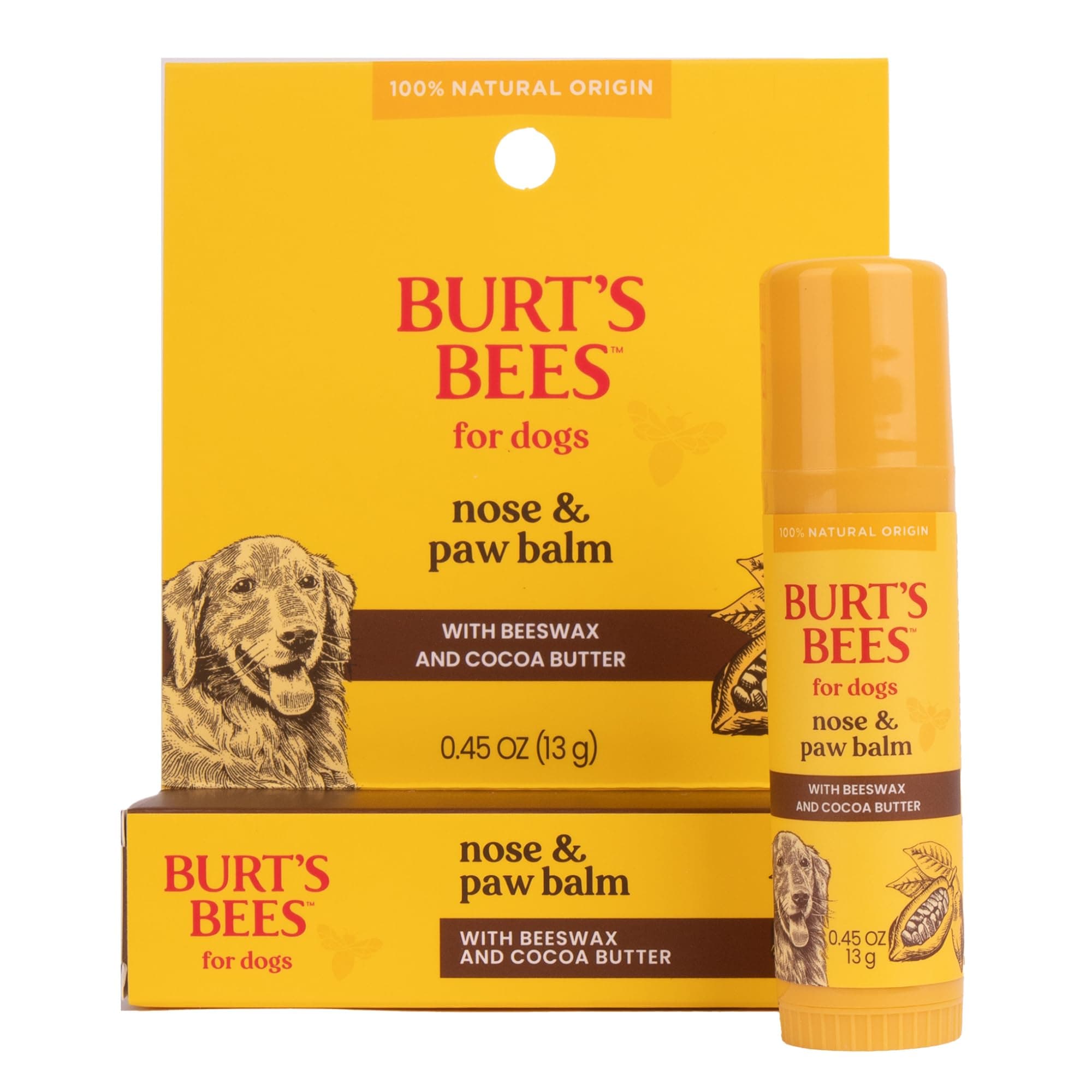
Burt's Bees for Pets Nose and Paw Balm with Beeswax and Cocoa Butter,100% Natural Origin Formulas, Dog Paw Pad Balm, Paw Moisturizer for Dogs, Dog Nose Balm
BURT'S BEES FOR PETS
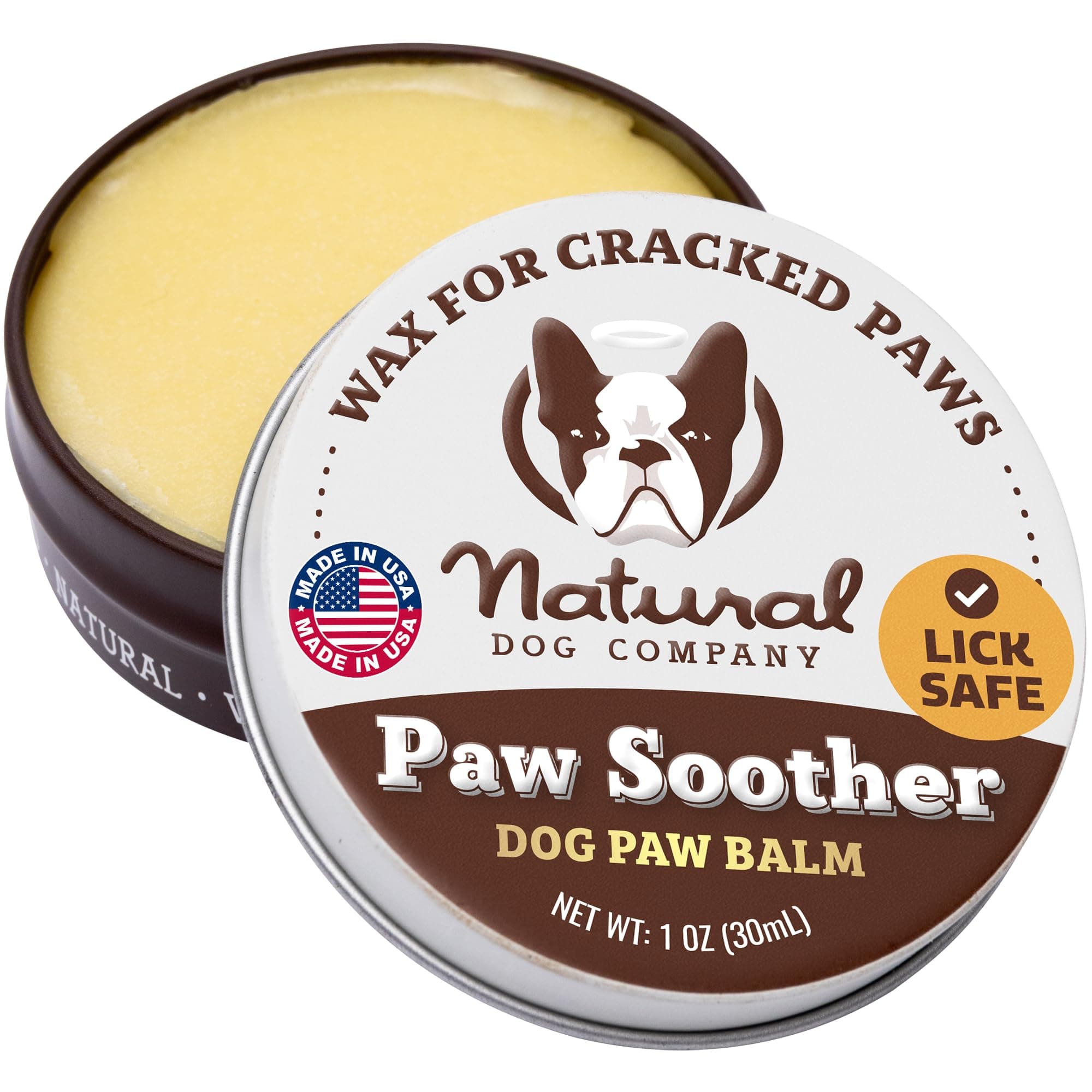
Natural Dog Company Paw Soother Balm & Wax - Dog Paw Balm & Moisturizer for Dry, Cracked Paw Pads, Helps Moisturize & Condition Winter-Worn Paws, Coconut Oil & Calendula, Daily Paw Care, 1 oz Tin
Natural
If your dog’s paws are cracked enough to bleed, balms help—but protection and licking control matter more than which brand you pick.
What about petroleum jelly (Vaseline)?
It can work as an occlusive barrier, but consider:
- •Pros: cheap, effective moisture seal
- •Cons: slippery floors, easy to lick off, not “nutritive,” can trap debris if applied before cleaning
If you use it, apply a tiny amount after cleaning, then cover with a bootie/sock for 10–15 minutes.
Avoid these common “home remedies”
- •Essential oils (tea tree is a big no—can be toxic)
- •Human foot crack creams with salicylic acid/urea at high concentrations
- •Zinc oxide diaper rash creams (zinc can be dangerous if ingested)
- •Super glue on paw cracks (tempting, but risky; can trap infection and irritate)
Pro-tip: If a product label doesn’t clearly state it’s pet-safe, assume it’s not a paw product—especially if it contains “-caine” numbing agents or strong acids.
Common Mistakes That Keep Cracks From Healing
These are the patterns I see over and over.
- •Moisturizing but not protecting: balm + immediate walk = crack reopens
- •Not addressing licking: even perfect balm won’t beat a determined tongue
- •Using harsh cleaners repeatedly: dries and irritates skin further
- •Wrapping too tightly: causes swelling and can worsen pain
- •Leaving booties on too long indoors: trapped moisture can trigger yeast
- •Only treating the pad, ignoring the cause: allergies or chemicals keep restarting the problem
Breed Examples and Real-World Scenarios (So You Can Recognize Patterns)
Working and sporty breeds: abrasion + overuse
Breeds like Border Collies, Australian Shepherds, Labradors, German Shorthaired Pointers often crack pads from mileage and rough ground.
Scenario:
An Aussie plays fetch on a dry, abrasive field daily. Pads look worn, then fissure at the edges. Solution is conditioning + limiting sessions + protective balm/booties.
Brachycephalic and allergy-prone breeds: licking-driven cracks
French Bulldogs, Boxers, Bulldogs often start with itch → licking → cracked pads → infection.
Scenario:
A Frenchie licks paws every evening, and the pads crack despite balm. That’s usually a sign to investigate allergies/yeast, not to try a fifth balm.
Small/toy breeds: indoor friction + sensitive skin
Chihuahuas, Yorkies, Shih Tzus can develop dry pads from indoor heating and running on slick floors.
Scenario:
A Yorkie skitters on hardwood; pads get dry and crack. Add runners for traction, moisturize, and check nails (long nails change foot pressure and worsen pad wear).
Senior dogs: skin changes + slower healing
Older dogs often have reduced skin elasticity and may have endocrine disease contributing to dryness.
Scenario:
A 10-year-old Golden gets recurring cracks and dull coat. If diet is solid and home care is consistent, ask the vet about thyroid screening.
When Cracked Paws Mean Infection (and What It Looks Like)
Cracked pads can become infected quickly because paws touch everything.
Signs of bacterial infection
- •Swelling, redness spreading beyond the crack
- •Pus-like discharge
- •Increasing pain or sudden limping
- •Warmth and a “tight” shiny look to skin
Signs of yeast overgrowth
- •Musty odor
- •Brown staining from licking
- •Redness between toes
- •Greasy feel, itchiness
Home care can support healing, but active infection often needs prescription treatment (topicals or oral meds). Don’t wait too long—paws are hard to keep clean.
When to See the Vet (Use This Checklist)
Home care is appropriate for mild to moderate cracks when your dog is otherwise well and not significantly painful.
Go to the vet promptly if you see:
- •Deep fissures or cracks that bleed repeatedly
- •Limping, yelping, or refusing to bear weight
- •Swelling, heat, pus, or foul odor
- •Cracks plus fever, lethargy, or decreased appetite
- •A suspected foreign body you can’t remove easily
- •No improvement after 5–7 days of consistent home treatment
- •Cracks recurring frequently (possible allergy/endocrine issue)
What the vet may do
- •Cytology (quick microscope check) for yeast/bacteria
- •Prescription topical antiseptics/antifungals
- •Pain control/anti-inflammatories if needed
- •Allergy plan (wipes, meds, diet trial)
- •Rule-out for endocrine disease if chronic
Prevention: How to Keep Paw Pads Healthy Long-Term
Once healed, prevention is easier than treatment.
Build “paw pad conditioning” like you would fitness
If you’re increasing activity:
- •Add distance/time gradually (think 10–20% weekly)
- •Rotate surfaces (grass, dirt trails, not only pavement)
- •Check pads after new hikes/runs
Protect against pavement heat and ice melt
- •Walk early/late in summer
- •Use booties for hot sidewalks or salted streets
- •Rinse and dry paws after winter walks
Quick pavement test: place the back of your hand on the ground for 7 seconds—if it’s too hot for you, it’s too hot for paws.
Use paw balm strategically
Best times:
- •Before winter walks (barrier)
- •After cleaning paws (recovery)
- •After rough-terrain days (maintenance)
Don’t overdo daily heavy balm on already moist feet—especially in humid climates—because overly occluded skin can encourage yeast.
Improve traction at home
For dogs slipping indoors:
- •Add runners/mats
- •Keep nails and paw fur trimmed (grip matters)
- •Consider paw wax for traction (light layer)
Support skin health from the inside
- •Feed a quality diet with appropriate fats
- •Ask your vet about omega-3s if your dog has dry skin/allergies (dose matters; don’t guess)
- •Keep water available and encourage hydration
Quick Reference: A Simple 7-Day Home Treatment Plan
If your dog has moderate cracks without obvious infection:
- Day 1–2
- •Clean paws after walks
- •Apply balm 2x/day
- •Booties outside; limit rough surfaces
- •Use cone if licking
- Day 3–5
- •Continue balm 1–2x/day
- •Reassess: cracks should look less red and less “open”
- •Gradually increase walk duration if comfortable
- Day 6–7
- •Transition to maintenance: balm after long walks or harsh weather
- •If cracks are unchanged or worse: call the vet
Pro-tip: Take a clear photo on Day 1 and Day 4 in the same lighting. It’s much easier to judge progress (or lack of it) objectively.
FAQs About Cracked Dog Paws Home Treatment
Can I use coconut oil on my dog’s paw pads?
Sometimes, for mild dryness. It’s not a strong barrier and it’s easy to lick off. If you use it, apply a small amount and prevent licking for 10 minutes. For deeper cracks, a wax-based paw balm usually works better.
How long do cracked paw pads take to heal?
Mild cracks can improve in a few days. Moderate fissures often take 1–2 weeks with consistent protection. Deep cracks or infected paws can take longer and may need prescriptions.
Are booties always necessary?
Not always, but they speed healing when cracks are moderate-to-severe or when the environment is harsh (salt, heat, abrasive terrain). If your dog fights booties, start with short wear times and reward heavily.
Why do my dog’s paws crack every winter?
Usually a combination of dry indoor air + de-icing chemicals + cold abrasive surfaces. Prevention (barrier balm before walks, rinsing after, booties in heavy salt areas) makes a huge difference.
Bottom Line
Cracked paw pads are fixable at home when they’re mild and your dog is comfortable—but healing requires more than a balm. The winning combo is gentle cleaning, dog-safe moisturization, protection from the environment, and stopping licking. If there’s limping, bleeding, swelling, odor, discharge, or no improvement in a week, it’s time for a vet check to rule out infection, allergies, or another underlying issue.
If you tell me your dog’s breed, age, typical walking surface, and what the cracks look like (dry lines vs. deep fissures vs. bleeding), I can help you choose the most realistic home plan and product type.
Topic Cluster
More in this topic
guide
Dog Paw Pad Cracked Home Treatment: Care & Vet Signs
guide
Dog Paw Salt Burn Treatment: Prevention and At-Home First Aid
guide
Cracked Dog Paw Pads Home Treatment: Care, Bandaging, Vet Signs
guide
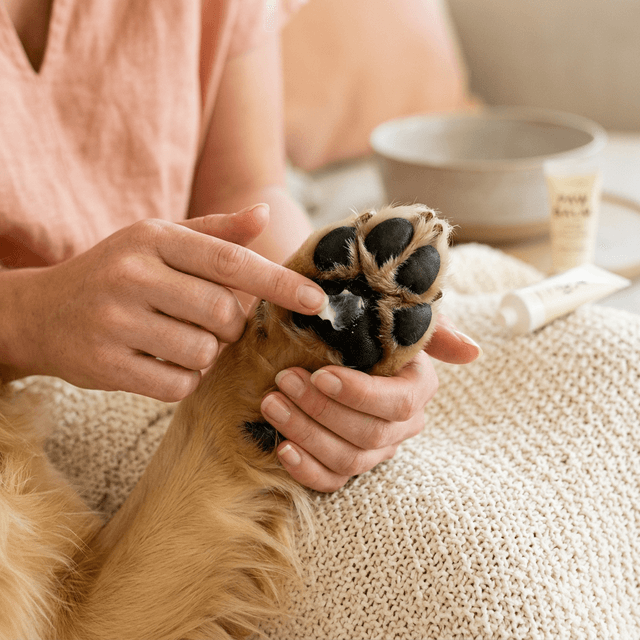
Winter Dog Paw Care: Stop Ice, Salt, and Cracked Pads
guide
Cracked Dog Paw Pads Treatment: Causes, Fixes & Prevention
guide
Dog Paw Balm Guide: When and How to Use It Safely
Frequently asked questions
What causes cracked dog paw pads?
Cracks are often triggered by dry skin, rough terrain, hot pavement, ice and de-icers, or lots of indoor friction. Allergies, excessive licking, or underlying infection can also contribute.
How can I treat cracked dog paws at home safely?
Gently clean the paws, pat them dry, and apply a dog-safe paw balm to moisturize and protect the pad. Limit walks on harsh surfaces and use booties or socks to reduce friction while healing.
When should I take my dog to the vet for cracked paws?
See a vet if there is bleeding that won’t stop, swelling, limping, pus, a bad odor, or worsening redness. Also go in if cracks don’t improve after a few days of home care or your dog is in significant pain.
