

guide • Nail Care
How to Trim Rabbit Nails at Home: Quick & Safe Technique
Learn how to trim rabbit nails at home safely to prevent overgrowth, pain, and snag injuries. Get a quick technique, handling tips, and what to avoid.
By PetCareLab Editorial • March 7, 2026 • 13 min read
Table of contents
- Why Rabbit Nail Trimming Matters (More Than Just “Not Scratching”)
- Know the Nail Anatomy: The Quick, the “Safe Zone,” and Color Differences
- Clear vs. Dark Nails (And What It Means for You)
- The Shape Cue (Works Even on Black Nails)
- Before You Start: Tools, Setup, and Safety Checklist
- Best Nail Clippers for Rabbits (What Actually Works)
- Helpful Extras (Worth It for Wiggly Rabbits)
- The Calm Setup (Prevents 80% of Problems)
- How Often to Trim Rabbit Nails (And How to Tell They’re Due)
- The “Floor Test” + Visual Checks
- Handling Techniques: Safer Positions That Reduce Stress
- What NOT to Do: The Risky “Trance” Myth
- Three Safe Positions (Pick the One Your Rabbit Tolerates)
- 1) On a Table, Facing Away From You (Great Starter Method)
- 2) “Side Sit” Against Your Body (Best for Wigglers)
- 3) Bunny Burrito (Best for Kicking or Nail Trauma History)
- Step-by-Step: How to Trim Rabbit Nails at Home (Quick & Safe Technique)
- Step 1: Gather Everything Before Touching the Rabbit
- Step 2: Start With the Easiest Paws (Build Confidence)
- Step 3: Identify the Quick
- Step 4: Make the Cut (Angle and Pressure Matter)
- Step 5: Use the “Center Dot” Method for Dark Nails
- Step 6: Don’t Forget the Dewclaws (If Present)
- Step 7: Smooth Sharp Tips (Optional but Nice)
- Step 8: Reward and Release
- If You Accidentally Cut the Quick: Exactly What to Do
- Quick Bleeding First Aid (Stay Calm, Act Fast)
- When to Call a Vet
- Common Mistakes (And How to Avoid Them)
- Cutting Too Much “Because It Looks Long”
- Using Dull Clippers (Splitting Nails)
- Holding the Foot Too Tightly
- Waiting Until Nails Curl Dramatically
- Fighting Through a Panic Episode
- Breed and Personality Scenarios (Realistic Home Solutions)
- Holland Lop: Compact, Strong, and Opinionated
- Netherland Dwarf: Small Feet, Fast Reactions
- Flemish Giant: Big Nails, Big Strength
- Lionhead: Fluffy Feet Hide the Nail Line
- Product Recommendations (Practical Picks, Not Fancy)
- Must-Haves
- Nice-to-Haves
- Clippers vs. Nail Grinders (Which Is Better?)
- Expert Tips for Making Trims Easier Over Time
- Train the “Paw Touch” Like a Skill
- Use Micro-Sessions (Especially for Back Feet)
- Pair With Routine Grooming
- Keep Notes
- When Home Trimming Isn’t the Best Choice (And That’s Okay)
- Quick Reference: The Safe Home Trimming Checklist
- Before
- During
- After
- Final Thoughts: Confidence Comes Fast With the Right Method
Why Rabbit Nail Trimming Matters (More Than Just “Not Scratching”)
Rabbit nails grow continuously. In the wild, digging and constant movement on rough ground wears them down. Indoors, especially on carpet, fleece, or smooth flooring, nails often overgrow—and that’s where problems start:
- •Painful walking and posture changes: Long nails can force toes to splay or twist, putting strain on joints.
- •Snag injuries: Overgrown nails catch on carpet loops, blankets, or hay racks, leading to torn nails and bleeding.
- •Pododermatitis (sore hocks) risk: If a rabbit shifts weight incorrectly because nails are too long, pressure points can worsen.
- •Stress during handling: The longer you wait, the harder trims become—more length usually means a more developed quick (blood vessel).
If you’re searching for how to trim rabbit nails at home, the goal is simple: keep nails short enough to prevent snagging and gait changes, without cutting the quick.
Know the Nail Anatomy: The Quick, the “Safe Zone,” and Color Differences
A rabbit nail has:
- •The outer nail (keratin shell)
- •The quick inside (blood vessels + nerves)
Cutting into the quick hurts and bleeds. The trick is learning where the quick ends.
Clear vs. Dark Nails (And What It Means for You)
- •Light/clear nails (common in many white or light-colored rabbits): You can often see a pink line inside the nail—that’s the quick.
- •Dark/black nails (common in many darker rabbits): The quick is hard to see, so you trim by shape and tiny increments.
Breed examples where you may notice differences:
- •New Zealand White: usually clear nails—quick is often visible.
- •Dutch or Havana: frequently darker nails—expect to use the “trim-a-little” method.
- •Rex breeds: nail color varies, but their calm temperaments can make training easier (individual personality still rules).
The Shape Cue (Works Even on Black Nails)
As nails get long, they curve and narrow into a point. The quick usually ends before that sharp hooked tip. When trimming dark nails:
- •Remove the sharp tip first.
- •Then take paper-thin slices until you see a change in the nail center (more on that soon).
Before You Start: Tools, Setup, and Safety Checklist
You don’t need a fancy salon setup, but you do need the right tools and a calm environment.
Best Nail Clippers for Rabbits (What Actually Works)
Option 1: Small animal scissor-style clippers
- •Pros: good control, clean cuts
- •Cons: can struggle with very thick nails in giant breeds
- •Good for: most rabbits, especially small to medium
Option 2: Cat nail clippers (guillotine style)
- •Pros: familiar and widely available
- •Cons: can crush/splinter if dull; alignment matters
- •Good for: medium nails, owners with steady hands
Option 3: Human nail clippers (use with caution)
- •Pros: cheap and accessible
- •Cons: higher chance of splitting; awkward angles
- •Good for: emergencies only, not ideal long-term
If you want a simple, reliable setup, I’d recommend:
- •Scissor-style small animal clippers (primary)
- •A metal nail file or pet nail grinder (optional, for smoothing tips)
- •Styptic powder (must-have)
- •A bright flashlight/headlamp (game-changer for seeing the quick)
Helpful Extras (Worth It for Wiggly Rabbits)
- •Non-slip mat: yoga mat, rubber shelf liner, or a towel
- •Treats: tiny piece of banana, one pellet at a time, or herbs (cilantro/parsley)
- •A helper: especially for your first few sessions
- •Towel (“bunny burrito”): for rabbits who kick or panic
The Calm Setup (Prevents 80% of Problems)
Rabbits pick up on hesitation. Set yourself up like you mean it:
- •Quiet room, door closed
- •Table or stable surface with towel/mat
- •Tools pre-opened and within reach
- •Good lighting aimed at the paws
Pro-tip: Trim nails when your rabbit is naturally calmer—often after a meal or during their usual rest period. Avoid “zoomie hours.”
How Often to Trim Rabbit Nails (And How to Tell They’re Due)
Most pet rabbits need trims every 4–6 weeks, but there’s a range:
- •Active rabbits with lots of traction and digging opportunities: sometimes every 6–8 weeks
- •Sedentary rabbits or those on soft bedding: sometimes every 3–4 weeks
- •Senior rabbits or those with arthritis: nails may overgrow faster due to less movement
The “Floor Test” + Visual Checks
Your rabbit may be due if:
- •Nails click on hard flooring
- •The tip curves sideways
- •Nails extend far past the fur line on the toe
- •Your rabbit hesitates on slippery surfaces more than usual
Real scenario: A Holland Lop living mostly on fleece liners may need trims closer to every 4 weeks. A Rex in a large pen with textured flooring and dig box might stretch closer to 6 weeks.
Handling Techniques: Safer Positions That Reduce Stress
Rabbits are prey animals. The number one reason people struggle with nail trimming at home isn’t skill—it’s stress handling.
What NOT to Do: The Risky “Trance” Myth
You might hear about flipping rabbits on their back until they “relax.” That immobility is often a fear response, not calm cooperation. For many rabbits, forcing this can increase panic and risk injury.
Instead, aim for supportive, upright positions.
Three Safe Positions (Pick the One Your Rabbit Tolerates)
1) On a Table, Facing Away From You (Great Starter Method)
- •Place rabbit on a towel/mat.
- •Gently support the chest and keep the body close to you.
- •Lift one paw at a time.
Best for: calm rabbits, confident handlers.
2) “Side Sit” Against Your Body (Best for Wigglers)
- •Sit on the floor with rabbit tucked against your hip/thigh.
- •Rabbit’s side rests against you; you control body movement without squeezing.
- •Pull one foot out at a time.
Best for: rabbits that hate being lifted.
3) Bunny Burrito (Best for Kicking or Nail Trauma History)
- •Wrap rabbit snugly in a towel, leaving one foot exposed.
- •Rotate to expose the next paw.
- •Keep the head partially covered if it calms them (not blocking the nose).
Best for: anxious rabbits, single-person trims.
Pro-tip: If your rabbit’s breathing gets fast, eyes look wide, or they start struggling hard, pause. A 30-second break prevents a 10-minute meltdown.
Step-by-Step: How to Trim Rabbit Nails at Home (Quick & Safe Technique)
This is the method I’d teach a friend on their first day.
Step 1: Gather Everything Before Touching the Rabbit
You need:
- •Clippers
- •Styptic powder (or cornstarch in a pinch—styptic works better)
- •Flashlight/headlamp
- •Treats
- •Towel/mat
Step 2: Start With the Easiest Paws (Build Confidence)
Most rabbits tolerate front paws better than back paws.
- •Do one paw, reward.
- •If the rabbit stays calm, continue.
- •If not, stop after a “win” (even 2 nails) and try later.
Step 3: Identify the Quick
Clear nails:
- •Shine flashlight from behind/side.
- •Look for the pink quick line.
- •Plan to cut 2–3 mm in front of the quick to start.
Dark nails:
- •Use flashlight anyway (sometimes you’ll still see a shadow).
- •Trim the smallest tip.
- •Re-check nail center after each tiny cut.
Step 4: Make the Cut (Angle and Pressure Matter)
- •Hold the toe gently but firmly.
- •Position clippers so you’re cutting from bottom to top, following the nail’s natural angle.
- •Make one clean, decisive snip—don’t crush slowly.
If you’re unsure, cut less. You can always cut more.
Step 5: Use the “Center Dot” Method for Dark Nails
After each tiny cut, look at the cut surface:
- •If the center looks dry and chalky/white, you’re still safely away.
- •As you approach the quick, you may see a darker, moist center or a small gray/pink dot.
When you see that center change, stop. That’s your warning sign you’re close.
Step 6: Don’t Forget the Dewclaws (If Present)
Some rabbits have a small “thumb” nail on front paws.
- •It can overgrow into a hook.
- •It’s easy to miss because it sits higher up.
Check each front leg carefully.
Step 7: Smooth Sharp Tips (Optional but Nice)
If nails are sharp after clipping:
- •Use a nail file to lightly round the edges
- •Or do one extra micro-snipping to blunt the point
Step 8: Reward and Release
End with something your rabbit loves:
- •A few pellets
- •A favorite herb
- •Gentle head rubs (if they enjoy it)
The goal is to teach: “Nail trims end with good things.”
If You Accidentally Cut the Quick: Exactly What to Do
It happens—even to experienced people. What matters is how you respond.
Quick Bleeding First Aid (Stay Calm, Act Fast)
- Apply styptic powder directly to the nail tip.
- Hold gentle pressure for 30–60 seconds.
- Keep rabbit still until bleeding fully stops.
- Check bedding: avoid fluffy fabric that can stick to the clot for a few hours.
If you don’t have styptic:
- •Cornstarch can help (less effective)
- •A clean bar of soap pressed to the nail sometimes works in a pinch
When to Call a Vet
Call your rabbit-savvy vet if:
- •Bleeding doesn’t stop after 5–10 minutes of pressure + styptic
- •The nail is torn/partially ripped (snag injury)
- •Your rabbit becomes lethargic, stops eating, or seems painful afterward
Pro-tip: Keep styptic powder where you trim nails—not in a drawer across the house. The difference between “no big deal” and “panic” is usually 20 seconds.
Common Mistakes (And How to Avoid Them)
These are the issues I see most often when people are learning how to trim rabbit nails at home.
Cutting Too Much “Because It Looks Long”
Overgrown nails can make people want to “fix it” in one session. If the quick is long, you can’t safely cut back to the ideal length immediately.
Better plan:
- •Trim a little every 1–2 weeks for a while.
- •The quick may gradually recede, letting you shorten safely over time.
Using Dull Clippers (Splitting Nails)
Dull tools crush instead of cut, causing splits that can travel upward.
- •Replace clippers if they bend nails or make cracking sounds.
Holding the Foot Too Tightly
Rabbit toes are delicate. Squeezing makes them pull harder.
- •Support the foot.
- •Control the rabbit’s body, not the toes.
Waiting Until Nails Curl Dramatically
That’s when quicks are longest, trims are hardest, and snag risk is highest.
- •Put a recurring reminder on your phone every 4–6 weeks.
Fighting Through a Panic Episode
If your rabbit is thrashing:
- •You risk back injury (rabbits can hurt themselves kicking)
- •You risk a bad association that makes every future trim worse
Stop, reset, and try a different position next time.
Breed and Personality Scenarios (Realistic Home Solutions)
Different rabbits truly do feel different to trim—not because of breed “rules,” but because common breed traits can influence handling.
Holland Lop: Compact, Strong, and Opinionated
Scenario: Your Lop tucks feet under and refuses paws.
- •Try the side-sit position on the floor.
- •Use a helper to gently hold the chest and offer treats.
- •Do back feet one nail at a time over multiple short sessions.
Netherland Dwarf: Small Feet, Fast Reactions
Scenario: Tiny nails make it hard to see the quick.
- •Use a headlamp + flashlight combo.
- •Trim just the needle tip.
- •Choose scissor-style clippers for precision.
Flemish Giant: Big Nails, Big Strength
Scenario: Nails are thick and your rabbit is heavy to lift.
- •Trim on the floor—don’t wrestle onto a table.
- •Use sturdy clippers (cat/dog small-medium may be better than tiny rabbit clippers).
- •Ask your vet to show you the first time if you’re nervous—giant breeds can require more confidence and leverage.
Lionhead: Fluffy Feet Hide the Nail Line
Scenario: Toe fur obscures nails and dewclaws.
- •Part the fur with your fingers before cutting.
- •Consider a quick paw “groom” (carefully trimming excess foot fur) if your rabbit tolerates it.
Product Recommendations (Practical Picks, Not Fancy)
You don’t need a drawer full of gear. These categories are what I’d prioritize:
Must-Haves
- •Small animal scissor-style nail clippers: better control for most owners
- •Styptic powder: fastest bleeding control
- •Bright headlamp or flashlight: improves accuracy, especially for dark nails
Nice-to-Haves
- •Non-slip grooming mat: prevents sliding and reduces panic
- •Treat pouch: keeps rewards immediate
- •Nail file: for sharp-tip smoothing
Clippers vs. Nail Grinders (Which Is Better?)
Clippers
- •Pros: quick, quiet, clean cut
- •Cons: risk of cutting quick if you misjudge
Grinders
- •Pros: slow removal, easier to avoid quick in tiny increments
- •Cons: noise/vibration scares many rabbits; fur can catch; takes longer
For most rabbits, start with clippers. If your rabbit tolerates a grinder, it can be a great tool for black nails—just introduce it gradually (sound first, then touch near paw, then brief use).
Expert Tips for Making Trims Easier Over Time
Train the “Paw Touch” Like a Skill
A few times a week:
- •Touch a paw for 1 second → treat.
- •Hold a paw for 2–3 seconds → treat.
- •Tap the nail with the closed clipper → treat.
You’re teaching consent and predictability.
Use Micro-Sessions (Especially for Back Feet)
It’s completely acceptable to do:
- •Front paws today
- •Back paws tomorrow
- •Or even 2 nails per day
Consistency beats forcing it.
Pair With Routine Grooming
Many rabbits accept nail trims better when it’s part of a calm grooming rhythm:
- •Brush first (if they like it)
- •Then nails
- •Then treat and back to their space
Keep Notes
Write down:
- •Date trimmed
- •Any quick nicks
- •Which nails were hardest
- •How the rabbit tolerated handling
Patterns emerge quickly, and you’ll get better faster.
When Home Trimming Isn’t the Best Choice (And That’s Okay)
Sometimes the safest technique is knowing when to get help.
Consider a vet or experienced groomer if:
- •Your rabbit has severe anxiety with handling
- •Nails are extremely overgrown or curling into pads
- •Your rabbit has arthritis and resists paw manipulation
- •You’ve had repeated quick cuts and now both of you dread trims
A rabbit-savvy clinic can often do nails quickly with minimal stress—and can show you exactly where your rabbit’s quick sits.
Quick Reference: The Safe Home Trimming Checklist
Before
- •Clippers sharp
- •Styptic ready
- •Bright light aimed at paws
- •Non-slip surface
- •Treats in reach
During
- •Support body, not toes
- •Trim small amounts
- •Stop when you see “center dot” change on dark nails
- •Take breaks before panic happens
After
- •Reward
- •Check for snagging sharp edges
- •Note next trim date (4–6 weeks is a good default)
Pro-tip: The best nail trim is the one that ends with your rabbit still trusting you. Perfect length matters less than building a calm, repeatable routine.
Final Thoughts: Confidence Comes Fast With the Right Method
Learning how to trim rabbit nails at home is mostly about creating a calm setup, using good lighting, taking conservative cuts, and choosing a handling position your rabbit tolerates. Your first session doesn’t need to be perfect—it needs to be safe and low-stress. Once your rabbit learns that nail trims are predictable and short (and that treats appear like magic afterward), the whole process gets dramatically easier.
If you tell me your rabbit’s breed, nail color (clear or dark), and how they react to being picked up, I can suggest the best position and a realistic trimming schedule tailored to your situation.
Topic Cluster
More in this topic

guide
How to Trim Dog Nails: A Step-by-Step Guide for Beginners
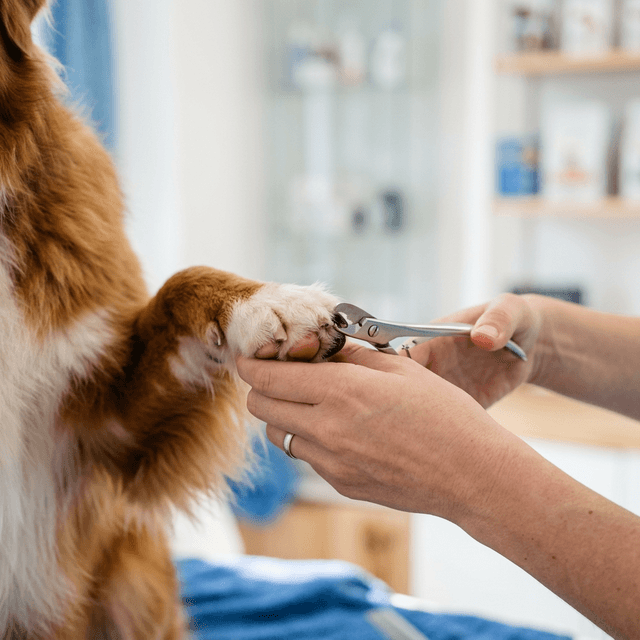
guide
Nail grinder vs clippers for dogs: which is best for your pet?

guide
Dog Nail Trimming at Home: Safe Step-by-Step Routine (Clippers vs Grinders vs Scratch Boards)
guide
How to Trim Rabbit Nails at Home Without Stress or Bleeding
guide
How to Trim Rabbit Nails Without Bleeding: Avoid the Quick
guide
How to Trim Rabbit Nails Safely: Tools, Angles, Quick Tips
Frequently asked questions
How often should I trim my rabbit’s nails?
Most rabbits need a trim about every 4–6 weeks, but it varies with growth rate and surfaces they walk on. Check nails regularly and trim when they start to extend past the fur or curl.
What is the “quick” in rabbit nails, and how do I avoid cutting it?
The quick is the blood vessel and nerve inside the nail. Use good lighting, trim small amounts at a time, and stop before the pink area in light nails; for dark nails, take thin slices and watch for a darker center.
What should I do if I accidentally cut the quick?
Stay calm and apply styptic powder or cornstarch with firm pressure for 30–60 seconds. Keep the rabbit quiet for a few minutes and monitor for re-bleeding; contact a vet if bleeding won’t stop or your rabbit seems unwell.
