

guide • Nail Care
How to Trim Rabbit Nails Safely: Tools, Holds, and Tips
Learn how to trim rabbit nails safely with the right tools, secure holds, and stress-free tips to prevent discomfort and mobility issues.
By PetCareLab Editorial • March 12, 2026 • 14 min read
Table of contents
- Why Rabbit Nail Trims Matter (And What Happens If You Skip Them)
- Understanding Rabbit Nail Anatomy: Quick, Nail Color, and Safe Zones
- Clear vs. Dark Nails
- The “Safety Buffer” Rule
- Tools You Actually Need (And What to Avoid)
- Best Nail Clippers for Rabbits: Options Compared
- My Practical Recommendation (Vet-Tech Style)
- Helpful Extras That Make a Big Difference
- Pre-Trim Setup: Reduce Stress and Increase Safety
- When to Trim
- How Often?
- Real Scenario: “My Rabbit Panics the Second I Touch His Feet”
- Safe Holds and Restraints (Without Hurting or Terrifying Your Rabbit)
- The Grounded Lap Hold (Great for Most Rabbits)
- The Bunny Burrito (Best for Wigglers)
- The Two-Person Method (Fastest for Beginners)
- Step-by-Step: How to Trim Rabbit Nails Safely (The Practical Method)
- Step 1: Gather Everything Before You Start
- Step 2: Position Your Rabbit Securely
- Step 3: Identify the Quick
- Step 4: Clip in Small, Controlled Cuts
- Step 5: Do One Paw at a Time (And Don’t Forget the Dewclaw If Present)
- Step 6: Reward and Release
- Trimming Dark Nails: Techniques That Prevent Quick Cuts
- Use Strong, Focused Light
- Clip the Tip, Then Read the Cross-Section
- Consider “Frequent Micro-Trims”
- Real Scenario: “My Black-Nailed Mini Rex Hates Trims”
- Common Mistakes (And What to Do Instead)
- Mistake 1: Cutting Too Much, Too Fast
- Mistake 2: Using Dull or Oversized Clippers
- Mistake 3: Not Supporting the Hind End
- Mistake 4: Trimming on a Slippery Surface
- Mistake 5: Fighting Through Panic
- If You Cut the Quick: Calm, Stop the Bleeding, Then Rebuild Confidence
- What It Looks Like
- Step-by-Step Bleeding Control
- Aftercare
- Product Recommendations (Practical, Not Sponsored) + What to Look For
- Nail Clippers
- Lighting
- Bleed Control
- Handling Aids
- Grinder vs. Clippers: Which Is Better?
- Breed and Personality: Tailoring Your Approach
- Netherland Dwarf (Tiny Feet, Big Opinions)
- Holland Lop / Mini Lop (Often Tolerant, Can Surprise-Kick)
- Rex (Soft Coat, Watch the Feet)
- Flemish Giant (Strong, Heavy, Needs Support)
- Senior Rabbits or Arthritis Cases
- Training Your Rabbit to Tolerate Nail Trims (So It Gets Easier Every Time)
- The 7-Day Desensitization Mini-Plan
- Handling “Spicy” Rabbits
- Quick Checklist: A Safe, Stress-Low Nail Trim Session
- When to Let a Pro Handle It (And What to Ask For)
Why Rabbit Nail Trims Matter (And What Happens If You Skip Them)
If you’re searching for how to trim rabbit nails, you’re already doing the right thing: overgrown nails are one of the most common (and preventable) causes of discomfort in pet rabbits.
Rabbit nails grow continuously. In the wild, digging and roaming naturally wear them down. In our homes—especially for rabbits living on soft bedding, rugs, or smooth flooring—nails often don’t wear down enough.
Here’s what long nails can cause:
- •Painful posture changes: Rabbits shift their weight to avoid pressure on long nails, which can strain joints over time.
- •Snagging and tearing: Nails catch on carpet, blankets, and cage wire; a snag can rip the nail and cause bleeding.
- •Sore hocks risk increases: Extra pressure on the feet contributes to pododermatitis (sore hocks), especially in heavier breeds.
- •Harder grooming and movement: Rabbits may hesitate to hop or groom because their feet feel “off.”
- •Hidden health issue masking: Owners sometimes assume a rabbit is “lazy” when the real issue is sore feet and nails.
Breed matters, too:
- •Netherland Dwarfs often have tiny, fast-growing nails that look deceptively “fine” until they hook.
- •Rex rabbits (with plush fur and often more delicate foot padding) can be more prone to foot soreness—keeping nails short reduces pressure points.
- •Flemish Giants put more weight on their feet; long nails can quickly turn into mobility and hock problems.
Understanding Rabbit Nail Anatomy: Quick, Nail Color, and Safe Zones
Before you clip anything, you need to know what you’re seeing.
A rabbit nail has:
- •The outer nail (keratin): what you clip
- •The quick: a living core containing blood vessels and nerves (cutting it hurts and bleeds)
Clear vs. Dark Nails
- •Clear/light nails: You can usually see the quick as a pinkish line.
- •Dark/black nails: The quick isn’t visible from the outside; you’ll rely on lighting and technique.
The “Safety Buffer” Rule
Even when you can see the quick, don’t clip right up to it. Leave a margin.
A practical guide:
- •Trim in small increments.
- •Aim to remove the sharp hook and shorten gradually over multiple sessions if needed.
Pro-tip: With dark nails, look at the nail’s underside. As you get closer to the quick, the center often looks more opaque or “meaty,” and the hollow nail shell looks thinner. Stop before that change becomes obvious.
Tools You Actually Need (And What to Avoid)
The right tools make nail trims safer, faster, and less stressful—for both of you.
Best Nail Clippers for Rabbits: Options Compared
1) Small animal scissor-style clippers
- •Best for: most pet rabbits, beginners
- •Pros: good control, clean cut, easy hand positioning
- •Cons: may struggle with very thick nails (large breeds)
2) Cat nail clippers (guillotine style)
- •Best for: confident users who like a single squeeze motion
- •Pros: compact, sharp
- •Cons: can “crush” the nail if dull; harder to see alignment for some people
3) Human nail clippers
- •Best for: tiny rabbits or emergency only
- •Pros: accessible
- •Cons: often splinters rabbit nails; awkward angle; not ideal
4) Pet nail grinder (Dremel-style)
- •Best for: owners who can desensitize their rabbit to sound/vibration
- •Pros: smooth edges, reduces snagging
- •Cons: noise stress; risk of heat if held too long; takes practice
My Practical Recommendation (Vet-Tech Style)
- •Start with small animal scissor-style clippers plus a bright flashlight/headlamp.
- •Keep styptic powder or cornstarch ready every time.
Helpful Extras That Make a Big Difference
- •Bright flashlight or phone light: essential for dark nails
- •Styptic powder (or cornstarch as a backup)
- •Cotton rounds or gauze
- •Treats: pellets, small herb sprigs (cilantro, parsley), or a tiny banana smear
- •Non-slip mat or towel for traction
- •A second person (optional but great for beginners)
Pro-tip: Buy a clipper you can sharpen/replace or just replace regularly. Dull blades are a top cause of cracked nails and stressful trims.
Pre-Trim Setup: Reduce Stress and Increase Safety
Rabbits remember scary experiences. The goal is a calm, predictable routine that ends quickly.
When to Trim
- •After a meal or relaxed time (many rabbits are calmer post-snack)
- •In a quiet room with good lighting
- •Avoid right after a scary event (vacuuming, car ride, new visitors)
How Often?
Most rabbits need a trim every 4–8 weeks, but it varies:
- •Active rabbits on textured surfaces may go longer.
- •Indoor rabbits on soft flooring may need more frequent trims.
- •Older rabbits or those with arthritis may stop wearing nails naturally.
Signs it’s time:
- •Nails curl sideways or forward into a hook
- •Clicking sound on hard floors
- •Nails snag in fabric
- •Your rabbit starts shifting weight oddly
Real Scenario: “My Rabbit Panics the Second I Touch His Feet”
That’s common. Start with handling practice:
- •Touch a paw for 1 second → treat
- •Touch toes → treat
- •Hold paw gently → treat
Do this daily for a week before your first trim if needed.
Pro-tip: Stress drops when rabbits have traction. Use a yoga mat, bath mat, or folded towel on your lap/table so they don’t feel like they’re slipping.
Safe Holds and Restraints (Without Hurting or Terrifying Your Rabbit)
Let’s be clear: never “trance” a rabbit (placing them on their back to immobilize them). It can cause intense stress and, in rare cases, serious complications. Many rabbits appear “still” but are actually in a fear response.
Instead, use supportive holds that protect the spine and prevent sudden kicks.
The Grounded Lap Hold (Great for Most Rabbits)
Best for: calm to moderately squirmy rabbits
- Sit on the floor or a low chair.
- Place a towel across your lap.
- Set your rabbit facing sideways, tucked against your body.
- One arm gently supports the chest and keeps them close.
- Use your free hand to lift one paw at a time.
Why it works: your rabbit feels “anchored” and supported.
The Bunny Burrito (Best for Wigglers)
Best for: rabbits who kick, twist, or hate foot handling
- Lay a towel flat.
- Place rabbit in the middle (feet under body).
- Wrap snugly around the body like a burrito—not tight.
- Leave one paw out at a time.
This prevents sudden leaps and reduces injury risk from flailing.
The Two-Person Method (Fastest for Beginners)
Best for: first trims, giant breeds, anxious rabbits
- •Person A: supports rabbit’s chest and back end, keeps rabbit steady
- •Person B: trims nails quickly with good lighting
Breed-specific note:
- •Flemish Giant / French Lop: two-person holds are often safer due to weight and strong hind legs.
- •Mini Lop: often more tolerant but can surprise-kick; keep hind end supported.
Pro-tip: If your rabbit starts rapid breathing, wide eyes, or intense struggling: pause, reset, and do fewer nails. It’s better to do 4 nails today and 4 tomorrow than create a lasting fear.
Step-by-Step: How to Trim Rabbit Nails Safely (The Practical Method)
Here’s the core process I’d teach a friend in a clinic setting.
Step 1: Gather Everything Before You Start
You don’t want to leave mid-trim:
- •Clippers
- •Light
- •Styptic powder/cornstarch
- •Gauze/cotton
- •Treats
- •Towel/non-slip surface
Step 2: Position Your Rabbit Securely
Choose:
- •Grounded lap hold
- •Burrito
- •Two-person support
Make sure:
- •Back end is supported (prevents spinal injury if they kick)
- •You can see the nail clearly
Step 3: Identify the Quick
- •Clear nails: look for the pink core
- •Dark nails: use a flashlight from behind/under the nail if possible
Step 4: Clip in Small, Controlled Cuts
Angle matters:
- •Clip perpendicular to the nail growth or with a slight angle that follows the nail’s natural curve.
- •Avoid slicing sideways; that can split the nail.
A safe approach:
- Take off just the sharp tip first.
- Check the cut surface.
- Repeat in tiny trims if needed.
What you’re looking for on the cut end:
- •If it’s dry and hollow-looking: you’re still in safe nail.
- •If you see a darker center or moist-looking tissue: stop.
Step 5: Do One Paw at a Time (And Don’t Forget the Dewclaw If Present)
Most rabbits have four nails on the front feet and four on the back, but nail count can vary slightly. Focus on:
- •Front paws first (often easier)
- •Back paws last (often more reactive)
Step 6: Reward and Release
End on a win:
- •Treat
- •Calm petting if your rabbit likes it
- •Return to a familiar safe area
Pro-tip: Keep sessions under 5–10 minutes. Speed comes with practice, but calmness comes from not pushing past your rabbit’s limit.
Trimming Dark Nails: Techniques That Prevent Quick Cuts
Dark nails are where most accidents happen—not because you’re careless, but because you’re missing visual feedback.
Use these strategies:
Use Strong, Focused Light
- •A small LED flashlight or headlamp beats overhead room lighting.
- •Shine from the side or underneath to “outline” the nail.
Clip the Tip, Then Read the Cross-Section
After each tiny cut, look at the center:
- •Safe: pale, dry, uniform
- •Caution: center darkens, becomes oval, or looks moist
Consider “Frequent Micro-Trims”
Instead of a big trim every 2 months:
- •Do a tiny trim every 2–3 weeks
This gradually encourages the quick to recede and keeps nails manageable.
Real Scenario: “My Black-Nailed Mini Rex Hates Trims”
Try a combo plan:
- •Burrito wrap
- •Headlamp for visibility
- •One paw per day for four days
This reduces wrestling and keeps trust intact.
Common Mistakes (And What to Do Instead)
These are the errors I see most often—and the simple fixes.
Mistake 1: Cutting Too Much, Too Fast
Do instead:
- •Take the sharp tip off first
- •Work in small increments
Mistake 2: Using Dull or Oversized Clippers
Do instead:
- •Use sharp small animal/cat clippers
- •Replace when they start crushing instead of slicing
Mistake 3: Not Supporting the Hind End
Rabbits can kick hard. A sudden kick without support can injure the back. Do instead:
- •Always keep the rear supported against your body or a surface
Mistake 4: Trimming on a Slippery Surface
Do instead:
- •Use a towel, bath mat, or non-slip pad
Mistake 5: Fighting Through Panic
Do instead:
- •Stop, reset, and split into multiple sessions
- •Use a helper if your rabbit escalates
Pro-tip: If you’re sweating and your rabbit is thrashing, it’s not a “training moment.” It’s a safety moment. Pause and change the setup.
If You Cut the Quick: Calm, Stop the Bleeding, Then Rebuild Confidence
Even experienced groomers occasionally nick a quick—especially with dark nails or sudden movement. What matters is how you respond.
What It Looks Like
- •A sudden jerk
- •A drop of blood (sometimes more than you’d expect)
- •Your rabbit may pull the paw back
Step-by-Step Bleeding Control
- Stay calm and keep your rabbit contained (burrito helps).
- Press the nail into styptic powder for 5–10 seconds.
- If you don’t have styptic: use cornstarch or flour as a temporary alternative.
- Apply gentle pressure with gauze if needed.
- Keep your rabbit on a clean surface for a few minutes so it can clot.
When to call your vet:
- •Bleeding won’t stop after 10–15 minutes of steady attempts
- •Nail is torn/partially detached
- •Your rabbit becomes lethargic, very stressed, or won’t put weight on the foot later
Aftercare
- •Keep bedding clean and dry for 24 hours
- •Avoid rough play surfaces for a day
- •Watch for limping or excessive licking of the foot
Pro-tip: After a quick cut, end the session immediately. Give a favorite treat and a calm break. Don’t try to “finish the rest” unless your rabbit is truly relaxed.
Product Recommendations (Practical, Not Sponsored) + What to Look For
I can’t see your local store shelves, but here’s what to look for and why.
Nail Clippers
Look for:
- •Sharp stainless blades
- •Small/medium size for control
- •Comfortable grip
Good options (by type rather than brand):
- •Small animal scissor-style clipper: easiest learning curve
- •Quality cat nail clipper: also works well for many rabbits
Lighting
- •Headlamp: keeps both hands free
- •Small LED flashlight: great for shining under dark nails
Bleed Control
- •Styptic powder: best choice
- •Cornstarch: acceptable backup (not as effective as styptic)
Handling Aids
- •Non-slip mat
- •Soft towel (medium thickness for burrito wraps)
Grinder vs. Clippers: Which Is Better?
- •Choose clippers if: you want fast, quiet trims; rabbit startles easily
- •Choose grinder if: you’ve done desensitization and want smoother edges
A hybrid approach works well:
- •Clip to shorten
- •Light grind to round sharp edges (optional)
Breed and Personality: Tailoring Your Approach
Rabbits aren’t one-size-fits-all. Here’s how I’d adapt the plan.
Netherland Dwarf (Tiny Feet, Big Opinions)
- •Use the smallest clippers you can control
- •Keep sessions short—often 2 paws per session is plenty
- •Handle paws gently; they can feel “grabby” if you’re too firm
Holland Lop / Mini Lop (Often Tolerant, Can Surprise-Kick)
- •Support the hind end securely
- •Watch for sudden twist attempts
- •Two-person trims can be very smooth with lops
Rex (Soft Coat, Watch the Feet)
- •Keep nails short to reduce pressure points
- •Pair nail trims with a quick foot check for redness or sore spots
Flemish Giant (Strong, Heavy, Needs Support)
- •Two-person method is often safest
- •Use sturdier clippers (thicker nails)
- •Trim more frequently to avoid big cuts that stress the quick
Senior Rabbits or Arthritis Cases
- •Use extra padding and a stable surface
- •Consider more frequent micro-trims to avoid long sessions
- •If bending joints causes discomfort, ask your vet about pain management and handling techniques
Training Your Rabbit to Tolerate Nail Trims (So It Gets Easier Every Time)
You don’t need your rabbit to “love” nail trims. You need them to accept them.
The 7-Day Desensitization Mini-Plan
Do one short session daily (30–60 seconds):
- Day 1: Sit together on a mat + treat.
- Day 2: Touch shoulder/leg + treat.
- Day 3: Touch paw briefly + treat.
- Day 4: Hold paw 1–2 seconds + treat.
- Day 5: Tap nail with the back of clippers + treat.
- Day 6: Position for trimming without trimming + treat.
- Day 7: Trim 1–2 nails, end immediately + jackpot treat.
Handling “Spicy” Rabbits
Some rabbits (often adolescents, or rabbits with past trauma) will resist strongly. For those:
- •Burrito method + one paw at a time
- •Schedule trims when they’re naturally calm
- •Consider having a vet tech demonstrate a hold once—seeing it in person can be a game changer
Pro-tip: Consistency beats intensity. A calm 2-minute session weekly builds more trust than a 20-minute wrestling match every two months.
Quick Checklist: A Safe, Stress-Low Nail Trim Session
Use this as your pre-flight check:
- •Tools ready: clippers, light, styptic, gauze
- •Surface: towel/non-slip mat
- •Hold: supported chest + supported hind end
- •Strategy: small cuts, one paw at a time
- •Mindset: stop before panic, split sessions if needed
- •Finish: treat + calm release
When to Let a Pro Handle It (And What to Ask For)
There’s no shame in outsourcing nail trims—especially if your rabbit is highly stressed, you’re unsure about anatomy, or you’ve had a bad quick-cut experience.
Consider a vet or experienced rabbit groomer if:
- •Your rabbit has very dark nails and you’re not confident
- •Your rabbit thrashes hard enough to risk back injury
- •Nails are severely overgrown or curling
- •Your rabbit has medical issues (arthritis, obesity, foot sores)
What to ask:
- •“Can you show me the hold you’re using?”
- •“Can you point out the quick and the safe trim line?”
- •“How often should we schedule trims for this rabbit?”
If you tell me your rabbit’s breed, approximate weight, nail color (clear vs dark), and how they react when you touch their feet, I can recommend the safest hold and a trimming schedule tailored to them.
Topic Cluster
More in this topic

guide
How to Trim Dog Nails: A Step-by-Step Guide for Beginners
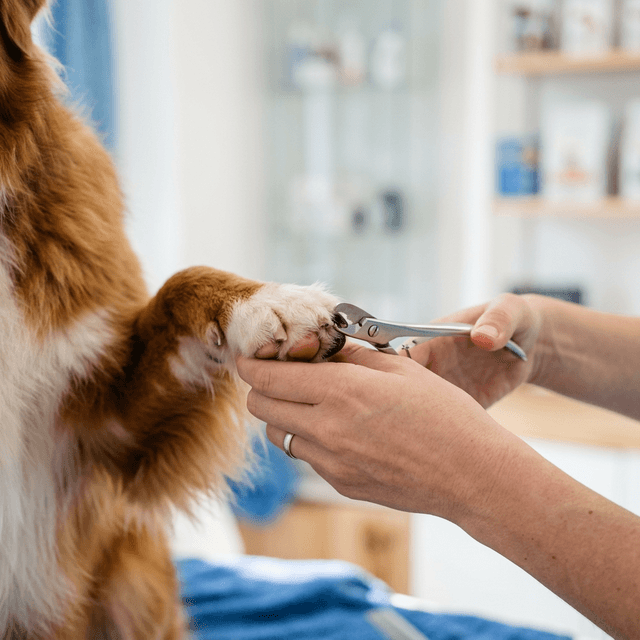
guide
Nail grinder vs clippers for dogs: which is best for your pet?

guide
Dog Nail Trimming at Home: Safe Step-by-Step Routine (Clippers vs Grinders vs Scratch Boards)
guide
How to Trim Rabbit Nails Without Stress: Calm Home Method
guide
How to Trim Rabbit Nails Safely: Avoid the Quick + Bleeding
guide
How to Trim Rabbit Nails at Home: Quick Stops, Tools & Calm Holds
Frequently asked questions
How often should I trim my rabbit’s nails?
Most rabbits need a trim about every 4–6 weeks, but it depends on growth rate and how much natural wear they get. Check nails regularly and trim when they start to extend past the fur on the toes.
What if I accidentally cut the quick while trimming rabbit nails?
Stay calm and apply styptic powder or cornstarch with gentle pressure to stop the bleeding. If bleeding won’t stop after several minutes or your rabbit seems unwell, contact a rabbit-savvy vet.
What tools do I need to trim rabbit nails safely?
Use small pet nail clippers (or human nail clippers for very small nails), a bright light to see the quick, and styptic powder for emergencies. A towel for a secure hold can also help reduce stress and sudden movements.
