

guide • Nail Care
Dog Nail Splitting Causes: Home Care and Vet Red Flags
Learn common dog nail splitting causes, what you can safely do at home, and when a split nail may signal infection, allergy disease, or other serious issues.
By PetCareLab Editorial • March 11, 2026 • 15 min read
Table of contents
- Dog Nail Splitting: Causes You Can Fix (and Causes You Shouldn’t Ignore)
- First: What “Splitting” Usually Means (and Why It Happens)
- Common ways a nail splits (you’ll see these patterns)
- The Big List: Dog Nail Splitting Causes (Most to Least Common)
- 1) Nails are too long (the #1 cause)
- 2) Trauma: a snag, a slip, or a rough landing
- 3) Brittle, dry nails (environment + grooming habits)
- 4) Chronic licking from allergies (yes, it affects nails)
- 5) Infection: bacterial or fungal (including yeast)
- 6) Autoimmune disease (rare but important)
- 7) Nutrition problems (less common, but real)
- 8) Medications and hormones
- Quick Self-Check: Is This a Home Care Nail Split or a Vet Case?
- Likely safe to manage at home (if your dog is comfortable)
- Higher-risk: plan a vet visit soon (next 24–72 hours)
- Emergency / same-day vet care
- Step-by-Step Home Care for a Split Dog Nail (Safe, Practical, and Clean)
- What you’ll need (simple nail first-aid kit)
- Step 1: Check the nail and toe (30 seconds that matters)
- Step 2: If bleeding, stop it safely
- Step 3: Trim only the loose, jagged edge (don’t “chase” the split)
- Step 4: Smooth with a grinder or file
- Step 5: Clean the area
- Step 6: Decide whether to bandage
- Step 7: Prevent licking (this is where most home plans fail)
- Product Recommendations That Actually Help (and What to Skip)
- Must-haves for most households
- Helpful extras (case-by-case)
- What to skip or be cautious with
- Prevention: Stop Splits Before They Start
- The nail length rule that works
- Weekly mini-trims beat monthly big trims
- Clippers vs grinder: which is better for splitting?
- Lifestyle tweaks that help
- When Splitting Keeps Happening: Patterns That Point to Root Causes
- Pattern A: Multiple nails splitting + paw licking
- Pattern B: Nails crumble or slough off over weeks
- Pattern C: Only dewclaws splitting
- Pattern D: Senior dog, thick brittle nails, slower regrowth
- Vet Red Flags: What Your Vet Will Worry About (and What They May Do)
- Red flags that change the plan
- Common vet diagnostics (not always all needed)
- Treatments your vet might recommend
- Common Mistakes That Make Nail Splits Worse
- Real-World Scenarios (and Exactly What to Do)
- Scenario 1: “My dog’s nail split at the tip, no blood”
- Scenario 2: “A nail is split and bleeding, but my dog is walking”
- Scenario 3: “The nail is cracked up near the base”
- Scenario 4: “Several nails are splitting and my dog has itchy paws”
- Nail Care Mini-Guide: How to Trim to Prevent Splitting
- Step-by-step trimming (simple, safe approach)
- Grinder technique that reduces cracking
- FAQs Pet Parents Actually Ask
- “Can a split nail heal on its own?”
- “How long does it take to grow out?”
- “Should I use supplements for brittle nails?”
- “Why does my dog only split nails in winter?”
- Bottom Line: The Most Useful Way to Think About Dog Nail Splitting Causes
Dog Nail Splitting: Causes You Can Fix (and Causes You Shouldn’t Ignore)
A split nail looks small, but it can hurt a lot. Dogs put weight through their toes, and nails are connected to sensitive tissue (the quick) that can bleed and sting when exposed. Some splits are basically a “bad manicure” you can manage at home; others are a warning sign of infection, allergy disease, autoimmune issues, or nutrition problems.
This guide focuses on dog nail splitting causes, what you can safely do at home, what products actually help, and the vet red flags that mean “don’t wait.”
First: What “Splitting” Usually Means (and Why It Happens)
Dog nails are layered like an onion—made of keratin that grows from the nail bed. Splits happen when:
- •The nail becomes too long and leverages against the ground
- •The keratin layers dry out and peel
- •The nail gets weakened by infection, allergy inflammation, or poor nutrition
- •A traumatic event creates a crack that keeps traveling up the nail
Common ways a nail splits (you’ll see these patterns)
- •Vertical split (lengthwise): often from trauma, brittle nails, or underlying disease
- •Horizontal split/chip (across the tip): often from overlong nails or rough surfaces
- •Peeling/flaking (layers lifting): commonly dryness, frequent wet/dry cycles, or nutrition
- •Split with bleeding: often involves the quick; pain is likely
Pro-tip: If you see a “hollow” or “crumbly” nail texture (like chalk), think infection or chronic inflammation—not just a one-off snag.
The Big List: Dog Nail Splitting Causes (Most to Least Common)
If you’re searching “dog nail splitting causes,” these are the culprits I see most often in real life (vet-tech style: practical and pattern-based).
1) Nails are too long (the #1 cause)
Overlong nails catch on carpet, decks, and cracks in sidewalks. Each step puts torque on the nail, making it more likely to split.
Scenario: Your 7-year-old Lab’s nails “click” on the floor. He slips a bit on hardwood, then you notice a jagged split on the front paw. That click is the warning sign.
Breed examples:
- •Labrador Retrievers: active, heavy-bodied—long nails split with traction changes
- •German Shepherds: athletic turns + long nails = cracks and tears
- •Chihuahuas: nails can overgrow fast; indoor life means less natural wear
2) Trauma: a snag, a slip, or a rough landing
A nail can split when it catches on:
- •Carpet loops
- •Wire crates
- •Deck boards
- •Hiking trails (rocks + sudden stops)
- •Ice and snow chunks packed between toes
Scenario: Your Border Collie launches off a deck, lands awkwardly, and later licks one paw nonstop. You find a split dewclaw.
3) Brittle, dry nails (environment + grooming habits)
Just like humans, nails can dry and peel. Contributing factors:
- •Very dry indoor air (winter heating)
- •Frequent bathing without conditioning
- •Repeated wet/dry cycles (swimming + dry heat)
- •Harsh shampoos used too often
- •Lots of walking on hot pavement (dehydrates nail surface)
Breed examples:
- •Greyhounds/Whippets: often have thinner nails; can be more prone to brittleness
- •Senior dogs: nail quality can decline with age
4) Chronic licking from allergies (yes, it affects nails)
Dogs with atopy (environmental allergies) or food sensitivities often lick paws. Chronic inflammation around the nail bed weakens growth and increases infection risk.
Clues:
- •Red, itchy paws
- •Brown saliva staining
- •Recurrent ear infections
- •Nails splitting on multiple feet
Breed examples:
- •French Bulldogs, Westies, Boxers, Pit-type dogs: allergy-prone and commonly paw-lickers
5) Infection: bacterial or fungal (including yeast)
Infections around the nail (paronychia) can weaken the nail structure and make it split, crumble, or fall off.
Clues:
- •Swelling around the nail
- •Discharge, odor
- •Pain when touched
- •Multiple nails affected
- •Nail looks “moth-eaten” or crumbly
6) Autoimmune disease (rare but important)
Conditions like lupus or pemphigus can cause abnormal nails, cracking, sloughing, and sore nail beds. Another key condition is symmetrical lupoid onychodystrophy (SLO).
Clues that raise suspicion:
- •Several nails splitting/breaking over weeks
- •Nails slough off entirely
- •Significant pain, limping
- •Secondary infections
- •Often multiple paws involved
Breed examples (SLO is seen more often in):
- •German Shepherds
- •Rottweilers
- •Gordon Setters
- •Bearded Collies
7) Nutrition problems (less common, but real)
Most complete commercial diets support healthy nails. But nail quality can suffer with:
- •Unbalanced homemade diets
- •Long-term poor-quality diets
- •Malabsorption issues (GI disease)
- •Deficiencies affecting keratin (protein, certain fatty acids, zinc)
Breed note: Northern breeds (like Huskies) can have zinc-responsive dermatosis, which can include coat/skin/nail issues.
8) Medications and hormones
- •Long-term steroids can affect skin and keratin structures
- •Hypothyroidism can cause skin/coat changes and sometimes nail issues
This category matters most when you see multiple nails becoming brittle over time.
Quick Self-Check: Is This a Home Care Nail Split or a Vet Case?
Use this practical sorting method.
Likely safe to manage at home (if your dog is comfortable)
- •One nail split at the tip
- •No active bleeding after a few minutes
- •Dog is walking normally
- •Nail bed isn’t swollen or oozing
- •Your dog allows gentle handling
Higher-risk: plan a vet visit soon (next 24–72 hours)
- •Limping or guarding the paw
- •Split extends near the base
- •Nail is loose/wobbly
- •Redness and swelling at the nail fold
- •Repeated splits across multiple nails
Emergency / same-day vet care
- •Bleeding that won’t stop within 10–15 minutes
- •Exposed quick with significant pain
- •Nail partially torn off (dangling)
- •Pus, foul odor, fever, or your dog seems “off”
- •Your dog is crying, won’t bear weight, or the toe is very swollen
Pro-tip: When in doubt, take a clear photo and short video of your dog walking, then call your vet. Gait videos help them triage urgency quickly.
Step-by-Step Home Care for a Split Dog Nail (Safe, Practical, and Clean)
Home care works best when the split is minor and your dog can tolerate handling. Your goal is to prevent snagging, reduce pain, and keep it clean.
What you’ll need (simple nail first-aid kit)
- •Styptic powder (or styptic pencil): Kwik Stop is a common favorite
- •Backup: cornstarch or flour (not as effective, but helps in a pinch)
- •Dog nail clippers (scissor style for medium/large, guillotine for small if you like them)
- •Nail grinder (Dremel-style) optional but very useful
- •Chlorhexidine antiseptic solution or wipes (pet-safe)
- •Look for 2% chlorhexidine wipes or dilute solutions as directed
- •Gauze pads + vet wrap (or cohesive bandage)
- •An E-collar or soft cone if your dog is a dedicated licker
- •Treats (seriously—this is part of the equipment)
Step 1: Check the nail and toe (30 seconds that matters)
Before you trim anything, look for:
- •Is the nail actively bleeding?
- •Is it split toward the base?
- •Is any piece dangling?
- •Is the toe swollen, hot, or painful?
If the nail is dangling or split deep, skip home trimming and go to the vet—pulling can expose the quick and cause a lot of pain.
Step 2: If bleeding, stop it safely
- Apply styptic powder directly to the bleeding point.
- Hold gentle pressure with gauze for 60–90 seconds.
- Recheck. Repeat once if needed.
Common mistake: Dabbing repeatedly without holding pressure. You need steady contact.
Step 3: Trim only the loose, jagged edge (don’t “chase” the split)
Goal: remove the part that will catch on fabric/floor and extend the crack.
- •If the split is at the tip: clip a tiny amount to remove the hook.
- •If you can see the quick (pink/gray center line): do not trim into it.
If you’re unsure, use a nail grinder to gently smooth rather than clip. Grinding reduces sudden cracking.
Pro-tip: For black nails, use a flashlight under the nail tip. Sometimes you can better see where the quick ends.
Step 4: Smooth with a grinder or file
A smooth edge prevents re-splitting.
- •Short, gentle touches
- •Check heat—grinders can warm the nail
Step 5: Clean the area
Use a chlorhexidine wipe or diluted solution around the nail and toe. You’re trying to reduce bacteria that can set up shop in a tiny injury.
Avoid: hydrogen peroxide for routine use—it can irritate tissue and slow healing if overused.
Step 6: Decide whether to bandage
Bandaging can help temporarily if:
- •Your dog is going outside on dirt/mud
- •The nail is tender and you want cushioning
- •Your dog won’t stop licking
Bandage basics:
- Place gauze pad over the toe
- Wrap with gauze roll (lightly)
- Finish with vet wrap (not tight; toes should stay warm and normal color)
- Remove and check at least daily
Common mistake: Leaving a bandage on too long or too tight. That can cause swelling and serious circulation problems.
Step 7: Prevent licking (this is where most home plans fail)
If your dog licks, healing slows and infection risk rises. Use:
- •E-collar (most reliable)
- •Bootie (works for some, but many dogs chew it)
Product Recommendations That Actually Help (and What to Skip)
You don’t need a cabinet full of stuff. A few high-value items make a big difference.
Must-haves for most households
- •Styptic powder: Kwik Stop
- •Chlorhexidine wipes: convenient for quick cleanups
- •Quality nail tool:
- •Clippers: Miller’s Forge (popular durable option)
- •Grinder: Dremel PawControl or pet-specific grinders
Helpful extras (case-by-case)
- •Dog booties for outdoor protection short-term
- •Paw balm (for pads more than nails, but helps reduce licking triggers if pads are cracked)
What to skip or be cautious with
- •Super glue on the nail: Some people do it; vets occasionally use medical adhesives in controlled situations, but at-home glue can trap bacteria, irritate tissue, or end up ingested if the dog chews.
- •Human pain meds (ibuprofen, naproxen, acetaminophen): unsafe without vet direction.
- •Essential oils on paws/nails: can irritate and increase licking.
Pro-tip: If you’re dealing with repeated splitting, the “best product” is often a schedule: small trims weekly for 6–8 weeks to reset nail length.
Prevention: Stop Splits Before They Start
Prevention is mostly nail length management, plus addressing the underlying cause if it’s more than a one-off.
The nail length rule that works
If your dog’s nails click on hard floors, they’re usually too long. Also look from the side: the nail tip shouldn’t curl under and push the toe up.
Weekly mini-trims beat monthly big trims
Frequent tiny trims:
- •Reduce cracking from large clips
- •Encourage the quick to recede slowly
- •Keep edges smooth and less snag-prone
A good starter routine:
- Pick one calm time of day
- Do 1–2 nails, then treat
- Build up over a week
- Maintain weekly once you reach ideal length
Clippers vs grinder: which is better for splitting?
- •Grinder: better for brittle/splitting nails because it smooths and reduces micro-cracks
- •Clippers: faster, but can “crush” brittle nails and start a split
If your dog hates the grinder, do small clip + file. The key is smooth edges.
Lifestyle tweaks that help
- •Add traction runners on slippery floors (reduces slips that tear nails)
- •Check dewclaws regularly (they don’t wear down naturally)
- •After hikes, inspect nails for tiny chips before they become splits
When Splitting Keeps Happening: Patterns That Point to Root Causes
One split after a wild zoomie? Normal. Repeated splitting? Time to look for patterns.
Pattern A: Multiple nails splitting + paw licking
Most likely: allergies with secondary infection/inflammation. What helps:
- •Vet evaluation for allergy plan (diet trial, meds, immunotherapy)
- •Regular antiseptic paw cleaning during flare-ups
- •Prevent licking
Pattern B: Nails crumble or slough off over weeks
Consider: SLO or autoimmune disease, severe infection, or endocrine issues. This needs a vet workup—sometimes nail bed biopsies, cultures, and targeted meds.
Pattern C: Only dewclaws splitting
Often: dewclaws are too long or snagging. They can curl and crack because they don’t contact the ground.
Pattern D: Senior dog, thick brittle nails, slower regrowth
Could be normal aging, but also consider:
- •Mobility issues (less walking = longer nails)
- •Thyroid/hormone shifts
- •Chronic low-grade inflammation
Pro-tip: Bring a photo timeline to your vet: “Here’s the nail in January, February, March.” Chronic nail problems are easier to diagnose when progression is documented.
Vet Red Flags: What Your Vet Will Worry About (and What They May Do)
If you go in, here’s what a clinic typically checks and why.
Red flags that change the plan
- •Swollen nail fold (paronychia)
- •Discharge or odor
- •Multiple nails affected
- •Severe pain or persistent limping
- •Nails falling off
- •Repeated infections in paws/ears (allergy pattern)
Common vet diagnostics (not always all needed)
- •Nail/toe exam + gait check
- •Cytology (looking for bacteria/yeast)
- •Culture (especially if infections recur)
- •Skin/allergy discussion, diet history
- •Bloodwork if endocrine/autoimmune suspected
- •Sometimes sedation for painful nail trimming/removal
Treatments your vet might recommend
- •Pain control (pet-safe options)
- •Antibiotics/antifungals if infection confirmed
- •Medicated soaks or wipes
- •Allergy management plan
- •For immune-mediated nail disease: longer-term meds + monitoring
Common Mistakes That Make Nail Splits Worse
These are the “I see this all the time” issues.
- •Letting the split snag repeatedly: every snag drives the crack deeper.
- •Over-trimming to “fix it in one cut”: quick exposure = pain + bleeding + fear.
- •Bandaging too tight or too long: can cause swelling, moisture buildup, infection risk.
- •Skipping lick prevention: licking turns minor splits into inflamed, infected toes.
- •Ignoring multiple-nail patterns: repeated splitting across paws is rarely just bad luck.
Pro-tip: If your dog is anxious about nails, don’t wait until there’s an injury to train. Do “fake trims” (touch tool, treat, done) a few times a week.
Real-World Scenarios (and Exactly What to Do)
Scenario 1: “My dog’s nail split at the tip, no blood”
Do this:
- Inspect for sharp edges
- Clip a tiny bit or grind smooth
- Wipe with chlorhexidine
- Keep nails short weekly for a month
Watch for:
- •Limping or increasing licking (could mean it’s deeper than it looks)
Scenario 2: “A nail is split and bleeding, but my dog is walking”
Do this:
- Styptic + steady pressure
- Smooth any jagged edge if your dog tolerates it
- Short walk only, keep clean
- Cone if licking
- Call vet if it bleeds again or looks swollen tomorrow
Scenario 3: “The nail is cracked up near the base”
Do this:
- •Don’t pull or clip aggressively.
- •Keep it from snagging (temporary bandage/bootie for outside).
- •Schedule vet visit—deep cracks often involve the quick and can require controlled trimming or removal.
Scenario 4: “Several nails are splitting and my dog has itchy paws”
Do this:
- •Assume allergy/infection cycle until proven otherwise.
- •Book a vet appointment for cytology and a long-term plan.
- •Start daily paw wipes after outdoor time and prevent licking.
Nail Care Mini-Guide: How to Trim to Prevent Splitting
If prevention is your goal, technique matters more than tool brand.
Step-by-step trimming (simple, safe approach)
- Choose good lighting; have treats ready
- Hold paw gently, don’t twist toes
- Trim small slivers off the tip
- Stop when you see a smooth oval center (avoid getting close to the quick)
- Round edges with a grinder or file
- Repeat weekly
Grinder technique that reduces cracking
- •Touch nail for 1–2 seconds, off, repeat
- •Move around the edge to create a rounded tip
- •Watch for heat buildup
Comparison:
- •Clippers are like a “snap cut” (fast, but can split brittle nails).
- •Grinders are like sanding (slower, smoother, usually safer for splitting-prone nails).
FAQs Pet Parents Actually Ask
“Can a split nail heal on its own?”
The damaged portion won’t “fuse” back together. It grows out. Your job is to prevent snagging and infection while it grows.
“How long does it take to grow out?”
Often weeks to months, depending on the nail and your dog’s growth rate. Front nails and dewclaws can take longer to fully replace damaged sections.
“Should I use supplements for brittle nails?”
If your dog eats a complete, balanced diet, supplements are not always necessary. But if multiple nails are brittle and your vet rules out disease, they may recommend specific support (often omega-3s or targeted nutrients). Don’t shotgun supplements—confirm the underlying cause first.
“Why does my dog only split nails in winter?”
Dry air + less outdoor wear + longer nails + slippery floors is a perfect storm. Increase trim frequency and add traction indoors.
Bottom Line: The Most Useful Way to Think About Dog Nail Splitting Causes
Most nail splits come down to one of three buckets:
- •Mechanical (too long, snag, trauma)
- •Quality (dry/brittle nail, grooming habits, age)
- •Medical (allergies, infection, autoimmune, endocrine, nutrition issues)
If it’s a single mild split, home care plus better trimming routine usually fixes it. If it’s painful, deep, infected-looking, or happening across multiple nails, treat it like a medical clue, not just a grooming problem.
If you want, tell me your dog’s breed, age, whether it’s one nail or multiple, and what the split looks like (tip vs near the base, bleeding vs not). I can help you triage it into “home care” vs “vet visit,” and suggest a nail maintenance routine that fits your dog’s temperament.
Topic Cluster
More in this topic

guide
How to Trim Dog Nails: A Step-by-Step Guide for Beginners
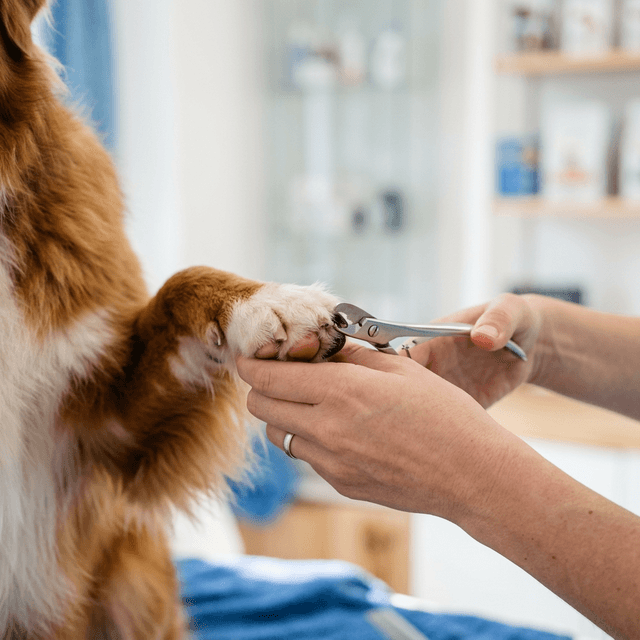
guide
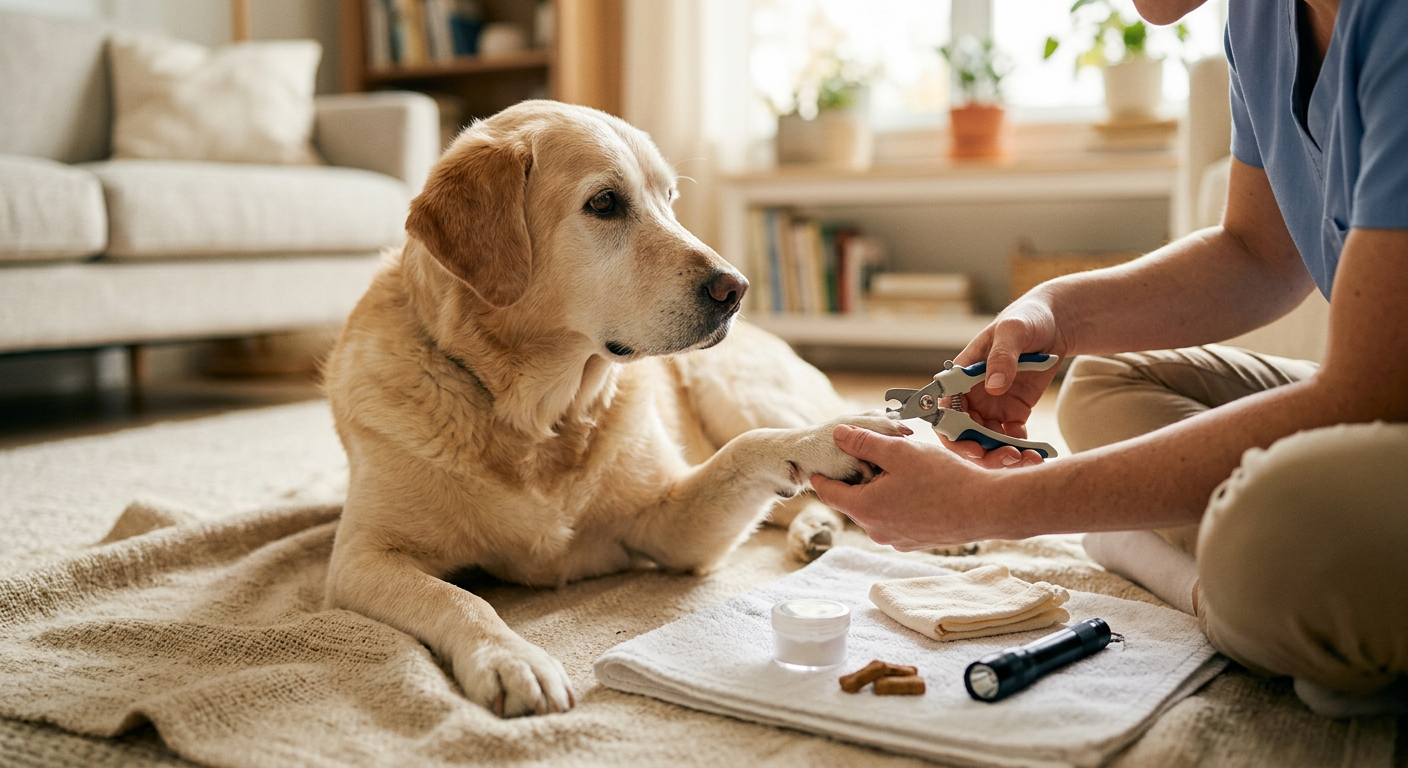
Nail grinder vs clippers for dogs: which is best for your pet?
guide
Dog Nail Trimming at Home: Safe Step-by-Step Routine (Clippers vs Grinders vs Scratch Boards)
guide
How to Trim Rabbit Nails Without Stress: Calm Home Method
guide
How to Trim Rabbit Nails Safely: Avoid the Quick + Bleeding
guide
How to Trim Rabbit Nails at Home: Quick Stops, Tools & Calm Holds
Frequently asked questions
What are the most common dog nail splitting causes?
Trauma (snagging, rough play, hard surfaces) and overgrown or brittle nails are common causes. Repeated splitting can also point to infection, allergies, autoimmune disease, or nutritional issues.
Can I treat a split dog nail at home?
If the split is minor and not bleeding or painful, you can often smooth sharp edges and keep the nail clean and protected. If the quick is exposed, your dog is limping, or the nail keeps cracking, contact your vet.
What vet red flags should I watch for with a split nail?
Seek veterinary help for heavy bleeding, exposed quick, swelling, pus, bad odor, or significant pain. Also book a visit if multiple nails split, the nailbed looks inflamed, or the problem keeps returning.
