

guide • Paw Care
How to Heal Cracked Dog Paw Pads: Safe Home Steps
Learn how to heal cracked dog paw pads at home with safe cleaning, moisturizing, and protection steps—plus when cracks become an emergency.
By PetCareLab Editorial • March 16, 2026 • 13 min read
Table of contents
- Why Dog Paw Pads Crack (And When It’s an Emergency)
- Emergency vs. Home-Care: Quick Triage
- The Goal: Heal the Pad *and* Prevent Re-Cracking
- Real-World Scenarios (So You Can Spot Yours)
- Step-by-Step: Safe Home Treatment for Cracked Paw Pads
- Step 1: Inspect and Classify the Crack (1–2 minutes)
- Step 2: Clean Gently (Not Harshly)
- Step 3: Soften (Optional but Helpful for Dry, Thick Pads)
- Step 4: Apply a Dog-Safe Paw Balm (Thin Layer)
- Step 5: Prevent Licking for 10–15 Minutes
- Step 6: Protect the Paw on Walks (This Is Where Healing Happens)
- Step 7: Repeat 1–2x Daily
- Bandaging at Home: When It Helps (And When It Backfires)
- When Bandaging Makes Sense
- When NOT to Bandage
- Quick, Safe Bandage Method (Short-Term)
- Product Recommendations (And What to Avoid)
- Best Types of Products for Cracked Pads
- Quick Comparison: Wax vs. Lotion vs. Booties
- Avoid These Common Mistakes
- Breed-Specific Considerations (Because Pads Aren’t One-Size-Fits-All)
- High-Activity, Athletic Breeds (GSP, Border Collie, German Shepherd)
- Short-Nosed City Dogs (French Bulldog, Pug, Boston Terrier)
- Sighthounds (Greyhound, Whippet)
- Tiny Breeds (Chihuahua, Yorkie, Maltese)
- Double-Coated Winter Dogs (Husky, Malamute)
- Fix the Cause: Prevention That Actually Works
- Hot Pavement Prevention
- Winter Salt and Ice Melt Prevention
- Indoor Dryness and Rough Flooring
- Nutrition: The Low-Key Game Changer
- Common Mistakes I See (And Exactly What to Do Instead)
- Mistake 1: Over-washing paws with harsh soaps
- Mistake 2: Letting the dog lick the balm off immediately
- Mistake 3: Continuing long walks on rough ground
- Mistake 4: Bandaging too long or too tight
- Mistake 5: Treating infected paws as “dry”
- Expert Tips for Faster, Safer Healing
- Make a “Paw Healing Kit”
- Train Booties Before You Need Them
- Use the “Night Repair” Routine
- When to Call the Vet (And What They Might Do)
- Step-by-Step Quick Plan (If You Want a Simple Checklist)
- For Mild Cracks (No bleeding, no limping)
- For Moderate Cracks (Tender, starting to split, but not infected)
- For Deep/Opened Cracks or Any Infection Signs
- FAQ: Cracked Paw Pads, Answered Like a Vet Tech
- How long does it take to heal cracked dog paw pads?
- Should I use Vaseline on dog paw pads?
- Can I walk my dog with cracked pads?
- Are cracked pads always just dryness?
- Bottom Line: The Safe, Effective Way to Heal Cracked Pads
Why Dog Paw Pads Crack (And When It’s an Emergency)
Cracked paw pads are one of those problems that look minor—until your dog starts limping, licking nonstop, or leaving tiny blood spots on the floor. Paw pads are thick, rubbery shock absorbers made to handle rough terrain, but they can split when they’re too dry, too worn, or exposed to irritants.
Common causes of cracked pads:
- •Dry weather and indoor heating (winter air dries pads fast)
- •Hot pavement or sand (summer burns can look like cracks at first)
- •Ice melt and de-icers (salt + chemicals cause chapping and chemical irritation)
- •Rough terrain (gravel, rocky trails, long runs)
- •Allergies (environmental or food allergies can inflame skin and lead to cracking)
- •Excess licking (anxiety, pain, allergies—licking removes protective oils)
- •Underlying skin disease (yeast, bacterial infection, mites)
- •Nutritional gaps (especially low omega-3 intake in some dogs)
- •Autoimmune conditions (rare, but can affect paw health)
Emergency vs. Home-Care: Quick Triage
Home care is appropriate for superficial, dry cracks when your dog is otherwise acting normal.
Seek veterinary care today if you see:
- •A deep split that opens when your dog bears weight
- •Bleeding that won’t stop after 10 minutes of gentle pressure
- •Swelling, heat, or pus
- •A foul odor or greasy discharge (infection warning)
- •Your dog is limping, refusing walks, or yelping when the paw is touched
- •A pad looks burned, blistered, or sloughing
- •Cracks plus red, itchy skin between toes (often yeast/allergy)
- •Your dog has diabetes or is immunocompromised (healing is slower and infections are riskier)
Pro-tip: If you can gently spread the crack and see raw pink tissue or it gapes open, treat it like a wound—not “dry skin.” That’s a vet visit or at least a vet phone consult.
The Goal: Heal the Pad and Prevent Re-Cracking
If you’re searching for how to heal cracked dog paw pads, the best approach is a two-part plan:
- Repair: protect the pad so it can rehydrate and rebuild
- Prevent: remove the trigger (heat, chemicals, friction, licking, allergy)
Pads heal, but they’re slow. Most mild cracks improve in 3–7 days with consistent care. Deeper fissures can take 2–3 weeks depending on activity level, size of dog, and whether infection is involved.
Real-World Scenarios (So You Can Spot Yours)
- •“Weekend hiker” Labrador: rough, sandpapery pads after long trails; cracks on the edges from abrasion.
- •“City walker” French Bulldog: winter salt irritation; small fissures plus red paws from licking after walks.
- •Senior Greyhound: thin skin + low body fat; pads dry and prone to splitting, especially on hardwood floors.
- •Working German Shepherd: high mileage + rough ground; pad wear and occasional deep splits if not conditioned.
- •Tiny Chihuahua: cracks from indoor dryness; doesn’t walk far, but pads still get chapped.
Step-by-Step: Safe Home Treatment for Cracked Paw Pads
This is the practical home routine I’d use as a vet-tech friend: simple, safe, and repeatable.
Step 1: Inspect and Classify the Crack (1–2 minutes)
Pick a well-lit spot. If your dog is wiggly, recruit a helper and use treats.
Check:
- •Depth: superficial vs. deep split
- •Location: main pad vs. toe pads vs. between toes
- •Signs of infection: redness, swelling, heat, discharge, smell
- •Foreign material: grit, tiny thorns, ice melt crystals
If it’s a deep fissure, skipping straight to “balm” can trap bacteria. Deep wounds need a different plan.
Step 2: Clean Gently (Not Harshly)
Use one of these:
- •Warm water rinse (best default)
- •Saline (sterile wound wash, or make your own: 1/2 tsp salt in 1 cup boiled-cooled water)
Avoid:
- •Hydrogen peroxide (damages healthy tissue, delays healing)
- •Rubbing alcohol (stings and dries skin)
- •Essential oils (many are irritating/toxic if licked)
Dry the paw thoroughly—especially between toes.
Pro-tip: Pat dry, don’t rub. Rubbing can reopen micro-cracks.
Step 3: Soften (Optional but Helpful for Dry, Thick Pads)
If the pads are hard like leather, do a quick soak:
- Fill a shallow basin with warm (not hot) water
- Soak paw for 2–5 minutes
- Dry completely
This makes balms work better and reduces painful cracking when your dog walks.
Step 4: Apply a Dog-Safe Paw Balm (Thin Layer)
Use a balm designed for paws (non-toxic if licked, no strong fragrances). Apply a thin coat—more isn’t better.
Good options (widely used, generally well-tolerated):
- •Musher’s Secret (classic wax-based protective barrier; great for snow/heat prevention)
- •Natural Dog Company Paw Soother (soothing oils; helpful for dryness and mild cracking)
- •Burt’s Bees for Dogs Paw & Nose Lotion (budget-friendly, lighter moisturizer)
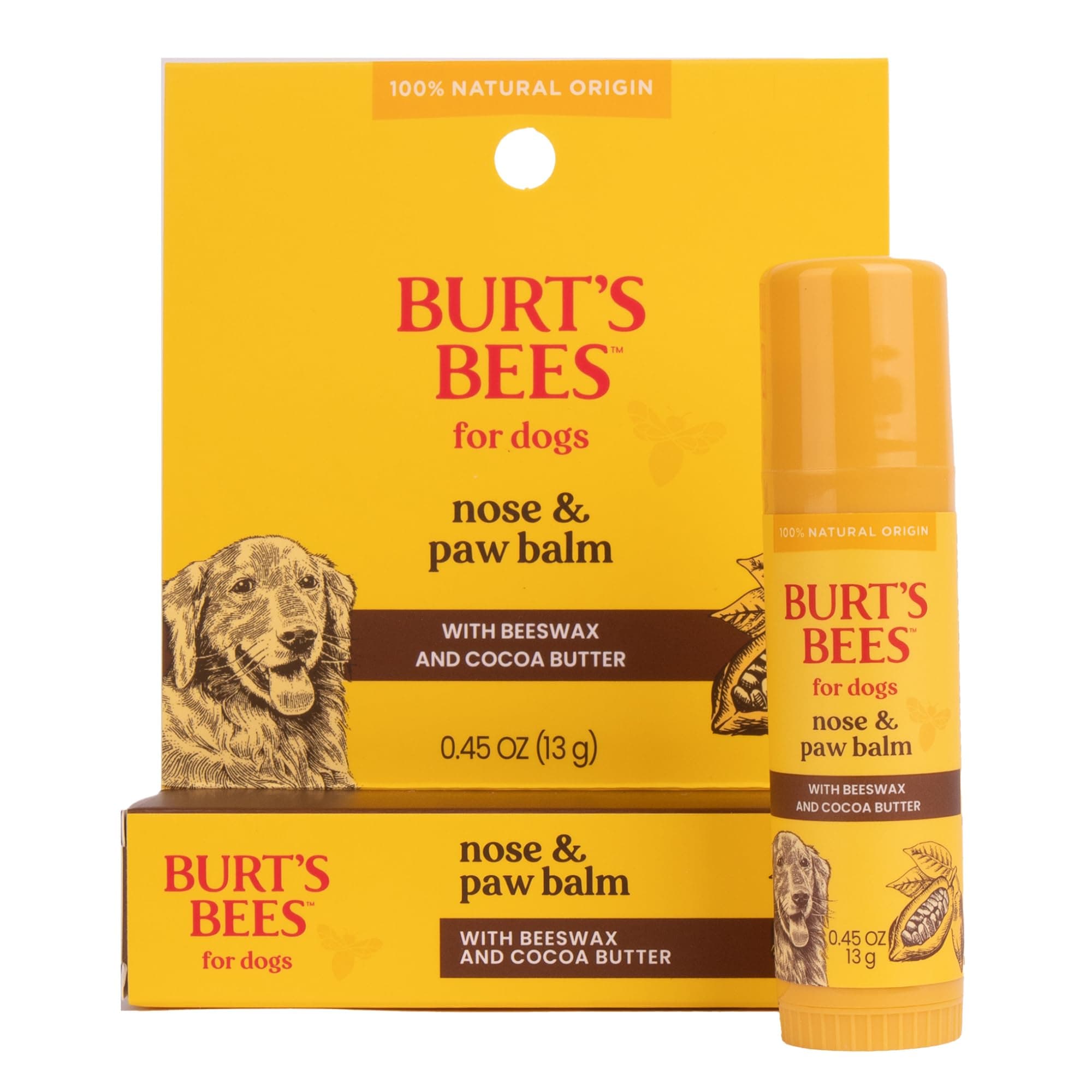
Burt's Bees for Pets Nose and Paw Balm with Beeswax and Cocoa Butter,100% Natural Origin Formulas, Dog Paw Pad Balm, Paw Moisturizer for Dogs, Dog Nose Balm
BURT'S BEES FOR PETS
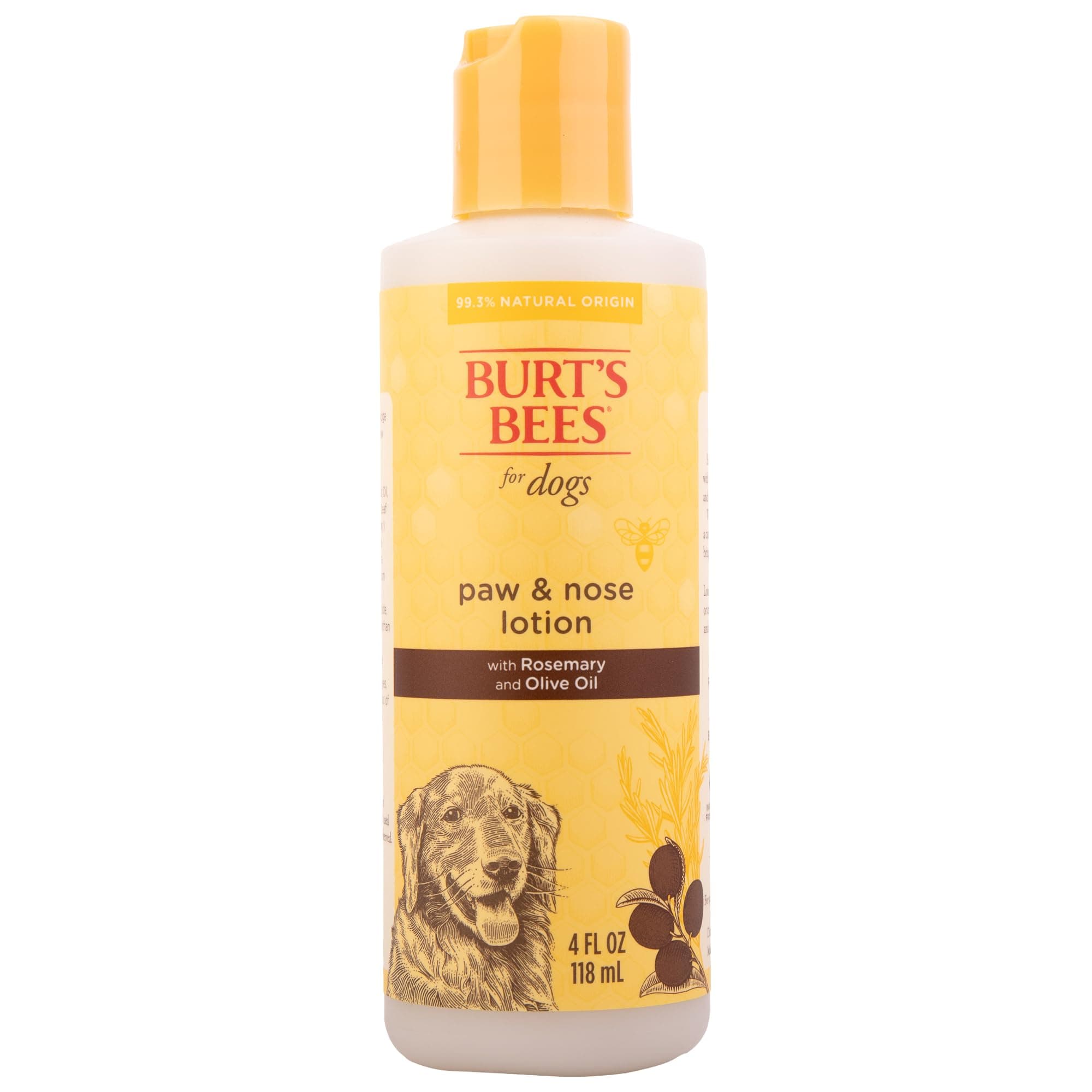
Burt's Bees for Pets Dog Lotion for Paw and Nose with Rosemary and Olive Oil - Soothing Dog Paw Balm Moisturizer for Cracked Pads & Dry Skin, Snout Soother for Dogs, Nose Butter for Dogs, 4 Fl Oz
BURT'S BEES FOR PETS
How to apply:
- Warm balm between fingers
- Massage into pad for 20–30 seconds
- Focus on cracked edges and the center pad surface
- Do not pack balm into a deep split—just coat the surface around it
Step 5: Prevent Licking for 10–15 Minutes
Licking removes the product and irritates the crack.
Options:
- •E-collar (best for committed lickers)
- •Inflatable collar
- •Distraction: lick mat, chew, training session
- •Dog socks/booties (only if they stay dry)
Step 6: Protect the Paw on Walks (This Is Where Healing Happens)
If you keep walking on unprotected cracked pads, you’re reopening the same wound daily.
Choose one:
- •Booties (best protection): Ruffwear, Canada Pooch, WagWellies (fit matters)
- •Paw wax (good for mild cracks, short walks)
- •Bandage wrap (for short-term, supervised use—see next section)
Step 7: Repeat 1–2x Daily
- •Mild dryness: once daily balm + protection outside
- •Mild cracking: twice daily for 3–5 days
- •Stop once pads are smooth and your dog isn’t licking
Bandaging at Home: When It Helps (And When It Backfires)
Bandages can be great for short-term protection, but they’re also one of the most common ways owners accidentally cause problems (moisture, constriction, skin infection).
When Bandaging Makes Sense
- •A small superficial crack that keeps catching on rough ground
- •A pad that needs protection for a quick potty break
- •Your dog tolerates bandages and you can monitor it closely
When NOT to Bandage
- •You can’t check it often
- •The paw is wet (moisture = infection risk)
- •There’s oozing, pus, strong odor
- •Your dog chews bandages (risk of ingestion)
Quick, Safe Bandage Method (Short-Term)
Supplies:
- •Non-stick pad (Telfa)
- •Gauze roll
- •Self-adhesive wrap (VetWrap)
- •Optional: bootie over top for outdoor trips
Steps:
- Clean and dry paw
- Place non-stick pad over the cracked area
- Wrap gauze snugly but not tight
- Add VetWrap with two-finger rule (you can slide two fingers under it)
- Remove after the walk or within 2–4 hours
Pro-tip: If toes look puffy, cold, or discolored, the wrap is too tight—remove immediately.
Product Recommendations (And What to Avoid)
There are lots of “paw solutions.” Some help, some irritate, and some are plain unsafe.
Best Types of Products for Cracked Pads
1) Paw balms/waxes
- •Best for: dryness, mild cracks, barrier protection
- •Examples: Musher’s Secret, Paw Soother, Burt’s Bees Paw & Nose
2) Dog booties
- •Best for: active dogs, harsh weather, hot pavement, deeper cracks during healing
- •Tip: measure paws and read fit guides—booties fail mostly due to sizing.
3) Gentle antiseptic options (for minor abrasion risk)
- •Chlorhexidine wipes (pet-safe, low concentration) can help if there’s mild irritation—but don’t overuse because they can dry skin.
Quick Comparison: Wax vs. Lotion vs. Booties
- •Wax-based balm: best barrier (snow/heat/salt); can feel slightly sticky; great for prevention.
- •Lotion-like balm: more moisturizing; less protective barrier; better for indoor healing routines.
- •Booties: strongest protection; require training and correct fit; best for walks while healing.
Avoid These Common Mistakes
- •Human moisturizers with zinc oxide (zinc is toxic if ingested)
- •High-fragrance products (irritation + licking)
- •Essential oils (tea tree in particular can be dangerous)
- •Super glue on cracks (can trap bacteria; painful; not a home fix)
- •Hydrogen peroxide/alcohol (delays healing)
Breed-Specific Considerations (Because Pads Aren’t One-Size-Fits-All)
Different breeds live differently—and their paws show it.
High-Activity, Athletic Breeds (GSP, Border Collie, German Shepherd)
- •Common issue: abrasion and wear from mileage
- •Best strategy: booties for long runs + wax for maintenance
- •Tip: gradually build up activity so pads “condition” without splitting
Short-Nosed City Dogs (French Bulldog, Pug, Boston Terrier)
- •Common issue: winter salt irritation + licking
- •Best strategy: rinse after walks, dry well, balm at night, booties in heavy salt conditions
- •Watch for: allergy-driven paw chewing masquerading as “dryness”
Sighthounds (Greyhound, Whippet)
- •Common issue: thin skin, sensitive feet, indoor dryness
- •Best strategy: softening soaks + gentle balm + traction rugs (less slipping reduces micro-tears)
- •Booties can prevent pad shear if they zoom on slick floors.
Tiny Breeds (Chihuahua, Yorkie, Maltese)
- •Common issue: dry indoor pads, cracks from low humidity
- •Best strategy: nightly balm + brief protective sock time (supervised)
- •Caution: they chill quickly—warm water soaks should be brief.
Double-Coated Winter Dogs (Husky, Malamute)
- •Common issue: ice balls, salt exposure; pads can crack under waxy buildup + abrasion
- •Best strategy: trim hair between pads (if appropriate), wax before walks, rinse after
Fix the Cause: Prevention That Actually Works
You can moisturize forever, but if the trigger stays, cracks come back.
Hot Pavement Prevention
Use the “7-second test”:
- •Put the back of your hand on pavement for 7 seconds
- •If it’s too hot for you, it’s too hot for paws
Solutions:
- •Walk early/late
- •Stick to grass/shade
- •Use booties for unavoidable hot surfaces
- •Wax can help, but booties are better for heat
Winter Salt and Ice Melt Prevention
- •Pre-coat pads with wax (barrier)
- •After walk: rinse, dry, then balm
- •Consider pet-safe ice melts at home, but note: “pet-safe” doesn’t mean “non-irritating”
Indoor Dryness and Rough Flooring
- •Run a humidifier during heating season
- •Add rugs/runners for dogs who skid (skidding can cause pad friction injuries)
- •Regular balm routine 2–4 nights per week as maintenance
Nutrition: The Low-Key Game Changer
If your dog has chronically dry skin and pads:
- •Ask your vet about omega-3 supplementation (dose depends on weight and product)
- •Make sure diet is complete and balanced
- •Don’t megadose—too much fish oil can cause GI upset and affect clotting
Pro-tip: If cracked pads come with recurring ear infections, itchy belly, or paw chewing, think “allergies,” not just “dryness.”
Common Mistakes I See (And Exactly What to Do Instead)
Mistake 1: Over-washing paws with harsh soaps
- •Why it’s bad: strips natural oils, worsens cracking
- •Do instead: rinse with warm water + pat dry
Mistake 2: Letting the dog lick the balm off immediately
- •Why it’s bad: reduces effectiveness and adds irritation
- •Do instead: 10–15 minutes of lick prevention after applying
Mistake 3: Continuing long walks on rough ground
- •Why it’s bad: reopens cracks daily
- •Do instead: short potty walks + booties until improved
Mistake 4: Bandaging too long or too tight
- •Why it’s bad: moisture and reduced circulation can cause bigger problems than the crack
- •Do instead: short-term wrap only, check often, remove within hours
Mistake 5: Treating infected paws as “dry”
- •Why it’s bad: infection needs medical treatment
- •Do instead: if there’s odor, discharge, swelling, or limping—get a vet exam
Expert Tips for Faster, Safer Healing
Make a “Paw Healing Kit”
Keep these together so you actually use them:
- •Saline or pet wound wash
- •Non-stick pads + gauze + VetWrap
- •Paw balm (one you like and will use)
- •E-collar or inflatable collar
- •Booties (fit-tested before you need them)
- •Treats for cooperative handling
Train Booties Before You Need Them
Booties are fantastic… if your dog doesn’t panic.
Mini training plan:
- Let dog sniff booties; treat
- Put on one bootie for 10 seconds; treat
- Increase time slowly; practice indoors
- Add short outdoor walk
Use the “Night Repair” Routine
Best time to moisturize is when activity is low.
- •Clean/dry paws
- •Apply balm
- •E-collar or distraction for 15 minutes
- •Let your dog sleep—less friction, more healing
Pro-tip: If your dog’s pads crack repeatedly in the same spot, take a photo every 2–3 days. Patterns (same paw, same area) can point to gait issues, arthritis compensation, or an embedded foreign body.
When to Call the Vet (And What They Might Do)
Call your vet if:
- •No improvement after 5–7 days of consistent home care
- •Cracks worsen or your dog starts limping
- •The paw is red between toes, itchy, or smells yeasty
- •You suspect burns, chemical irritation, or a foreign object
What a vet may recommend:
- •Prescription topical antibiotics/antifungals
- •Anti-inflammatory pain control (safe, dog-specific—never use human NSAIDs)
- •Medicated wipes or shampoos for allergies/yeast
- •Bandaging done correctly (sometimes with protective padding)
- •Checking for endocrine issues (thyroid), allergies, or autoimmune disease if chronic
Step-by-Step Quick Plan (If You Want a Simple Checklist)
For Mild Cracks (No bleeding, no limping)
- Rinse with warm water; pat dry
- Optional 2–5 min warm soak; dry thoroughly
- Apply thin layer of paw balm
- Prevent licking for 10–15 minutes
- Use booties/wax for outdoor walks
- Repeat daily (or twice daily for 3–5 days)
For Moderate Cracks (Tender, starting to split, but not infected)
- Clean with saline; dry well
- Apply balm around crack
- Short, supervised bandage for outdoor trips if needed
- Booties for walks
- Re-check daily for redness, swelling, discharge
For Deep/Opened Cracks or Any Infection Signs
- •Skip DIY “sealants”
- •Keep paw clean and protected
- •Call vet the same day
FAQ: Cracked Paw Pads, Answered Like a Vet Tech
How long does it take to heal cracked dog paw pads?
Mild cracks often improve in 3–7 days. Deeper splits can take 2–3 weeks, especially if your dog stays active or keeps licking.
Should I use Vaseline on dog paw pads?
Plain petroleum jelly is generally non-toxic in small amounts, but it’s greasy, attracts dirt, and isn’t the best healing product. A dog-specific paw balm is usually a better choice because it’s designed for licking risk and outdoor wear.
Can I walk my dog with cracked pads?
Yes—but modify:
- •Shorter walks
- •Avoid rough terrain/hot pavement/salt
- •Use booties or wax
If your dog limps, pause walks and call your vet.
Are cracked pads always just dryness?
No. Recurrent cracks with licking, redness between toes, or odor often point to allergies or yeast. That needs targeted treatment.
Bottom Line: The Safe, Effective Way to Heal Cracked Pads
Healing cracked pads is mostly about gentle cleaning, smart moisturizing, and real protection during walks. If you remove the trigger (heat, salt, friction, licking) and keep the pad surface hydrated, most mild cases improve quickly. The moment you see deep splits, limping, swelling, discharge, or odor, treat it as a medical issue—because infections in paws can escalate fast.
If you tell me your dog’s breed, typical walking surface (city sidewalks vs trails), and what the cracks look like (dry lines vs open splits), I can help you pick the best home routine and whether booties or wax will work better for your situation.
Topic Cluster
More in this topic
guide
Cracked Cat Paw Pads Treatment: Causes, Home Care & Vet Signs
guide
How to protect dog paws from hot pavement: prevent paw burns
guide
Dog Paw Burn Hot Pavement First Aid: Prevent & Treat Fast
guide
Dog Paw Pad Cut Treatment: Clean, Bandage, Protect
guide
Cracked Dog Paw Pads Home Treatment: Vet Red Flags to Know
guide
Cracked Dog Paw Pads Home Treatment: Balms & When to See a Vet
Frequently asked questions
How can I heal cracked dog paw pads at home safely?
Gently rinse and dry the paws, then apply a pet-safe paw balm to rehydrate the pad and prevent further splitting. Limit rough or hot surfaces and consider booties or socks so the cracks can heal without reopening.
When are cracked paw pads an emergency?
It’s urgent if there’s bleeding that won’t stop, a deep split, severe limping, swelling, pus, or a bad odor. Excessive licking and pain can also signal infection or a burn, which needs prompt veterinary care.
What causes dog paw pads to crack and how do I prevent it?
Dry weather, indoor heating, hot pavement or sand, rough terrain, and chemical irritants can all dry or damage pads. Prevent cracks by avoiding extreme surfaces, rinsing after walks, and using a paw moisturizer regularly.
