

guide • Paw Care
Cracked Dog Paw Pads Home Treatment: Balms & When to See a Vet
Learn safe cracked dog paw pads home treatment, how to moisturize and protect pads, and the warning signs that need a vet visit.
By PetCareLab Editorial • March 11, 2026 • 13 min read
Table of contents
- Cracked Dog Paw Pads: What You’re Seeing and Why It Matters
- The Most Common Causes (So You Treat the Right Problem)
- Environmental and Surface Causes
- Behavioral and Lifestyle Causes
- Medical Causes (Often Overlooked)
- First: Quick Home Assessment (2 Minutes That Changes Everything)
- Step 1: Look and Smell
- Step 2: Check Pain and Function
- Step 3: Check Between Toes and Nails
- Cracked Dog Paw Pads Home Treatment: A Step-by-Step Plan
- Step 1: Clean Gently (No Harsh Scrubbing)
- Step 2: Soak (Only If Pads Are Very Dry or Debris-Stuck)
- Step 3: Apply a Paw Balm (Correctly)
- Step 4: Protect the Pad for Walks (Short-Term)
- Step 5: Control Licking
- Step 6: Recheck Daily (1 Minute)
- Best Balms and Products: What to Use (and What to Skip)
- Paw Balms (Moisturize + Repair)
- Paw Wax (Barrier First)
- Booties: The Unsung Hero
- Antiseptic Options (For Minor Surface Cracks Only)
- What to Avoid
- Comparisons: Balm vs. Coconut Oil vs. Vaseline vs. Bag Balm
- Paw Balm (Best All-Around)
- Coconut Oil (Okay, With Caveats)
- Vaseline (Petroleum Jelly) (Barrier, Not a Fix)
- Bag Balm (Old-School, Can Help Some Dogs)
- Real Scenarios and Exactly What to Do
- Scenario 1: Winter Salt Cracks (Small Dog, Short Walks)
- Scenario 2: Rough Trail Abrasion (Athletic Dog)
- Scenario 3: Chronic Thick, Cracking Pads (Possible Hyperkeratosis)
- Scenario 4: Red, Smelly Feet + Cracks (Yeast/Allergy Pattern)
- Common Mistakes That Delay Healing (and What to Do Instead)
- Vet-Visit Signs: When Home Treatment Isn’t Enough
- Go to the Vet ASAP (Same Day If Possible) If:
- Book a Vet Appointment Soon If:
- Prevention: Keep Pads Tough and Supple Year-Round
- Daily/Weekly Habits That Make a Big Difference
- Surface Strategy (Simple but Powerful)
- Nutrition and Skin Support
- A Practical 7-Day At-Home Protocol (For Mild to Moderate Cracks)
Cracked Dog Paw Pads: What You’re Seeing and Why It Matters
Cracked paw pads look simple—dry skin that split—but they can quickly turn into pain, infection, and limping if the cracks deepen or get contaminated. Paw pads are thick, specialized skin designed to absorb shock and provide traction. When they dry out, get abraded, or are exposed to harsh surfaces/chemicals, they lose flexibility. Then normal walking pressure can cause splits.
Common ways cracked pads show up at home:
- •Fine surface “crazing” (like tiny lines on leather): usually early dryness.
- •One or two deeper fissures at the center or edge of the pad: more painful, higher infection risk.
- •Flaps of pad peeling: often from abrasion (hot pavement, rough terrain) or chemical irritation.
- •Red, swollen cracks or an “angry” rim around the split: inflammation and possible infection.
Real-world example:
- •A Labrador that loves fetch starts limping after a weekend of running on rough gravel. Pads look scuffed with shallow cracks—classic abrasion plus dryness.
- •A French Bulldog in winter develops cracks from salty sidewalks and indoor heating—pads look dry, with little splits between the toe pads.
- •A Greyhound (thin skin, sensitive feet) gets fissures after long walks on hot pavement—cracks are deeper because the pad dried and then stretched.
The goal of cracked dog paw pads home treatment is to restore moisture and flexibility, protect from more trauma, and catch the cases that need a vet before they spiral.
The Most Common Causes (So You Treat the Right Problem)
Cracks aren’t one-size-fits-all. Knowing the cause helps you pick the best home care strategy—and avoid doing the wrong thing (like slathering balm on an infected pad and trapping bacteria).
Environmental and Surface Causes
- •Hot pavement/sand: dries and burns pads; burns can later crack as they heal.
- •Ice, snow, and salt/de-icers: chemical irritation + drying + micro-abrasions.
- •Rough terrain (gravel, rocky trails): mechanical wear leads to fissures.
- •Very dry air (winter heating): reduces skin hydration.
Behavioral and Lifestyle Causes
- •Zoomies and high-impact play: more friction and micro-trauma.
- •Licking/chewing: saliva inflames skin and worsens cracking; can be allergy-related.
- •Frequent bathing or harsh shampoos: strip oils from pads.
Medical Causes (Often Overlooked)
- •Allergies (atopy/food): itchy feet → licking → inflamed, cracked pads.
- •Yeast or bacterial infection: often smelly, red, greasy, or with brown staining between toes.
- •Autoimmune disease (rare but important): severe crusting, ulceration, multiple feet involved.
- •Hormonal issues like hypothyroidism: dry skin everywhere, recurrent infections.
- •Hyperkeratosis (genetic or secondary): thick, rough “horny” pads that crack.
Breed examples where you may see patterns:
- •English Bulldogs / French Bulldogs: prone to allergies → licking, recurrent pododermatitis.
- •German Shepherds: allergies and yeast can present as chronic foot issues.
- •Greyhounds / Whippets: sensitive skin; cracks can happen with less provocation.
- •Labradors: active lifestyle → abrasion cracks; also allergy-prone.
- •Irish Terriers / Dogue de Bordeaux: certain lines are prone to hereditary hyperkeratosis.
First: Quick Home Assessment (2 Minutes That Changes Everything)
Before you start cracked dog paw pads home treatment, do a fast check to decide: home care vs. vet today.
Step 1: Look and Smell
- •Is there bleeding, oozing, or pus?
- •Is the skin around the crack red, swollen, or hot?
- •Does it smell yeasty (like corn chips) or foul?
- •Is there black debris, grit, or a foreign body?
Step 2: Check Pain and Function
- •Is your dog limping or refusing to put weight on the foot?
- •Does your dog pull away when you touch the pad?
- •Any sudden change (fine yesterday, limping today)?
Step 3: Check Between Toes and Nails
Cracked pads often come with:
- •Interdigital redness
- •Hair loss between toes
- •Brown saliva staining from licking
- •Broken nail or nail bed infection (can mimic pad pain)
Pro-tip: Take clear photos in good light before you treat. You’ll track improvement (or catch worsening) much faster.
If the cracks are superficial, not infected, and your dog is walking normally, home care is reasonable. If not, jump to the vet signs section.
Cracked Dog Paw Pads Home Treatment: A Step-by-Step Plan
This is the core routine I’d teach a client in a vet clinic for uncomplicated cracks. The key is: clean → dry → protect → moisturize → prevent re-injury.
Step 1: Clean Gently (No Harsh Scrubbing)
What you need:
- •Bowl of lukewarm water
- •Saline (store-bought wound wash) or mild soap
- •Soft cloth or gauze
How:
- Rinse the paw to remove dirt and salt.
- If needed, use a tiny amount of mild soap, then rinse thoroughly.
- Pat dry—especially between toes.
Avoid:
- •Hydrogen peroxide or alcohol (they sting and can slow healing).
- •Aggressive scrubbing that opens the crack more.
Step 2: Soak (Only If Pads Are Very Dry or Debris-Stuck)
A short soak can soften hard edges so they don’t keep splitting.
- Soak paw for 3–5 minutes in warm water or saline.
- Pat dry completely.
If your dog has deep cracks, keep soaks short and ensure full drying afterward so you don’t encourage yeast.
Step 3: Apply a Paw Balm (Correctly)
This is where most people go wrong: they apply too much, too often, and the dog licks it off.
How:
- Use a pea-sized amount per paw (adjust for dog size).
- Massage into the pad, focusing on the crack edges.
- Wait 2–3 minutes for absorption.
Then:
- •Put on a bootie or sock for 10–20 minutes (supervised), or distract with a chew so it can absorb.
Step 4: Protect the Pad for Walks (Short-Term)
For 3–7 days, reduce abrasion:
- •Use dog booties outdoors
- •Or apply paw wax as a barrier
- •Stick to short walks on softer surfaces (grass, smooth paths)
Step 5: Control Licking
Licking is the enemy of healing. Use:
- •E-collar (most reliable)
- •Inflatable collar (works for some dogs; not all)
- •Supervised bootie time indoors (short bursts)
Pro-tip: If your dog only licks at night, put the e-collar on before bed for a few nights. Healing often accelerates just from stopping the licking cycle.
Step 6: Recheck Daily (1 Minute)
Each day, look for:
- •Less redness
- •Cracks narrowing
- •Less sensitivity
- •No new swelling/odor
If it’s not improving within 3–5 days, you’re likely dealing with infection, allergy, or hyperkeratosis that needs a different plan.
Best Balms and Products: What to Use (and What to Skip)
Not all paw products are equal. The best choice depends on whether you need moisture, barrier protection, or repair support.
Paw Balms (Moisturize + Repair)
Good for dry, cracked pads in normal conditions.
Look for:
- •Beeswax (protective, mild barrier)
- •Shea butter (softening)
- •Coconut oil (moisture, but can be tempting to lick)
- •Vitamin E (skin support)
Commonly used options (availability varies by region):
- •Musher’s Secret: classic wax-based balm; great for winter protection and mild cracking.
- •Natural Dog Company Paw Soother: richer balm; often helpful for chronic dryness.
- •Burt’s Bees Paw & Nose Lotion: lighter option for mild dryness; reapply more often.
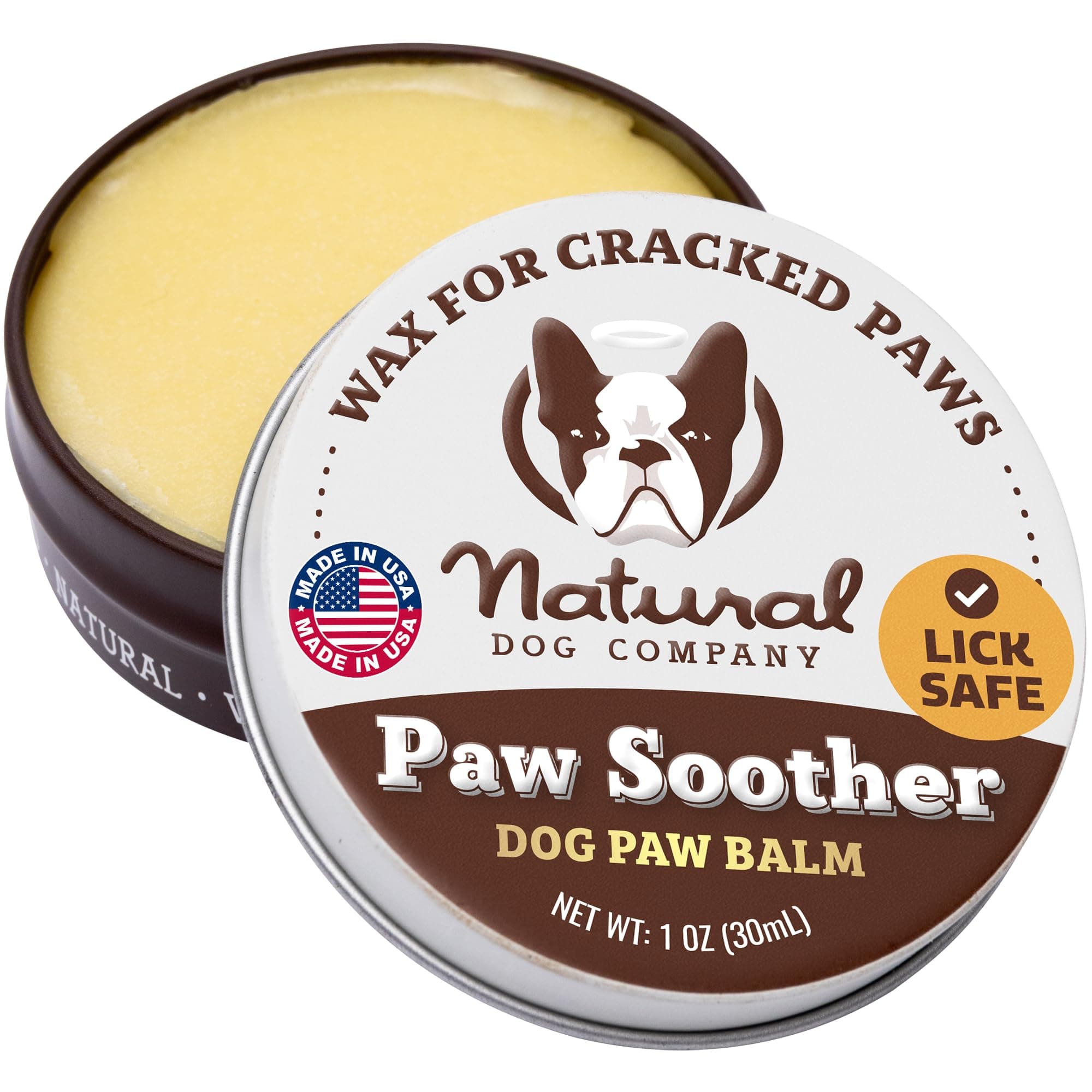
Natural Dog Company Paw Soother Balm & Wax - Dog Paw Balm & Moisturizer for Dry, Cracked Paw Pads, Helps Moisturize & Condition Winter-Worn Paws, Coconut Oil & Calendula, Daily Paw Care, 1 oz Tin
Natural
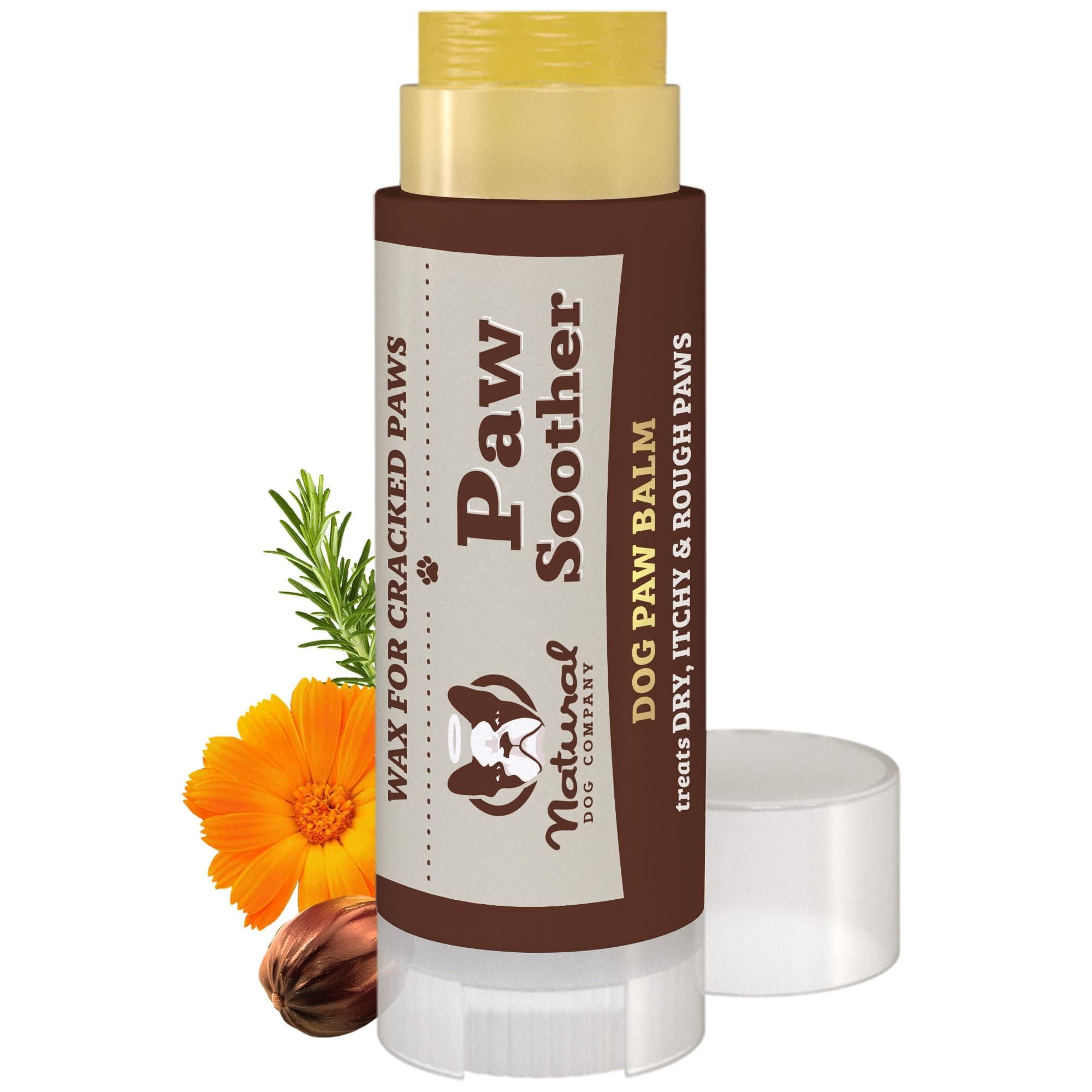
Natural Dog Company Paw Soother Balm & Wax - Dog Paw Balm & Moisturizer for Dry, Cracked Paw Pads, Helps Moisturize & Condition Winter-Worn Paws, Coconut Oil & Calendula, Daily Paw Care, 0.15 oz Stick
Natural
Best for:
- •Early cracks
- •Seasonal dryness (winter heat, summer pavement)
- •Dogs who tolerate balm without licking obsessively
Paw Wax (Barrier First)
These create a protective layer for walks—think “shield,” not deep moisturizer.
- •Great for salt, hot pavement, and rough ground
- •Often used before going outside
Examples:
- •Musher’s Secret (acts like both balm and barrier)
- •Other “paw wax” products marketed for hiking
Booties: The Unsung Hero
When pads are cracked, reducing friction is half the battle.
- •Ruffwear booties are popular for hiking durability.
- •Pawz rubber booties are good for wet/salt but less breathable (short sessions).
- •For small dogs (like Yorkies), look for lighter booties that don’t twist.
Fit matters:
- •Too loose = rubbing (worse cracks)
- •Too tight = circulation risk
Antiseptic Options (For Minor Surface Cracks Only)
If you have tiny cracks and you’re worried about contamination:
- •Use saline rinse.
- •If you use a pet-safe antiseptic, choose something gentle and avoid trapping moisture.
If you see redness, odor, or discharge, skip DIY antiseptic “layering” and move to vet guidance.
What to Avoid
- •Human lotions with fragrances, essential oils, or salicylates
- •Zinc oxide products (many diaper creams) unless your vet directs—dogs may ingest it
- •Essential oils (tea tree is a known risk)
- •Heavy occlusive greases on a wet paw (can trap moisture and worsen yeast)
Comparisons: Balm vs. Coconut Oil vs. Vaseline vs. Bag Balm
People ask about these constantly. Here’s how I’d compare them as a vet-tech friend.
Paw Balm (Best All-Around)
- •Pros: Made for paws, better texture, usually safer if licked in small amounts
- •Cons: Some dogs still lick; you may need booties or an e-collar
Coconut Oil (Okay, With Caveats)
- •Pros: Accessible, moisturizing
- •Cons: Dogs love licking it; may cause GI upset if they ingest a lot; not much barrier protection
Use it when:
- •Mild dryness
- •You can supervise and prevent licking
Vaseline (Petroleum Jelly) (Barrier, Not a Fix)
- •Pros: Strong barrier
- •Cons: Very lickable; greasy; can trap contaminants if you don’t clean first; doesn’t “repair” dry tissue—just seals
Use it when:
- •You need a temporary barrier for a short walk after cleaning, and you can prevent licking
Bag Balm (Old-School, Can Help Some Dogs)
- •Pros: Very occlusive; softens thickened skin
- •Cons: Greasy, lickable; not ideal if there’s infection or if your dog will ingest it
Use it when:
- •Your vet has ruled out infection and you’re managing thick, dry pads
If you’re doing cracked dog paw pads home treatment and you want one “default” product type: choose a paw balm plus booties for outside.
Real Scenarios and Exactly What to Do
Scenario 1: Winter Salt Cracks (Small Dog, Short Walks)
Dog: Miniature Schnauzer, city sidewalks, paw licking after walks.
Plan:
- After every walk: rinse paws with lukewarm water, pat dry.
- Apply a thin layer of paw balm.
- Use booties on salty days.
- Add a paw wipe at the door for quick cleanup.
- If licking continues: e-collar for 2–3 nights and reassess for allergy/yeast.
Common mistake:
- •Only applying balm, but never rinsing off salt—salt keeps irritating, so cracks persist.
Scenario 2: Rough Trail Abrasion (Athletic Dog)
Dog: Labrador, weekend hiker, pads scuffed and cracked.
Plan:
- 48–72 hours of reduced activity (short leash walks).
- Clean with saline, dry thoroughly.
- Apply balm 1–2x/day; use booties outdoors for a week.
- Consider a wax barrier before future hikes.
- Gradually “condition” paws: short trail walks, then longer.
Common mistake:
- •Going right back to the trail the next day—pads re-split under load.
Scenario 3: Chronic Thick, Cracking Pads (Possible Hyperkeratosis)
Dog: Dogue de Bordeaux or Irish Terrier, thick rough pads, recurring fissures.
Plan:
- Vet visit to confirm hyperkeratosis vs. infection/autoimmune issues.
- If confirmed and no infection: consistent balm regimen, protective booties on rough terrain.
- Keep nails and paw hair trimmed to reduce traction slips and pad strain.
- Track flare triggers (weather, surfaces).
Common mistake:
- •Treating it like “just dryness” when it’s a chronic condition needing long-term management.
Scenario 4: Red, Smelly Feet + Cracks (Yeast/Allergy Pattern)
Dog: French Bulldog, licking paws, brown staining, odor, cracks.
Plan:
- •This is usually not a simple home-treatment case.
- •Book a vet exam for cytology (quick in-clinic test).
- •Home care while waiting: rinse, dry, prevent licking, booties for walks.
Common mistake:
- •Slathering thick balm daily on inflamed, yeast-prone skin, trapping moisture and worsening the problem.
Common Mistakes That Delay Healing (and What to Do Instead)
- •Over-washing the paws with harsh soap: strips oils and increases dryness
Do instead: quick rinse + thorough dry; soap only when truly dirty.
- •Letting the dog lick the balm off: you think you treated it, but you didn’t
Do instead: booties/sock for 10–20 minutes or e-collar during absorption.
- •Skipping protection outdoors: cracks can’t close if they’re re-torn daily
Do instead: booties for a few days, avoid rough/hot surfaces.
- •Ignoring “between the toes” redness: often allergy or infection driving the problem
Do instead: check interdigital skin daily; vet if inflamed or smelly.
- •Using random human products: fragrances/actives can irritate or be toxic
Do instead: stick to pet-formulated balms and simple saline cleaning.
Vet-Visit Signs: When Home Treatment Isn’t Enough
Home care is great for mild, uncomplicated cracks. But certain signs mean your dog needs professional help—sometimes urgently.
Go to the Vet ASAP (Same Day If Possible) If:
- •Deep crack with active bleeding that won’t stop
- •Limping or refusing to bear weight
- •Swelling, heat, or rapidly spreading redness
- •Pus, yellow/green discharge, or a foul smell
- •A foreign body (thorn, glass) suspected
- •The pad looks burned, blistered, or sloughing
- •Your dog is lethargic, feverish, or not eating (systemic illness signs)
Book a Vet Appointment Soon If:
- •Cracks recur repeatedly despite good care
- •Multiple paws are affected
- •There’s chronic licking/chewing (allergy workup often needed)
- •Pads are abnormally thick (hyperkeratosis)
- •You see ulcers, crusting, or nail bed changes
What the vet may do (so you know what to expect):
- •Cytology (tape/impression) for yeast/bacteria
- •Culture if infections are recurrent
- •Allergy management plan
- •Prescription topicals or oral meds if needed
- •Pain relief that’s safe for dogs (never give human NSAIDs unless directed)
Pro-tip: If you can, bring photos from day 1 and note what surfaces/weather preceded the cracking. Patterns help your vet pinpoint the cause faster.
Prevention: Keep Pads Tough and Supple Year-Round
Prevention is usually easier than repeated cracked dog paw pads home treatment.
Daily/Weekly Habits That Make a Big Difference
- •Quick paw check after walks: look for debris, salt, cuts.
- •Rinse after salt or sand and dry thoroughly.
- •Apply balm 2–4 times a week during dry seasons (more if needed).
- •Keep nails trimmed: long nails change foot mechanics and increase pad stress.
- •Trim excess hair between pads (especially in Poodles, Doodles, Spaniels) to reduce slipping and matting.
Surface Strategy (Simple but Powerful)
- •Summer: walk early/late; avoid hot pavement; use booties on scorching days.
- •Winter: booties on salted sidewalks; wax barrier before walks if your dog tolerates it.
- •Hiking: build tolerance gradually; booties for long or rocky trails.
Nutrition and Skin Support
If your dog has dry skin everywhere, talk to your vet about:
- •Omega-3 fatty acids (EPA/DHA) for skin barrier support
- •Ruling out hypothyroidism or allergies if dryness is chronic
A Practical 7-Day At-Home Protocol (For Mild to Moderate Cracks)
Use this if your dog is comfortable walking and there’s no sign of infection.
Day 1–3:
- After walks: rinse + dry.
- Balm 1–2x/day.
- Booties outdoors; short walks on soft surfaces.
- Prevent licking during absorption.
Day 4–7:
- Continue rinse/dry after messy walks.
- Balm once daily or every other day as cracks soften.
- Gradually return to normal walks if the pad looks smoother and your dog is comfortable.
Stop and call the vet if:
- •Cracks look worse, not better, by day 3–5
- •New redness, swelling, odor, or limping starts
If you tell me your dog’s breed, age, climate (hot pavement vs. winter salt), and what the cracks look like (superficial vs. deep, any redness/odor/licking), I can suggest the most appropriate home routine and which product type (balm vs. wax vs. booties) fits best.
Topic Cluster
More in this topic
guide
How to Heal Cracked Dog Paw Pads: Safe Home Steps
guide
Cracked Cat Paw Pads Treatment: Causes, Home Care & Vet Signs
guide
How to protect dog paws from hot pavement: prevent paw burns
guide
Dog Paw Burn Hot Pavement First Aid: Prevent & Treat Fast
guide
Dog Paw Pad Cut Treatment: Clean, Bandage, Protect
guide
Cracked Dog Paw Pads Home Treatment: Vet Red Flags to Know
Frequently asked questions
What can I do at home for cracked dog paw pads?
Gently rinse off debris, pat the paws dry, then apply a dog-safe paw balm and limit rough-surface walks for a few days. If your dog is licking, use a cone or booties so the cracks can heal.
Which paw balms are safe for cracked pads?
Choose a dog-specific balm without harsh fragrances, essential oils, or zinc oxide, since dogs often lick their paws. Apply a thin layer after cleaning and before walks, and stop if redness or irritation worsens.
When should cracked paw pads be seen by a vet?
See a vet if there is bleeding that won’t stop, swelling, pus, a bad odor, deep splits, or limping. Also get help if your dog has fever, won’t bear weight, or the pads don’t improve within several days of protection and moisturizing.
