

guide • Paw Care
Dog Paw Pads Peeling: Causes, Home Care, and When to See a Vet
Dog paw pads peeling can be harmless mild flaking or a sign of irritation, burns, allergies, or infection. Learn common causes, safe home care, and when to call your vet.
By PetCareLab Editorial • March 11, 2026 • 14 min read
Table of contents
- Dog Paw Pads Peeling: What It Means (and Why It Happens)
- Quick Triage: Is This an Emergency?
- Check these right now
- Go to the vet today (urgent) if:
- Home care is reasonable for 24–72 hours if:
- Most Common Causes of Dog Paw Pads Peeling (With Real-World Examples)
- 1) Dryness and seasonal cracking
- 2) Friction: rough terrain, running, or “weekend warrior” activity
- 3) Hot pavement burns (thermal injury)
- 4) Ice melt, salt, and household chemicals (chemical irritation/burns)
- 5) Allergies (environmental or food)
- 6) Yeast or bacterial infection (often secondary)
- 7) Parasites and contagious causes
- 8) Autoimmune disease (less common but important)
- 9) Nutritional issues (rare, but real): zinc-responsive dermatosis
- 10) Foreign bodies and interdigital cysts
- How to Examine Your Dog’s Paws Like a Pro (Without Getting Nipped)
- What you need
- Step-by-step paw exam
- Home Care for Dog Paw Pads Peeling (Step-by-Step, Safe and Effective)
- Step 1: Clean the paws (gentle, not stripping)
- Step 2: Do a brief soak only if it helps (not always needed)
- Step 3: Moisturize and protect the pad
- Step 4: Prevent licking (this is non-negotiable)
- Step 5: Reduce abrasion while healing
- Step 6: Use booties strategically
- Product Recommendations (and How to Choose the Right One)
- For dryness and mild flaking
- For environmental protection (salt, snow, rough ground)
- For minor abrasions and superficial wounds
- For cleaning/rinsing after walks
- Common Mistakes That Make Paw Pads Peel Worse
- 1) Using human lotions or essential oils
- 2) Over-soaking
- 3) Ignoring the “why”
- 4) Letting your dog lick “just a little”
- 5) Pulling off peeling skin
- When to See the Vet (and What They’ll Do)
- Make a vet appointment within 24–48 hours if:
- Same-day/urgent vet if:
- What your vet may recommend
- Scenario Guides: What to Do in the Most Common Real-Life Situations
- Scenario A: “My dog’s pads are peeling after a long hike”
- Scenario B: “Pads peeling + corn chip smell + constant licking”
- Scenario C: “Sudden peeling after hot day on pavement”
- Scenario D: “Only one paw is peeling and swollen between toes”
- Step-by-Step Prevention Plan (So This Doesn’t Keep Happening)
- Daily/after-walk routine (2 minutes)
- Weekly paw maintenance
- Seasonal strategies
- Conditioning pads safely
- FAQs About Dog Paw Pads Peeling
- Is it normal for dog paw pads to peel?
- Should I trim off the peeling skin?
- Can I use Vaseline?
- How long should healing take?
- Bottom Line: Treat the Cause, Protect the Pad
Dog Paw Pads Peeling: What It Means (and Why It Happens)
Seeing dog paw pads peeling can be alarming because paw pads are supposed to be tough, rubbery, and protective. A little surface flaking can be normal after rough play or seasonal dryness, but peeling that’s deep, painful, bleeding, or paired with limping is a sign something is irritating or damaging the pad.
Think of paw pads like the soles of your shoes plus your skin: they take friction, heat, chemicals, and moisture all day long. When they get overwhelmed, the outer layer can lift, crack, or slough off.
Here’s the key takeaway:
- •Mild peeling is often from dryness, friction, or weather and improves with home care.
- •Moderate to severe peeling may involve infection, allergies, parasites, burns, autoimmune disease, or zinc issues and often needs a vet.
If you’re not sure where your dog falls on that spectrum, this guide walks you through causes, what to do at home, what products help, and exactly when to get veterinary care.
Quick Triage: Is This an Emergency?
Before you start soaking and balms, do a 60-second check. You’re looking for “red flags” that mean home care alone isn’t enough.
Check these right now
- •Is your dog limping or refusing to walk?
- •Is there bleeding, a raw pink “meaty” area, or a flap of pad hanging?
- •Do you see swelling, pus, or a bad odor?
- •Is your dog licking obsessively (won’t leave it alone)?
- •Are multiple paws affected, especially with fever, lethargy, or loss of appetite?
- •Did this happen after hot pavement, ice melt, chemicals, or recent grooming?
Go to the vet today (urgent) if:
- •Deep cracks, tissue exposed, or significant pain/limping
- •Suspected chemical burn or hot pavement burn
- •Swelling between toes, draining tracts, or pus
- •Peeling plus vomiting/diarrhea (possible toxin exposure or systemic illness)
- •Peeling on pads and nose/skin lesions (can be autoimmune)
Home care is reasonable for 24–72 hours if:
- •Only the top layer is peeling
- •Your dog is walking normally
- •No discharge, no foul smell, and minimal redness
- •You can prevent licking and keep the pads clean/dry
Most Common Causes of Dog Paw Pads Peeling (With Real-World Examples)
There isn’t one single reason for dog paw pads peeling—it’s usually environmental wear-and-tear, but sometimes it’s medical.
1) Dryness and seasonal cracking
Cold air + indoor heat dries pads; so does hot, dry weather. The pad surface can look chalky or flaky, then peel.
Real scenario: A French Bulldog in winter starts getting rough, peeling pads after more time on heated floors and less humid air. No limp—just flaky edges and extra licking at night.
What you’ll notice:
- •Dry, rough texture
- •Superficial peeling
- •Mild licking, usually after walks
2) Friction: rough terrain, running, or “weekend warrior” activity
Long hikes, playing fetch on abrasive surfaces, sand, or concrete can shear off the outer layer.
Breed examples:
- •Labrador Retrievers and Border Collies that go from weekday chill to weekend trail runs
- •Vizslas and Pointers that sprint hard and stop fast (high friction)
Clues:
- •Peeling after a specific outing
- •Worse on front paws (braking pads) in active dogs
- •No major redness unless it progressed
3) Hot pavement burns (thermal injury)
Asphalt gets dangerously hot fast. A dog can burn pads in minutes.
Real scenario: A German Shepherd walks on blacktop in summer. That evening: pads look shiny, then blister, then peel. Dog is reluctant to walk.
Clues:
- •Sudden onset after heat exposure
- •Blisters, bright red areas, deep peeling
- •Significant pain/limping
4) Ice melt, salt, and household chemicals (chemical irritation/burns)
De-icers can be caustic; cleaners (bleach, floor solutions) can irritate or burn.
Clues:
- •Redness between toes
- •Multiple paws affected
- •Increased licking right after coming indoors
5) Allergies (environmental or food)
Allergies can inflame the skin between toes and around pads, leading to licking, secondary infection, and peeling.
Breed examples:
- •West Highland White Terriers, Bulldogs, Boxers, Pit Bull-type dogs, Golden Retrievers are common allergy patients.
Clues:
- •Recurrent paw licking
- •Red/brown saliva staining
- •Ear infections or itchy belly along with paw problems
- •Peeling plus “yeasty” smell
6) Yeast or bacterial infection (often secondary)
When the skin barrier breaks (from allergies, moisture, or licking), infections flourish.
Clues:
- •Odor (corn chips/yeasty or foul)
- •Greasy residue or discharge
- •Redness between toes and around nail beds
- •Peeling that doesn’t improve with simple moisturizing
7) Parasites and contagious causes
- •Demodex or sarcoptic mange can inflame feet.
- •Some fungal issues can involve paws.
- •In households with multiple dogs, contagious problems spread.
Clues:
- •Itching is intense (especially sarcoptic mange)
- •Hair loss, crusting, or lesions elsewhere
- •Other pets itching too
8) Autoimmune disease (less common but important)
Conditions like pemphigus foliaceus can cause crusting and peeling on pads (and often the nose, ears, or around eyes).
Clues:
- •Multiple areas affected (pads + face)
- •Crusts, pustules, significant soreness
- •Doesn’t respond to basic care
9) Nutritional issues (rare, but real): zinc-responsive dermatosis
More common in Northern breeds like Siberian Huskies, Alaskan Malamutes, and sometimes Dobermans.
Clues:
- •Crusting around mouth/eyes + pad issues
- •Poor coat quality
- •Recurrent skin lesions
10) Foreign bodies and interdigital cysts
Foxtails, thorns, or “interdigital furuncles” can cause swelling, pain, and licking, leading to secondary peeling.
Clues:
- •One paw is much worse than the others
- •Swollen webbing between toes
- •Draining tract or visible bump
How to Examine Your Dog’s Paws Like a Pro (Without Getting Nipped)
A good paw check prevents guesswork. Do it when your dog is calm—after dinner or a walk.
What you need
- •Good light (phone flashlight works)
- •Clean towel
- •Saline or clean water
- •Treats
- •Optional: blunt tweezers, magnifying glasses
Step-by-step paw exam
- Watch your dog walk across the room. Note limping, toe-touching, or reluctance.
- Look at all four paws—even if one seems worst. Patterns matter.
- Spread the toes and inspect the webbing for redness, swelling, discharge, or stuck debris.
- Check the pads for:
- •Superficial flakes vs. deep cracks
- •Blisters
- •Loose flaps (do not pull)
- •Embedded grit or seeds
- Sniff test (seriously): yeast often has a distinct musty/corn-chip odor.
- Check nails and nail beds for redness or broken nails (pain can cause licking that damages pads).
If your dog reacts strongly to touching, or you see deep injury, skip the rest and call your vet—painful paws can escalate quickly.
Home Care for Dog Paw Pads Peeling (Step-by-Step, Safe and Effective)
If your dog is comfortable walking and the peeling is superficial, home care can make a big difference in 2–7 days. The goals are simple: clean, protect, moisturize, and stop licking.
Step 1: Clean the paws (gentle, not stripping)
- •Rinse with lukewarm water after outdoor time.
- •Pat dry well, especially between toes.
If you suspect salt/chemical exposure:
- Rinse paws for 30–60 seconds per paw.
- Use a mild pet-safe cleanser if needed.
- Dry thoroughly.
Avoid harsh soaps—they strip oils and worsen peeling.
Step 2: Do a brief soak only if it helps (not always needed)
Soaks are helpful for irritation, mild infection risk, or inflamed webbing.
Options (choose one):
- •Epsom salt soak: 1–2 tablespoons in a quart of warm water, 5 minutes.
- •Dilute chlorhexidine soak (if you already have a pet product): follow label directions.
After soaking: rinse (if instructed by label), then dry thoroughly.
Pro-tip: If you’re soaking for “yeast smell” but the paws stay damp for hours, you can accidentally make yeast worse. Drying is half the treatment.
Step 3: Moisturize and protect the pad
This is where many people go wrong: too much product + licking = messy stomach upset and zero healing.
What works well (pet-safe paw balms):
- •Musher’s Secret Paw Wax: great barrier for cold, salt, rough ground.
- •Burt’s Bees Paw & Nose Lotion: lighter daily moisturizer for mild dryness.
- •Natural Dog Company Paw Soother: thicker balm for cracks (watch licking).
- •Vetericyn antimicrobial wound care (spray/gel): useful when there are superficial abrasions and you want gentle antimicrobial support.
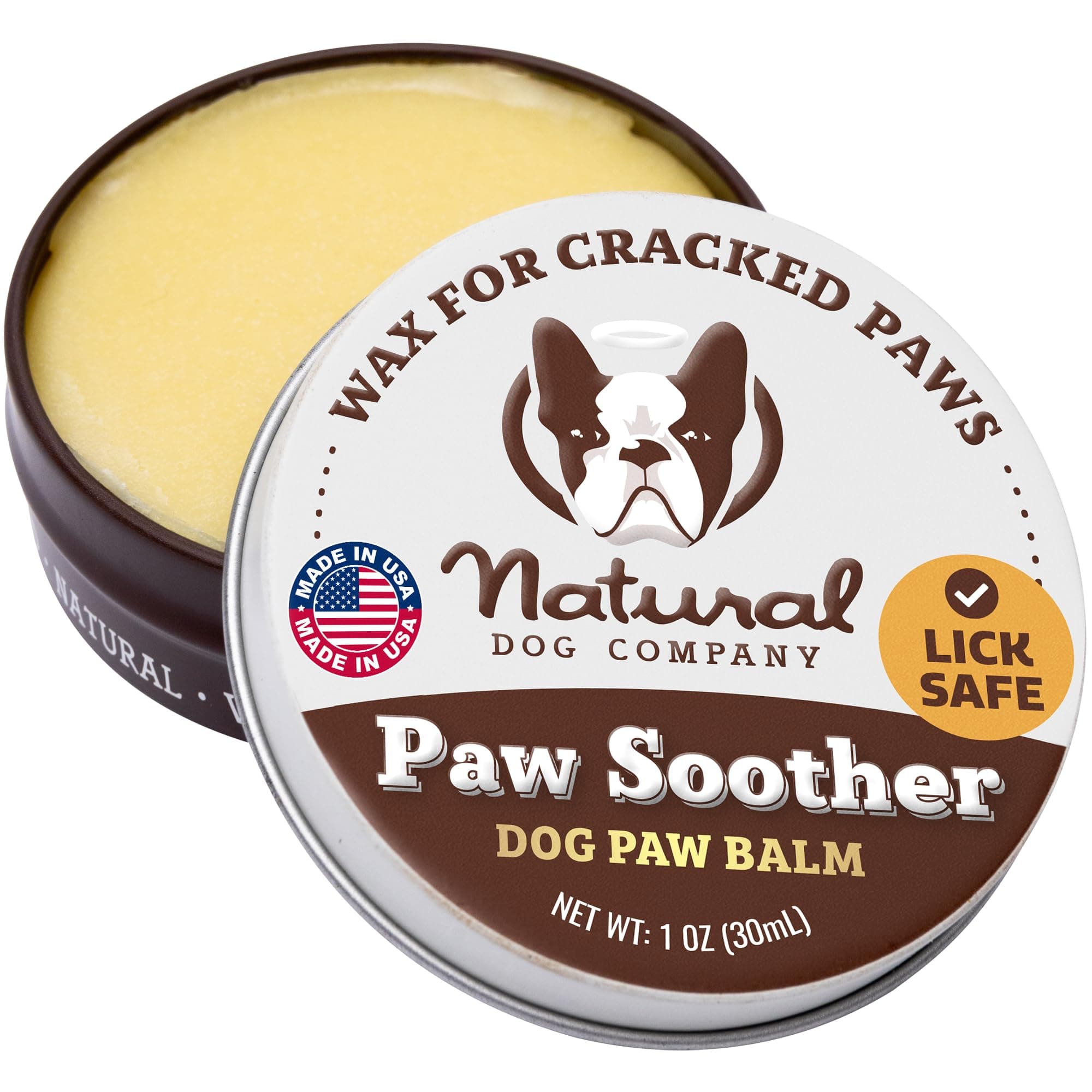
Natural Dog Company Paw Soother Balm & Wax - Dog Paw Balm & Moisturizer for Dry, Cracked Paw Pads, Helps Moisturize & Condition Winter-Worn Paws, Coconut Oil & Calendula, Daily Paw Care, 1 oz Tin
Natural
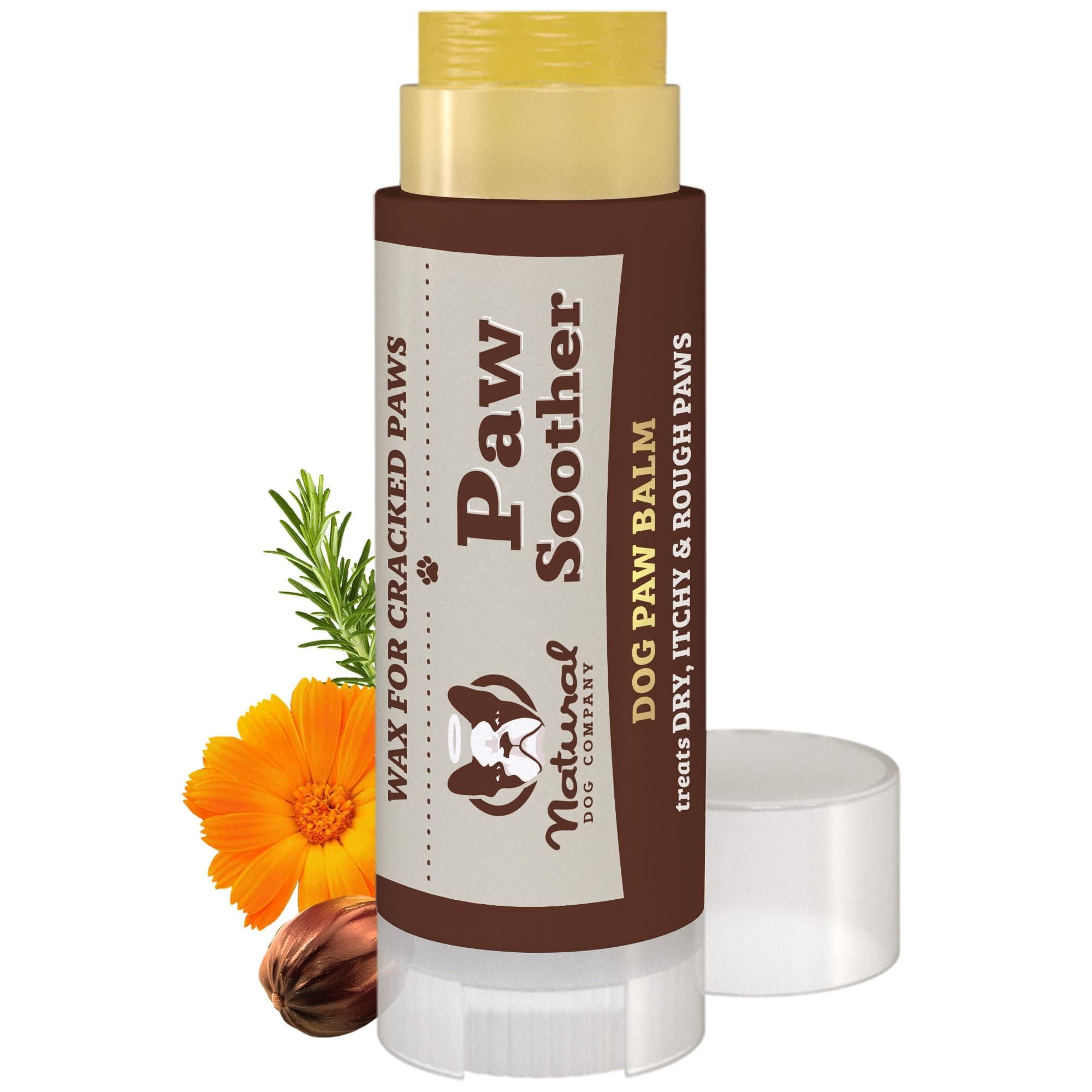
Natural Dog Company Paw Soother Balm & Wax - Dog Paw Balm & Moisturizer for Dry, Cracked Paw Pads, Helps Moisturize & Condition Winter-Worn Paws, Coconut Oil & Calendula, Daily Paw Care, 0.15 oz Stick
Natural
How to apply:
- Use a pea-sized amount per paw.
- Rub into the pad surface and edges.
- Wait 5–10 minutes before letting your dog walk around.
If your dog licks immediately, use a cone or booties for 15–30 minutes so the product can absorb.
Step 4: Prevent licking (this is non-negotiable)
Licking turns mild peeling into infection.
Best options:
- •E-collar (cone): most reliable.
- •Inflatable collar: works for some dogs, not all.
- •Recovery suit doesn’t help paws much.
If you can’t stop licking, home care won’t succeed—plan on a vet visit.
Step 5: Reduce abrasion while healing
- •Shorten walks for a few days.
- •Avoid hot pavement, rock salt, rough trails.
- •Stick to grass or smooth surfaces when possible.
Step 6: Use booties strategically
Booties are fantastic when used correctly—and a disaster when used wrong.
Good uses:
- •Outdoor protection from salt/heat/rough terrain
- •Temporary barrier over healing pads
Common mistakes:
- •Leaving booties on too long (moisture buildup)
- •Poor fit causing rubbing
- •Using them over a wet paw (creates maceration)
Bootie tips:
- •Choose breathable, grippy soles.
- •Check fit: snug but not tight, no toe cramping.
- •Remove and dry paws after walks.
Product Recommendations (and How to Choose the Right One)
Not every peeling pad needs the same product. Match the product to the problem.
For dryness and mild flaking
- •Burt’s Bees Paw & Nose Lotion: light hydration; good for daily use.
- •Natural Dog Company Paw Soother: heavier; better for cracking.
Choose these if:
- •No odor, no redness between toes, minimal licking.
For environmental protection (salt, snow, rough ground)
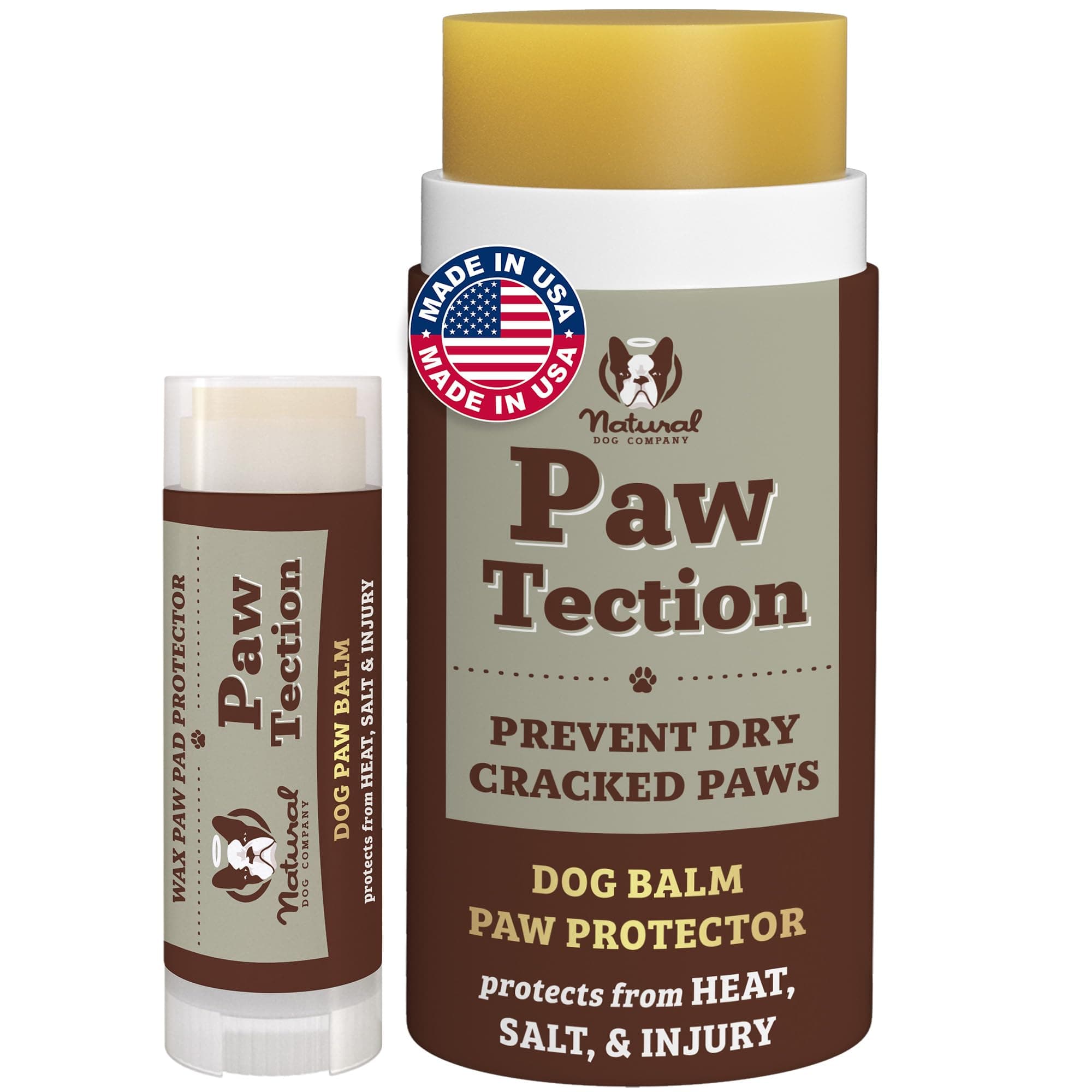
- •Musher’s Secret Paw Wax: creates a breathable barrier; excellent for winter walks.
Choose this if:
- •Peeling is triggered by outdoors, especially cold/salt.
For minor abrasions and superficial wounds
- •Vetericyn Plus (spray or gel): gentle antimicrobial support; good when you want “clean and heal” without harshness.
Choose this if:
- •Superficial raw spots or scuffed pads without deep tissue exposure.
For cleaning/rinsing after walks
- •A simple paw rinse cup can help remove salt and grit quickly.
- •Pet-safe wipes are convenient, but avoid heavily scented ones.
Comparison: wax vs. balm
- •Wax (barrier): best before walks; prevents damage.
- •Balm (repair): best after walks or bedtime; supports healing and moisture.
Common Mistakes That Make Paw Pads Peel Worse
If you only fix a few things, fix these.
1) Using human lotions or essential oils
Many contain fragrances, menthol, salicylic acid, or essential oils that irritate or can be toxic if licked.
2) Over-soaking
Too much soaking softens the pad and increases peeling (maceration). Keep soaks short and dry thoroughly.
3) Ignoring the “why”
If the cause is allergies or infection, balm alone is like putting chapstick on a fever blister—you may soothe it briefly, but it keeps coming back.
4) Letting your dog lick “just a little”
A little becomes a lot when you’re asleep. Licking is one of the fastest ways to turn mild peeling into a hot, infected paw.
5) Pulling off peeling skin
Don’t peel it back like a hangnail. You can expose tender tissue and create a larger wound. If there’s a loose flap that’s catching, that’s a vet or groomer-style trim situation—done carefully with sterile tools.
When to See the Vet (and What They’ll Do)
Some paw issues need prescription help, diagnostics, or pain control.
Make a vet appointment within 24–48 hours if:
- •Peeling persists beyond 3–5 days despite good home care
- •Recurrent peeling (keeps happening monthly/seasonally with inflammation)
- •Significant redness between toes
- •Odor, greasy residue, or discharge
- •Your dog is licking constantly
Same-day/urgent vet if:
- •Deep cracks, bleeding, limping, or visible blistering
- •Swollen paw, suspected foreign body, or draining tract
- •Multiple paws suddenly affected with systemic signs (fever, lethargy)
What your vet may recommend
Depending on the exam, your vet might do:
- •Cytology (tape/impression smear) to check for yeast/bacteria
- •Skin scraping if parasites suspected
- •Culture for stubborn infections
- •Allergy management plan (meds, diet trial, paw hygiene routine)
Possible treatments:
- •Topical antifungal/antibacterial wipes, mousse, or sprays
- •Oral antibiotics/antifungals if severe
- •Anti-itch meds (like Apoquel/Cytopoint) if allergies are driving licking
- •Pain relief and protective bandaging for burns or deep abrasions
- •Guidance on booties and activity restriction
Bring photos of the paws from day 1 to now—progression is diagnostic gold.
Scenario Guides: What to Do in the Most Common Real-Life Situations
Scenario A: “My dog’s pads are peeling after a long hike”
Likely: friction abrasion + dryness
What to do:
- Rinse, dry.
- Apply paw balm at bedtime.
- Use booties for the next few outings.
- Gradually condition paws—shorter hikes, build duration.
Breed note: Australian Shepherds and Labs often push through pain; watch for subtle gait changes.
Scenario B: “Pads peeling + corn chip smell + constant licking”
Likely: yeast overgrowth (often allergy-related)
What to do:
- Book a vet visit soon (cytology helps confirm).
- Start daily paw rinsing/drying routine.
- Prevent licking with an e-collar.
- Ask your vet about antifungal wipes/mousse and allergy control.
Breed note: Bulldogs, Westies, and Goldens are frequent repeat customers for this pattern.
Scenario C: “Sudden peeling after hot day on pavement”
Likely: thermal burn
What to do:
- Stop walks on hot surfaces immediately.
- Rinse with cool (not ice-cold) water.
- Keep paws clean, dry, and protected from licking.
- Vet same day if blistering, limping, or raw tissue.
Scenario D: “Only one paw is peeling and swollen between toes”
Likely: foreign body or interdigital furuncle
What to do:
- Inspect gently for a visible seed/thorn.
- Do not dig deep with tweezers.
- Vet visit—these often need antibiotics, anti-inflammatories, or removal.
Step-by-Step Prevention Plan (So This Doesn’t Keep Happening)
If your dog’s paw pads peel more than once, prevention will save you money and your dog discomfort.
Daily/after-walk routine (2 minutes)
- Quick rinse or wipe to remove grit/salt/pollen.
- Dry between toes.
- Check for new cracks, redness, or debris.
Weekly paw maintenance
- •Trim hair between paw pads (especially in Poodles, Doodles, Shih Tzus, Spaniels) to reduce matting and moisture trapping.
- •Keep nails at a healthy length; long nails change gait and increase pad pressure.
Seasonal strategies
- •Winter: apply Musher’s Secret before walks; rinse salt afterward.
- •Summer: avoid midday pavement; walk early/late; consider booties on hot ground.
- •Allergy season: increase paw rinsing frequency; ask your vet about proactive allergy control.
Conditioning pads safely
Pads toughen gradually with controlled exposure:
- •Start with shorter walks on varied surfaces.
- •Increase distance/time 10–20% per week.
- •Use booties during the “build-up” phase if your dog is sensitive.
Pro-tip: Tough pads come from consistent exposure, not one huge adventure. “Weekend warrior” dogs get the most pad injuries.
FAQs About Dog Paw Pads Peeling
Is it normal for dog paw pads to peel?
Mild surface flaking can be normal, especially after rough activity or dry weather. Deep peeling, pain, bleeding, or persistent licking is not normal and should be evaluated.
Should I trim off the peeling skin?
Don’t pull it. If a flap is catching and your dog is uncomfortable, it’s safer to have a vet or experienced groomer address it. Removing too much exposes sensitive tissue.
Can I use Vaseline?
A tiny amount can act as a barrier, but it’s messy, easily licked, and doesn’t “heal” the underlying cause. Pet-specific balms tend to be better tolerated and more effective.
How long should healing take?
- •Mild peeling: often improves in 2–7 days with good protection and moisture.
- •Burns/infections/allergy-driven cases: can take weeks and may require prescription treatment.
Bottom Line: Treat the Cause, Protect the Pad
Dog paw pads peeling is usually a clue that the paws are getting overworked, dried out, irritated, or infected. You’ll make the fastest progress when you:
- •Identify the trigger (heat, salt, friction, allergies, infection)
- •Keep paws clean and dry
- •Use the right product (barrier wax vs. repair balm vs. antimicrobial support)
- •Prevent licking and reduce abrasion while healing
- •Get a vet involved quickly when there’s pain, odor, discharge, deep damage, or recurrence
If you tell me your dog’s breed, age, where you live (climate), and what the pads look/smell like (plus whether there’s limping), I can help you narrow down the most likely cause and a tight plan for the next 72 hours.
Topic Cluster
More in this topic
guide
How to Heal Cracked Dog Paw Pads: Safe Home Steps
guide
Cracked Cat Paw Pads Treatment: Causes, Home Care & Vet Signs
guide
How to protect dog paws from hot pavement: prevent paw burns
guide
Dog Paw Burn Hot Pavement First Aid: Prevent & Treat Fast
guide
Dog Paw Pad Cut Treatment: Clean, Bandage, Protect
guide
Cracked Dog Paw Pads Home Treatment: Vet Red Flags to Know
Frequently asked questions
Is it normal for dog paw pads to peel?
Mild surface flaking can be normal after rough play, hot pavement, or seasonal dryness. Peeling that is deep, painful, bleeding, or causes limping is not normal and should be checked.
What can I do at home for peeling paw pads?
Rinse paws with lukewarm water, gently pat dry, and limit walking on hot, icy, or chemically treated surfaces. If your dog is licking or the pad looks raw, use a protective bootie or light wrap and contact your vet for guidance.
When should I take my dog to the vet for peeling paw pads?
See a vet urgently if there is bleeding, swelling, pus, a foul odor, severe pain, or limping, or if multiple paws are affected. Also book a visit if peeling persists more than a few days or keeps recurring despite avoiding irritants.
