

guide • Paw Care
Dog Paw Pad Cracks Home Treatment: Heal & Prevent
Cracked paw pads can be painful and invite infection. Learn safe home care, prevention habits, and the warning signs that mean it’s time to call your vet.
By PetCareLab Editorial • March 7, 2026 • 12 min read
Table of contents
- Dog Paw Pad Cracks: What They Look Like (and Why They Matter)
- Why Dog Paw Pads Crack: The Most Common Causes
- Environmental causes (most common)
- Medical and lifestyle causes
- Breed and body-type factors (examples)
- Quick At-Home Assessment: How Serious Is It?
- You can usually start home care if:
- Treat as urgent (call your vet same day) if you see:
- Emergency now if:
- Dog Paw Pad Cracks Home Treatment: Step-by-Step Plan
- Step 1: Clean the paw the right way (once daily, then as needed)
- Step 2: Inspect the crack closely (daily)
- Step 3: Apply a dog-safe paw balm (2–3x daily)
- Step 4: Protect the paw (especially outdoors)
- Step 5: Prevent licking (this is non-negotiable)
- Step 6: Adjust activity for 7–10 days
- When Home Treatment Isn’t Enough: Signs You Need a Vet
- Veterinary attention is recommended if:
- What your vet might do (so you know what to expect)
- Prevention That Actually Works (Not Just “Use Balm”)
- Build a simple paw-care routine
- Surface and weather strategies
- Nail and hair maintenance (surprisingly important)
- Nutrition and skin support
- Specific Scenarios + What to Do
- Scenario 1: Winter salt irritation (common city-dog problem)
- Scenario 2: Hot pavement burn mistaken for “cracks”
- Scenario 3: Allergy-driven cracks + yeast
- Scenario 4: Senior dog with chronic dry pads
- Common Mistakes That Make Cracked Pads Worse
- Expert Tips for Faster Healing (The Stuff That Actually Helps)
- Create “healing time” after balm
- Use protection strategically, not constantly
- Manage friction at home
- Keep a paw-first aid kit
- FAQ: Quick Answers Pet Parents Ask All the Time
- How long do cracked paw pads take to heal?
- Can I use Vaseline on my dog’s cracked paw pads?
- Should I trim off peeling pad skin?
- Are some dogs just “naturally” prone to cracked pads?
- The Bottom Line: A Practical Home Plan + Clear Vet Thresholds
Dog Paw Pad Cracks: What They Look Like (and Why They Matter)
Cracked paw pads can look minor—like dry skin on your hands—but they can quickly turn into a painful problem for your dog. Paw pads are built to be tough, yet they’re still living tissue with nerves and blood supply. When they crack, your dog can feel sharp pain with every step, and those tiny openings can let bacteria or yeast in.
Common ways cracked pads show up:
- •Fine surface lines (mild dryness) that don’t bleed
- •Deeper fissures you can see “open” when the pad spreads
- •Flaky edges or “peeling” pad tissue
- •Bleeding cracks or scabs at the center of the pad
- •Red, inflamed borders around the crack
- •Licking/chewing paws, limping, or refusing certain surfaces
Cracks also change how a dog walks. Even a small sore spot can cause subtle limping, shifting weight, and extra strain on joints—especially in older dogs or dogs with arthritis.
Why Dog Paw Pads Crack: The Most Common Causes
Before you jump into dog paw pad cracks home treatment, it helps to figure out what caused the problem. Treating dryness is very different from treating an infection, allergy, or burn.
Environmental causes (most common)
- •Winter salt and de-icers: These can dry pads and cause chemical irritation.
- •Hot pavement/sand: Heat injury can look like cracking, peeling, or “raw” pads.
- •Rough terrain: Hiking on rock, concrete runs, or long walks on abrasive surfaces.
- •Low humidity: Indoor heating can dry pads, just like it dries human skin.
Real scenario: A Labrador who normally walks on grass starts a new routine on sidewalks in winter. Within a week, you notice dry, rough pads and a tender limp after longer walks. That’s classic “season + surface” wear.
Medical and lifestyle causes
- •Allergies (environmental or food): Often paired with itchy feet, redness between toes, ear infections, or recurring skin issues.
- •Yeast or bacterial infection: Often smells “corn chip-y,” looks red and greasy, and the dog licks a lot.
- •Endocrine/metabolic issues: Hypothyroidism can contribute to dry skin overall.
- •Nutritional imbalance: Poor-quality diet or lack of essential fatty acids can worsen dryness.
- •Autoimmune/immune-mediated conditions: Less common, but can cause crusting, cracking, and recurrent pad injury.
- •Excess licking from anxiety/pain: Licking removes natural oils and keeps pads damp—both worsen cracking.
Breed and body-type factors (examples)
Some dogs are more prone because of anatomy, coat type, activity level, or allergies.
- •Bulldogs, French Bulldogs, Boxers: Higher allergy rates → more paw inflammation and secondary infections.
- •German Shepherds: Can be prone to allergy issues and recurrent interdigital irritation.
- •Labradors and Golden Retrievers: Active lifestyles + love of long walks/hikes = more wear; also common allergy sufferers.
- •Greyhounds/Whippets: Thin skin and less padding overall; cracks can be more painful faster.
- •Working breeds (Huskies, Aussies, Border Collies): High mileage + rough terrain → pad wear and fissures.
Quick At-Home Assessment: How Serious Is It?
Use this fast “triage” check to decide if home care is appropriate or if you should call your vet first.
You can usually start home care if:
- •The crack is superficial (no gaping, minimal pain)
- •No pus, foul smell, or spreading redness
- •Your dog is walking mostly normally
- •Licking is minimal and you can prevent it
Treat as urgent (call your vet same day) if you see:
- •Bleeding that won’t stop after 5–10 minutes of gentle pressure
- •Deep fissures (gaping cracks) or visible raw tissue
- •Swelling, heat, or increasing redness
- •Pus, yellow/green discharge, or strong odor
- •Limping, crying, or refusing to bear weight
- •Cracks plus fever, lethargy, or appetite change
Emergency now if:
- •Pad injury after hot pavement exposure with sloughing/peeling or raw pads
- •A suspected foreign body (thorn/glass) stuck in the pad
- •Rapid swelling of the foot, hives, facial swelling (allergic reaction signs)
Common mistake: Waiting too long because “it’s just dry.” Deep cracks act like tiny puncture wounds—perfect places for infection to set up.
Dog Paw Pad Cracks Home Treatment: Step-by-Step Plan
If your dog’s cracks are mild to moderate and you don’t see red-flag signs, here’s a practical home-care routine you can follow. Think of it like treating a painful, dry cut on your hand: clean, protect, moisturize, prevent re-injury.
Step 1: Clean the paw the right way (once daily, then as needed)
You’re removing irritants and lowering bacteria load without over-drying.
What to do:
- Rinse the paw with lukewarm water for 30–60 seconds.
- Use a mild, fragrance-free cleanser if there’s dirt or salt residue.
- Pat dry thoroughly—especially between toes.
Avoid:
- •Hydrogen peroxide or alcohol (delays healing and stings)
- •Human scented soaps (can irritate and dry)
Pro-tip: If winter salt is the culprit, a quick rinse after every walk prevents ongoing chemical “burn” and dryness.
Step 2: Inspect the crack closely (daily)
You’re watching for infection or embedded debris.
Check:
- •Is the crack deeper today?
- •Any bleeding, ooze, bad odor, or new redness?
- •Does your dog flinch when you touch it?
- •Any swelling between toes (common with allergies/yeast)?
If it’s worsening over 48 hours, don’t just keep moisturizing—get veterinary guidance.
Step 3: Apply a dog-safe paw balm (2–3x daily)
This is the core of dog paw pad cracks home treatment: restore moisture and flexibility so cracks stop splitting.
What you want in a paw balm:
- •Occlusive moisturizers (create a barrier)
- •Natural waxes/oils that won’t sting
- •Minimal fragrance and dyes
Solid product picks (widely used):
- •Musher’s Secret Paw Wax: Great barrier for cold weather and rough surfaces; protective and long-lasting.
- •Burt’s Bees for Dogs Paw & Nose Lotion: Lightweight moisturizing; good for mild dryness.
- •Natural Dog Company Paw Soother: Thicker balm; good for moderate dryness/cracks (monitor licking).
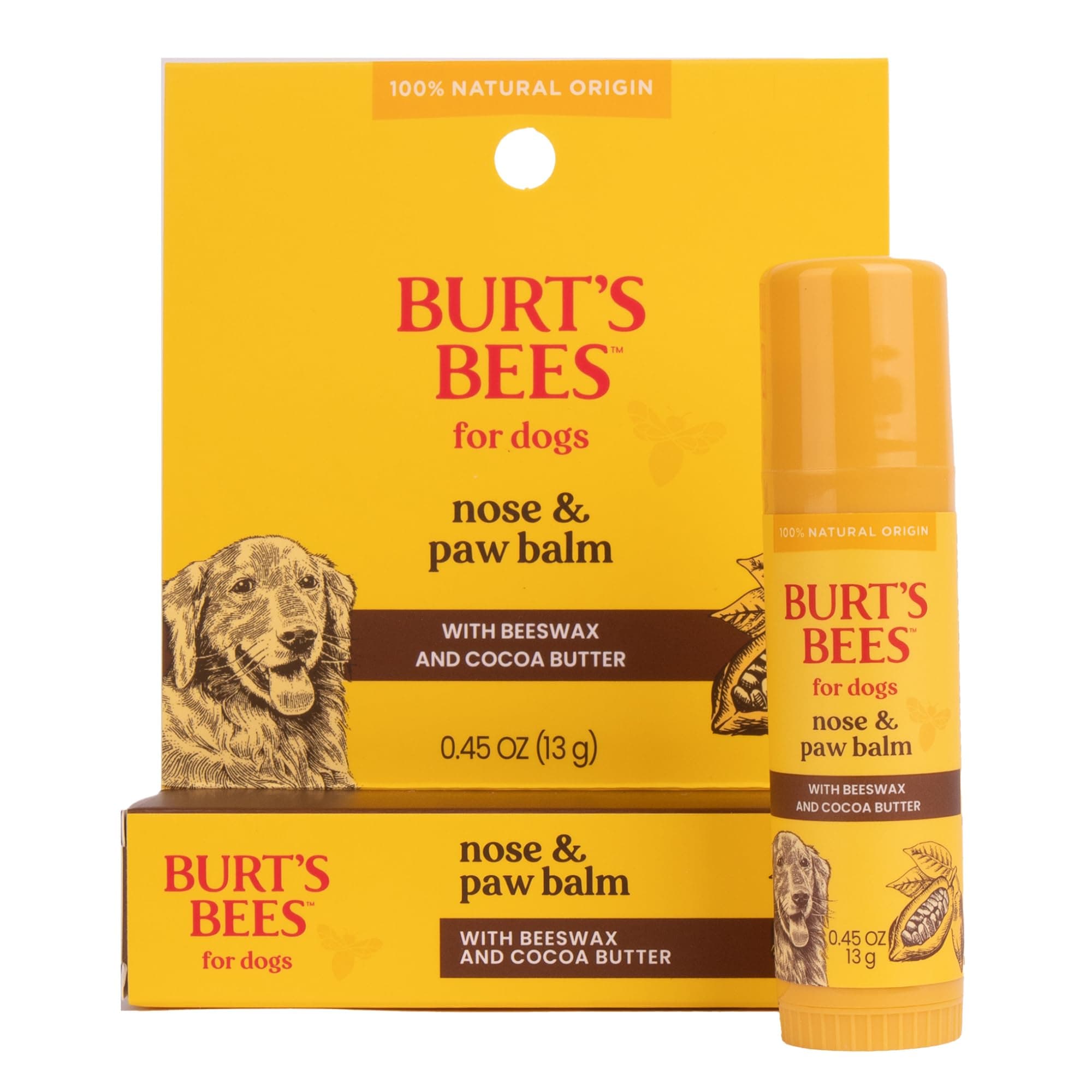
Burt's Bees for Pets Nose and Paw Balm with Beeswax and Cocoa Butter,100% Natural Origin Formulas, Dog Paw Pad Balm, Paw Moisturizer for Dogs, Dog Nose Balm
BURT'S BEES FOR PETS
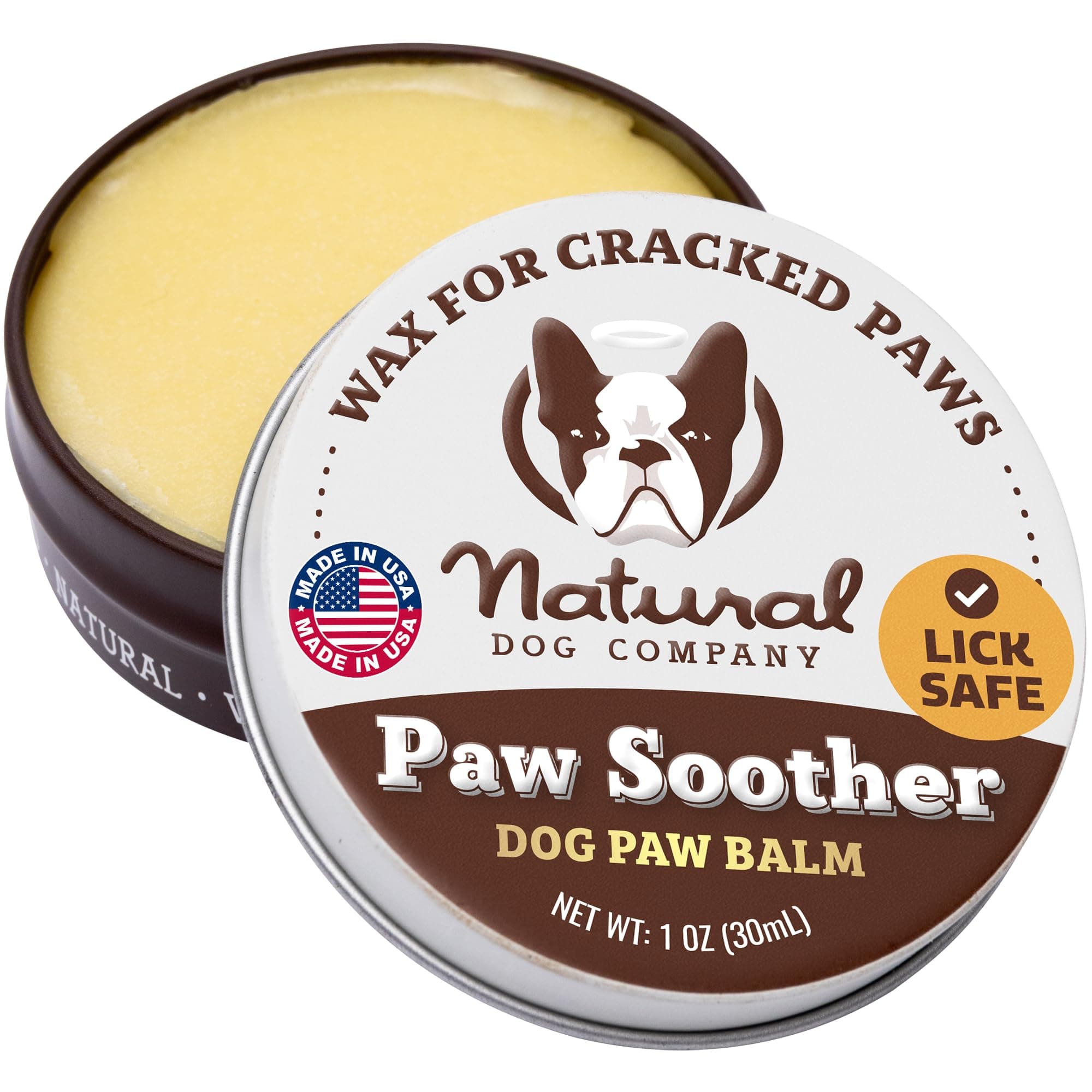
Natural Dog Company Paw Soother Balm & Wax - Dog Paw Balm & Moisturizer for Dry, Cracked Paw Pads, Helps Moisturize & Condition Winter-Worn Paws, Coconut Oil & Calendula, Daily Paw Care, 1 oz Tin
Natural
How to apply:
- Start with clean, dry pads.
- Warm a pea-sized amount between fingers.
- Massage into the pad and along crack edges for 30–60 seconds.
Common mistake: Slathering balm and letting the dog immediately lick it off. You want contact time.
Step 4: Protect the paw (especially outdoors)
Protection prevents the crack from “re-opening” each walk.
Options:
- •Dog boots (best for outdoor walks on hot pavement, salt, rough trails)
- •Paw wax as a barrier layer before walks (for dogs who hate boots)
- •Light bandage short-term (only if you can keep it clean/dry)
Boot comparison (practical):
- •Ruffwear (durable; good for hiking; better for medium/large dogs)
- •Pawz rubber boots (cheap; great for salt/wet; can tear on rough trails)
- •Canada Pooch or similar lined boots (good for winter warmth; check fit carefully)
Fit matters: Boots that rub cause new sores. If you see redness at the top of the boot line, stop and refit.
Step 5: Prevent licking (this is non-negotiable)
Licking keeps the pad wet and inflamed and can introduce bacteria.
Tools:
- •E-collar (most reliable)
- •Inflatable collar (some dogs can still reach feet)
- •Bitter deterrent (often unreliable; can irritate cracks)
Pro-tip: If you need balm to stay put, apply it right before a calm activity (crate time, chew toy session) so it absorbs.
Step 6: Adjust activity for 7–10 days
Healing pads need reduced “mileage.”
- •Swap long walks for short, frequent potty breaks
- •Use grass instead of concrete when possible
- •Avoid long runs, fetch on rough ground, or trail hikes until cracks close
Real scenario: A Border Collie with mild cracks keeps doing daily fetch on gritty asphalt. The cracks never heal because the pad keeps splitting. Switching to grass fetch + boots for walks often fixes it within 1–2 weeks.
When Home Treatment Isn’t Enough: Signs You Need a Vet
Cracked pads can be the “tip of the iceberg.” You want vet help when it’s not just dryness.
Veterinary attention is recommended if:
- •Crack is deep, bleeding, or your dog is limping
- •There’s odor, discharge, or persistent redness
- •No improvement after 3–5 days of good home care
- •Your dog has recurrent cracking (more than 2–3 episodes/year)
What your vet might do (so you know what to expect)
- •Check for foreign bodies and trim ragged edges safely
- •Prescribe topical antibiotics/antifungals if infection is present
- •Evaluate for allergies (especially if paws are chronically red/itchy)
- •Provide pain relief and anti-inflammatories when needed
- •Recommend medicated wipes or soaks for yeast/bacteria
- •In severe cases, bandaging instructions (bandages can cause harm if too tight or left on too long)
Common mistake: Using leftover human antibiotic ointment or steroid cream without guidance. Some ingredients can be harmful if licked, and steroids can worsen infections.
Prevention That Actually Works (Not Just “Use Balm”)
Preventing pad cracks is a combination of barrier protection, environmental management, and routine maintenance.
Build a simple paw-care routine
- •After walk rinse during winter salt season or beach trips
- •Weekly pad check: look for small splits before they become deep
- •2–4x/week paw balm for dogs prone to dryness (daily during extreme weather)
Surface and weather strategies
- •In summer, walk on cooler surfaces:
- •Early morning or late evening
- •Choose grass/dirt trails over asphalt
- •In winter, reduce salt exposure:
- •Walk on shoveled paths with minimal de-icer
- •Use boots or wax before the walk
- •Rinse after every walk
Pro-tip: If you can’t hold your palm on the pavement for 7 seconds comfortably, it’s too hot for paws.
Nail and hair maintenance (surprisingly important)
Overgrown nails change how the foot lands and can increase pad pressure and cracking.
- •Keep nails trimmed so they don’t click heavily on floors.
- •For fluffy-footed breeds (e.g., Shih Tzu, Poodle mixes, Golden Retrievers), trim hair between pads to reduce matting, trapped salt, and moisture.
Nutrition and skin support
If your dog’s skin is dry everywhere, you won’t fully fix pads with balm alone.
- •Feed a consistent, high-quality diet.
- •Ask your vet about omega-3 fatty acids (EPA/DHA) for skin barrier support—especially for allergy-prone breeds like Bulldogs, Retrievers, and Shepherds.
Specific Scenarios + What to Do
Scenario 1: Winter salt irritation (common city-dog problem)
Signs: Redness, frequent licking after walks, small cracks, gritty residue.
Plan:
- Boot up for walks or apply a wax barrier.
- Rinse paws immediately after every walk.
- Balm 2–3x daily for 1 week.
- Watch for infection if licking continues.
Scenario 2: Hot pavement burn mistaken for “cracks”
Signs: Sudden severe limp, pad looks peeled/raw, blisters, missing pad surface.
Plan:
- •This is not a home-balm situation.
- •Cool rinse (not ice), keep clean, prevent licking, and see a vet same day.
Scenario 3: Allergy-driven cracks + yeast
Signs: Red paws, brown staining, odor, greasy feel, constant licking; cracks keep recurring.
Plan:
- •Home balm helps comfort, but you likely need vet treatment (antifungal/antibacterial + allergy plan).
- •Ask about paws wipes/soaks and long-term allergy management.
Scenario 4: Senior dog with chronic dry pads
Signs: Thickened pads, shallow cracking, slower healing, mild tenderness.
Plan:
- •Gentle daily balm + boots on rough terrain
- •Shorter walks on softer surfaces
- •Vet check for underlying endocrine issues if skin dryness is widespread
Common Mistakes That Make Cracked Pads Worse
Avoid these and you’ll speed up healing dramatically.
- •Over-washing paws with harsh soap: strips oils and increases cracking.
- •Using human foot creams with strong fragrance, acids, or essential oils: can irritate and may be unsafe if ingested.
- •Letting the dog lick balm off: defeats the purpose and can cause GI upset with some products.
- •Ignoring boot fit: rubbing creates new wounds.
- •Pushing exercise too soon: cracks re-split and become chronic.
- •Bandaging incorrectly: tight wraps can cut off circulation; damp bandages cause infection.
Pro-tip: If you must bandage temporarily, it should be snug enough to stay on but loose enough to slip a finger under it—and it must stay clean and dry. When in doubt, skip the bandage and use boots + e-collar instead.
Expert Tips for Faster Healing (The Stuff That Actually Helps)
Create “healing time” after balm
Pads heal best when balm has time to absorb.
- •Apply balm, then do 10–20 minutes of calm time (crate, place mat, chew).
Use protection strategically, not constantly
- •Boots for outdoor exposure; barefoot indoors on clean floors.
- •Constant boot use indoors can trap moisture and worsen irritation.
Manage friction at home
If you have slick floors (hardwood/tile), dogs can splay and stress pads.
- •Add runners or rugs in high-traffic paths.
Keep a paw-first aid kit
Useful items:
- •Dog-safe paw balm/wax
- •Saline rinse
- •Non-stick gauze pads (for emergencies)
- •Vet wrap (used carefully)
- •E-collar
- •Dog boots for weather extremes
FAQ: Quick Answers Pet Parents Ask All the Time
How long do cracked paw pads take to heal?
Mild cracks often improve in 3–7 days with good home care. Deeper fissures may take 2–3 weeks, especially if your dog is very active. If there’s no clear improvement in 3–5 days, consider a vet visit.
Can I use Vaseline on my dog’s cracked paw pads?
A tiny amount of plain petroleum jelly can act as a barrier, but it’s slippery and dogs often lick it off. A dog-specific paw balm is usually better because it’s designed for safer licking and better staying power.
Should I trim off peeling pad skin?
Don’t cut or peel it at home. You can accidentally create a larger wound or cause bleeding. If there are hanging flaps, a vet can trim them safely.
Are some dogs just “naturally” prone to cracked pads?
Yes—especially active dogs, allergy-prone breeds, and dogs exposed to extreme weather or rough surfaces. But frequent cracking should still prompt you to check for underlying issues like allergies or infection.
The Bottom Line: A Practical Home Plan + Clear Vet Thresholds
For most mild cases, dog paw pad cracks home treatment works best when you do four things consistently: clean gently, moisturize with a dog-safe balm, protect from rough/hot/salty surfaces, and prevent licking. Cracks that are deep, infected-looking, or not improving quickly deserve veterinary attention—because the sooner you treat pain and infection, the faster your dog gets comfortable again.
If you want, tell me:
- •your dog’s breed/age,
- •what the pads look like (dry lines vs deep fissures vs peeling),
- •and your climate/surfaces (hot pavement, winter salt, hiking),
and I’ll suggest a tailored 7-day home plan (plus the exact “go to the vet” signs to watch for in your situation).
Topic Cluster
More in this topic
guide
How to Heal Cracked Dog Paws: Causes, Fixes & Prevention
guide
Dog Paw Pads Peeling: Causes, Home Care, and Vet Signs
guide
Hot Pavement Dog Paws Temperature Chart + Safe Walk Tips
guide
How to Protect Dog's Paws From Hot Pavement (Avoid Burns)
guide
Cracked Dog Paw Pads Treatment: Causes, Care, Prevention
guide
How to Stop Dog Licking Paws at Night: Checklist & Causes
Frequently asked questions
What can I do at home for dog paw pad cracks?
Clean the paw with lukewarm water, gently pat it dry, and apply a pet-safe paw balm. Limit rough-surface walks and use booties or socks to protect the pad while it heals.
How do I prevent my dog's paw pads from cracking again?
Keep nails and paw hair trimmed, moisturize with a dog-safe balm during dry weather, and avoid hot pavement, ice melt, and rough terrain when possible. Rinse paws after walks to remove salt, sand, and chemicals.
When should I take my dog to the vet for cracked paw pads?
See a vet if there is bleeding that won’t stop, deep splits, swelling, pus, a bad odor, or your dog is limping or licking obsessively. Also go in if cracks keep coming back, as allergies, infection, or other skin issues may be involved.
