

guide • Paw Care
Cracked Dog Paw Pads Treatment: Causes, Care, Prevention
Learn what causes cracked paw pads, how to treat them safely at home, and when to see a vet to prevent pain, bleeding, and infection.
By PetCareLab Editorial • March 8, 2026 • 13 min read
Table of contents
- Cracked Dog Paw Pads: Causes, Treatment, and Prevention
- What Cracked Paw Pads Look Like (And Why It Matters)
- Quick at-home severity check (60 seconds)
- Common Causes of Cracked Dog Paw Pads
- Environmental causes (most common)
- Mechanical wear (high-activity dogs)
- Medical causes (often overlooked)
- Grooming/product-related causes
- When to Treat at Home vs. When to See the Vet
- Cracked Dog Paw Pads Treatment: Step-by-Step Home Protocol
- Step 1: Inspect and rinse (don’t scrub)
- Step 2: Disinfect only if there are open cracks
- Step 3: Moisturize with a paw-safe balm (the right way)
- Step 4: Protect the paw so it can heal
- Step 5: Reduce activity briefly (yes, even if your dog is energetic)
- Step 6: Re-check daily and adjust
- Product Recommendations (And How to Choose)
- Paw balm vs. paw wax vs. boots: quick comparison
- Paw balm picks (what to look for)
- Boots worth considering (fit matters more than brand)
- Paw cleaning products
- Treating Specific Situations (Real-World Scenarios)
- Scenario 1: Winter salt cracks (urban walks)
- Scenario 2: Hot pavement burn → peeling → cracking
- Scenario 3: Chronic cracking + paw licking (allergy pattern)
- Common Mistakes That Delay Healing
- Expert Tips to Speed Up Recovery
- Nail length matters more than most people realize
- Prevention: A Simple Paw Care Routine That Actually Works
- Daily (30–60 seconds)
- 2–3 times per week
- Weekly
- Seasonal upgrades
- Special Breed Considerations (Who’s More at Risk)
- High-energy athletes
- Allergy-prone breeds
- Northern breeds and keratin issues
- Senior dogs
- Frequently Asked Questions About Cracked Dog Paw Pads Treatment
- How long do cracked paw pads take to heal?
- Can I use coconut oil or Vaseline?
- Do I need to bandage a cracked paw pad?
- My dog keeps licking—what can I do?
- When Cracks Keep Coming Back: Getting to the Root Cause
- Bottom Line
Cracked Dog Paw Pads: Causes, Treatment, and Prevention
Cracked paw pads can look minor, but they can quickly turn into painful splits, bleeding, limping, and infections—especially if your dog keeps walking on rough surfaces. The good news: most cases respond well to smart home care, and the rest need timely vet support. This guide focuses on cracked dog paw pads treatment you can actually follow, plus how to prevent it from coming back.
What Cracked Paw Pads Look Like (And Why It Matters)
A healthy paw pad should be slightly textured, flexible, and tough—like a good hiking boot sole. When pads get too dry or damaged, they can develop:
- •Dry, rough “sandpaper” texture
- •Flaking or peeling edges
- •Shallow surface cracks
- •Deep fissures (can bleed, hurt, or trap dirt)
- •Swelling or redness between toes
- •Licking/chewing paws or limping after walks
Why it matters: paw pads are weight-bearing skin. A crack is basically a doorway for bacteria and debris. A small split can turn into pododermatitis (paw inflammation), a bacterial infection, or a yeast flare if moisture gets trapped.
Quick at-home severity check (60 seconds)
Look at each paw in good light:
- •Mild: dry + shallow lines, no bleeding, dog walks normally.
- •Moderate: visible cracks, mild tenderness, occasional licking, may avoid rough ground.
- •Severe: deep fissures, bleeding, swelling, pus/odor, obvious limping, won’t let you touch it.
If it’s moderate to severe, treat promptly—and don’t assume it’ll “toughen up” on its own.
Common Causes of Cracked Dog Paw Pads
Cracks usually happen from one of three buckets: environment, medical, or mechanical wear.
Environmental causes (most common)
- •Winter salt/ice melt chemicals: very drying; can also cause chemical burns.
- •Hot pavement/sand: causes burns that later peel and crack.
- •Low humidity / indoor heating: dries skin—especially in winter.
- •Rough terrain: gravel, rocky trails, desert ground.
Real scenario: A Labrador who’s fine all summer suddenly starts licking paws in January. The sidewalks are salted daily. Pads look dull and chalky with shallow cracks—classic winter dryness + salt exposure.
Mechanical wear (high-activity dogs)
- •Long hikes/runs on abrasive surfaces
- •Repeated fetch on concrete
- •Working dogs (K9s, agility, herding) doing lots of stop-start turns
Breed examples:
- •Border Collies and Australian Shepherds (high mileage, quick turns)
- •Belgian Malinois (intense training sessions)
- •Vizslas (thin skin + lots of running)
Medical causes (often overlooked)
Cracked pads can be a sign of something deeper, especially if it’s recurring.
- •Allergies (environmental or food): causes licking, inflammation, secondary infections.
- •Yeast or bacterial infections: greasy/odor, redness between toes, recurrent cracks.
- •Autoimmune/keratinization disorders: excessive crusting, thick pads, recurring fissures.
- •Hypothyroidism: dry skin, recurrent infections, dull coat.
- •Zinc-responsive dermatosis: more common in Northern breeds like Siberian Huskies, Malamutes.
- •Hyperkeratosis (overgrowth of keratin): “hairy” or thick pads; common in senior dogs and certain breeds.
Breed examples:
- •French Bulldogs and Bulldogs: prone to allergies and yeast—often paw-focused.
- •West Highland White Terriers: allergy-prone with chronic paw irritation.
- •Labradors: allergic dermatitis is common; cracked pads can be secondary to licking.
Grooming/product-related causes
- •Human lotions with fragrances, essential oils, or irritants
- •Over-bathing paws with harsh shampoos
- •Alcohol-based wipes used too frequently
If you’re cleaning paws daily, you need the right products and a moisturizing plan—or you’ll create the problem you’re trying to prevent.
When to Treat at Home vs. When to See the Vet
Home care is appropriate for mild cracking with no signs of infection and normal activity. You should see a vet promptly if you notice:
- •Bleeding, deep splits, or a flap of pad tissue
- •Limping or refusing walks
- •Swelling, heat, significant redness
- •Pus, bad odor, or moist “gooey” areas (often yeast/bacteria)
- •Foreign body suspicion (foxtail, thorn, glass)
- •Cracking that returns repeatedly despite good care (possible allergy/endocrine issue)
- •Your dog has diabetes, is immunocompromised, or is on steroids (infection risk)
Pro-tip: If your dog is licking the pads nonstop, treat that as a red flag. Licking can turn a mild crack into an infected hot spot fast.
Cracked Dog Paw Pads Treatment: Step-by-Step Home Protocol
This is the core “do this tonight” plan. The goal is to clean, protect, rehydrate, and prevent re-injury.
Step 1: Inspect and rinse (don’t scrub)
What you need:
- •Bowl of lukewarm water or a gentle paw rinse
- •Clean towel
- •Flashlight (optional but helpful)
How:
- Rinse the paw with lukewarm water to remove grit and salt.
- Pat dry thoroughly—especially between toes.
- Inspect for embedded debris, splinters, or tiny cuts.
Avoid: aggressive scrubbing, alcohol, hydrogen peroxide. They delay healing.
Step 2: Disinfect only if there are open cracks
If there’s a small open fissure (not actively bleeding), a gentle antiseptic is reasonable.
Good options:
- •Chlorhexidine diluted solution (common vet standard)
- •Povidone-iodine diluted to a “weak tea” color
How:
- Dab the crack area lightly.
- Let it air dry for a minute.
- Proceed to moisturizing/protection.
Avoid: essential oil “antiseptics” (tea tree oil is especially risky for pets).
Step 3: Moisturize with a paw-safe balm (the right way)
Paw pads need an occlusive barrier plus humectants/emollients to soften and seal cracks.
How to apply:
- Use a pea-sized amount per paw (more is not better).
- Warm it between fingers.
- Massage into the pad for 20–30 seconds, focusing on cracked zones and edges.
- Keep your dog from licking for 5–10 minutes.
Step 4: Protect the paw so it can heal
This is where most home treatment fails. Moisturizer alone doesn’t help if the dog walks on abrasive ground immediately afterward.
Protection options (choose one):
- •Dog boots (best for outdoor protection)
- •Paw wax for short walks
- •Light bandage + dog sock indoors (short periods only)
Boot rule: If your dog hates boots, start with one minute inside + treats. Build up gradually. Don’t force long walks on day one.
Pro-tip: After applying balm at night, put on a clean cotton sock and secure it with a snug (not tight) wrap above the ankle for 20–30 minutes while your dog relaxes. This boosts absorption and prevents licking.
Step 5: Reduce activity briefly (yes, even if your dog is energetic)
For moderate cracks, plan 48–72 hours of “soft surface only”:
- •Short potty walks on grass
- •No fetch on concrete
- •Skip rough trails until pads look supple again
Step 6: Re-check daily and adjust
- •Improvement signs: less licking, cracks look shallower, pad looks smoother, dog walks normally.
- •Worsening signs: redness spreads, discharge appears, crack widens/bleeds, limp starts.
If you don’t see noticeable improvement in 3–5 days, it’s time for a vet visit.
Product Recommendations (And How to Choose)
Not all “paw balms” are equal. You want something that’s safe if licked (some licking is inevitable) and effective.
Paw balm vs. paw wax vs. boots: quick comparison
- •Paw balm: best for healing and daily maintenance; not enough protection alone for rough terrain.
- •Paw wax: great for creating a temporary barrier against salt/ice and mild abrasion; not a deep healer.
- •Boots: best protection for hot pavement, salt, hiking; requires training.
Paw balm picks (what to look for)
Look for:
- •Beeswax or plant waxes (barrier)
- •Shea butter/coconut oil (emollients; be mindful if your dog is prone to licking/loose stool)
- •Minimal fragrance
- •Simple ingredient list
Commonly liked options (availability varies):
- •Musher’s Secret (more waxy barrier; great for winter/salt)
- •Natural Dog Company Paw Soother (more “balm” feel for moisturizing)
- •Burt’s Bees for Dogs Paw & Nose Lotion (lighter; good for mild dryness)
- •Bag Balm (some people use it; effective occlusive, but it’s strong-smelling and not specifically pet-formulated—use cautiously and prevent licking)
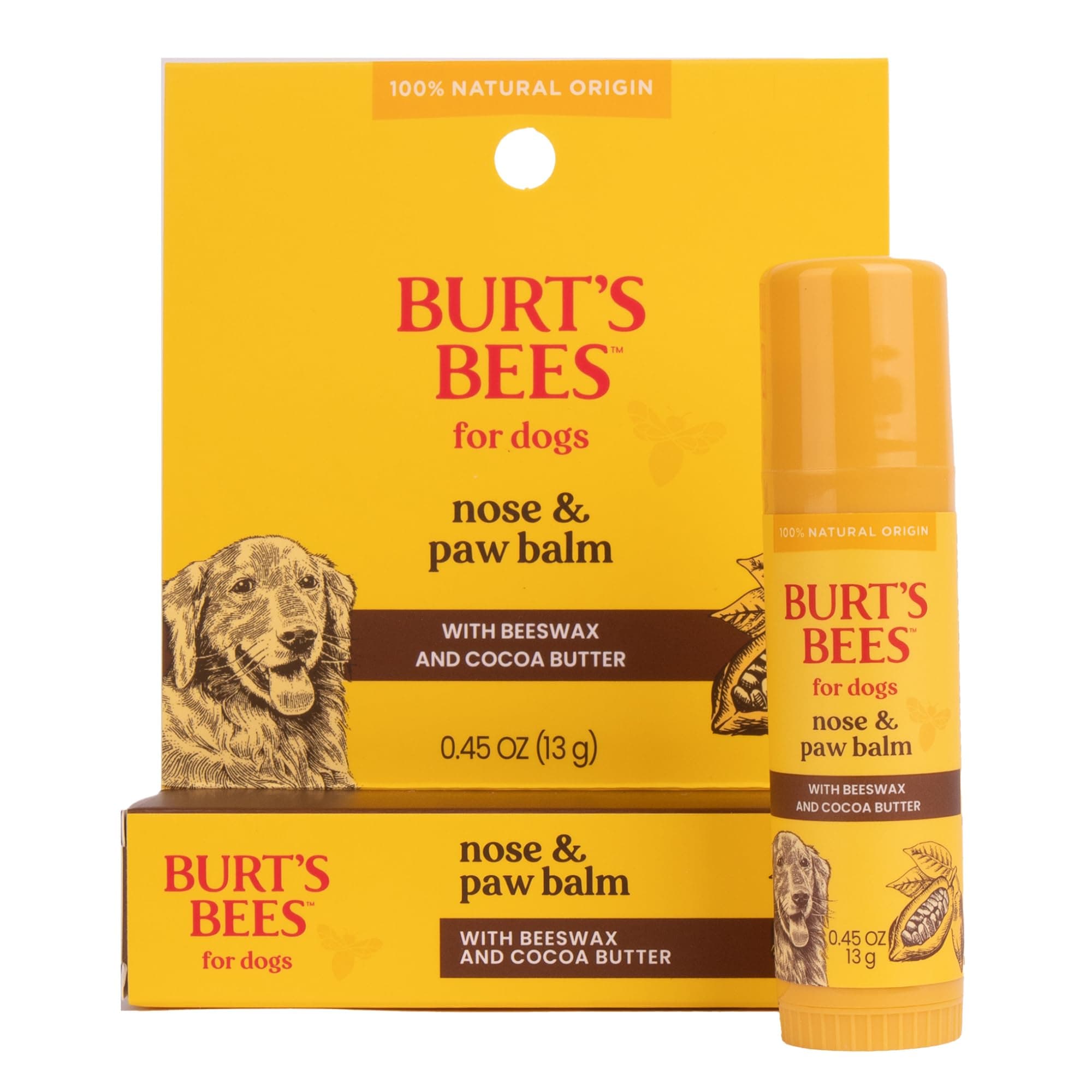
Burt's Bees for Pets Nose and Paw Balm with Beeswax and Cocoa Butter,100% Natural Origin Formulas, Dog Paw Pad Balm, Paw Moisturizer for Dogs, Dog Nose Balm
BURT'S BEES FOR PETS
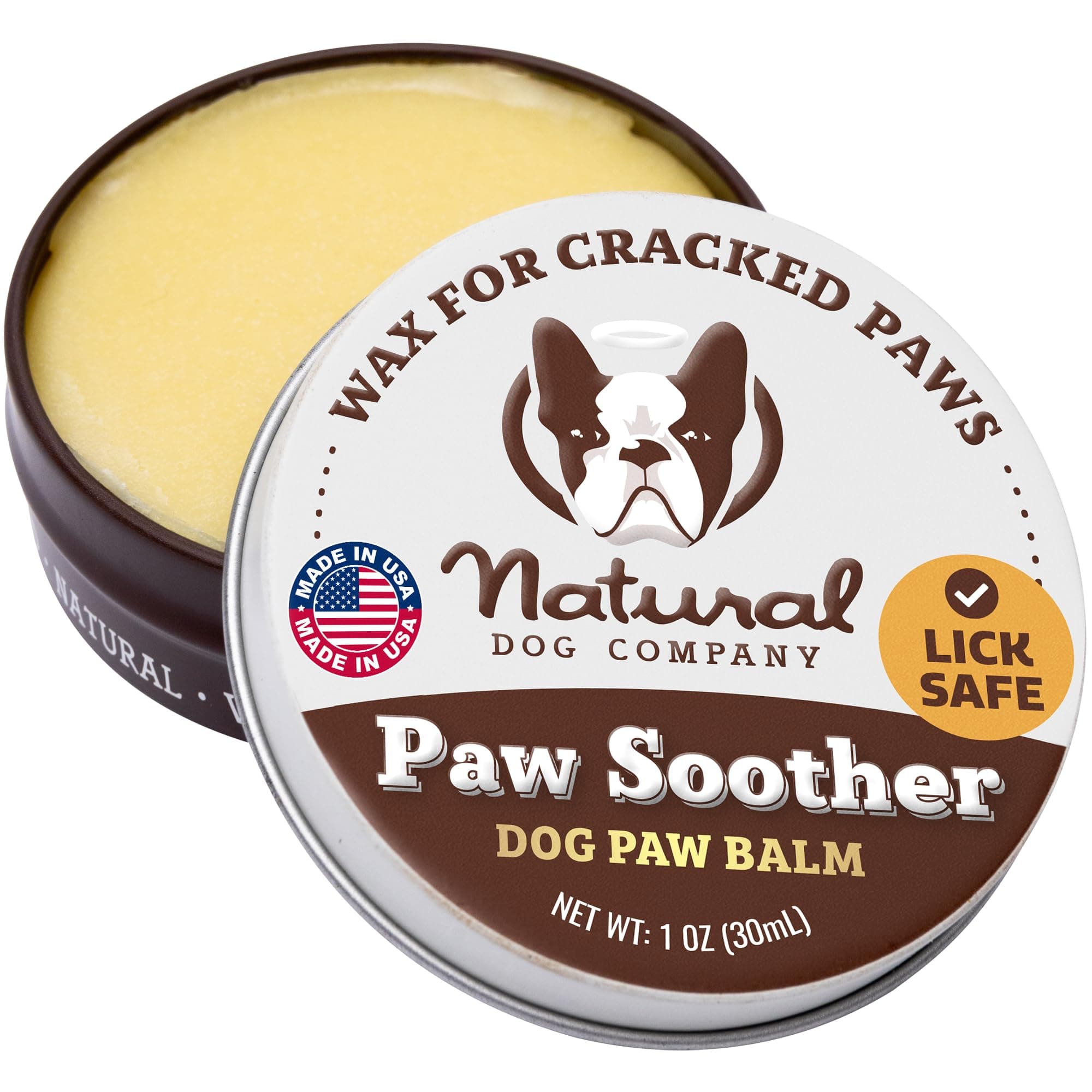
Natural Dog Company Paw Soother Balm & Wax - Dog Paw Balm & Moisturizer for Dry, Cracked Paw Pads, Helps Moisturize & Condition Winter-Worn Paws, Coconut Oil & Calendula, Daily Paw Care, 1 oz Tin
Natural
If your dog has allergies, pick the simplest formula and test on one paw first.
Boots worth considering (fit matters more than brand)
Fit tips:
- •Measure width while your dog is standing.
- •Prioritize a snug ankle strap and a flexible sole.
- •Start indoors to prevent panic-walking.
Popular styles:
- •Ruffwear boots (durable for hiking)
- •QUMY boots (often easier for casual protection)
Paw cleaning products
- •Fragrance-free pet wipes for quick post-walk cleanup
- •Diluted chlorhexidine wipes/solution if your vet has recommended it for recurrent paw issues
Avoid frequent use of harsh disinfectants unless infection is confirmed—over-disinfecting dries pads and can worsen cracking.
Treating Specific Situations (Real-World Scenarios)
Scenario 1: Winter salt cracks (urban walks)
Dog: 5-year-old Lab in Chicago, daily sidewalk walks Signs: chalky pads, shallow cracks, licking after walks
Plan:
- Before walks: apply a thin layer of paw wax or barrier balm.
- After walks: rinse paws + dry thoroughly.
- Nightly: apply balm + sock for 20 minutes.
- Add boots on the coldest/saltiest days.
Common mistake: only applying balm after the walk. For salt, pre-walk barrier is the game changer.
Scenario 2: Hot pavement burn → peeling → cracking
Dog: 2-year-old Boxer, summer jogs Signs: pads peeled, tender, reluctant to walk on warm surfaces
Plan:
- •Stop pavement runs until healed.
- •Keep pads clean and dry; use balm sparingly and protect from licking.
- •Use boots for any necessary outdoor time.
- •If blistered or raw: vet visit—burns can get infected quickly.
Rule of thumb: if you can’t hold your hand on the pavement for 7 seconds, it’s too hot for paws.
Scenario 3: Chronic cracking + paw licking (allergy pattern)
Dog: French Bulldog, recurring paw issues every spring/fall Signs: redness between toes, corn-chip odor, frequent licking, cracks keep returning
Plan:
- •Home care helps short-term, but you likely need:
- •Vet evaluation for allergies
- •Cytology testing for yeast/bacteria
- •Ongoing paw maintenance plan (medicated wipes/soaks + barrier)
- •Boots and balm alone won’t fix the underlying inflammation.
This is where “cracked dog paw pads treatment” becomes more than moisturizing—it becomes managing the reason the paws are inflamed.
Common Mistakes That Delay Healing
Avoid these and you’ll cut healing time significantly.
- •Using human moisturizers (fragrance, acids, essential oils, or zinc can irritate or be unsafe if ingested)
- •Letting the dog lick the balm off immediately
- •Skipping paw protection and continuing long walks on abrasive surfaces
- •Overusing disinfectants (daily chlorhexidine “just in case” can dry skin if not needed)
- •Ignoring the nails and fur: long nails change paw pressure; matted toe fur traps moisture and yeast
- •Waiting too long when there’s limping or discharge
Expert Tips to Speed Up Recovery
These are small tweaks that make a big difference.
Pro-tip: Apply balm when your dog is naturally calm—after dinner or right before bedtime. You’ll get better absorption and less licking.
Pro-tip: Trim hair between paw pads (carefully). Overgrown fur holds salt, mud, and yeast-friendly moisture against the skin.
Pro-tip: If your dog slips on hardwood while wearing socks/booties, use traction socks made for dogs and keep sessions short.
Nail length matters more than most people realize
When nails are too long, the paw spreads differently and pads take abnormal pressure—making cracks worse. If you hear nails clicking on hard floors, it’s time for a trim.
Prevention: A Simple Paw Care Routine That Actually Works
A good prevention plan is short, consistent, and tailored to your dog’s lifestyle.
Daily (30–60 seconds)
- •Quick paw check after walks
- •Rinse off salt/mud as needed
- •Dry between toes
2–3 times per week
- •Apply a thin layer of paw balm at night (more often in winter/desert climates)
- •Inspect for early cracks or redness
Weekly
- •Trim nails (or maintain them with a grinder)
- •Check toe webbing for redness/odor (yeast loves hidden moisture)
Seasonal upgrades
Winter:
- •Use boots or wax for salted sidewalks
- •Increase balm frequency
- •Keep a towel by the door for quick dry-offs
Summer:
- •Walk early/late
- •Avoid hot pavement
- •Use boots for beach sand or scorching sidewalks
Hiking season:
- •Condition gradually—don’t go from couch to 8 miles
- •Bring boots for rocky terrain
- •Pack a paw rinse and balm for after the hike
Special Breed Considerations (Who’s More at Risk)
Some dogs are simply more prone to paw issues due to anatomy, lifestyle, or skin tendencies.
High-energy athletes
- •Border Collie, Aussie, Malinois
- •Risk: mechanical wear, abrasions, torn pads
- •Prevention: boots for training on rough surfaces, gradual conditioning, post-session paw checks
Allergy-prone breeds
- •French Bulldog, English Bulldog, Westie, Labrador
- •Risk: licking → inflammation → secondary infection → cracking
- •Prevention: manage allergies with your vet; use gentle paw cleaning and protective balm
Northern breeds and keratin issues
- •Husky, Malamute
- •Risk: possible zinc/keratinization problems; dry, crusty pads
- •Prevention: vet guidance if persistent; don’t just “balm harder”
Senior dogs
- •Risk: reduced skin elasticity, slower healing, hyperkeratosis
- •Prevention: consistent moisturizing, shorter walks on softer ground, regular nail care
Frequently Asked Questions About Cracked Dog Paw Pads Treatment
How long do cracked paw pads take to heal?
- •Mild dryness: often improves in 3–7 days with balm + protection.
- •Moderate cracks: 1–3 weeks, depending on activity level and protection.
- •Deep fissures/infections: may need vet meds and longer recovery.
Can I use coconut oil or Vaseline?
- •Coconut oil: okay for some dogs, but it’s easy to lick off and can cause GI upset if ingested in quantity. Better as an ingredient in a pet balm than as the only solution.
- •Vaseline/petroleum jelly: effective barrier, but very lickable. If you use it, use a tiny amount and prevent licking.
Do I need to bandage a cracked paw pad?
Bandaging can help short-term protection, but it can also trap moisture and cause skin maceration if left on too long. If you bandage:
- •Keep it clean and dry
- •Change it at least daily
- •Don’t wrap too tight
- •Use it as a short bridge until boots or rest can protect the paw
If you’re unsure, boots are often safer than amateur bandaging.
My dog keeps licking—what can I do?
- •Use a cone (E-collar) temporarily
- •Try distraction: lick mat, chew, training session
- •Apply balm right before downtime and use a sock briefly
- •If licking is obsessive, it’s often allergy or infection-related—get it checked
When Cracks Keep Coming Back: Getting to the Root Cause
If you’ve done solid home care and the cracks recur, think “pattern”:
- •Seasonal recurrence: allergies or environmental dryness
- •Only after certain walks: abrasive terrain, salt route, hot pavement
- •With odor/redness: yeast/bacterial infection
- •With overall dry skin and lethargy: consider thyroid screening (vet decision)
A vet can do quick, simple tests (like skin cytology) that turn guesswork into targeted treatment.
Bottom Line
Effective cracked dog paw pads treatment is a mix of:
- •Cleaning and gentle antisepsis when appropriate
- •Consistent, paw-safe moisturizing
- •Real protection (boots/wax/rest) so cracks can close
- •Identifying underlying drivers like allergies or infection when it’s recurrent
If you tell me your dog’s breed, typical walking surface (sidewalk, trail, yard), and what the cracks look like (dry lines vs deep splits vs redness/odor), I can suggest a tighter, more personalized routine and product approach.
Topic Cluster
More in this topic
guide
How to Heal Cracked Dog Paws: Causes, Fixes & Prevention
guide
Dog Paw Pads Peeling: Causes, Home Care, and Vet Signs
guide
Hot Pavement Dog Paws Temperature Chart + Safe Walk Tips
guide
How to Protect Dog's Paws From Hot Pavement (Avoid Burns)
guide
How to Stop Dog Licking Paws at Night: Checklist & Causes
guide
Dog Licking Paws Constantly? Home Checklist & When to Vet
Frequently asked questions
What causes cracked dog paw pads?
Dry weather, hot pavement, ice melt chemicals, rough terrain, and excessive licking can dry and damage paw pads. Allergies, infections, or underlying skin conditions can also contribute to repeated cracking.
How do I treat cracked dog paw pads at home?
Gently clean the paw, keep it dry, and apply a dog-safe paw balm or moisturizer to soften and protect the pad. Limit rough-surface walks and consider a bootie or light bandage to prevent further splitting.
When should I take my dog to the vet for cracked paw pads?
See a vet if there is bleeding that won’t stop, deep splits, swelling, pus, foul odor, or limping. Persistent cracking despite home care may signal infection, allergy, or another condition that needs prescription treatment.
