

guide • Paw Care
Cracked Dog Paw Pads Home Treatment: Balm Tips & Vet Red Flags
Learn safe cracked dog paw pads home treatment, soothing balm and bandage tips, and warning signs that mean your dog needs a vet visit.
By PetCareLab Editorial • March 10, 2026 • 13 min read
Table of contents
- Cracked Dog Paw Pads: What’s Normal, What’s Not, and Why It Happens
- Quick At-Home Assessment: 5 Minutes That Can Save You a Vet Visit (or Prompt One)
- Step 1: Check walking and pain level
- Step 2: Clean and inspect in good light
- Step 3: Sniff test + skin clues
- Step 4: Check for heat damage or chemical irritation
- Step 5: Compare all four feet
- Cracked Dog Paw Pads Home Treatment: Step-by-Step Plan That Actually Works
- Step 1: Gentle cleansing (once daily, more if muddy/salty)
- Step 2: Dry thoroughly (this matters more than people think)
- Step 3: Apply a paw balm correctly (thin layer, not a greasy glob)
- Step 4: Protect the paw while it heals
- Step 5: Reduce exposure to the trigger for 7–10 days
- Step 6: Re-check daily
- Paw Balm Tips: What to Buy, What to Avoid, and How to Choose
- What makes a balm effective?
- Product recommendations (solid, widely used options)
- Balm comparisons (quick guide)
- Ingredients to avoid (or use with caution)
- Real Scenarios + Breed Examples: What I’d Do in Each Case
- Scenario 1: The Husky in winter (salt + ice)
- Scenario 2: The Greyhound with naturally delicate skin
- Scenario 3: The French Bulldog with allergies (licking as the real culprit)
- Scenario 4: The trail-running Labrador (abrasion + overuse)
- Step-by-Step: Cleaning, Soaking, and Wrapping (Without Causing New Problems)
- Gentle soak (optional, 3–5 minutes)
- Light wrapping (short-term only)
- Common Mistakes That Make Cracked Pads Worse
- Prevention: How to Toughen Pads Safely (Without Causing Cracks)
- Build terrain tolerance gradually
- Use barrier protection strategically
- Keep nails and fur managed
- Nutrition supports skin integrity
- Vet Red Flags: When Home Treatment Isn’t Enough
- Go to the vet urgently (same day or emergency) if:
- Schedule a vet appointment soon if:
- A Simple 7-Day Home Care Schedule (Practical and Repeatable)
- Days 1–3: Calm inflammation and protect
- Days 4–7: Rebuild durability
- FAQ: Fast Answers to Common Paw Pad Questions
- Should I use Vaseline on my dog’s cracked pads?
- Can cracked pads heal on their own?
- Are booties always necessary?
- How long does healing take?
- Bottom Line: The Most Effective “Cracked Dog Paw Pads Home Treatment”
Cracked Dog Paw Pads: What’s Normal, What’s Not, and Why It Happens
Cracked paw pads are one of those issues that can look minor but feel miserable for your dog. Paw pads are basically tough, rubbery “shoes” made of thickened skin and fat that protect nerves, bones, and joints from heat, cold, and rough terrain. When the pad surface dries out, gets abraded, or inflamed, it can split—sometimes just superficially, sometimes deep enough to bleed and hurt.
Here are the most common causes I see behind cracked dog paw pads:
- •Dryness + weather exposure: winter salt, summer heat, windy low-humidity climates.
- •Rough surfaces: hiking on sharp rock, long runs on abrasive asphalt, sand.
- •Chemical irritants: de-icers, lawn fertilizers, cleaners in garages/driveways.
- •Allergies (environmental or food): licking/chewing leads to inflammation and damage.
- •Yeast or bacterial infections: often with odor, redness between toes, greasy discharge.
- •Hormonal or skin conditions: hypothyroidism, autoimmune issues (less common, but important).
- •Nutritional factors: low-quality diet, fatty acid imbalance (can worsen skin barrier).
Real-world example: A Labrador who swims daily and then runs on hot concrete can end up with a “double-whammy”—pads soften from water exposure and then abrade faster on rough ground. A French Bulldog with allergies may crack pads because constant licking keeps pads inflamed and fragile.
If you’re looking for cracked dog paw pads home treatment, the key is to figure out whether you’re dealing with simple dryness/abrasion or something deeper (infection, foreign body, burn, allergy flare). The care plan differs.
Quick At-Home Assessment: 5 Minutes That Can Save You a Vet Visit (or Prompt One)
Before you reach for balm, take a quick look. You’re checking three things: depth, infection, and function.
Step 1: Check walking and pain level
Watch your dog walk on a flat surface.
- •Mild issue: normal gait, occasional licking, mild sensitivity.
- •Concerning: limping, refusing walks, lifting the paw, yelping when pad touched.
Step 2: Clean and inspect in good light
Rinse with lukewarm water, pat dry, then look closely.
- •Is the crack superficial (surface lines) or deep (split you can “see into”)?
- •Any bleeding?
- •Any embedded grit, thorn, or sharp edge?
- •Is there swelling between toes?
Step 3: Sniff test + skin clues
This sounds funny, but it works:
- •Yeasty smell (corn chips) + redness = often yeast overgrowth.
- •Foul odor + discharge = bacterial infection possible.
Step 4: Check for heat damage or chemical irritation
- •Heat burns often show blistering, raw areas, or peeled pad surface.
- •Chemical irritation may cause red, angry skin, sudden licking after a walk, or multiple paws affected.
Step 5: Compare all four feet
If only one paw is affected, think: foreign body, localized injury, nail issue. If multiple paws are cracked, think: environment, allergies, de-icers, systemic skin issue.
Pro-tip: Take a clear photo today. If things worsen, that “before” picture helps you (and your vet) judge progression.
Cracked Dog Paw Pads Home Treatment: Step-by-Step Plan That Actually Works
For mild-to-moderate cracking (no deep bleeding, no obvious infection, dog can walk), you can do supportive care at home. The goal is: clean → protect → moisturize → prevent licking → reduce friction.
Step 1: Gentle cleansing (once daily, more if muddy/salty)
Use one of these:
- •Warm water rinse after walks
- •Saline rinse (store-bought sterile saline or homemade: 1/2 tsp salt in 1 cup boiled then cooled water)
Avoid:
- •Hydrogen peroxide (delays healing)
- •Alcohol-based wipes (stings, dries skin)
- •Harsh soaps (strip oils)
Step 2: Dry thoroughly (this matters more than people think)
Moisture trapped between toes can trigger yeast.
- •Pat dry with a clean towel
- •Use a cool-setting hair dryer if your dog tolerates it
Step 3: Apply a paw balm correctly (thin layer, not a greasy glob)
Use a dog-safe paw balm to restore the skin barrier and reduce cracking.
How to apply:
- Warm a pea-sized amount between your fingers.
- Massage into the pad, especially the crack edges.
- Wait 5–10 minutes before letting your dog roam (or distract with a lick mat).
Step 4: Protect the paw while it heals
Options:
- •Dog booties (best for outdoor protection)
- •A breathable paw wrap for short periods indoors (only if dry and checked often)
- •Socks + dog booties combo for dogs who fling booties off
If your dog is a power-licker:
- •Use an E-collar or soft cone temporarily.
- •Licking removes balm and re-opens cracks.
Step 5: Reduce exposure to the trigger for 7–10 days
- •Shorten walks
- •Avoid hot pavement and salted sidewalks
- •Choose grass, packed dirt, or shaded trails
Step 6: Re-check daily
You should see:
- •Less redness in 48–72 hours
- •Less licking
- •Cracks looking less “sharp” at edges, more supple
If you don’t see improvement within 3–5 days, skip the “wait and see” and talk to your vet—there may be infection or allergy driving it.
Pro-tip: Healing accelerates when you treat paw care like wound care: clean, dry, protected, and not constantly re-injured by rough surfaces.
Paw Balm Tips: What to Buy, What to Avoid, and How to Choose
Not all balms are equal. A good one should moisturize, protect, and be safe if licked (because your dog will lick at least some).
What makes a balm effective?
Look for a combination of:
- •Occlusives (seal in moisture): beeswax, plant waxes
- •Emollients (soften and repair): shea butter, mango butter, coconut oil (some dogs react—test first)
- •Soothing agents: calendula, chamomile
- •Barrier support: vitamin E (tocopherol), natural oils in small amounts
Product recommendations (solid, widely used options)
These are popular in real-world paw care because they balance safety and performance:
- •Musher’s Secret: classic wax-based barrier balm; great for snow, salt, and hiking.
- •Natural Dog Company Paw Soother: rich balm for dryness/cracks; strong moisturizer feel.
- •Burt’s Bees for Dogs Paw & Nose Lotion: lighter, good for mild dryness, less “waxy shield.”
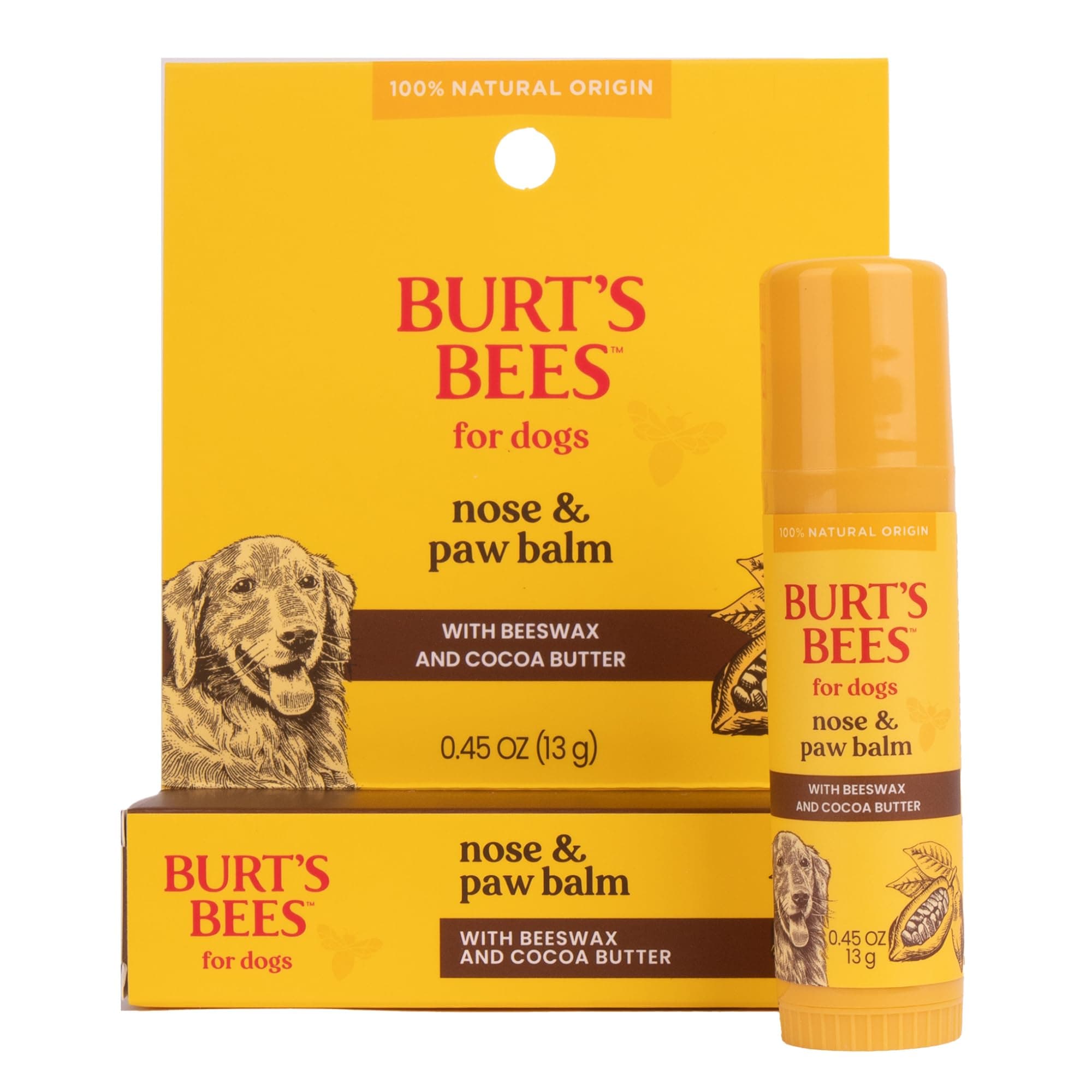
Burt's Bees for Pets Nose and Paw Balm with Beeswax and Cocoa Butter,100% Natural Origin Formulas, Dog Paw Pad Balm, Paw Moisturizer for Dogs, Dog Nose Balm
BURT'S BEES FOR PETS
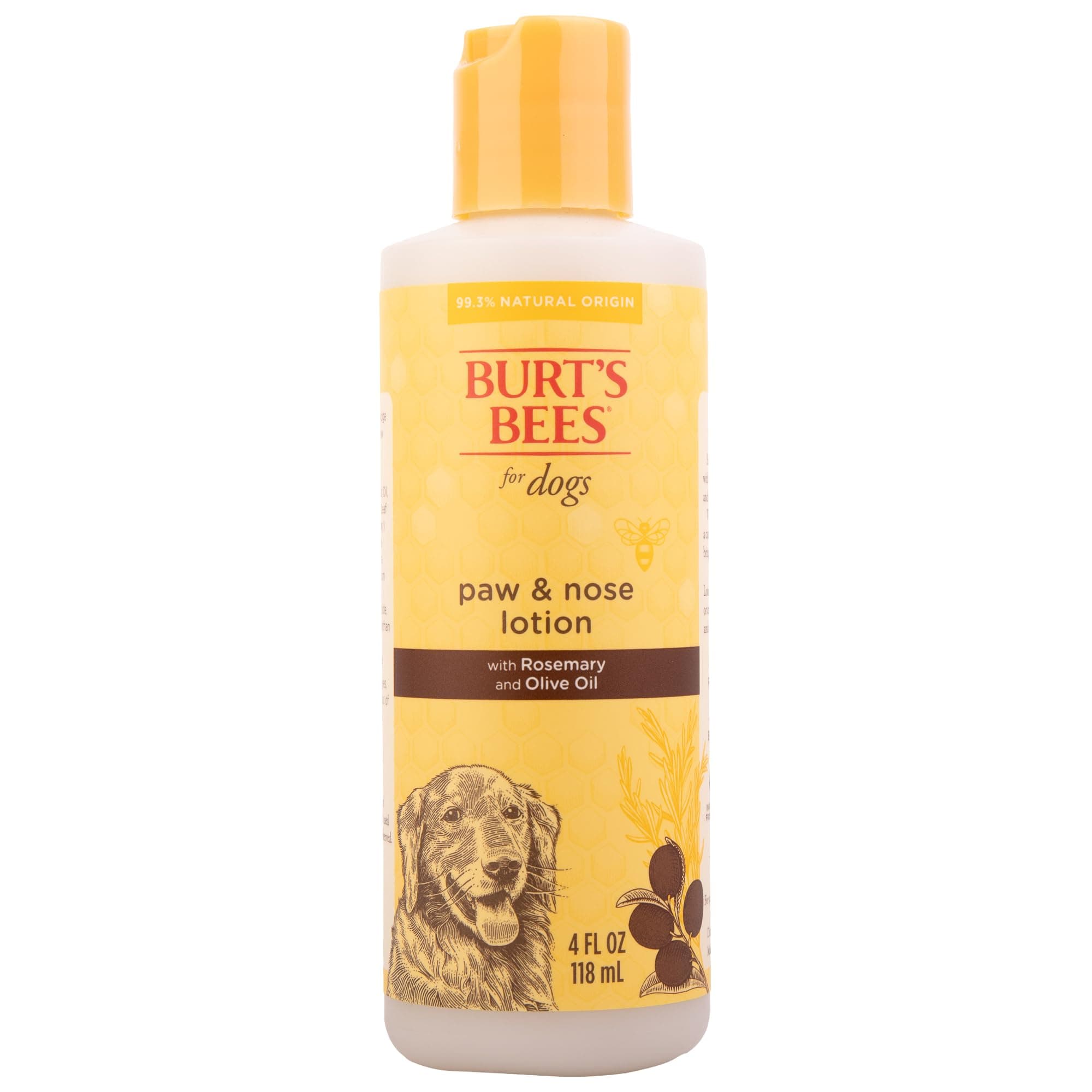
Burt's Bees for Pets Dog Lotion for Paw and Nose with Rosemary and Olive Oil - Soothing Dog Paw Balm Moisturizer for Cracked Pads & Dry Skin, Snout Soother for Dogs, Nose Butter for Dogs, 4 Fl Oz
BURT'S BEES FOR PETS
If your dog has allergies, choose simple formulas with fewer botanicals.
Balm comparisons (quick guide)
- •Wax-forward balms (e.g., Musher’s Secret):
Best for outdoor protection and prevention; can feel “coated.”
- •Butter/oil-forward balms (e.g., richer soothing balms):
Best for overnight softening; may be messier and more lickable.
- •Lotions:
Absorb faster; good for mild dryness; less protective on rough terrain.
Ingredients to avoid (or use with caution)
- •Zinc oxide (toxic if ingested in significant amounts; common in diaper rash creams)
- •Tea tree oil (can be toxic to pets depending on concentration)
- •Strong essential oils in general (peppermint, clove, eucalyptus)
- •Human foot creams with salicylic acid, urea, or heavy fragrance unless your vet approves
Pro-tip: If a product smells strongly like a spa, it’s usually not ideal for a dog who licks.
Real Scenarios + Breed Examples: What I’d Do in Each Case
Different dogs crack pads for different reasons. Here are realistic situations and what “good home care” looks like.
Scenario 1: The Husky in winter (salt + ice)
Dog: Siberian Husky, high activity, winter walks on sidewalks What you see: dry, rough pads; fine cracks; licking after walks
What helps most:
- Rinse paws immediately after walks to remove salt/de-icer.
- Dry well between toes.
- Apply a wax-based balm before walks as a barrier.
- Consider booties for the saltiest routes.
Common mistake: only applying balm after the walk. Prevention matters here.
Scenario 2: The Greyhound with naturally delicate skin
Dog: Greyhound, thin skin, sensitive feet What you see: mild cracking that turns painful quickly
What helps most:
- •Keep walks on softer surfaces while healing.
- •Use a gentle, fragrance-free balm nightly.
- •Add booties on longer outings.
Why: some breeds have less natural padding and are more prone to abrasions.
Scenario 3: The French Bulldog with allergies (licking as the real culprit)
Dog: French Bulldog, itchy paws, recurrent ear issues What you see: cracks + redness + brown staining from saliva
Home care can help—but won’t solve the root cause alone:
- •Clean and dry paws daily.
- •Use balm sparingly (too greasy can worsen licking).
- •Use an E-collar short-term if licking is constant.
- •Schedule a vet visit to discuss allergy control (diet trial, meds, wipes, or immunotherapy).
Red flag clue: the pads crack repeatedly even when you moisturize.
Scenario 4: The trail-running Labrador (abrasion + overuse)
Dog: Labrador Retriever, weekend hikes, long runs What you see: rough, scraped pads, shallow cracks, soreness after activity
Best approach:
- •Rest for a few days (seriously).
- •Balm at night, booties on rocky terrain.
- •Build mileage gradually; pads “toughen” over time when conditioning is gradual.
Common mistake: pushing through the soreness—pads don’t “callus up” overnight.
Step-by-Step: Cleaning, Soaking, and Wrapping (Without Causing New Problems)
Sometimes a crack needs more than balm. Here’s a safe home routine when pads are sore but not infected.
Gentle soak (optional, 3–5 minutes)
Use only if pads are very dry or you need to loosen debris.
- •Lukewarm water
- •You can add a small amount of chlorhexidine solution if your vet has advised it (follow label dilution carefully)
After soak:
- •Rinse (if using medicated solution per directions)
- •Dry extremely well
Light wrapping (short-term only)
Wrapping can protect a tender crack indoors, but done wrong it causes swelling or traps moisture.
How to do it safely:
- Place a non-stick pad over the cracked area (if it’s open).
- Wrap with gauze lightly.
- Add a self-adherent wrap layer, not tight (you should fit a finger under).
- Keep it on briefly (1–2 hours) and remove to let the paw breathe.
Do not wrap if:
- •The paw is wet
- •There’s oozing or infection you haven’t addressed
- •Your dog chews wraps (risk of ingestion)
Pro-tip: If toes look puffy after wrapping, it’s too tight. Remove immediately.
Common Mistakes That Make Cracked Pads Worse
These are the patterns that turn a minor crack into a prolonged problem:
- •Over-applying balm: a thick layer attracts dirt and increases licking. Thin layers work better.
- •Skipping the rinse after salty/chemical walks: irritants keep inflaming the skin.
- •Using peroxide/alcohol: delays healing and dries tissue.
- •Letting the dog lick constantly: saliva macerates the pad and reopens cracks.
- •Ignoring surface temperature: hot pavement can burn fast—even if the air feels mild.
- •No rest days: abrasion injuries need reduced friction to heal.
Quick check: If you’re doing good home care but still walking the same long route on rough ground, you’re asking the pad to heal while it’s being re-injured daily.
Prevention: How to Toughen Pads Safely (Without Causing Cracks)
“Pad toughening” is real, but it’s about conditioning—not forcing.
Build terrain tolerance gradually
- •Increase distance on rough surfaces slowly (think 10–15% per week)
- •Alternate surfaces: grass/dirt on recovery days, rough trails on training days
Use barrier protection strategically
- •Apply wax-based balm before long walks/hikes in extreme weather
- •Booties for:
- •icy sidewalks
- •hot pavement
- •sharp rock trails
- •dogs with recurrent injuries
Keep nails and fur managed
Overgrown nails change weight distribution and can increase pad stress.
- •Trim nails regularly (or use a grinder)
- •For fluffy-foot breeds (e.g., Poodles, Shih Tzus, Golden Retrievers), trim fur between pads to reduce slipping and moisture trapping
Nutrition supports skin integrity
Not a quick fix, but helpful:
- •Quality diet with adequate omega-3 fatty acids
- •If your dog has chronic skin issues, ask your vet about fish oil dosing and allergy evaluation
Vet Red Flags: When Home Treatment Isn’t Enough
Some cracked pads are not a DIY situation. Here’s when I’d stop home care and call your vet.
Go to the vet urgently (same day or emergency) if:
- •Deep crack with active bleeding that won’t stop
- •The pad looks torn/flapped, or tissue is exposed
- •Your dog is limping hard, won’t bear weight, or seems very painful
- •There’s swelling, heat, or pus
- •You suspect a burn (blistering, raw pad, sudden severe pain after heat exposure)
- •There’s a foreign body (thorn, glass) you can’t easily remove safely
- •Your dog has fever, lethargy, or is “not themselves”
Schedule a vet appointment soon if:
- •Cracks keep returning despite good care
- •Multiple paws are affected persistently
- •There’s chronic licking/chewing (allergy or anxiety)
- •You notice dark discoloration, thickening, or unusual growths on pads
What the vet may do:
- •Check for infection and prescribe topical or oral meds
- •Evaluate for allergies (and start itch control)
- •Debride dead tissue if needed
- •Recommend medicated wipes/soaks and a structured protection plan
Pro-tip: If you’re seeing a lot of redness between the toes plus odor, you’re often dealing with more than “dry skin.” Treating the infection/inflammation is what stops the cracking cycle.
A Simple 7-Day Home Care Schedule (Practical and Repeatable)
If your dog’s case is mild-to-moderate, this is a realistic plan.
Days 1–3: Calm inflammation and protect
- •After each walk: rinse + dry
- •Nightly: thin balm application
- •Outdoors: booties or avoid rough/chemical surfaces
- •Prevent licking (cone if needed)
Days 4–7: Rebuild durability
- •Continue rinse/dry after walks
- •Balm once daily or every other day depending on dryness
- •Gradually return to normal walk length on softer terrain first
If at any point things worsen (more limping, swelling, discharge), shift to vet care.
FAQ: Fast Answers to Common Paw Pad Questions
Should I use Vaseline on my dog’s cracked pads?
Plain petroleum jelly can act as an occlusive barrier, but it’s messy and very lickable. A dog-specific balm is usually a better choice because it’s formulated with safer, more functional ingredients and better staying power.
Can cracked pads heal on their own?
Mild cracks can improve with rest and reduced exposure. But if the cause (salt, heat, allergies, infection) is still present, they often recur.
Are booties always necessary?
No—but they’re a game-changer for dogs who walk on salt, ice, hot pavement, or sharp trails. If your dog hates booties, start with short indoor practice sessions and reward heavily.
How long does healing take?
Superficial cracks often improve in 3–7 days with good care. Deeper cracks can take 2–3 weeks and may need vet support.
Bottom Line: The Most Effective “Cracked Dog Paw Pads Home Treatment”
If you want the shortest path to improvement, focus on the fundamentals:
- •Remove irritants (rinse after walks)
- •Keep paws dry (especially between toes)
- •Use a quality paw balm (thin, consistent applications)
- •Protect from friction (booties or surface changes)
- •Stop licking (temporary cone if needed)
- •Know vet red flags (deep cracks, infection signs, burns, limping)
If you tell me your dog’s breed, typical walking surface (sidewalk vs trail), and whether it’s one paw or multiple, I can help you narrow down the most likely cause and the best balm/protection approach for your situation.
Topic Cluster
More in this topic
guide
How to Heal Cracked Dog Paw Pads: Safe Home Steps
guide
Cracked Cat Paw Pads Treatment: Causes, Home Care & Vet Signs
guide
How to protect dog paws from hot pavement: prevent paw burns
guide
Dog Paw Burn Hot Pavement First Aid: Prevent & Treat Fast
guide
Dog Paw Pad Cut Treatment: Clean, Bandage, Protect
guide
Cracked Dog Paw Pads Home Treatment: Vet Red Flags to Know
Frequently asked questions
What can I do at home for cracked dog paw pads?
Gently rinse the paw, pat it dry, and apply a dog-safe paw balm to moisturize and protect the pad. Limit rough surfaces for a few days and consider a bootie or light bandage to prevent licking and re-cracking.
Should I use petroleum jelly or human lotion on my dog’s paw pads?
Skip human lotions with fragrances, essential oils, or medicated ingredients, since they can irritate skin or be unsafe if licked. If you use petroleum jelly, apply a very thin layer and prevent licking; a dog-formulated paw balm is usually the safer choice.
When are cracked paw pads an emergency or a vet visit?
See a vet promptly if there’s bleeding, deep splits, swelling, warmth, pus, a bad odor, or your dog is limping or won’t bear weight. Also book an exam if cracks keep recurring, your dog has allergies, or there are signs of infection.
