

guide • Paw Care
Cracked Dog Paw Pads Treatment: Causes, Home Care & Vet Signs
Learn what cracked dog paw pads treatment really involves, from common causes to safe home care and the warning signs that mean it’s time to see a vet.
By PetCareLab Editorial • March 7, 2026 • 12 min read
Table of contents
- Cracked Dog Paw Pads Treatment: What It Really Means (and Why It Matters)
- Why Dog Paw Pads Crack (The Most Common Causes)
- Weather and Environment (Most Common)
- Excessive Friction (Running, Rough Terrain, “Weekend Warrior” Dogs)
- Chemical Irritants (Often Underestimated)
- Allergies and Yeast (Chronic Licking = Cracking)
- Nutritional and Medical Factors (Less Common, but Important)
- How to Tell Mild Cracking From Something Serious
- Quick Paw Check (60 Seconds)
- Mild (Usually Safe for Home Care)
- Moderate (Home Care + Close Monitoring)
- Serious (Vet Sooner Than Later)
- Step-by-Step Cracked Dog Paw Pads Treatment at Home (Vet-Tech Style)
- Step 1: Rinse and Inspect (Especially After Walks)
- Step 2: Clean the Cracks (Gentle, Not Aggressive)
- Step 3: Moisturize With a Paw Balm (Correctly)
- Step 4: Protect the Paw (Booties or Light Bandage)
- Step 5: Reduce Triggers While Healing
- Product Recommendations (What Helps, What to Skip, and Why)
- Best Types of Products for Cracked Pads
- What I’d Skip or Use Carefully
- Common Mistakes That Keep Paw Pads Cracked
- Mistake 1: Only Applying Balm (No Rinsing, No Protection)
- Mistake 2: Letting Your Dog Lick It Off
- Mistake 3: Over-washing With Harsh Products
- Mistake 4: Ignoring Between-Toe Skin
- Mistake 5: Going Back to Full Activity Too Soon
- Breed-Specific Examples (Because “One Size Fits All” Doesn’t)
- Labrador Retrievers: Winter Salt + Enthusiasm
- French Bulldogs and Bulldogs: Allergies First
- Huskies and Malamutes: Dry Air + Possible Zinc Issues
- Senior Dogs (Any Breed): Thin Skin + Arthritis Changes
- Real-Life Scenarios and Exactly What to Do
- Scenario 1: “My Dog’s Pads Are Cracked After a Snow Walk”
- Scenario 2: “Cracks Keep Coming Back Every Few Weeks”
- Scenario 3: “One Paw Is Much Worse and My Dog Licks It Constantly”
- When to See the Vet (Clear, Non-Confusing Guidelines)
- Go to the Vet Urgently If You See:
- Make a Standard Appointment If:
- Prevention That Actually Works (Daily Habits, Not Hype)
- Daily/Weekly Paw Maintenance
- Seasonal Strategies
- Nutrition and Hydration (Supportive, Not Magic)
- FAQ: Quick Answers to Common Paw Pad Questions
- Can I use Vaseline on cracked dog paw pads?
- How long does it take cracked pads to heal?
- Are booties safe?
- Why does my dog’s paw pad feel rough but not cracked?
- The Takeaway: A Simple Plan That Fixes Most Cases
Cracked Dog Paw Pads Treatment: What It Really Means (and Why It Matters)
Dogs walk on their paw pads the way we walk on the soles of our feet—except they don’t get shoes, they can’t tell you “this stings,” and they’ll often keep running even when the skin is splitting. Cracked paw pads range from mild dryness with tiny surface lines to painful fissures that bleed, get infected, or make your dog limp.
The good news: most cases improve with smart home care and a few habit changes. The important part is knowing the difference between:
- •Simple dryness (safe to treat at home)
- •Injury or chemical burns (often urgent)
- •Infection, allergies, or autoimmune disease (needs a vet)
This guide is built around the focus keyword—cracked dog paw pads treatment—and it’s written like I’d explain it to a client in a clinic: practical, detailed, and honest about what you can do at home versus what needs professional help.
Why Dog Paw Pads Crack (The Most Common Causes)
Cracked pads aren’t one single problem. Think “skin barrier damage” + “ongoing irritation.” Here are the most common culprits, with real-world examples.
Weather and Environment (Most Common)
- •Winter: cold air dries skin; ice melt salts irritate and burn; crunchy snow can abrade pads
- •Scenario: Your Labrador comes in from a snowy walk licking feet. Pads look rough, pink, and “scuffed.”
- •Summer: hot pavement causes burns; dry heat dehydrates pads
- •Scenario: Your short-coated Boxer is fine on grass but limps after crossing a parking lot.
Excessive Friction (Running, Rough Terrain, “Weekend Warrior” Dogs)
Sudden activity spikes cause wear faster than the pad can toughen.
- •Dogs prone to this: Border Collies, Australian Shepherds, German Shorthaired Pointers, Huskies (high-drive runners)
- •Scenario: First hike of the season → cracked edges and tenderness the next day.
Chemical Irritants (Often Underestimated)
- •De-icers, lawn chemicals, fertilizers
- •Cleaning products on floors (bleach solutions, harsh degreasers)
- •Scenario: You mop, dog zooms, then licks paws for an hour. Pads look red and cracked at the toe tips.
Allergies and Yeast (Chronic Licking = Cracking)
Allergies often show up as paw licking, chewing, redness between toes, and recurrent ear issues. Constant moisture + licking breaks down the pad’s protective barrier.
- •Breeds commonly affected: French Bulldogs, Westies, Golden Retrievers, Pit Bulls, Bulldogs
- •Scenario: Pads are cracked plus the skin between toes smells “corn-chip” and looks rusty-brown.
Nutritional and Medical Factors (Less Common, but Important)
- •Poor-quality diet or malabsorption can affect skin health
- •Hypothyroidism can cause dry skin and recurrent infections
- •Autoimmune conditions (e.g., pemphigus) can cause crusting, ulcers, and pad lesions
- •Zinc-responsive dermatosis (notably in Siberian Huskies and Alaskan Malamutes) can affect skin, nose, and sometimes pads
If cracking is persistent despite good care, assume there’s an underlying driver—not just “dry skin.”
How to Tell Mild Cracking From Something Serious
Before you start cracked dog paw pads treatment at home, do a quick “triage check.”
Quick Paw Check (60 Seconds)
In good light, look for:
- •Location: pad surface vs edges vs between toes
- •Color: normal black/pink vs angry red, purple, or gray
- •Moisture: dry cracks vs gooey discharge
- •Swelling: toe swelling can signal infection or a foreign body
- •Odor: strong smell suggests yeast/bacteria
- •Pain: pulling away, yelping, limping
Mild (Usually Safe for Home Care)
- •Superficial roughness
- •Fine lines, slight flaking
- •No bleeding, no limp
- •Dog tolerates touch
Moderate (Home Care + Close Monitoring)
- •Deeper fissures but minimal bleeding
- •Mild licking
- •Slight tenderness but still walking normally
Serious (Vet Sooner Than Later)
- •Bleeding cracks, raw tissue, or skin flap
- •Limping or refusing to walk
- •Pus, yellow/green discharge, or strong odor
- •Swelling, heat, or spreading redness
- •Cracks that look like ulcers (punched-out sores)
- •Multiple paws affected suddenly (possible allergy flare, chemical burn, or systemic issue)
Pro-tip: If your dog is licking constantly, it doesn’t matter how good your balm is—licking will undo it. The best “product” is often an e-collar or booties for a few days.
Step-by-Step Cracked Dog Paw Pads Treatment at Home (Vet-Tech Style)
This is the “do it tonight” plan that covers cleaning, protecting, moisturizing, and preventing re-injury. Don’t skip steps—most failures happen because people only apply balm and hope.
Step 1: Rinse and Inspect (Especially After Walks)
- Rinse paws with lukewarm water after outdoor time.
- Pat dry thoroughly (especially between toes).
- Inspect for:
- •stuck grit
- •tiny cuts
- •splinters/foxtails (common between toes)
- •melted salt residue
If you suspect ice melt irritation, a quick rinse can make a huge difference.
Step 2: Clean the Cracks (Gentle, Not Aggressive)
If pads are cracked but not bleeding heavily:
- •Use a saline rinse (store-bought sterile saline or DIY: 1/2 tsp salt in 1 cup boiled/cooled water)
- •Or a pet-safe antiseptic rinse like chlorhexidine (low concentration, as directed)
Avoid:
- •hydrogen peroxide (delays healing)
- •alcohol (stings and dries)
- •harsh soaps (strip oils)
Step 3: Moisturize With a Paw Balm (Correctly)
A good balm supports healing by improving the skin barrier and reducing water loss.
How to apply:
- Apply a thin layer to clean, dry pads.
- Massage in for 30–60 seconds.
- Prevent licking for 10–15 minutes (treat puzzle, distraction, or e-collar).
- Repeat 2–3x/day for the first 3–5 days, then daily for maintenance.
Pro-tip: “More balm” isn’t better. Thick layers attract dirt and encourage licking. Thin, consistent applications win.
Step 4: Protect the Paw (Booties or Light Bandage)
Protection is often what makes the difference between “keeps cracking” and “heals.”
Options:
- •Dog booties for walks (great for pavement, salt, rough trails)
- •Paw wax before walks (barrier layer)
- •Bandage for a short period if there’s a deeper fissure (only if you can keep it dry and not too tight)
If you bandage:
- •Use non-stick pad + gauze + vet wrap
- •Ensure toes stay warm and normal color
- •Change at least daily
- •Never leave a wet bandage on
If this sounds intimidating, use booties—it’s simpler and safer for many owners.
Step 5: Reduce Triggers While Healing
For 7–14 days:
- •avoid hot pavement
- •skip long runs
- •choose grass/dirt over rough gravel
- •rinse after walks
- •keep nails trimmed (long nails shift pressure and worsen pad cracks)
Product Recommendations (What Helps, What to Skip, and Why)
There are a lot of “paw pad” products. Here’s how to choose intelligently, with comparisons.
Best Types of Products for Cracked Pads
1) Paw balms (daily healing and maintenance) Look for ingredients like:
- •beeswax (barrier)
- •shea butter, coconut oil (emollients)
- •vitamin E (skin support)
- •lanolin (great barrier for some dogs, but can irritate others)
Popular, widely used options:
- •Musher’s Secret (classic wax-based barrier; great for snow/salt)
- •Burt’s Bees Paw & Nose Lotion (more lotion-like; good for mild dryness)
- •Natural Dog Company Paw Soother (balm-style; many owners like it for deeper dryness)
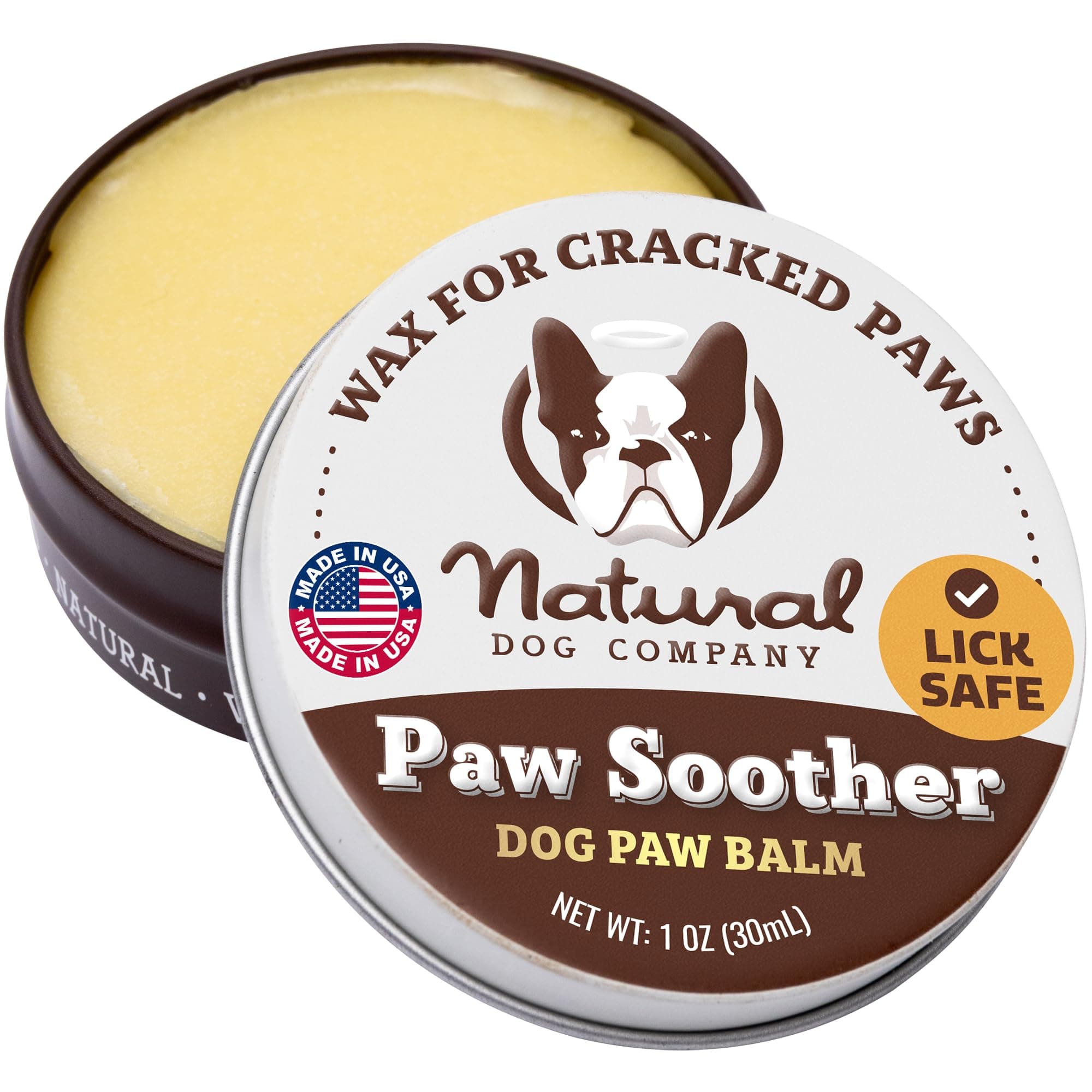
Natural Dog Company Paw Soother Balm & Wax - Dog Paw Balm & Moisturizer for Dry, Cracked Paw Pads, Helps Moisturize & Condition Winter-Worn Paws, Coconut Oil & Calendula, Daily Paw Care, 1 oz Tin
Natural
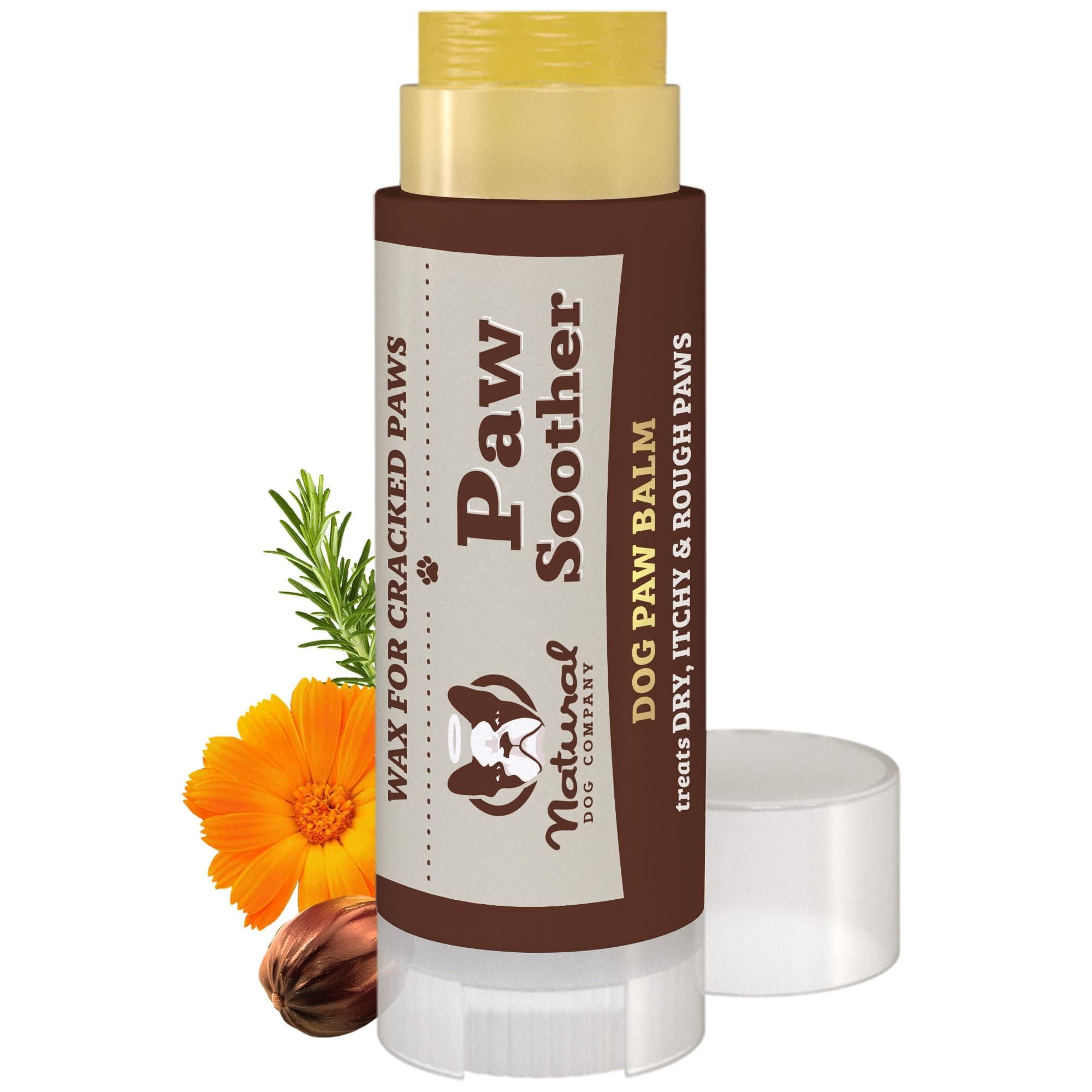
Natural Dog Company Paw Soother Balm & Wax - Dog Paw Balm & Moisturizer for Dry, Cracked Paw Pads, Helps Moisturize & Condition Winter-Worn Paws, Coconut Oil & Calendula, Daily Paw Care, 0.15 oz Stick
Natural
2) Paw wax (pre-walk protection)
- •Great for winter salt and summer pavement
- •Not always enough for active bleeding cracks, but excellent prevention
3) Antiseptic wipes or rinses (if licking/infection risk)
- •Chlorhexidine wipes can help when there’s mild yeast/bacteria involvement
(If the paw is raw and painful, wipes may sting—use a rinse instead.)
What I’d Skip or Use Carefully
- •Human lotions with fragrance: irritating and lick-risk
- •Essential oils: many are unsafe if ingested; also irritating on broken skin
- •Neosporin-type ointments: not always harmful, but dogs lick them; also not a substitute for addressing the cause
- •Superglue: sometimes used in field medicine for small pad splits, but risky at home (traps bacteria, painful if wrong, and not ideal if infection is present)
If cracks are deep, it’s better to protect and moisturize than to “seal” the wound.
Common Mistakes That Keep Paw Pads Cracked
If you’ve tried cracked dog paw pads treatment and it “doesn’t work,” it’s usually one of these:
Mistake 1: Only Applying Balm (No Rinsing, No Protection)
Balm won’t overcome daily salt/chemical exposure or rough terrain. Rinse + protect is the real fix.
Mistake 2: Letting Your Dog Lick It Off
Licking:
- •removes product
- •adds moisture that softens skin
- •introduces bacteria
- •delays healing
Use booties indoors briefly, a distraction, or an e-collar for a few days.
Mistake 3: Over-washing With Harsh Products
Too much scrubbing or strong soap strips oils and worsens dryness.
Mistake 4: Ignoring Between-Toe Skin
If the skin between toes is red, moist, smelly, or itchy, you’re likely dealing with yeast/allergies. Pads won’t heal until the underlying itch is addressed.
Mistake 5: Going Back to Full Activity Too Soon
A pad fissure is like a crack in a callus—if you keep stressing it, it reopens. Reduce impact for 1–2 weeks.
Breed-Specific Examples (Because “One Size Fits All” Doesn’t)
Different dogs crack pads for different reasons. Here are some patterns I’ve seen repeatedly.
Labrador Retrievers: Winter Salt + Enthusiasm
Labs love the outdoors and tolerate discomfort until it’s bad.
Best approach:
- •rinse after every walk
- •wax before walks
- •booties during heavy salt weeks
- •balm nightly
French Bulldogs and Bulldogs: Allergies First
These breeds often crack pads secondarily to constant licking.
Clues:
- •paw chewing
- •ear infections
- •redness between toes
Best approach:
- •antiseptic rinse + barrier balm
- •strict lick prevention
- •talk to your vet about allergy management (diet trial, meds, immunotherapy)
Huskies and Malamutes: Dry Air + Possible Zinc Issues
Some northern breeds are predisposed to zinc-related skin problems.
Clues it’s not just dryness:
- •crusting around eyes/mouth
- •chronic recurrent skin lesions
- •poor response to basic balm care
Best approach:
- •protective care + vet evaluation if persistent
Senior Dogs (Any Breed): Thin Skin + Arthritis Changes
Older dogs sometimes shift weight abnormally (arthritis), increasing pressure on certain pads.
Best approach:
- •keep nails short
- •consider rugs/traction indoors
- •discuss pain management if gait changes
- •pad balm + booties for outdoor support
Real-Life Scenarios and Exactly What to Do
Scenario 1: “My Dog’s Pads Are Cracked After a Snow Walk”
What’s likely: salt irritation + dehydration.
Do this tonight:
- Rinse with lukewarm water.
- Dry thoroughly.
- Apply waxy balm (e.g., Musher’s Secret).
- Prevent licking for 15 minutes.
- Use booties or wax before the next walk.
Monitor:
- •If redness worsens or blisters appear → vet (chemical burn).
Scenario 2: “Cracks Keep Coming Back Every Few Weeks”
What’s likely: ongoing trigger (allergies, rough surfaces, long nails, repeated chemical exposure).
Do this:
- •Start a 2-week consistent routine:
- •rinse after walks
- •balm daily
- •booties on rough terrain
- •nail trim
- •If still recurring, schedule a vet visit to check for:
- •yeast/bacterial infection
- •allergies
- •endocrine issues
Scenario 3: “One Paw Is Much Worse and My Dog Licks It Constantly”
What’s likely: foreign body, small puncture, infection, or localized injury.
Do this:
- •E-collar now to stop licking
- •Inspect between toes (look for swelling, a sore spot, a bump)
- •If limping or swelling → vet within 24–48 hours (sooner if rapidly worsening)
When to See the Vet (Clear, Non-Confusing Guidelines)
Home care is great for mild to moderate cracking. But don’t wait if your dog is telling you it’s more than dryness.
Go to the Vet Urgently If You See:
- •Bleeding that doesn’t stop within a few minutes of gentle pressure
- •A pad that looks burned (blistered, gray/white, sloughing)
- •Limping, refusing to bear weight
- •Pus, strong odor, or rapidly spreading redness
- •A deep split where you can see raw tissue
- •Cracking plus fever, lethargy, or loss of appetite
Make a Standard Appointment If:
- •Cracks keep returning despite 2 weeks of good care
- •Multiple paws are affected
- •There’s constant itching/licking
- •You suspect allergies or yeast
- •Your dog has other skin issues (ears, belly rash, hot spots)
What your vet may do:
- •cytology (check yeast/bacteria under microscope)
- •allergy discussion and itch control
- •rule out endocrine disease
- •prescribe topical or oral meds if infection is present
Prevention That Actually Works (Daily Habits, Not Hype)
Once you’ve improved the pads, prevention keeps you from repeating the cycle.
Daily/Weekly Paw Maintenance
- •After walks: quick rinse + dry
- •Nightly: thin balm layer for dry climates or active dogs
- •Weekly: nail trim/check (or every 2–4 weeks depending on growth)
- •Indoor traction: rugs or runners for seniors to prevent sliding and pad wear
Seasonal Strategies
Winter
- •booties or wax before walks
- •rinse immediately after
- •avoid heavily salted sidewalks when possible
Summer
- •walk early/late; avoid midday pavement
- •do the “5-second hand test” on asphalt—if it’s too hot for your palm, it’s too hot for paws
- •choose shaded trails, grass, dirt paths
Nutrition and Hydration (Supportive, Not Magic)
A quality diet and good hydration help overall skin resilience. If your dog has chronic skin issues, talk with your vet about:
- •omega-3 supplementation (proper dosing matters)
- •food trials if allergy suspected
FAQ: Quick Answers to Common Paw Pad Questions
Can I use Vaseline on cracked dog paw pads?
A thin layer can act as a barrier, but it’s slippery, easy to lick off, and doesn’t “heal” as well as purpose-made balms. If you use it, use a very small amount and prevent licking.
How long does it take cracked pads to heal?
- •Mild dryness: often improves in 3–7 days
- •Deeper cracks: 1–3 weeks with protection and reduced activity
- •If it’s not improving in a week, reassess for infection/allergies or ongoing exposure.
Are booties safe?
Yes, when fitted properly. Start with short sessions indoors so your dog adapts. Check for rubbing around the dewclaw area.
Why does my dog’s paw pad feel rough but not cracked?
That can be normal “callusing,” especially in active dogs. Treat only if there are fissures, tenderness, or excessive dryness.
The Takeaway: A Simple Plan That Fixes Most Cases
For most dogs, cracked dog paw pads treatment succeeds when you combine four things:
- •Rinse after exposure (salt, chemicals, dirt)
- •Dry completely (especially between toes)
- •Moisturize consistently with a quality paw balm
- •Protect with booties/wax and reduce friction until healed
If you tell me your dog’s breed, activity level, climate (dry/wet, hot/cold), and what the pads look like (surface cracks vs bleeding vs redness between toes), I can help you choose the best exact routine and product combo.
Topic Cluster
More in this topic
guide
Dog Paw Pad Burn Treatment: First Aid, Healing & Prevention
guide
How to Heal Cracked Dog Paws: Causes, Fixes & Prevention
guide
Dog Paw Pads Peeling: Causes, Home Care, and Vet Signs
guide
Hot Pavement Dog Paws Temperature Chart + Safe Walk Tips
guide
How to Protect Dog's Paws From Hot Pavement (Avoid Burns)
guide
Cracked Dog Paw Pads Treatment: Causes, Care, Prevention
Frequently asked questions
What causes cracked dog paw pads?
Cracked paw pads are often caused by dryness, rough terrain, hot pavement, cold weather, or contact with ice melt and chemicals. Allergies, infections, and underlying skin conditions can also contribute.
How can I treat cracked dog paw pads at home?
Clean the paws, keep them dry, and apply a dog-safe paw balm to moisturize and protect the skin. Limit long walks on harsh surfaces and consider booties until the pads heal.
When should I take my dog to the vet for cracked paw pads?
See a vet if your dog is limping, the cracks are deep or bleeding, or you notice swelling, pus, odor, or increasing redness. Persistent cracking despite home care can signal infection or a medical cause that needs treatment.
