
comparison • Paw Care
Paw Washer Cup vs Paw Wipes: Which Is Faster for Daily Cleanup (and Cheaper Over Time)?
Paw washer cup vs wipes isn’t just speed—it’s routine, mess level, and 90-day costs. Use this guide to pick the fastest daily cleanup for your dog.
By Lucy Anderson • February 23, 2026 • 7 min read
Table of contents
- Define value beyond sticker price
- What “fast” really means in real life
- What you’re really buying: control vs convenience
- Hidden costs most owners overlook
- Minimum viable setup for reliable results
- Minimum viable wipe setup
- Minimum viable paw washer cup setup
- Upgrade paths that actually improve outcomes
- For wipes: upgrade the “system,” not the wipe
- For paw washer cups: upgrade consistency and comfort
- Workflow cost over 90 days
- Scenario A: Mostly dry sidewalks (light dust)
- Scenario B: Rainy season (wet grit + light mud)
- Scenario C: Winter salt and de-icer (irritant residue)
- A simple 90-day “total cost” model (use ranges)
- High-value options by use case
- Apartment living with elevators
- Suburban yard + rainy grass
- Hiking, trails, and sandy paths
- Winter city walks (salt + slush)
- Multi-dog households
- Waste patterns to avoid
- Wipe waste traps
- Paw washer cup waste traps
- The “hidden waste” most people miss: repeated cleaning
- Performance audit checklist
- Time and repeat-pass check
- Cleanliness check (choose what matters to you)
- Dog-comfort check
- Supply check
- Final buying decision tree
- Step 1: What’s the typical mess?
- Step 2: Where are you cleaning?
- Step 3: How sensitive are your dog’s paws?
- Step 4: What do you hate more—consumables or cleanup?
- Step 5: Pick the most sustainable routine (the one you’ll actually do)
Article slug: paw-washer-cup-vs-paw-wipes-daily-cleanup
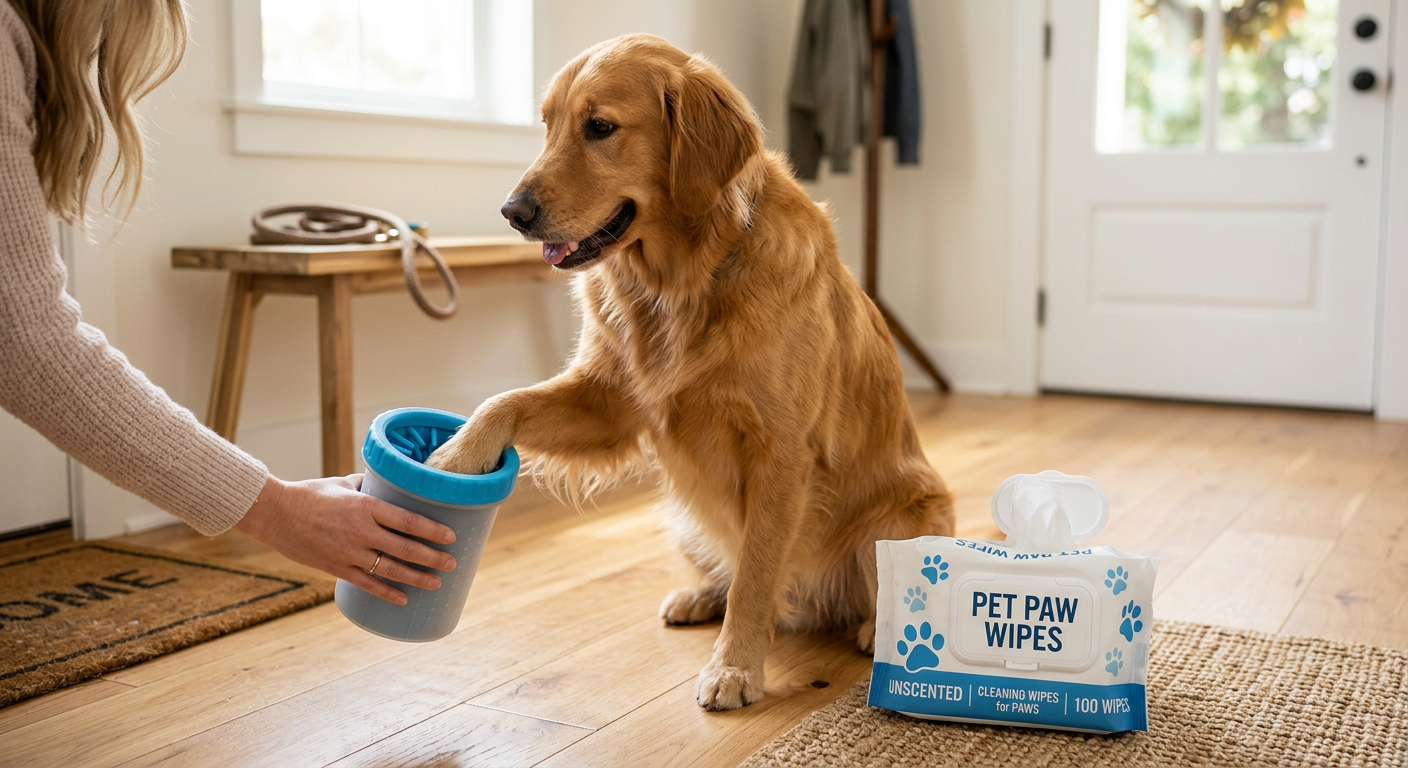
Daily paw cleanup sounds simple until it isn’t: wet sidewalks, grit from parking lots, lawn chemicals, muddy trails, road salt, and that one puddle your dog beelines toward every time. When you’re choosing between a paw washer cup vs wipes, the “faster” option depends on what’s on the paw, where you’re cleaning, and how consistent you need results to be.
Here’s the practical way to compare them: speed per use, reliability on real messes, and the total cost of ownership (including your time and the cleanup your cleanup creates).
Define value beyond sticker price
Value is the combination of (1) how often you actually use it, (2) how well it removes what you care about (mud, salt, allergens), and (3) how much friction it adds to your routine.
What “fast” really means in real life
A wipe can be “fast” when:
- •The paws are only lightly dusty.
- •You’re cleaning at the door with one hand while holding a leash.
- •You need a no-water solution (car, elevator, hotel).
A paw washer cup can be “fast” when:
- •The paw is genuinely dirty (mud between toes, wet grit stuck to fur).
- •You’re trying to prevent floor stains, not just reduce them.
- •You want repeatable results in one pass.
In other words: wipes often win for light dirt and convenience; washer cups often win for heavy dirt and consistency.
What you’re really buying: control vs convenience
- •Wipes buy convenience and portability, but results depend on how thorough you are.
- •A washer cup buys controlled cleaning (water + agitation), but adds setup and cleanup (fill, empty, rinse, dry).
Hidden costs most owners overlook
- •How many wipes per session you really use (often 2–6, not 1).
- •Post-cleaning floor touchups when paws weren’t fully clean.
- •Skin and paw pad health if you overuse fragranced wipes or leave paws damp.
- •Replacement parts or refills: washer cups can be nearly free to operate with water, but many owners add a no-rinse foam for better degunking.
If your dog’s paws get irritated in winter or summer, plan for pad protection as part of “ownership.” A thin barrier balm before walks can reduce how much grime sticks in the first place. Two options many owners like for day-to-day conditioning are Lick-Safe Dog Paw & Nose Balm | 2.1 oz All Natural Wax with Coconut Oil & Shea Butter | Winter Snow, Road Salt & Hot Pavement Protector | Moisturizer for Dry, Rough Pads & Snouts and Dog Paw Balm, Paw Moisturizer for Dogs and Cats, Contains Coconut Oil, Nourishing and Moisturizing, Suitable for Dry, Cracked Paws and Noses, 60g.
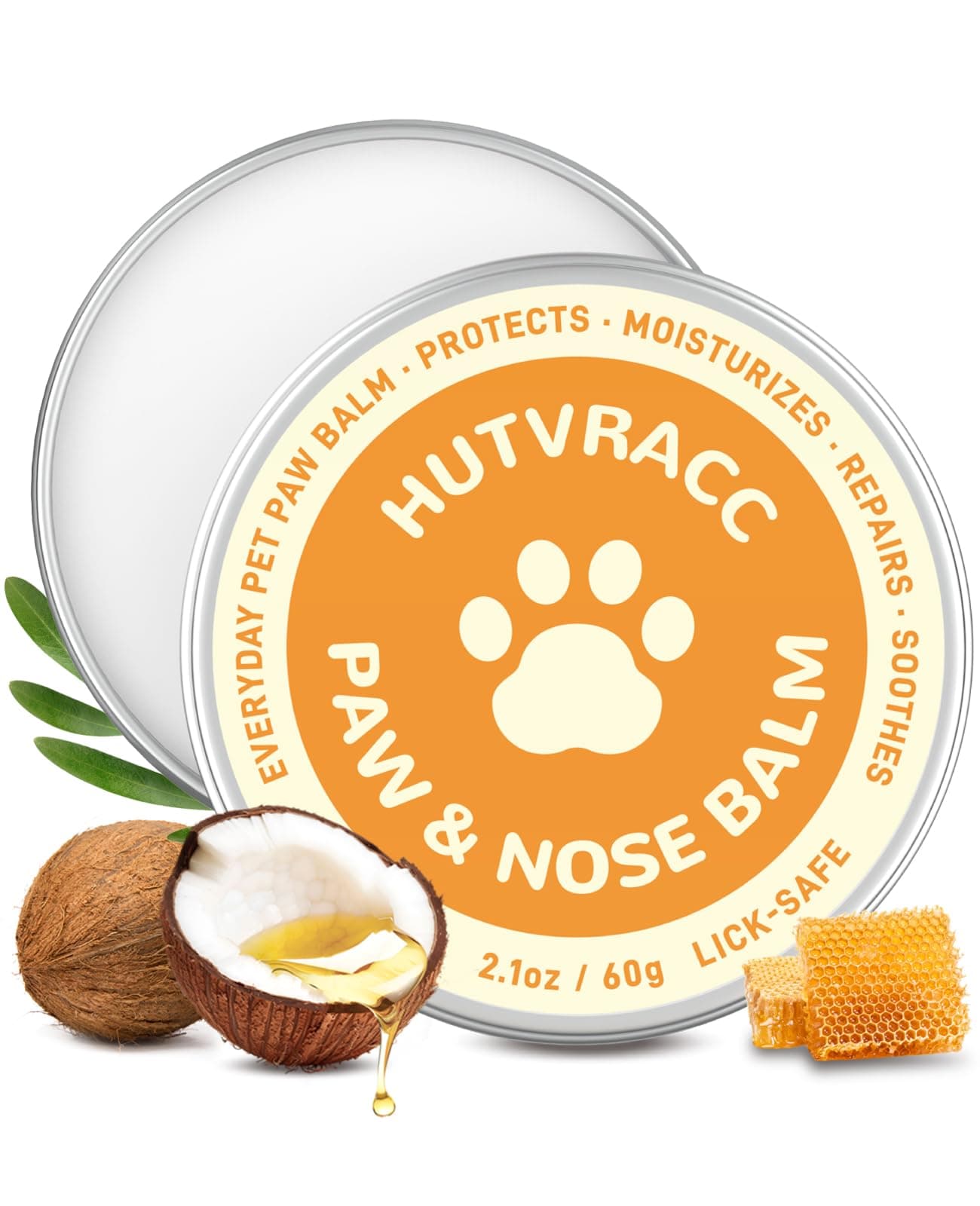
Lick-Safe Dog Paw & Nose Balm | 2.1 oz All Natural Wax with Coconut Oil & Shea Butter | Winter Snow, Road Salt & Hot Pavement Protector | Moisturizer for Dry, Rough Pads & Snouts
Brand: HUTVRACC
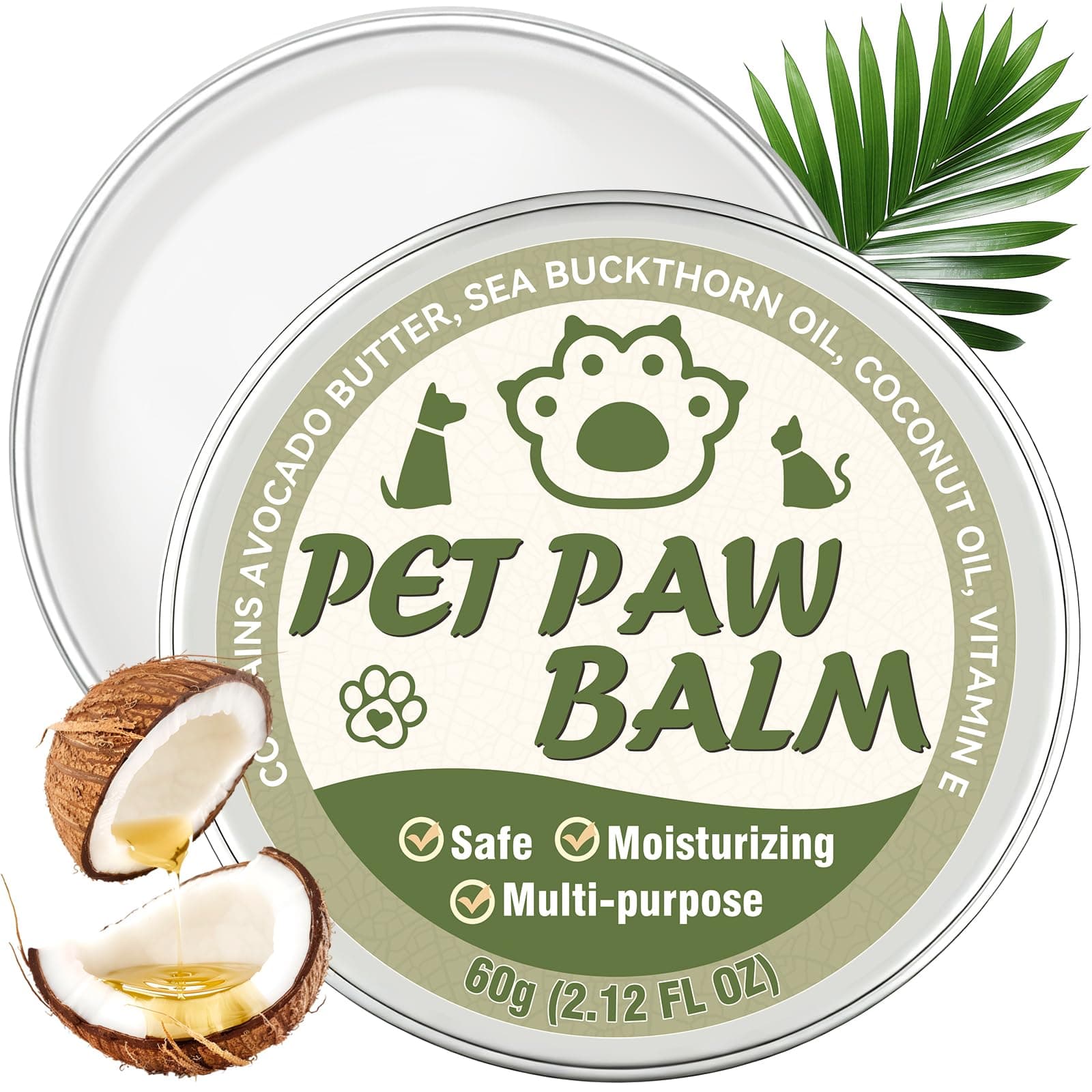
Dog Paw Balm, Paw Moisturizer for Dogs and Cats, Contains Coconut Oil, Nourishing and Moisturizing, Suitable for Dry, Cracked Paws and Noses, 60g
Brand: Nozerix
Minimum viable setup for reliable results
“Minimum viable” means you can do it daily without dreading it, and the paws end up clean enough that you’re not re-cleaning the floor.
Minimum viable wipe setup
Keep this by the door:
- •A wipe pack with a secure lid (or a hard container so wipes don’t dry out).
- •A small towel (microfiber works well) to finish-dry paws.
- •A small trash bin right there (so you don’t walk a dirty wipe through the house).
Technique that keeps wipes fast:
- Do a quick visual check: mud clumps, wet grit, salt crust.
- If you see clumps, knock them off outside first (a quick tap on the step beats smearing it indoors).
- Wipe in a “top-to-bottom” order: paw pad, between toes, then fur around the paw.
- Always finish with a towel dab if the wipe leaves moisture.
When wipes stop being fast: long paw fur, toe fluff, and sticky mud. That’s when you’re scrubbing with a wipe like it’s a tiny washcloth—and using three more.
Minimum viable paw washer cup setup
You need:
- •The right size cup for your dog’s paws (too small = wrestling match, too big = sloppy splashes).
- •A towel for drying.
- •A simple habit: rinse and air-dry the cup after use.
If you want reliable results without doing a full paw bath, add a no-rinse foam designed for paws. Two examples:
- •Paw Cleaner for Dogs & Cats | Gentle Dog Paw Washer | No Rinse Foaming | Unscented | Pet Foot Cleaner with Built-in Silicone Brush for Muddy Paws | Puppy & Kitten Paw Wash | 5 fl oz
- •Wahl USA Gentle Foaming Dog Paw Cleaner, No-Rinse Probiotic Formula with Soft Silicone Paw Scrubber Brush, Coconut Lime Verbena Scent, 8 fl oz – Model 3028477
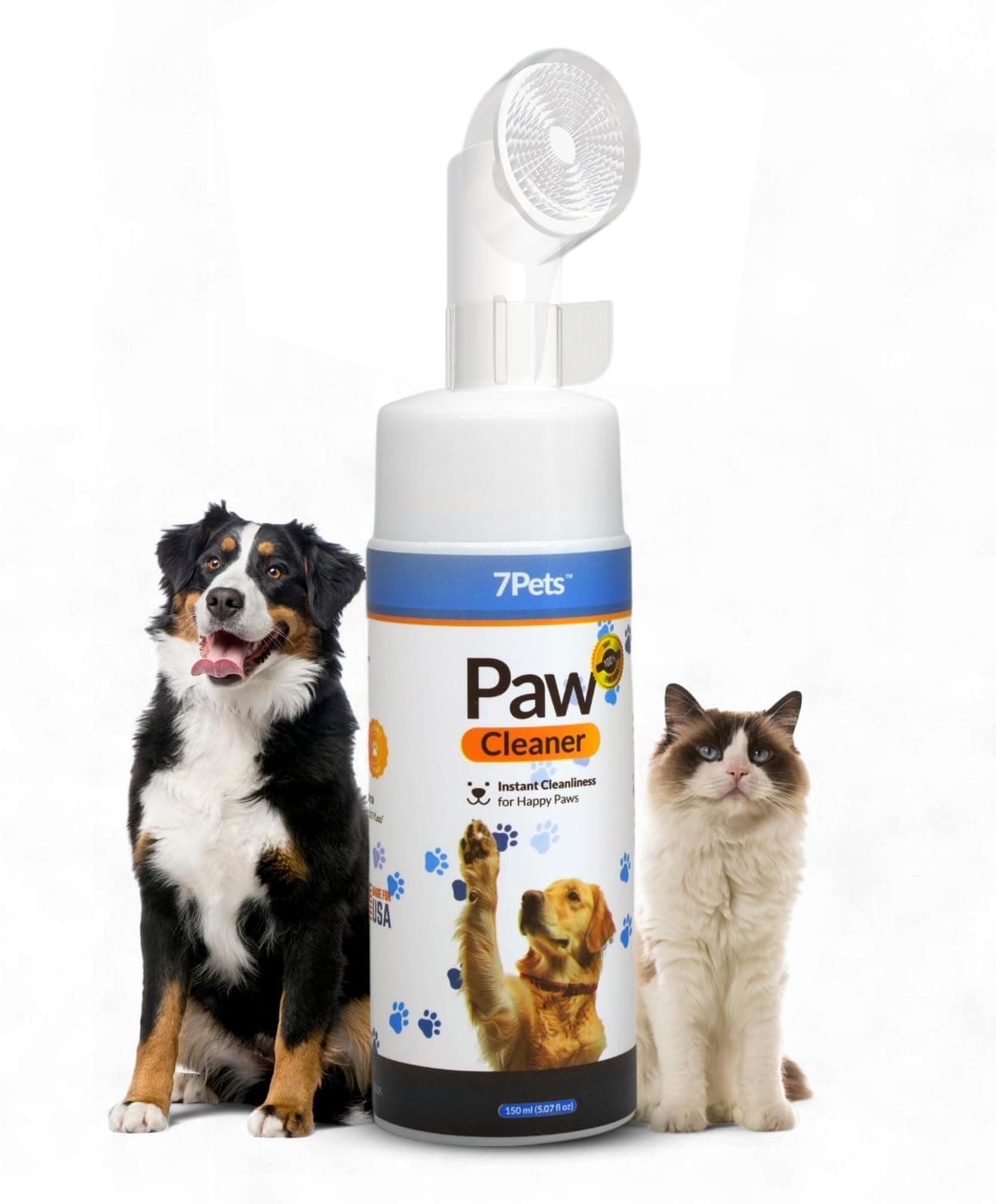
Paw Cleaner for Dogs & Cats | Gentle Dog Paw Washer | No Rinse Foaming | Unscented | Pet Foot Cleaner with Built-in Silicone Brush for Muddy Paws | Puppy & Kitten Paw Wash | 5 fl oz
Brand: 7PETS
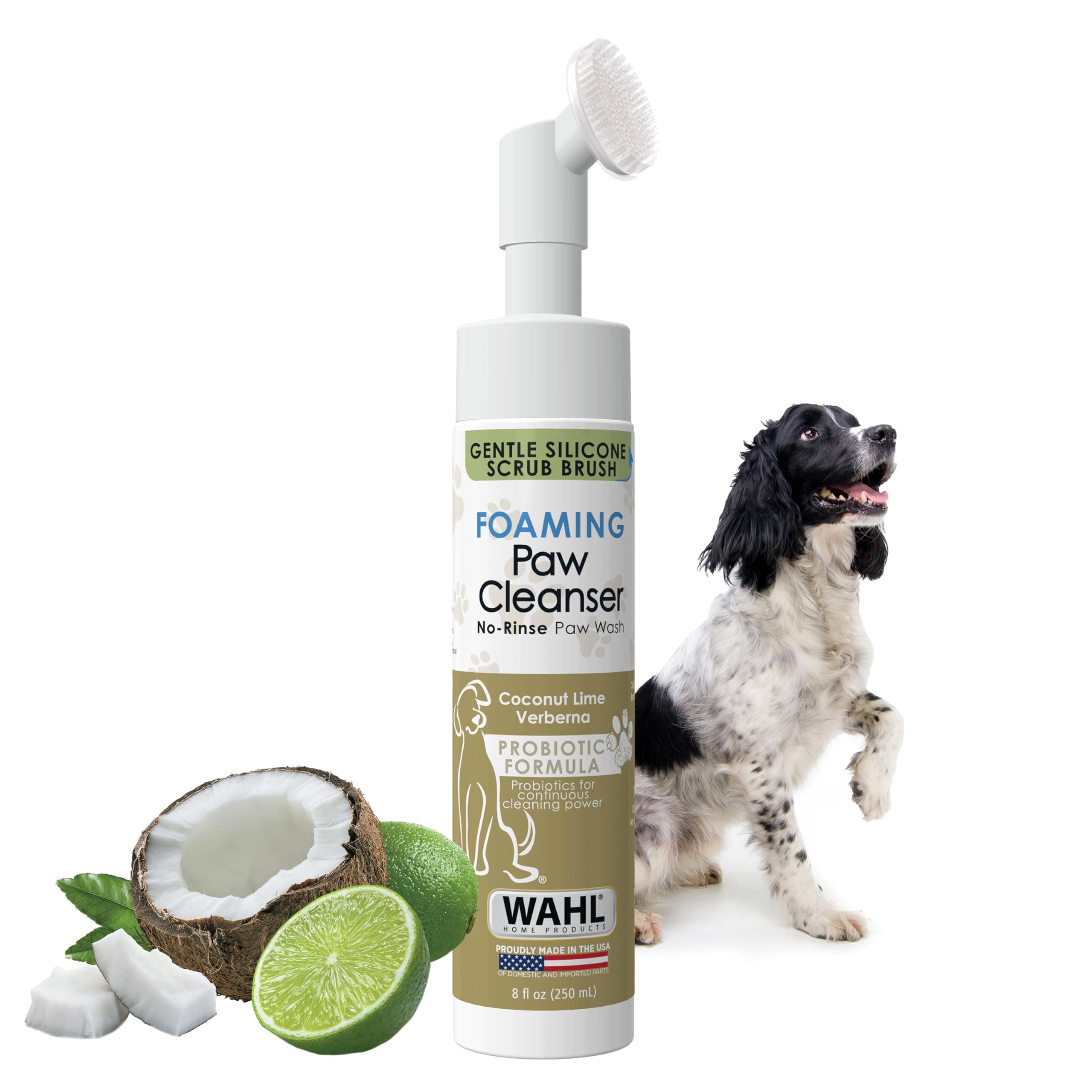
Wahl USA Gentle Foaming Dog Paw Cleaner, No-Rinse Probiotic Formula with Soft Silicone Paw Scrubber Brush, Coconut Lime Verbena Scent, 8 fl oz – Model 3028477
Wahl
Basic washer workflow (fast and low-mess):
- Keep the cup and towel together.
- Add a small amount of lukewarm water (cold water can make some dogs pull away).
- Dip paw, twist gently 2–4 turns (don’t saw back and forth).
- Remove paw, immediately towel-dry.
- Dump dirty water and quick-rinse the cup.
If your dog hates the cup: start with just touching the paw to the rim, treat, then one-second dips, then longer. The fastest tool is the one your dog tolerates.
Upgrade paths that actually improve outcomes
Upgrades only count if they reduce repeats, reduce mess, or protect skin.
For wipes: upgrade the “system,” not the wipe
- •Add a dedicated paw towel: it cuts wipe usage and prevents damp paws (which can cause irritation and that “corn chip” smell buildup).
- •Trim toe fur (or ask your groomer): less fur means less mud retention and fewer wipes.
- •Add a doormat outside plus an absorbent runner inside: you’ll cut cleanup time even if you change nothing else.
For paw washer cups: upgrade consistency and comfort
- •Switch to lukewarm water and a predictable routine (same place, same order of paws).
- •Pair with a no-rinse foam for sticky grime and allergens. An unscented option like Paw Cleaner for Dogs & Cats | Gentle Dog Paw Washer | No Rinse Foaming | Unscented | Pet Foot Cleaner with Built-in Silicone Brush for Muddy Paws | Puppy & Kitten Paw Wash | 5 fl oz is a good fit for sensitive skin. If you prefer a scented formula, Wahl USA Gentle Foaming Dog Paw Cleaner, No-Rinse Probiotic Formula with Soft Silicone Paw Scrubber Brush, Coconut Lime Verbena Scent, 8 fl oz – Model 3028477 can make the routine feel fresher.
- •Add paw balm as a “pre-walk shield” in harsh seasons. A thin layer of Lick-Safe Dog Paw & Nose Balm | 2.1 oz All Natural Wax with Coconut Oil & Shea Butter | Winter Snow, Road Salt & Hot Pavement Protector | Moisturizer for Dry, Rough Pads & Snouts or Dog Paw Balm, Paw Moisturizer for Dogs and Cats, Contains Coconut Oil, Nourishing and Moisturizing, Suitable for Dry, Cracked Paws and Noses, 60g can reduce salt sting and make post-walk cleaning quicker.
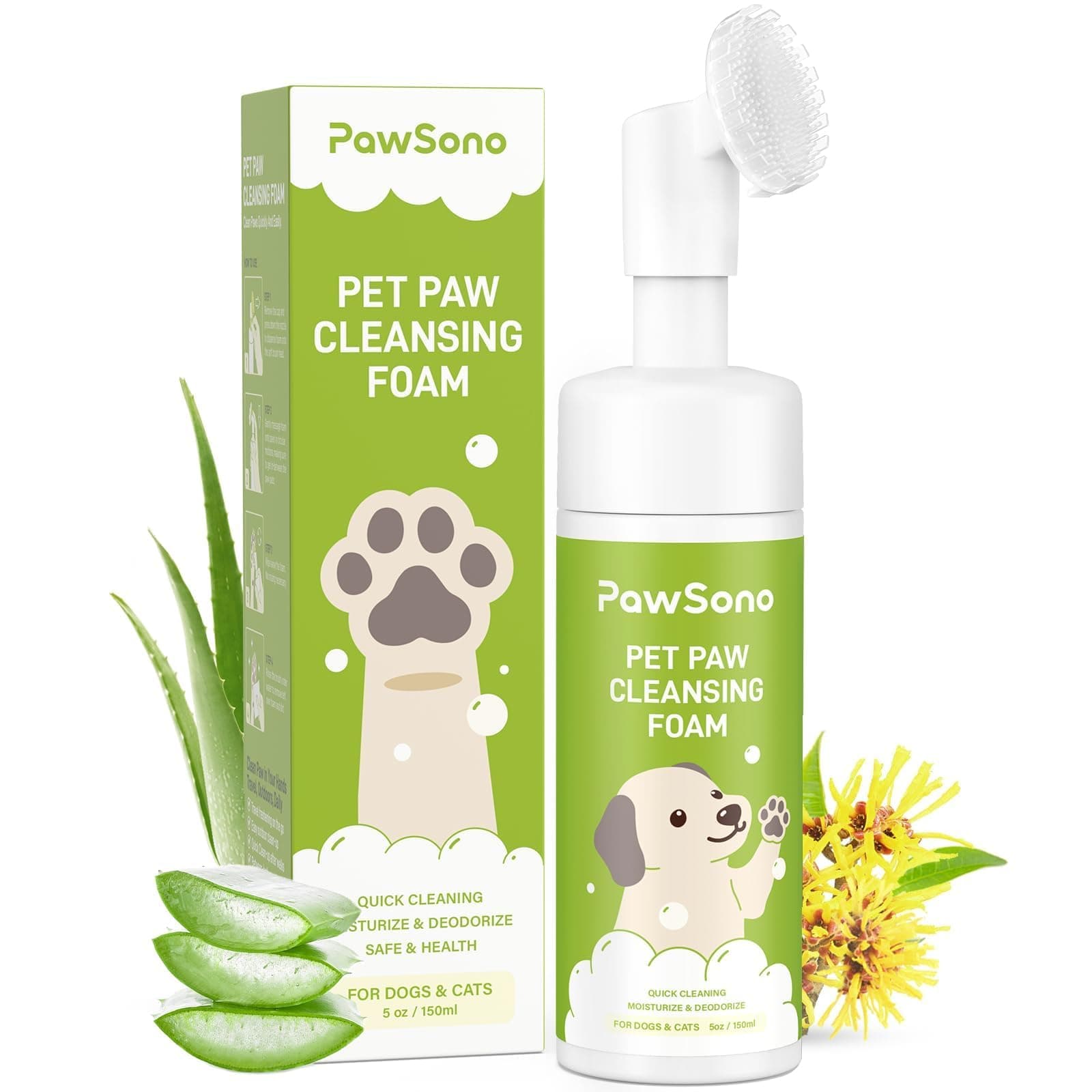
Paw Cleaner for Dogs & Cats, No-Rinse Foaming Pet Foot Washer with Built-in Scrubber Brush for Dirty, Muddy Paws – Suitable for Small, Medium & Large Dogs, Puppies, Kittens (5 fl oz)
PawSono
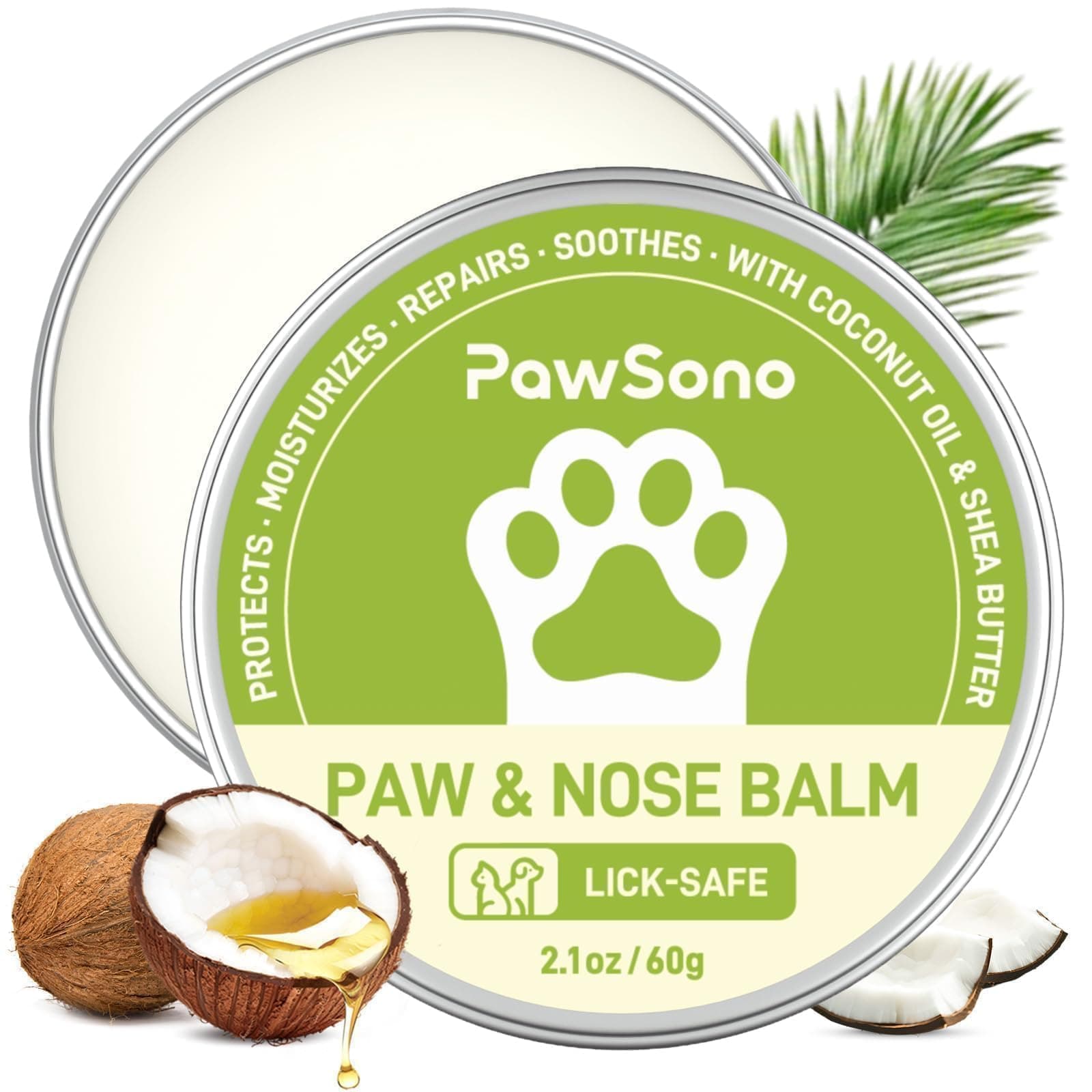
Lick-Safe Dog Paw & Nose Balm with Coconut Oil | Winter Road Salt & Cold Pavement Protector | All-Natural Moisturizer & Soother for Dry, Cracked Pads & Snout, Nose Butter for Bulldogs (60 g /2.1 oz)
Lick-Safe
Workflow cost over 90 days
Let’s translate “fast” into something measurable: minutes, supplies, and avoidable floor cleanup.
Assumptions (edit these to match your life):
- •2 walks/day = 180 walk-returns in 90 days.
- •Medium dog with average paw hair.
- •You care about “clean enough for indoor floors,” not surgical-level cleaning.
Scenario A: Mostly dry sidewalks (light dust)
Wipes:
- •Time: ~45–75 seconds total (all four paws).
- •Wipes used: 1–2.
- •Cost drivers: wipe consumption.
Washer cup:
- •Time: ~2–3 minutes including fill/dump/rinse.
- •Cost drivers: your time; minimal supplies.
Likely winner for speed: wipes.
Scenario B: Rainy season (wet grit + light mud)
Wipes:
- •Time: ~2–4 minutes (because you’re scrubbing fur around the paw and between toes).
- •Wipes used: 3–6.
- •Hidden cost: you may still get faint paw prints if paws are damp.
Washer cup:
- •Time: ~2–4 minutes, but results are more consistent.
- •Supplies: water + towel; optional foam improves one-pass success.
Likely winner for “fast enough with fewer repeats”: washer cup.
Scenario C: Winter salt and de-icer (irritant residue)
Wipes:
- •Time: ~2–3 minutes.
- •Reliability: good if you thoroughly wipe between toes, but you can miss creases.
- •Risk: some dogs react to fragranced wipes or harsh ingredients.
Washer cup:
- •Time: ~3–5 minutes.
- •Reliability: strong removal if you do a few gentle twists.
- •Best paired with a towel dry and a thin balm layer afterward if pads are cracking.
Likely winner for removal confidence: washer cup.
A simple 90-day “total cost” model (use ranges)
Because wipe prices vary a lot, focus on what you can measure: usage.
- •If you average 2 wipes per walk-return: 180 returns x 2 = 360 wipes.
- •If you average 4 wipes per walk-return (mud season): 720 wipes.
Now add time:
- •Wipes at 1.5 minutes average = 270 minutes over 90 days.
- •Wipes at 3 minutes average (mud season) = 540 minutes.
- •Washer cup at 3 minutes average = 540 minutes.
The surprise: wipes can be faster overall in clean conditions, but in messy conditions they often converge with washer cups—and cost more in consumables.
Where washer cups often win on budget-value is reducing “second passes” (rewiping paws, spot-cleaning floors, washing dog blankets more often) because you got a more complete clean the first time.
High-value options by use case
This is where the paw washer cup vs wipes decision becomes easy: pick based on where and what you’re cleaning.
Apartment living with elevators
Best combo: wipes + towel at the door.
- •You can’t easily manage a dripping cup in a shared hallway.
- •Keep a small pack in your pocket for elevator-to-door emergencies.
Add-on: if your dog has sensitive paws, use an unscented foaming cleaner at home for deeper cleans a few times a week, like Paw Cleaner for Dogs & Cats | Gentle Dog Paw Washer | No Rinse Foaming | Unscented | Pet Foot Cleaner with Built-in Silicone Brush for Muddy Paws | Puppy & Kitten Paw Wash | 5 fl oz.
Suburban yard + rainy grass
Best combo: washer cup at the back door.
- •Grass mud clings under nails and into fur.
- •One cup rinse + towel is often faster than burning through wipes.
Hiking, trails, and sandy paths
Best combo: wipes in the car + washer cup at home.
- •Car wipes prevent seats from becoming grit sandpaper.
- •A home cup rinse gets fine particles out of toe creases.
Practical tip: keep a towel in the car regardless. A towel does 70% of the work when paws are simply wet.
Winter city walks (salt + slush)
Best combo: washer cup + balm.
- •Salt isn’t just dirty; it can sting and dry pads.
- •After cleaning and drying, apply a thin layer of Lick-Safe Dog Paw & Nose Balm | 2.1 oz All Natural Wax with Coconut Oil & Shea Butter | Winter Snow, Road Salt & Hot Pavement Protector | Moisturizer for Dry, Rough Pads & Snouts or Dog Paw Balm, Paw Moisturizer for Dogs and Cats, Contains Coconut Oil, Nourishing and Moisturizing, Suitable for Dry, Cracked Paws and Noses, 60g to reduce cracking.
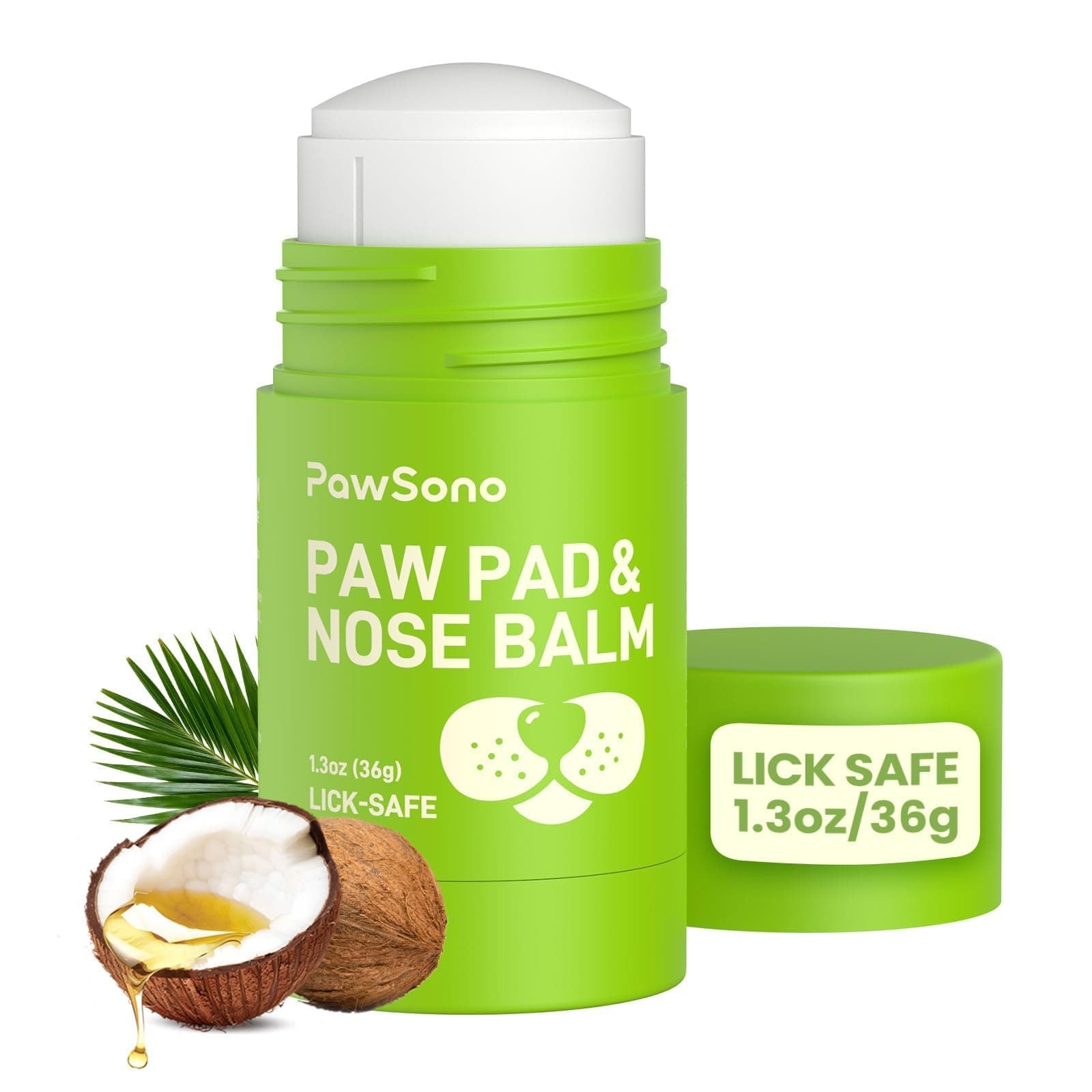
Lick-Safe Dog Paw & Nose Balm with Coconut Oil | Winter Snow, Road Salt & Cold Pavement Protector | All-Natural Moisturizer & Soother for Dry, Cracked Pads & Snout | Horse Hoof, Joint Care
Lick-Safe
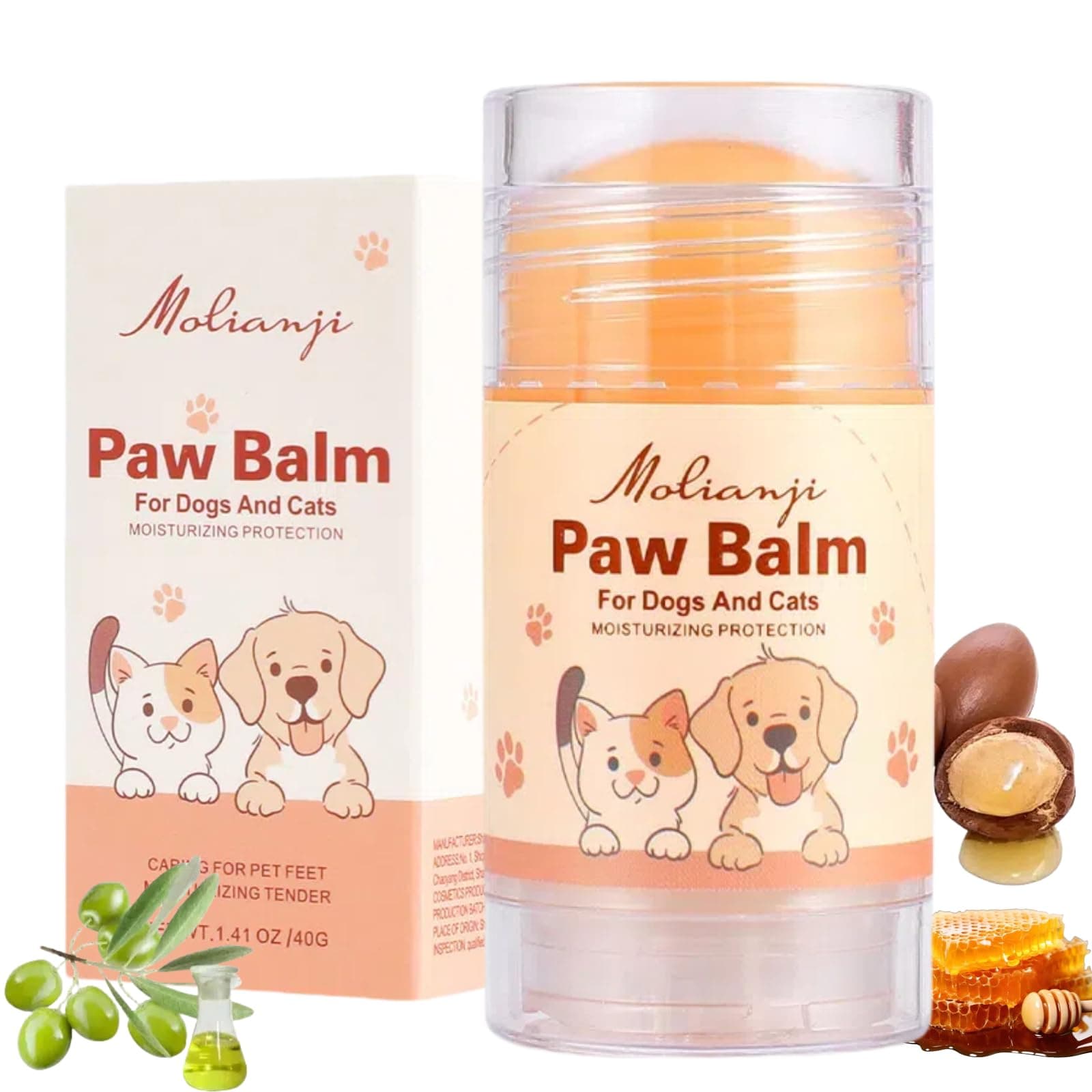
Dog Paw&Nose Balm Lick Safe1.4oz(40g),All-Natural Ingredients Pets Paw Wax,Healing Moisturizer with Coconut Oil&Honey,for Dry Cracked Dog & Cat Paws,Nose & Elbows, Horse Hoof, Joint Care
Brand: Steigullage
Multi-dog households
Best combo: wipes for quick triage + structured cup routine for the muddiest paws.
- •If you try to cup-wash three dogs every single time, you may quit.
- •Use wipes for “lightly dirty” paws, and reserve the cup for the dog who finds the mud.
Waste patterns to avoid
A budget-value routine isn’t just buying less—it’s avoiding habits that quietly add cost, time, and skin problems.
Wipe waste traps
- •Using wipes as a towel: if the paw is wet, blot with a towel first, then wipe. You’ll use fewer wipes and get cleaner results.
- •Over-relying on fragrance to mean “clean”: scent can mask leftover grime.
- •Tossing wipes in the wrong place: don’t flush them (even “flushable” wipes can clog plumbing).
- •Leaving the lid loose: dried-out wipes lead to using more per session.
Paw washer cup waste traps
- •Not rinsing the cup: leftover dirty water becomes a bacteria soup and makes the next cleaning smell worse.
- •Using very soapy solutions: more residue means more licking and more skin irritation. If you add product, keep it paw-safe and truly no-rinse.
- •Skipping the dry step: damp paws track dirt faster and can irritate skin between toes.
The “hidden waste” most people miss: repeated cleaning
If you’re wiping, then re-wiping, then mopping prints anyway, that’s not a product problem—it’s a workflow problem. Either add a towel step, upgrade to a cup for messier seasons, or trim paw fur.
Performance audit checklist
Run this audit for a week. It tells you whether your current approach is truly fast or just familiar.
Time and repeat-pass check
- •How many seconds from door to “paws done” on an average day?
- •How often do you need a second pass on at least one paw?
- •Are you cleaning the floor more often because paws weren’t fully clean?
Cleanliness check (choose what matters to you)
- •Mud: Are there specks left around nails or toe fur?
- •Salt: Is your dog licking paws intensely after winter walks?
- •Allergens: Are you wiping often but still seeing seasonal itch spikes?
Dog-comfort check
- •Does your dog pull away more with wipes (toe handling) or with the cup (pressure + water)?
- •Any redness between toes after a week of daily cleaning?
- •Are pads getting dry or rough? If yes, add conditioning 2–4 times/week with a paw balm like Lick-Safe Dog Paw & Nose Balm | 2.1 oz All Natural Wax with Coconut Oil & Shea Butter | Winter Snow, Road Salt & Hot Pavement Protector | Moisturizer for Dry, Rough Pads & Snouts or Dog Paw Balm, Paw Moisturizer for Dogs and Cats, Contains Coconut Oil, Nourishing and Moisturizing, Suitable for Dry, Cracked Paws and Noses, 60g.
Supply check
- •Wipes: How many do you go through per week? Multiply by 13 for a 90-day estimate.
- •Cup: How often do you replace towels (laundry time counts) or use foam refills like Wahl USA Gentle Foaming Dog Paw Cleaner, No-Rinse Probiotic Formula with Soft Silicone Paw Scrubber Brush, Coconut Lime Verbena Scent, 8 fl oz – Model 3028477?
If your time is creeping up or your wipe count is climbing, you’re in the zone where a washer cup tends to pay off.
Final buying decision tree
Use this like a choose-your-own-adventure for the paw washer cup vs wipes decision.
Step 1: What’s the typical mess?
- •Mostly dry dust or light sidewalk grime -> choose wipes.
- •Regular wet grit, mud, or salt crust -> choose a paw washer cup.
- •Both, depending on season -> plan a hybrid routine.
Step 2: Where are you cleaning?
- •On the go (car, park bench, travel) -> wipes win.
- •At home with easy access to water and a towel -> washer cup wins for deeper cleaning.
Step 3: How sensitive are your dog’s paws?
- •Sensitive skin or you’ve seen redness -> avoid harsh/fragranced options; consider unscented foam like Paw Cleaner for Dogs & Cats | Gentle Dog Paw Washer | No Rinse Foaming | Unscented | Pet Foot Cleaner with Built-in Silicone Brush for Muddy Paws | Puppy & Kitten Paw Wash | 5 fl oz and add balm support.
- •Pads cracking in winter/hot pavement season -> add a protective balm routine with Lick-Safe Dog Paw & Nose Balm | 2.1 oz All Natural Wax with Coconut Oil & Shea Butter | Winter Snow, Road Salt & Hot Pavement Protector | Moisturizer for Dry, Rough Pads & Snouts or Dog Paw Balm, Paw Moisturizer for Dogs and Cats, Contains Coconut Oil, Nourishing and Moisturizing, Suitable for Dry, Cracked Paws and Noses, 60g.
Step 4: What do you hate more—consumables or cleanup?
- •You hate buying and storing wipes -> washer cup (water + towel) reduces consumables.
- •You hate rinsing gear and dealing with splashes -> wipes keep things simpler.
Step 5: Pick the most sustainable routine (the one you’ll actually do)
- •If your dog tolerates wipes but panics at the cup -> start with wipes + towel, then reintroduce the cup slowly.
- •If wipes turn into a 5-wipe wrestling match -> switch to a cup for messy days and keep wipes for travel.
If you want a single default for most households: wipes are usually the fastest for lightly dirty paws, while a paw washer cup becomes the faster “daily cleanup” solution the moment your environment regularly produces wet grit, mud, or salt. The best budget-value approach for many owners is hybrid: wipes for portability and quick touchups, washer cup at home for the messier returns.
Roundups Cluster
More in this topic

guide
Pet Feeding Station Setup: The Perfect Spot for Stress-Free Meals
guide
Best Indestructible Dog Toys for Aggressive Chewers
guide
10 DIY Cat Enrichment Ideas to Keep Your Cat Happy
guide
Positive Reinforcement Dog Training: A Complete Beginner's Guide
guide
Crate Training Puppy Schedule: Day-by-Day Plan for Success
guide
Leash Training Tips for Dogs: Stop Pulling and Enjoy Walks
Frequently asked questions
Are paw wipes safe for daily use?
Many are, but “daily safe” depends on ingredients and your dog’s skin. For everyday use, avoid harsh detergents, heavy fragrance, and anything that leaves residue your dog will lick off. If you notice redness between toes, increased licking, or dry pads, reduce frequency, switch to a gentler unscented option, and add a towel-dry step. For seasonal dryness or cracking, a thin layer of paw balm a few times per week can help restore the barrier.
Do paw washer cups actually clean faster than wipes?
They can—especially when paws are wet, gritty, muddy, or salty. A wipe is faster for light dust because there’s no setup. But once you’re using multiple wipes and scrubbing toe fur, the washer cup’s water + gentle agitation often removes more in one pass, which saves time overall by reducing re-wipes and floor touchups.
What’s the best routine for winter salt and de-icer?
Aim for removal plus skin protection. After walks, rinse or wash paws (a paw washer cup tends to remove salt from creases more reliably), then towel-dry thoroughly—especially between toes. If pads are drying or cracking, apply a thin protective balm after paws are fully dry. Also consider a pre-walk balm layer during harsh weeks to reduce salt contact and make post-walk cleanup quicker.
