

comparison • Nail Care
Nail Scissors vs Grinder for Small Pets: Which Method Is Safer (and Better Value)?
Choosing between clippers and a grinder isn’t just about safety—it’s time, stress, and long-term cost. Here’s a practical, small-pet-focused guide.
By Lucy Anderson • February 26, 2026 • 7 min read
Table of contents
- Define value beyond sticker price
- Safety is behavioral as much as mechanical
- What “total cost of ownership” looks like for nail care
- Minimum viable setup for reliable results
- Option A: Minimum viable scissors setup (most efficient)
- Option B: Minimum viable grinder setup (more forgiving per millimeter)
- Option C: Scratch-board filing (low stress for some pets)
- Upgrade paths that actually improve outcomes
- Upgrade 1: Move from “big trims” to micro-sessions
- Upgrade 2: Pair methods (clip + grind) for best-of-both
- Upgrade 3: Reduce fear with predictable cues
- Upgrade 4: Better visibility beats fancier tools
- Workflow cost over 90 days
- Nail scissors workflow cost
- Grinder workflow cost
- Scratch pad workflow cost
- High-value options by use case
- Use case: Tiny nails + anxious pet (most cats, many rabbits)
- Use case: Black nails or quick hard to see (small dogs especially)
- Use case: You need smoother nails to prevent scratches and snags
- Use case: Pet hates paw handling but loves training games
- Waste patterns to avoid
- Waste pattern 1: Buying a grinder, then never conditioning your pet
- Waste pattern 2: Clipping too much because you want “done”
- Waste pattern 3: Ignoring dewclaws
- Waste pattern 4: Over-grinding and overheating
- Performance audit checklist
- Pet response
- Nail quality outcomes
- Owner workflow reality
- Final buying decision tree
- Step 1: Can your pet tolerate paw handling for 30–60 seconds?
- Step 2: Is your pet noise-sensitive or vibration-averse?
- Step 3: Are the nails dark or is the quick hard to see?
- Step 4: What’s your biggest problem—length or sharpness?
- Step 5: Commit to the schedule that makes the method safe
Define value beyond sticker price
If you’re weighing nail scissors vs grinder for a small pet, “safer” usually means two things:
- Less chance of pain or bleeding (hitting the quick)
- Less chance your pet panics and gets injured trying to escape
But value is bigger than the tool price. In real homes, nail care succeeds when the method is repeatable—fast enough that you’ll do it on schedule, gentle enough that your pet won’t dread it, and consistent enough that you avoid emergency fixes.
Safety is behavioral as much as mechanical
- •A sharp clipper can be physically safe yet behaviorally risky if your cat bolts at the “snip.”
- •A grinder can be mechanically forgiving (you remove nail gradually), but noise/vibration can trigger fear—especially in tiny dogs and many cats.
What “total cost of ownership” looks like for nail care
When you compare nail scissors vs grinder, include:
- •Replacement parts (grinding bands/discs, sandpaper refills)
- •Battery/charging friction (a dead grinder often turns into a skipped session)
- •Time per session (and whether you need a second person)
- •Mistake cost (styptic powder, vet visit, grooming appointment)
Concrete example: If you nick the quick once with scissors, many pets become hand-shy for weeks. That “one bad clip” can turn a 5-minute routine into a 30-minute wrestling match—or a $20–$40 nail trim add-on at the groomer every month.
Minimum viable setup for reliable results
The best starter setup is the one you’ll actually use weekly. For small pets, “weekly maintenance” beats “monthly major trim” almost every time.
Option A: Minimum viable scissors setup (most efficient)
A quality small clipper with a precise blade is the core. For many cat owners, a dedicated feline clipper reduces split nails and crush pressure.
- •Recommended style: compact, ultra-sharp cat clippers like NecoIchi - Purrcision Feline Nail Clippers
- •Add-ons that matter: a nail file for smoothing, a towel (for a “kitty burrito”), and a bright lamp
- •Safety must-have: styptic powder or gel (even careful owners eventually misjudge a dark nail)
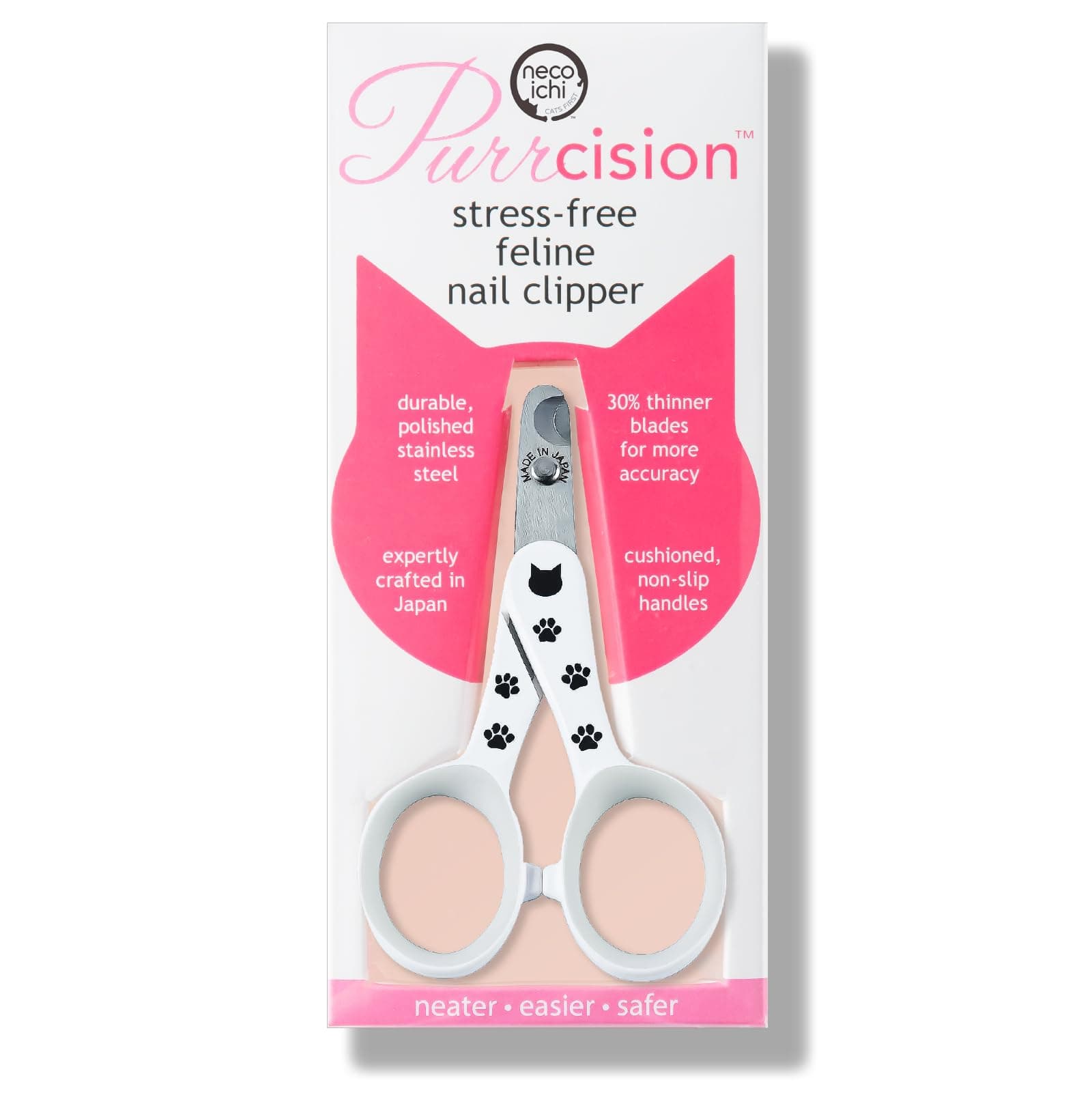
Minimum viable technique (cats/small dogs):
- Trim just the needle tip (1–2 mm) from each nail.
- Stop before the nail starts to look “chalky” at the center (that’s closer to the quick).
- End by lightly filing any sharp edges.
Option B: Minimum viable grinder setup (more forgiving per millimeter)
If you struggle to judge where to clip—especially on black nails—grinders let you approach the quick slowly.
- •Pick a quieter, adjustable-speed model such as Electric Dog Nail Grinder: Upgraded 5-Speed Quiet Dog Nail Trimmer or Dog Nail Grinder Electric Powerful 3 Speeds with Lights
- •Minimum accessories: treats that your pet will work for, and a plan to do 1–2 paws per session at first
- •Safety must-have: learn heat control—short touches, frequent breaks
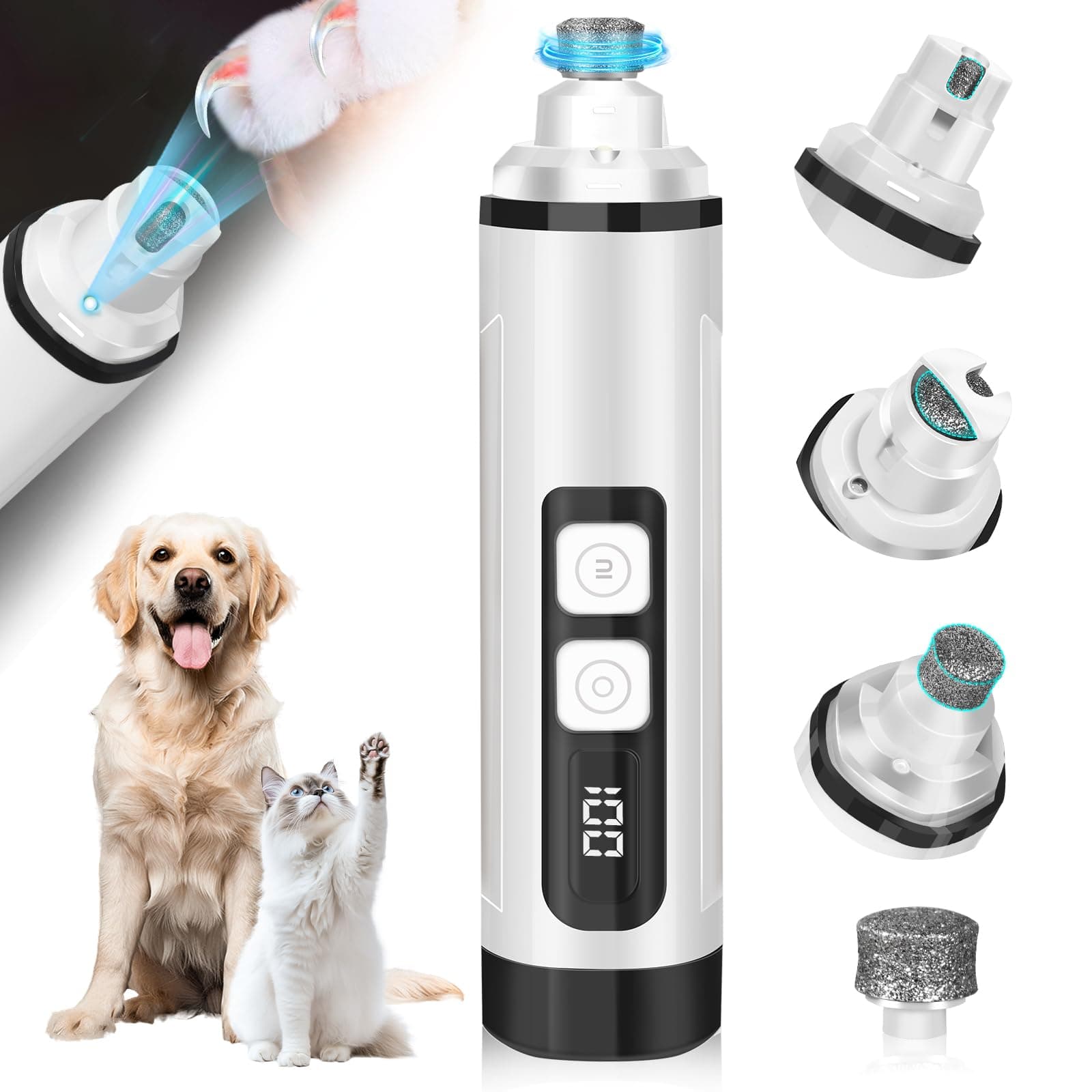
Dog Nail Grinder Electric Powerful 3 Speeds Dog Nail Clippers with Lights Quiet Cat Nail Clipper Painless Care Trimmers Tools for Small Medium Large Dogs and Cats (Black)
Brand: Javtoku
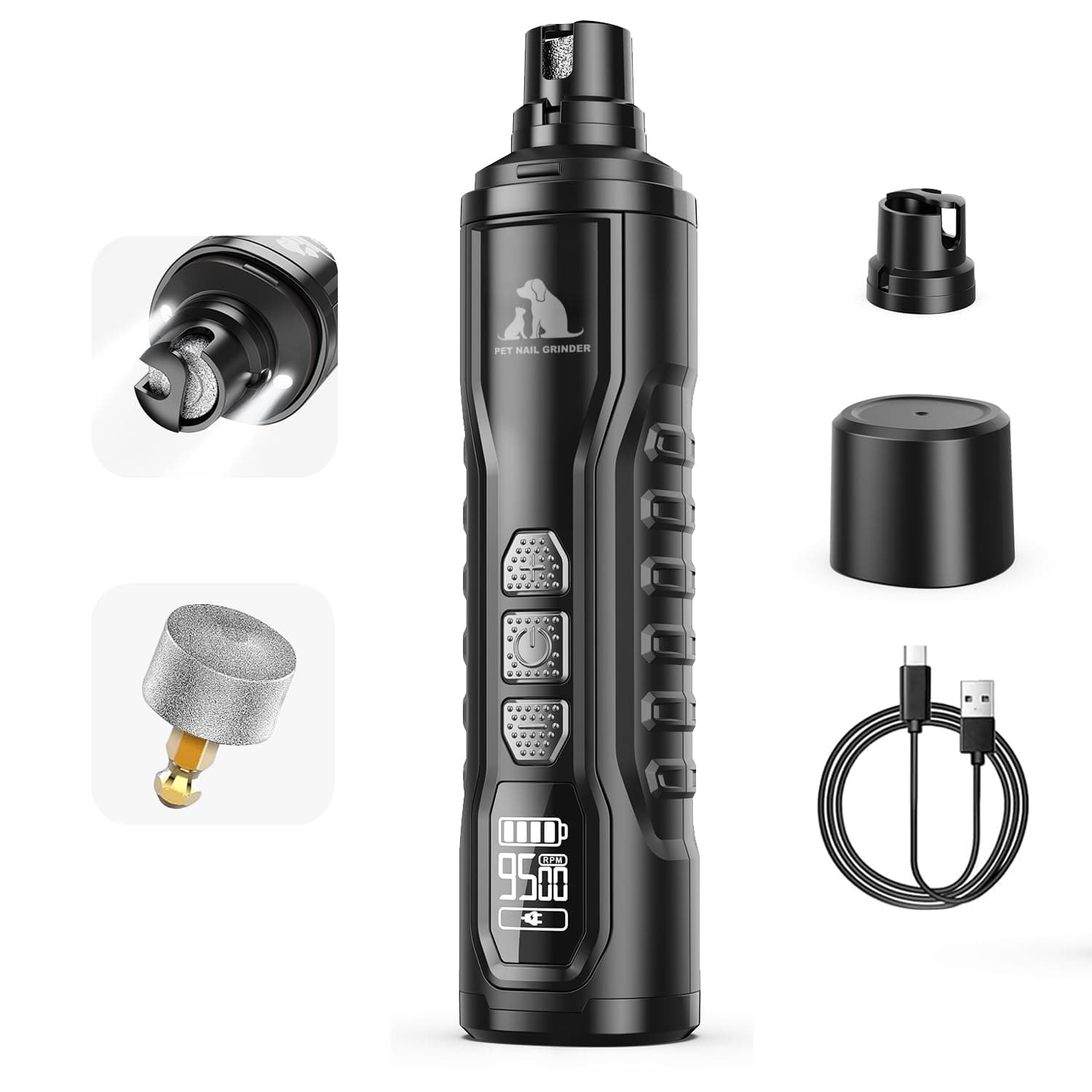
Electric Dog Nail Grinder: Upgraded 5-Speed Quiet Dog Nail Trimmer-Safe Painless Nail File for Claw Trimming & Grooming Care At Home for Dogs & Cats(Light Black)
Brand: Juveximzy
Minimum viable technique:
- Start with the lowest speed.
- Touch nail for 1–2 seconds, then off (heat builds fast on tiny nails).
- Aim for a rounded tip, not a flat “table.”
Option C: Scratch-board filing (low stress for some pets)
For pets that hate paw handling, a scratch pad can be a surprisingly workable middle ground—especially for front nails.
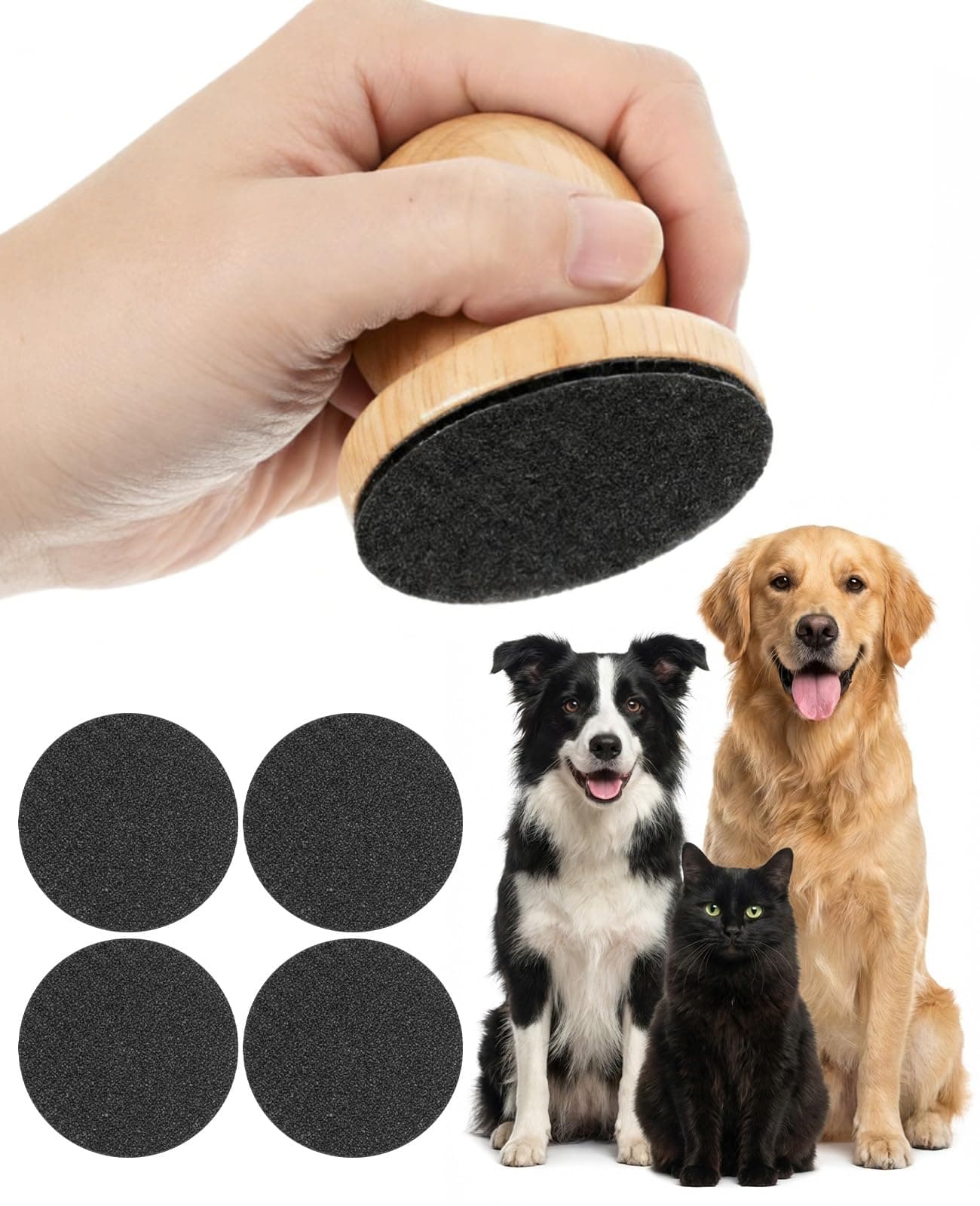
This can be “safer” in the sense that you’re not aiming near the quick with a blade. The tradeoff: it’s training-dependent, and it typically doesn’t solve dewclaws or back nails without extra handling.
Upgrade paths that actually improve outcomes
Many owners upgrade tools when the real bottleneck is process. Here are upgrades that genuinely improve safety and consistency in the nail scissors vs grinder decision.
Upgrade 1: Move from “big trims” to micro-sessions
- •Do 2–4 nails per day for a week.
- •Your pet learns the routine ends quickly (less panic).
- •You reduce the chance of rushing and hitting the quick.
Upgrade 2: Pair methods (clip + grind) for best-of-both
This is often the safest and best-value long-term approach:
- •Use scissors/clipper to remove length quickly.
- •Use a grinder to round and smooth.
Scenario: Your indoor cat’s nails aren’t extremely long, but they’re sharp and snagging blankets. One small snip per nail with NecoIchi - Purrcision Feline Nail Clippers plus a few seconds of gentle rounding with a quiet grinder can prevent scratches without pushing too close to the quick.
Upgrade 3: Reduce fear with predictable cues
A safer method is the one your pet accepts.
- •Same location each time (a mat, a couch corner)
- •Same order (front paws first)
- •Same cue word (“nails”)
- •High-value reward only for nail sessions
Upgrade 4: Better visibility beats fancier tools
If you miss the quick, it’s often lighting and positioning—not a tool problem.
- •Use a bright lamp at paw level.
- •For translucent nails, look for the pink quick.
- •For dark nails, grind slowly or take tiny clips.
Workflow cost over 90 days
Budget-value thinking means asking: over 90 days, what does this cost in money, time, and stress?
Assume a small dog or cat needs light maintenance weekly (12–13 sessions in 90 days).
Nail scissors workflow cost
- •Time: 3–10 minutes/session once your routine is stable
- •Learning curve: moderate (you must learn angles and quick awareness)
- •Mistake risk: higher per cut if you clip too much at once
- •Consumables: minimal (maybe an occasional file)
Real-world efficiency win: If your pet tolerates handling, scissors are the fastest path to “done.” That efficiency is value—short sessions are easier to repeat.
Grinder workflow cost
- •Time: 8–20 minutes/session early on; can drop to 5–10 minutes
- •Learning curve: moderate (heat control + vibration acclimation)
- •Mistake risk: lower chance of sudden bleeding, but higher chance of stress from noise if not conditioned
- •Consumables: grinding bands/discs; eventual battery wear
Value nuance: A grinder can reduce the “one bad clip” event that derails months of progress, which is a hidden cost many owners underestimate.
Scratch pad workflow cost
- •Time: 2–5 minutes for trained pets; longer while teaching
- •Learning curve: training-based (shaping behavior)
- •Consumables: replacement sandpaper discs like those included with this scratch pad board
- •Coverage gaps: dewclaws and rear nails may still need scissors or a grinder
Bottom line on 90-day value: the “safest” choice in nail scissors vs grinder is often the one that keeps you consistent every week without a fight.
High-value options by use case
Use cases matter more than species labels. A calm cat and a squirmy cat need different strategies.
Use case: Tiny nails + anxious pet (most cats, many rabbits)
Best value: micro-clips with a sharp, precise clipper.
- •Consider NecoIchi - Purrcision Feline Nail Clippers for controlled snips.
- •Do 2–4 nails, reward, stop.
- •Add a file pass if sharp tips are the only issue.
Why this is safer: less noise and vibration than a grinder, and small cuts reduce quick risk.
Use case: Black nails or quick hard to see (small dogs especially)
Best value: grinder-first approach.
- •Start with a quiet, adjustable model like the 5-speed grinder
- •Use the lowest speed and short taps
- •Stop when you see a dark center dot (approaching quick)
Why this is safer: you remove nail gradually, so you’re less likely to take too much at once.
Use case: You need smoother nails to prevent scratches and snags
Best value: clip + grind combo.
- •Clip to reduce length.
- •Smooth edges with a grinder like this 3-speed model with lights for better visibility.
Use case: Pet hates paw handling but loves training games
Best value: scratch board for front nails.
- •Use a scratch pad board with replaceable discs
- •Teach “scratch” on cue using treats
- •Then maintain weekly with 30–60 seconds per paw
Caveat: plan a separate approach for dewclaws and rear paws.
Waste patterns to avoid
Most money gets wasted when tools don’t match behavior reality.
Waste pattern 1: Buying a grinder, then never conditioning your pet
If you turn on a grinder at full speed next to an anxious cat, you may create a long-term fear association. That wastes the purchase and makes future handling harder.
Fix: Spend 5 days just pairing the sound with treats.
- •Day 1–2: grinder on across the room, treat
- •Day 3–4: grinder closer, treat
- •Day 5: touch grinder to a wooden spoon near paws, treat
Waste pattern 2: Clipping too much because you want “done”
One deep cut can create weeks of avoidance. That’s the most expensive “cost” in nail scissors vs grinder: lost cooperation.
Fix: target tiny trims weekly. You’re managing length, not remodeling the nail.
Waste pattern 3: Ignoring dewclaws
Dewclaws can curl and grow into skin—especially in small dogs. Scratch boards won’t fix them.
Fix: Check dewclaws every session. If you use a grinder, do them early while your pet is calm.
Waste pattern 4: Over-grinding and overheating
Heat is the hidden grinder risk. Small nails heat quickly.
Fix: 1–2 second touches, rotate nails, take breaks.
Performance audit checklist
Use this monthly to decide if your current method is still the safest and best value.
Pet response
- •[ ] Pet stays below a 4/10 stress level (no constant pulling away, panting, growling)
- •[ ] Recovery is fast (normal behavior within 2 minutes)
- •[ ] You can handle paws without escalating restraint
Nail quality outcomes
- •[ ] Nails don’t click loudly on hard floors (dogs)
- •[ ] Nail tips aren’t needle-sharp (cats)
- •[ ] No snagging on blankets or carpets
- •[ ] No quick nicks in the last 8 weeks
Owner workflow reality
- •[ ] You can complete a session in under 10 minutes (or split into micro-sessions)
- •[ ] The tool is always ready (charged, accessible, not buried in a drawer)
- •[ ] Consumables are stocked (bands/discs if you grind; styptic regardless)
If you fail two or more items consistently, it’s time to switch method or combine methods.
Final buying decision tree
Use this to choose nail scissors vs grinder based on safety, value, and routine efficiency.
Step 1: Can your pet tolerate paw handling for 30–60 seconds?
- •If yes: start with scissors/clipper for speed and low fuss. A precise option like NecoIchi - Purrcision Feline Nail Clippers is a strong baseline.
- •If no: go to Step 2.
Step 2: Is your pet noise-sensitive or vibration-averse?
- •If yes: consider a training-first scratch board like this grinder board scratch pad for front nails, then handle dewclaws separately with tiny clips.
- •If no (or you can condition them): go to Step 3.
Step 3: Are the nails dark or is the quick hard to see?
- •If yes: a grinder is often safer for beginners. Choose adjustable speeds and prioritize quiet operation, such as the upgraded 5-speed grinder or the 3-speed grinder with lights.
- •If no: scissors are usually the best value and fastest workflow.
Step 4: What’s your biggest problem—length or sharpness?
- •Mostly length: scissors win on speed.
- •Mostly sharpness/snags: grinder (or file) wins on finish quality.
- •Both: clip + grind combo is the highest “total value” approach.
Step 5: Commit to the schedule that makes the method safe
Whichever tool you buy, pick a repeatable cadence:
- •Weekly micro-trim (best for anxious pets)
- •Every 2 weeks maintenance (works for many small dogs)
If you’re still undecided, choose the option that reduces the chance you’ll procrastinate. In the nail scissors vs grinder debate, consistency is what keeps nails short, prevents quick overgrowth, and makes every session safer.
Roundups Cluster
More in this topic

guide
Pet Feeding Station Setup: The Perfect Spot for Stress-Free Meals
guide
Best Indestructible Dog Toys for Aggressive Chewers
guide
10 DIY Cat Enrichment Ideas to Keep Your Cat Happy
guide
Positive Reinforcement Dog Training: A Complete Beginner's Guide
guide
Crate Training Puppy Schedule: Day-by-Day Plan for Success
guide
Leash Training Tips for Dogs: Stop Pulling and Enjoy Walks
Frequently asked questions
Is a grinder safer than nail scissors for small pets?
Often, yes—especially for dark nails or owners who tend to clip too much at once. A grinder removes nail gradually, which reduces sudden quick cuts. But “safer” depends on your pet’s tolerance: noise and vibration can cause panic, and an anxious pet can get hurt trying to escape. For many cats and tiny dogs, tiny weekly clips (1–2 mm) with a sharp clipper can be safer overall because the session is faster and quieter.
How do I avoid hitting the quick when choosing nail scissors vs grinder?
With scissors, take micro-snips and stop early—aim to remove only the needle tip, especially on small pets. With a grinder, use the lowest speed and short touches (1–2 seconds) to prevent heat buildup; stop when you see the center darken or a small dot appears (sign you’re close to the quick). In both methods, good lighting and frequent sessions help because shorter nails encourage the quick to recede over time.
Are scratch boards a good replacement for clippers or grinders?
Scratch boards can be a high-value option for pets that hate paw handling, but they’re not a full replacement for most small pets. They work best on front nails and require training; they typically won’t manage dewclaws or back nails without additional handling. Many owners get the best results using a scratch board for routine front-nail maintenance and a clipper or grinder for dewclaws and occasional touch-ups.
