

guide • Bath Time
How to Bathe a Cat That Hates Water: No-Scratch Steps
Learn how to bathe a cat that hates water with calm, no-scratch steps that reduce panic, noise overload, and slipping for a safer bath.
By PetCareLab Editorial • March 11, 2026 • 14 min read
Table of contents
- Why Some Cats Hate Baths (And When You Actually Need One)
- Common reasons cats hate water
- Breed examples: who tolerates baths better (and who doesn’t)
- When a bath is truly needed (vs. when to skip it)
- Safety First: No-Scratch Rules That Matter More Than Technique
- The golden rules
- Real scenario: “My cat turns into a blender”
- Prep Like a Pro (This Is Where Most People Win or Lose)
- Choose the right location: sink beats tub for most cats
- Set up your “cat bath station”
- Product recommendations (cat-safe priorities)
- Brush first—especially for long-haired breeds
- The Calm-First Plan: Desensitization That Works Even for “Spicy” Cats
- Mini training sessions (2 minutes each)
- Sound and sensation hacks
- When to talk to your vet about anxiety support
- Step-by-Step: How to Bathe a Cat That Hates Water (No-Scratch Method)
- Step 1: Tire them out (lightly) and time it right
- Step 2: Set the water and environment before you bring the cat in
- Step 3: Bring your cat in wrapped (the “towel burrito” entry)
- Step 4: Wet the body gradually (avoid the face at first)
- Step 5: Shampoo fast and smart
- Step 6: Rinse like your result depends on it (it does)
- Step 7: Immediate towel wrap and dry (the “reset” moment)
- Step 8: Optional blow-dry (only if your cat tolerates it)
- “I Don’t Need a Full Bath” Alternatives (Often the Best No-Scratch Option)
- Option 1: Spot-cleaning (best for poop/urine mess)
- Option 2: Grooming wipes (best for light dirt, allergens)
- Option 3: Waterless foam shampoo (best for oiliness without heavy grime)
- Option 4: Professional grooming or vet bath (best for extreme cases)
- Common Mistakes That Cause Scratches (And How to Avoid Them)
- Mistake 1: Using a slippery tub with no traction
- Mistake 2: Turning on a loud sprayer near the cat’s face
- Mistake 3: Bathing a matted long-haired cat
- Mistake 4: Using strong fragrance or “deodorizing” shampoos
- Mistake 5: Trying to do everything alone
- Mistake 6: Rushing the ending and skipping thorough drying
- Expert Handling Tips for a True “No-Scratch” Bath
- Use “steady contact,” not gripping
- Keep the cat facing away from the exit
- The “two-towel system” for spicy cats
- Lick treats as a “bath pacifier”
- Nail trimming: do it earlier, not right before
- Aftercare: Keep Skin Healthy and Prevent the Next Freak-Out
- Reward and recovery routine
- Brushing after the coat is mostly dry
- Watch for skin irritation
- Quick Reference: A No-Scratch Bath Checklist
- Before you start
- During the bath
- If things go sideways
- FAQ: Real-World Questions People Ask About Bathing Water-Hating Cats
- “Can I bathe my cat with Dawn dish soap?”
- “Should I put cotton balls in my cat’s ears?”
- “How often should I bathe my cat?”
- “My cat got fleas—will a bath fix it?”
- “What if my cat is aggressive during baths?”
- Final Word: The Best Bath Is the One Your Cat Can Tolerate
Why Some Cats Hate Baths (And When You Actually Need One)
Most cats aren’t being “dramatic” about water—they’re reacting to instincts and past experiences. Understanding why your cat panics helps you choose the safest, least-scratch method.
Common reasons cats hate water
- •Loss of control: Wet fur feels heavy and changes how they move. Many cats panic when they can’t grip or escape.
- •Noise + sensation overload: Running water, echoing tubs, slippery surfaces, and spray sensations can trigger fear.
- •Previous bad bath: One stressful bath can create a lasting “bath = danger” association.
- •Cold + slow-drying coat: Cats run warmer than we do; water that feels “lukewarm” to you may feel chilly to them.
- •Breed/coat differences: Some coats trap water and take forever to dry, which feels uncomfortable.
Breed examples: who tolerates baths better (and who doesn’t)
- •Often more tolerant:
- •Maine Coon (many are curious, some even like water; thick coat requires extra drying)
- •Bengal (frequently fascinated by water; still needs a gentle approach)
- •Turkish Van (famous “swimmer,” but not guaranteed—individual personality matters)
- •Often more sensitive to bathing:
- •Persian (dense coat mats easily; bathing can worsen tangles if not prepped)
- •Scottish Fold (often cautious; stress can spike quickly)
- •Siamese (can be vocal and anxious with restraint; benefit from calm routines)
When a bath is truly needed (vs. when to skip it)
A bath makes sense if your cat:
- •Got into sticky/oily/dirty substances (grease, paint, sap, feces)
- •Has fleas and your vet recommends a bath as part of treatment
- •Has medical grooming needs (urine scald, diarrhea mess, mobility issues)
- •Has a coat issue (severe dandruff, ringworm plan only under veterinary direction)
Skip the full bath if:
- •Your cat is just “a little dusty” (use brushing + wipe-down)
- •Your cat is elderly, sick, or severely stressed (ask your vet for safest alternatives)
- •You suspect poison/toxic exposure (call your vet/poison hotline first—some substances shouldn’t be washed without guidance)
Safety First: No-Scratch Rules That Matter More Than Technique
Bathing a water-hating cat is less about “getting it clean” and more about preventing injury—to you and your cat.
The golden rules
- •Never punish, yell, or force a full-body dunk. It escalates fear and makes the next attempt worse.
- •Avoid scruffing as a control method. It can increase panic and doesn’t teach calm tolerance.
- •If your cat is thrashing, open-mouth panting, or screaming: stop. That’s a safety threshold.
- •Use a helper whenever possible. One person controls gently; one person washes.
- •Plan a short bath. Most cats can tolerate 2–5 minutes of wet work if prep is solid.
Real scenario: “My cat turns into a blender”
If your cat launches off surfaces, bites, and claws within seconds, your best “no-scratch” choice often isn’t a traditional bath—it’s a partial clean (wipes + spot wash) or a professional groomer/vet visit where they can use specialized handling safely.
Pro-tip: If you can’t touch your cat’s paws or belly on a normal day, a full bath is likely to go badly. Start with desensitization and partial cleaning first.
Prep Like a Pro (This Is Where Most People Win or Lose)
If you want “no-scratch steps,” preparation is the secret. Your goal: reduce slippery surfaces, shorten bath time, and keep your cat’s stress low.
Choose the right location: sink beats tub for most cats
- •Kitchen or bathroom sink: smaller, easier to control, less echo, less “ocean feeling”
- •Plastic baby tub inside a shower stall: good for larger cats (Maine Coons), contains splashes
- •Avoid full bathtubs for first-timers—too big, too slippery, too loud
Set up your “cat bath station”
Have everything within arm’s reach so you never let go to grab something.
What you need
- •2–3 towels (one in the sink/tub for grip, one for drying, one backup)
- •Non-slip mat (or a folded towel) for traction
- •Cat shampoo (fragrance-free, cat-specific)
- •Cup/pitcher or gentle sprayer (low pressure)
- •Cotton balls (optional—not pushed deep—to reduce ear water)
- •Comb/brush (for pre-bath and post-bath)
- •Treats (high-value: Churu-style lick treats work great)
- •Nail trimmers (optional, done earlier—not right before if it causes stress)
Product recommendations (cat-safe priorities)
Look for: fragrance-free, soap-free or mild, pH-balanced for pets, no essential oils.
- •Shampoo:
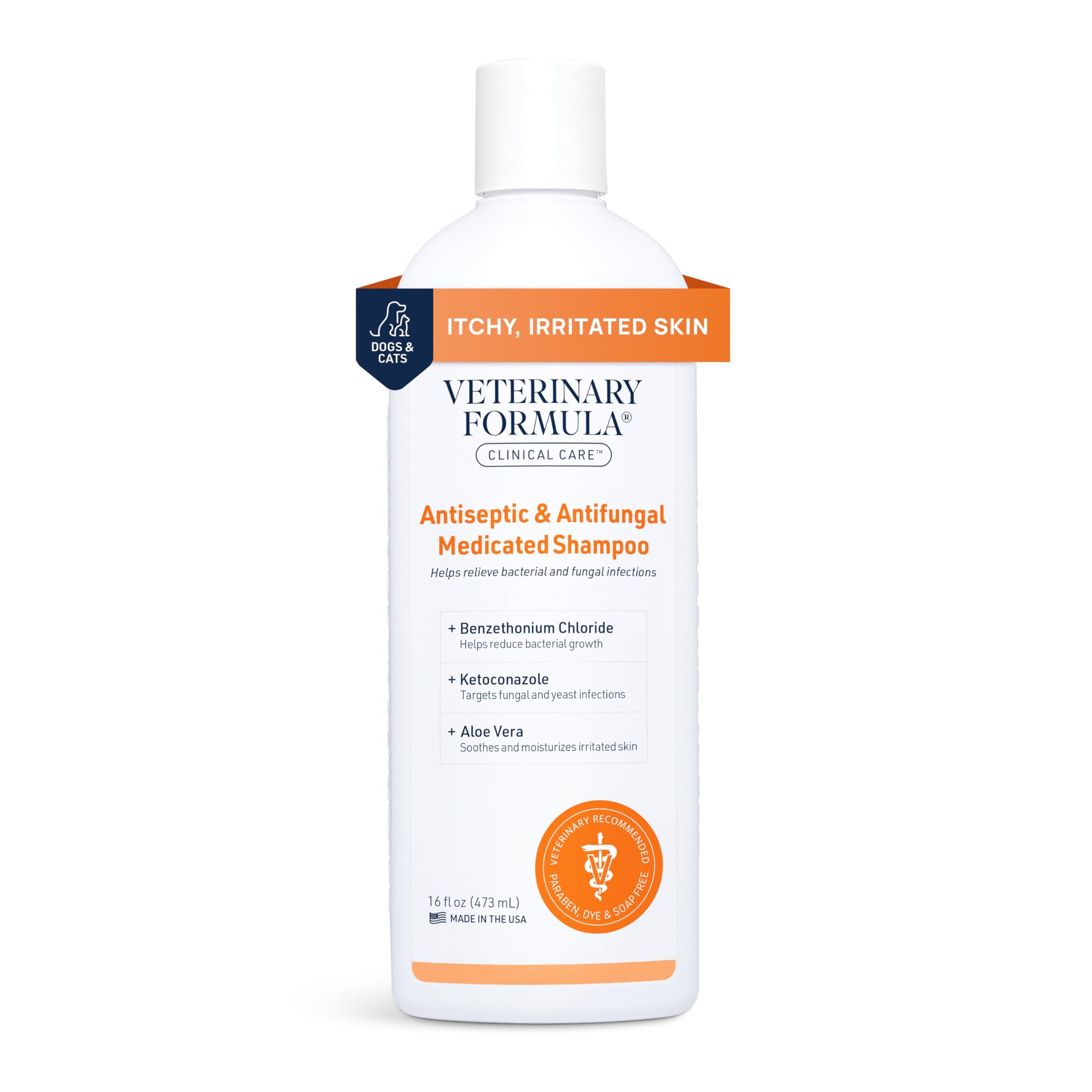
- •General gentle options: Earthbath Fragrance Free, Veterinary Formula Clinical Care Hypoallergenic
- •If your vet recommends medicated: Malaseb or Douxo lines (use only as directed)
- •Waterless options (for bath-haters):
- •Cat grooming wipes (unscented)
- •Waterless cat shampoo foam (fragrance-free if possible)
Avoid:
- •Human shampoo (wrong pH; can dry/irritate skin)
- •Dog-only flea shampoos unless your vet explicitly approves (cats are more sensitive)
- •Essential oil products (tea tree, peppermint, citrus—many are risky for cats)
Brush first—especially for long-haired breeds
For Persians, Ragdolls, and Maine Coons: water + loose undercoat = instant mats.
- •Thoroughly brush and detangle before water touches fur.
- •If mats are tight to the skin, don’t soak and yank—that’s painful. Consider a groomer.
Pro-tip: If your cat has mats, a “bath to help” often makes it worse. Demat first, bathe second.
The Calm-First Plan: Desensitization That Works Even for “Spicy” Cats
If you can plan ahead (even 3–7 days), you can dramatically reduce scratches by teaching your cat that the bath area predicts good things.
Mini training sessions (2 minutes each)
Do 1–2 sessions daily:
- Bring your cat into the bathroom/sink area with no water.
- Give a lick treat or favorite snack.
- Put them on the towel-lined sink for 1–3 seconds, treat, then off.
- Gradually increase time to 10–30 seconds.
- Next sessions: turn the faucet on very low briefly while treating (cat stays dry).
Sound and sensation hacks
- •Run water before the cat enters the room (reduces sudden noise).
- •Use a pitcher instead of a sprayer if spray sound triggers panic.
- •Warm the room slightly so drying is easier and your cat doesn’t chill.
When to talk to your vet about anxiety support
If your cat has a history of injury-level aggression or severe panic, ask your vet about:
- •Pre-visit pharmaceuticals (common in vet medicine) used safely at home
- •A plan for grooming that avoids trauma and injury
This isn’t “giving up.” It’s choosing safety.
Step-by-Step: How to Bathe a Cat That Hates Water (No-Scratch Method)
This is the core process I’d use as a vet tech mindset: quick, controlled, low-drama. Aim for a short bath with minimal restraint.
Step 1: Tire them out (lightly) and time it right
- •Choose a time when your cat is naturally calmer (often after a meal).
- •Use 5–10 minutes of play (wand toy) beforehand to take the edge off.
- •Keep the house quiet; remove other pets from the area.
Step 2: Set the water and environment before you bring the cat in
- •Fill the sink/tub with 1–2 inches of warm water (not hot).
- •Place the non-slip towel/mat down.
- •Keep the faucet off during the wash if the sound scares them.
Water temp guide: slightly warmer than lukewarm on your wrist—think “comfortable baby bath,” not steamy.
Step 3: Bring your cat in wrapped (the “towel burrito” entry)
This reduces the “launch” response.
- Wrap your cat in a towel with just the head out.
- Carry them to the sink calmly.
- Set them on the towel-lined surface and let them take one breath.
Pro-tip: The towel isn’t for wrestling—it’s for predictable containment and traction.
Step 4: Wet the body gradually (avoid the face at first)
Use a cup or your hand to wet:
- •Start at the back and sides
- •Then the belly and legs
- •Save tail for last (some cats hate tail handling)
Avoid:
- •Water on the head, ears, nose
- •Sudden full-body soak
If your cat tenses, pause and give a lick treat.
Step 5: Shampoo fast and smart
Less is more.
- Apply a small amount of cat shampoo to your hands first.
- Massage into the coat in the direction of fur growth.
- Focus on dirty areas: rump, paws, belly.
Time target: 60–90 seconds of lathering.
Step 6: Rinse like your result depends on it (it does)
Leftover soap causes itchiness, dandruff, and “never again” discomfort.
- •Use clean warm water in a cup, rinse from neck down
- •Keep one hand on the cat for steady contact
- •Repeat until water runs clear and coat feels squeaky-clean (not slimy)
Step 7: Immediate towel wrap and dry (the “reset” moment)
The second you finish rinsing:
- Lift your cat into a dry towel.
- Wrap snugly (burrito again).
- Blot—don’t rub aggressively (rubbing can tangle long coats and annoy cats).
Then:
- •Move to a warm, quiet room.
- •Offer a high-value treat right away.
Step 8: Optional blow-dry (only if your cat tolerates it)
Many cats hate the sound. If you try:
- •Use a dryer with low heat, low airflow
- •Keep it farther away and aim at the towel first, then fur
- •Stop if your cat shows stress (ears pinned, growling, trying to bolt)
For long-haired breeds, thorough drying prevents mats. If blow-drying is impossible, plan for:
- •Extra towel drying
- •Warm room
- •Gentle combing once mostly dry
“I Don’t Need a Full Bath” Alternatives (Often the Best No-Scratch Option)
A full bath is not the only path to a clean cat. For water-haters, these methods often solve the problem with far less risk.
Option 1: Spot-cleaning (best for poop/urine mess)
Use a sink with shallow water or a damp cloth.
- •Clip away stuck debris carefully (round-tip scissors with extreme caution) or use a pet trimmer if trained
- •Wash only the dirty area with cat shampoo diluted in water
- •Rinse with a clean damp cloth
- •Dry thoroughly
Real scenario: Senior cat with arthritis steps in the litter box and gets feces on the back legs. A “butt bath” is safer than a full soak.
Option 2: Grooming wipes (best for light dirt, allergens)
Choose unscented, cat-safe wipes.
- •Wipe in the direction of fur growth
- •Use multiple wipes rather than scrubbing
- •Follow with brushing
Option 3: Waterless foam shampoo (best for oiliness without heavy grime)
- •Apply foam to hands, then coat
- •Massage lightly
- •Towel off residue
- •Brush
Comparison: wipes vs. foam
- •Wipes: great for quick cleanup, less mess, may not remove oil well
- •Foam: better for oily coat, can leave residue if overused, requires towel-off + brushing
Option 4: Professional grooming or vet bath (best for extreme cases)
If your cat becomes dangerous, consider:
- •Cat-experienced groomer with gentle handling tools
- •Vet clinic grooming for medically complicated cats
Safety is a win.
Common Mistakes That Cause Scratches (And How to Avoid Them)
Most scratches happen because the cat feels trapped, slippery, or surprised.
Mistake 1: Using a slippery tub with no traction
Fix:
- •Add a towel or non-slip mat so your cat can stand without panic.
Mistake 2: Turning on a loud sprayer near the cat’s face
Fix:
- •Use a cup or gentle stream directed at the body, not the head.
Mistake 3: Bathing a matted long-haired cat
Fix:
- •Detangle first; consider a groomer if mats are tight.
Mistake 4: Using strong fragrance or “deodorizing” shampoos
Fix:
- •Choose fragrance-free cat shampoos. Cats’ noses are sensitive; strong scent increases stress.
Mistake 5: Trying to do everything alone
Fix:
- •Get a helper. One steady hand reduces thrashing and shortens the bath.
Mistake 6: Rushing the ending and skipping thorough drying
Fix:
- •Wrap immediately, blot well, keep warm. Damp cats feel miserable and may associate the bath with prolonged discomfort.
Pro-tip: Your cat remembers the last 30 seconds strongly. Make the end calm, warm, and treat-heavy.
Expert Handling Tips for a True “No-Scratch” Bath
These tricks are about minimizing restraint and maximizing predictability.
Use “steady contact,” not gripping
A gentle hand on the shoulders or chest can be grounding. Grabbing tighter often triggers a fight response.
Keep the cat facing away from the exit
Positioning matters:
- •If the cat is facing the room, they can lunge forward.
- •If they’re facing into the sink and you’re blocking the path gently with your body, escape attempts drop.
The “two-towel system” for spicy cats
- •Towel #1 in the sink for traction
- •Towel #2 used as a partial wrap while you wash the exposed half
- •Example: keep front half wrapped while washing the back end, then switch
Lick treats as a “bath pacifier”
Many cats will focus on licking instead of panicking.
- •Smear a small amount on a spoon or lick mat stuck to the sink wall (if safe)
- •Your helper can offer it continuously during wetting and rinsing
Nail trimming: do it earlier, not right before
Trimming nails can help reduce scratches, but doing it right before the bath can “stack” stress.
- •Trim the day before, or skip it if it creates a battle.
Aftercare: Keep Skin Healthy and Prevent the Next Freak-Out
A successful bath isn’t just “we survived.” It’s “we didn’t create a future bath phobia.”
Reward and recovery routine
- •Warm towel cuddle time (if your cat likes it)
- •High-value food reward
- •Quiet room with a familiar blanket
- •No chasing or forced handling afterward
Brushing after the coat is mostly dry
Especially for:
- •Persian, Ragdoll, Maine Coon
Brushing too early (when soaking wet) can tug and annoy. Wait until damp-to-dry.
Watch for skin irritation
Call your vet if you notice:
- •Excessive scratching after the bath
- •Redness, bumps, dandruff flare
- •Head shaking or ear discomfort (water may have gotten in)
Quick Reference: A No-Scratch Bath Checklist
Before you start
- •Brush/demat
- •Towels + non-slip mat ready
- •Cat shampoo + cup ready
- •Treats ready
- •Warm room, quiet house
During the bath
- Shallow warm water
- Wet body gradually (no face)
- Lather fast
- Rinse thoroughly
- Wrap and dry immediately
If things go sideways
- •Stop if panic escalates
- •Switch to spot clean or wipes
- •Try again another day with more training (or ask vet/groomer)
FAQ: Real-World Questions People Ask About Bathing Water-Hating Cats
“Can I bathe my cat with Dawn dish soap?”
Only in limited, vet-approved scenarios (like certain grease exposures), and even then it can be drying/irritating. For routine bathing, use a cat-specific shampoo.
“Should I put cotton balls in my cat’s ears?”
You can place a loose cotton ball at the ear opening to reduce splashes, but do not push anything into the ear canal. Avoid pouring water over the head.
“How often should I bathe my cat?”
Most healthy cats rarely need it. Long-haired cats may need more grooming support, but that’s often brushing + sanitary trims rather than frequent baths. If you’re bathing regularly for skin issues, involve your vet.
“My cat got fleas—will a bath fix it?”
A bath can help remove some fleas, but it’s usually not enough. Flea control works best with vet-recommended preventatives and home treatment. Ask your vet for the safest plan.
“What if my cat is aggressive during baths?”
Prioritize safety:
- •Try partial cleaning first
- •Use training + treats over time
- •Consider professional grooming or vet-guided anxiety medication if needed
Final Word: The Best Bath Is the One Your Cat Can Tolerate
When you’re figuring out how to bathe a cat that hates water, the goal isn’t a perfect spa day—it’s a clean cat with minimal fear and zero injuries. Prep thoroughly, keep the bath short, rinse well, and don’t be afraid to choose wipes or spot-cleaning instead of a full soak. Your cat’s long-term tolerance improves when every bath ends warm, calm, and rewarded.
If you tell me your cat’s breed/coat type, what they’re dirty from (oil, poop, fleas, etc.), and how they react (hide, bite, thrash), I can suggest the safest exact approach and product picks for your situation.
Topic Cluster
More in this topic
guide
How to Bathe a Cat That Hates Water: Low-Stress Method
guide
How to Get Skunk Smell Off Dog: Bath Recipe That Works
guide
How to Bathe a Cat Without Getting Scratched (Low-Stress)
guide
How to Clean a Rabbit Without Bathing: Safe Spot-Cleaning Guide
guide
How to Bathe a Dog With Allergies: Shampoo and Rinse Tips
guide
How to Bathe a Kitten for the First Time: No-Scratch Steps
Frequently asked questions
Do cats really need baths?
Most cats groom themselves well and don’t need regular baths. Baths are usually only necessary for medical reasons, heavy dirt, fleas, or something sticky or toxic on the coat.
What can I do if my cat panics during a bath?
Stop and let your cat calm down, then try again later with more preparation like a non-slip mat and a quiet room. Using a damp cloth for spot cleaning can be a safer alternative if panic escalates.
How do I avoid getting scratched while bathing my cat?
Trim nails beforehand, use a towel wrap for control, and keep footing secure with a non-slip surface. Work quickly, keep water shallow, and avoid running water noise that can trigger sudden thrashing.
