

guide • Bath Time
First Puppy Bath Step by Step: Prevent Fear & Slips
Make your puppy’s first bath calm and safe with a step-by-step plan that prevents slipping, reduces fear, and builds lifelong grooming confidence.
By PetCareLab Editorial • March 6, 2026 • 13 min read
Table of contents
- Why the First Bath Matters (and What “Good” Looks Like)
- Before You Bathe: Decide If Your Puppy Actually Needs a Full Bath Today
- When a full bath is appropriate
- When to skip shampoo and do a safer clean-up
- Real scenario: the “new home overload” puppy
- Supplies Checklist (Set Up Like a Vet Tech: Fast, Safe, Warm)
- The must-haves
- Product recommendations (solid, puppy-friendly picks)
- Comparisons that actually matter
- The “First Puppy Bath Step by Step” Plan (Fear-Free and Slip-Proof)
- Step 1: Tire them out just a little (but don’t exhaust them)
- Step 2: Set the room temperature and water temperature first
- Step 3: Make the surface non-slip (this is non-negotiable)
- Step 4: Start with “dry handling” for 30–60 seconds
- Step 5: Introduce the bath area like it’s a training station
- Step 6: Wet the body gradually (avoid head first)
- Step 7: Shampoo lightly—less is more
- Step 8: Rinse longer than you think
- Step 9: Clean the face safely (no panic, no soap in eyes)
- Step 10: Wrap and press-dry (don’t rub like crazy)
- Step 11: Finish with a calm “all done” ritual
- Breed-Specific Notes (Because Coat and Body Shape Change Everything)
- Double-coated breeds (Husky, German Shepherd, Golden Retriever)
- Curly coats (Poodle, Doodle mixes)
- Short-nosed breeds (French Bulldog, Pug)
- Tiny toy breeds (Chihuahua, Yorkie)
- Anti-Slip and Safety Setup (The Stuff That Prevents Injuries)
- Best non-slip options (ranked)
- Safety do’s
- Safety don’ts
- Making Baths Fear-Free: Desensitization and Positive Associations
- The “tiny exposures” method (great for nervous puppies)
- Tools that help calm without restraining
- Common Mistakes (and Exactly How to Fix Them)
- Mistake 1: Starting with the head
- Mistake 2: Using too much shampoo
- Mistake 3: Water too loud or too strong
- Mistake 4: Letting the puppy slip even once
- Mistake 5: Bath takes too long
- Mistake 6: Skipping the drying step
- Drying and Aftercare: Where Most People Lose the Battle
- Towel technique that actually works
- Blow dryer: yes, but not like you dry your hair
- Brush after (especially for doodles and long coats)
- Special Situations: Fleas, Skunk, Poop, and Sensitive Skin
- Fleas (talk to your vet about prevention)
- Skunk odor (don’t use tomato juice)
- Poop blowout (the “partial bath” approach)
- Sensitive skin
- Quick Reference: Your First Bath Game Plan (10-Minute Version)
- FAQs: What Pet Parents Ask Most
- How old should a puppy be for their first bath?
- How often should I bathe my puppy?
- Can I use baby shampoo?
- What if my puppy screams or fights the bath?
- Closing: Set the Tone Now, Thank Yourself Later
Why the First Bath Matters (and What “Good” Looks Like)
A puppy’s first bath can shape how they feel about grooming for years. Do it well and you get a dog who calmly steps into the tub, tolerates drying, and doesn’t panic at running water. Do it poorly and you may create a bath-time fear cycle: slippery surface → loud water → cold spray → restraint → puppy struggles → you hold tighter → puppy learns baths are scary.
A “good” first bath isn’t about getting them perfectly clean. It’s about:
- •Building trust (you handle them gently, predictably, and briefly)
- •Preventing slips (the #1 trigger for bath fear)
- •Keeping the experience warm, quiet, and short
- •Teaching “bath cues” like “step in,” “stand,” and “all done”
If your puppy is under 16 weeks, still finishing vaccines, or you just brought them home, you can still do a “first bath experience” without soaking them—more on that soon.
Before You Bathe: Decide If Your Puppy Actually Needs a Full Bath Today
Not every “dirty puppy” needs shampoo. Over-bathing can dry skin and make puppies itchy, which increases squirming next time.
When a full bath is appropriate
- •Rolled in something smelly or sticky (mud, poop, urine, food, dead-leaf funk)
- •Has dandruffy flakes from dirt buildup
- •You need to remove allergens after heavy outdoor exposure (pollen season)
When to skip shampoo and do a safer clean-up
- •Mild dust/dirt: use a damp washcloth and a quick towel dry
- •Minor paw mess: rinse paws only (no full bath)
- •Puppy is stressed, overtired, or just had a big new experience (vet visit, car ride, meeting guests)
Real scenario: the “new home overload” puppy
A 9-week-old Golden Retriever comes home, pees on themselves in the crate, and is already overwhelmed. A full bath tonight may push them over threshold. Instead:
- •Warm damp cloth + gentle wipe
- •A small rinse of the rear only if needed
- •Cozy towel snuggle + treat scatter afterward
You’ll still build positive associations without forcing a full bath.
Supplies Checklist (Set Up Like a Vet Tech: Fast, Safe, Warm)
Preparation is what prevents fear. Once the puppy is wet, you don’t want to leave them to hunt for shampoo.
The must-haves
- •Non-slip mat (rubber bath mat, silicone sink mat, or a damp towel as backup)
- •Puppy-safe shampoo (tearless, pH-balanced for dogs)
- •2–3 towels (one for the tub floor if needed; one for drying; one backup)
- •Cup or gentle sprayer (cups are quieter and less scary for many pups)
- •Cotton balls for ears (optional, only if your pup tolerates it; never push into ear canal)
- •Brush/comb appropriate for coat type
- •Treats (soft, pea-sized; think chicken, salmon treats, or puppy training treats)
- •Leash or helper (optional but helpful for wiggly puppies)
Product recommendations (solid, puppy-friendly picks)
I’m not sponsored—these are commonly recommended because they’re gentle and widely tolerated:
- •Earthbath Ultra-Mild Puppy Shampoo: gentle, good scent, easy rinse
- •Burt’s Bees for Puppies Tearless Shampoo: budget-friendly, mild
- •Veterinary Formula Clinical Care Puppy Love Shampoo: good for sensitive skin (always patch-test)
- •Chris Christensen (higher-end): great for show-coat maintenance, especially long coats
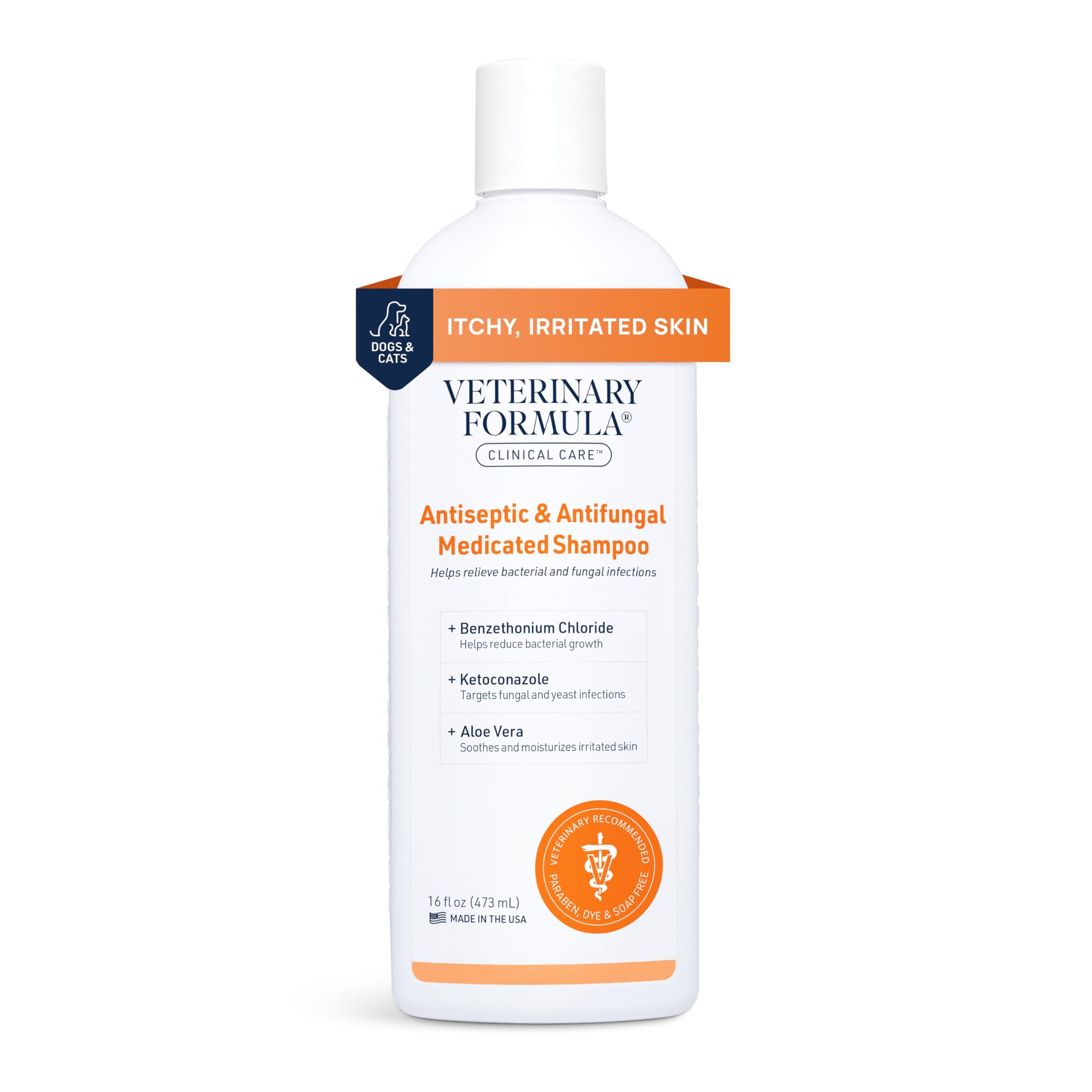
If your puppy has persistent itching, redness, odor, or greasy coat, ask your vet before choosing “medicated” shampoos—those can irritate if used incorrectly.
Comparisons that actually matter
- •Cup vs sprayer: cups are quieter and more controllable; sprayers are faster but can startle puppies.
- •Sink vs bathtub: sink is often less slippery and less “echo-y” for small breeds; tub offers more space for larger breeds but needs better traction.
- •Towel-only dry vs blow dryer: towel is easiest for first bath; dryer can be introduced later (or now, only if done carefully and positively).
The “First Puppy Bath Step by Step” Plan (Fear-Free and Slip-Proof)
This is your core first puppy bath step by step routine. Expect it to take 10–20 minutes total, including drying and treats.
Step 1: Tire them out just a little (but don’t exhaust them)
A short play session or sniff walk helps. Avoid bathing right after a big meal.
- •For a Border Collie: 5 minutes of gentle tug + 2 minutes of “find it” treat scatter.
- •For a French Bulldog: short indoor play and some calm training reps; they can overheat easily, so keep it mild.
Step 2: Set the room temperature and water temperature first
- •Warm room if possible (bathrooms get chilly fast).
- •Water should be lukewarm, like a baby bath—not hot.
Test on the inside of your wrist.
Step 3: Make the surface non-slip (this is non-negotiable)
Place a rubber mat or towel down before the puppy enters.
Why it matters: one slip can create instant fear and long-term avoidance.
Pro-tip: If you don’t have a mat, lay a towel flat and wet it slightly so it grips the tub. Smooth wrinkles so paws don’t catch.
Step 4: Start with “dry handling” for 30–60 seconds
Before any water, handle paws, legs, belly, tail, and ears gently—then treat.
- •Touch → treat
- •Lift paw → treat
- •Soft chest hold → treat
This mimics what bathing will feel like and helps the puppy predict that handling = good stuff.
Step 5: Introduce the bath area like it’s a training station
Let your puppy sniff the tub/sink. Toss a treat in. Lift them in calmly (don’t drop them in), or lure them in if they’re big enough.
- •Small breeds (e.g., Yorkie, Maltese, Mini Poodle): sink is easier on your back and often less scary.
- •Large breeds (e.g., Labrador, German Shepherd): tub or walk-in shower with a non-slip mat.
Step 6: Wet the body gradually (avoid head first)
Start at the shoulders and back, then sides, chest, and legs. Keep one hand on them for stability.
- •Use a cup for a quiet “pour” that doesn’t blast the skin.
- •Speak calmly and steadily.
- •Pause for a treat break if they’re doing well.
Avoid: spraying directly into the face or ears.
Step 7: Shampoo lightly—less is more
Use a small amount. Puppies have smaller bodies and sensitive skin.
- Rub shampoo between your hands first
- Massage into coat: neck → back → sides → legs → belly
- Keep soap away from eyes and ear openings
Step 8: Rinse longer than you think
Most “itchy after bath” issues come from leftover shampoo.
- •Rinse until water runs clear
- •Then rinse 30 seconds more
- •Check armpits, groin, and under the collar area—common residue spots
Pro-tip: If your puppy squeaks when you rub their coat, there may still be soap. A clean coat feels slick, not squeaky.
Step 9: Clean the face safely (no panic, no soap in eyes)
Skip shampoo on the face for the first bath unless necessary.
- •Use a warm damp washcloth
- •Wipe from inner eye corner outward
- •For muzzle grime: wipe gently, then offer a lick-mat or spoon of puppy-safe treat as distraction
Step 10: Wrap and press-dry (don’t rub like crazy)
Lift the puppy out and immediately wrap in a towel like a burrito.
- •Press and blot to pull water out of coat
- •Rubbing can tangle long coats (think Shih Tzu or Cocker Spaniel) and can overstimulate puppies
Step 11: Finish with a calm “all done” ritual
Give a few treats, a chew, or a short sniffy game. The goal is: bath predicts something good, every time.
Breed-Specific Notes (Because Coat and Body Shape Change Everything)
Double-coated breeds (Husky, German Shepherd, Golden Retriever)
- •Water can take forever to penetrate; don’t “scrub harder.” Just wet gradually.
- •Rinse thoroughly—undercoat holds shampoo.
- •Drying: towel press + optional low-heat dryer later.
Never shave a double coat for convenience; it can impair temperature regulation and coat health.
Curly coats (Poodle, Doodle mixes)
- •Matting risk is high. Brush before bath if possible.
- •Use conditioner only if recommended and rinse very well (conditioner residue attracts dirt).
- •Drying: towel press, then careful drying to avoid tangles.
Short-nosed breeds (French Bulldog, Pug)
- •Keep water away from nose and face folds.
- •Clean facial folds with a damp cloth; dry thoroughly afterward.
- •Watch for stress and overheating—keep baths short and warm, not steamy.
Tiny toy breeds (Chihuahua, Yorkie)
- •They get cold fast. Warm towels and a warm room matter more.
- •Sink baths are often safer than big tubs.
- •Keep the experience brief; focus on positive handling.
Anti-Slip and Safety Setup (The Stuff That Prevents Injuries)
Slips are a top cause of bath fear and minor injuries. Puppies flail, nails scrape, and then they associate the tub with danger.
Best non-slip options (ranked)
- Rubber bath mat with suction cups (best traction)
- Silicone sink mat (great for small pups)
- Towel + damp underside (good backup)
- Yoga mat piece (works if it fits and can be cleaned)
Safety do’s
- •Keep one hand lightly on your puppy’s body for stability
- •Use a helper for very wiggly pups
- •Keep shampoo and tools within arm’s reach
- •Close the bathroom door to prevent wet escape sprints
Safety don’ts
- •Don’t use human shampoo (wrong pH; can dry/irritate)
- •Don’t use essential oils “for calming” (can irritate skin and airways; many are toxic to pets)
- •Don’t let puppy jump out of a tub—lift them out calmly
Making Baths Fear-Free: Desensitization and Positive Associations
If you want a puppy who tolerates grooming, treat the bath like training, not wrestling.
The “tiny exposures” method (great for nervous puppies)
Do these mini-sessions over several days:
- •Day 1: stand in empty tub on mat, treat, out
- •Day 2: touch with damp cloth, treat, out
- •Day 3: small cup pour on back, treat, out
- •Day 4: quick shampoo-and-rinse, treat party, out
This is especially helpful for cautious breeds or individuals (many Shelties, Rescue mixes, and sensitive pups).
Pro-tip: Stop while your puppy is still doing well. Ending early is a powerful way to prevent fear.
Tools that help calm without restraining
- •Lick mat smeared with a thin layer of peanut butter (xylitol-free) or wet puppy food
- •Treat scatter on a towel after bath
- •Snuffle mat post-bath to redirect zoomies
Common Mistakes (and Exactly How to Fix Them)
Mistake 1: Starting with the head
What happens: puppy panics, shakes, water in eyes/ears.
Fix:
- •Wet body first, face last with a cloth.
Mistake 2: Using too much shampoo
What happens: takes longer to rinse; residue causes itching; puppy squirms.
Fix:
- •Use less. You can always add a little more.
Mistake 3: Water too loud or too strong
What happens: puppy startles, tries to escape.
Fix:
- •Use a cup; keep faucet noise minimal; consider filling a basin first.
Mistake 4: Letting the puppy slip even once
What happens: fear association forms fast.
Fix:
- •Non-slip surface before the puppy enters, every time.
Mistake 5: Bath takes too long
What happens: puppy gets cold, overwhelmed, starts fighting.
Fix:
- •Keep first bath short; focus on training the experience.
Mistake 6: Skipping the drying step
What happens: chill, skin irritation in folds, wet-dog odor, mats.
Fix:
- •Thorough towel press; dry folds (especially bulldogs, pugs), and brush longer coats.
Drying and Aftercare: Where Most People Lose the Battle
Towel technique that actually works
- •Wrap, press, and hold for 10–20 seconds at a time
- •Swap to a dry towel once the first gets soaked
- •Pay attention to: armpits, belly, between toes
Blow dryer: yes, but not like you dry your hair
If you choose to introduce a dryer:
- •Use low heat and low airflow
- •Keep it moving; don’t blast one spot
- •Start from a distance; pair with treats
- •Stop if your puppy shows stress signs (panting, whale eye, trying to flee)
For thick coats (like Newfoundlands or Samoyeds), a pet dryer later can be life-changing—but it’s not required for the first bath.
Brush after (especially for doodles and long coats)
- •Long coats: use a slicker brush + metal comb check
- •Double coats: use an undercoat rake carefully (gentle, short strokes)
- •Keep sessions short; reward calmness
Special Situations: Fleas, Skunk, Poop, and Sensitive Skin
Fleas (talk to your vet about prevention)
If your puppy has fleas:
- •Don’t rely on a bath alone; you need proper flea control.
- •Use a flea comb around face/neck while coat is dry first.
- •Be cautious with flea shampoos on very young puppies—many are not safe.
Skunk odor (don’t use tomato juice)
A common effective formula is diluted hydrogen peroxide + baking soda + dish soap, but this can irritate skin and isn’t ideal for puppies without guidance.
Best move:
- •Call your vet for puppy-safe options and ratios
- •Protect eyes and mouth
- •Rinse extremely well
Poop blowout (the “partial bath” approach)
If only the rear is messy:
- •Rinse just the dirty area
- •Use a small amount of shampoo on the rear only
- •Towel dry thoroughly
This avoids turning every mess into a full bath event.
Sensitive skin
Signs you should involve your vet:
- •Persistent itching, redness, recurrent ear infections, “corn chip” odor paws
- •Greasy coat, dandruff that returns fast, bald patches
In the meantime:
- •Use a truly gentle puppy shampoo
- •Avoid fragrances if irritation is suspected
- •Rinse more than you think you need
Quick Reference: Your First Bath Game Plan (10-Minute Version)
If you want the simplest repeatable routine:
- Warm room + lukewarm water ready
- Non-slip mat down
- Treats in pocket + towel open and waiting
- Puppy in tub/sink calmly
- Wet body slowly (no face)
- Tiny amount of puppy shampoo
- Rinse thoroughly (then a bit more)
- Face wipe with damp cloth
- Towel burrito + press dry
- “All done” treat/chew and calm praise
Pro-tip: The first bath is training, not perfection. If the puppy stays relaxed, you win—even if you miss a spot.
FAQs: What Pet Parents Ask Most
How old should a puppy be for their first bath?
Many puppies can handle a gentle bath around 8–12 weeks if needed, but it depends on health, stress level, and environment. If your puppy is very young, cold-prone, or anxious, start with a mini clean-up and work up to a full bath.
How often should I bathe my puppy?
Commonly every 3–6 weeks, but coat type and lifestyle matter:
- •Muddy adventure pups: more frequent rinses, fewer shampoo baths
- •Dry skin pups: bathe less, use gentle products, rinse thoroughly
Can I use baby shampoo?
Usually not ideal long-term. Dog skin pH differs from humans. A dog-specific puppy shampoo is safer and reduces irritation risk.
What if my puppy screams or fights the bath?
Stop, reset, and scale down:
- •Non-slip mat
- •Cup instead of sprayer
- •Shorter session
- •Lick mat
- •Do “empty tub + treats” sessions for a few days
If panic is intense or worsening, a fear-free groomer or trainer can help fast.
Closing: Set the Tone Now, Thank Yourself Later
A calm first bath is one of those small puppy experiences that pays dividends for the next decade. Focus on traction, warmth, gentle handling, and making the experience predictably positive. Keep it short, rinse well, and end on a win.
If you tell me your puppy’s breed, age, coat type (short/double/curly/long), and what happened last time you tried water, I can tailor a first puppy bath step by step plan with specific tools and timing for your situation.
Topic Cluster
More in this topic
guide
How to Bathe a Cat That Hates Water: Low-Stress Method
guide
How to Get Skunk Smell Off Dog: Bath Recipe That Works
guide
How to Bathe a Cat Without Getting Scratched (Low-Stress)
guide
How to Clean a Rabbit Without Bathing: Safe Spot-Cleaning Guide
guide
How to Bathe a Dog With Allergies: Shampoo and Rinse Tips
guide
How to Bathe a Kitten for the First Time: No-Scratch Steps
Frequently asked questions
How do I stop my puppy from being scared of their first bath?
Keep the first bath short and low-pressure, focusing on comfort over perfect cleanliness. Use warm water, quiet flow, treats, and gentle handling so your puppy learns the tub is safe.
What can I do to prevent slipping during a puppy’s first bath?
Use a non-slip mat or towel in the tub or sink before your puppy goes in. Slipping can trigger panic, so stable footing plus slow movements makes the experience much calmer.
Should I use the shower head or a cup for a puppy’s first bath?
For many puppies, a cup or gentle pitcher pour is quieter and less startling than a spray. If you use a shower head, keep the pressure low, avoid the face, and introduce the sound gradually.
