
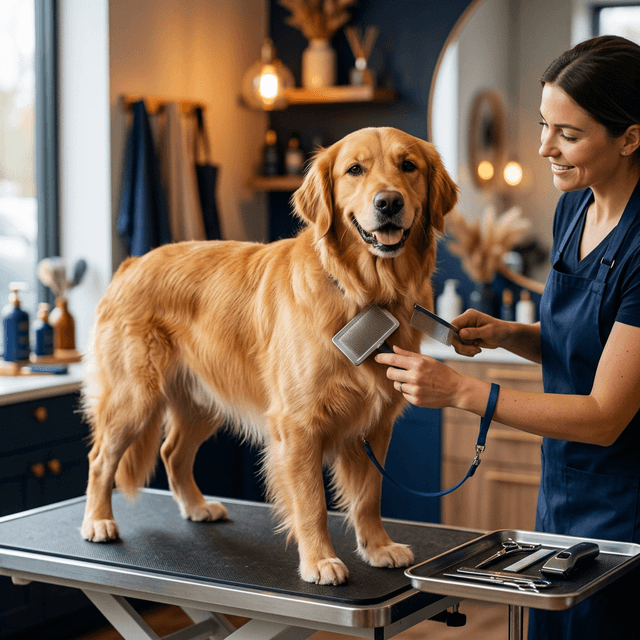
comparison • Oral Care
Dog Toothbrush Finger Brush vs Standard Brush: Which Works Better?
Finger brush vs dog toothbrush: learn which tool cleans better for your dog, how to build a routine that sticks, and how to choose based on real household constraints.
By Lucy Anderson • February 24, 2026 • 7 min read
Table of contents
- Outcome target and routine constraints
- The outcome target
- The constraints you must design around
- Finger brush vs standard dog toothbrush: what each is trying to solve
- Environment design for consistency
- Build a dedicated “teeth station”
- Use a predictable start cue
- Make compliance cheap: rewards that do not sabotage the goal
- Sequence architecture: what happens first and why
- Phase 0: Decide your starting tool based on acceptance
- Phase 1: Contact before scrubbing (3 micro-steps)
- Phase 2: The actual brushing motion (what matters)
- Finger brush execution: where it shines and where it struggles
- Standard handled brush execution: where it wins
- Execution cadence for busy schedules
- Minimum viable session (30–60 seconds)
- Full session (2–4 minutes)
- If you can only do 3 days per week
- Product-fit matrix by household scenario
- Scenario 1: New rescue, unknown handling tolerance
- Scenario 2: Small dog (under ~15 lb) with crowded teeth
- Scenario 3: Large dog, heavy tartar on back molars
- Scenario 4: Dog that clamps or chews the brush
- Scenario 5: Owner nervous about getting bitten
- Scenario 6: Multi-pet house (dogs + cats) and you want one station
- Mistakes that create regression
- Forcing the mouth open
- Starting with the back teeth
- Brushing too hard (especially with a handled brush)
- Long sessions that exceed your dog’s tolerance
- Inconsistent timing and location
- Using dental chews as a bribe mid-struggle
- 30-day implementation plan
- Days 1–3: Install the cue and the station
- Days 4–7: Add tool presence (no brushing yet)
- Days 8–14: Start the minimum viable session
- Days 15–21: Expand reach and improve efficiency
- Days 22–30: Lock the routine and choose your default tool
- FAQ and next-step decisions
- Should I start with a finger brush or a standard toothbrush?
- Which cleans better: finger brush vs dog toothbrush?
- What if my dog’s gums bleed when brushing?
- Do dental chews replace brushing?
- Next-step decisions: how to pick today
# Dog Toothbrush Finger Brush vs Standard Brush: Which Works Better?
If you are comparing a finger brush vs dog toothbrush (standard handled brush), you are already asking the right question: not “Which is best?” but “Which will we actually use often enough to matter?” Dental care is a consistency game. The tool that gets used 5 nights a week usually beats the “perfect” tool used twice a month.
This comparison is written like a home routine system: outcomes, constraints, environment design, a step-by-step sequence, and decision matrices by household scenario.
Outcome target and routine constraints
The outcome target
Your goal is not “sparkling white teeth.” Your goal is reduced plaque biofilm and slower tartar buildup, especially along the gumline of the back teeth (upper premolars/molars are the usual problem zone). In practice, a winning routine looks like:
- •Most days: short brushing that contacts the gumline and reaches the back teeth.
- •Sometimes: longer sessions that include inner surfaces if your dog tolerates it.
- •Always: calm handling that does not create a fight (because dental care is a long game).
The constraints you must design around
Write down which of these are true in your house. The “best” brush changes depending on the constraint.
- •Time constraint: You have 60 seconds vs 5 minutes.
- •Handling constraint: Your dog hates face touching, ducks away, or clamps their mouth.
- •Bite risk constraint: Your dog startles, has a pain history, or has a strong jaw.
- •Access constraint: You struggle to reach the back teeth.
- •Texture constraint: Your dog won’t accept a brush head but will accept something soft.
- •Human constraint: You are squeamish about saliva on your hand, or you need one-handed control.
Finger brush vs standard dog toothbrush: what each is trying to solve
- •Finger brush: maximizes tolerance and control at close range. It is often easier to introduce and less threatening.
- •Standard brush: maximizes mechanical cleaning efficiency and reach. It is better at gumline sweeping and accessing back molars once your dog accepts it.
The decision is rarely permanent. Many households use a finger brush to build acceptance, then switch (or rotate) to a handled brush for better reach.
Environment design for consistency
A dental routine fails less because of “bad technique” and more because of “friction.” Reduce the friction before you pick the brush.
Build a dedicated “teeth station”
Choose one location that has three qualities: bright light, a stable surface, and easy cleanup.
- •Bathroom with good lighting (towel on counter)
- •Kitchen near the sink (non-slip mat)
- •Living room with a washable blanket if your dog is calmer there
Store supplies at the station, not in a cabinet across the house.
Use a predictable start cue
Dogs relax when they can predict what comes next. Pick a short cue like “teeth time,” then do the same micro-ritual:
- Cue
- Dog goes to mat
- One small reward
- Brushing
- Bigger reward
You are training a repeatable system, not winning tonight’s brushing battle.
Make compliance cheap: rewards that do not sabotage the goal
You want a reward that makes brushing easier without turning into a sugar bomb.
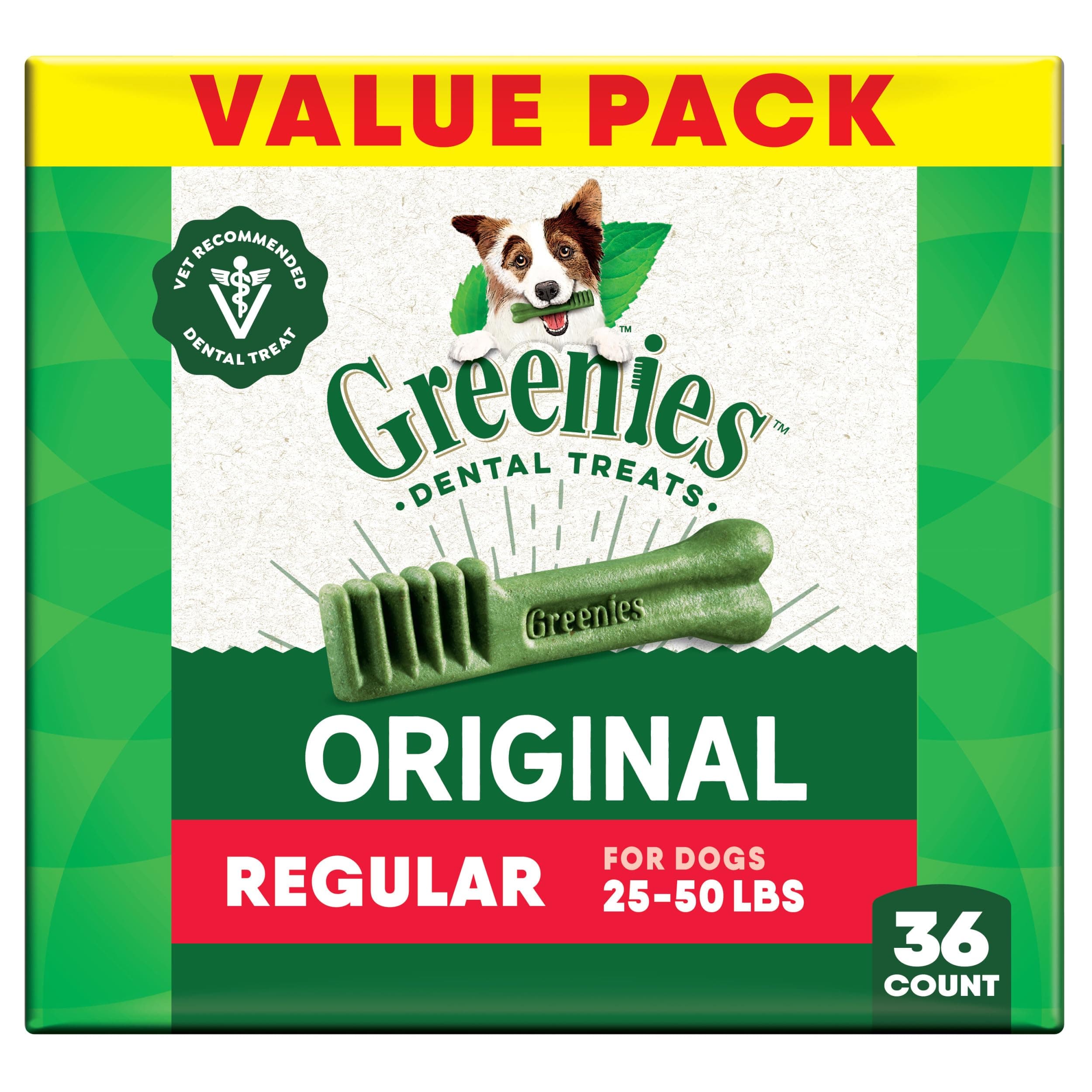
- •After brushing, a dental chew can be your “closing signal.” If your dog enjoys them, rotate in products like Greenies Veterinarian-Recommended Adult Natural Dental Dog Treats Regular Size, Dog Dental Chews, Original Flavor, 36 oz. Pack, 36 Count a few times a week.
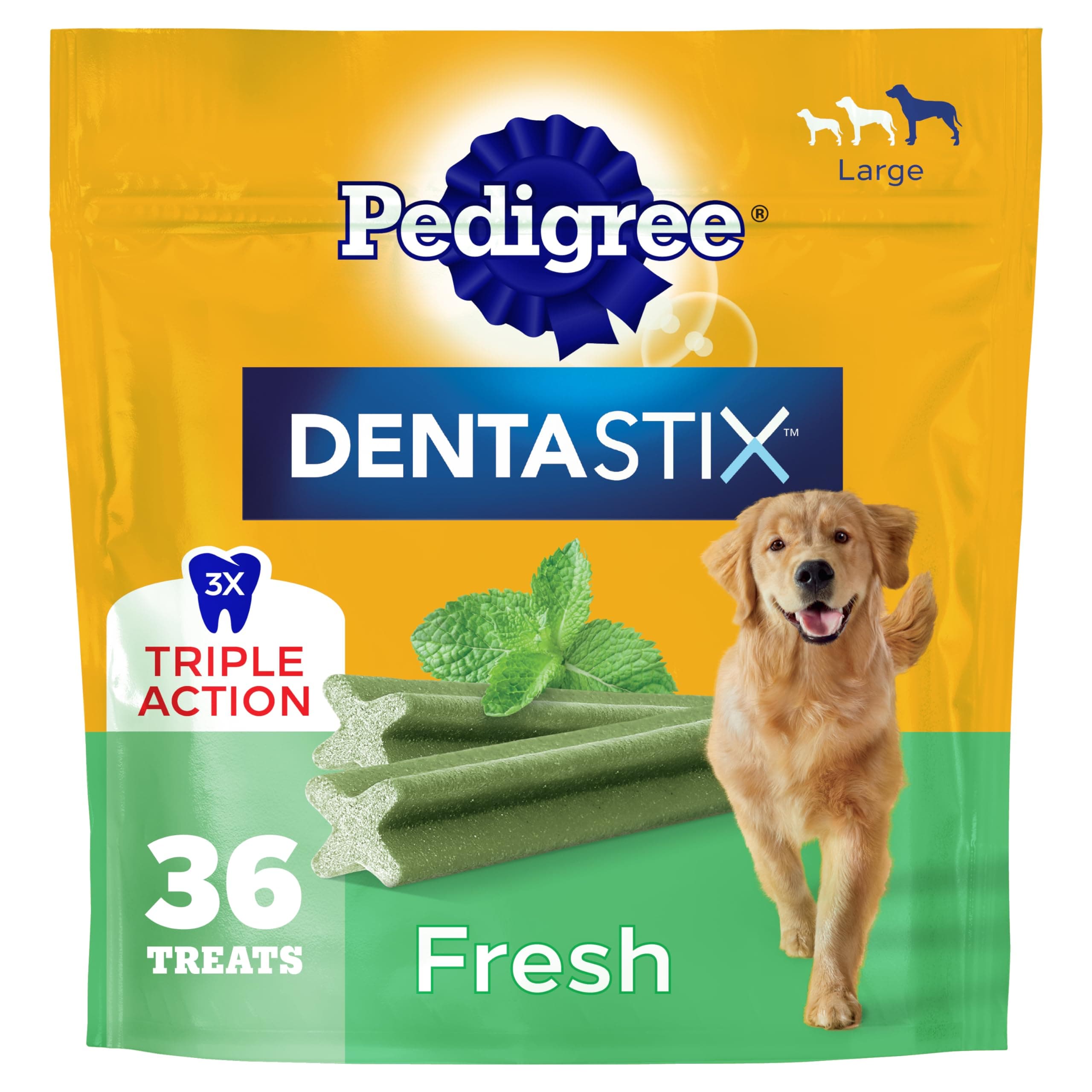
- •For larger dogs who chew confidently, Pedigree Dentastix Dog Dental Treats, Large Breed Dog Treats, Fresh Flavor, 1.87 lb. Bag (36 Treats Total) can be a consistent “finish line” reward.
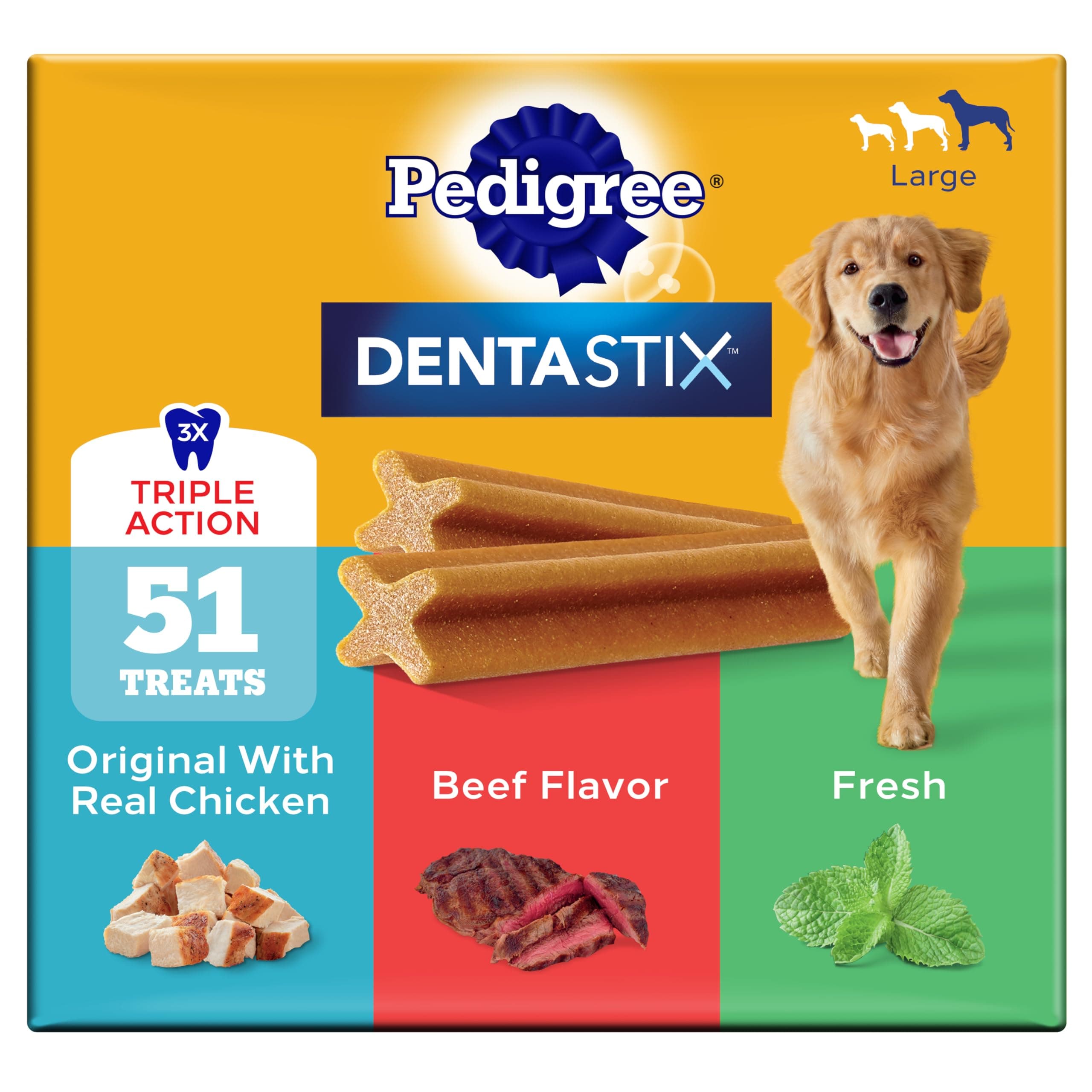
- •If you like variety (and want fewer “we ran out” failures), Pedigree Dentastix Large Dog Treats, Original, Beef & Fresh, 2.73 lb. Variety Pack (51 Treats Total) helps keep the routine from getting stale.
Chews are not a replacement for brushing, but they can be a powerful habit anchor.
Sequence architecture: what happens first and why
This is the “system design” part. The sequence is built to avoid triggering your dog’s avoidance behaviors early.
Phase 0: Decide your starting tool based on acceptance
Start with whichever your dog will tolerate with the least drama.
- •If your dog is suspicious of objects near their mouth: start with a finger brush.
- •If your dog is fine with objects (toy-driven, mouthy, confident): start with a standard handled brush.
- •If your dog has known dental pain: start with vet check first. No brush will win against pain.
Phase 1: Contact before scrubbing (3 micro-steps)
You are not brushing yet. You are installing “mouth handling is safe.”
- Lip lift only (2–3 seconds): Lift the lip, mark/reward, stop.
- Touch gumline with finger (2–3 seconds): No paste, no brush.
- Introduce tool without motion: Finger brush on, touch one canine tooth, reward.
If you skip this and go straight to scrubbing, you often create the head-jerk and clamp behavior that makes brushing miserable.
Phase 2: The actual brushing motion (what matters)
Plaque clings at the gumline. Technique that consistently hits that margin beats “brushing every tooth.”
- •Angle: Aim the bristles (or finger brush nubs) about 45 degrees toward the gumline.
- •Motion: Small circles or short strokes; think “polish the gumline,” not “saw back and forth.”
- •Order: Start with easier areas (front canines) and end with the back teeth.
Why end with the back teeth? Because they are the most valuable to clean and the most likely to trigger avoidance. You want your dog’s tolerance bank to be full before you attempt them.
Finger brush execution: where it shines and where it struggles
A finger brush typically gives you better tactile feedback. You can feel the tooth surface and adjust pressure immediately.
Best use cases:
- •Dogs that will not accept a brush head yet
- •Dogs that need gentle pressure because gums are inflamed
- •Owners who need precision and “feel” more than reach
Limitations:
- •Harder to reach the very back molars, especially in large dogs
- •Your finger is closer to teeth (bite risk or discomfort)
- •Some finger brushes are bulky and reduce maneuverability in small mouths
Technique tip: Use your non-brushing hand to lift the lip and stabilize the head lightly at the cheek. If you are doing a finger brush, keep your “stabilizing” hand away from the mouth.
Standard handled brush execution: where it wins
A standard dog toothbrush has a better handle and usually a more efficient bristle field. You can reach farther back and keep your fingers out of the bite zone.
Best use cases:
- •Medium to large dogs where back molars are the main tartar zone
- •Dogs with decent tolerance already
- •Owners who prefer a bit of distance and better leverage
Limitations:
- •Some dogs find the long handle threatening
- •Easier to apply too much pressure accidentally
- •If your dog is head-shy, you may lose the “feel” you get with a finger brush
Technique tip: Shorten your strokes and lighten pressure. Most owners brush too hard with a handled brush because the leverage is higher.
Execution cadence for busy schedules
A routine that requires a perfect evening will fail. Build two versions: a “minimum viable session” and a “full session.”
Minimum viable session (30–60 seconds)
Use this on weeknights when you are tired.
- •Brush only the outer surfaces (cheek side) of upper teeth.
- •Spend 10 seconds per side focusing on the gumline of the back teeth.
- •End immediately with a reward (food, play, or a dental chew).
This works because the outer surfaces are where plaque accumulates most and where you can access without forcing the mouth open.
Full session (2–4 minutes)
Use this 2–3 times per week if possible.
- •Outer surfaces upper + lower
- •Add a few seconds on the front incisors (they matter for small dogs)
- •If tolerated, briefly sweep the inner surfaces of lower teeth (often a tartar zone)
If you can only do 3 days per week
Choose the tool that gives you the highest cleaning efficiency per session.
- •If your dog accepts it: a standard brush usually wins.
- •If your dog fights it: a finger brush may still win because it actually gets used.
Pair those 3 sessions with a consistent chew routine on off-days (again, not a replacement). Products like Greenies Veterinarian-Recommended Adult Natural Dental Dog Treats Regular Size, Dog Dental Chews, Original Flavor, 36 oz. Pack, 36 Count or Pedigree Dentastix Dog Dental Treats, Large Breed Dog Treats, Fresh Flavor, 1.87 lb. Bag (36 Treats Total) can keep the habit loop intact.
Product-fit matrix by household scenario
Below is a practical decision matrix for finger brush vs dog toothbrush that accounts for dog behavior, owner comfort, and household workflow.
Scenario 1: New rescue, unknown handling tolerance
Choose: Finger brush first
- •Why: lower threat profile, easier desensitization
- •Routine design: 7–10 days of lip lifts + tooth touches before adding motion
- •Upgrade path: switch to handled brush after the dog tolerates 60 seconds calmly
Scenario 2: Small dog (under ~15 lb) with crowded teeth
Choose: Depends, but often finger brush to start; standard brush to maintain
- •Crowding traps plaque; you need consistent gumline contact.
- •Many small dogs have tiny mouths where a bulky finger brush actually gets in the way.
- •Test both: if the finger brush reduces space too much, a small headed handled brush is easier.
Scenario 3: Large dog, heavy tartar on back molars
Choose: Standard handled brush
- •Why: reach and leverage matter; back teeth are the target
- •Routine design: minimum viable sessions aimed at upper back teeth most nights
- •Finger brush role: use as a “fallback tool” when the dog is restless
Scenario 4: Dog that clamps or chews the brush
Choose: Finger brush with controlled entry, then transition
- •If your dog chews, do not play tug with the brush; keep sessions short.
- •Use a finger brush initially because it is harder for the dog to grab the handle and run.
- •Transition to a handled brush once the dog learns “mouth open is not required.”
Scenario 5: Owner nervous about getting bitten
Choose: Standard handled brush (or avoid finger brush)
- •Safety is a real constraint. If you hesitate, your dog will feel it.
- •Use a long-handled brush and focus on outer surfaces.
- •If your dog has a pain history or is reactive, involve your vet or a trainer for cooperative care.
Scenario 6: Multi-pet house (dogs + cats) and you want one station
You can unify the routine environment even if tools differ.
- •Keep separate tools per pet (hygiene + sizing).
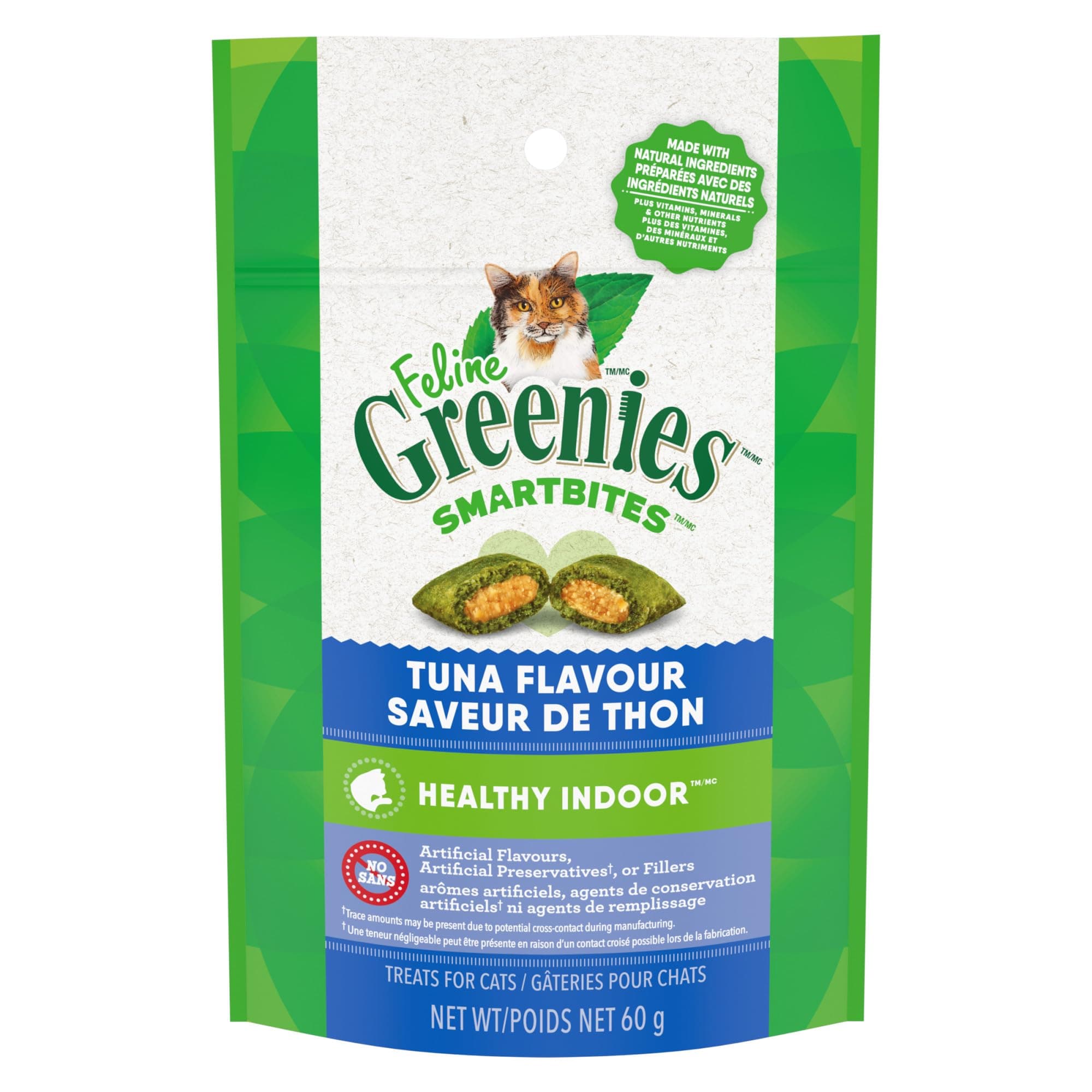
- •Use species-appropriate rewards. If you are rewarding a cat after handling practice, something like Greenies Feline Smartbites, Cat Treats Healthy Recipe, Indoor Cat Treats, Tuna Flavor, 2.1 oz. Pack can keep the “teeth station” concept consistent across pets.
Mistakes that create regression
These are the patterns that make dogs hate brushing and make owners quit.
Forcing the mouth open
You rarely need to open the mouth wide. Outer surfaces do most of the work. Forcing the jaw open triggers panic and resistance.
Starting with the back teeth
Back teeth are the most sensitive and hardest to access. If you start there, your dog learns that “teeth time” equals discomfort. Start easy, end valuable.
Brushing too hard (especially with a handled brush)
Bleeding gums can happen early, but heavy pressure makes it worse and makes the dog flinch. Use light pressure and let the bristles do the work.
Long sessions that exceed your dog’s tolerance
A single “hero session” that ends in wrestling can ruin the next two weeks. Quit early while it is still going well.
Inconsistent timing and location
If brushing happens randomly, it will always feel like an ambush. Same place, same cue, same reward pattern.
Using dental chews as a bribe mid-struggle
If you hand over a chew while your dog is actively resisting, you may reinforce avoidance. Use rewards for calm participation, then end with a chew as the routine closure.
30-day implementation plan
This plan assumes you are starting from scratch or restarting after a failed attempt. Adjust pace based on your dog.
Days 1–3: Install the cue and the station
- •Choose the “teeth station” location.
- •Do the cue + mat + one reward.
- •Lift the lip for 2 seconds, reward, stop.
Success metric: dog stays in place and does not back away when you lift the lip.
Days 4–7: Add tool presence (no brushing yet)
- •Put the finger brush on your finger or hold the handled brush.
- •Touch one canine tooth, reward, stop.
- •End with play or a small treat.
Success metric: dog allows tooth touch on both sides.
Days 8–14: Start the minimum viable session
- •10 seconds on one side, 10 seconds on the other.
- •Only outer surfaces.
- •If using finger brush: focus on gumline “polishing.”
- •If using handled brush: short, soft strokes.
Success metric: 4+ sessions this week without avoidance escalating.
Days 15–21: Expand reach and improve efficiency
- •Add 5–10 seconds specifically for upper back teeth per side.
- •Introduce a “full session” once or twice if the dog stays calm.
Success metric: you can reach the back teeth briefly without the dog leaving.
Days 22–30: Lock the routine and choose your default tool
By now, you will know the truth: which tool you actually use.
- •If the finger brush is working but you cannot reach back molars: keep finger brush for daily minimum sessions, add handled brush 1–2x/week.
- •If the handled brush is accepted: make it your default and keep the finger brush for travel, quick sessions, or sick days.
- •Add dental chews strategically as habit anchors on the hardest days. Use something consistent like Greenies Veterinarian-Recommended Adult Natural Dental Dog Treats Regular Size, Dog Dental Chews, Original Flavor, 36 oz. Pack, 36 Count or, for large dogs, Pedigree Dentastix Large Dog Treats, Original, Beef & Fresh, 2.73 lb. Variety Pack (51 Treats Total).
Success metric: brushing happens automatically most nights, with minimal negotiation.
FAQ and next-step decisions
Should I start with a finger brush or a standard toothbrush?
Start with the tool your dog will accept with the least stress. If your dog is wary or head-shy, begin with a finger brush to build tolerance, then transition to a handled brush for better reach once the routine is stable.
Which cleans better: finger brush vs dog toothbrush?
In pure cleaning efficiency, a standard handled dog toothbrush typically wins because it reaches back molars more easily and delivers consistent bristle contact at the gumline. In real households, the “better” tool is the one you can use 4–6 days per week without a fight. Many owners succeed by using a finger brush for daily quick sessions and a standard brush for 1–3 longer sessions weekly.
What if my dog’s gums bleed when brushing?
Mild bleeding can happen when gums are inflamed and you start brushing. Use lighter pressure, shorten sessions, and focus on calm handling. If bleeding is heavy, persistent beyond about a week of gentle brushing, or your dog shows pain (pulling away, yelping, refusing food), schedule a vet exam to rule out periodontal disease, fractures, or infections.
Do dental chews replace brushing?
No, but they can support the routine. Chews help with mechanical abrasion and can reduce plaque, especially when used consistently, but they do not clean as effectively at the gumline as brushing. Use chews as your habit “closer” after brushing. Options many households use include Greenies Veterinarian-Recommended Adult Natural Dental Dog Treats Regular Size, Dog Dental Chews, Original Flavor, 36 oz. Pack, 36 Count and Pedigree Dentastix Dog Dental Treats, Large Breed Dog Treats, Fresh Flavor, 1.87 lb. Bag (36 Treats Total).
Next-step decisions: how to pick today
If you want a simple decision rule:
- •Pick a finger brush if your biggest problem is cooperation (head shy, new routine, sensitive dog).
- •Pick a standard dog toothbrush if your biggest problem is reach and tartar buildup on back teeth.
- •If you are unsure, run a 7-day trial: whichever tool gets you to 5 sessions wins the “default” slot, and the other becomes the backup tool.
Roundups Cluster
More in this topic

guide
Pet Feeding Station Setup: The Perfect Spot for Stress-Free Meals
guide
Best Indestructible Dog Toys for Aggressive Chewers
guide
10 DIY Cat Enrichment Ideas to Keep Your Cat Happy
guide
Positive Reinforcement Dog Training: A Complete Beginner's Guide
guide
Crate Training Puppy Schedule: Day-by-Day Plan for Success
guide
Leash Training Tips for Dogs: Stop Pulling and Enjoy Walks
Frequently asked questions
Which is better: finger brush vs dog toothbrush?
A standard handled dog toothbrush usually cleans better because it reaches back molars and maintains consistent bristle contact along the gumline. A finger brush often wins for cooperation and training, especially with head-shy dogs. The best choice is the one you can use most nights without creating stress.
Can I start with a finger brush and switch later?
Yes, and it is often the most successful path. Use the finger brush to build comfort with lip lifts and gumline contact, then transition to a handled brush once your dog can tolerate 30–60 seconds calmly. Many households keep both: finger brush for quick sessions, handled brush for deeper clean days.
Are dental chews enough if my dog won’t let me brush?
Dental chews can help reduce plaque and support fresher breath, but they do not replace brushing at the gumline. Use chews to reinforce calm participation and keep the habit loop strong while you train acceptance. If your dog refuses all mouth handling or shows pain, schedule a vet exam and consider cooperative care training.
