
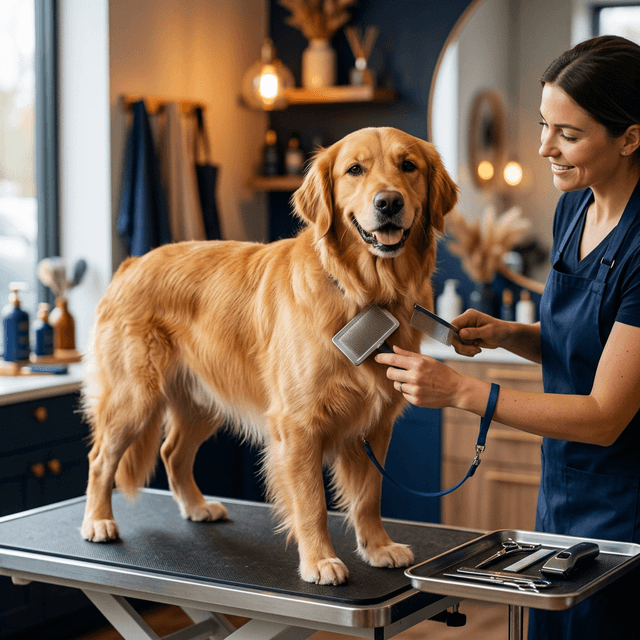
comparison • Coat Care
De-Shedding Comb vs Slicker Brush for Heavy Shedding Dogs: A Routine-Engineered System That Actually Sticks
Choosing between a deshedding comb and a slicker isn’t about “best”—it’s about building a repeatable routine. Use this system to cut shedding without irritating skin.
By Lucy Anderson • February 19, 2026 • 7 min read
Table of contents
- Outcome target and routine constraints
- Define your outcome target (pick one)
- Your routine constraints (be honest)
- Environment design for consistency
- Build a grooming station that prevents quitting mid-session
- Contain the fur like a system designer
- Sequence architecture: what happens first and why
- Step 1: Read the coat before you touch tools (30 seconds)
- Step 2: Slicker first when friction is high
- Step 3: Deshedding comb when you’re targeting undercoat volume
- Step 4: Finish pass to prevent re-tangling
- Step 5: Reward + reset (this is part of the system)
- Execution cadence for busy schedules
- The 5-minute plan (most households)
- The 12-minute plan (heavy shedders, 3x/week)
- The weekend reset (20 minutes, every 1–2 weeks)
- Product-fit matrix by household scenario
- Scenario 1: Double-coated dog + seasonal blowouts (Husky, GSD, Malamute)
- Scenario 2: Curly/wavy coat that mats (Doodle mixes, Poodle mixes)
- Scenario 3: Short-haired heavy shedder (Lab, Beagle, Pit mix)
- Scenario 4: Allergy-sensitive household
- Scenario 5: Multi-pet home (dog + cat) trying to standardize tools
- Mistakes that create regression
- 1) Using the deshedding comb on a coat that isn’t opened
- 2) Overworking one spot
- 3) Grooming only when the house is already covered
- 4) Dry brushing with high pressure
- 5) Ignoring body language until the dog “snaps”
- 30-day implementation plan
- Days 1–3: Baseline and tool order test
- Days 4–10: Lock the minimum viable routine
- Days 11–20: Add one efficiency upgrade
- Days 21–30: Seasonal vs maintenance mode
- FAQ and next-step decisions
- Should I choose a deshedding comb vs slicker if I can only buy one tool?
- How do I know I’m removing undercoat vs damaging the topcoat?
- What if my dog hates the deshedding comb?
- Next-step decisions
If you’re comparing deshedding comb vs slicker, you’re probably living with tumbleweeds of fur, lint rollers in every room, and a dog who sheds harder the moment you think about wearing black.
Here’s the truth: both tools can work brilliantly—or fail completely—depending on coat type, your dog’s tolerance, and whether your household can repeat the process consistently. This article treats grooming like a household system: simple inputs, predictable steps, and fewer “we tried that once” dead ends.
Outcome target and routine constraints
Your goal isn’t “remove all hair.” That’s impossible and often unsafe for coat health. Your goal is a stable shedding load you can manage.
Define your outcome target (pick one)
- •Low-floor target: reduce visible fur on floors and couch by ~50% with 10 minutes, 3x/week.
- •Allergy target: reduce airborne and fabric-embedded dander/hair spikes with short, frequent sessions + vacuum sync.
- •Seasonal blowout target: survive spring/fall coat drop with deeper sessions for 2–3 weeks, then return to maintenance.
Your routine constraints (be honest)
A tool choice should match your real constraints:
- •Time constraint: 5 minutes vs 20 minutes changes which tool wins.
- •Dog constraint: wiggly puppy, senior with sore hips, or a dog who hates tugging.
- •Coat constraint: double coat vs single coat, plush undercoat vs sleek short hair.
- •Human constraint: hand fatigue, grip strength, tolerance for mess.
A slicker brush and a deshedding comb solve different problems.
- •Slicker brush: best for surface-level loose coat, light tangles, and “fluff reset” on many coat types.
- •Deshedding comb (often undercoat rake/comb style): best for lifting packed undercoat and reducing heavy shed volume—when used with control.
Environment design for consistency
Heavy shedding gets worse when grooming is treated like an occasional event. Make it a low-friction default.
Build a grooming station that prevents quitting mid-session
Place these items together (one bin, one spot):
- •Tool(s): slicker + deshedding comb or a hybrid.
- •Spray bottle with water or dog-safe detangling spray (dry brushing increases friction).
- •Two towels: one for the dog, one for the floor/furniture.
- •Treat jar: high-value, small treats.
- •Trash can or hair collection bag.
Choose a location that matches your dog’s behavior:
- •Nervous dog: quiet corner, non-slip mat, short sessions.
- •High-energy dog: after a walk when they’re physically tired.
- •Thick coat dog: near airflow (fan) to keep them comfortable.
Contain the fur like a system designer
Fur goes everywhere because we let it. Pick one containment approach:
- •Towel drop zone: towel under dog + towel to wipe tool between passes.
- •Outdoor micro-sessions: 5-minute daily sessions outside (best for sanity).
- •Bathroom strategy: easy cleanup, but watch slipping and stress.
If you routinely stop to chase drifting hair, you’ll groom less. Containment is compliance.
Sequence architecture: what happens first and why
This is the core of the “deshedding comb vs slicker” decision: order matters.
Step 1: Read the coat before you touch tools (30 seconds)
Run your fingers through three zones:
- •Behind ears/neck: where tangles start.
- •Armpits/inner thighs: friction mats.
- •Rump/tail base: undercoat compacts here.
If you feel clumps, resistance, or skin pulling, start with the slicker (gentler detangling). If the coat feels open but dense and puffy, the deshedding comb can do the heavy lift.
Step 2: Slicker first when friction is high
Use a slicker brush to “open the coat” and clear surface hair before any undercoat work. This reduces tugging and prevents the deshedding comb from acting like a rake on tangled hair.
Technique that avoids skin irritation:
- •Use short strokes with minimal pressure.
- •Work in sections (shoulder, side, rump, chest) instead of random brushing.
- •Stop if you see pink skin, flaking, or your dog starts flinching.
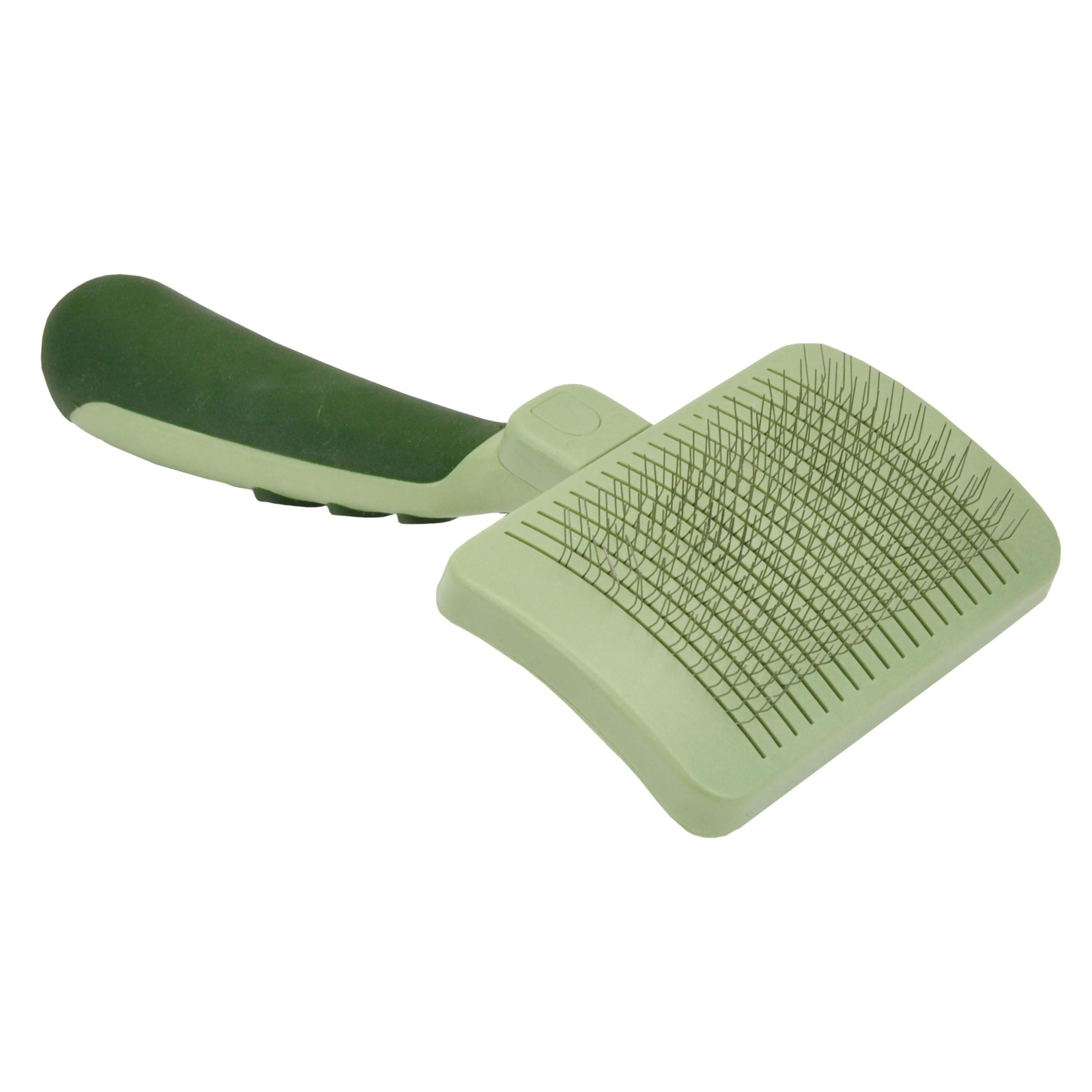
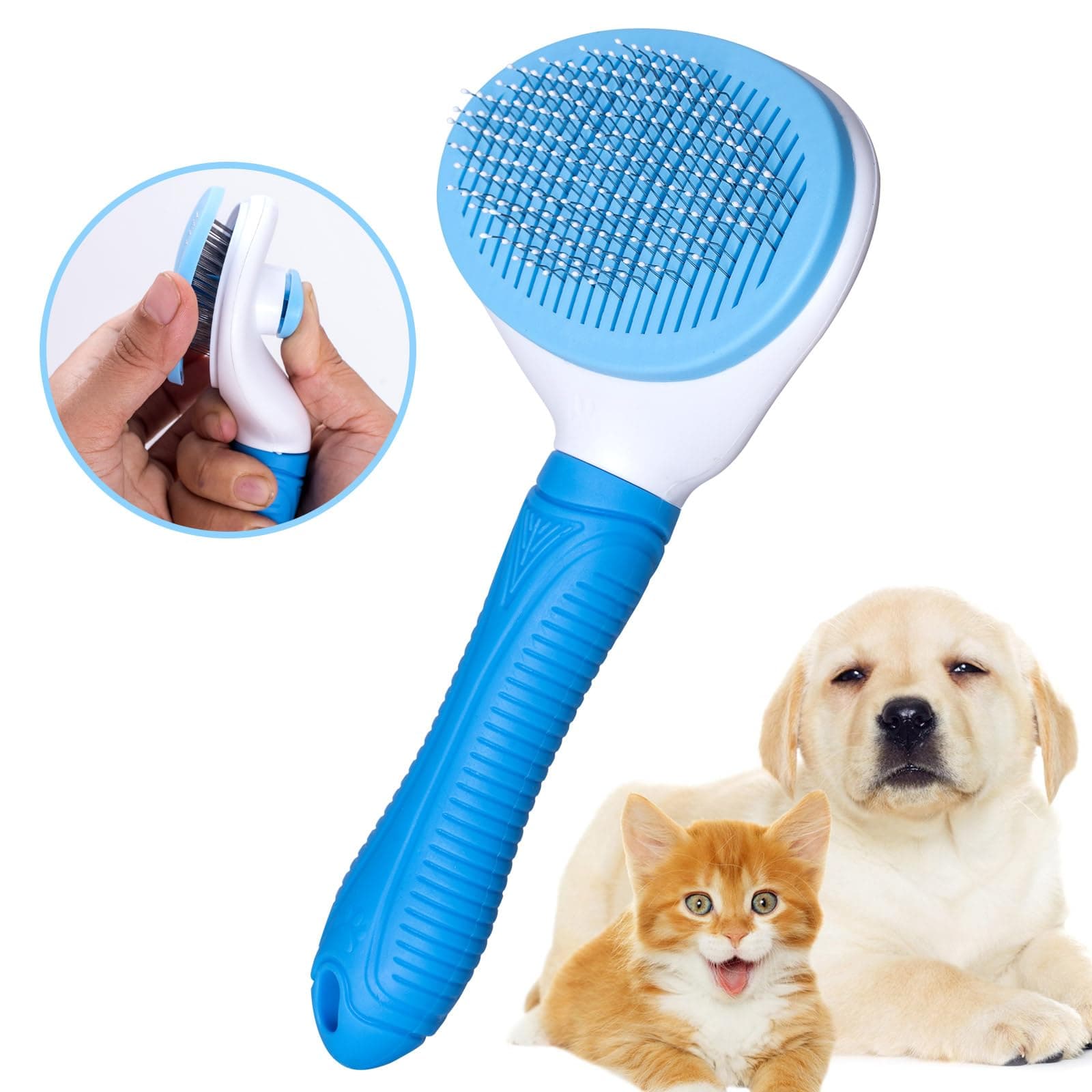
For households that need a slicker that’s easy to maintain, a self-cleaning slicker can reduce friction for the human side of the routine. If you also groom cats, a tool like the Coastal Pet Safari - Cat Self-Cleaning Slicker Brush - Cat Grooming Supplies shows the convenience style to look for (quick hair release so you don’t quit early).
Step 3: Deshedding comb when you’re targeting undercoat volume
A deshedding comb (or undercoat rake/comb) is for the “cottony” underlayer that blows out in chunks. It should glide—not yank.
Use it like a controlled extraction tool:
- •Keep the comb parallel to the body and lift gently.
- •Take one to two passes per section, then reassess.
- •Focus on rump, thighs, and back first.
- •Avoid repetitive raking over the same spot.
Concrete example:
- •Husky in seasonal blowout: slicker for 2–3 minutes to open the coat, then deshedding comb for 5 minutes focusing on rump and thighs. Stop when the comb starts pulling instead of collecting.
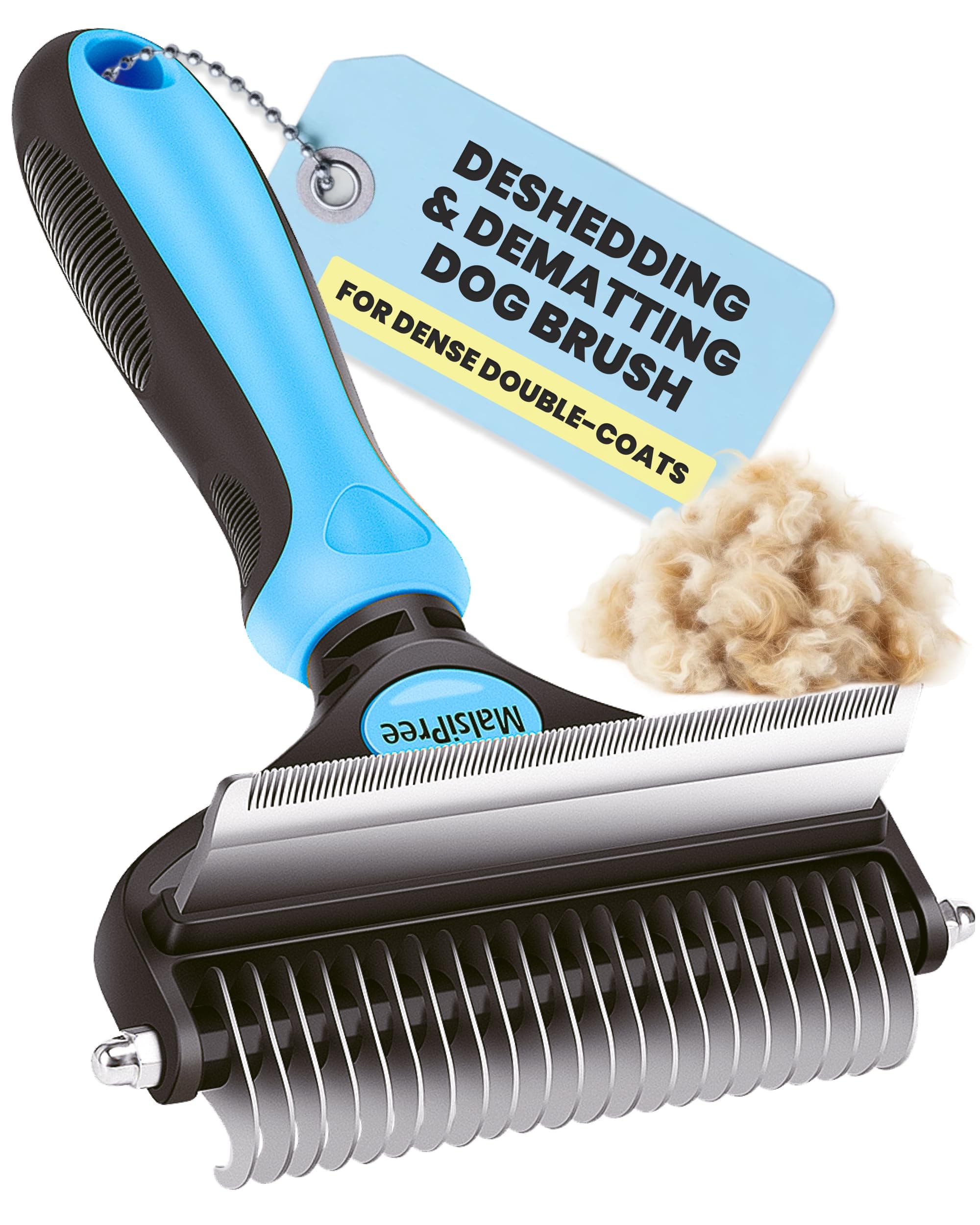
If you want a more all-in-one approach (especially if you’re deciding and don’t want to buy two tools immediately), a hybrid tool can reduce decision fatigue. The MalsiPree Dog Brush for Shedding - Large, Blue, 2-in-1 - Deshedding Dog Grooming Brush & Undercoat Rake with Dematting Comb for medium to Large Double Coated is the type of 2-in-1 format that supports a “start gentle, then lift undercoat” workflow.
Step 4: Finish pass to prevent re-tangling
End with a light slicker pass (30–60 seconds) to smooth the topcoat and catch loosened hairs the comb brought up.
Step 5: Reward + reset (this is part of the system)
- •Give a treat.
- •Put tools back in the same bin.
- •Dump hair immediately.
If cleanup is delayed, the routine feels longer next time—and you’ll skip it.
Execution cadence for busy schedules
Your schedule determines which tool you can actually use consistently.
The 5-minute plan (most households)
Do this 4–6 days/week:
- 1 minute slicker: shoulders + sides
- 2 minutes deshedding comb: rump + thighs (only if coat is open)
- 1 minute slicker: whole-body light pass
- 1 minute treat + wipe-down
This cadence beats a single long session because it prevents undercoat from packing down.
The 12-minute plan (heavy shedders, 3x/week)
- •4 minutes slicker sectioning
- •6 minutes deshedding comb on high-yield zones
- •2 minutes finishing pass + quick body check
The weekend reset (20 minutes, every 1–2 weeks)
Use this when fur is getting out of control:
- •Start with slicker until the brush collects less per stroke.
- •Switch to deshedding comb for undercoat extraction.
- •Stop if you see redness or your dog’s body language says “done.”
Product-fit matrix by household scenario
Use this matrix to decide which tool leads your routine.
Scenario 1: Double-coated dog + seasonal blowouts (Husky, GSD, Malamute)
- •Lead tool: deshedding comb (after opening coat)
- •Support tool: slicker for prep + finish
- •Why: the undercoat is the shedding engine; you’re managing volume.
If you want one tool that supports a routine without swapping constantly, a 2-in-1 like the MalsiPree Dog Brush for Shedding - Large, Blue, 2-in-1 - Deshedding Dog Grooming Brush & Undercoat Rake with Dematting Comb for medium to Large Double Coated can fit busy households.
Scenario 2: Curly/wavy coat that mats (Doodle mixes, Poodle mixes)
- •Lead tool: slicker
- •Deshedding comb: only for targeted undercoat, used gently and infrequently
- •Why: the risk isn’t just shedding—it’s mats. Slicker technique and sectioning matter more than extraction.
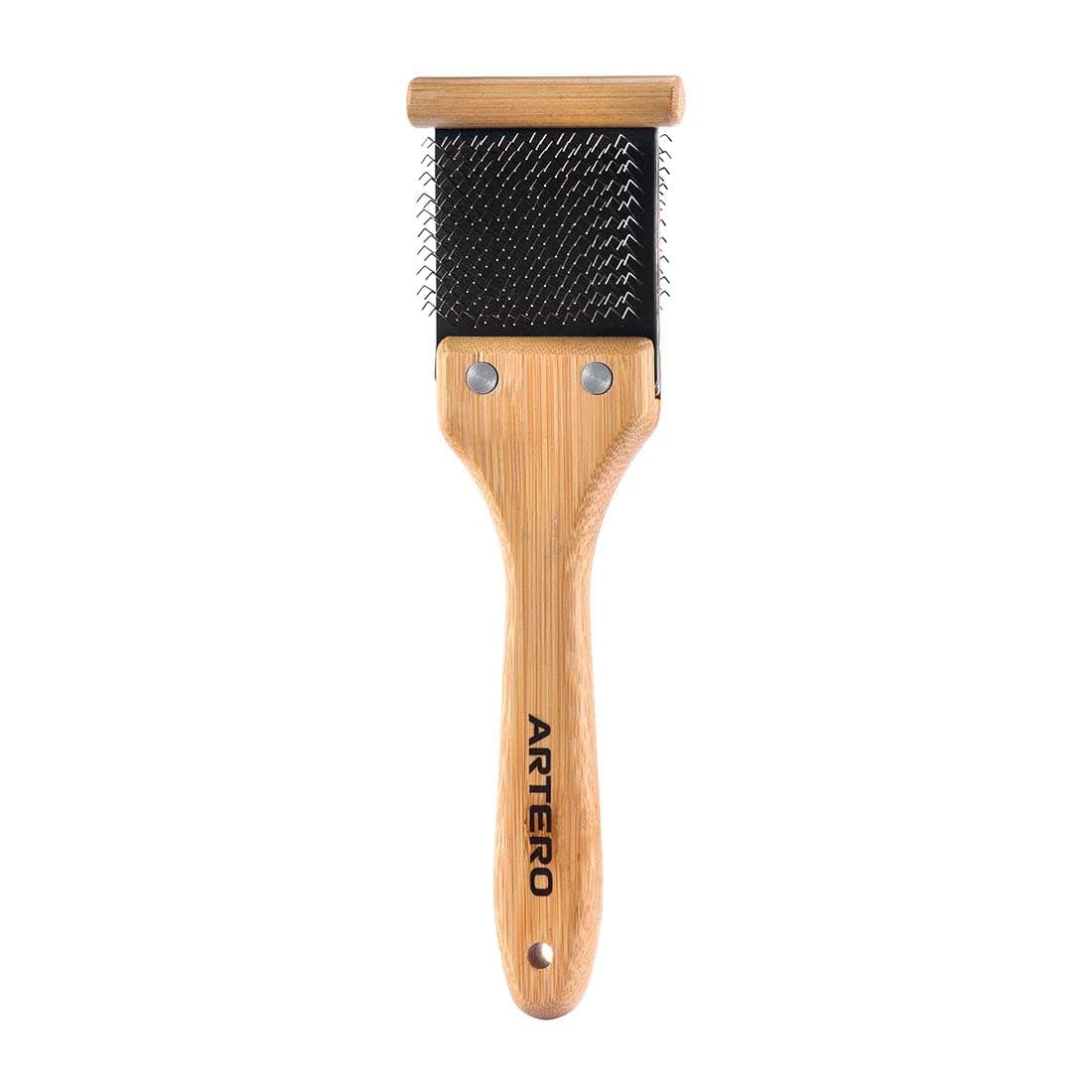
A flexible dual-surface brush can be useful for sensitive dogs and mixed textures. The Artero Double Flexible Brush (2 in 1) (S - Nature Collection) is the type of “comfort-first” format that suits dogs who resent stiff tools.
Scenario 3: Short-haired heavy shedder (Lab, Beagle, Pit mix)
- •Lead tool: slicker (light pressure) or rubber curry (not covered here)
- •Deshedding comb: often unnecessary and can irritate skin if overused
- •Why: shedding is frequent but hair isn’t packed in an undercoat the same way.
If you’re tempted to use a high-aggression shedding tool because the hair is everywhere, shift to more frequent, lighter sessions. Consistency beats force.
Scenario 4: Allergy-sensitive household
- •Lead tool: whichever the dog tolerates daily
- •System add-ons: grooming + vacuum schedule pairing, washable throws, crate bedding rotation
- •Why: the spike comes from irregular grooming; predictable micro-sessions reduce airborne load.
Scenario 5: Multi-pet home (dog + cat) trying to standardize tools
You can simplify your station with a “family of tools” that work similarly across pets.
- •Slicker-style maintenance: Coastal Pet Safari - Cat Self-Cleaning Slicker Brush - Cat Grooming Supplies
- •Deshedding-style extraction (cats): FURminator deShedding Tool For Medium/Large Cats, Short Hair, Removes Loose Hair From Shedding
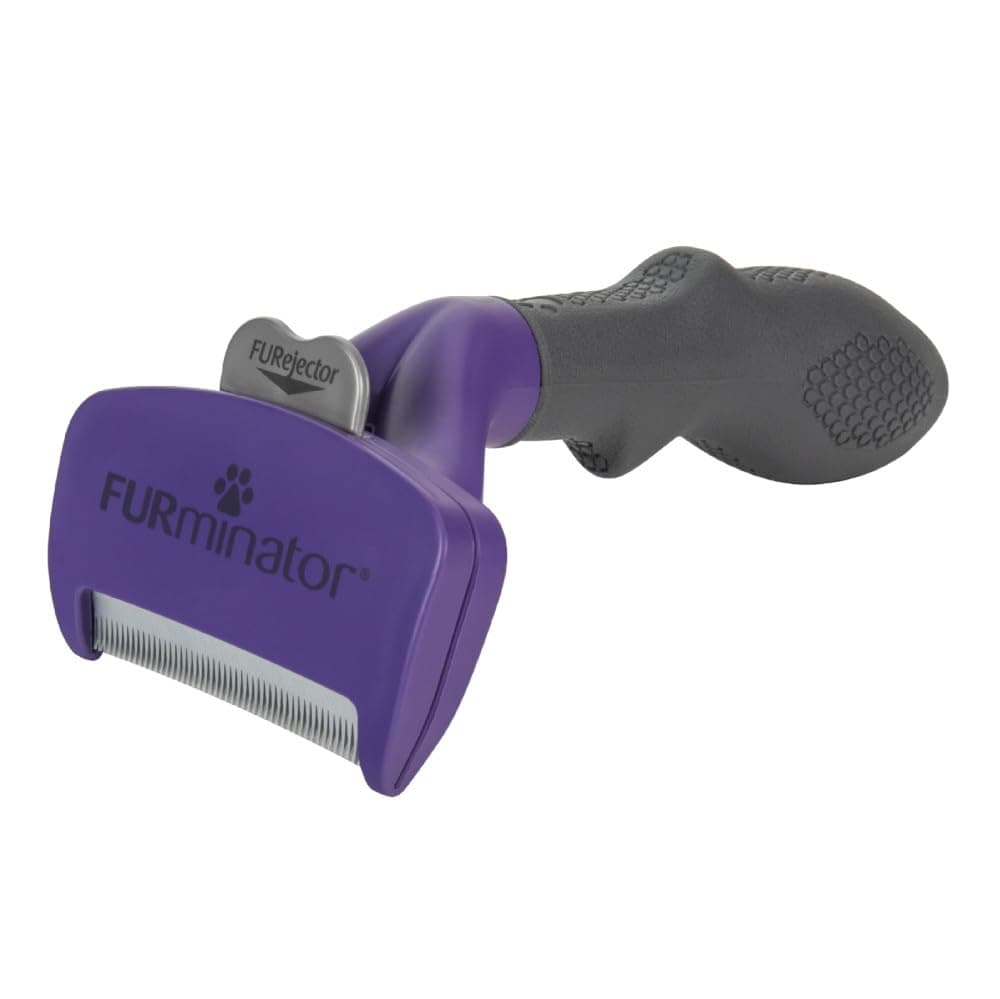
Even if your focus is heavy shedding dogs, recognizing the role (maintenance vs extraction) helps you standardize routines across animals.
Mistakes that create regression
Regression is when shedding gets worse or your dog starts avoiding grooming. These mistakes cause it.
1) Using the deshedding comb on a coat that isn’t opened
If the coat has tangles or packed areas, a comb can pull and break hair. That leads to:
- •irritation
- •more loose hair later
- •a dog who resists grooming
Fix: slicker first, then comb only where it glides.
2) Overworking one spot
Many owners “chase the pile” and keep raking the same patch because hair keeps coming. That can create brush burn.
Fix: cap yourself at two passes per section, rotate zones, then reassess.
3) Grooming only when the house is already covered
This is the classic boom-bust cycle: zero grooming, then a 45-minute battle.
Fix: switch to micro-sessions. Five minutes is the sustainable unit.
4) Dry brushing with high pressure
Dry brushing increases friction and static. You’ll see more hair fly and more discomfort.
Fix: slightly damp coat or light detangling mist; keep pressure low.
5) Ignoring body language until the dog “snaps”
A dog that freezes, lip licks, turns head away, or tenses is telling you the system is too intense.
Fix: shorten sessions, increase rewards, and choose the gentler tool as the lead.
30-day implementation plan
This plan is designed to build consistency first, then efficiency.
Days 1–3: Baseline and tool order test
- •Do 5 minutes/day.
- •Day 1: slicker-only.
- •Day 2: slicker (2 min) + deshedding comb (2 min) + slicker (1 min).
- •Day 3: repeat Day 2 but swap focus zones (rump/thighs first).
Track two things:
- •How much hair you collect (roughly: “small / medium / huge”).
- •Your dog’s tolerance (calm / fidgety / stressed).
Days 4–10: Lock the minimum viable routine
Pick the version your dog tolerates best and keep it identical.
- •Same time of day.
- •Same location.
- •Same treat.
Goal: make it automatic.
Days 11–20: Add one efficiency upgrade
Choose one:
- •Add a finishing slicker pass to reduce hair shedding later in the day.
- •Add a second micro-session on the two worst shedding days of the week.
- •Add a vacuum pairing rule: groom, then vacuum 10 minutes.
Days 21–30: Seasonal vs maintenance mode
Decide which mode you’re in:
- •Maintenance mode: 5 minutes, 4–6 days/week.
- •Blowout mode (2–3 weeks): 10–12 minutes, 3x/week + extra deshedding comb time on rump/thighs.
At day 30, you should have:
- •a dog who doesn’t dread the tools
- •a predictable shedding load
- •a routine you can keep even when busy
FAQ and next-step decisions
Should I choose a deshedding comb vs slicker if I can only buy one tool?
If your dog has a double coat and heavy undercoat blowouts, start with a deshedding comb-style tool—but only if you can commit to gentle technique and short sessions. If your dog mats, has sensitive skin, or you’re new to grooming, start with a slicker because it’s more forgiving.
How do I know I’m removing undercoat vs damaging the topcoat?
Undercoat comes out as soft, fluffy hair; topcoat breakage often looks like sharp, stiffer hairs and can leave the coat looking uneven or “thinned.” If the tool is snagging, you’re pulling—stop and switch to a slicker pass or reduce pressure.
What if my dog hates the deshedding comb?
Don’t force it. Use a slicker-led routine for 1–2 weeks and only introduce the comb for 30 seconds on a high-yield zone (rump). Pair with treats. Many dogs accept comb work once the coat is already loosened.
Next-step decisions
- •If your dog’s coat packs and “puffs” and you collect handfuls: prioritize the deshedding comb phase (with slicker prep).
- •If your dog gets tangles/mats or has thin skin: prioritize slicker technique and consistency.
- •If you keep quitting due to tool swapping: consider a hybrid tool like the MalsiPree Dog Brush for Shedding - Large, Blue, 2-in-1 - Deshedding Dog Grooming Brush & Undercoat Rake with Dematting Comb for medium to Large Double Coated.
Your best choice in the deshedding comb vs slicker debate is the one your household can execute without drama—because the routine is what actually reduces shedding.
Roundups Cluster
More in this topic

guide
Pet Feeding Station Setup: The Perfect Spot for Stress-Free Meals
guide
Best Indestructible Dog Toys for Aggressive Chewers
guide
10 DIY Cat Enrichment Ideas to Keep Your Cat Happy
guide
Positive Reinforcement Dog Training: A Complete Beginner's Guide
guide
Crate Training Puppy Schedule: Day-by-Day Plan for Success
guide
Leash Training Tips for Dogs: Stop Pulling and Enjoy Walks
Frequently asked questions
Which is better for heavy shedding dogs: a deshedding comb or a slicker brush?
Neither is universally better. A deshedding comb wins when the problem is packed undercoat (common in double-coated dogs during seasonal blowouts). A slicker wins when friction is high (tangles, light matting, sensitive skin) and when you need a forgiving tool for frequent maintenance. In most heavy-shedding households, the best system is slicker first to open the coat, then a deshedding comb on high-yield zones like the rump and thighs.
How often should I use a deshedding comb without irritating my dog’s skin?
For most dogs, use the deshedding comb in short, controlled sessions: 2–6 minutes total, 2–3 times per week during normal shedding, and up to 3 times per week during seasonal blowouts. Avoid repeated passes over the same spot. If you see pink skin, flaking, or your dog starts flinching, reduce pressure, shorten sessions, and rely more on the slicker brush until the skin calms.
Can I use these tools if my dog also gets mats or tangles?
Yes, but the sequence matters. Start with a slicker brush using short strokes and light pressure to open the coat and remove surface tangles. Only introduce a deshedding comb when it glides through without snagging. If the comb pulls, stop—using it over tangles can worsen discomfort and create brush burn, which makes future grooming harder.
