
comparison • Coat Care
Best Undercoat Brushes for Heavy Shedding: What to Compare First
Heavy shedding is manageable with the right undercoat brush and a low-stress routine. Compare tools by comfort, coat type, and behavior—not hype.
By Lucy Anderson • February 28, 2026 • 7 min read
Table of contents
- Pet behavior signals that shape the routine
- Green, yellow, red signals
- Where your pet is sensitive changes what “best” means
- Two real-world scenarios to anchor your approach
- Low-stress setup before any tool is used
- Choose the right environment (and remove silent stressors)
- Prime the session with a predictable cue
- Pre-check: don’t start with the tool
- Handling protocol for better compliance
- The “consent test” (30 seconds)
- Pressure and angle: the most common mistake
- Choose “anchor holds,” not pinning
- Tactical workflow by session phase
- Phase 1: Warm-up (1–2 minutes)
- Phase 2: Main de-shed work (3–8 minutes)
- Phase 3: Detail and check (1–3 minutes)
- Phase 4: Cool-down (30–60 seconds)
- Product choices by temperament and tolerance
- What to compare first (decision criteria)
- Temperament matchups (with practical examples)
- The cautious pet (easily startled, low tolerance)
- The sensitive pet (willing, but skin twitches or complains when snagged)
- The thick double-coated “coat blow” dog (tolerates grooming, huge volume of undercoat)
- The short-haired heavy-shedding cat (hair everywhere, dislikes long brushing)
- Error recovery after a bad session
- Step 1: Stop the pattern immediately
- Step 2: Repair the association (24–72 hours)
- Step 3: Identify the trigger so you don’t repeat it
- When to involve a pro
- Progress tracking template
- How to interpret your notes
- A practical goal
- Practical long-term maintenance plan
- Baseline schedule (most homes)
- Rotate intensity, not just tools
- Build a predictable pattern your pet can anticipate
- Don’t ignore “non-tool” factors
- Choosing the best undercoat brush for your household
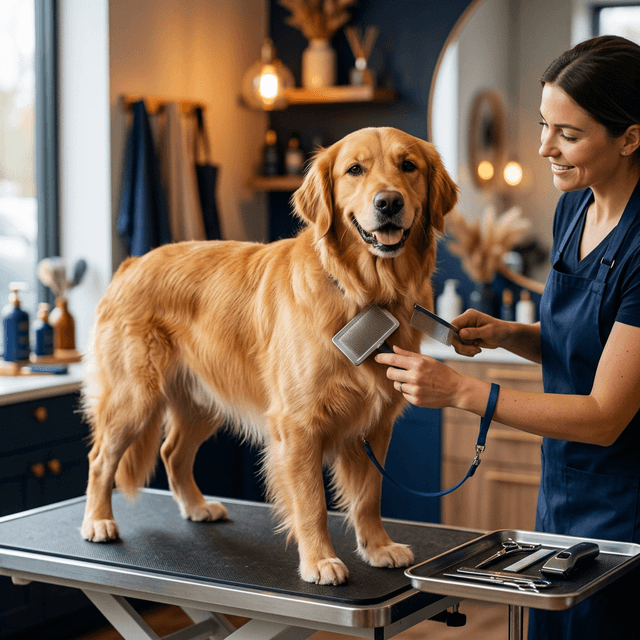
Heavy shedding can feel endless: hair on the couch, hair in the air, hair somehow inside your socks. The good news is that shedding is usually a “maintenance problem,” not a “my pet is broken” problem—especially for double-coated dogs (Huskies, Shepherd mixes, Goldens) and thick-coated cats.
This guide is a comparison-style breakdown of what to evaluate before you buy the best undercoat brush for your home. But it’s also a behavior-first playbook: the tool matters, yet your pet’s tolerance and your sequencing matter more. A great brush used at the wrong time (or with too much pressure) becomes the “scary brush.” A decent brush used with the right protocol becomes the “oh, this is relaxing” brush.
Below, you’ll learn what to compare, how to set up low-stress sessions, how to handle common problems like matting or brush avoidance, and how to match specific tools to temperament.
Pet behavior signals that shape the routine
Your pet’s behavior tells you what they can handle today. If you listen early, you’ll prevent the big reactions that make grooming harder next time.
Green, yellow, red signals
- •Green (proceed): soft eyes, normal breathing, leaning into the brush, grooming themselves, choosing to stay nearby.
- •Yellow (slow down): skin twitching, tail swish (cats), lip lick, ears turning back, looking away repeatedly, “busy mouth” (sniffing/licking to cope), mild wriggling.
- •Red (stop and reset): growl, hiss, hard stare, sudden snapping at the tool, repeated jumping off the surface, frantic panting, pupils dilated, full-body freeze.
When you see yellow, don’t “push through.” That’s how you end up with red. Instead, shorten the session, reduce intensity, or switch to a gentler tool.
Where your pet is sensitive changes what “best” means
Most pets have predictable hot spots:
- •Cats often guard: belly, base of tail, armpits, and along the spine near the hips.
- •Dogs often guard: behind ears, flank, inner thighs, feathering, and tail base.
If your pet is sensitive in those areas, the best undercoat brush for you is usually one that is gentler and more controllable, even if it removes hair a bit slower.
Two real-world scenarios to anchor your approach
- The “velcro pet” who loves touch but hates snagging: This pet is social and willing, but any pulling flips them to yellow. Your priority is tools that glide and a protocol that prevents snagging.
- The “independent pet” who tolerates 30 seconds: This pet isn’t fearful, just not interested. Your priority is speed, short sessions, and reinforcing a predictable routine.
Low-stress setup before any tool is used
The setup can do 50% of the work. Your goal is to make grooming feel like a choice, not a wrestling match.
Choose the right environment (and remove silent stressors)
- •Surface: A non-slip mat on a washer, table, or the floor. Slipping makes pets brace, which makes brushing feel worse.
- •Lighting: Bright enough to see mats and skin but not harsh.
- •Sound: Turn off loud fans or close the window if street noise makes your pet vigilant.
- •Exit option: Especially for cats, allow a safe “break” path. Paradoxically, they stay longer when they know they can leave.
Prime the session with a predictable cue
Pick a cue like “brush time” and pair it with something your pet values.
- •For many dogs: a lick mat or a steady stream of tiny treats.
- •For many cats: a high-value lickable treat or a small meal immediately after.
Predictability reduces the “what’s happening?” stress and improves tolerance.
Pre-check: don’t start with the tool
Use your hands first.
- •Feel for dense patches, tiny knots, and skin sensitivity.
- •If you find a thick felted section, don’t attack it with a de-shedding blade. That’s how you create pain and brush fear.
If you’re dealing with frequent tangles plus shedding, tools that combine an undercoat rake and dematting capability can help—when used gently and correctly (more on that in the workflow section).
Handling protocol for better compliance
Handling is not just restraint—it’s communication.
The “consent test” (30 seconds)
Before the first full stroke:
- Touch shoulder/chest with your free hand.
- One short brush stroke in an easy zone (shoulder/back).
- Pause.
If your pet leans in or stays relaxed, continue. If they move away or tense, reduce pressure, shorten strokes, or switch to a softer brush.
Pressure and angle: the most common mistake
Most people press too hard or brush too steeply.
- •Use just enough pressure to reach the undercoat without scraping skin.
- •Keep strokes short (2–4 inches) in dense areas.
- •Brush with the coat lay first. You can do a light reverse stroke later only if your pet is calm and you’re not snagging.
Choose “anchor holds,” not pinning
- •For dogs: hand under the chest or gentle collar hold while offering a treat stream.
- •For cats: support the chest and shoulders; avoid grabbing scruff or forcing a belly-up position unless directed by a vet.
If you have to pin your pet, the session is already too intense. Switch to micro-sessions, change tools, or address mats separately.
Tactical workflow by session phase
Think of grooming like a small training session: warm-up, work, cool-down.
Phase 1: Warm-up (1–2 minutes)
Purpose: build comfort and reduce startle.
- •Start where your pet already likes touch (neck/chest for many dogs, cheeks/shoulders for many cats).
- •Do 5–10 gentle strokes.
- •Reward calmness.
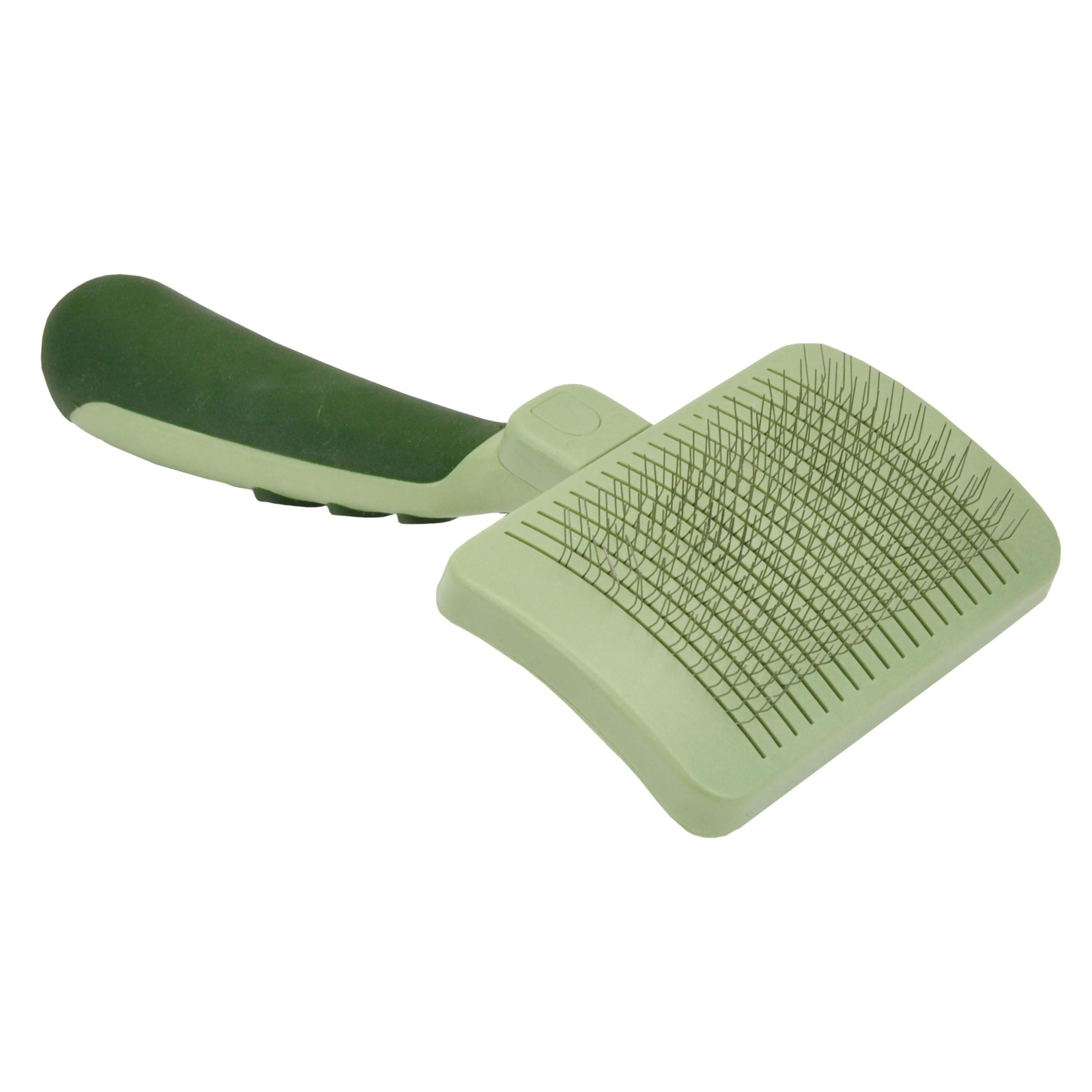
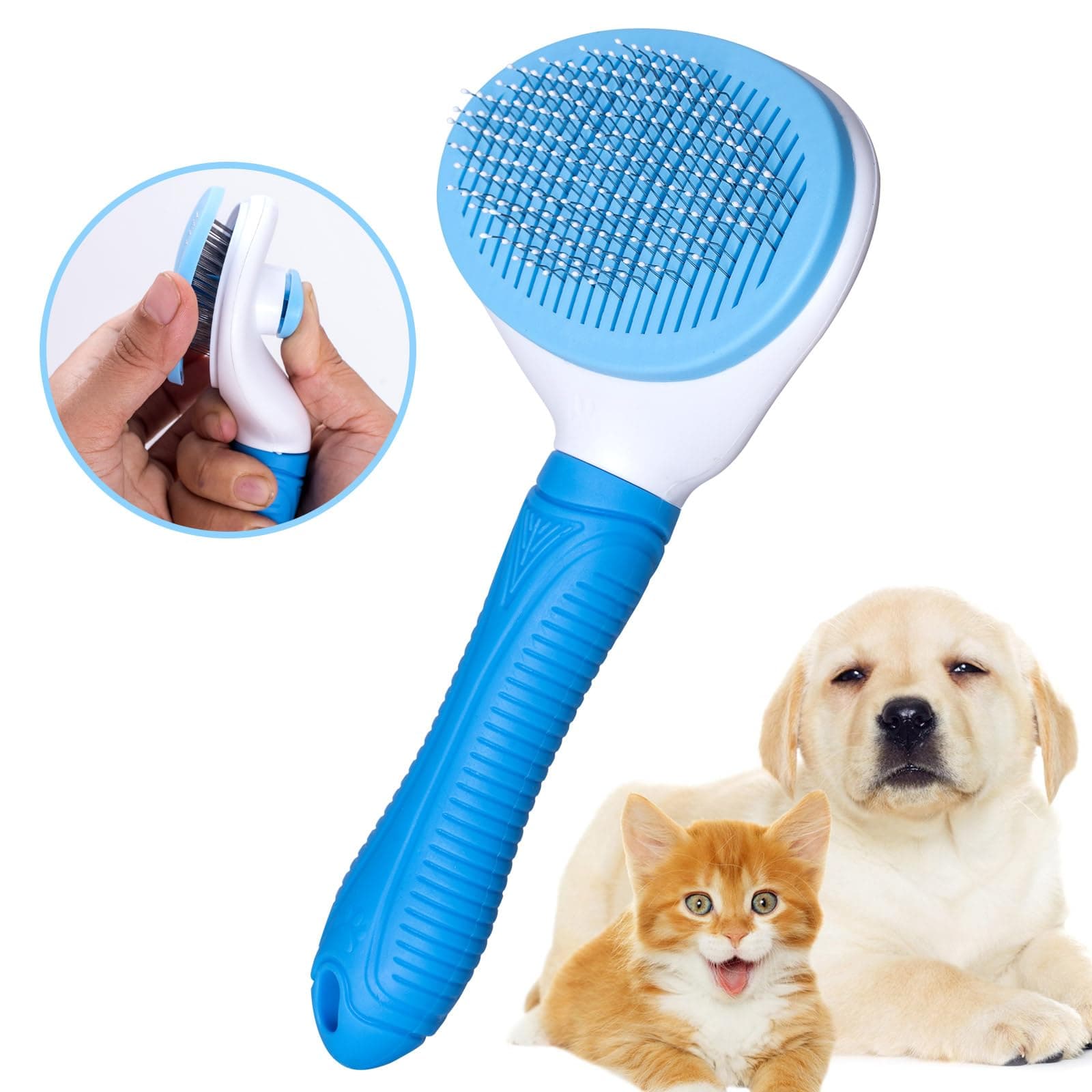
If you’re grooming a cat who tolerates little, a soft, controlled slicker can be a practical “warm-up” tool. The Coastal Pet Safari - Cat Self-Cleaning Slicker Brush - Cat Grooming Supplies is designed to keep the session flowing by making hair removal from the brush faster (less fumbling, fewer pauses that can annoy a cat).
Phase 2: Main de-shed work (3–8 minutes)
Purpose: actually remove loose undercoat without creating friction or pain.
For thick double-coated dogs
- •Use short sections: shoulder, ribcage, rear, then break.
- •Focus on “shed zones”: behind the ears, chest ruff, pants/feathering, tail base.
- •Stop if you see skin turning pink or your pet starts skin-twitching.
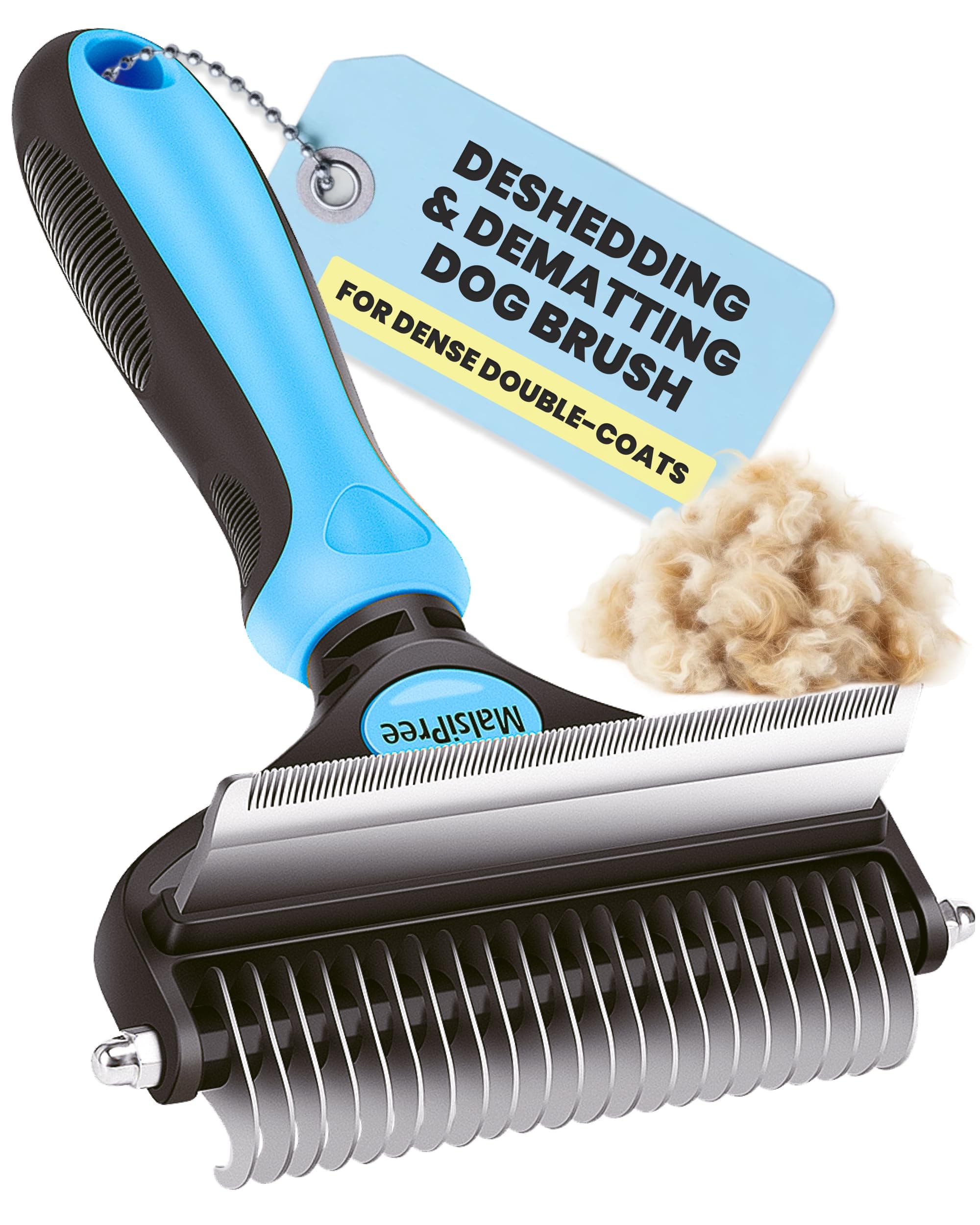
A combo tool can be useful if you’re routinely dealing with both shedding and minor tangles. The MalsiPree Dog Brush for Shedding - Large, Blue, 2-in-1 - Deshedding Dog Grooming Brush & Undercoat Rake with Dematting Comb for medium to Large Double Coated is the type of option many owners choose when their dog blows coat seasonally and also gets small knots in feathering.
For short-haired cats who shed heavily
- •Don’t overdo de-shedding blades; cats’ skin can be sensitive.
- •Keep strokes light and count-based (for example: “20 strokes, then treat”).
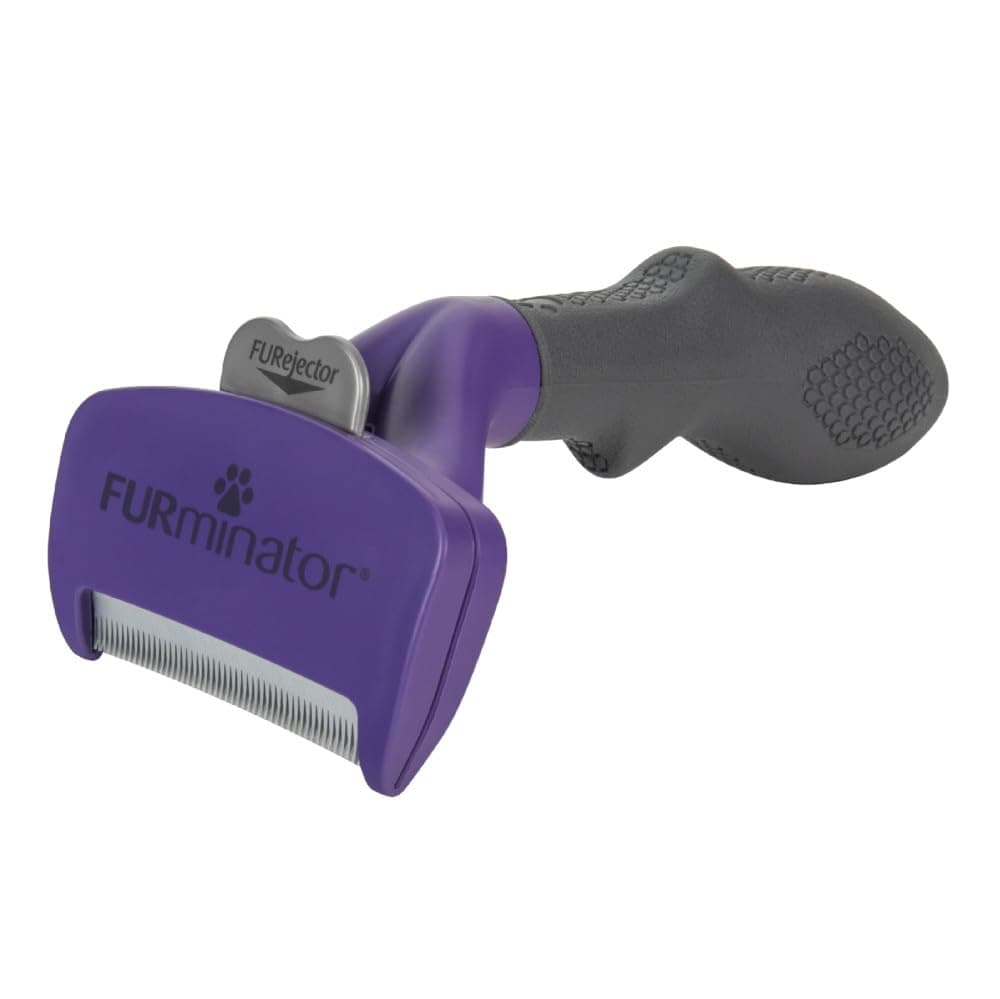
If you want a tool specifically designed to pull loose hair efficiently from short coats, the FURminator deShedding Tool For Medium/Large Cats, Short Hair, Removes Loose Hair From Shedding is commonly chosen for that job—but it should be used sparingly, with very light pressure, and never over irritated skin.
Phase 3: Detail and check (1–3 minutes)
Purpose: confirm you didn’t miss problem areas and ensure comfort.
- •Run your hands over the coat: do you feel “speed bumps” (tiny knots)?
- •Check friction zones: armpits, groin (dogs), behind ears.
- •If your pet is still relaxed, do a few finishing strokes with a gentler brush.
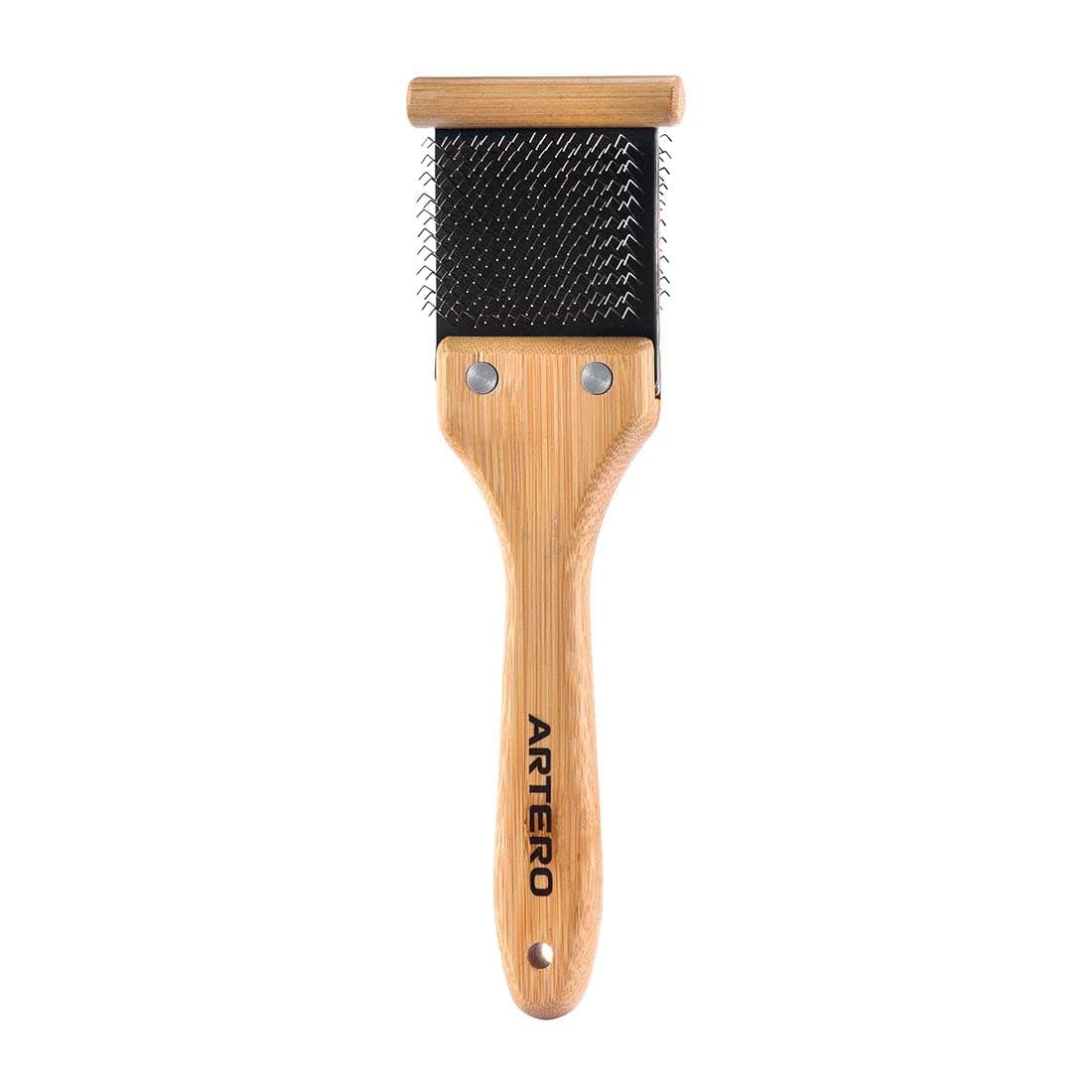
A flexible brush can be helpful here for pets who dislike rigid pressure. The Artero Double Flexible Brush (2 in 1) (S - Nature Collection) style of design is often appealing for “sensitive-but-willing” pets because the flex can reduce the sensation of scraping.
Phase 4: Cool-down (30–60 seconds)
Purpose: end on a win so the next session is easier.
- •Stop before your pet is done tolerating it.
- •Give a final treat, a short play burst, or a calm cuddle—whatever your pet finds rewarding.
Product choices by temperament and tolerance
When people search for the best undercoat brush, they often compare only hair removal. For heavy shedders, you also need to compare comfort, control, and how “forgiving” the tool is if your technique isn’t perfect.
What to compare first (decision criteria)
- Skin sensitivity risk: Can you easily apply too much pressure? Tools that bite down fast can irritate skin if you overwork one area.
- Control in small zones: Behind ears, armpits, and tail base require precision.
- Coat type match: Double coat vs single coat; long vs short; prone-to-matting vs not.
- Session friction: How often you must stop to remove hair from the brush (a big deal for cats and short-tolerance pets).
- Your pet’s emotional response: A “fine” brush that your pet accepts beats a “perfect” brush your pet fears.
Temperament matchups (with practical examples)
The cautious pet (easily startled, low tolerance)
Best approach: gentle tool + micro-sessions.
- •Start with a softer-feeling brush and avoid aggressive de-shedding for week one.
- •Keep sessions to 60–120 seconds, 1–2 times daily.
A self-cleaning slicker can reduce the time you spend fussing mid-session, which helps cautious pets stay regulated. Consider the Coastal Pet Safari - Cat Self-Cleaning Slicker Brush - Cat Grooming Supplies if your cat dislikes long handling but accepts short, consistent grooming.
The sensitive pet (willing, but skin twitches or complains when snagged)
Best approach: maximize glide and reduce pulling.
- •Brush in very small sections.
- •Avoid yanking through resistance; instead, work around it and address knots separately.
A flexible brush can help you keep pressure light while still making progress. The Artero Double Flexible Brush (2 in 1) (S - Nature Collection) is a style many owners reach for when their pet dislikes firm, rigid tools.
The thick double-coated “coat blow” dog (tolerates grooming, huge volume of undercoat)
Best approach: efficient undercoat removal + pacing.
- •Expect multiple sessions over several days during coat blow.
- •Don’t chase perfection in one sitting.
A dual-purpose undercoat rake/dematting style tool can be practical if your dog also gets tangles in feathering. The MalsiPree Dog Brush for Shedding - Large, Blue, 2-in-1 - Deshedding Dog Grooming Brush & Undercoat Rake with Dematting Comb for medium to Large Double Coated fits that “one tool, two jobs” niche—just keep pressure conservative and stop if you hit resistance.
The short-haired heavy-shedding cat (hair everywhere, dislikes long brushing)
Best approach: fewer strokes, higher efficiency, strict limits.
- •Do a quick warm-up with a gentle brush.
- •Use a de-shedding tool briefly (think: 1–3 minutes), then stop.
If you choose a de-shedding tool, use it like a “targeted intervention,” not a daily scrub. The FURminator deShedding Tool For Medium/Large Cats, Short Hair, Removes Loose Hair From Shedding can pull a lot of loose coat quickly, but overuse can irritate skin and create tool avoidance.
Error recovery after a bad session
Bad sessions happen: you hit a snag, your pet panics, or you pushed too long. What you do next determines whether the next session is easier or worse.
Step 1: Stop the pattern immediately
If your pet escalates (red signals), end the session. Continuing teaches them that escalating is the only way to get relief.
Step 2: Repair the association (24–72 hours)
For the next few days:
- •Bring the brush out, place it on the floor/table, and feed treats near it.
- •Do brief “touch only” sessions: pet your animal in their favorite spot, then treat—no brushing.
- •Resume brushing with a gentler tool and shorter time.
Step 3: Identify the trigger so you don’t repeat it
Common triggers and fixes:
- •Snagging: you tried to brush through a knot. Fix: separate hair with fingers first; reduce stroke length; consider addressing mats individually.
- •Too much time: the session ran past tolerance. Fix: use a timer and stop earlier.
- •Sensitive zone too soon: you went straight to belly/tail base. Fix: start in “easy zones,” save sensitive spots for last (or split into separate sessions).
When to involve a pro
If mats are tight to the skin, your pet is pain-reactive, or you suspect a skin/medical issue (hot spots, dandruff clumps, sores), a groomer or vet visit is safer than escalating home brushing.
Progress tracking template
Tracking keeps you honest and helps you see improvement even when shedding feels relentless. Here’s a simple template you can paste into your notes app.
| Date | Tool used | Duration | Body areas | Pet signals (G/Y/R) | Hair amount (Low/Med/High) | Notes + next tweak |
|---|
How to interpret your notes
- •If signals shift from yellow to green over 1–2 weeks, your routine is working.
- •If hair amount stays high but signals improve, you’re building tolerance first (that’s good). Efficiency comes later.
- •If signals worsen, reduce intensity: shorter sessions, gentler tool, fewer sensitive zones.
A practical goal
Aim for: “My pet stays green for 3–5 minutes, three times per week.” That’s often enough to meaningfully reduce tumbleweeds of hair without making grooming a battle.
Practical long-term maintenance plan
Heavy shedding doesn’t need marathon sessions. It needs a schedule that matches your pet’s coat cycle and temperament.
Baseline schedule (most homes)
- •Double-coated dogs: 2–4 sessions/week during seasonal coat blow; 1–2 sessions/week otherwise.
- •Short-haired cats: 2–3 short sessions/week; increase frequency if hairballs or couch hair spikes.
Rotate intensity, not just tools
A sustainable plan alternates “light” and “work” days.
- •Light day: gentle brush, 2–4 minutes, easy zones only.
- •Work day: undercoat-focused tool, 5–10 minutes total, split into sections.
This reduces irritation and keeps your pet from associating grooming with discomfort.
Build a predictable pattern your pet can anticipate
Try a repeatable sequence:
- Cue (“brush time”)
- Two treats
- 10 warm-up strokes
- Main work (timer on)
- Stop early
- Reward + release
Pets relax when they can predict the start and the end.
Don’t ignore “non-tool” factors
If shedding seems suddenly extreme or your pet’s coat feels dull/greasy, consider:
- •Seasonal changes (normal)
- •Indoor heating/low humidity
- •Diet transitions
- •Skin issues, parasites, stress grooming
An undercoat brush is a strong helper, but it can’t fix underlying skin problems. If you notice bald patches, scabs, strong odor, or constant scratching, involve your vet.
Choosing the best undercoat brush for your household
If you only take one thing from this comparison: choose the best undercoat brush for your pet’s tolerance first, and your convenience second. A tool that removes slightly less hair but keeps your pet relaxed will outperform a “stronger” tool that turns every session into a struggle.
If you’re deciding between options, start by asking:
- •“Will my pet stay green with this?”
- •“Can I control pressure easily?”
- •“Does it match my pet’s coat type and matting risk?”
From there, you can confidently shortlist tools like the Coastal Pet Safari - Cat Self-Cleaning Slicker Brush - Cat Grooming Supplies, the FURminator deShedding Tool For Medium/Large Cats, Short Hair, Removes Loose Hair From Shedding, the Artero Double Flexible Brush (2 in 1) (S - Nature Collection), or the MalsiPree Dog Brush for Shedding - Large, Blue, 2-in-1 - Deshedding Dog Grooming Brush & Undercoat Rake with Dematting Comb for medium to Large Double Coated—then let your pet’s behavior decide the final winner.
Roundups Cluster
More in this topic

guide
Pet Feeding Station Setup: The Perfect Spot for Stress-Free Meals
guide
Best Indestructible Dog Toys for Aggressive Chewers
guide
10 DIY Cat Enrichment Ideas to Keep Your Cat Happy
guide
Positive Reinforcement Dog Training: A Complete Beginner's Guide
guide
Crate Training Puppy Schedule: Day-by-Day Plan for Success
guide
Leash Training Tips for Dogs: Stop Pulling and Enjoy Walks
Frequently asked questions
How do I choose the best undercoat brush for a double-coated dog?
Start with tolerance and coat density. For thick double coats, prioritize a tool that reaches loose undercoat without scraping skin, and that you can control in small sections (behind ears, feathering, tail base). If your dog also gets minor tangles, a 2-in-1 undercoat rake/dematting option can be practical—use short strokes, light pressure, and never force through resistance.
Can a de-shedding tool reduce shedding for cats without hurting their skin?
Yes, if you use it briefly and gently. Keep sessions short (often 1–3 minutes for short-haired cats), use minimal pressure, and stop at the first sign of irritation (pink skin, twitching, tail swishing). Overuse is a common cause of brush avoidance, so rotate in a gentler brush and prioritize calm, predictable sessions.
What should I do if my pet suddenly hates brushing?
Assume something changed: a snagging incident, brushing too long, sensitivity from mats, or a skin/medical issue. Pause brushing for 24–72 hours and rebuild positive association by feeding treats near the brush and doing short touch-only sessions. When you restart, shorten the timer, begin in easy zones, and switch to a gentler tool. If you see sores, bald spots, or intense itching, contact your vet.
