

comparison • Nail Care
Best Dog Nail Grinders for Home Use: Data-Driven Comparison (Budget-Value Guide)
A practical, numbers-first guide to choosing the best dog nail grinder for your home—based on 90-day cost, time saved, and real-world ease of use.
By Lucy Anderson • February 27, 2026 • 7 min read
Table of contents
- Define value beyond sticker price
- The 5 value metrics that predict success at home
- A simple scoring rubric you can use (data-driven, not vibes-driven)
- Minimum viable setup for reliable results
- The baseline kit (what actually helps)
- A reliable 7-minute home workflow (example)
- Scenario-specific starting settings
- Upgrade paths that actually improve outcomes
- Upgrade 1: More speed control (for anxiety and precision)
- Upgrade 2: Better visibility (especially for dark nails)
- Upgrade 3: Add a scratch pad for “maintenance days”
- Upgrade 4: Multi-pet households (don’t force one tool to do everything)
- Workflow cost over 90 days
- Assumptions for a realistic 90-day model
- Cost categories to track
- Example: three common setups (how they behave over 90 days)
- High-value options by use case
- For first-time owners who want the smoothest learning curve
- For dark nails (you need visibility more than power)
- For dogs that hate paw handling (behavior-first value)
- For multi-pet homes (dog + cat)
- Waste patterns to avoid
- Buying for maximum power instead of minimum stress
- Pressing harder to go faster
- Ignoring dewclaws until they curl
- Treating scratch pads as a full solution without testing coverage
- Using dull clippers as your “backup” tool
- Performance audit checklist
- Dog comfort
- Trim quality
- Efficiency
- Cost control
- Final buying decision tree
- Step 1: What’s your biggest bottleneck?
- Step 2: How much trimming do you need to do?
- Step 3: Do you have more than one pet type?
- Step 4: Commit to the 90-day plan
If you’re shopping for the best dog nail grinder for home use, the sticker price is only a small part of the decision. What matters over the next 3 months is: how many trims you’ll actually complete, how calm your dog stays, how often you replace grinding parts, and how much time (and frustration) the tool adds to your routine.
This comparison is built around a “budget-value” blueprint: total cost of ownership + routine efficiency. I’ll show you what to measure, what to skip, and how to match a grinder to your dog’s size, nail type, and comfort level.
Define value beyond sticker price
A grinder that’s $10 cheaper but makes your dog panic is expensive in the ways that matter: missed trims, longer sessions, and accidental quicking because you rushed.
The 5 value metrics that predict success at home
1) Confidence per session (your dog’s tolerance)
- •The best grinder is the one your dog will let you use twice a month.
- •Practical proxy metric: “How many nails can I finish in 5 minutes without wrestling?” Track this once a week for a month.
2) Control at low speed (not maximum power)
- •Home trimming is about small, repeatable passes—not blasting through thick nails.
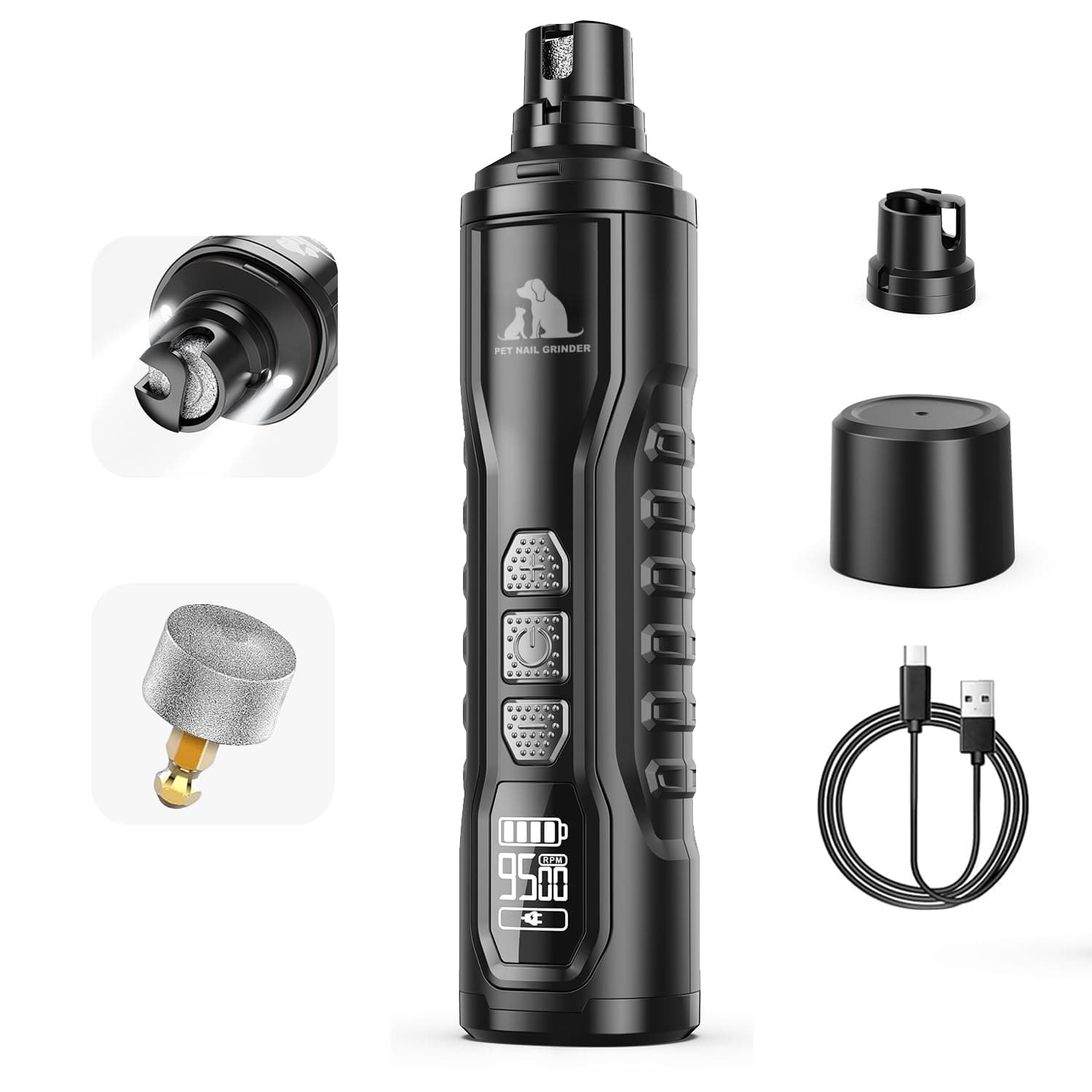
- •Look for multiple speeds and a stable low-speed setting. A multi-speed model like the Electric Dog Nail Grinder: Upgraded 5-Speed Quiet Dog Nail Trimmer is typically easier to “dial in” for sensitive dogs because you can start slower and increase only if needed.
3) Visibility at the nail tip
- •Seeing the tip clearly reduces over-grinding and helps you shape the nail instead of flattening it.
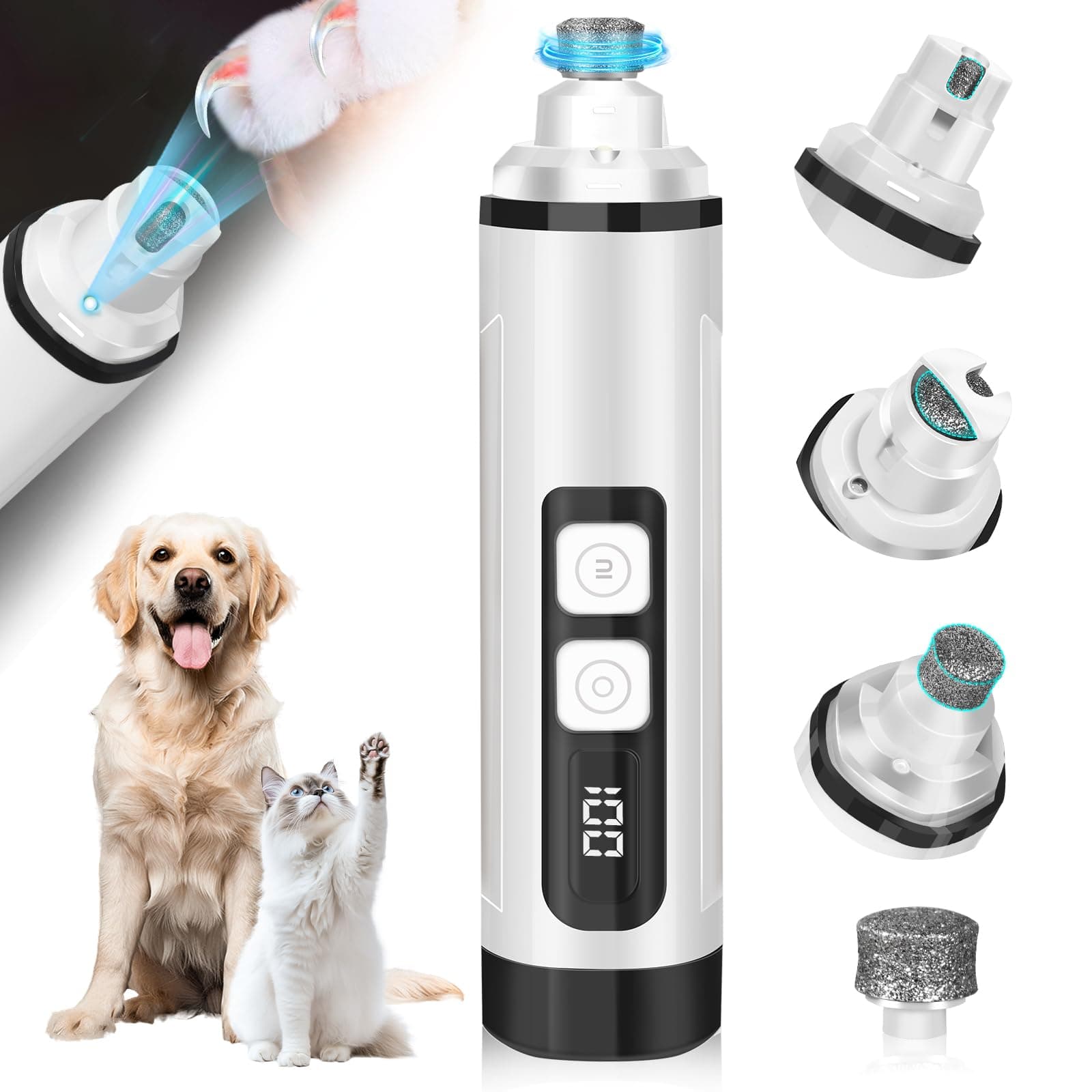
- •Built-in lights can help, especially with dark nails; a budget-friendly example is the Dog Nail Grinder Electric Powerful 3 Speeds...with Lights.
4) Consumables and replacements
- •Grinding heads, sanding bands/discs, and scratch-pad sandpaper are recurring costs.
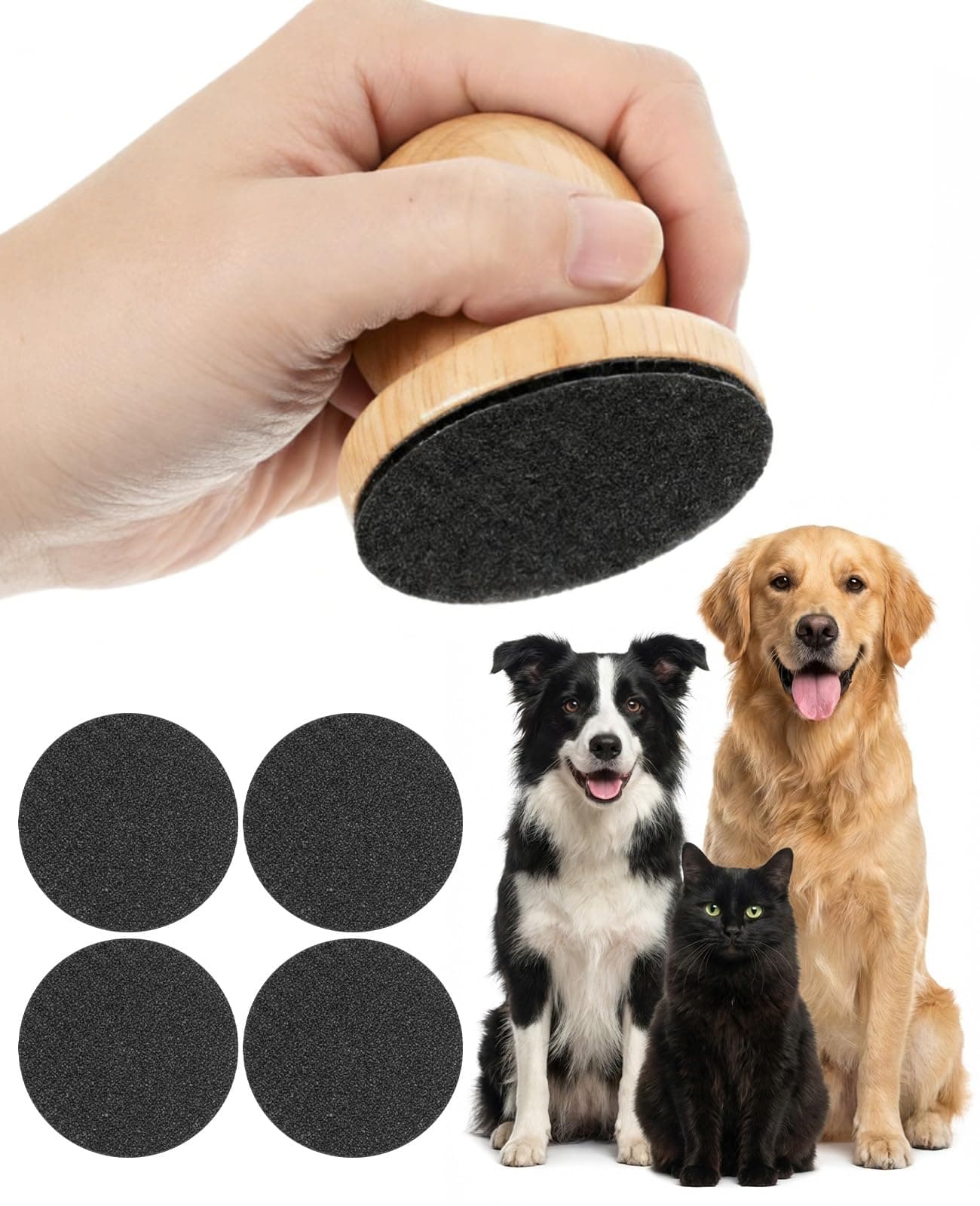
- •If you choose a scratch-pad style solution, the “refill economy” matters more than the base board. The Dog Nail File, Grinder Board Scratch Pad with 4-Pack Replaceable Sandpaper Discs makes that cost visible upfront (which is good—no surprises).
5) Cleanup and hair/dust management
- •Nail dust is real. If you dread cleanup, you’ll procrastinate trims.
- •Value = tool + your system: a towel under paws, a quick vacuum, and a predictable station.
A simple scoring rubric you can use (data-driven, not vibes-driven)
Score each category 1–5 and pick the highest for your household:
- •Dog tolerance (noise/vibration)
- •Low-speed control
- •Visibility (light + ergonomics)
- •Consumable cost/availability
- •Session time (minutes per full set)
Example: A calm Labrador with clear nails might prioritize speed and visibility; an anxious Chihuahua with black nails might prioritize low-speed control and noise.
Minimum viable setup for reliable results
You don’t need a groomer’s cart. You need a setup that makes the routine predictable and safe.
The baseline kit (what actually helps)
A grinder + one “backup option”
- •Grinder for shaping and gradual length reduction.
- •Backup for edge cases: a scratch pad or clippers.
If your dog refuses tools near the paw, a scratch pad can be an excellent bridge because the dog controls the contact. The Dog Nail File, Grinder Board Scratch Pad with 4-Pack Replaceable Sandpaper Discs is the type of alternative that can keep you moving forward even when grinder sessions stall.
Styptic + light source
- •Even with a grinder, you can hit the quick. Styptic powder is cheap insurance.
- •A small headlamp or bright desk lamp beats dim bathroom lighting.
Treat strategy (timed, not random)
- •Pay after each nail for the first 2–3 sessions.
- •Then switch to “every 2 nails,” then “every paw.” This reduces treat dependency while keeping cooperation high.
A reliable 7-minute home workflow (example)
This is a realistic routine for busy owners:
- Put a towel under the paw (captures dust and keeps footing stable).
- Do 1 paw only (first week) to keep it easy.
- Use the lowest comfortable speed for 1–2 second touches.
- Stop when the nail tip looks smooth and slightly rounded.
- Treat, release, done.
Over 2–3 weeks you build to all four paws. Consistency beats marathon sessions.
Scenario-specific starting settings
Small dog, thin nails (Yorkie, Chi mix)
- •Start low speed. Aim for shaping, not heavy removal.
- •Your biggest risk is heat buildup from staying in one spot. Do quick taps.
Medium dog with black nails (Beagle, mixed breed)
- •Visibility matters. Consider a lighted grinder like the Dog Nail Grinder Electric Powerful 3 Speeds...with Lights or add a headlamp.
- •Use frequent “look breaks.” Grind 2 taps, check, repeat.
Large dog with thick nails (Lab, Shepherd)
- •A more adjustable grinder can save time because you can increase speed after your dog is settled. The Electric Dog Nail Grinder: Upgraded 5-Speed Quiet Dog Nail Trimmer is the kind of format that fits this workflow.
Upgrade paths that actually improve outcomes
Upgrades should reduce time per trim or increase success rate (how often you finish calmly). Otherwise, they’re just gadget spending.
Upgrade 1: More speed control (for anxiety and precision)
If your dog startles easily, “quiet” marketing matters less than your ability to start slow. More speed steps can mean less vibration shock and fewer restarts.
- •A 5-speed model like the Electric Dog Nail Grinder: Upgraded 5-Speed Quiet Dog Nail Trimmer can be a meaningful upgrade when your current grinder jumps from “too weak” to “too intense.”
Upgrade 2: Better visibility (especially for dark nails)
If you avoid trimming because you can’t see where you are, you’ll let nails get long—then every trim is harder.
- •Built-in lights can reduce hesitation. A practical example is the Dog Nail Grinder Electric Powerful 3 Speeds...with Lights.
Upgrade 3: Add a scratch pad for “maintenance days”
A scratch pad is not a full replacement for a grinder for every dog, but it can be a huge efficiency upgrade in two common cases:
- •Your dog tolerates paw handling poorly but loves “find it” or targeting games.
- •You want a quick, low-drama maintenance option between grinder sessions.
The refillable-disc style like the Dog Nail File, Grinder Board Scratch Pad with 4-Pack Replaceable Sandpaper Discs is ideal when you actually plan to use it long-term.
Upgrade 4: Multi-pet households (don’t force one tool to do everything)
If you also have a cat, a dedicated clipper can prevent you from using an awkward, too-large tool on tiny claws. The NecoIchi - Purrcision Feline Nail Clippers is a sensible “right tool for the job” companion—especially if your grinder is optimized for dogs and feels clumsy on cats.

Workflow cost over 90 days
Here’s the part most comparison articles skip: your cost is (money + time + failed sessions).
Assumptions for a realistic 90-day model
- •Trimming frequency: every 2 weeks (6 sessions in 90 days)
- •Dog: 1 dog, 18 nails including dewclaws (some dogs have 16; adjust accordingly)
- •Target time: 10–20 minutes per full trim for most beginners
Cost categories to track
1) Purchase cost
- •The grinder or scratch pad base cost.
2) Consumables
- •Grinding heads/sanding bands/discs; scratch-pad sandpaper.
- •Rule of thumb: if you grind slowly and lightly, consumables last longer. If you “press” to go faster, you burn through parts.
3) Your time cost (the hidden budget)
- •Track minutes per session including setup and cleanup.
- •If a better tool saves 8 minutes per session and you do 6 sessions, that’s 48 minutes in 90 days—often worth paying for.
4) Failure cost (resets and stress)
- •If your dog bails after 3 nails, you pay again tomorrow in time and stress.
- •This is why low-speed control and calm starts are “value features.”
Example: three common setups (how they behave over 90 days)
Setup A: Multi-speed grinder focused on control
- •Best for: anxious dogs, owners who want gradual training.
- •Example product format: Electric Dog Nail Grinder: Upgraded 5-Speed Quiet Dog Nail Trimmer.
- •Typical 90-day reality: higher completion rate, fewer “tomorrow” sessions, steadier progress toward shorter nails.
Setup B: Lighted grinder focused on visibility
- •Best for: dark nails, owners who hesitate without a clear view.
- •Example: Dog Nail Grinder Electric Powerful 3 Speeds...with Lights.
- •Typical 90-day reality: fewer over-grinds because you can see better; can be faster once you’re confident.
Setup C: Scratch pad for low-drama maintenance
- •Best for: dogs that dislike paw holding, quick “between trims” smoothing.
- •Example: Dog Nail File, Grinder Board Scratch Pad with 4-Pack Replaceable Sandpaper Discs.
- •Typical 90-day reality: very low setup friction; great for front nails; may not fully address dewclaws or rear nails without training.
Practical tip: If you’re trying to reduce total time and stress, a “combo routine” often wins—scratch pad for quick maintenance + grinder for precision shaping and dewclaws.
High-value options by use case
Below are high-value picks based on what usually drives success at home. These aren’t “best for everyone”—they’re best for specific problems.
For first-time owners who want the smoothest learning curve
Pick a grinder that lets you start gentle and scale up.
- •Consider: Electric Dog Nail Grinder: Upgraded 5-Speed Quiet Dog Nail Trimmer
- •Why it’s high value: more speed steps typically means fewer “tool is too intense” moments, which directly improves completion rate.
Concrete example: If your dog tolerates only 30 seconds at first, you can still make progress by doing 2 nails per day at a low setting. A grinder that only has 1–2 usable speeds tends to stall training.
For dark nails (you need visibility more than power)
- •Consider: Dog Nail Grinder Electric Powerful 3 Speeds...with Lights
- •Why it’s high value: better view reduces hesitation and over-trimming; you’ll trim more consistently, which shortens the quick over time.
Concrete example: For a black-nailed rescue who flinches, the “two taps then check” method works best when you can see the tip clearly.
For dogs that hate paw handling (behavior-first value)
- •Consider adding: Dog Nail File, Grinder Board Scratch Pad with 4-Pack Replaceable Sandpaper Discs
- •Why it’s high value: you can turn nail care into a targeting game (“paw touch the board”), reducing restraint and building cooperation.
Concrete example game: Hold the scratch pad flat, cue “touch,” reward after 3–5 scratches, stop before your dog gets annoyed. Over a week, increase duration.
For multi-pet homes (dog + cat)
- •Keep a cat-specific tool around instead of improvising.
- •Consider: NecoIchi - Purrcision Feline Nail Clippers
Even if this article is about grinders, the best “value” move can be splitting tasks: grinder for dog nails, precision clippers for cat claws.
Waste patterns to avoid
These are the most common ways owners waste money and still end up with long nails.
Buying for maximum power instead of minimum stress
A tool that scares your dog creates expensive failure loops. If your dog runs when you turn the grinder on, you’ll spend more on “upgrades” and still avoid trimming.
Pressing harder to go faster
This burns sanding surfaces and heats the nail. Heat is a major reason dogs suddenly refuse the grinder.
- •Better rule: light pressure, frequent touches, short breaks.
Ignoring dewclaws until they curl
Dewclaws don’t always wear down naturally. If you skip them for 90 days, you can end up with a painful curl and a vet visit.
- •Plan: dewclaws get a dedicated check every session.
Treating scratch pads as a full solution without testing coverage
Scratch pads often work best on front nails. Rear nails and dewclaws may still need a grinder.
- •Test: after 2 weeks, look at nail symmetry and length on all paws.
Using dull clippers as your “backup” tool
If you keep a backup tool, make sure it’s actually sharp and safe. For cats, dedicated sharp clippers like the NecoIchi - Purrcision Feline Nail Clippers prevent crushing and splintering.
Performance audit checklist
Use this checklist after your first 2–3 sessions. If you fail any item, that’s a clue for what to change (tool, setup, or technique).
Dog comfort
- •Dog stays in place for at least 60 seconds without escalating stress.
- •No sudden pulling away after the grinder touches the nail (a heat/pressure warning).
- •Dog takes treats normally during the session (refusing treats = too stressed).
Trim quality
- •Nail tips feel smooth, not sharp “hooks.”
- •Nails are rounded, not flattened (flattening often means too much time on one spot).
- •Dewclaws are checked and maintained.
Efficiency
- •You can complete at least one paw in under 5 minutes.
- •Cleanup takes under 2 minutes (towel + quick vacuum routine).
- •You have a repeatable station (same spot, same light, same towel).
Cost control
- •You’re not replacing sanding parts unexpectedly fast (a sign of pressing too hard).
- •You’re trimming often enough that each session is small (every 2–3 weeks for most dogs).
Final buying decision tree
Use this to pick the best dog nail grinder setup for your exact situation.
Step 1: What’s your biggest bottleneck?
A) My dog is scared of the sound/vibration
- •Prioritize: gentle starts and fine speed control.
- •Choose: a multi-speed grinder like the Electric Dog Nail Grinder: Upgraded 5-Speed Quiet Dog Nail Trimmer.
B) I’m scared of trimming black nails
- •Prioritize: visibility and confidence.
- •Choose: a lighted option like the Dog Nail Grinder Electric Powerful 3 Speeds...with Lights and commit to “two taps then check.”
C) My dog won’t let me hold paws
- •Prioritize: cooperation training and low-drama maintenance.
- •Choose: add a scratch pad like the Dog Nail File, Grinder Board Scratch Pad with 4-Pack Replaceable Sandpaper Discs and treat it as a behavior tool first, nail tool second.
Step 2: How much trimming do you need to do?
Small dog / thin nails
- •You rarely need high speed. You need control and a calm dog.
Large dog / thick nails
- •You need a grinder that won’t stall under light pressure, but still offers low-speed precision.
Step 3: Do you have more than one pet type?
Dog + cat
- •Keep species-appropriate tools: grinder for the dog, and a dedicated cat clipper like the NecoIchi - Purrcision Feline Nail Clippers.
Step 4: Commit to the 90-day plan
Whatever you choose, the biggest “value multiplier” is frequency.
- •If nails are long now: do short sessions weekly for a month.
- •Once comfortable: move to every 2–3 weeks.
That’s how the best dog nail grinder becomes more than a purchase—it becomes a routine you can actually keep.
Roundups Cluster
More in this topic

guide
Pet Feeding Station Setup: The Perfect Spot for Stress-Free Meals
guide
Best Indestructible Dog Toys for Aggressive Chewers
guide
10 DIY Cat Enrichment Ideas to Keep Your Cat Happy
guide
Positive Reinforcement Dog Training: A Complete Beginner's Guide
guide
Crate Training Puppy Schedule: Day-by-Day Plan for Success
guide
Leash Training Tips for Dogs: Stop Pulling and Enjoy Walks
Frequently asked questions
Is a dog nail grinder better than clippers for beginners?
Often, yes—because grinders remove small amounts gradually, which lowers the chance of cutting into the quick when you’re learning. Beginners typically do best with short, frequent sessions (1 paw at a time) and light pressure. Clippers can be faster, but they punish mistakes more. Many owners use both: a grinder for shaping and smoothing, and clippers only when needed.
How often should I grind my dog’s nails at home?
Most dogs do well with trimming every 2–3 weeks, but if your dog’s nails are long right now, weekly micro-sessions for a month can help the quick recede gradually. A practical rule: if you can hear nails clicking on hard floors, you’re usually due. Always include dewclaws in your schedule because they don’t reliably wear down on their own.
What if my dog won’t tolerate the grinder touching the nails?
Start by separating the steps: let your dog see the grinder, then hear it at a distance, then feel it touch the shoulder (not the paw), rewarding each stage. Keep sessions under 1 minute at first. If paw handling is the main issue, use a scratch pad approach as a bridge—tools like a replaceable-disc scratch board can turn nail care into a game while you build confidence. Once your dog is calmer, reintroduce the grinder for precision and dewclaws.
