
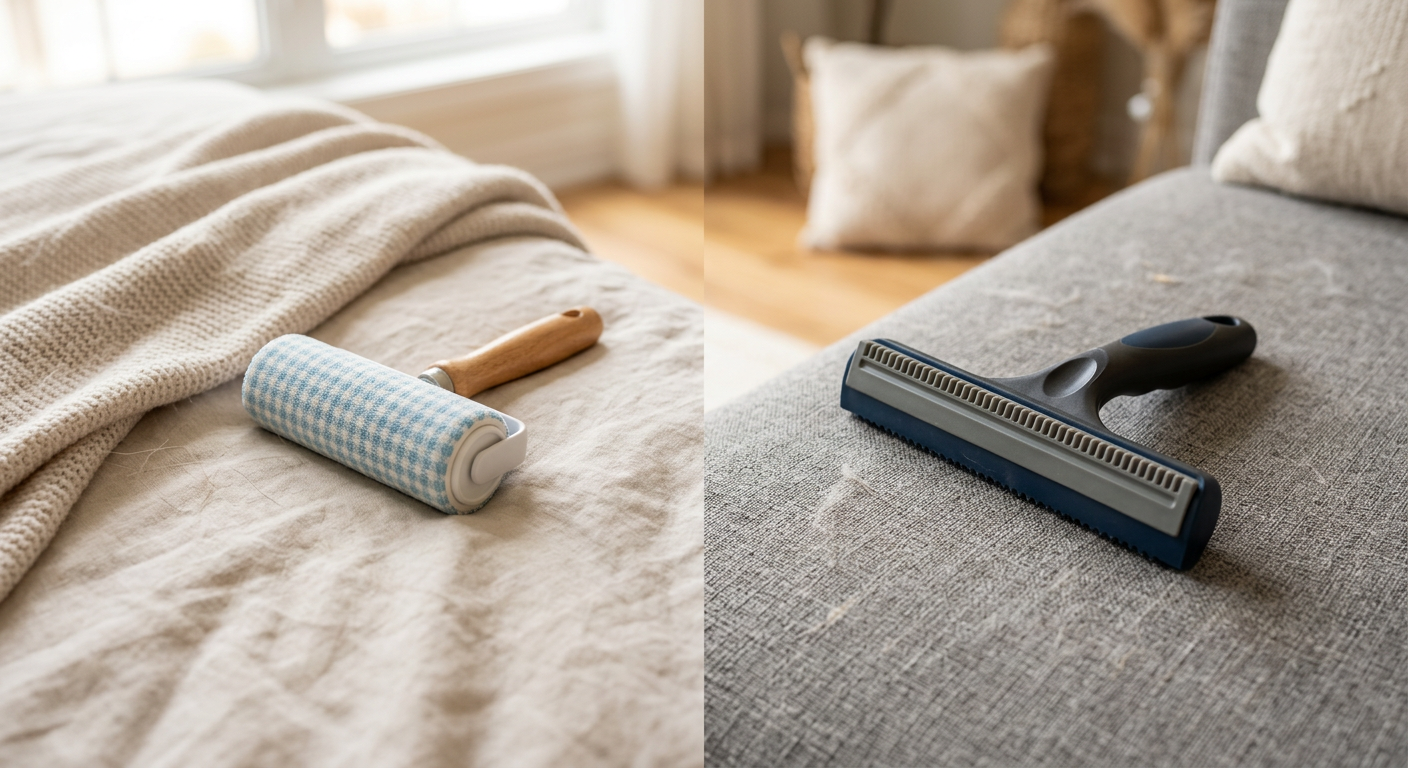
comparison • Hair Removal (Home)
Bed Hair Remover vs Sofa Hair Remover: Do You Need Different Tools?
Beds and sofas trap pet hair differently. Learn when one tool is enough, when you need two, and how to keep costs and cleanup time low.
By Lucy Anderson • February 22, 2026 • 7 min read
Table of contents
- Define value beyond sticker price
- 1) Consumables: sticky sheets vs reusables
- 2) Time cost: your routine is the real budget
- 3) Fabric risk: “effective” can still be expensive
- Minimum viable setup for reliable results
- The simplest “works for most homes” kit
- Concrete examples: what to use where
- Upgrade paths that actually improve outcomes
- Upgrade 1: Add a crevice-capable scraper/rake (for sofas and rugs)
- Upgrade 2: Two-zone strategy (bed kit + sofa kit)
- Upgrade 3: Laundry-side hair control (reduce the problem upstream)
- Workflow cost over 90 days
- Scenario A: One shedding dog, pet allowed on sofa, not on bed
- Scenario B: Two cats, pets sleep on bed daily
- Scenario C: Long-haired dog + textured couch fabric
- High-value options by use case
- If you want one tool that covers most homes
- If you need speed on bedding (and hate dragging out tools)
- If you need a cheap, reliable backup (or you have guests often)
- If your sofa fabric is the problem (seams, weave, car mats)
- Waste patterns to avoid
- Waste pattern 1: Using sticky lint rollers as your primary sofa solution
- Waste pattern 2: Buying a harsh scraper and using it everywhere
- Waste pattern 3: Cleaning too late (hair compacts)
- Waste pattern 4: Ignoring the pet’s favorite spot
- Performance audit checklist
- Surface and fabric audit
- Hair type audit
- Outcome audit (what “clean” means in your home)
- Tool match audit
- Final buying decision tree
- Step 1: Where is the real pain?
- Step 2: Choose your “main” tool (80% tool)
- Step 3: Add a “detail” tool only if you hit a wall
- Step 4: Decide if you truly need separate bed vs sofa tools
- Step 5: Lock in a routine that stays cheap
Pet hair doesn’t behave the same way on a bed as it does on a sofa. Bedding is usually softer, thinner, and more “grabby” (especially flannel, jersey, or microfiber sheets). Sofas tend to be thicker, tighter-woven, and built to hide hair in seams, crevices, and textured upholstery.
So when people search bed hair remover vs sofa, what they’re really asking is: Do I need specialized tools, or can I buy one thing and be done? The budget-value answer is: you can often cover both surfaces with one core tool, but it’s rarely the cheapest option over time if you choose the wrong “one tool.” Total cost of ownership is about replacement refills, time spent, and how often you give up and re-wash.
Below is a real-pet-owner comparison based on routine efficiency, not hype.
Define value beyond sticker price
When you compare a bed hair remover vs sofa tool, the upfront price matters less than three ongoing costs: consumables, time, and fabric risk.
1) Consumables: sticky sheets vs reusables
- •Sticky lint rollers feel inexpensive until you track refills. A multi-pack like Lint Rollers for Pet Hair, Sticky, Remover for Couch, Clothes Furniture and Carpet. Dog Hair Remover Cat Hair, Animal Fur, Fuzz. 5 Large Lint Rollers can be great for fast touch-ups, but sheets go quickly on a shedding season weekend.
- •Reusable tools (rollers, gloves, rakes) cost more once and then mainly “cost” your time. A reusable roller like the ChomChom Roller Pet Hair Remover – Original Size can replace a lot of sticky refills if you use it correctly.
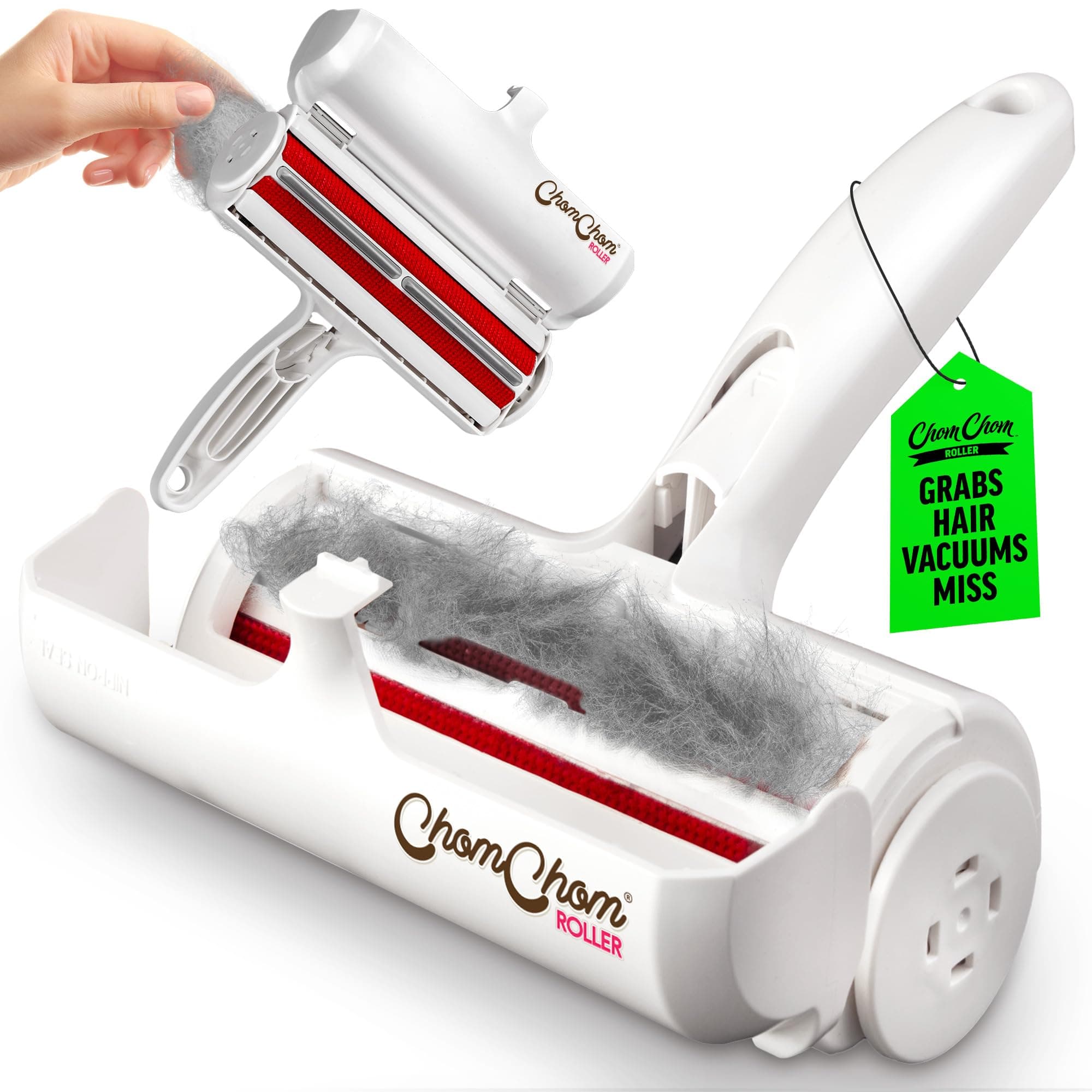
ChomChom Roller Pet Hair Remover – Original Size Reusable Lint Roller for Cat & Dog Hair on Furniture, Couch, Carpet, Car, Rugs & Bedding – Portable, Eco-Friendly (White)
ChomChom Roller
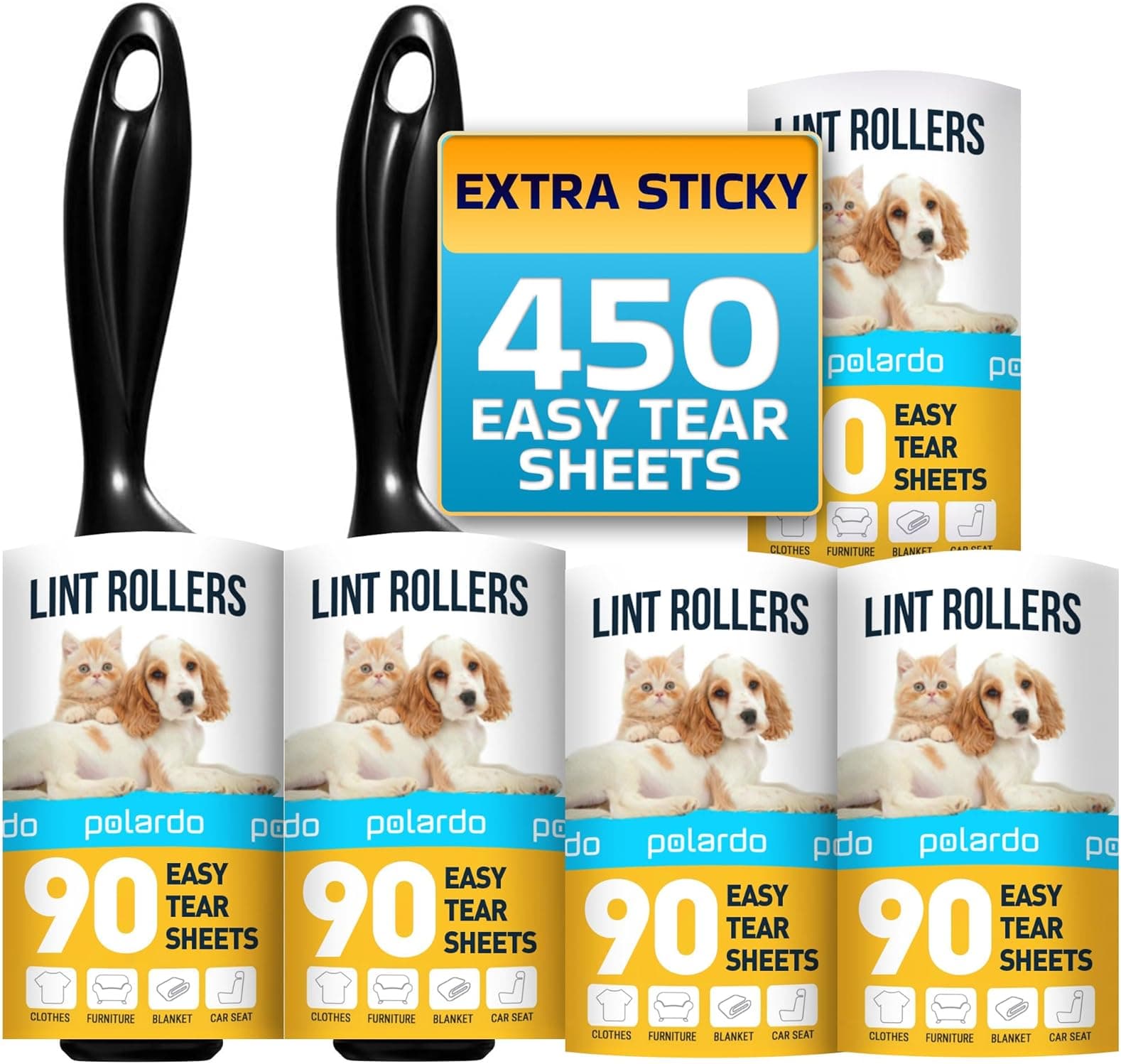
Lint Rollers for Pet Hair, Sticky, Remover for Couch, Clothes Furniture and Carpet. Dog Hair Remover Cat Hair, Animal Fur, Fuzz. 5 Large Lint Rollers
Polardo
2) Time cost: your routine is the real budget
Ask yourself two questions:
- •How often do I remove hair from the bed? (Most people: 2–7 times/week.)
- •How often do I remove hair from the sofa? (Most people: 1–4 times/week, plus guests.)
If your bed needs daily touch-ups, you want a tool that’s fast, forgiving on fabric, and easy to grab. If your sofa needs weekly “deep de-fuzzing,” you want a tool that can pull hair from texture and seams without damaging upholstery.
3) Fabric risk: “effective” can still be expensive
A super-aggressive scraper might outperform everything on a low-pile rug, but it can also snag knits, lift pills, or abrade delicate upholstery. If you ruin a duvet cover or damage a sofa cushion, that’s the definition of poor total cost of ownership.
Value rule of thumb:
- •For beds: prioritize low risk + speed.
- •For sofas: prioritize reach + extraction power (seams, texture, crevices).
Minimum viable setup for reliable results
You don’t need a drawer full of gadgets. You need a small kit that covers (1) wide surfaces, (2) crevices/seams, and (3) last-minute clothing emergencies.
The simplest “works for most homes” kit
1) Reusable roller for furniture and bedding
- •Start with a reusable roller like the ChomChom Roller Pet Hair Remover – Original Size.
- •Why it’s minimum-viable: it’s quick on large areas (top sheet, comforter, sofa seats) and doesn’t require refills.
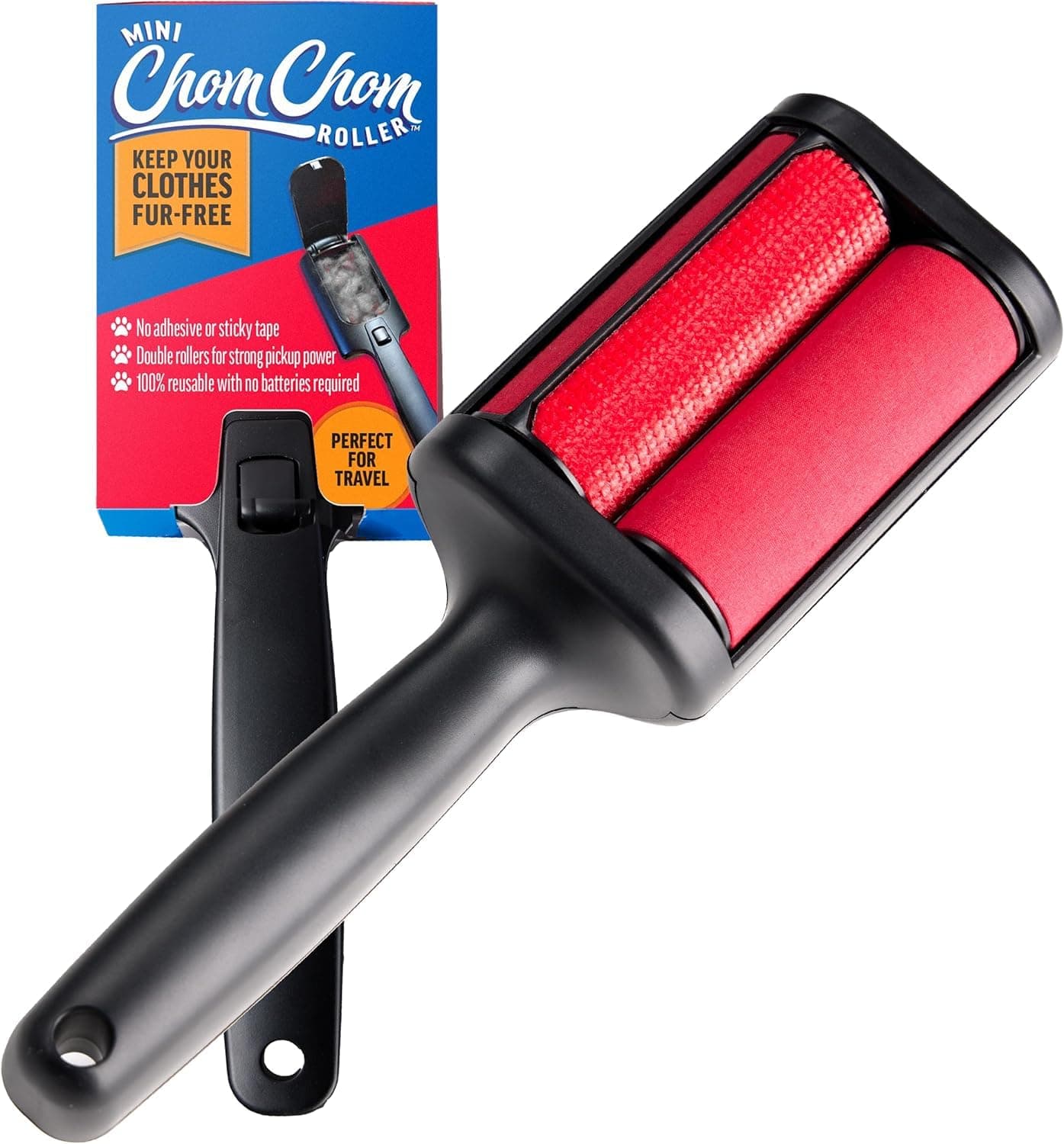
ChomChom Roller Pet Hair Remover – Reusable Lint Roller Pet Hair Removal Tool for Clothes, Couches, Cars and Travel - Cat Dog Hair Remover, Compact, No Sticky Refills Needed (Mini Roller)
ChomChom
ChomChom Roller Pet Hair Remover – Original Size Reusable Lint Roller for Cat & Dog Hair on Furniture, Couch, Carpet, Car, Rugs & Bedding – Portable, Eco-Friendly (White)
ChomChom
2) Sticky lint roller for precision and “right now” moments
- •Keep a sticky pack like Lint Rollers for Pet Hair for:
- •dark clothing before leaving
- •pillowcases right before guests
- •lampshades, headboards, and delicate trims where you want minimal friction
3) Glove or mitt for contours and quick daily maintenance
- •A reusable glove like Pet Hair Removal Glove for Dogs & Cats (Yellow) is a surprisingly efficient “in-between” tool.
- •It shines on:
- •quilted comforters
- •tufted sofa backs
- •stairs/edges and around pet beds
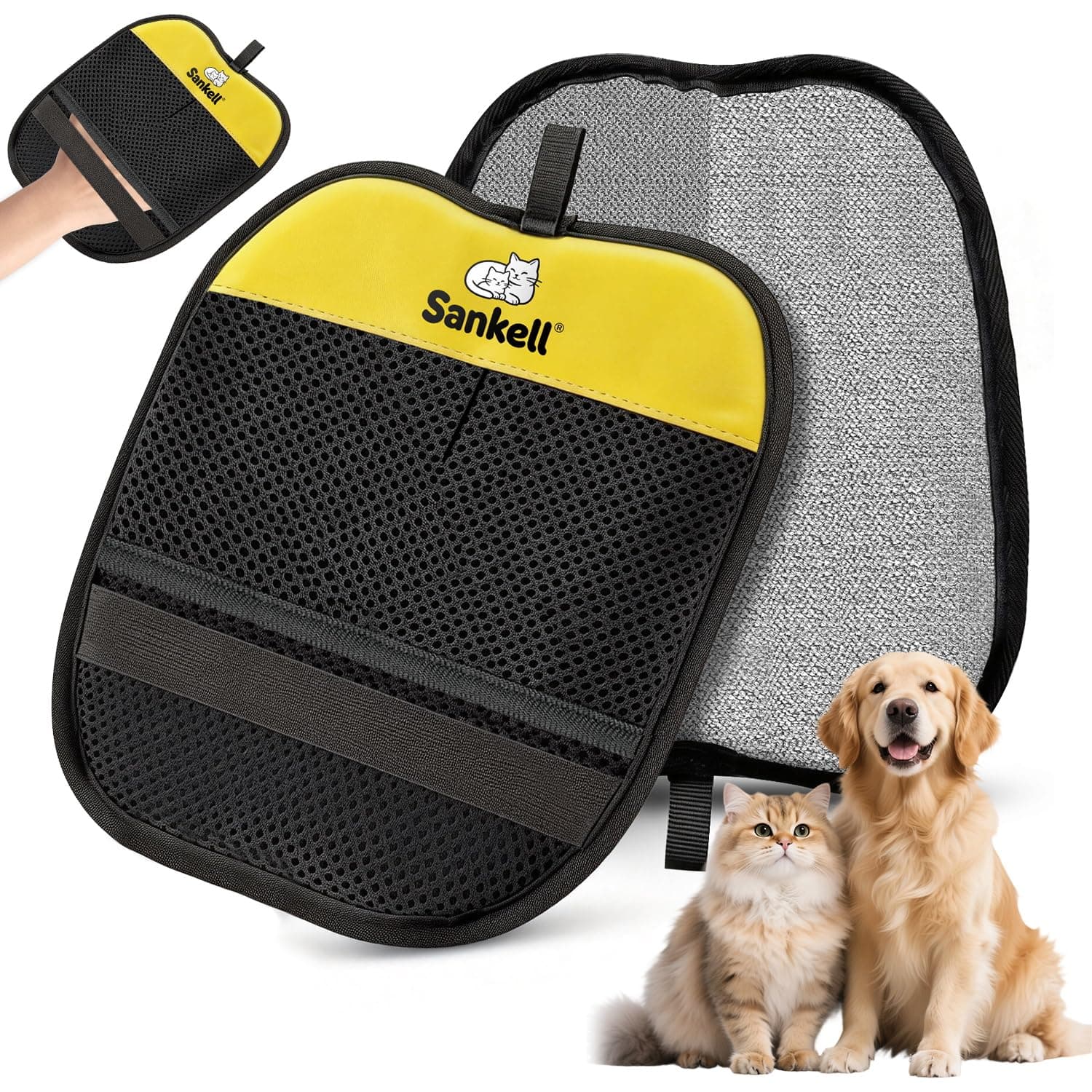
Pet Hair Removal Glove for Dogs & Cats, Newly Upgraded Reusable Electrostatic Pet Hair Remover Glove, Pet Hair Remover Mitt Tool for Couch, Furniture, Bed, Clothing, Carpet, Car Seat (Yellow)
Sankell
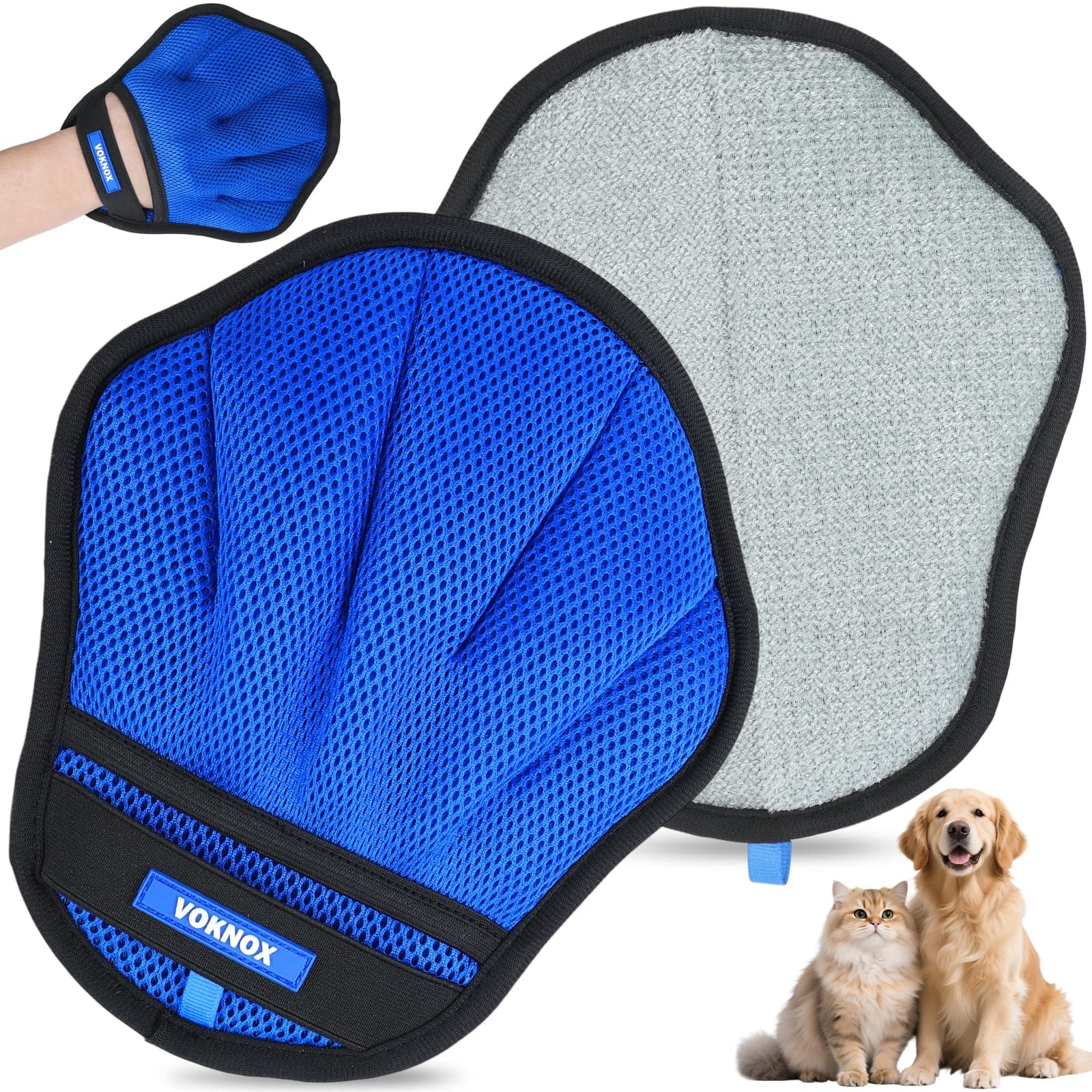
Pet Hair Removal Glove for Dogs & Cats, Electrostatic Five-Finger Hair Remover for Furniture, Couch, Carpet & Car Seat, Reusable Washable Pet Fur Cleaning Tool, Not for Grooming (1 PCS)
Brand: VOKNOX
Concrete examples: what to use where
- •Cat hair on cotton sheets: Reusable roller first. If hair is embedded (static cling), do a second pass with the glove to gather strands, then roller again.
- •Short dog hair on woven sofa upholstery: Glove to loosen and gather, then reusable roller to pick up.
- •Long hair on fleece blanket: Glove first (it clumps hair fast), then sticky lint roller for the last 10% if you want it “company clean.”
Upgrade paths that actually improve outcomes
If your current setup “kind of works,” upgrades should do one of two things: remove hair you can’t currently remove, or cut your cleaning time.
Upgrade 1: Add a crevice-capable scraper/rake (for sofas and rugs)
If hair is trapped in sofa seams, along piping, or in textured upholstery, add a more extraction-focused tool like Pet Hair Removal Tool: 6 Pcs Dog Cat Hair Remover.
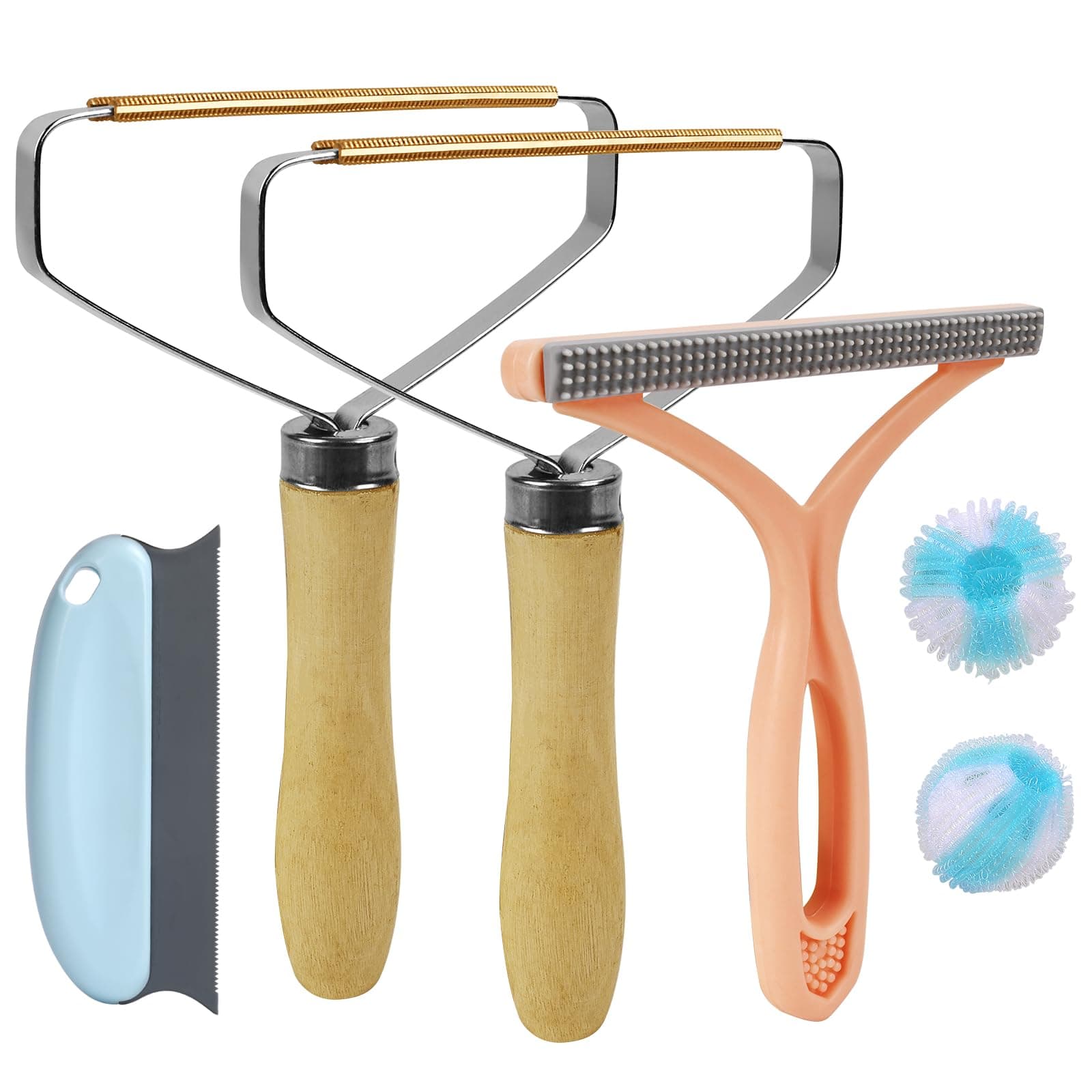
Pet Hair Removal Tool: 6 Pcs Dog Cat Hair Remover - Reusable Pet Hair Remover with Laundry Pet Hair Catcher - Portable Carpet Rake Scraper Fur Removal Tool for Rugs Car Mats Couch Furniture
Brand: Numhosai
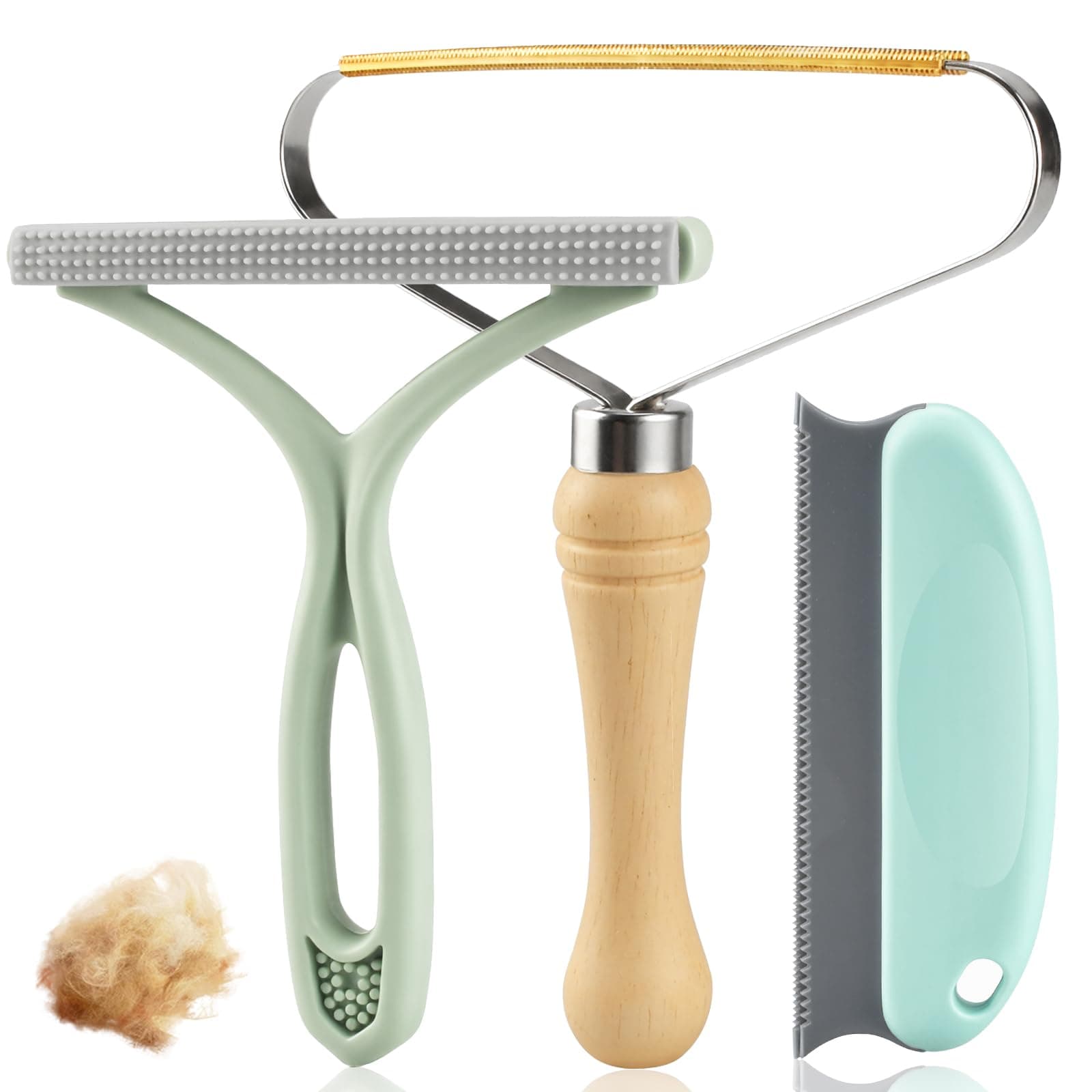
Pet Hair Removal Tool 3 Pack Dog Cat Hair Remover Carpet Scraper Rake Fur Removal Brush Lint Remover Shaver for Car Furniture Couch Green
Brand: AXEGY
Use it for:
- •sofa seams where hair packs down
- •carpeted stairs
- •car mats and trunk liners
Avoid using aggressive scrapers on:
- •knit blankets
- •delicate duvet covers
- •loosely woven upholstery
Practical tip: Do 3–4 short, light strokes in one direction. If you see fuzz balls or fabric pilling, stop and switch tools.
Upgrade 2: Two-zone strategy (bed kit + sofa kit)
If you’re constantly moving tools between rooms, you’ll clean less.
- •Put a glove and sticky roller in your bedroom.
- •Put the reusable roller and scraper near the living room.
This is an “efficiency upgrade,” not a performance upgrade—but it often helps more than buying a fancier single tool.
Upgrade 3: Laundry-side hair control (reduce the problem upstream)
If your bed is the main issue because pets sleep with you, the best ROI is reducing hair transfer:
- •use a washable throw blanket as a “pet top layer” and wash it 1–2x/week
- •keep an extra pillowcase on the pet’s preferred side
You’ll still remove hair, but you’ll remove it from a single layer instead of your entire bedding set.
Workflow cost over 90 days
Let’s make the budget-value approach real: over 90 days, you’ll pay with either refills, time, or extra laundry.
Scenario A: One shedding dog, pet allowed on sofa, not on bed
- •Sofa: deep clean 2x/week, quick touch-up 2–3x/week
- •Bed: light hair (from you), touch-up 1–2x/week
Best workflow:
- •Reusable roller for 80% of sessions
- •Scraper/rake for weekly seam/texture extraction
- •Sticky roller only for clothing/spot touch-ups
Hidden cost you avoid: burning through sticky sheets on upholstery texture.
Scenario B: Two cats, pets sleep on bed daily
- •Bed: daily touch-up on comforter + pillows
- •Sofa: 1–2x/week
Best workflow:
- •Glove daily (fast clumping on bedding)
- •Reusable roller every other day to “finish”
- •Sticky roller for pillowcases before guests
Hidden cost you avoid: re-washing duvet covers mid-week because the bed “looks dusty.”
Scenario C: Long-haired dog + textured couch fabric
This is where “bed hair remover vs sofa” diverges most. Textured upholstery traps hair like Velcro.
Best workflow:
- •Scraper/rake for extraction first
- •Reusable roller second
- •Sticky roller only for final detailing if needed
Hidden cost you avoid: spending 25 minutes rolling the same cushion and still seeing hair in the weave.
High-value options by use case
If you want one tool that covers most homes
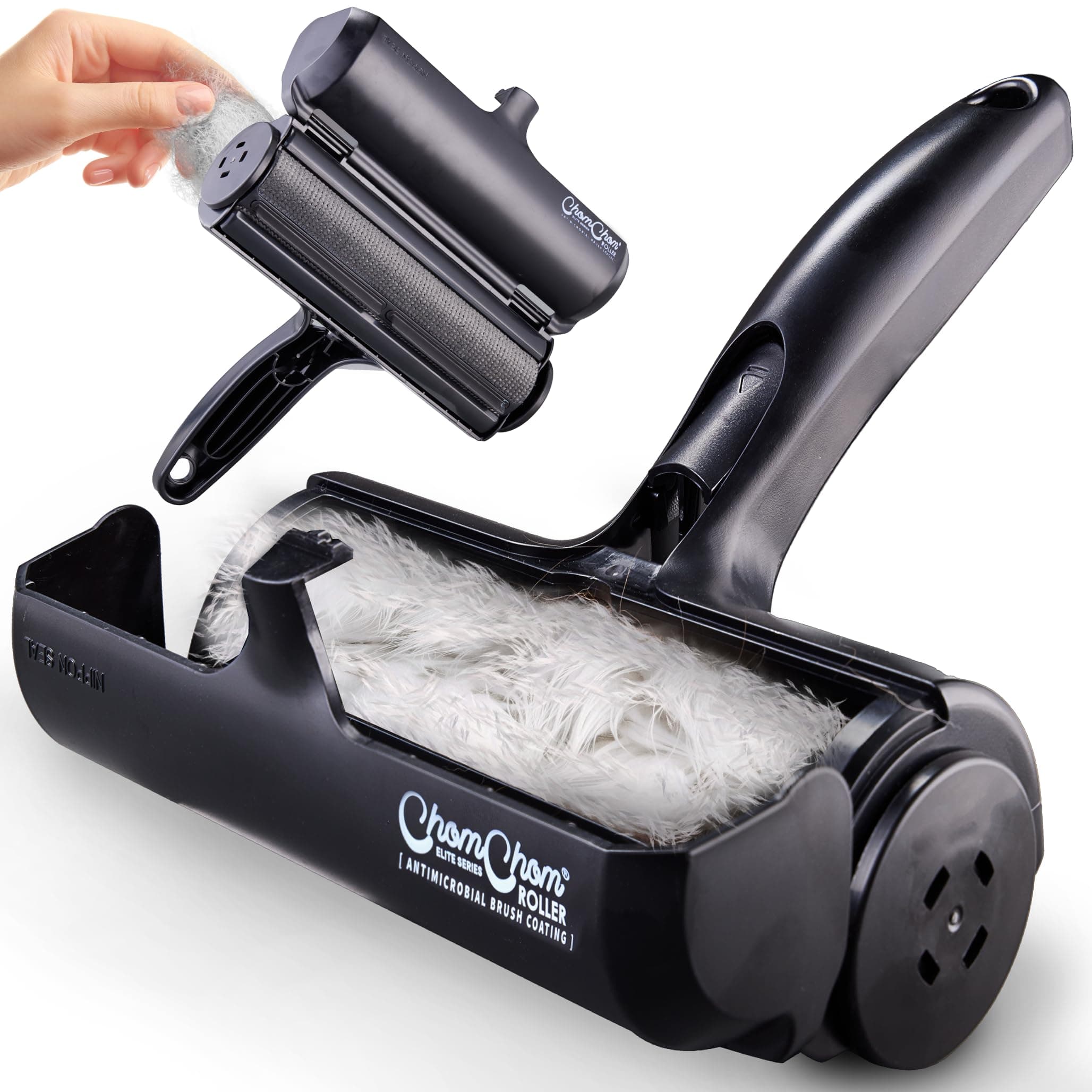
ChomChom Roller Pet Hair Remover – Original Size Reusable Lint Roller for Cat & Dog Hair on Furniture, Couch, Carpet, Car, Rugs & Bedding – Portable, Eco-Friendly (Black)
ChomChom
ChomChom Roller Pet Hair Remover – Original Size Reusable Lint Roller for Cat & Dog Hair on Furniture, Couch, Carpet, Car, Rugs & Bedding – Portable, Eco-Friendly (Black)
ChomChom Roller
Why it’s high value: no refills, fast on big surfaces, solid for both bed and sofa as a default.
Best for:
- •smooth upholstery
- •bedding top layers
- •quick sessions where you’ll actually do it
If you need speed on bedding (and hate dragging out tools)
Why it’s high value: it turns “I should clean the bed” into a 60-second habit.
Best for:
- •comforters, quilts, throws
- •tufted sofa backs
- •spot cleaning corners and edges
If you need a cheap, reliable backup (or you have guests often)
Why it’s high value: it’s the fastest way to make a surface look presentable in minutes.
Best for:
- •clothes, pillows, lampshades
- •travel and car emergency kits
If your sofa fabric is the problem (seams, weave, car mats)
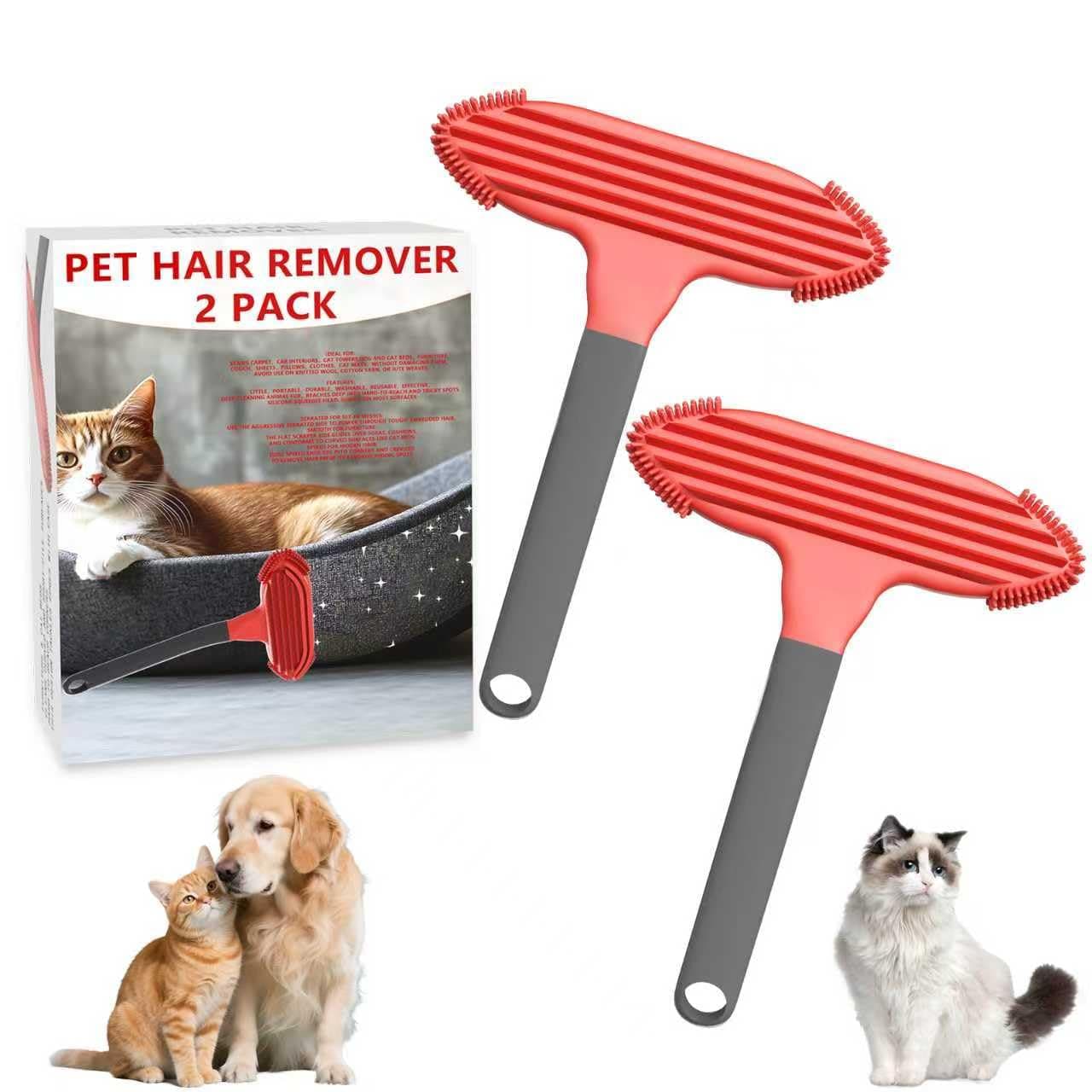
Why it’s high value: it extracts what rollers leave behind.
Best for:
- •textured upholstery
- •rugs and mats
- •seams and crevices
Waste patterns to avoid
Most wasted money in pet hair removal comes from buying tools that “work” only in perfect conditions.
Waste pattern 1: Using sticky lint rollers as your primary sofa solution
Textured couches can eat through sheets fast. If you’re peeling sheets constantly, your cost per cleaning session is quietly climbing.
Better approach: reusable roller for most passes; scraper/rake for embedded hair; sticky only for detailing.
Waste pattern 2: Buying a harsh scraper and using it everywhere
A tool that’s great on rugs can be expensive on bedding if it causes pilling or snags. Keep aggressive tools in the “sofa/rug zone,” not the “sheets zone.”
Waste pattern 3: Cleaning too late (hair compacts)
Hair that sits for a week gets pushed into fibers by sitting, sleeping, and shifting cushions. Two 2-minute cleanups beat one 20-minute battle.
Waste pattern 4: Ignoring the pet’s favorite spot
If your cat always sleeps on the same corner of the bed, put a washable throw there. You’ll remove hair from one layer instead of three.
Performance audit checklist
Use this checklist to figure out whether you need different tools for bed vs sofa, or just a better workflow.
Surface and fabric audit
- •Bed: cotton percale? jersey? microfiber? flannel? (microfiber/flannel usually holds hair more)
- •Sofa: smooth leather-like? tight weave? textured weave? velvet-like? (textured and velvet-like trap hair deeply)
Hair type audit
- •Short, stiff hair (many shedding dogs): tends to “needle” into upholstery
- •Fine, floaty hair (many cats): clings with static and spreads across bedding
- •Long hair: tangles into throws and seams
Outcome audit (what “clean” means in your home)
- •Daily comfort clean: hair reduced, not perfect
- •Guest-ready: pillow tops, armrests, and dark fabrics look clean up close
- •Allergy-sensitive: you need consistent removal, not occasional deep cleaning
Tool match audit
If these are true, one tool is usually enough:
- •your sofa is a smooth/tight weave
- •most hair sits on the surface
- •you’re okay with “pretty clean” most days
If these are true, different tools for bed vs sofa will save time and money:
- •your sofa has textured upholstery, seams that pack hair, or you have car mats/rugs to deal with
- •your bed uses clingy fabrics (flannel/microfiber) and pets sleep on it daily
- •someone in the home is allergy-sensitive and you need repeatable results
Final buying decision tree
Use this decision tree to settle the bed hair remover vs sofa question without overbuying.
Step 1: Where is the real pain?
- •Mostly bed (daily hair on comforter/sheets): start with a glove + one finishing tool.
- •Mostly sofa (hair in weave/seams): start with a reusable roller + a seam-focused extractor.
Step 2: Choose your “main” tool (80% tool)
- •Want lowest ongoing cost and fast sessions: get a reusable roller like the ChomChom Roller.
- •Want the quickest daily habit on bedding: add the Pet Hair Removal Glove (Yellow).
Step 3: Add a “detail” tool only if you hit a wall
- •If hair stays embedded in sofa texture or seams: add the Pet Hair Removal Tool: 6 Pcs.
- •If you need instant guest-ready cleanup or clothing rescue: keep Lint Rollers for Pet Hair on hand.
Step 4: Decide if you truly need separate bed vs sofa tools
You need different tools if:
- •your bed fabrics require gentle, fast removal (glove/roller)
- •your sofa requires extraction power (scraper/rake)
You don’t need different tools if:
- •both surfaces are smooth/tight weave
- •hair mostly sits on top and lifts easily with a reusable roller
Step 5: Lock in a routine that stays cheap
- •60–120 seconds daily on the highest-use surface (often the bed)
- •5 minutes twice a week on the sofa seats/arms
- •10 minutes weekly for seams/crevices if needed
That routine is where the real savings live: less laundry, fewer refills, and less time spiraling into “why is there hair everywhere?”
Roundups Cluster
More in this topic

guide
Pet Feeding Station Setup: The Perfect Spot for Stress-Free Meals
guide
Best Indestructible Dog Toys for Aggressive Chewers
guide
10 DIY Cat Enrichment Ideas to Keep Your Cat Happy
guide
Positive Reinforcement Dog Training: A Complete Beginner's Guide
guide
Crate Training Puppy Schedule: Day-by-Day Plan for Success
guide
Leash Training Tips for Dogs: Stop Pulling and Enjoy Walks
Frequently asked questions
Can I use the same pet hair remover on my bed and sofa?
Often, yes—especially if your sofa upholstery is smooth or tight-woven and hair mostly sits on top. A reusable roller like the ChomChom can handle both bedding and couch surfaces efficiently. You’re more likely to need a second, different tool when your sofa fabric is textured (hair embeds in the weave) or when your bedding is clingy (flannel/microfiber) and needs a gentler, faster daily routine.
Why do sticky lint rollers seem to work better on beds than sofas?
Beds usually present a flatter, less textured surface, so adhesive sheets can grab hair quickly without getting “used up” immediately. Sofas often have seams, piping, and textured upholstery that trap hair; you end up pressing harder and peeling more sheets, which increases refill costs. Many pet owners save money by using a reusable roller for most sofa cleaning and reserving sticky rollers for detailing and clothing.
What’s the most cost-effective 2-tool combo for heavy shedding homes?
For most heavy-shedding homes, a reusable roller plus an extraction tool gives the best total cost of ownership. Use a reusable roller (like the ChomChom) for fast, frequent passes on both bed and sofa, then use a seam/texture-focused tool (like the multi-piece pet hair removal tool set) weekly to pull hair out of upholstery weave, seams, rugs, and car mats. Add a sticky lint roller only if you need guest-ready finishing or clothing touch-ups.
